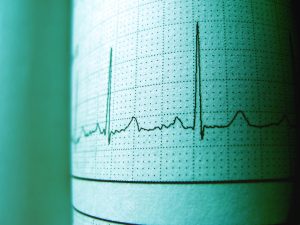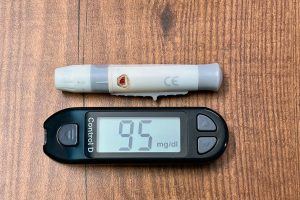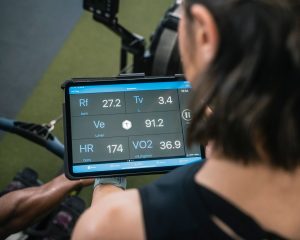
Chronic anxiety is not a background condition — it is an active threat to executive function, longevity, and decision-making capacity. Sustained psychological stress elevates cortisol, accelerates cellular aging through telomere attrition, and compromises prefrontal cortex performance — the very neurological infrastructure high-performing professionals depend on. Emerging clinical data suggests that structured spiritual practice, including prayer, measurably attenuates the hypothalamic-pituitary-adrenal axis response. For executives operating under persistent cognitive and emotional load, this is not a peripheral wellness consideration. It is a performance and longevity variable worth examining with rigor.
The Anxiety Burden in High-Performance Populations

Executives and founders operate within environments that sustain elevated psychological arousal for extended periods. Unlike acute stress, which resolves, chronic professional anxiety persists across quarters, funding cycles, and leadership transitions. As a result, this sustained state activates the HPA axis repeatedly. It produces cortisol output the body was not designed to manage indefinitely. The cumulative physiological cost is measurable and documented across occupational health and stress physiology literature.
Peer-reviewed research consistently links chronic psychological stress to elevated cardiovascular risk, immune dysregulation, and markers of accelerated biological aging. Notably, high-performing professionals are not exempt from these outcomes. The demands of sustained decision-making, reputational pressure, and financial responsibility create a neurochemical environment that erodes health progressively. Furthermore, early symptoms are often absent, making the erosion difficult to detect until deficits are established.
Beyond the cardiovascular and immune consequences, elevated cortisol suppresses hippocampal neurogenesis, degrades working memory, and reduces prefrontal cortex capacity for complex reasoning. These are not abstract long-term risks. Rather, they are functional deficits that begin accumulating before clinical thresholds are reached. For longevity-focused professionals, this downstream effect on performance infrastructure is among the most operationally relevant consequences of chronic anxiety.
Understanding the Physiological Mechanism of Anxiety

Anxiety activates the sympathetic nervous system, triggering the release of adrenaline and cortisol. In turn, these hormones redirect blood flow, increase heart rate, and suppress non-essential functions including digestion and immune regulation. This response is adaptive. In chronic form, however, it becomes a systemic liability with compounding physiological consequences.
Sustained cortisol elevation associates with telomere shortening, a biomarker linked to cellular aging. Specifically, Epel and colleagues, writing in Proceedings of the National Academy of Sciences (2004), identified correlations between perceived psychological stress and reduced telomere length in peripheral blood leukocytes. This relationship is correlational. Nevertheless, telomere length as a standalone predictive clinical variable for individuals remains an area of active scientific debate, though the association replicates across multiple study populations.
In addition to cellular aging markers, chronic anxiety also disrupts sleep architecture. It reduces slow-wave sleep and REM duration — both essential for memory consolidation, hormonal restoration, and metabolic regulation. Consequently, a professional experiencing sustained anxiety is not simply managing discomfort. They are operating with measurably degraded recovery infrastructure, and that degradation compounds over time.
Where Spirituality Enters the Clinical Conversation

For decades, clinicians largely excluded spirituality from mental health discussions. Over time, however, that exclusion has steadily eroded. Epidemiological data from large population studies now suggest a consistent inverse relationship between spiritual engagement and anxiety-related outcomes. As a result, the evidence base has grown substantively over the past two decades.
Prospective research by Tyler VanderWeele and colleagues at Harvard T.H. Chan School of Public Health, published in JAMA Internal Medicine (2016), found that regular religious attendance associated with lower rates of depression and anxiety-related outcomes in a large cohort. The authors, however, noted limitations including self-selection bias and reliance on self-reported measures. These caveats matter and should inform how practitioners interpret the findings.
Beyond the epidemiological signal, the proposed mechanism involves parasympathetic nervous system activation, reduced HPA axis reactivity, and changes in inflammatory marker profiles over time. These pathways are biologically plausible. Moreover, emerging evidence supports them directionally, though the field acknowledges that rigorous, large-scale randomized trials in this area remain limited. Professionals evaluating this evidence should therefore weigh both the signal and the methodological constraints.
READ ALSO: Therapist for Relationship Anxiety: Gentle Guidance for Growth
Prayer as a Neurological Intervention
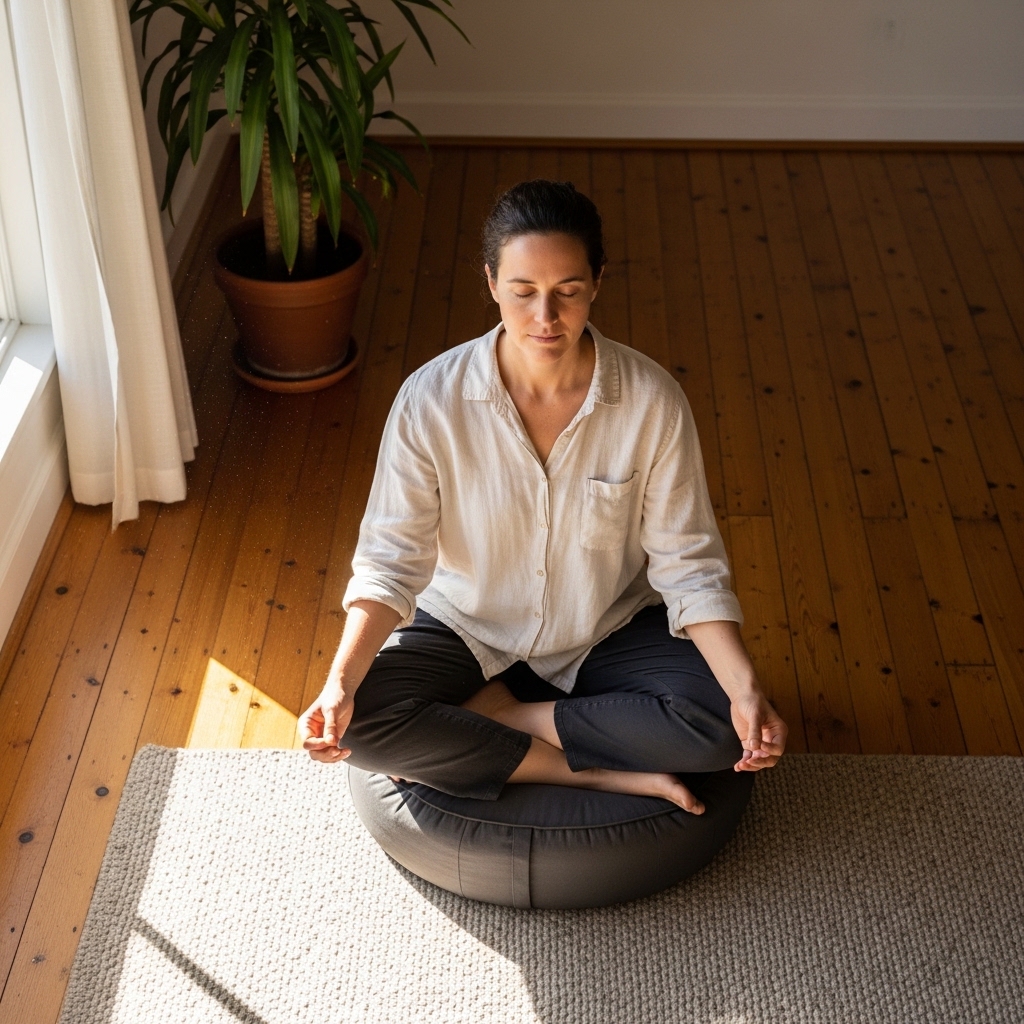
Prayer functions as a form of focused attentional practice. Specifically, it reduces default mode network activity — the brain's resting-state rumination circuit. It also shifts cognitive engagement toward deliberate, present-focused processing. This pattern is neurologically similar to what occurs during mindfulness meditation, though the cognitive and emotional content differs between practices.
Building on this, Andrew Newberg and colleagues at Thomas Jefferson University used SPECT imaging to document changes in prefrontal cortex and anterior cingulate cortex activation during prayer and meditation. These regions govern emotional regulation and executive function — the same regions chronic anxiety tends to undermine. The findings are preliminary, however. Study samples were small, and the field requires larger, better-controlled replication before drawing firm conclusions.
Despite these limitations, the clinical relevance centers on the practice architecture itself. Regular, intentional, inward-focused engagement may create parasympathetic activation and reduce sympathetic dominance. Whether spiritual content specifically drives this effect — or whether attentional and respiratory patterns produce it — remains an open and important research question that warrants continued investigation.
The HPA Axis and Spiritual Engagement

The HPA axis governs the body's primary stress response. When chronically activated, it dysregulates cortisol rhythms, disrupts sleep, and increases systemic inflammation. Consequently, interventions that down-regulate HPA activity produce measurable downstream effects on cardiovascular health, immune function, and cognitive performance. HPA modulation is therefore a legitimate target in executive health protocols.
In this context, Harold Koenig and colleagues at the Duke University Center for Spirituality, Theology and Health documented associations between religious and spiritual engagement and reduced inflammatory markers in older adult populations. Some cohorts showed lower interleukin-6 levels among more spiritually engaged participants. Nevertheless, Koenig's work acknowledges methodological heterogeneity across studies. The authors accordingly call for more controlled trial designs before drawing causal conclusions.
For the executive population, this carries directional relevance. Reducing chronic HPA activation preserves cognitive clarity, cardiovascular function, and biological age trajectory. With that in mind, spiritual practice offers one evidence-supported, low-cost option for contributing to that reduction. Effect sizes and individual responses vary, and practitioners should position it accordingly.
Inflammatory Markers and the Stress-Spirituality Link

Chronic psychological stress drives systemic inflammation through multiple pathways. Specifically, dysregulated cortisol contributes to a pro-inflammatory state that accelerates cardiovascular disease risk, metabolic dysfunction, and cognitive decline. For this reason, executive health programs monitor CRP and IL-6 because of their predictive relevance to long-term disease risk. These markers respond to behavioral and lifestyle interventions.
The connection between spiritual engagement and reduced inflammatory load appears across several cohort studies, though the evidence is not uniform. In a comprehensive aggregation, Koenig, King, and Carson, in the Handbook of Religion and Health (Oxford University Press, 2012), reviewed findings across hundreds of studies. They identified a modest but recurrent inverse association between spiritual engagement and inflammatory markers. The authors, however, noted significant variability in study quality and design.
Despite these limitations, the directional consistency of these findings carries clinical relevance. Any practice that plausibly reduces HPA reactivity and contributes to lower inflammatory marker levels warrants consideration within a longevity-oriented health framework. That said, practitioners should position it as an adjunct, not a primary intervention.
READ ALSO: Mental Clarity Techniques for a More Focused You
Cognitive Performance and Spiritual Practice

Anxiety degrades cognitive performance through several well-characterized pathways. It reduces working memory capacity, narrows attentional bandwidth, and impairs executive decision-making. It also reduces tolerance for ambiguity. For professionals whose core value lies in high-quality judgment under uncertainty, these deficits are not trivial. Moreover, experience and expertise do not fully offset them.
Regular spiritual practice may interrupt these pathways at a functional level. By engaging the prefrontal cortex and reducing default mode network rumination, it can create conditions more favorable to deliberate thinking. Neuroimaging research supports this directionally. However, study populations in this area remain small, and findings warrant cautious interpretation pending larger replications.
Given this evidence, professionals who incorporate structured spiritual practice into their daily routine may support cognitive performance as part of a broader stress regulation strategy. The evidence positions spirituality as one legitimate tool among several. It therefore warrants consideration alongside sleep optimization, exercise, and — where clinically indicated — psychological or psychiatric intervention.
Sleep Quality as a Performance Variable

Sleep is a primary recovery mechanism for the brain, cardiovascular system, and metabolic regulation. Among the most common disruptors of sleep quality in high-performing professionals is anxiety. Cognitive and emotional load carried into rest periods fragments sleep, reduces growth hormone secretion, elevates evening cortisol, and compromises brain recovery processes including memory consolidation and synaptic regulation.
In line with these mechanisms, research suggests that individuals who engage in regular spiritual or religious practice report better subjective sleep quality than non-practitioners. Similarly, the NIH's National Center for Complementary and Integrative Health identifies mind-body practices — including contemplative meditation structurally similar to prayer — as associated with improved sleep onset and continuity across several clinical trials. Most of this evidence, however, relies on self-reported outcomes. Objective polysomnographic data in this specific area remains limited.
Nevertheless, for the executive population, improved sleep quality produces direct performance returns: better cognitive output, more regulated emotional responses under pressure, and reduced cortisol elevation over time. Spiritual practice therefore functions as one component of a broader sleep optimization strategy. Its biological plausibility and directional support in the literature make it worth including in that framework.
Autonomic Regulation and the Parasympathetic Response
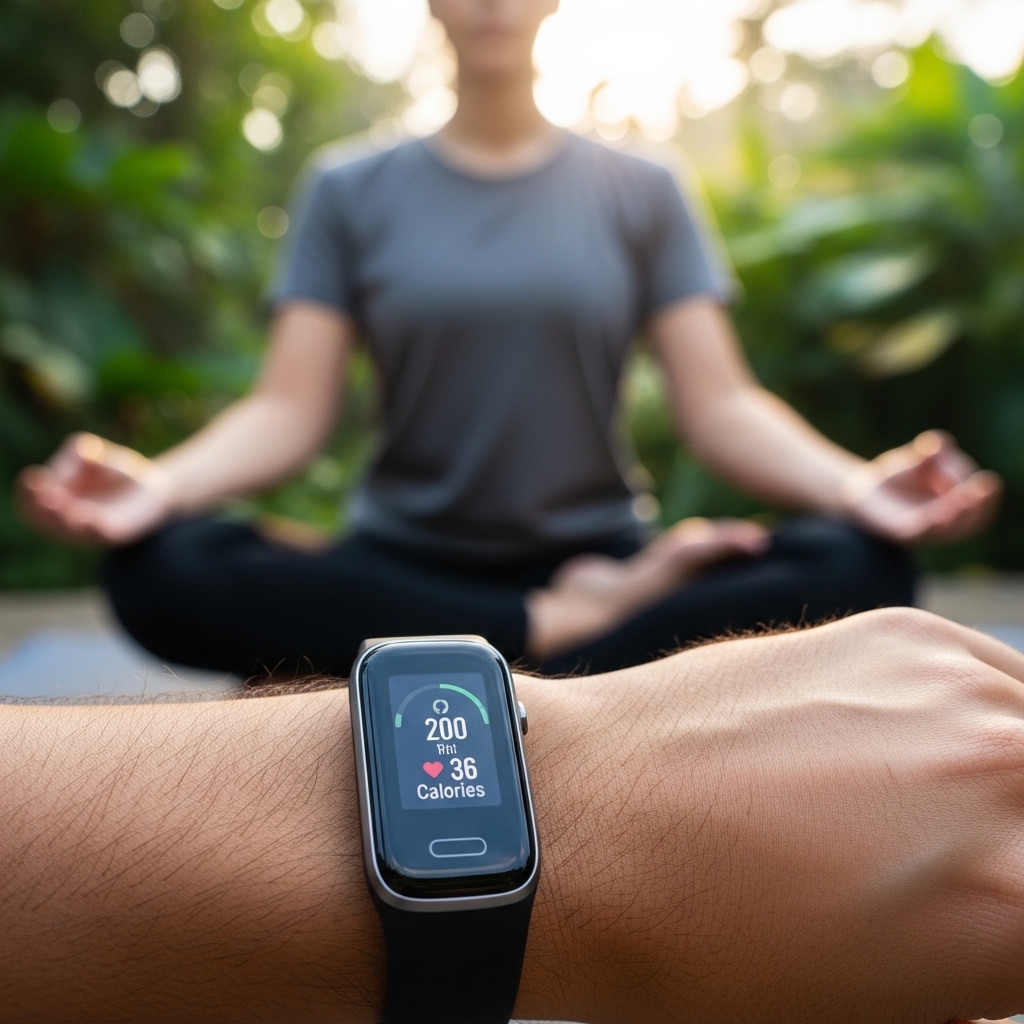
The autonomic nervous system balances sympathetic activation against parasympathetic recovery. Chronic anxiety tips this balance toward sustained sympathetic dominance. As a result, this reduces heart rate variability — a widely monitored biomarker of autonomic health and cardiovascular resilience. HRV's association with stress recovery is well-established. Its relationship to cognitive flexibility, however, is observed but less robustly characterized in the literature.
Contemplative practices, including prayer, associate with parasympathetic activation. In particular, the mechanism most directly supported by evidence involves slow, rhythmic breathing patterns that typically accompany these practices. Paced breathing at approximately five to six breath cycles per minute stimulates vagal tone and improves HRV. The independent contribution of spiritual or attentional content — separate from the breathing pattern — has not been fully isolated in controlled research.
For professionals who already track HRV through wearable devices, this connection offers a quantifiable entry point. Accordingly, incorporating structured contemplative practice as a deliberate HRV-support protocol adds a low-cost, evidence-adjacent tool to an existing biometric framework. The active mechanism may involve respiratory patterning as much as spiritual engagement itself, and professionals should hold that distinction clearly.
READ ALSO: Holistic Anxiety Remedies For Calmness Without Pills
Addressing the Secular Professional's Resistance

Not every high-performing professional identifies with religious tradition. This matters when evaluating clinical literature on spiritual practice and anxiety. Much of the research embeds itself in religious or theologically defined contexts. Consequently, the question of whether theological belief drives the physiological effect — or whether the practice structure does — remains partially unresolved.
Current evidence suggests, tentatively, that structural elements of the practice contribute meaningfully to physiological outcomes. These elements include focused attention, intentional stillness, and consistent activation of a non-reactive observational state. Furthermore, secular contemplative practices with architectural similarities to prayer — including mindfulness-based stress reduction — demonstrate comparable effects on cortisol, HRV, and inflammatory markers in more rigorously controlled trials. Direct head-to-head comparisons between prayer and secular meditation, however, remain limited.
Given this, professionals resistant to explicitly spiritual frameworks can draw on the same mechanistic principles through secular contemplative practice. The evidence supports the practice architecture. It does not, therefore, require a specific doctrinal framework to produce measurable physiological benefit. This conclusion itself warrants further controlled investigation, and practitioners should communicate that uncertainty honestly.
Evidence-Based Applications for the High-Performing Professional

The evidence reviewed here points to several practical directions worth considering. Daily structured spiritual or contemplative practice — in sessions of ten to twenty minutes — associates with reduced cortisol output, lower inflammatory marker levels, improved HRV, and better self-reported sleep quality across multiple study populations. Breath-anchored prayer or meditation, reflective journaling, and periods of intentional stillness all show measurable physiological correlates in peer-reviewed literature. Professionals who already monitor HRV may find contemplative practice a low-cost addition to an existing biometric protocol. Where anxiety reaches clinical significance, however, these practices function as adjuncts to — not replacements for — evidence-based clinical intervention. Effect sizes vary, and individual responses depend on consistency, baseline stress load, and practice type. Professionals and their clinicians should therefore evaluate the evidence critically and incorporate these tools proportionally within a broader, individualized health strategy.
UP NEXT: Meditation Yoga for Beginners: Find Your Peace
Sustained spiritual practice and regular prayer have been shown to reduce chronic psychological stress — a key driver of accelerated cellular aging — with studies linking high religiosity and stress-buffering coping behaviors to measurably longer telomere length, a direct biomarker of biological age. WholeLiving's Biological Age Estimation Model incorporates this factor directly — your assessment takes under five minutes.
Ready to understand how these factors are influencing your biological age right now? [Take the Biological Age Assessment →]