

In today’s fast-paced world, taking care of your immune system has never been more crucial. Keeping it strong ensures your body’s immune response is ready to fight off infections, from the common cold to more serious threats. To help support your body’s natural defenses, understanding which vitamins and minerals are essential is the first step in boosting your immune health.
READ ALSO: Health Information Professionals and the Future of Wellness
Understanding the Role of Vitamins and Minerals in Immunity
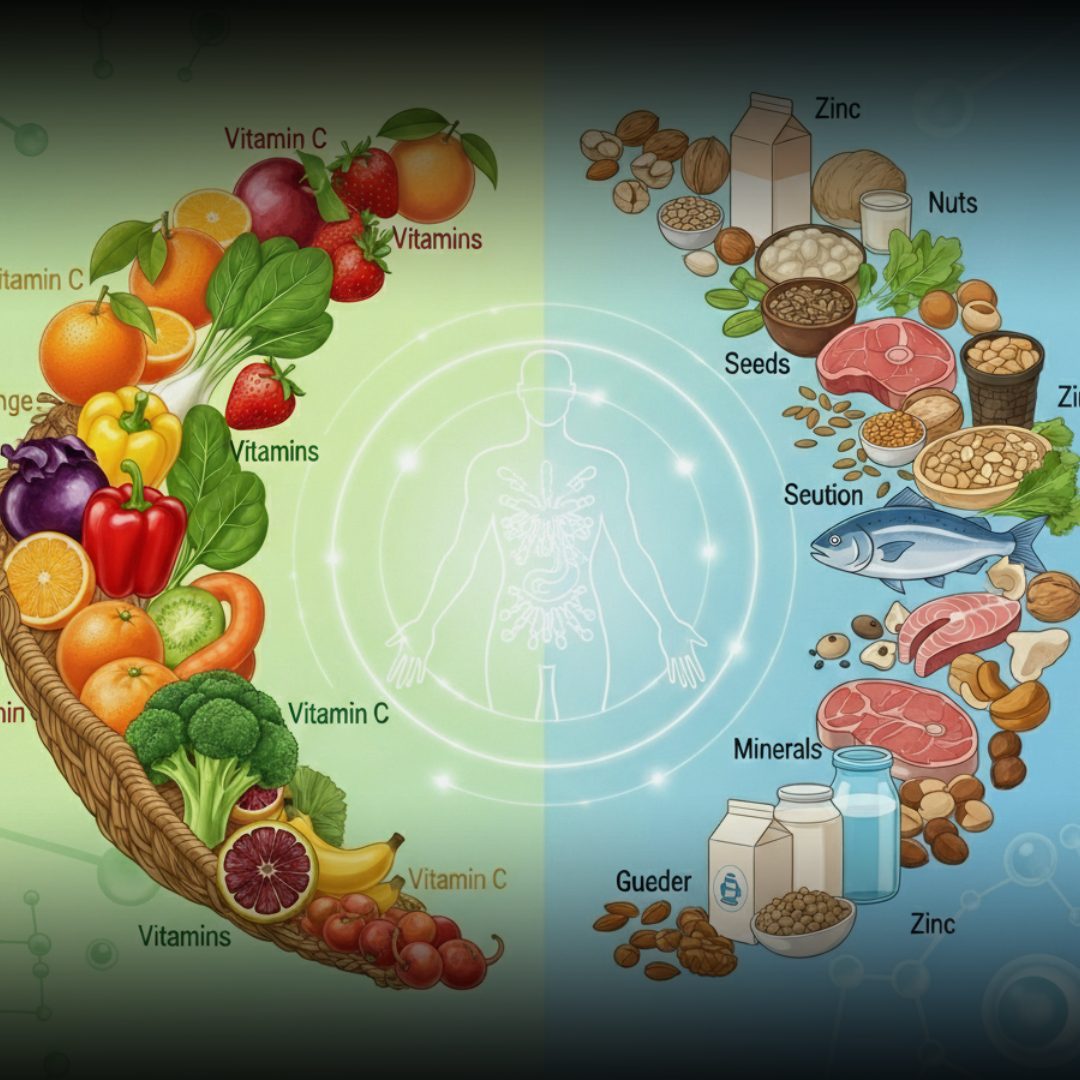
Vitamins and minerals are immune boosting nutrients that help your body maintain immune function. When you’re missing out on the right vitamins, your immune system might struggle to protect you against harmful invaders like viruses or bacteria. By ensuring you get a balance of vitamins, you can support the immune system strong and ensure that your immune cells are functioning at their best.
Research suggests that some vitamins and minerals play a more significant role in immune system function than others. Among these, vitamin C, vitamin D, and zinc stand out for their ability to help the body fight infections, promote white blood cells, and strengthen the adaptive immune system.
Vitamin C: The Immune System’s Hero

Vitamin C, also known as ascorbic acid, is a vitamin that many people turn to for immune support. This essential vitamin helps in the production of white blood cells, which are crucial for defending against pathogens. It also acts as a powerful antioxidant, reducing inflammation and fighting free radicals that damage immune cells.
You can find vitamin C in citrus fruits, bell peppers, and green leafy vegetables. Since vitamin C deficiency can lead to weakened immunity and increased susceptibility to infections, it's essential to include it in your diet regularly. In fact, intravenous vitamin C has even been explored in clinical trials as a potential treatment for acute respiratory tract infections and acute respiratory distress syndrome.
Check this out Nature Made Vitamin here.
Vitamin D: Sunshine in a Pill

Vitamin D, often called the “sunshine vitamin,” is another key nutrient for immune health. Our bodies naturally produce vitamin D when exposed to sunlight, but many people still suffer from a vitamin D deficiency, especially in colder climates or during the winter months. This vitamin supports the immune system by enhancing the pathogen-fighting effects of immune cells and reducing inflammation.
You can find vitamin D in fatty fish like salmon, fortified milk, and egg yolks. Vitamin D supplementation is especially helpful for people with limited sun exposure or those with conditions like rheumatoid arthritis or autoimmune diseases, where the immune system needs extra support.
Adequate levels of vitamin D can help reduce the frequency of upper respiratory tract infections and enhance the body’s immune response. If you're concerned about vitamin D deficiency, a vitamin D supplement might be a beneficial addition to your routine.
Check this out NatureWise Vitamin D3 here.
READ ALSO: Best Vitamin D Supplement, Backed by Science
Zinc: A Mineral That Protects

Zinc is a mineral that plays a pivotal role in maintaining immune system function. It helps regulate the immune response and supports immune cells, especially white blood cells and T cells, in fighting off infections. Zinc also helps repair tissue and heal wounds, which is essential when your body is fighting illness.
You can find zinc in red meat, seafood, beans, nuts, and seeds. Zinc supplements are widely available, but it’s important not to take too much zinc, as it can interfere with the absorption of other essential minerals like copper.
Many studies suggest that zinc plays an essential role in managing cold symptoms, and zinc supplements may reduce the duration of common cold symptoms when taken early. So, if you’re looking to boost your immune system, consider adding more zinc-rich foods to your diet or using zinc supplements to support your immune defenses.
Check out this Nutricost Zinc Picolinate here.
Vitamin E: The Shield for Immune Cells

Vitamin E is another powerful antioxidant that plays an important role in immune health. This vitamin helps protect immune cells from oxidative stress and supports the immune system’s ability to fight off infections. Studies have found that vitamin E may also enhance the response of the adaptive immune system, making it a key player in keeping your body protected.
You can find vitamin E in nuts, seeds, spinach, and broccoli. It’s also available in vitamin E supplements. Adding more vitamin E to your diet can support your immune response and help protect you from respiratory infections and other illnesses.
Check this out NatureWise Vitamin E here.
Fatty Fish and Omega-3 Fatty Acids: Immune System Support

Fatty fish like salmon, sardines, and mackerel are rich in omega-3 fatty acids, which are essential for maintaining a healthy immune system. These healthy fats help reduce inflammation and support the body’s immune function. Omega-3s also play a crucial role in immune system response by influencing the activity of immune cells and promoting immune health.
Adding fatty fish to your diet can enhance your body’s ability to fight infections, improve immune response, and reduce the risk of respiratory infections. If you’re not a fan of fish, omega-3 supplements made from fish oil or flaxseed oil are great alternatives.
Check this out Triple Strength Omega 3 Fish Oil here.
Probiotics: The Gut’s Contribution to Immunity
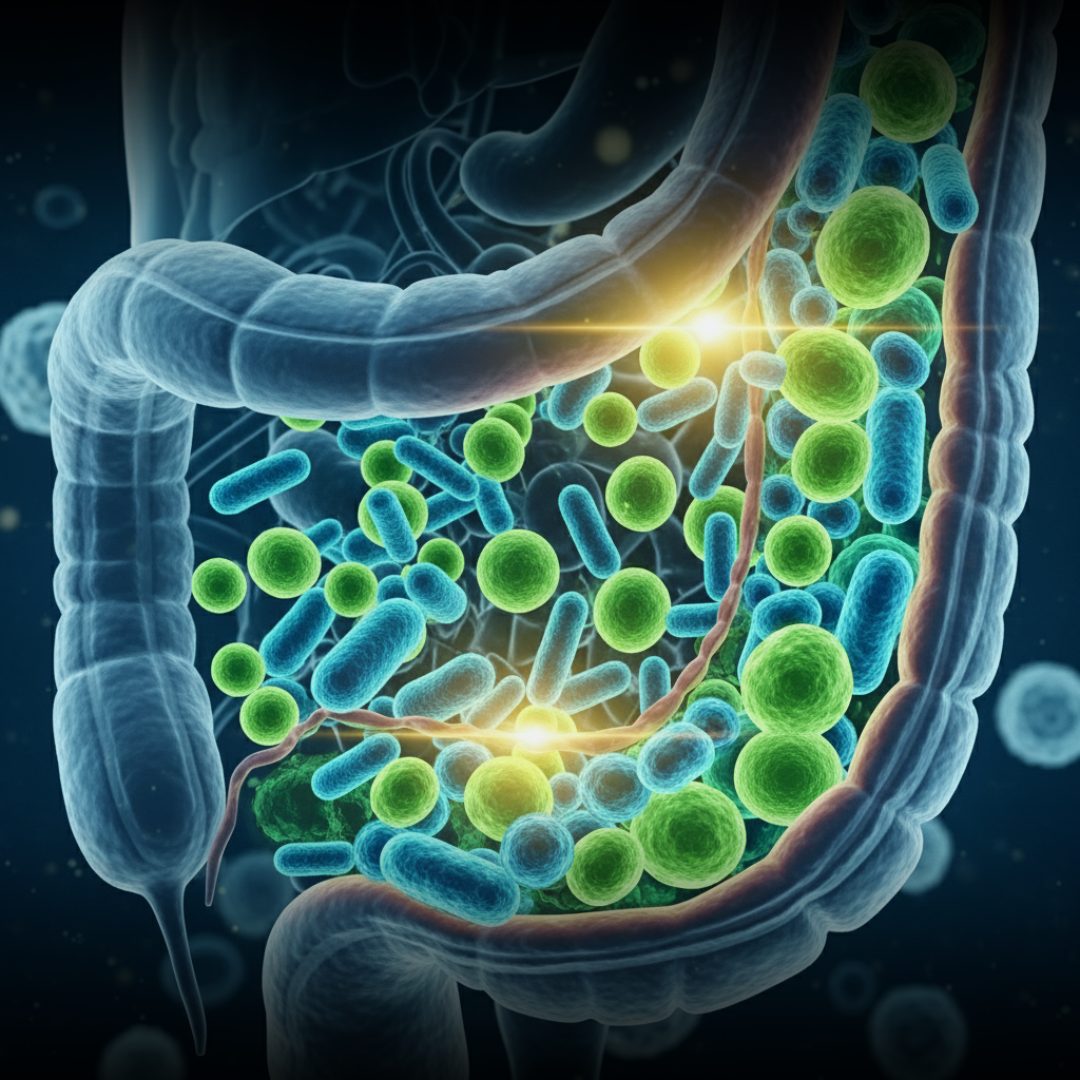
Your gut is home to trillions of immune cells that are responsible for a significant portion of your immune response. Maintaining a healthy gut with a diverse range of beneficial bacteria is crucial for immune system function. Probiotics are live bacteria and yeasts that support gut health and, in turn, immune health.
Fermented foods like yogurt, kimchi, sauerkraut, and miso are excellent sources of probiotics. You can also take probiotic supplements to promote a healthy gut flora and improve your body's ability to fight infections. Research suggests that probiotics can enhance immune response and protect against upper respiratory tract infections.
Check out this Physician's CHOICE Probiotics here.
READ ALSO: Probiotic Health Supplement Benefits You May Not Know
Beta-Carotene: The Immune-Boosting Antioxidant

Beta-carotene is a plant-based antioxidant that the body converts into vitamin A. This vitamin plays a crucial role in maintaining the health of your skin, mucous membranes, and respiratory tract, which are the first lines of defense against pathogens. Vitamin A also helps regulate immune cells and supports the production of white blood cells.
Beta-carotene can be found in red and green peppers, sweet potatoes, carrots, and dark leafy greens. Including more of these plant foods in your diet can enhance your immune function and support your body's ability to fight infections.
Check out this Puritan's Pride Beta Carotene Provitamin here.
Mineral Supplements: Additional Support for Immune Function
In addition to vitamins, certain minerals like magnesium, selenium, and copper play key roles in maintaining immune health. These essential minerals help regulate the activity of immune cells, reduce inflammation, and support the body’s ability to fight infections. If you're concerned about deficiencies, mineral supplements can help fill the gaps in your diet.
Many people overlook the importance of minerals, but these immune system support nutrients are vital for long-term health. Including a wide range of nutrient-dense foods in your diet will ensure that your immune system has the tools it needs to stay strong.
Check out this Carlyle Trace Minerals here.
Embrace a Balanced Approach to Immunity

Supporting your immune system requires more than just taking supplements. A balanced diet rich in vitamins and minerals—combined with regular exercise, adequate sleep, and stress management—will keep your immune function in tip-top shape. Embrace a lifestyle that nourishes your body, mind, and spirit, and you’ll create a resilient immune system that is prepared to handle whatever comes your way.
By incorporating these best vitamins and minerals for immunity into your routine, you're giving your body the tools it needs to thrive. Whether it's adding more vitamin C to boost white blood cells, eating fatty fish for vitamin D, or including probiotics to support your gut health, every small change makes a difference.
UP NEXT: Professional Health Products That Do More With Less