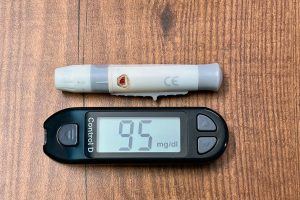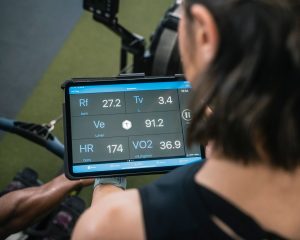
The professional health products market has expanded faster than the clinical evidence base supporting it, creating a high-noise environment where uninformed purchasing decisions translate directly into wasted physiological capital. For executives and founders already managing elevated cortisol load, disrupted sleep architecture, and accelerated biological aging, selecting the wrong supplementation or recovery protocol does not simply produce no benefit — it can actively interfere with the biomarker targets that matter most. Discerning which professional health products carry genuine mechanistic evidence, and which rely on marketing dressed as science, is now a core competency for any high-performing professional serious about longevity and sustained output.
How Professional Health Products Are Judged for Clinical Value

Not all professional health products rest on the same evidence base. Some carry decades of peer-reviewed research across multiple independent study populations. Others rest on a single industry-funded trial, a plausible mechanism, or nothing more than clever branding. For a high-performing professional making purchasing decisions, this distinction is not academic. It is the difference between a product that shifts biomarkers and one that shifts nothing except a corporate expense account.
The evaluation framework that matters most is not ingredient popularity or brand positioning. It is the quality, independence, and repeatability of the underlying research. Randomized controlled trials, systematic reviews, and meta-analyses published in peer-reviewed journals carry far more weight than observational data or manufacturer-funded studies. Furthermore, effect size matters. A result that is statistically significant but clinically negligible is not a meaningful intervention.
For professionals running at high cognitive and physical output, the most useful evaluation criteria are direct: does this product produce a measurable change in a variable that affects performance or longevity? Relevant variables include inflammatory markers, cortisol regulation, sleep quality, metabolic function, cardiovascular efficiency, and biological age markers. Professional health products that cannot point to evidence touching at least one of these variables — with a real effect size — belong in a different category entirely.
The Supplement Regulation Gap Every Professional Should Know

One of the most clinically significant facts about professional health products is that supplements operate under far less regulatory oversight than pharmaceutical drugs. In the United States, the Food and Drug Administration does not require supplement manufacturers to prove safety or efficacy before bringing a product to market. As a result, label claims, ingredient concentrations, and product purity vary widely. In many cases, the product a professional purchases contains meaningfully different amounts of active compounds than the label states.
Third-party testing programs exist specifically to close this gap. Organizations such as NSF International, USP (United States Pharmacopeia), and Informed Sport test products for label accuracy, contaminant levels, and banned substances. A professional health product carrying one of these certifications has cleared a meaningful quality threshold. One without it has not necessarily failed — but the burden of proof for reliability then falls entirely on the manufacturer's own internal controls.
This regulatory context shapes how to assess professional health products. Clinical evidence for an ingredient is necessary, but it is not sufficient on its own. The product also needs to deliver that ingredient in the form, concentration, and purity that matches the research. Without third-party verification, the gap between the studied compound and the purchased product can be large enough to make the clinical evidence effectively irrelevant.
Omega-3 Fatty Acids and Reducing Inflammatory Markers
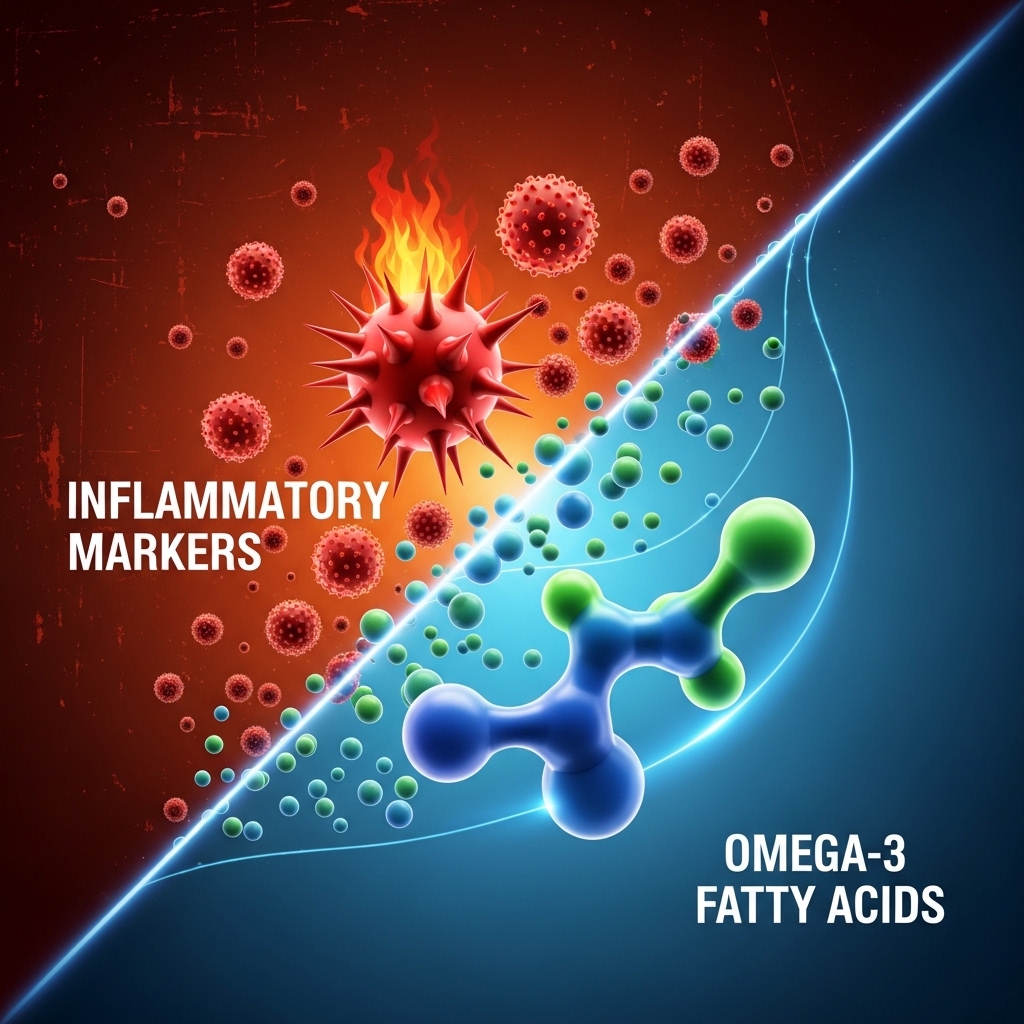
High-quality omega-3 fatty acid formulations rank among the most consistently supported professional health products in the research literature. The mechanism is well-characterized. EPA and DHA — the two primary marine-sourced omega-3 fatty acids — compete with arachidonic acid in the inflammatory cascade. This reduces the production of pro-inflammatory compounds. The result is a measurable drop in systemic inflammatory markers, including C-reactive protein and interleukin-6. Both markers link independently to cardiovascular disease risk and faster biological aging.
The American Heart Association has reviewed the omega-3 evidence base across multiple publications, supporting its use for cardiovascular risk reduction — particularly in those with elevated triglycerides. Research published in the New England Journal of Medicine, including the REDUCE-IT trial, showed that high-dose EPA produced significant reductions in major cardiovascular events in high-risk adults. For professionals carrying elevated inflammatory load from chronic stress, poor sleep, or high dietary omega-6 intake, this is a category of professional health products with a genuinely strong evidence trail.
Product quality in this category varies substantially. Oxidized fish oil — which degrades on the shelf or through poor manufacturing — may produce inflammatory effects rather than anti-inflammatory ones. Consequently, third-party verification of oxidation levels and EPA/DHA concentration accuracy is a meaningful quality signal in this market. The clinical evidence applies to the compound. It does not automatically apply to every product that claims to contain it.
Magnesium and Sleep Quality in High-Stress Professionals
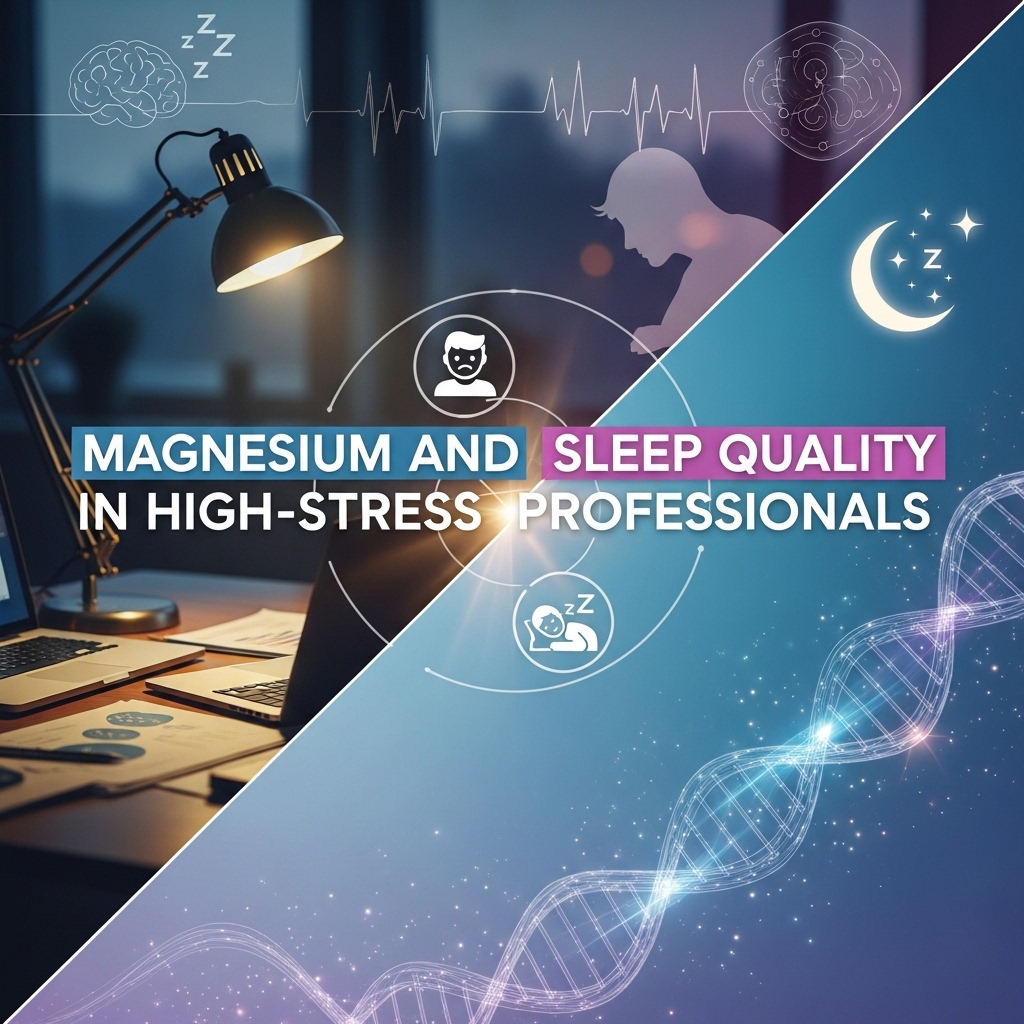
Magnesium is among the most clinically relevant professional health products for executives managing sustained stress load. Its relevance runs through multiple pathways. Magnesium acts as a cofactor in over 300 enzymatic reactions, including those governing cortisol regulation, energy production, and muscle function. Additionally, magnesium plays a direct role in sleep quality — specifically by supporting GABA receptors, which drive the inhibitory neural signaling central to sleep onset and deep sleep maintenance.
Research published in the Journal of Research in Medical Sciences found that magnesium supplementation significantly improved sleep efficiency, sleep onset, and early morning waking in older adults with insomnia. Furthermore, magnesium deficiency is more common than widely recognized in high-stress professional groups. Chronically elevated cortisol drives urinary magnesium loss. This deficiency then correlates with elevated inflammatory markers and impaired glucose regulation — two variables with direct consequences for cognitive and operational output.
The magnesium category within professional health products is complicated by the fact that different forms carry meaningfully different absorption rates and tissue-specific effects. Magnesium glycinate and magnesium threonate have distinct profiles compared to magnesium oxide. Magnesium oxide is the most commonly used form in low-cost supplements, yet it carries very low absorption. Selecting a professional health product in this category therefore requires attention to the specific compound form — not simply the magnesium content listed on the label.
Creatine Monohydrate, Cognitive Performance, and Brain Energy
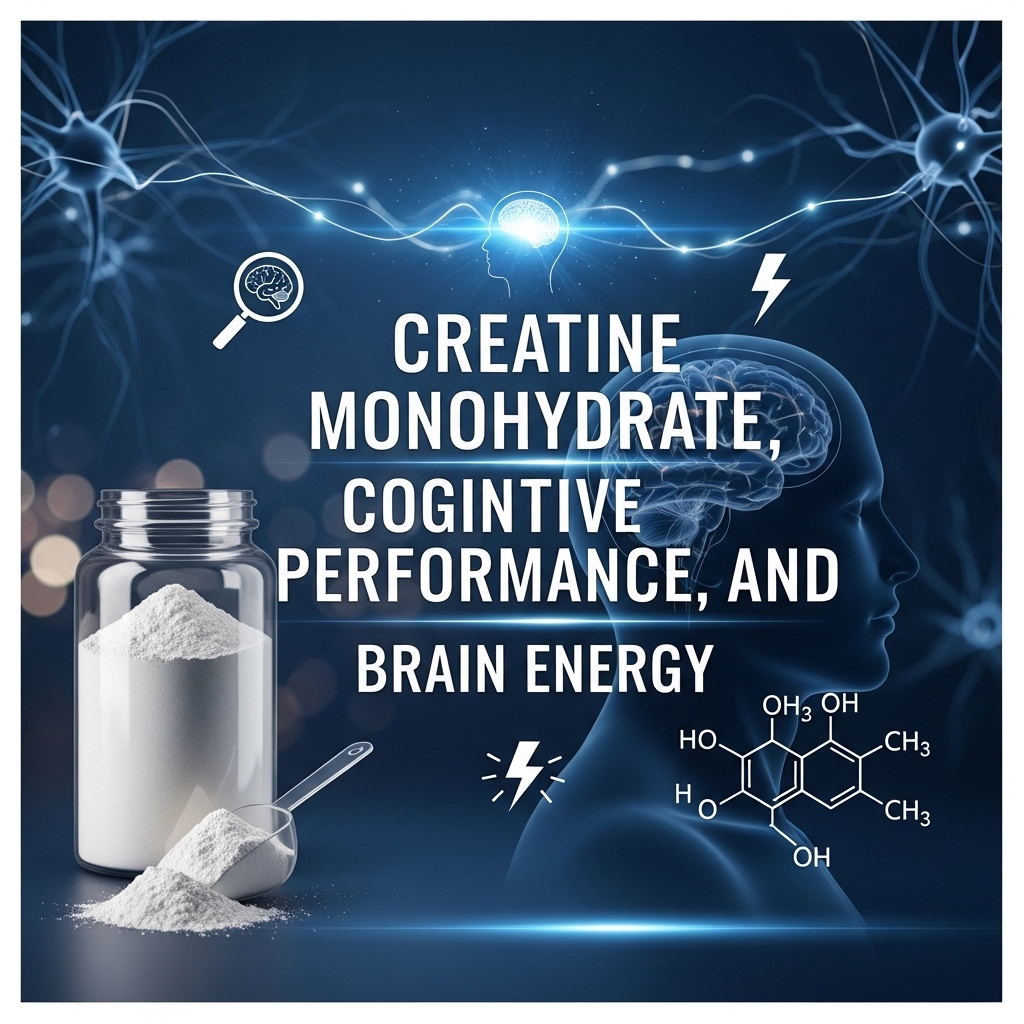
Creatine monohydrate occupies an unusual position in the professional health products space. It is one of the most extensively researched compounds in exercise science. Yet its cognitive and neurological applications are increasingly recognized as equally significant for non-athletic professional populations. Creatine supports phosphocreatine resynthesis in the brain, improving the speed and efficiency of ATP regeneration in energy-demanding neural tissue. This is the same mechanism that drives its muscular benefits.
Research published in Psychopharmacology and reviewed across multiple meta-analyses shows that creatine supplementation produces measurable improvements in working memory and processing speed. These benefits appear most strongly under conditions of cognitive fatigue or sleep loss. For a professional managing a high-demand schedule with compressed sleep windows, this is a directly meaningful finding. Moreover, neuroimaging studies suggest that creatine supplementation increases brain creatine content, which links to greater cognitive resilience under metabolic stress.
Creatine monohydrate also carries one of the strongest long-term safety records of any compound in the professional health products category. It is not a stimulant. It does not produce dependency. Its effects build through tissue saturation rather than acute pharmacological action. For high-performing professionals skeptical of supplement marketing, creatine stands out because its evidence base is broad, independent, and replicable across populations and study designs.
Adaptogens, Cortisol, and the Limits of Current Evidence

Adaptogenic compounds — including ashwagandha, rhodiola rosea, and panax ginseng — represent one of the most commercially prominent categories of professional health products. They also carry some of the most uneven evidence. The underlying concept is biologically plausible. Certain plant-derived compounds appear to modulate the hypothalamic-pituitary-adrenal (HPA) axis, reducing the cortisol response to psychological and physical stressors. For professionals with chronically elevated stress load, this mechanism is directly relevant.
The evidence for ashwagandha is currently the strongest in this category. A randomized, double-blind, placebo-controlled trial published in Medicine found that ashwagandha root extract produced significant reductions in serum cortisol, perceived stress scores, and self-reported sleep quality versus placebo. However, effect sizes across adaptogen studies vary considerably. Study populations are often small. Follow-up periods are frequently too short to assess longer-term effects. The category warrants careful, product-level evaluation rather than blanket acceptance or dismissal.
Rhodiola rosea carries a more mixed evidence profile. Some studies show meaningful reductions in fatigue and perceived effort under stress. Others show no significant effect beyond placebo in well-matched groups. Panax ginseng has a longer research history but faces complications from wide variation in active compound content across products. In each case, the honest position for a professional evaluating these professional health products is that the mechanism is plausible, some evidence exists, but the category has not yet earned the same evidentiary standing as omega-3s or creatine.
Vitamin D, Metabolic Function, and Biological Age
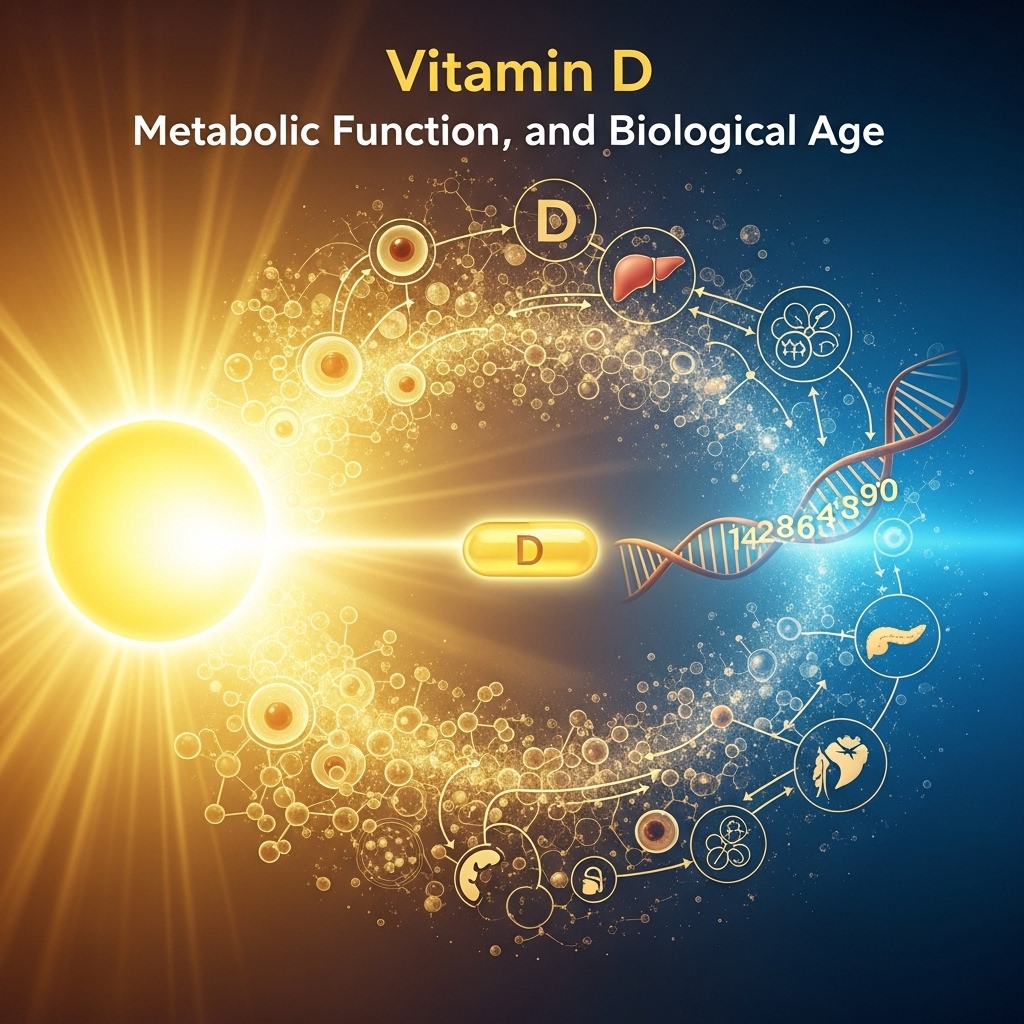
Vitamin D deficiency is common in high-performing professional populations. Reduced outdoor exposure during daylight hours is a primary driver. Chronic stress also suppresses vitamin D conversion. This is not a minor deficiency. Vitamin D acts as a steroid hormone precursor with receptors across nearly every tissue in the body. It influences immune regulation, insulin sensitivity, cardiovascular function, and inflammatory tone. Multiple large studies link low vitamin D status to elevated all-cause mortality risk, faster biological aging, and reduced metabolic efficiency.
Research published in The BMJ and reviewed by the National Institutes of Health connects vitamin D sufficiency to improved insulin sensitivity and lower risk of metabolic syndrome. This is a cluster of conditions directly relevant to the cardiovascular and metabolic function of executives managing high-pressure environments. Furthermore, vitamin D plays a role in telomere length maintenance — a direct biological age marker. Studies examining this relationship consistently show positive associations across large population samples.
Within professional health products, vitamin D3 (cholecalciferol) outperforms D2 (ergocalciferol). Evidence consistently shows superior absorption and greater efficacy in raising serum 25-hydroxyvitamin D levels. Co-supplementation with vitamin K2 frequently appears in clinical discussions due to the complementary roles these compounds play in calcium metabolism. However, optimizing vitamin D status meaningfully requires baseline serum testing — not assumption. Individual starting levels and conversion rates vary too much to make universal guidance clinically useful.
READ ALSO: Precision Nutrition and Hydration for Optimal Health
Collagen, Connective Tissue, and Structural Performance

Collagen-based professional health products have moved from the aesthetics market into the performance and longevity space. A growing body of evidence supports this shift. Research now links hydrolyzed collagen peptide supplementation to measurable improvements in joint function, tendon repair, and connective tissue integrity. For professionals over 40 managing training loads or recovering from musculoskeletal stress, this is a mechanistically coherent category. Collagen makes up approximately 30% of total body protein. It is the primary structural component of tendons, ligaments, cartilage, and skin.
Research published in the British Journal of Sports Medicine and the American Journal of Clinical Nutrition shows that hydrolyzed collagen peptides — taken with vitamin C and timed around physical activity — increase collagen synthesis markers in connective tissue. The proposed mechanism involves raising circulating glycine and proline, the primary amino acid building blocks of collagen, during the window when connective tissue is most metabolically active after exercise. For professionals maintaining resistance training as part of a longevity protocol, this timing-dependent application carries direct relevance.
The collagen market is not uniformly high quality. Molecular weight of collagen peptides, source material, and manufacturing process all affect absorption and amino acid profile. Additionally, collagen is not a complete protein. It should not displace higher-quality complete protein sources in a professional's nutrition plan. It serves a specific and targeted structural role — not a general protein replacement. Professional health products in this category perform best when positioned accordingly.
Protein Quality, Muscle Mass, and Sarcopenia Prevention
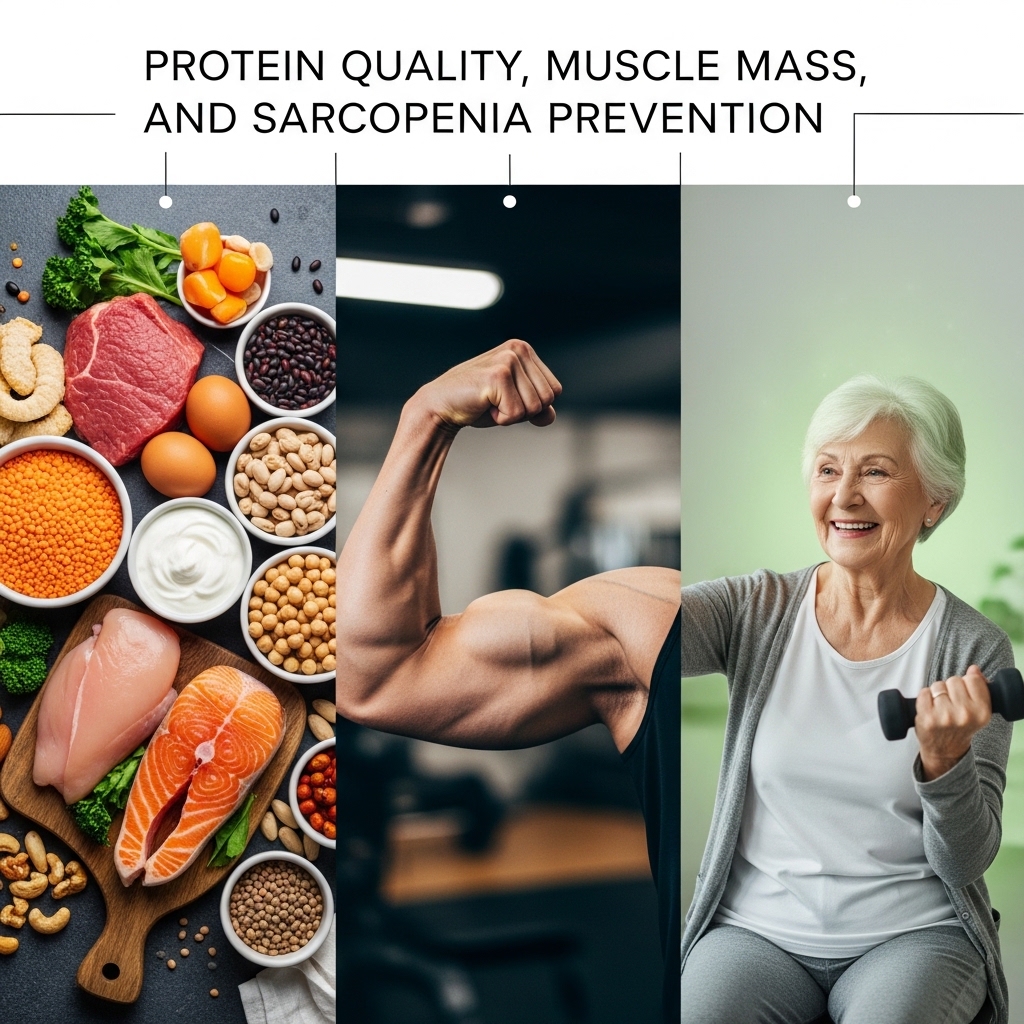
Among the most evidence-supported and underused categories of professional health products for executives over 40 is high-quality protein supplementation targeted at preserving lean muscle mass. Sarcopenia — the age-related loss of skeletal muscle — begins as early as the mid-30s and accelerates significantly after 50. For high-performing professionals managing sedentary work patterns, chronic stress, and compressed recovery windows, this trajectory compounds. The downstream consequences include a slower metabolic rate, impaired glucose regulation, reduced physical resilience, and measurable increases in biological age markers.
The research on protein quality for muscle protein synthesis is well-established. The leucine content of a protein source is the primary driver of its anabolic signaling capacity. Whey protein isolate carries a high leucine concentration and fast absorption profile that researchers have studied extensively across age groups. Research published in the American Journal of Clinical Nutrition shows that older adults need higher per-meal protein doses than younger adults to achieve the same muscle protein synthesis response. Many professionals undereat protein while overestimating the adequacy of their current intake.
Protein timing relative to resistance training, total daily protein distribution across meals, and source quality all interact to determine the actual anabolic stimulus a professional receives. Plant-based protein sources can be highly effective but typically require attention to amino acid balance and higher total volume to match the leucine delivery of whey-based products. Professional health products in this category perform best when matched to individual intake data and training patterns — not used as standalone solutions.
READ ALSO: Kosher Diet Foods for a Healthier, More Grateful You
Probiotics, the Gut-Brain Axis, and Cognitive Resilience

The gut-brain axis has emerged as a meaningful area of clinical research. It connects gut microbiome composition to cognitive performance, mood regulation, and cortisol response. Probiotic professional health products targeting this axis now carry a growing body of supporting evidence. The field is younger and more variable than the research behind omega-3s, creatine, or vitamin D. However, the mechanism is not speculative. The vagus nerve provides a two-way communication pathway between the gut and brain. Microbial metabolites — including short-chain fatty acids — influence brain inflammation, neurotransmitter availability, and stress hormone activity.
Research published in Frontiers in Psychiatry shows that specific probiotic strains — including Lactobacillus helveticus and Bifidobacterium longum — produce measurable reductions in cortisol and psychological distress in healthy adults under stress. For professionals experiencing sustained cognitive load and stress-driven gut disruption, this is a mechanistically grounded intervention. However, strain specificity matters enormously in this category. Effects observed with one probiotic strain do not carry over to others. Many commercial probiotic products contain strains with limited clinical research behind them.
Product selection in the probiotic category requires attention to strain identity — genus, species, and strain designation — colony-forming unit count at the time of expiration rather than manufacture, and storage conditions. A professional health product that cannot specify the strains it contains, and cannot show stability data for CFU count through the shelf life, has not met the minimum standard for informed use. Given the specificity of the gut-brain axis research, strain-matched product selection is not optional. It is the basis of the clinical rationale for using the product at all.
READ ALSO: Health Information Professionals and the Future of Wellness
Building an Evidence-Based Professional Health Products Protocol

For high-performing professionals navigating the professional health products landscape, the practical entry point is a structured evaluation process — not a reactive response to marketing or peer influence. This begins with a baseline biomarker profile. Key markers include inflammatory levels, vitamin D status, fasting metabolic indices, and where possible, a biological age estimate. Anchoring product selection to actual physiological data rather than general recommendations is the first meaningful filter. Products with strong independent evidence, third-party quality certification, and a clear link to identified personal biomarker gaps represent the highest-value starting point.
From there, the categories with the most robust and independent evidence include marine-sourced omega-3 fatty acids for inflammatory and cardiovascular markers, creatine monohydrate for cognitive resilience and muscle preservation, vitamin D3 for metabolic and immune function, and high-quality protein to counter sarcopenia risk. Adaptogenic compounds and probiotics carry meaningful but more conditional evidence. They perform best when selected by strain or compound specificity and matched to individual stress physiology and gut health data. Collagen peptides serve a specific structural function most relevant to professionals maintaining high physical training loads.
The most important principle is that professional health products function as adjuncts to a foundational protocol — not substitutes for one. Sleep quality, aerobic capacity, resistance training, dietary patterns, and stress regulation remain the primary drivers of the longevity and performance variables that matter most. Products that demonstrably support those foundations — selected with clinical rigor and verified quality — earn a place in a serious professional health protocol. Products that promise to replace the foundations do not.
UP NEXT: Health Scientists Help Make Wellness Work Smarter
Selecting professional health products without a baseline biomarker profile means optimizing blindly — and research consistently shows that unaddressed deficiencies in vitamin D, omega-3 status, and lean muscle mass each independently accelerate biological aging, with combined gaps capable of pushing vascular and cellular age several years ahead of chronological age. WholeLiving's Biological Age Estimation Model incorporates this factor directly — your assessment takes under five minutes.
Ready to understand how these factors are influencing your biological age right now? [Take the Biological Age Assessment →]