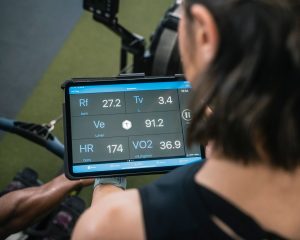
The gap between generic nutrition guidance and precision-calibrated dietary intervention is measurable — and for executives operating at peak cognitive and physiological demand, that gap has direct consequences for inflammatory burden, metabolic function, and biological age trajectory. Health scientists working at the intersection of nutritional biochemistry and longevity research are redefining what evidence-based dietary protocol looks like for high-performing professionals. Their work moves beyond population-level dietary guidelines and into the territory of individualized biomarker response, postprandial glucose regulation, and micronutrient-specific cognitive performance outcomes — variables that generic wellness advice does not address and that standard clinical nutrition rarely prioritizes.
What Health Scientists Study in Nutrition Research
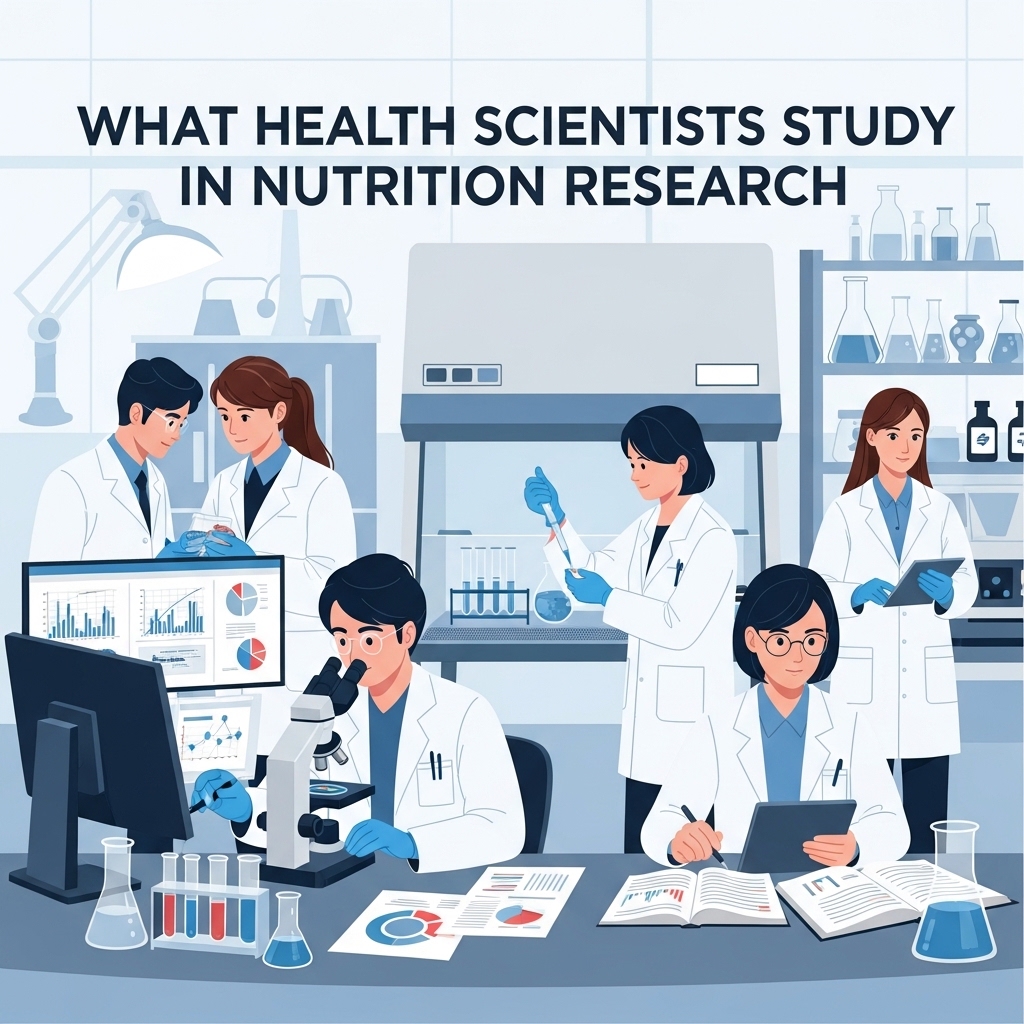
Health scientists study nutrition with a much stricter method than general diet advice. Instead of focusing on food trends, they track real body changes, such as blood markers, gene activity, and shifts in metabolism. As a result, nutrition becomes a measurable health tool, not just a lifestyle choice.
They also study how specific foods affect each person’s body. For example, they look at how the body handles protein, carbs, and fat, and how vitamin and mineral levels affect energy, immunity, and brain function. Because of that, their findings matter for focus, inflammation, and long-term health.
In addition, many researchers now study nutrigenomics, which looks at how food affects gene activity. Research from the National Institutes of Health shows that diet can influence genes tied to inflammation, repair, and metabolic risk. Therefore, nutrition is no longer only about calories. It is also about how food shapes the body at a deeper level.
The Biomarker Framework Health Scientists Use
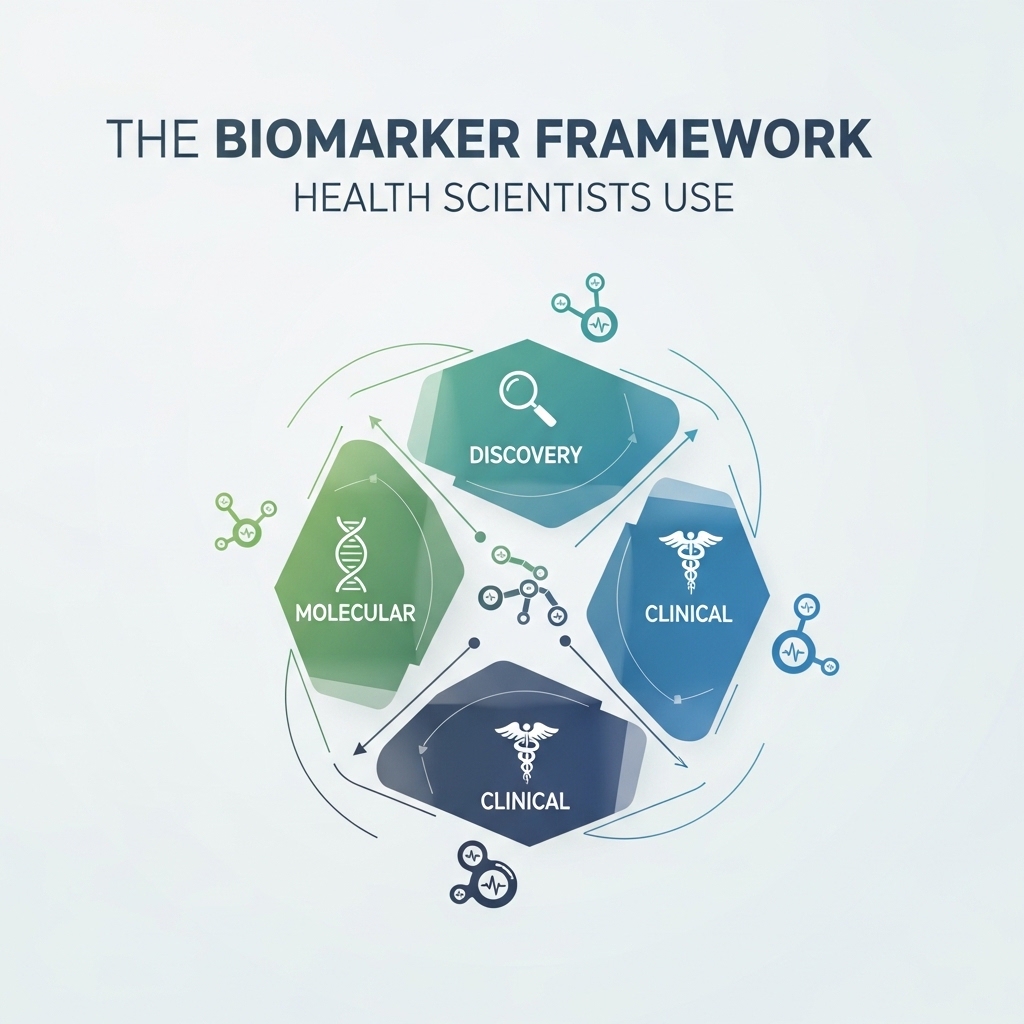
Health scientists do not stop at basic blood tests. Instead, they use a wider biomarker framework to measure how diet affects the body over time. This often includes markers such as hs-CRP, IL-6, and homocysteine, which show levels of inflammation.
They also track metabolic markers like fasting insulin, HbA1c, triglycerides, and HOMA-IR. These markers show how well the body controls blood sugar and uses energy. Because of this, researchers can connect eating patterns to diabetes risk, heart health, and biological aging.
In some cases, scientists go even further and test vitamin D, B12, magnesium, zinc, and omega-3 levels. Some advanced studies also include epigenetic testing, which looks at how behavior and diet may affect gene activity over time. Together, these tools give a clearer picture of real nutrition status than a food diary ever could.
Nutritional Science and Cognitive Performance
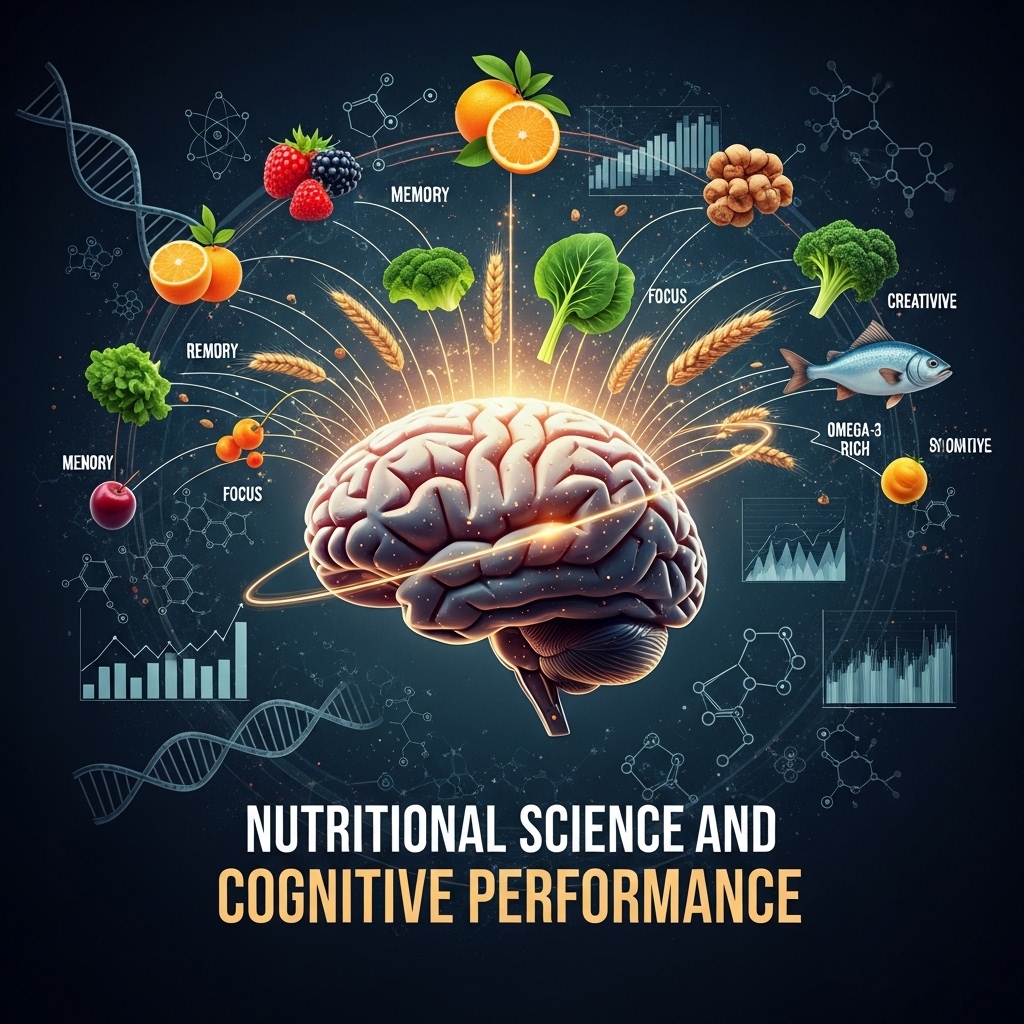
Nutrition has a direct effect on cognitive performance. Researchers measure this through memory, attention, processing speed, and mental stamina. Studies in The Lancet have explored how omega-3 fats, B vitamins, and plant compounds affect brain aging and inflammation.
At the center of this work is neuroinflammation, or low-grade inflammation in the brain. Diets high in refined carbs and ultra-processed foods appear to raise this risk. On the other hand, diets rich in polyphenols, flavonoids, and omega-3 fats show more brain-protective effects over time.
For executives and other high-output professionals, this matters in daily life. Strategic thinking, emotional control, and decision quality depend heavily on the prefrontal cortex. So when diet disrupts blood sugar control or raises inflammation, the effect can show up in both same-day performance and long-term brain function.
Metabolic Function and the Executive Nutrition Profile
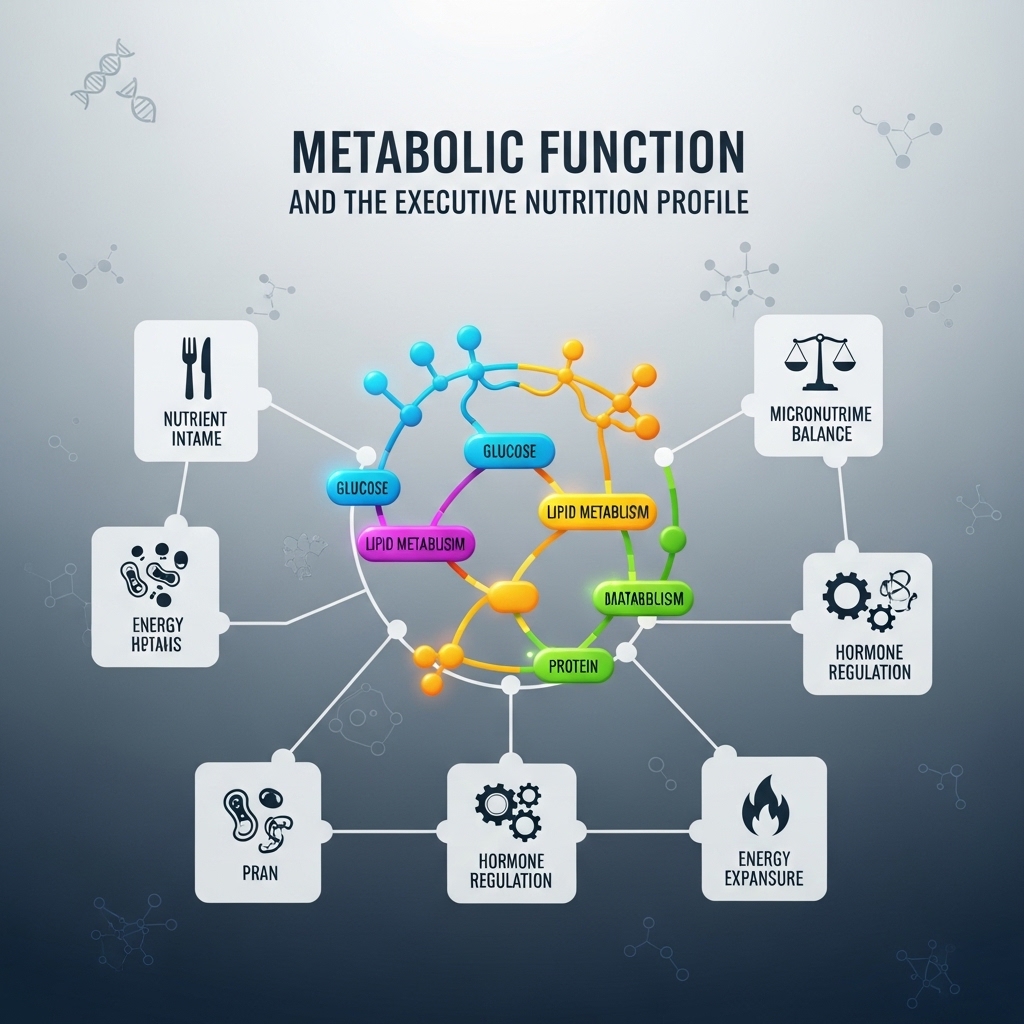
Insulin sensitivity is one of the most important markers in nutrition research. It shows how well the body responds to insulin and moves glucose into cells. Researchers at the Harvard T.H. Chan School of Public Health have linked it closely to food quality, meal timing, fiber intake, and overall diet pattern.
Another key issue is post-meal glucose control. Standard checkups often miss this, yet research using continuous glucose monitors shows that people can react very differently to the same meal. Therefore, two people can eat the same food and still have very different blood sugar responses.
This also connects to muscle health. Scientists have shown that anabolic resistance, or a weaker muscle response to protein, can begin as early as midlife. As a result, protein quality, meal timing, and amino acid content become more important for adults who want to protect strength, mobility, and metabolic health.
Inflammatory Burden and Dietary Pattern Research
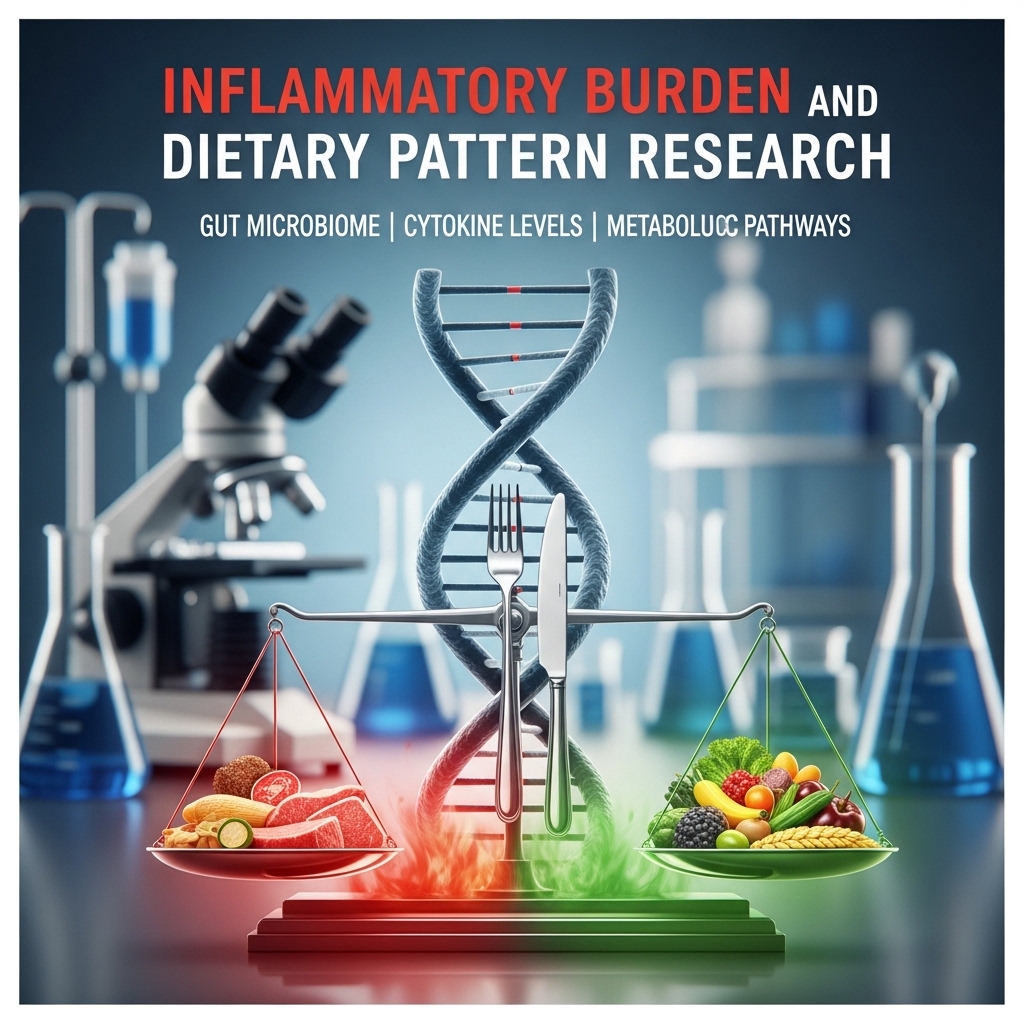
Health scientists often measure the dietary inflammatory index to estimate how much a person’s diet may raise inflammation. Higher scores often line up with higher hs-CRP and IL-6 levels. Because of that, researchers can use diet quality as a measurable risk factor, not just a general concept.
Research from the Harvard T.H. Chan School of Public Health has linked pro-inflammatory diets to heart disease, type 2 diabetes, and cognitive decline. The mechanism is also well studied. Diets high in refined carbs and saturated fat can activate inflammatory pathways, while diets rich in plant compounds and healthy fats can help calm them.
The gut microbiome adds another layer to this picture. Gut bacteria break down fiber and produce short-chain fatty acids, which help protect the gut lining and support immune balance. However, low-fiber and highly processed diets can weaken this system, and that may increase inflammation throughout the body.
READ ALSO: The Truth About Artificial Hydration and Nutrition
Sleep Quality as a Nutrition Variable
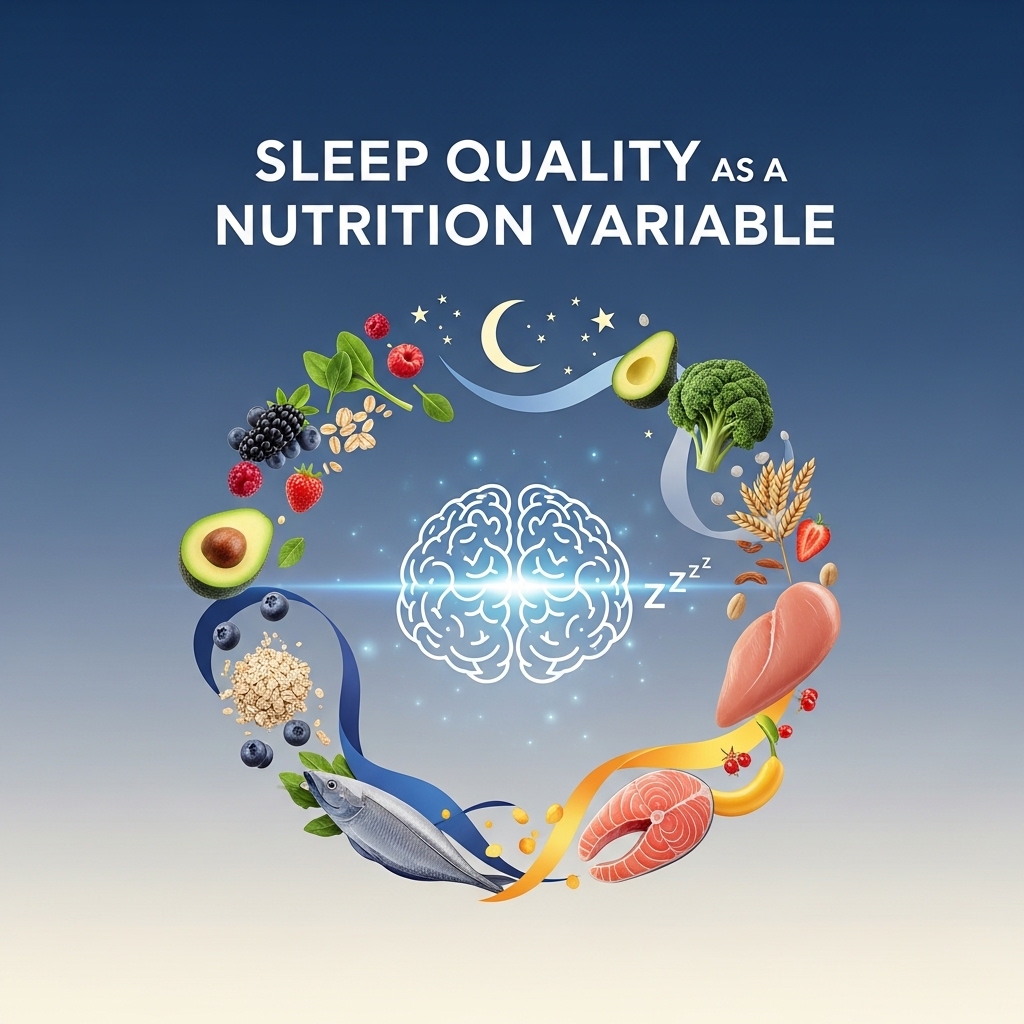
Health scientists now treat sleep quality as part of nutrition science. Certain nutrients, such as magnesium, glycine, and tryptophan, help shape the brain chemistry involved in sleep. Meanwhile, poor sleep can disrupt hunger hormones, which then affects appetite and food choices the next day.
Research in The American Journal of Clinical Nutrition has shown that high glycemic meals eaten close to bedtime can reduce slow-wave sleep. This stage of sleep supports physical repair, immune health, and waste clearance in the brain. Therefore, food timing can influence more than digestion. It can also affect next-day recovery and mental sharpness.
Researchers in chrononutrition study how eating patterns interact with the body clock. Their findings suggest that late-night eating and irregular meal timing can disrupt glucose control and circadian rhythm. This is especially relevant for professionals who travel often, work late, or move across time zones.
READ ALSO: Nutrition for Lean Muscle Growth: Fuel Your Body Right
How Health Scientists Approach Individualized Nutrition

Modern nutrition research is moving toward precision nutrition. Scientists now know that broad food rules do not work the same way for everyone. Gut health, gene variants, inflammation levels, and hormone status all shape how a person responds to food.
Continuous glucose monitoring has helped push this field forward. Research from the Weizmann Institute of Science showed that two people can eat the same meal and still have very different blood sugar responses. Because of that, the idea of one universal diet has become harder to defend.
In addition, researchers now use machine learning to study large sets of health data. These may include gene data, metabolism data, gut bacteria profiles, and diet patterns. Although this field is still growing, it already supports a more tailored way to assess nutrition in high-performing adults.
READ ALSO: Poor Nutrition and Hydration: A Fitness Setback
Cardiovascular Health and Nutritional Science
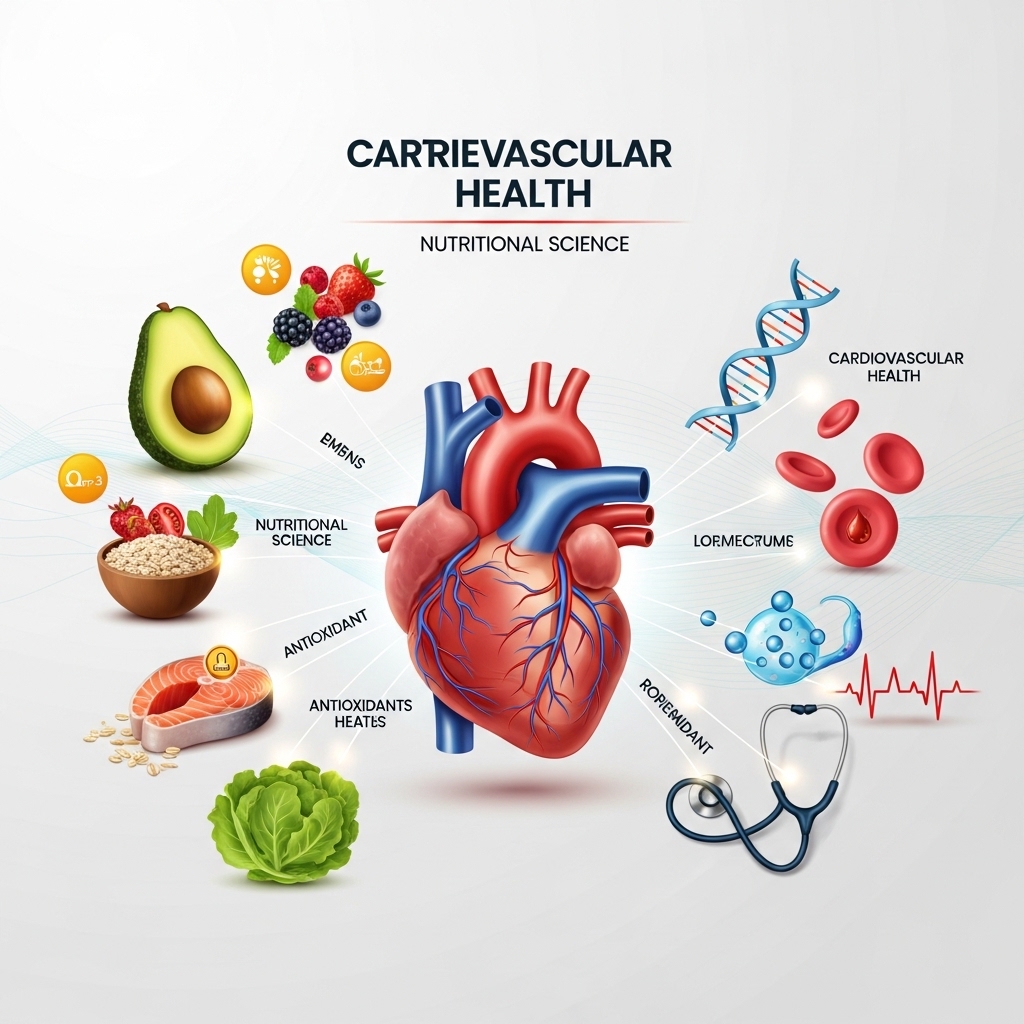
Cardiovascular health remains one of the strongest areas in nutrition science. Large studies, including the Framingham Heart Study and the PREDIMED trial, have shown clear links between diet and heart risk. These findings connect food choices to blood lipids, blood vessel function, and long-term disease outcomes.
One key factor is endothelial function, which refers to how well blood vessels regulate flow and inflammation. Diets rich in plant compounds can improve this function, while diets high in trans fats and heavily processed foods can weaken it. So, food quality directly affects vascular performance.
Researchers also use more advanced lipid testing than the standard cholesterol panel. For example, they may measure apolipoprotein B, LDL particle number, and small dense LDL. These markers often give a more accurate view of heart risk, especially in adults under chronic work stress.
Evidence-Based Options for the High-Performing Professional

The research supports several practical paths. First, a clinician trained in precision medicine or advanced nutrition can use biomarkers to assess inflammation, glucose control, and micronutrient status. This creates a more accurate starting point than general diet advice alone.
Second, short-term use of continuous glucose monitoring can reveal how meals affect blood sugar in real time. In the same way, reviewing fiber intake, omega-3 status, and the inflammatory pattern of a diet can help lower risk tied to biological aging, brain decline, and poor metabolic health. Therefore, food planning becomes more targeted and more useful.
Finally, meal timing deserves more attention. Shifting more calories earlier in the day and reducing late-night eating may improve sleep, glucose control, and inflammatory burden. Taken together, these evidence-based options give high-performing professionals a clearer way to use nutrition in support of longevity, performance, and long-term health.
UP NEXT: Raw Nutrition and Its Impact on Glycemic Control Mitochondrial Function and Biological Aging Trajectories
How This Affects Your Biological Age
Health scientists track biomarkers such as hs-CRP, HbA1c, and fasting insulin because sustained disruption in these variables is linked to higher inflammatory burden, worse metabolic function, and accelerated biological aging. WholeLiving's Biological Age Estimation Model incorporates this factor directly — your assessment takes under five minutes.
Ready to understand how these factors are influencing your biological age right now? [Take the Biological Age Assessment →]