


Blunt trauma affects far more than the body. It also shapes how you carry yourself through the world. You may not realize it, but when you face blunt trauma, your body holds on to the memory long after the skin heals. Many people think healing is just about treating the visible marks on the skin surface, yet true recovery goes deeper. You might have walked through moments that shook you physically or emotionally. And sometimes, your body remembers even when your mind tries to forget.
You may have heard about blunt force trauma, where the body is struck with a blunt object or impacted by sudden pressure. Events like motor vehicle crashes often cause blunt force impact strong enough to affect internal organs and tissue without breaking the skin. Even when you appear fine on the outside, your body may be fighting internal injuries that require care and attention. These injuries are often found in places you cannot see, including deep layers of muscle and vital structures.
When the body experiences this type of event, it responds by protecting you. Muscles tighten. Breathing changes. The mind races. You might notice how your body holds tension during stressful moments. That is your nervous system remembering the shock from force trauma experienced in the past. Sometimes, the healing journey requires patience and support to gently release what was once locked away.
You are not alone. Many people live with the aftermath of blunt trauma injuries caused by falls, sports, motor vehicle crashes, or unexpected accidents. Some walk through life with quiet strength, carrying lessons from their journey. Others are still learning how to trust their bodies again. Wherever you are today, know that healing is possible. Your body is wiser than you think. It protects you, adapts, and always tries to return you to balance.
Understanding What Happens Inside Your Body During Blunt Force Trauma
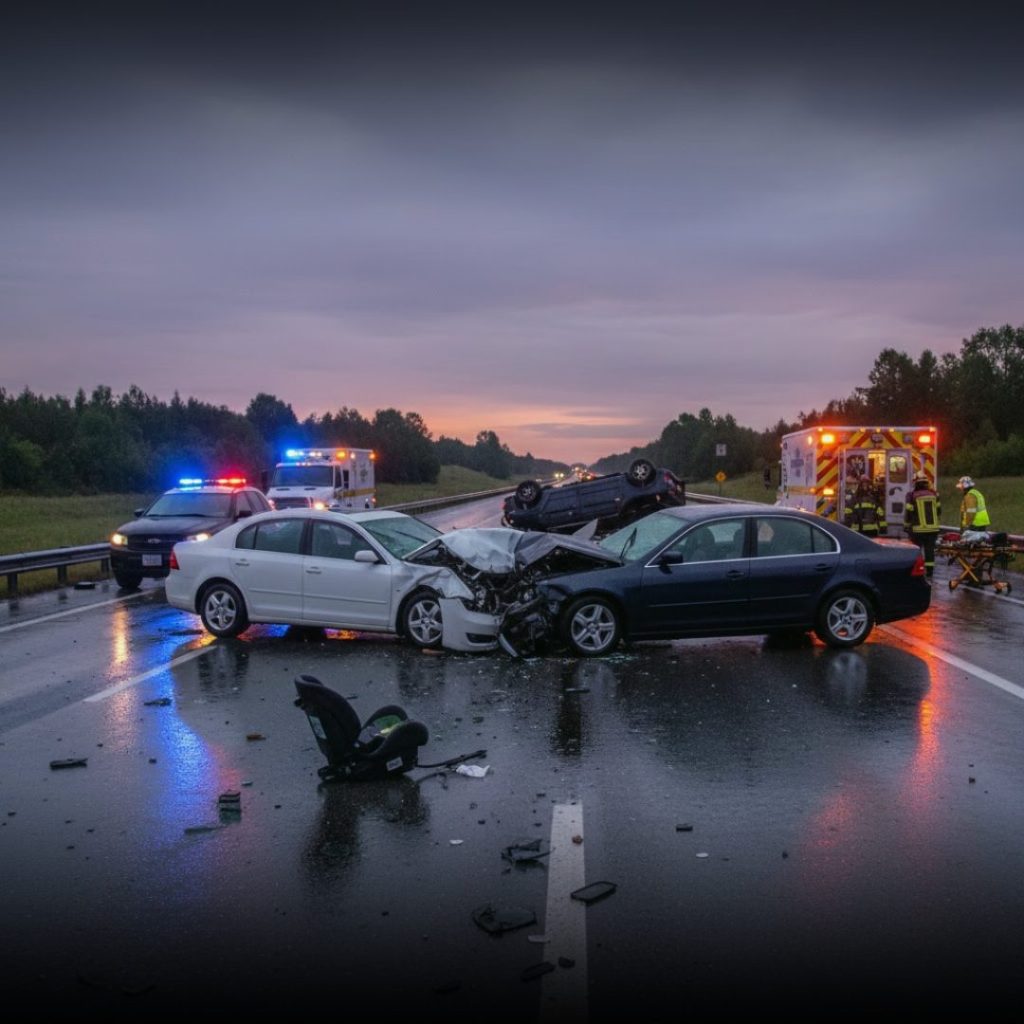
When you experience blunt trauma, the force enters your body with sudden pressure. The impact travels through layers of skin, muscle, and tissue. Even when there is no cut on the skin surface, energy spreads through deep structures. That energy can affect internal organs, blood vessels, and soft tissue. You may feel shaken, confused, or tense without knowing why. Your nervous system tries to protect you from further harm.
Events like motor vehicle accidents, falls, or sports related injuries often cause blunt force trauma. When the body is struck without penetration, it is called blunt force impact. Such moments may cause stretching, compression, and rapid movement inside the body. That movement can disrupt circulation, muscle function, or breathing. Your body reacts by tightening and guarding itself. This response helps limit internal injuries, but it may also freeze emotional processing.
Many trauma patients do not realize the depth of blunt trauma injuries because the outside may appear normal. You might walk away from a crash or fall believing you are fine. Hours later, you feel severe pain or stiffness. This is how hidden injuries unfold. These reactions can be linked to swelling inside blood vessels or bruising within deep muscle tissue. That process explains why such injuries can feel delayed.
Healing begins when you understand the wisdom of your body. You do not need to rush. Awareness creates space for recovery. You are learning to listen again and notice when your body whispers instead of screams.
READ ALSO: Gut Feeling: What Your Body’s Trying to Tell You
How Blunt Force Affects Different Parts of the Body
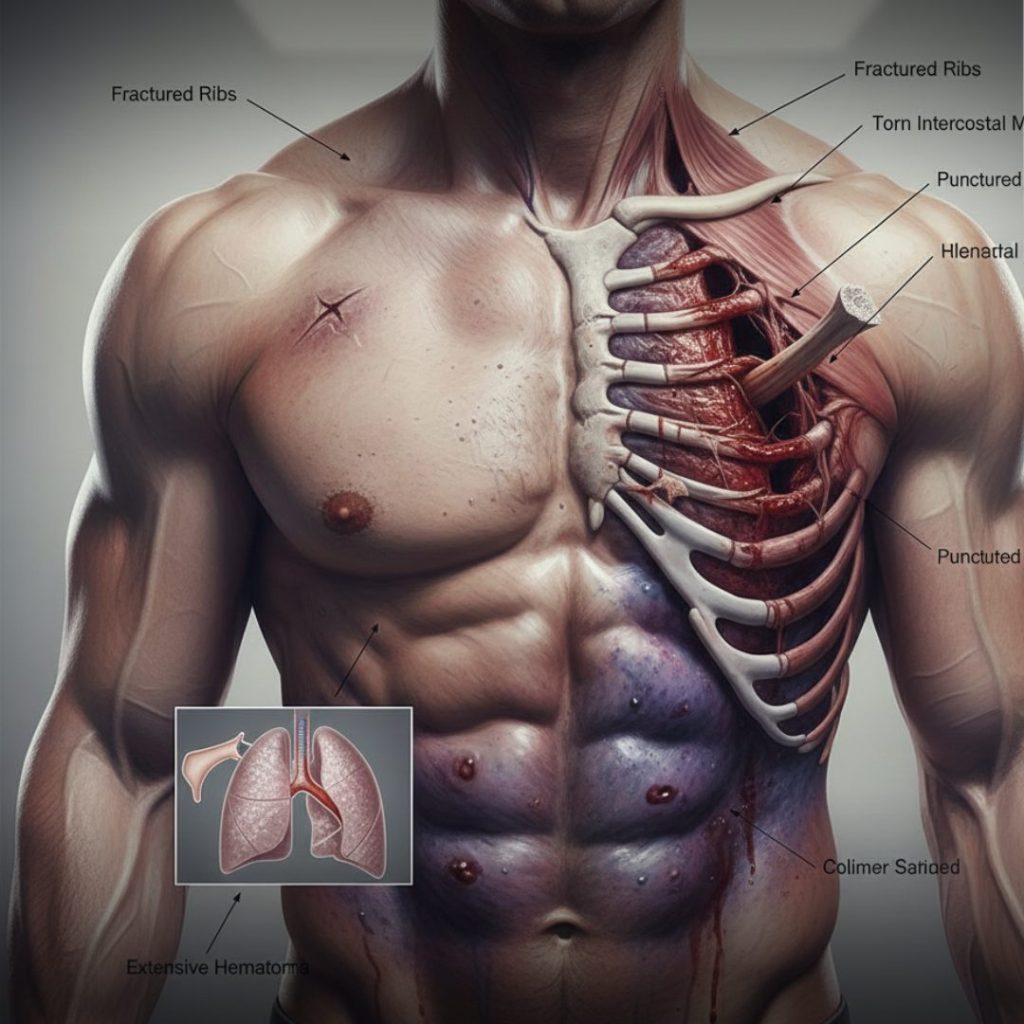
Every part of your body responds differently to blunt force injury. Some areas can absorb stress smoothly. Others may face life threatening injuries depending on the location of the impact. For example, the chest area holds the heart and lungs. When the chest experiences blunt chest trauma, the ribs protect vital tissues. Yet heavy force may cause rib fractures, chest wall injuries, or swelling around breathing muscles. These reactions change the way air moves through the lungs.
The abdomen is another sensitive region. A forceful hit can cause blunt abdominal trauma, affecting internal organs like the liver or spleen. When those organs are injured, swelling may lead to abdominal pain. In some cases, abdominal trauma can cause disruptions in blood vessels and fluid movement. These reactions may develop into life threatening complications if ignored. That is why awareness matters.
The head and spine are also vulnerable. A strong hit may lead to head trauma, traumatic brain injury, or stress within the spinal cord. These conditions may change balance, coordination, or memory. Even when symptoms seem small, the effects may linger. Emotional stress can also rise because the brain protects you by activating emergency responses. Remember, you are resilient. The body repairs itself with time, rest, and care. Awareness is not about fear. It is about honoring what your body has carried.
Common Causes and Trauma Patterns in Abdominal Trauma

Most cases of blunt trauma come from sudden and unexpected events. Many occur during motor vehicle crashes, falls, or collisions during sports. These events are powerful because of rapid deceleration. When momentum stops suddenly, the body continues moving inside. That creates internal motion that affects tissue and organs.
In many motor vehicle accidents, the chest hits the steering wheel or seat frame. This may cause blunt cardiac injury or strain around the heart. Sometimes, the ribs absorb energy, leading to flail chest or swelling around the lungs. When blood flow becomes restricted, the heart works harder to stabilize your breathing.
Other events involve pedestrian injuries, workplace accidents, or contact with large objects. A fall may cause pelvic injuries, fractured bones, or swelling around joints. Facial injuries may occur when the head hits a window or surface. Even when the body looks unharmed, the impact may cause deep bruising or tension. Many injuries sustained in daily life appear mild but still need support. Every story is different, trauma mechanisms help doctors understand injury patterns and structure treatment. You are unique, and so is your healing path.
How Professionals Diagnose Blunt Trauma: Emergency Department Diagnosis

You may wonder how doctors identify hidden internal injuries after blunt trauma. The process begins with a careful physical examination. A trained emergency department physician checks your breathing, pulse, and reactions. They look for swelling, tenderness, or changes in muscle control. They listen to your story to understand the circumstances surrounding the event.
In the emergency department diagnosis process, tests are used to detect fractures and evaluate organ health. Scans may show changes in muscle or tissue. When the chest is involved, there are checks for cardiac injuries or swelling around the lungs. When the abdomen is involved, tests help locate blunt hepatic injury, spleen damage, or other abdominal solid organ injuries.
Doctors follow a practice management guideline or trauma practice management guideline grounded in research. They may review findings in resources like trauma acute care surg, emergency medicine clinics, or j trauma studies. This helps guide initial treatment and prevent complications. The goal is simple: protect your healing you deserve care that respects your body and story.
The Emotional Memory of the Body

Healing from physical trauma or any blunt injury is more than treating tissue. Your body holds emotional signals long after an event. You may feel tension, fear, or racing thoughts when reminded of something that once caused harm. This is normal. The body stores memory in patterns of breath and muscle.
Your nervous system responds the moment you face danger. It tries to shield you. When the threat passes, you might still feel stuck in the protective mode. Your body remembers even when you want to move on. This is why awareness and compassion matter so much.
You are learning to rebuild trust. With patience, rest, and support, your body will return to balance. Your healing journey is not defined by the past. It is shaped by the strength you practice today.
READ ALSO: The Body Keeps the Score—Here’s What That Means
Why Some Injuries Become Serious

When you experience blunt trauma, the severity depends on where the impact lands and how strong the force is. Some areas of the body are naturally protected by muscle or bone. Others are delicate and easily affected. The chest and abdomen are two of the most vulnerable regions. A strong hit to the chest may cause thoracic trauma or swelling around breathing structures. When the lungs or heart are affected, the body reacts quickly to protect your airway and circulation.
In some cases, deep injury can develop into serious injuries that place stress on vital organs. A strong hit may create sudden internal pressure. That pressure can damage surrounding tissues or interrupt the flow of blood inside blood vessels. In rare cases, blunt cardiac injury may affect the rhythm of the heart. This reaction changes the way the heart pumps blood and may lead to life threatening injuries when ignored. You may feel shortness of breath, dizziness, or chest discomfort. These changes are signals from your body that you need support.
The abdomen is another sensitive region where blunt abdominal trauma can cause swelling or bleeding around the liver or spleen. When internal organs are injured, you may feel abdominal pain or tenderness. Swelling inside tissue may develop slowly and appear later. That is why many trauma patients feel symptoms hours after an accident. These reactions are part of the body’s defense system as it tries to control damage and restore balance.
When injuries are severe, surgical repair may be necessary. The goal of surgery is to protect the organs and stabilize the tissues. Healing after surgery requires rest, patience, and care. You are stronger than you think, and your body knows how to restore itself.
The Role of Trauma Experts and Medical Care

When you arrive at a clinic or hospital after blunt force trauma, a team of healthcare providers works to understand what your body needs. A trauma surgeon and emergency department physician assess the damage with a careful process. They begin with a physical examination to locate swollen areas or tenderness. They study the event to understand the trauma mechanisms involved.
Next, they apply lessons from research and guidance from trauma acute care surg, emergency medicine clinics, and j trauma reports. These sources help shape the practice management guideline used in the hospital. They make decisions based on proven steps for initial treatment. This approach supports the body and lowers the risk of complications.
These steps matter because injury severity is not always visible. You might feel calm and steady even when your body is working hard inside. That is why medical support provides reassurance. You are never alone in the healing process.
How These Injuries Happen in Daily Life

Many people believe that blunt force injuries only come from dramatic situations. Yet everyday life holds many risks. Motor vehicle collisions, workplace accidents, falls, and sports related injuries are common causes. During motor vehicle crashes, rapid deceleration forces the body into a sudden stop. The body continues moving inside, creating pressure on tissue.
You may hit the seat frame or steering wheel, which may cause head injuries, broken ribs, or swelling in the chest. In some cases, energy transfers through the bones, leading to rib fractures or stress across the torso. These reactions may change breathing and mobility.
Sometimes the impact affects the spine or pelvis, leading to pelvic injuries or stress on the spinal cord. When the head absorbs force, it may cause traumatic brain injury or head trauma. These conditions may change vision, balance, emotion, or memory. Impacts may also create soft tissue injuries that appear later.
Children are especially vulnerable. Child abuse may involve hidden injuries without external marks. These cases often involve forensic pathology and systematic review to understand the event and protect safety. In forensic scene investigations, blood spatter patterns are also analyzed to help reconstruct the circumstances of trauma and differentiate between types of impact.
Prevention and Protection
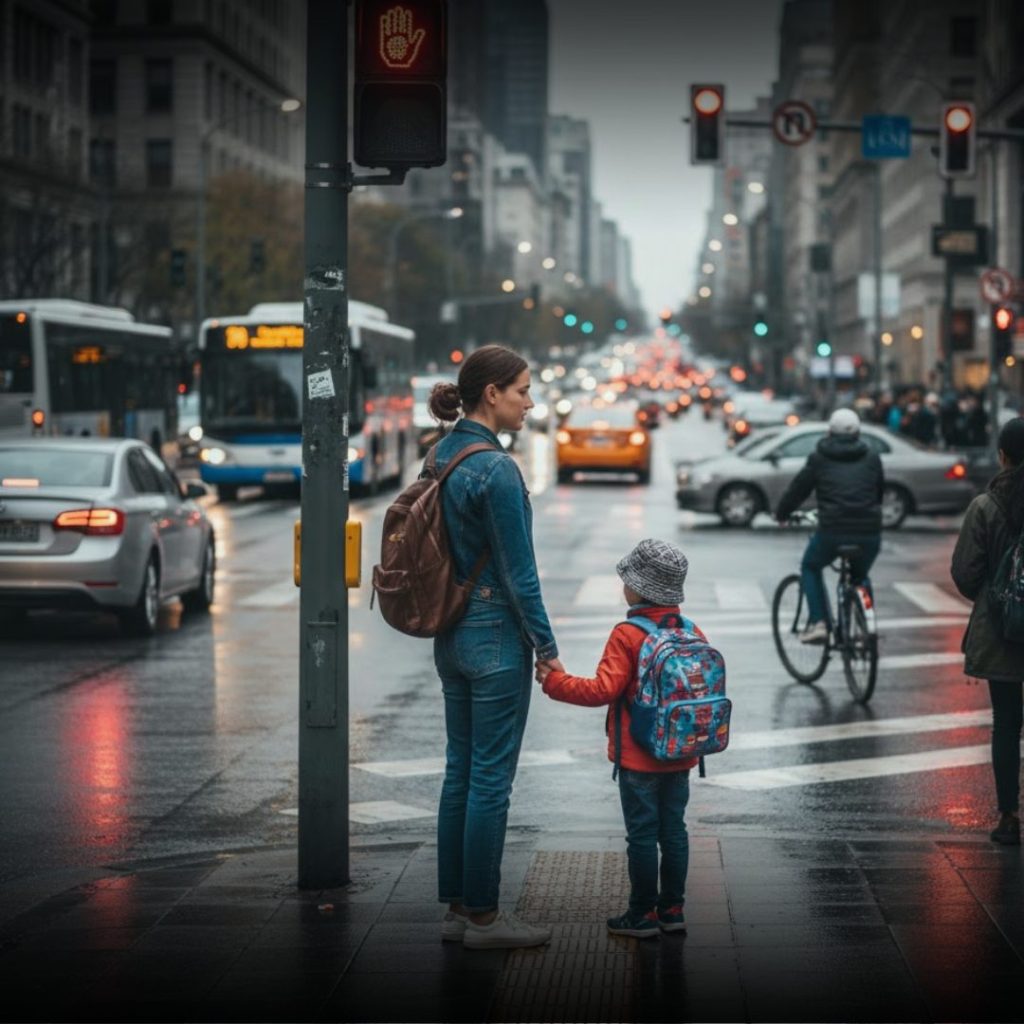
You cannot avoid every challenge in life, but you can learn how to prevent blunt force trauma. Simple safety habits create strong protection. Wearing a seat belt during travel reduces risk during motor vehicle accidents. Following safety rules during sports lowers stress on joints and tissue. Slowing down in busy environments reduces the chance of falls.
Understanding risk factors gives you clarity. You may protect your body by practicing balance, strength, and awareness. You can soften stress by choosing supportive environments. Prevention is an act of care.
Protective gear at work helps avoid blunt force injury from heavy objects or rough surface contact. Awareness helps avoid slips, trips, and collisions. Your body appreciates every choice you make to protect it. Healing grows from gentle discipline. Each small action builds safety and confidence.
The Path to Healing and Balance

Recovery after blunt trauma is not just physical. It is emotional, mental, and spiritual. Your body may have carried stress, fear, or memories connected to the event. These responses are natural. You are learning to feel safe again.
Healing begins with presence. You listen to your breath, you soften the muscles that once tightened for protection, you learn to trust the ground beneath your feet, you learn to move slowly and feel each moment, and you are stronger than the story that hurt you.
Your journey is not about forgetting. It is about honoring what you survived and stepping forward with grace. Each small step is a victory. You are allowed to rest, you are allowed to rebuild, and you are allowed to be whole.
When Trauma Leaves Invisible Marks

Some effects of blunt trauma are not seen on the outside. You may feel changed inside without knowing why. These reactions come from the body’s natural protection system. When the body faces sudden force or shock, the nervous system holds strong to guard your safety. After the event ends, the body may still react as if danger is close. This is how invisible memory forms.
Many people with blunt trauma injuries notice difficulty relaxing the body. Muscles may stay tight. Sleep may feel light and restless. You may avoid certain movements or situations without knowing the reason. These reactions are responses to earlier stress held in tissue. The body stores memory in tension, breath, and movement.
Certain events, like force trauma from falls or motor vehicle collisions, may create emotional echoes. If you feel fear in ordinary moments, it does not mean you are weak. It means your body once learned to protect you. Healing is learning to feel safe again. That process takes patience and gentleness. You deserve both.
There is no shame in asking for support. Talking with someone you trust, practicing slow breathing, or sitting in silence can soften the body’s guard. Healing is never rushed. It unfolds the moment you feel safe enough to rest.
READ ALSO: Symptoms of Trauma That Show Up Seasonally
Rebuilding Strength Through Gentle Practice

Your body has an amazing ability to repair itself. Even after severe injuries, it finds pathways back to balance. Strength does not always look like pushing harder. Often, it begins with softness. Small, steady actions help the body recover from stress caused by blunt force and protect against future strain.
Movement helps healing. Slow stretching and mindful motion release tension stored in the muscles after physical trauma. Breathwork calms the nervous system. Body-awareness practices help you reconnect to signals inside. These gentle steps teach your body that it is safe to relax again.
Healing is also emotional. You rebuild trust with yourself, you learn to listen to the quiet messages your body sends, you learn to rest without guilt, and you learn to welcome peace. Your path is not about perfection it is about presence.
You do not walk this path alone. Many others have faced such injuries and found strength through steady steps. Every moment you choose care, you move closer to balance.
Recovery Beyond Medicine

Treatments from doctors help stabilize tissue, stop swelling, and repair damage. Yet true recovery reaches further than physical care. Healing after blunt injury includes restoring confidence in movement, breath, and emotional grounding. You heal when your body and mind begin working together again. Sometimes, people feel discouraged when healing takes longer than expected. This is normal. The body heals at the pace it needs. Swelling, bruising, or energy changes may last for weeks. Feelings might rise and fall like a tide. Healing is not a straight line. Each day is different.
Support comes from many places. Family, friends, community, and care professionals create safety. Reflection and gentle routine rebuild stability. Rest allows the body to repair deep tissue. Loving attention strengthens your inner foundation. Healing asks for patience. You are allowed to breathe, pause, and try again tomorrow. Your strength is already within you.
Final Takeaway and Reflection

Your journey with blunt trauma may have shaped you, but it does not define your future. Your body remembers because it loves you and wants to protect you. The tightness you feel or the reactions you notice are signs of survival. In time, your body will learn peace again.
You are healing, you are growing, and you are learning to trust your body with softness instead of fear. You are allowed to take life one gentle step at a time, you deserve calm days and peaceful nights, and you deserve to feel whole.
The story you carry matters. You are not alone, you are becoming stronger in ways you cannot yet see. Take a breath now, feel the ground, feel your heart. You are safe, you are supported, and you are already healing.