For high-performing professionals, unrecognized symptoms of trauma directly impair cognitive performance, disrupt sleep architecture, and drive chronic cortisol elevation, all of which accelerate functional decline and biological aging. This analysis is designed for individuals operating under sustained pressure, where even subtle neurophysiological disruptions can reduce decision accuracy and recovery capacity. Trauma-related symptom patterns often present as persistent hyperarousal, emotional blunting, or attentional fragmentation, each linked to measurable changes in stress hormone regulation and neural processing. Left unaddressed, these responses increase cardiovascular strain, impair executive function, and erode long-term performance stability.
Neurobiological Basis of Symptoms of Trauma
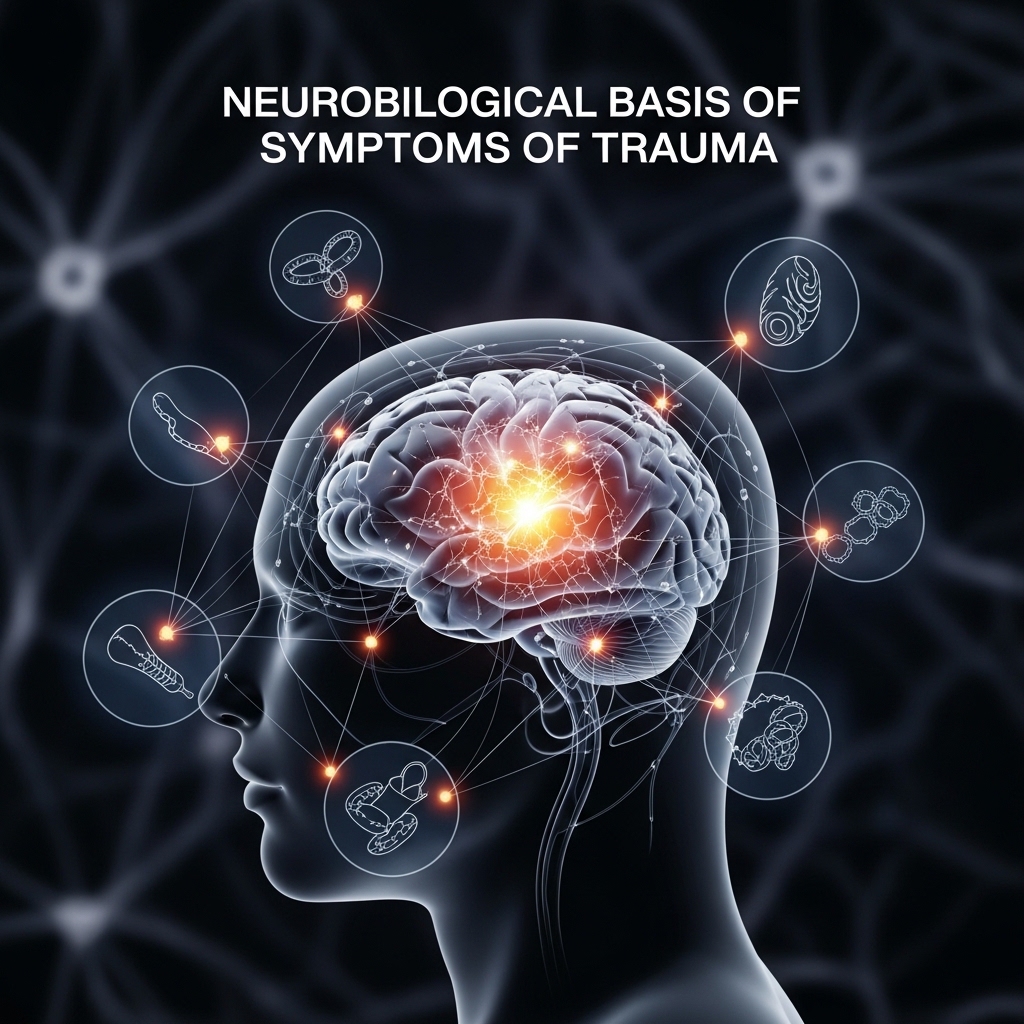
Symptoms of trauma originate from measurable changes in brain structure and function, particularly within the amygdala, hippocampus, and prefrontal cortex. These regions regulate threat detection, memory processing, and executive control. Trauma exposure increases amygdala reactivity while reducing prefrontal modulation, leading to persistent hypervigilance.
Research from the National Institutes of Health demonstrates that trauma alters neural connectivity and stress response pathways. These changes impair emotional regulation and cognitive flexibility. Over time, this neurobiological imbalance affects decision-making accuracy and impulse control.
For high-performing professionals, this translates into reduced executive efficiency. Cognitive bandwidth narrows under stress, and the ability to process complex information declines. As a result, trauma-related neural adaptations directly affect performance sustainability.
Cortisol Dysregulation and Stress Physiology
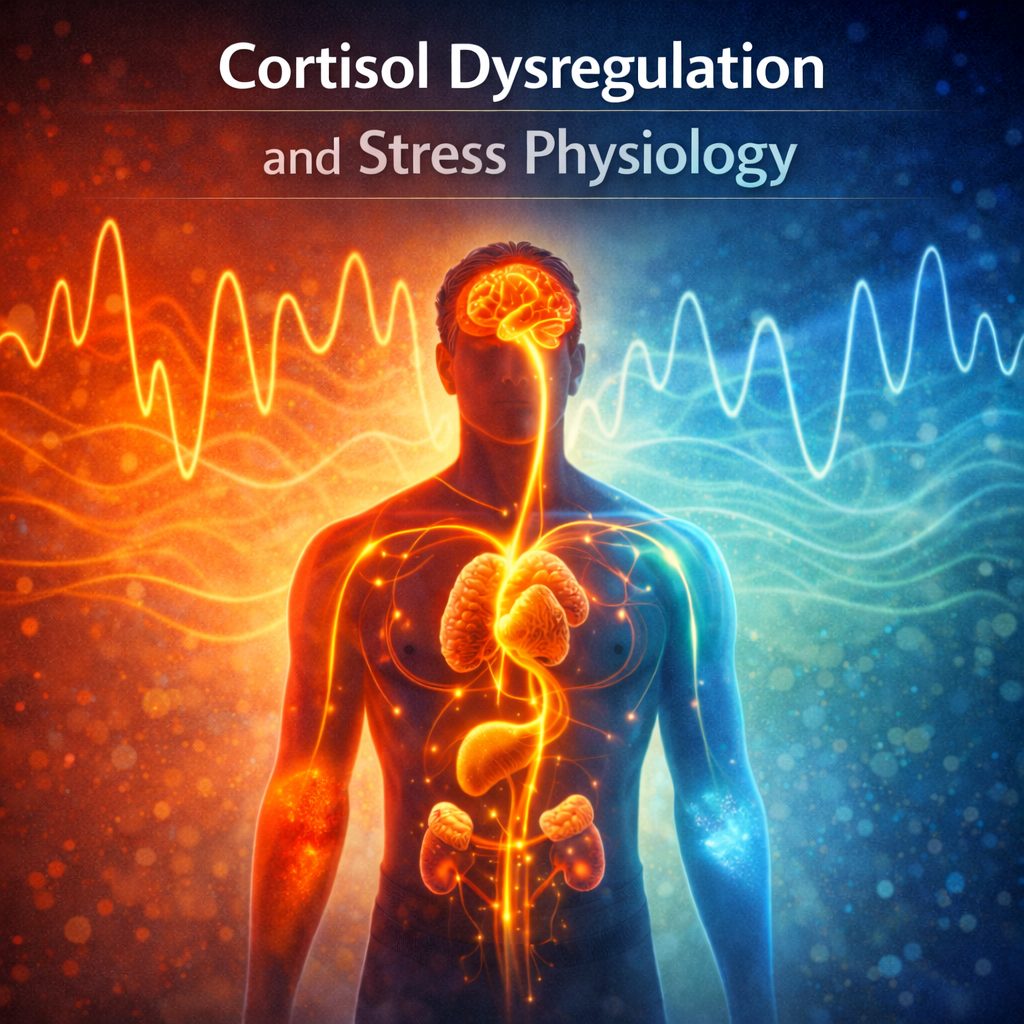
Symptoms of trauma significantly disrupt the hypothalamic-pituitary-adrenal (HPA) axis. This disruption leads to prolonged cortisol elevation or, in some cases, blunted cortisol response. Both patterns impair the body’s ability to regulate stress effectively.
The American Heart Association links chronic stress exposure to increased cardiovascular strain and metabolic dysfunction. Elevated cortisol contributes to hypertension, insulin resistance, and systemic inflammation. These outcomes increase long-term health risk.
In high-demand environments, cortisol imbalance reduces resilience. It impairs recovery between stress cycles and accelerates fatigue. Therefore, trauma-related stress physiology becomes a critical variable in performance longevity.
Cognitive Performance Decline and Executive Function
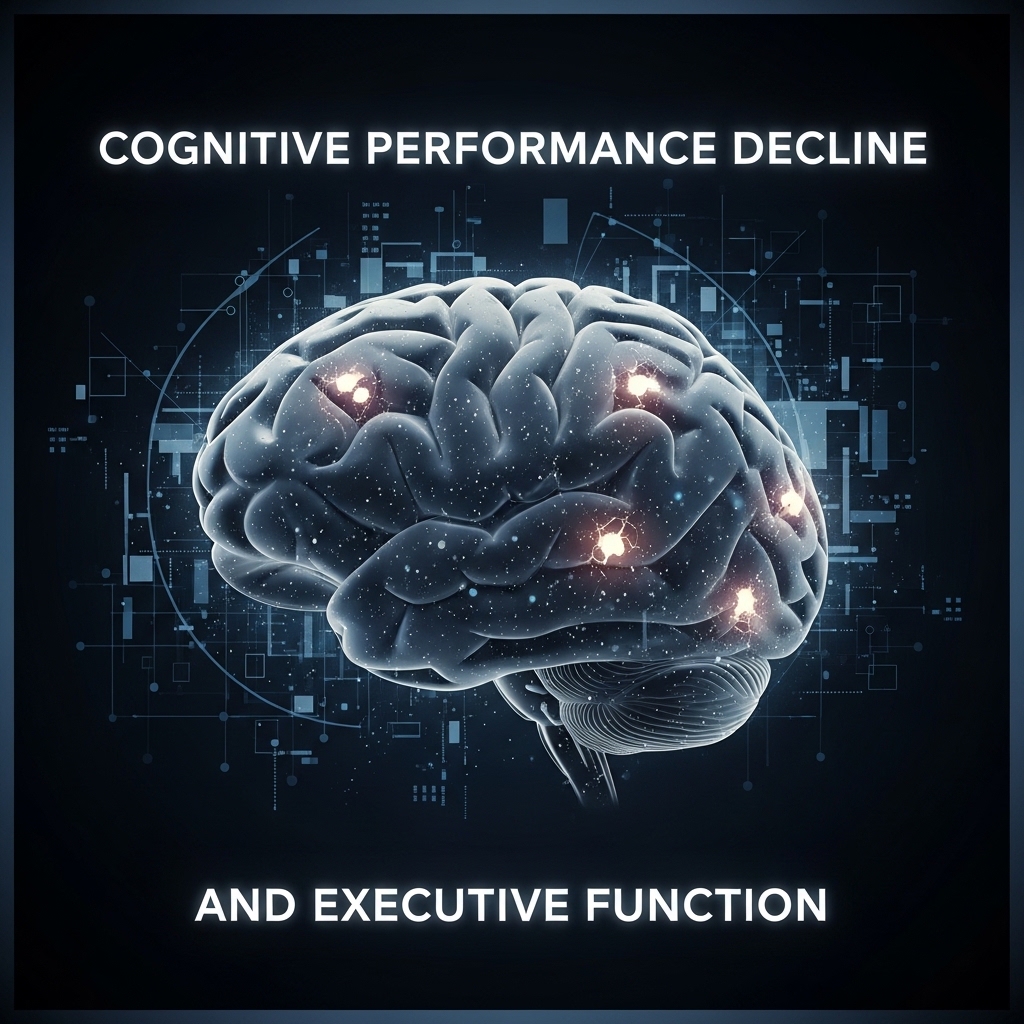
Symptoms of trauma often impair working memory, attention control, and decision-making speed. These deficits arise from disrupted communication between the prefrontal cortex and limbic system. As a result, cognitive performance becomes inconsistent under pressure.
Data from Harvard T.H. Chan School of Public Health shows that chronic stress negatively affects cognitive processing and increases mental fatigue. These effects compound over time, particularly in high-pressure roles.
For executives and founders, impaired cognition directly impacts outcomes. Reduced focus and slower decision-making increase operational risk. Therefore, trauma-related cognitive decline carries measurable professional consequences.
Sleep Disruption and Recovery Impairment
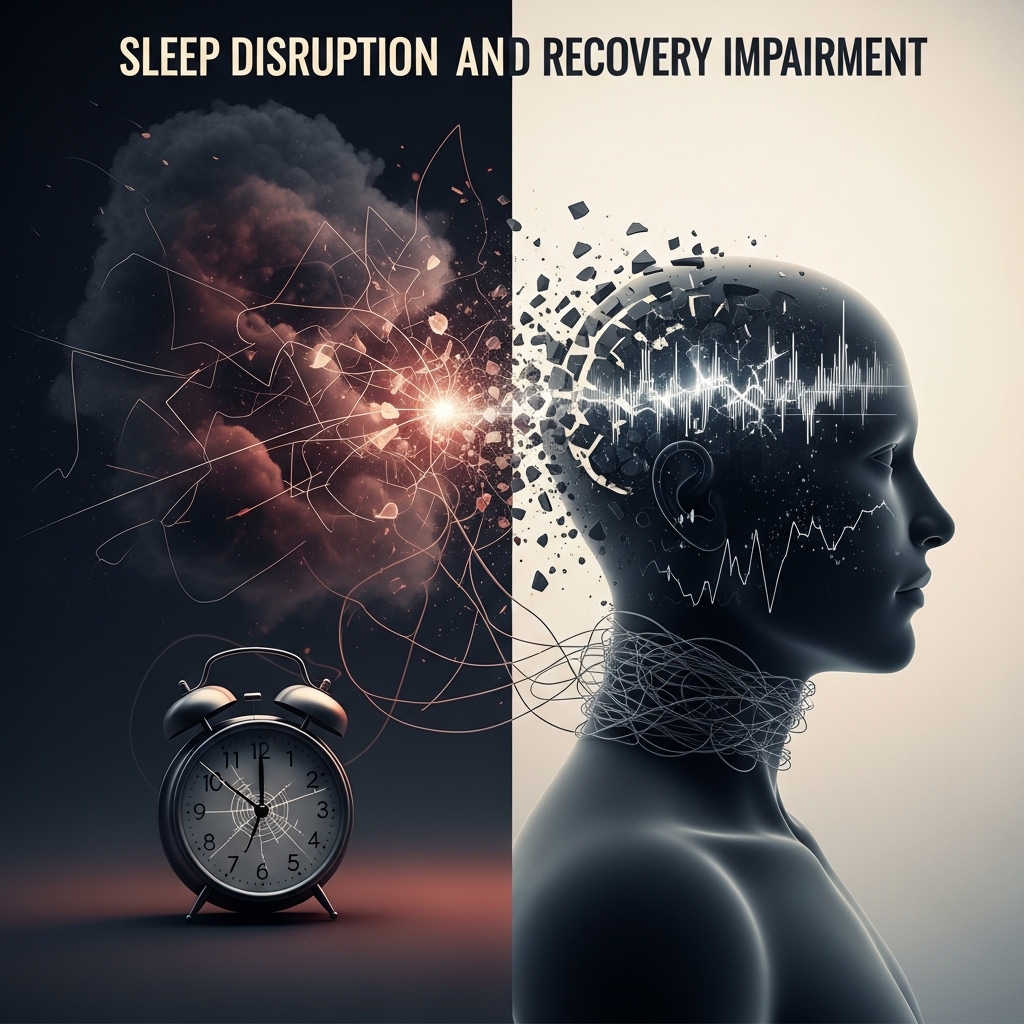
Symptoms of trauma frequently disrupt sleep architecture, including reduced deep sleep and increased nighttime awakenings. Sleep fragmentation impairs physical and cognitive recovery. As a result, daily performance declines.
The National Institutes of Health identifies trauma as a key factor in chronic insomnia and poor sleep quality. These disruptions reduce REM sleep, which plays a role in emotional regulation and memory consolidation.
For high-performing individuals, sleep quality determines recovery capacity. Poor sleep increases reaction time, reduces focus, and elevates stress levels. Therefore, trauma-related sleep disruption undermines long-term resilience.
Inflammatory Markers and Systemic Health Impact
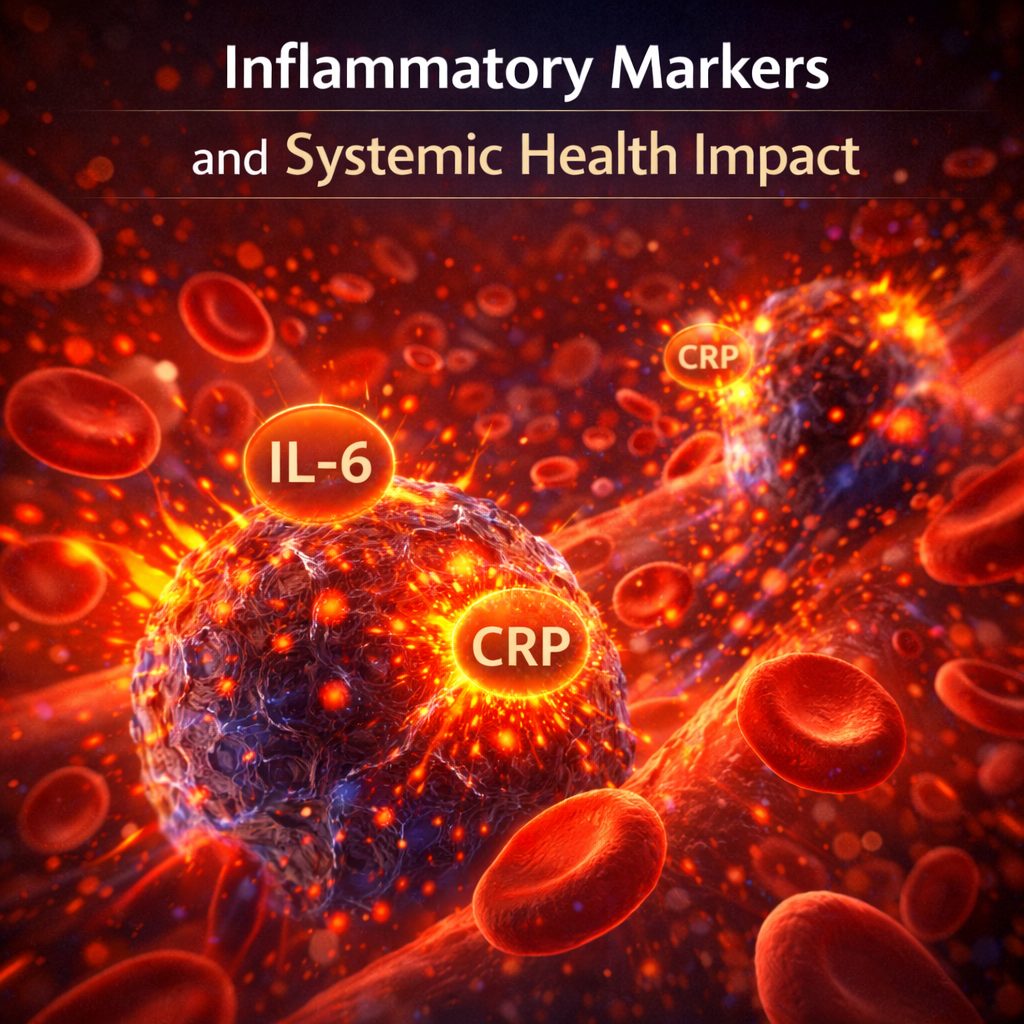
Symptoms of trauma elevate systemic inflammation through chronic activation of stress pathways. This response increases levels of inflammatory markers such as interleukin-6 and C-reactive protein. Over time, inflammation contributes to disease progression.
Studies published in The Lancet highlight the connection between chronic stress and inflammatory diseases. Persistent inflammation increases the risk of cardiovascular disease, diabetes, and neurodegeneration.
For professionals focused on longevity, inflammation represents a measurable risk factor. Elevated markers correlate with reduced recovery and increased biological wear. Therefore, trauma-related inflammation directly affects long-term health outcomes.
Cardiovascular Consequences of Chronic Trauma Exposure
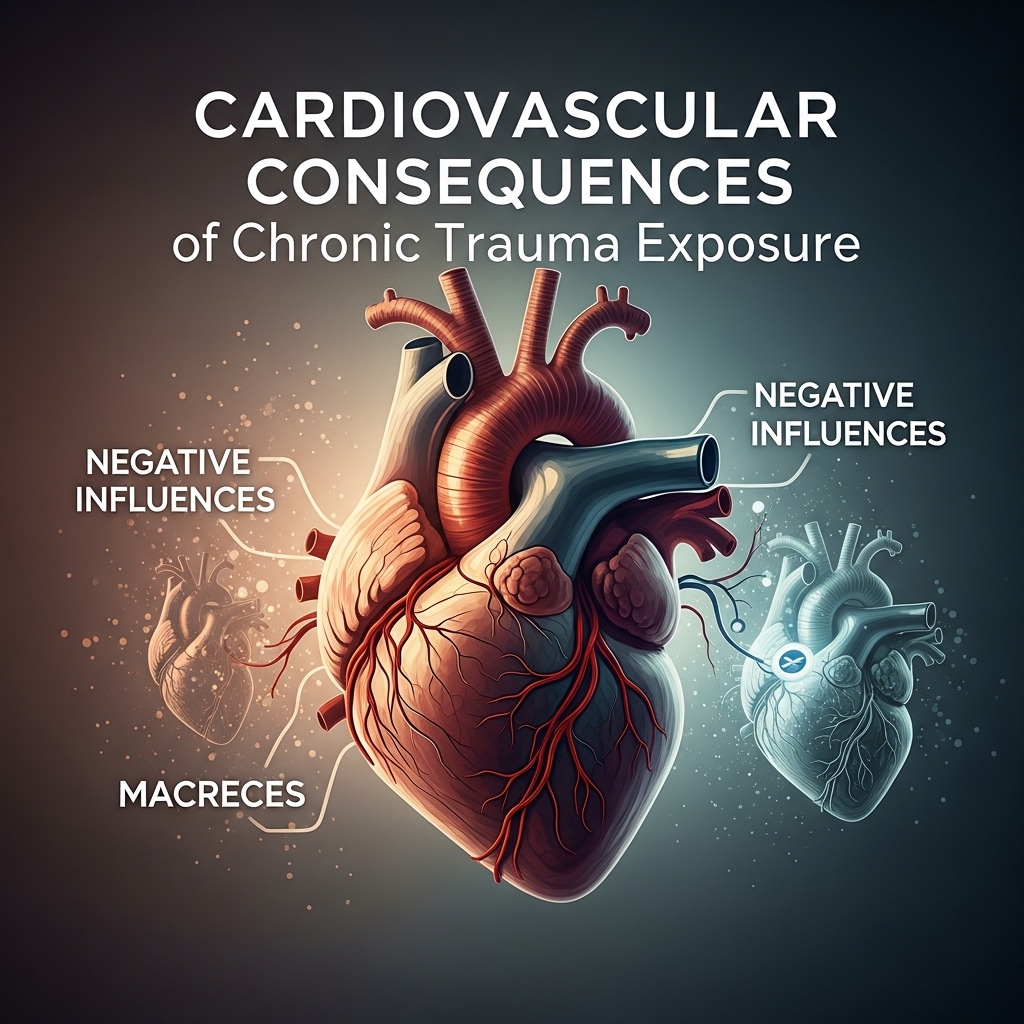
Symptoms of trauma contribute to increased cardiovascular strain through sustained sympathetic nervous system activation. This activation raises heart rate, blood pressure, and vascular resistance. Over time, these changes increase cardiovascular risk.
The Framingham Heart Study provides evidence linking chronic stress to heart disease and hypertension. Trauma-related stress amplifies these risks by maintaining prolonged physiological activation.
For high-performing individuals, cardiovascular health underpins endurance and longevity. Chronic strain reduces efficiency and increases the likelihood of adverse events. Therefore, trauma symptoms extend beyond psychological impact.
Biological Age Acceleration and Cellular Stress
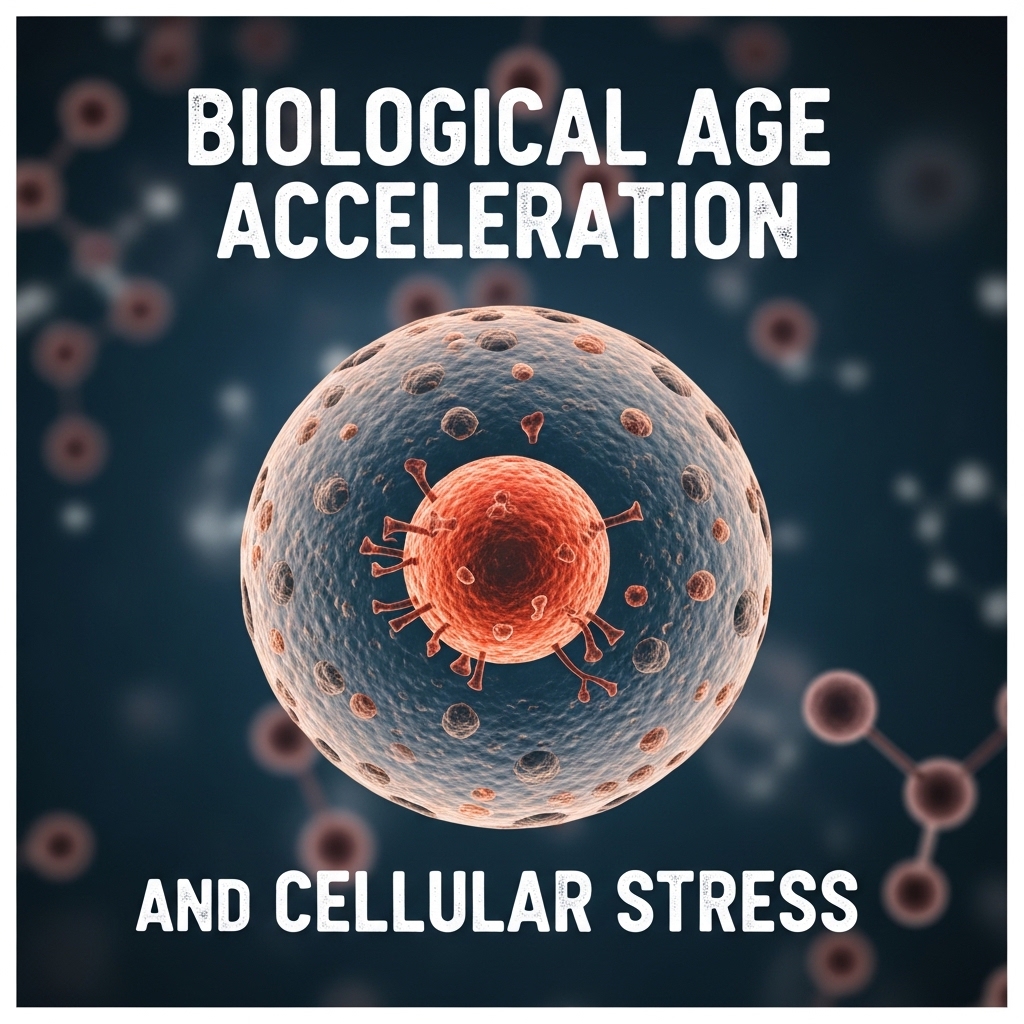
Symptoms of trauma accelerate biological aging by increasing oxidative stress and reducing cellular repair capacity. This process affects telomere length and DNA integrity. As a result, the body ages faster at a cellular level.
Research from Nature Medicine associates chronic stress with accelerated biological aging. These findings highlight the long-term impact of unresolved trauma on healthspan.
For executives, accelerated aging reduces performance lifespan. It affects energy, resilience, and disease risk. Therefore, trauma becomes a measurable factor in longevity planning.
Emotional Regulation and Behavioral Patterns
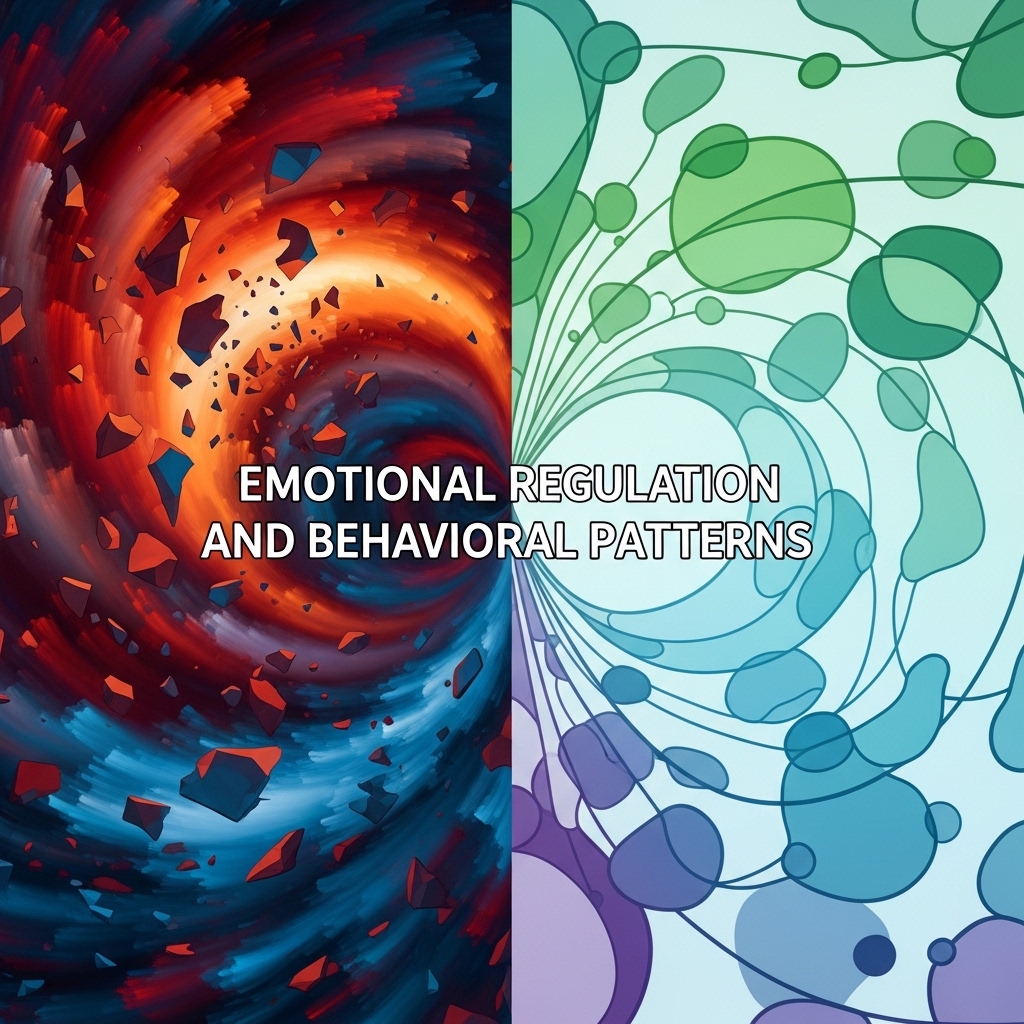
Symptoms of trauma alter emotional regulation, leading to heightened reactivity or emotional suppression. These patterns affect interpersonal relationships and decision-making. Over time, behavioral consistency declines.
Trauma-related emotional dysregulation often results in impulsive decisions or avoidance behaviors. These patterns reduce strategic clarity and increase operational risk. In high-stakes environments, emotional control is critical.
For professionals, emotional stability supports leadership effectiveness. Disruptions in regulation can impact team dynamics and organizational outcomes. Therefore, trauma symptoms influence both individual and systemic performance.
READ ALSO: Trauma-Sensitive Mindfulness: Healing Through Presence
Metabolic Function and Energy Utilization
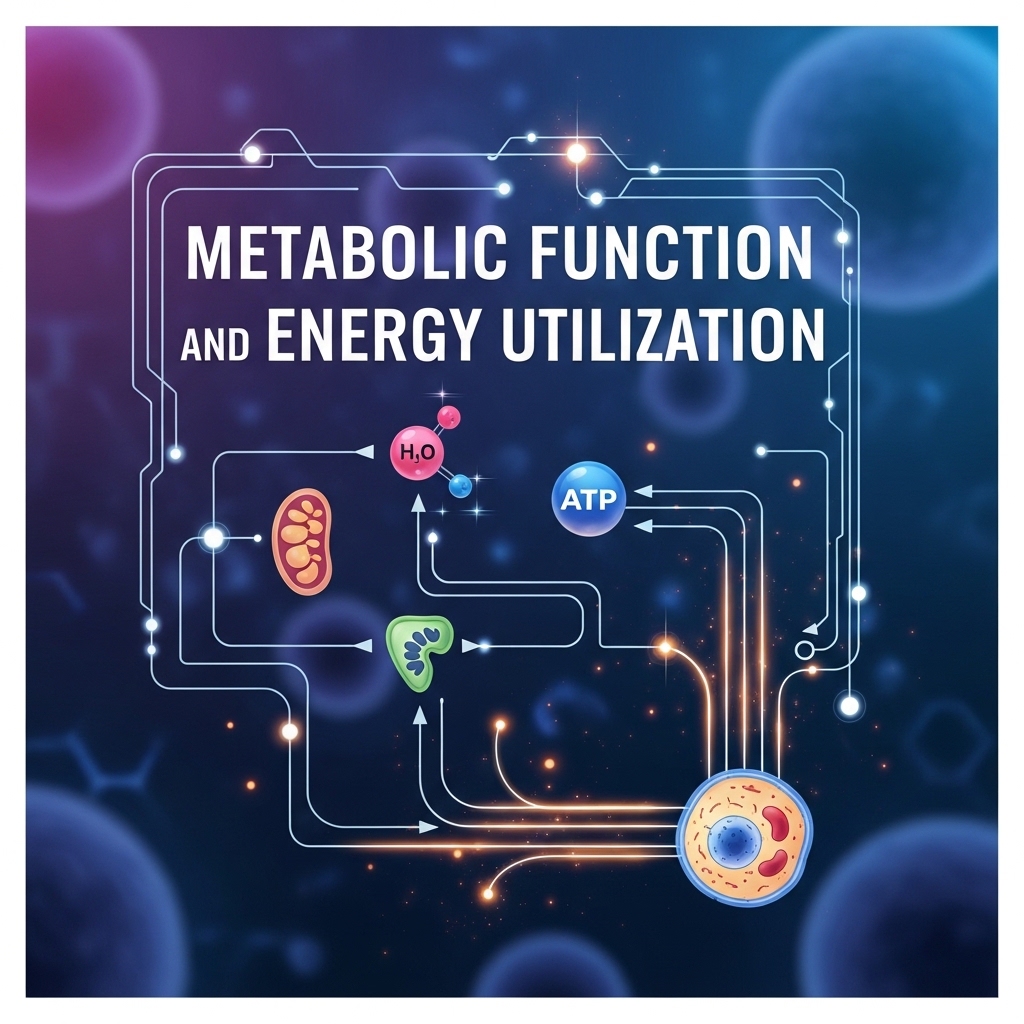
Symptoms of trauma influence metabolic processes through chronic stress signaling. Elevated cortisol alters glucose metabolism and fat distribution. These changes increase the risk of metabolic syndrome.
The National Institutes of Health links chronic stress to insulin resistance and disrupted energy balance. These effects reduce metabolic efficiency and increase fatigue.
For high-performing individuals, metabolic health drives sustained energy output. Disruptions reduce endurance and productivity. Therefore, trauma-related metabolic changes impact daily performance capacity.
READ ALSO: Trauma-Sensitive Mindfulness: Healing Through Presence
Social Cognition and Interpersonal Performance
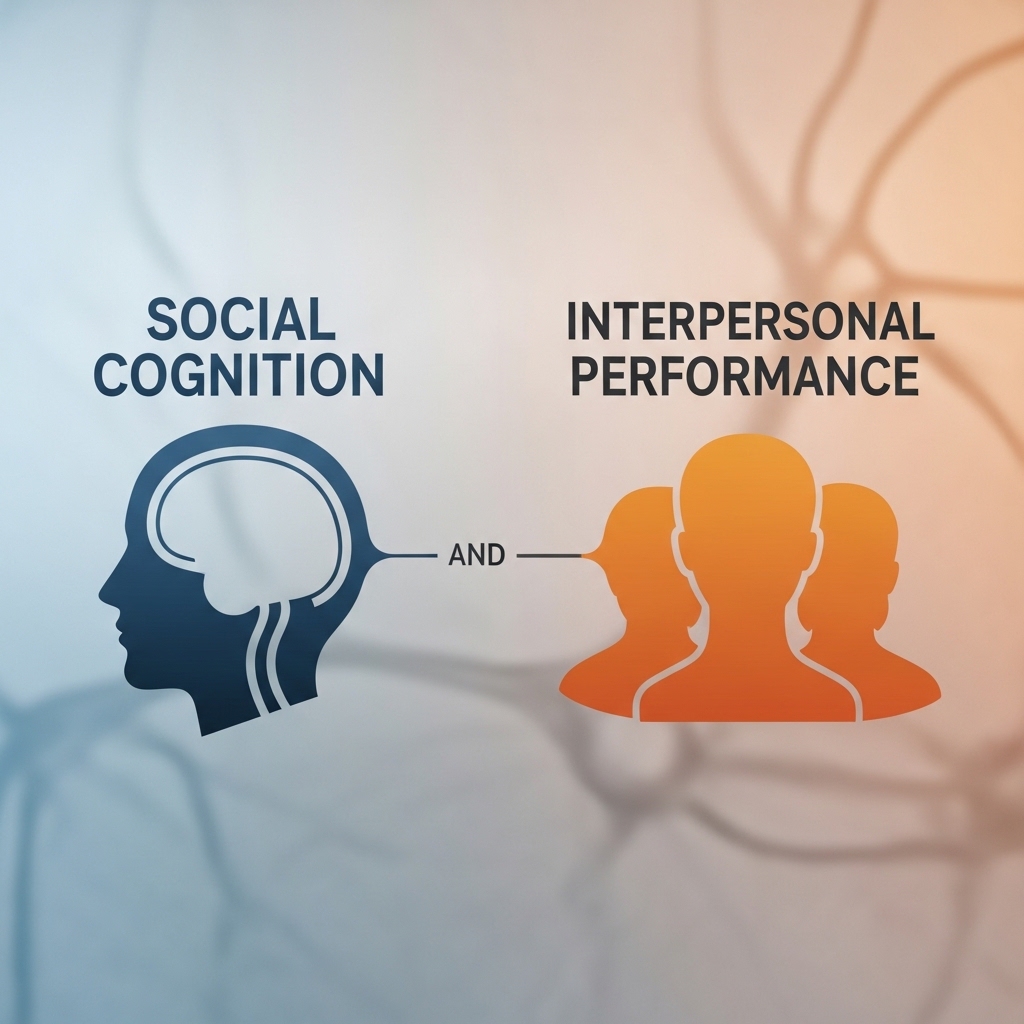
Symptoms of trauma affect social cognition, including perception of threat and trust. These changes alter communication patterns and relationship dynamics. As a result, collaboration and leadership effectiveness may decline.
Trauma can lead to misinterpretation of social cues and heightened defensiveness. These patterns increase conflict and reduce team cohesion. In professional environments, this impacts organizational performance.
For leaders, strong interpersonal skills are essential. Trauma-related disruptions in social cognition can limit influence and decision-making effectiveness. Therefore, addressing these symptoms supports leadership capacity.
READ ALSO: Self-consciousness: Small Habits That Ease Social Anxiety
Evidence-Based Integration for Performance and Longevity
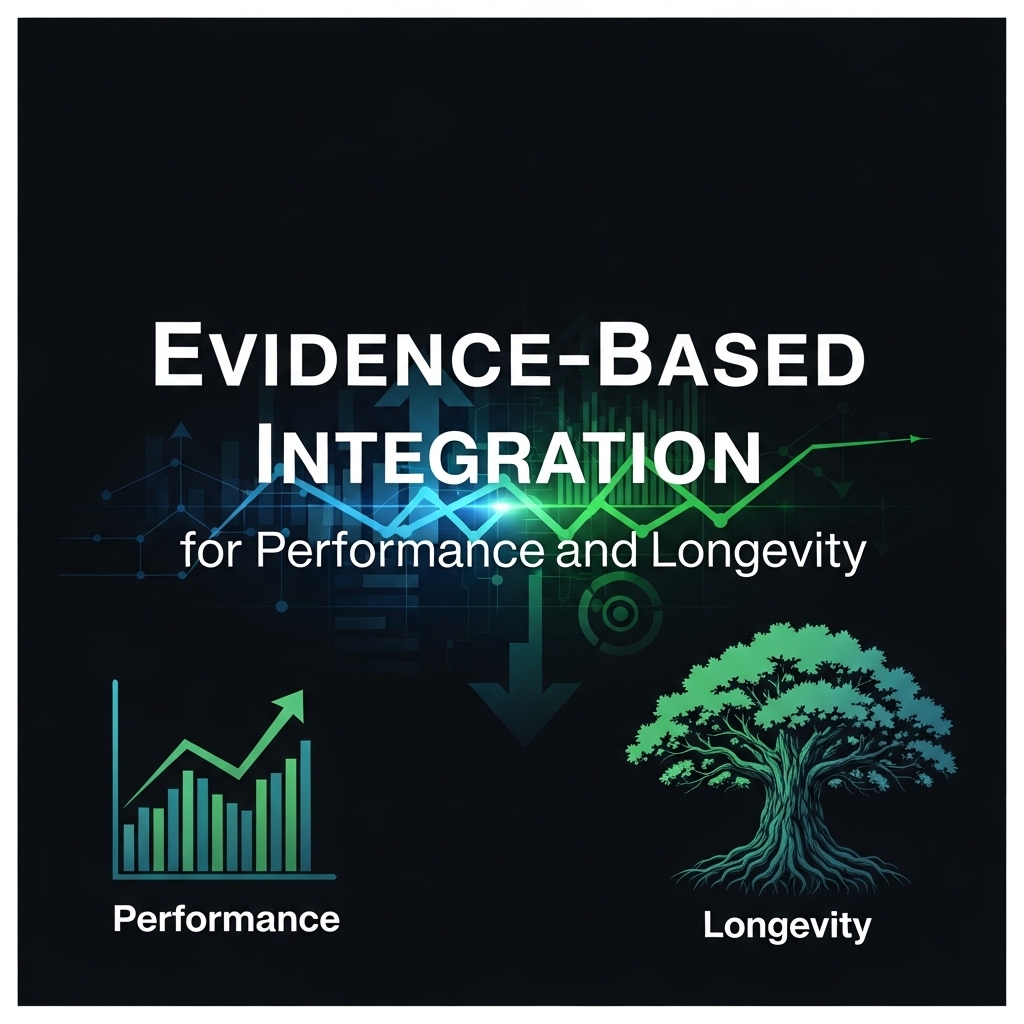
Current evidence shows that symptoms of trauma affect multiple physiological systems. These include cognitive, metabolic, and cardiovascular domains. Each system contributes to overall performance and longevity outcomes.
Institutional research consistently links chronic stress and trauma to measurable health risks. These include inflammation, biological aging, and reduced cognitive function. Addressing trauma-related patterns improves these variables.
For high-performing professionals, trauma represents a modifiable factor. Managing its effects supports sustained performance and long-term health. Therefore, integration of evidence-based strategies becomes essential.
UP NEXT: How Unresolved Trauma Accelerates Cortisol Dysregulation, Systemic Inflammation, and Biological Age in High-Performing Professionals
Symptoms of trauma drive chronic cortisol dysregulation, sleep disruption, and elevated inflammatory load, all of which are linked to accelerated biological aging and reduced long-term cardiovascular and cognitive resilience. WholeLiving's Biological Age Estimation Model incorporates this factor directly — your assessment takes under five minutes.
Ready to understand how these factors are influencing your biological age right now? [Take the Biological Age Assessment →]