For executives and founders exposed to chronic travel, indoor climate control, sleep disruption, and sustained psychological load, impaired skin barrier function is not a cosmetic issue but a measurable resilience problem. This article addresses body oils from a clinical WholeLiving body perspective for high-performing professionals, with emphasis on transepidermal water loss, barrier integrity, inflammatory signaling, and the downstream effects of chronic cortisol elevation on skin repair. In this context, body oils matter when they reduce moisture loss, support lipid balance in the stratum corneum, and help preserve tissue quality under repeated environmental and physiologic stress that can accelerate visible aging and compromise recovery.
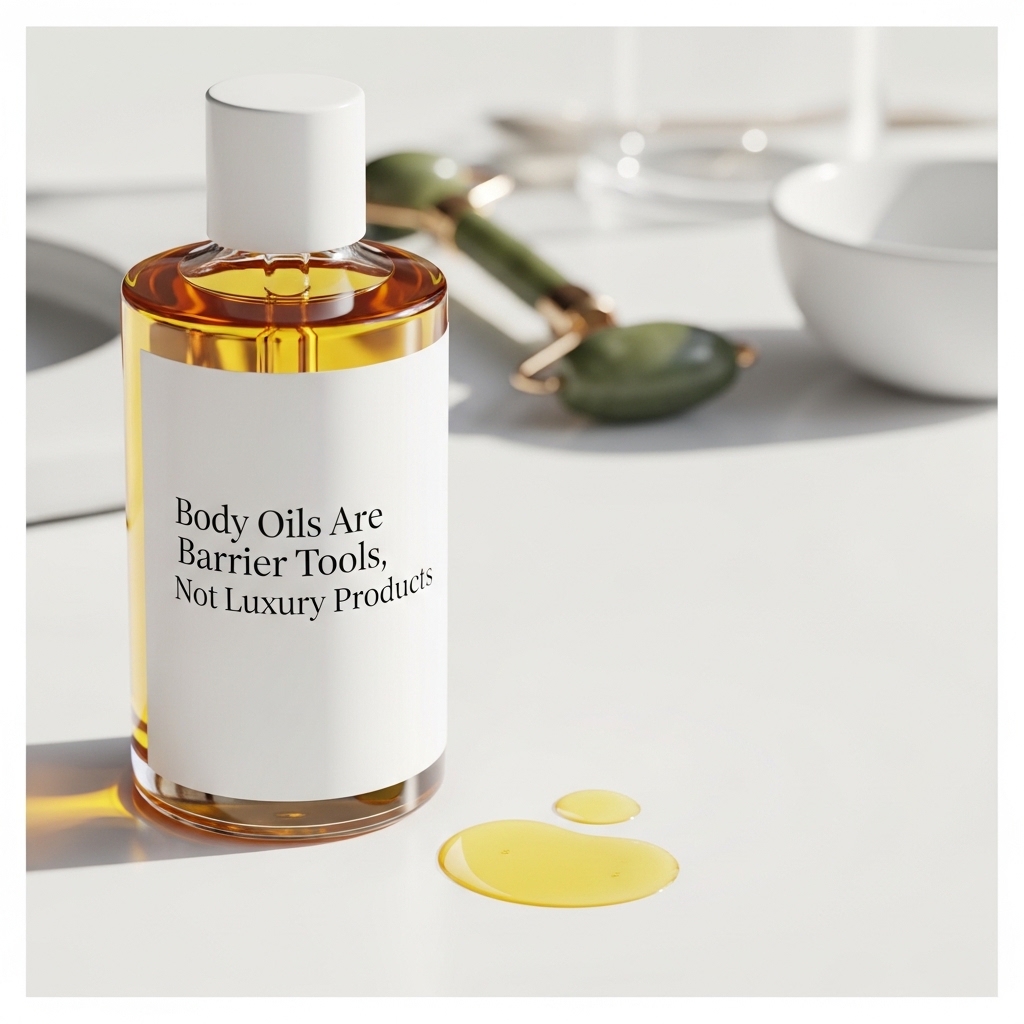
Body Oils Are Barrier Tools, Not Luxury Products
Body oils matter in skin science because they can reduce transepidermal water loss, or TEWL. TEWL refers to the amount of water that escapes through the skin barrier. When this rises, skin loses moisture faster and becomes less resilient.
For high-performing professionals, this is not a cosmetic issue. Frequent travel, dry indoor air, harsh cleansing, and poor recovery can weaken barrier function. Over time, that can increase irritation, dryness, and visible aging.
The clinical value of body oils depends on function. Some mainly reduce water loss. Others also affect inflammation, surface lipids, and barrier repair.
The Skin Barrier Depends on Lipid Balance
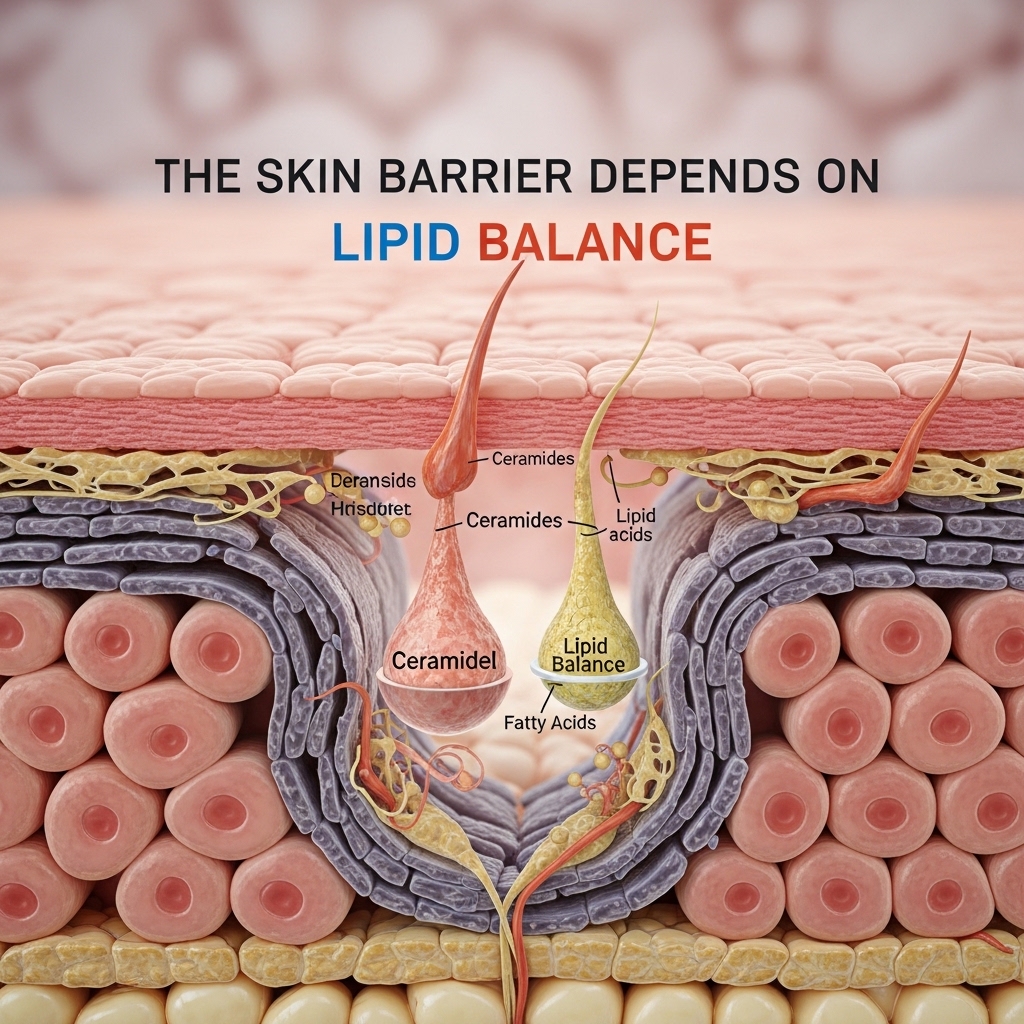
The stratum corneum is the outer layer of the skin. It depends on ceramides, cholesterol, and fatty acids to keep water in and irritants out. When this lipid structure weakens, the skin becomes drier and more reactive.
This matters because barrier decline often starts quietly. Skin may feel rough, tight, or more sensitive before obvious damage appears. In a high-stress lifestyle, this shift can become chronic.
Body oils can help when they support the skin’s lipid surface or slow water loss long enough for repair to happen. They do not replace every moisturizer, but they can support barrier maintenance.
TEWL Is a Useful Clinical Marker
TEWL is one of the clearest ways to measure barrier strain. Higher TEWL usually means the barrier holds water less effectively. In both research and dermatology, it helps show how well the skin is functioning. TEWL is one of the clearest ways to measure barrier strain, and the NIH/NCBI StatPearls entry on moisturizers explains its role in evaluating skin barrier function.
That makes body oils relevant to performance longevity. Barrier damage reflects repeated stress from climate, friction, over-cleansing, and age-related lipid changes. It is not random.
A product that lowers TEWL can improve hydration and reduce daily barrier stress. This is one reason dermatologists often advise applying moisture-sealing products to damp skin.
Not All Body Oils Work the Same Way
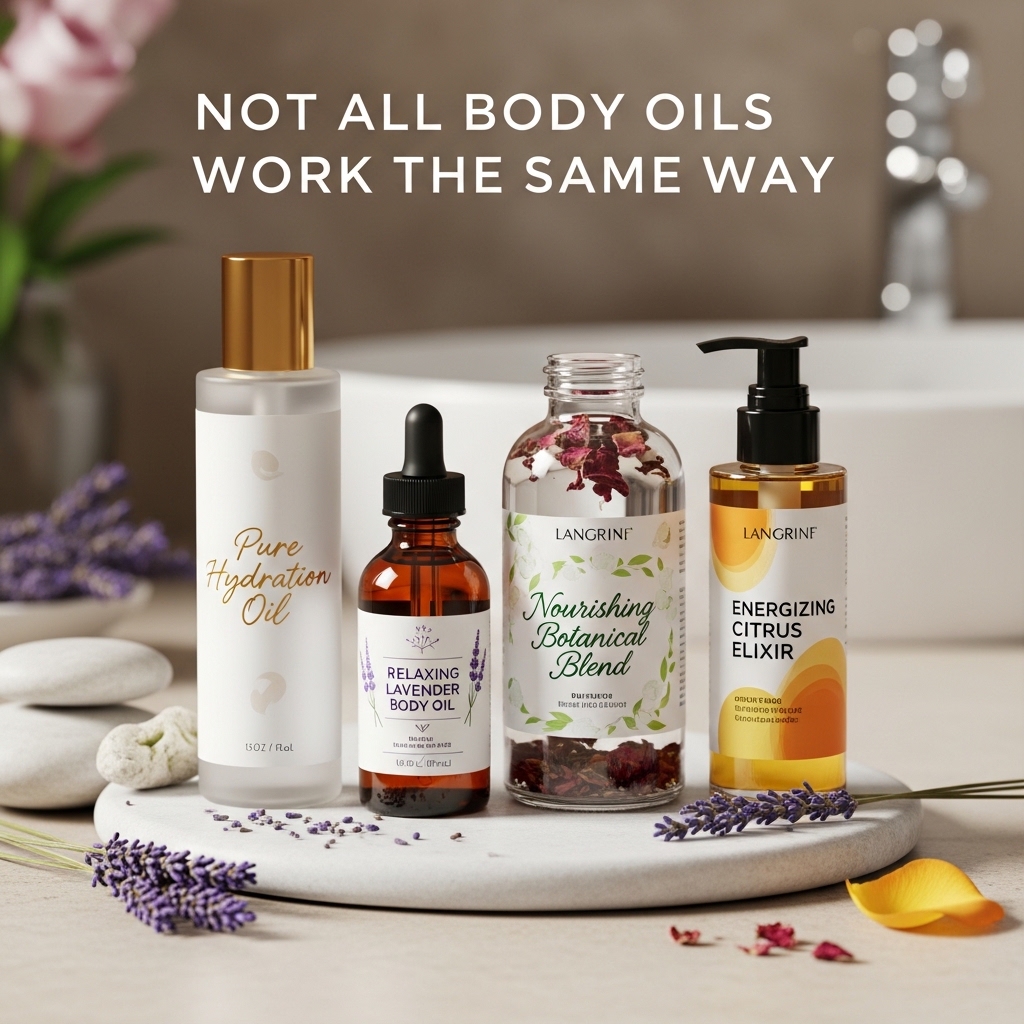
The term body oils sounds simple, but oils behave differently on skin. Their fatty acid profile, absorption pattern, and effect on barrier repair can vary. Some protect the skin better than others.
A well-known study comparing olive oil and sunflower seed oil found clear differences. Sunflower seed oil helped preserve skin barrier integrity and improved hydration. Olive oil disrupted the barrier and caused mild redness in healthy adults. A study by Danby et al. in Pediatric Dermatology found that sunflower seed oil preserved skin barrier integrity, while olive oil disrupted the barrier in healthy adults.
That finding matters because many people assume all natural oils are equally beneficial. The research does not support that view. Oil choice can help the barrier or make it less stable.
Occlusion Determines How Much Water Skin Retains
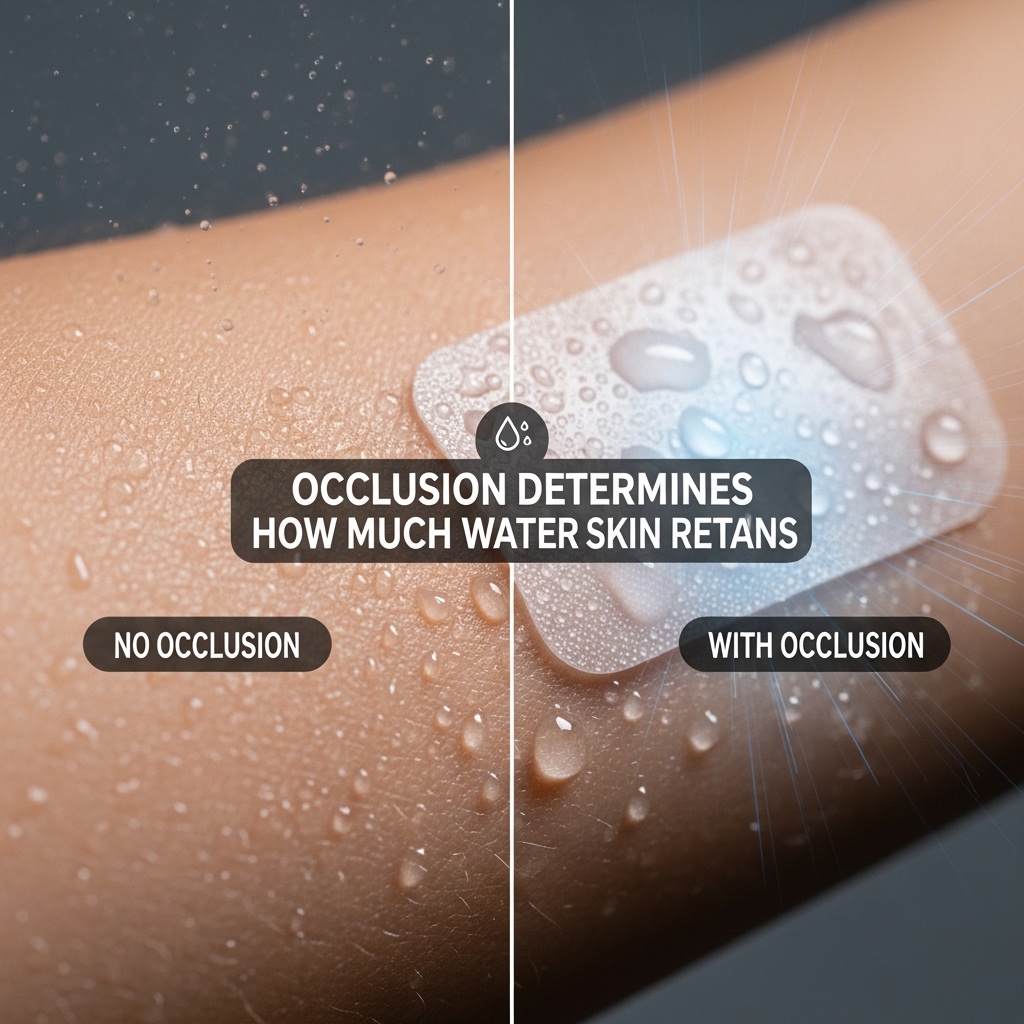
Many body oils work through occlusion. This means they form a thin surface layer that slows water evaporation. By reducing water escape, they help skin stay hydrated for longer.
This mechanism is useful, but it has limits. Classic occlusives such as petrolatum reduce water loss more strongly than most oils. That is why body oils may support hydration but may not be the best option for severe dryness. The NIH/NCBI StatPearls reference on moisturizers notes that petrolatum is one of the most effective occlusive agents for reducing water loss.
For professionals dealing with dry offices, flights, and climate-controlled spaces, this distinction matters. A lighter oil may improve comfort. A stronger barrier product may work better when dryness becomes persistent.
READ ALSO: Best Body Oils for Soft, Radiant Skin (For All Skin Types)
Stress Physiology Changes Skin Repair
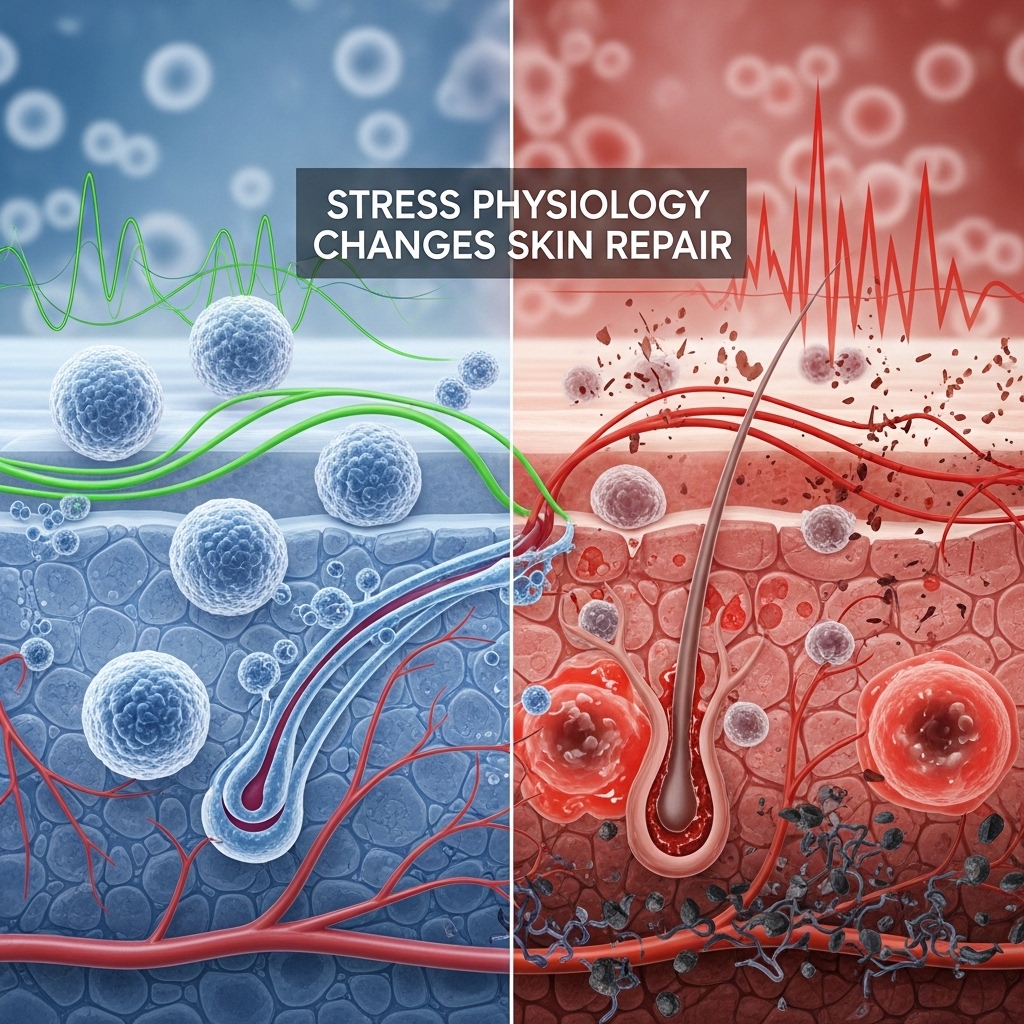
Skin repair is closely tied to cortisol and stress biology. Chronic stress can impair barrier recovery, alter lipid balance, and increase inflammatory activity in the skin. That makes body care relevant to overall physiologic load. This relationship is supported by Choe et al. in Scientific Reports, which showed that psychological stress can worsen skin barrier function through stress-related biologic pathways.
For executives and founders, this link is especially important. Long work hours, poor sleep, and constant mental demand can slow recovery and worsen visible skin stress. The result is often dryness, dullness, and weaker barrier resilience.
Body oils do not correct cortisol elevation. But they may reduce one layer of barrier strain when the skin faces repeated stress exposure. In this sense, they serve a clinical support role rather than a luxury one.
READ ALSO: How to Choose Bath and Body Soaps That Nourish Your Skin
Inflammation Drives Visible and Structural Aging
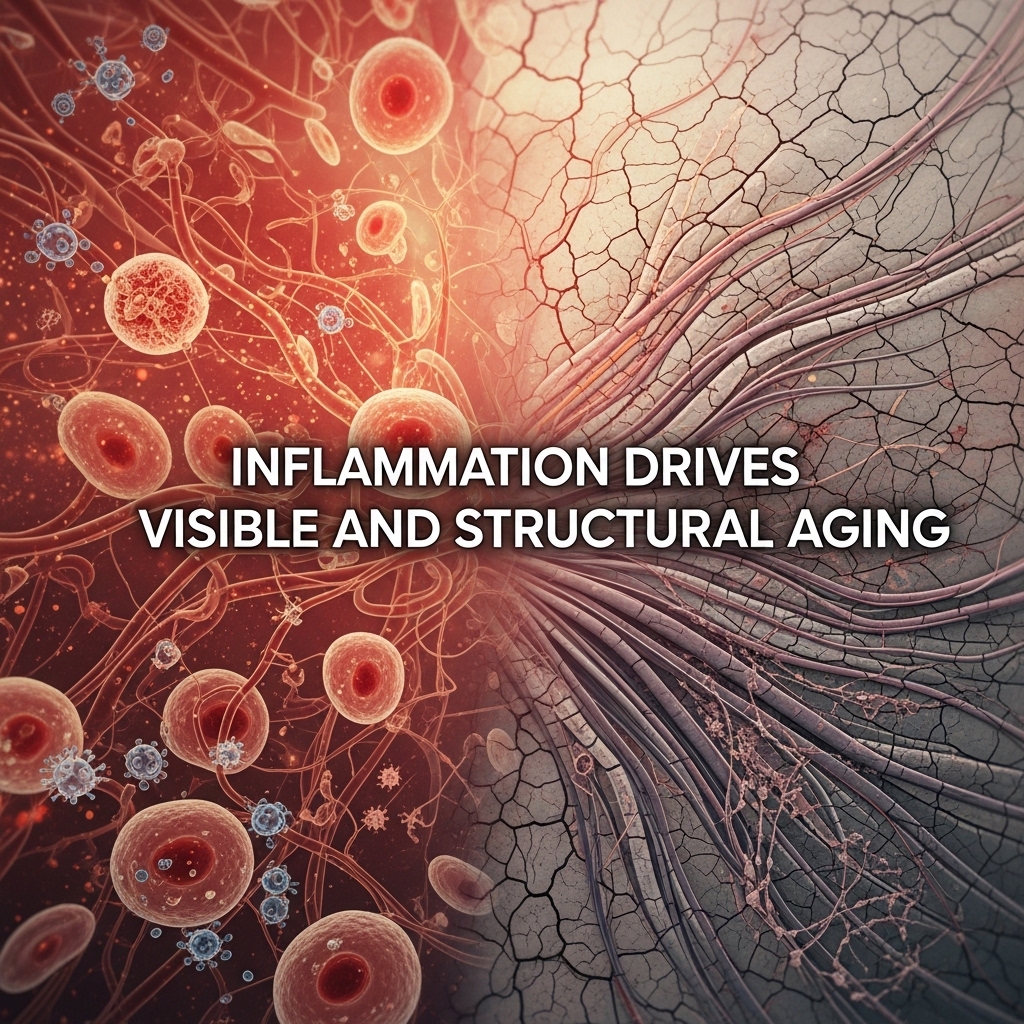
When the skin barrier weakens, irritation rises more easily. This can trigger low-grade inflammation, which affects both comfort and long-term tissue quality. The problem is not only surface dryness. Research by Chen and Lyga on the brain-skin connection linked stress, inflammation, and skin aging, supporting this barrier-aging connection.
Some oils appear more useful because they support barrier repair and may reduce inflammatory stress. Reviews of plant oils such as sunflower and coconut-derived lipids suggest that certain oils can help depending on skin type and formulation.
Chronic surface irritation adds to the overall burden on the body. A barrier-supportive oil may help reduce that load when used appropriately.
Application Timing Changes Results

Timing affects how well body oils perform. When oils are applied to damp skin, they can help trap water already present on the surface. This often improves hydration more than applying them later to dry skin. The American Academy of Dermatology recommends applying moisturizing products to damp skin to help trap water more effectively.
That principle matters because oils often work best as sealants. They do not add much water by themselves. Instead, they help prevent water from leaving too quickly.
For busy professionals, this makes body oil use more precise. A brief application after bathing may support the barrier more effectively than repeated use throughout the day on dehydrated skin.
Some Lipids Offer Better Functional Support
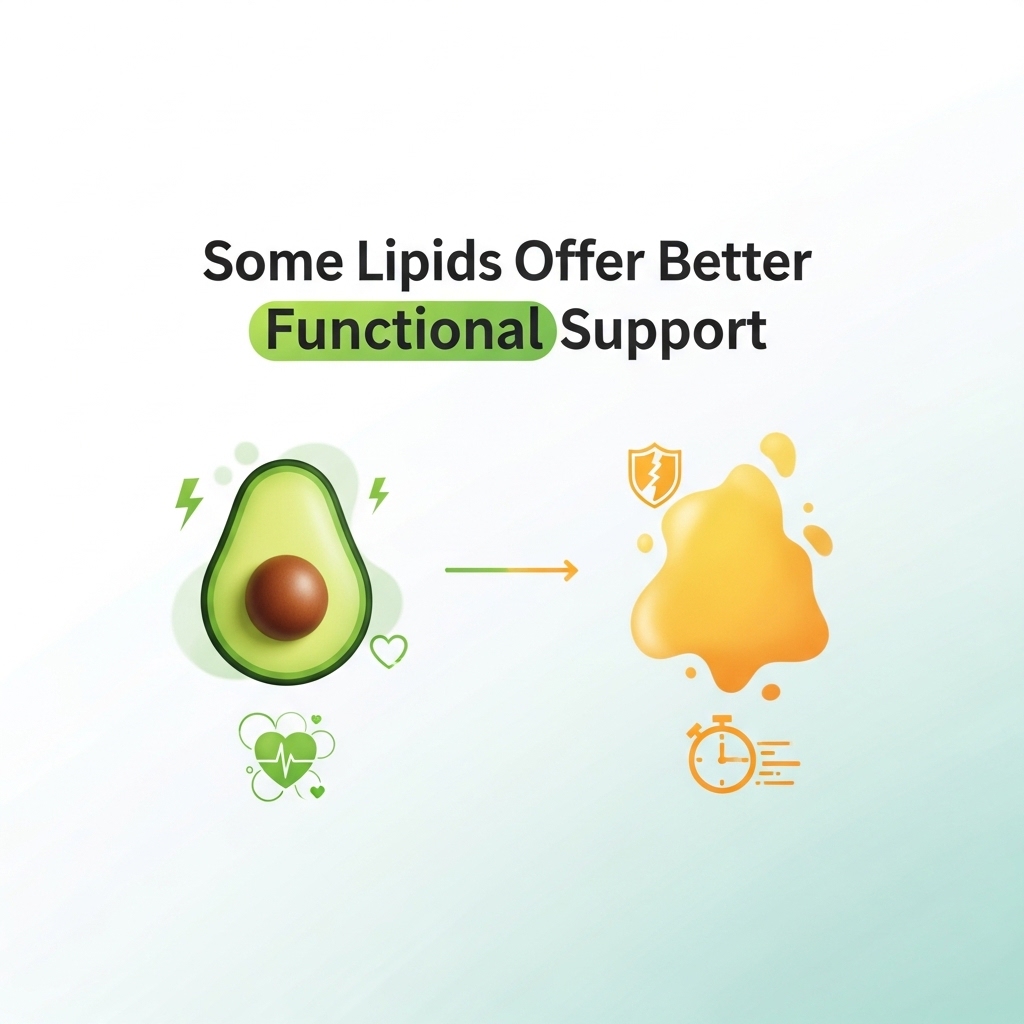
Among modern oil ingredients, squalane receives strong attention. It is stable, lightweight, and compatible with the skin’s surface lipids. It also tends to feel more elegant than heavier occlusives.
This matters because adherence often depends on texture. A product that feels too heavy may sit unused, even if it works well. Squalane-based formulas may improve routine use in people who dislike thick creams or ointments.
Still, cosmetic feel does not equal maximum repair. In more severe dryness, heavier barrier systems may perform better. The best option depends on barrier condition, not trend value.
READ ALSO: Best Primer for Oily Skin: Shine Control That Actually Lasts All Day
Evidence-Based Options for High-Performing Professionals

The evidence supports a focused use of body oils. They work best when viewed as barrier-support tools that may reduce TEWL, improve surface hydration, and lower exposure to irritants. Their value increases when they are used in the right context and matched to actual skin needs.
For high-performing professionals, the most rational approach is to assess barrier strain from travel, climate, cleansing, and stress load. Oils with better support data, such as sunflower-derived lipids or squalane-based formulas, may offer more value than trend-driven blends. When dryness is more severe, heavier occlusive or lipid-balanced products may provide stronger barrier support than body oils alone.
UP NEXT: The Best Essential Oils
How This Affects Your Biological Age
Body oils can influence biological age indirectly by reducing transepidermal water loss, supporting skin barrier lipids, and lowering chronic surface irritation that contributes to inflammatory burden and visible tissue aging under sustained stress exposure. WholeLiving's Biological Age Estimation Model incorporates this factor directly — your assessment takes under five minutes.
Ready to understand how these factors are influencing your biological age right now? [Take the Biological Age Assessment →]