
A Gentle Introduction to the Ethiopian Diet.

The Ethiopian diet offers a beautiful balance of nourishment, culture, and connection. When you explore this way of eating, you quickly notice that food in Ethiopia is more than simple fuel. It is a daily ritual that brings people together around a communal plate and encourages mindful eating.
Many dishes in traditional Ethiopian food are rich with vegetables, beans, and deeply layered spices. At the same time, hearty meat dishes and comforting stews add warmth and satisfaction. As you discover Ethiopian cuisine, you begin to see how balance naturally supports wellness.
Why Ethiopian Food Feels So Nourishing
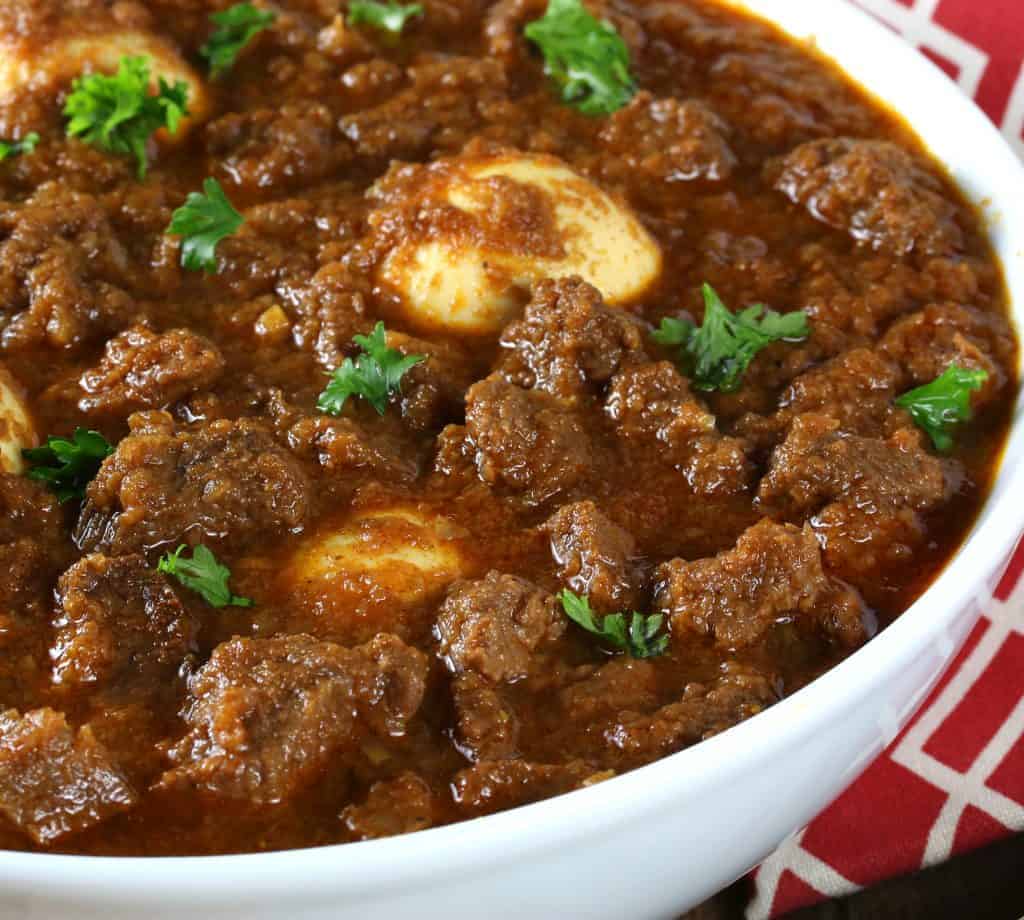
One reason Ethiopian food feels deeply satisfying is the use of fresh ingredients and slow cooking. Most dishes combine vegetables, beans, onions, garlic, and spices that build flavor gradually. As a result, each dish feels comforting yet vibrant.
Another reason lies in the balance between plant based dishes and meat. Many Ethiopians enjoy vegetarian dishes during fasting periods connected to religious practices. Therefore, vegetable dishes and vegan dishes are a natural part of everyday meals.
READ ALSO: Peruvian Diet and Nourishing Foods for Balanced Energy
The Role of Injera in Every Meal

Injera is the heart of most meals in Ethiopia. This soft, sour bread is made from teff flour and cooked on a wide pan. Because teff flour is naturally gluten free, injera often works well for people avoiding gluten.
Instead of utensils, pieces of injera are used to scoop stews, vegetables, and meat. This simple act encourages slower eating and deeper connection with food. In addition, injera absorbs the flavor of each dish served on the communal plate.
Stews That Bring Ethiopian Cuisine to Life
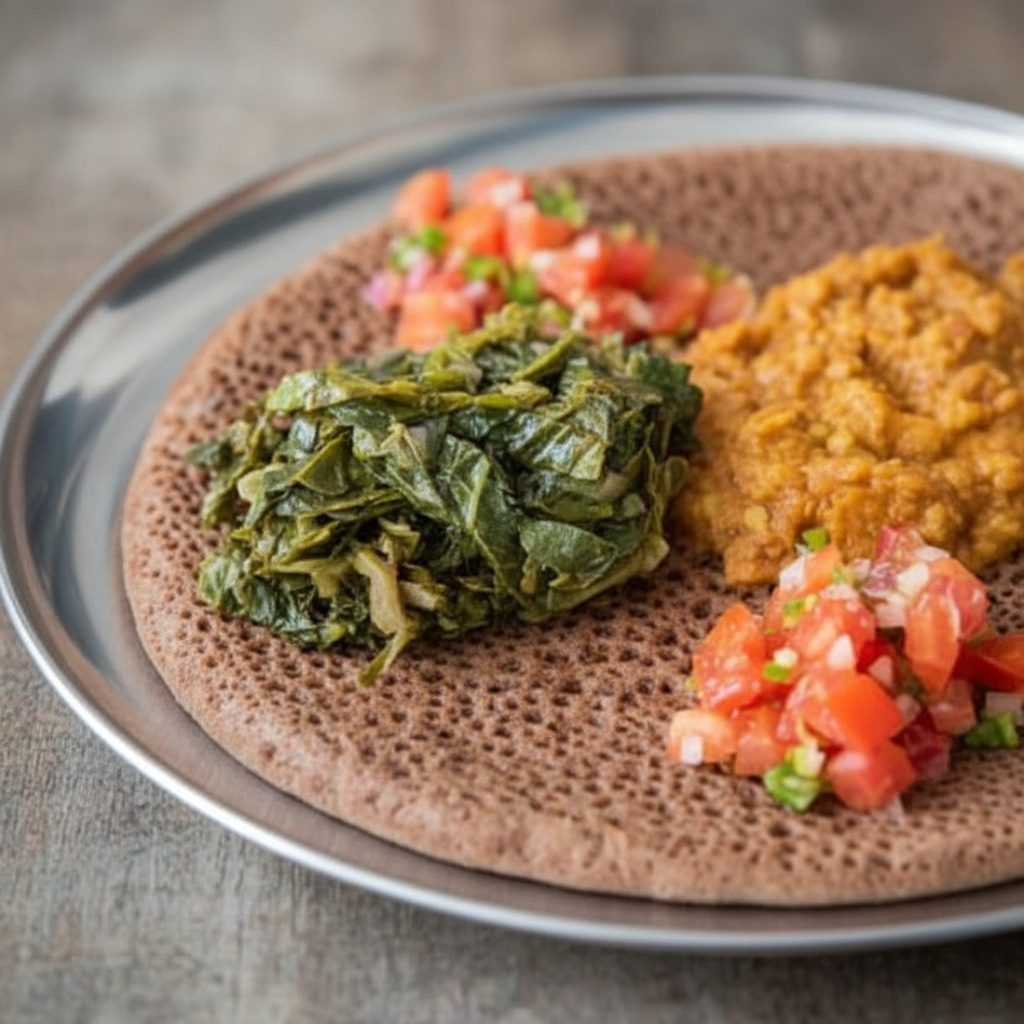
Many dishes in Ethiopian cuisine are rich stews that simmer slowly. These stews often include onions, garlic, ginger, chili powder, and other spices. Over time, the ingredients blend into a thick stew filled with deep flavor.
Vegetable stews are especially common during fasting periods. Beans, collard greens, and tomatoes are cooked gently with olive oil and spices. The result is a nourishing dish served beside injera and other vegetable dishes.
READ ALSO: Jamaican Diet: Energizing Foods for a Restful Life
Doro Wat and the Power of Spices
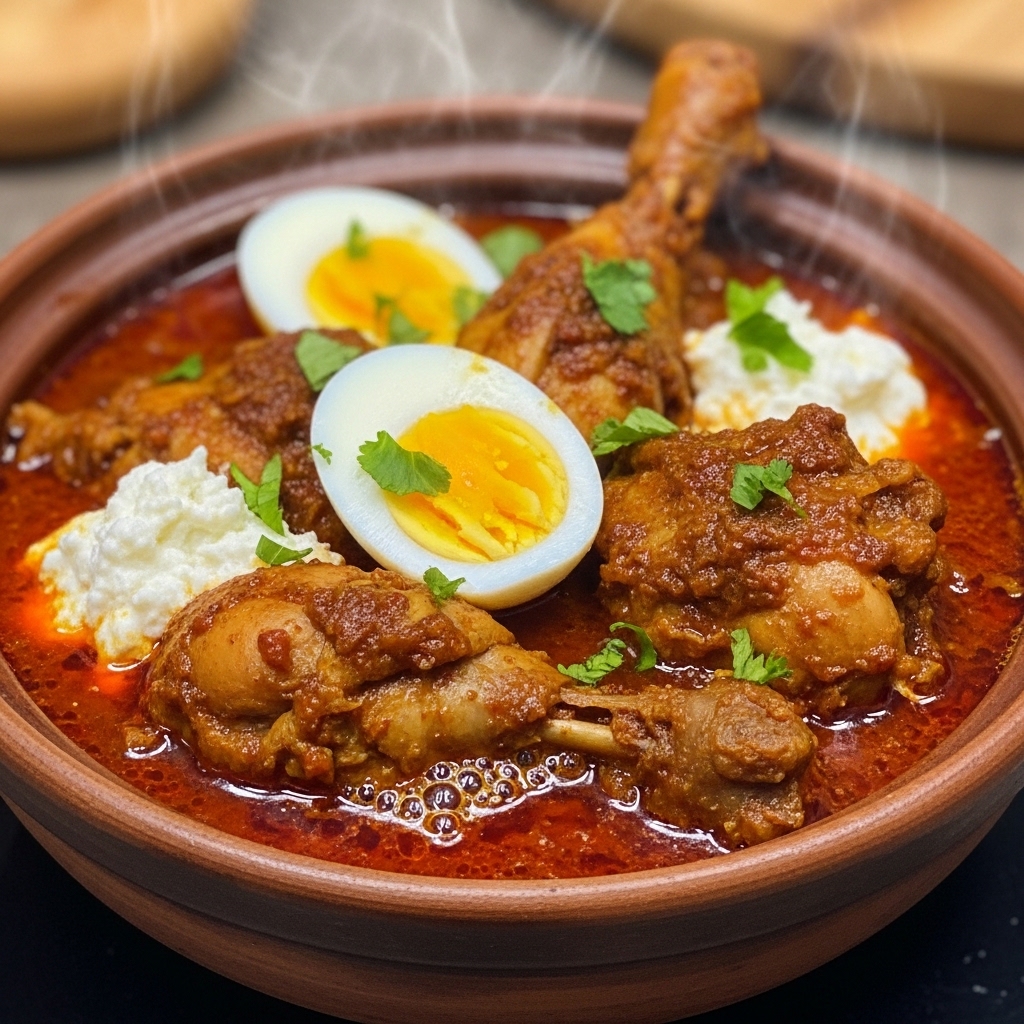
One of the most beloved Ethiopian dishes is Doro wat. This spicy chicken stew combines onions, garlic, ginger, chili peppers, and seasoned clarified butter called niter kibbeh. The mixture slowly cooks until it becomes rich and fragrant.
Doro wat is usually served on injera with pieces of injera placed beside the stew. The spices give the dish bold flavor while the slow cooking creates deep comfort. Because of this, many families serve Doro wat during special occasions.
Vegetarian and Vegan Dishes That Shine
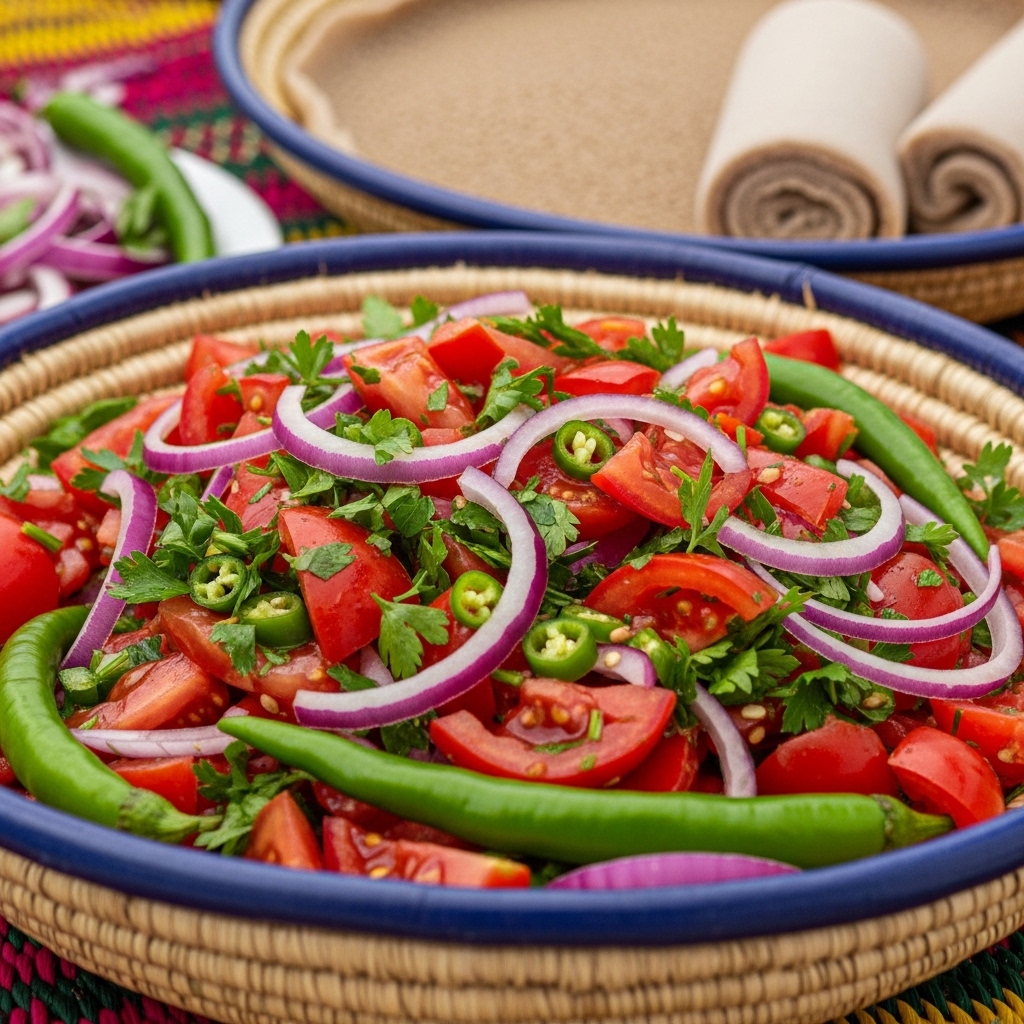
Ethiopian cuisine offers many vegan and vegetarian dishes that feel deeply satisfying. Lentils, beans, and broad beans often appear in vegetable stews and plant based dishes. These meals deliver both nourishment and variety.
Collard greens cooked with garlic and spices are another favorite. Tomato salad with lemon juice adds brightness beside the richer stews. Together, these dishes show how vegetables can create powerful flavor without relying on meat.
READ ALSO: Halal Diet Food: What You Need to Know for a Healthier Life
The Tradition of Raw Beef and Grilled Meat
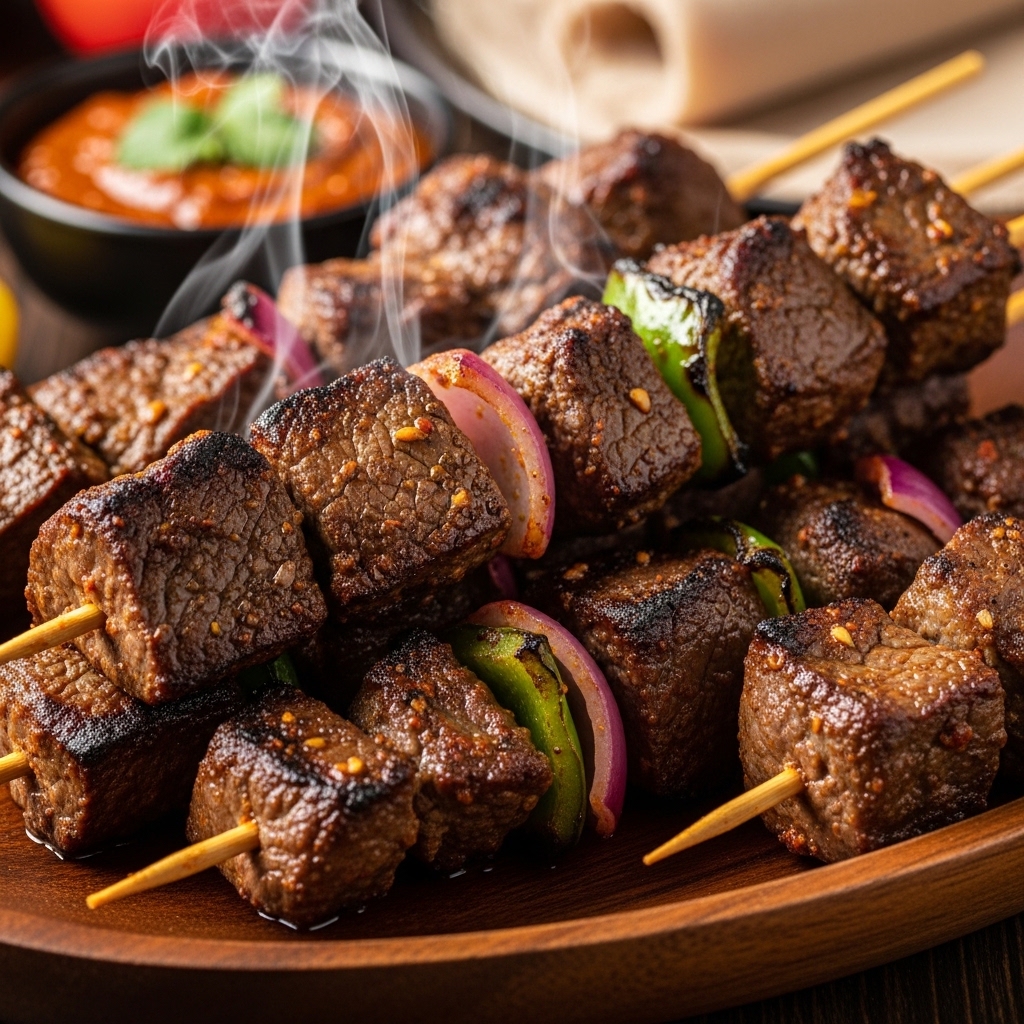
While many dishes highlight vegetables, meat dishes also hold an important place in Ethiopian food. Some meals include raw beef or raw minced beef seasoned with spices and niter kibbeh. For many Ethiopians, this dish celebrates freshness and bold taste.
Grilled meat and ground beef dishes are also common. These meat dishes are often served beside vegetable dishes and injera. As a result, each meal feels balanced between plant foods and animal products.
Cooking With Niter Kibbeh and Other Spices
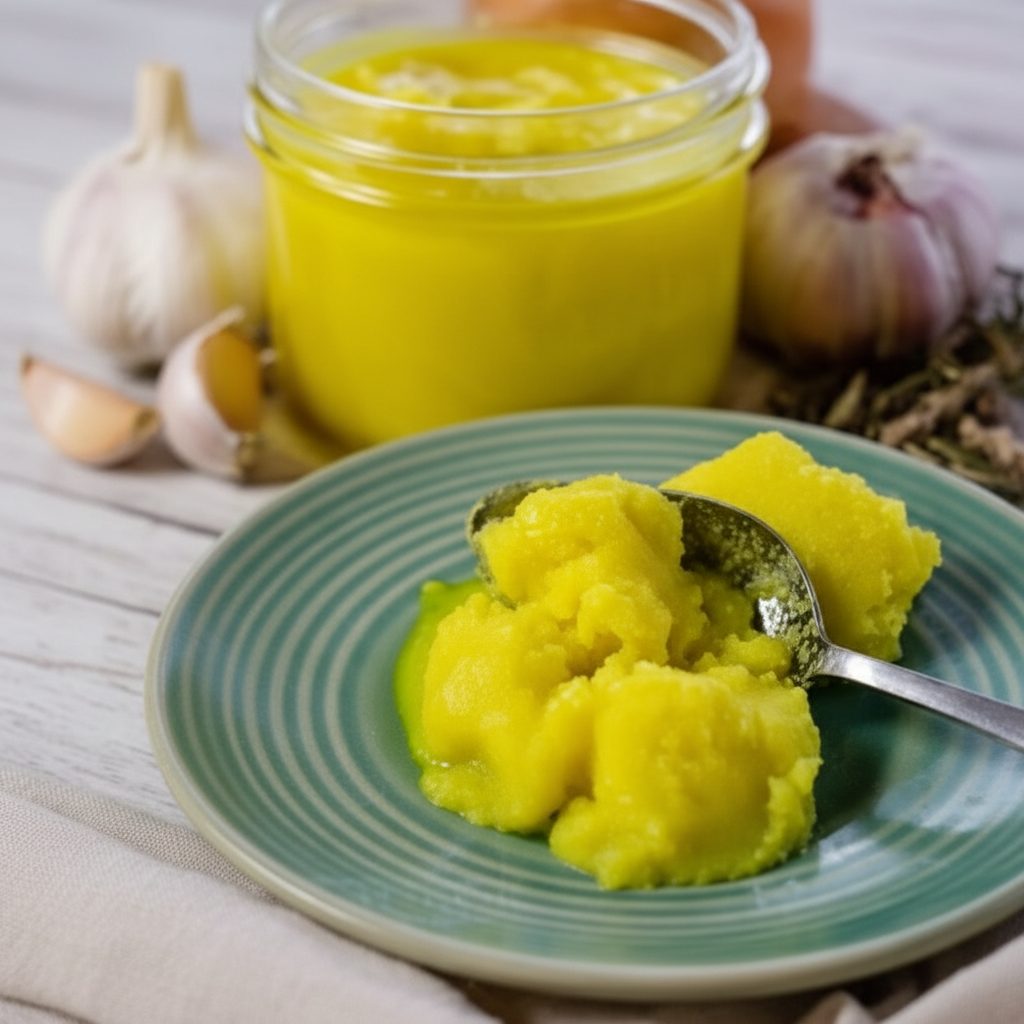
A defining element of traditional Ethiopian food is its blend of spices. Garlic, ginger, chili powder, and chili peppers create warmth in many dishes. In addition, niter kibbeh, a seasoned clarified butter, adds rich flavor.
Sometimes olive oil replaces clarified butter, especially during fasting periods when dairy products and animal products are avoided. Because of this, many dishes remain vegan while still tasting deeply satisfying.
Food Culture and Sharing Around the Table

Food in Ethiopia always carries a social meaning. Most dishes are served together on one large plate lined with injera. Family and friends gather around and eat from the same meal.
Sharing food in this way encourages connection and generosity. Each person tears pieces of injera and uses them to scoop the dish they choose. Slowly, the meal becomes a moment of conversation and gratitude.
Coffee Culture and the Final Touch

No exploration of Ethiopian food feels complete without mentioning coffee. People widely recognize Ethiopia as the birthplace of coffee beans. After a meal, many families enjoy coffee served in small cups during a traditional coffee ceremony.
This ritual often includes roasting coffee beans and brewing them slowly. Sometimes, servers accompany the coffee with bread or small snacks. The moment invites everyone to relax and reflect after sharing food.
How You Can Begin Eating Ethiopian Food

If you feel curious about the Ethiopian diet, start slowly and explore. Visit Ethiopian restaurants or many restaurants that feature African cuisine. You can also try cooking simple vegetable dishes or stews at home.
Soon you may discover that the flavors feel both comforting and exciting. As you eat Ethiopian food more often, you may notice better balance in your meals. More vegetables, nourishing spices, and mindful eating naturally support wellness.
A Gentle Reminder About Balance
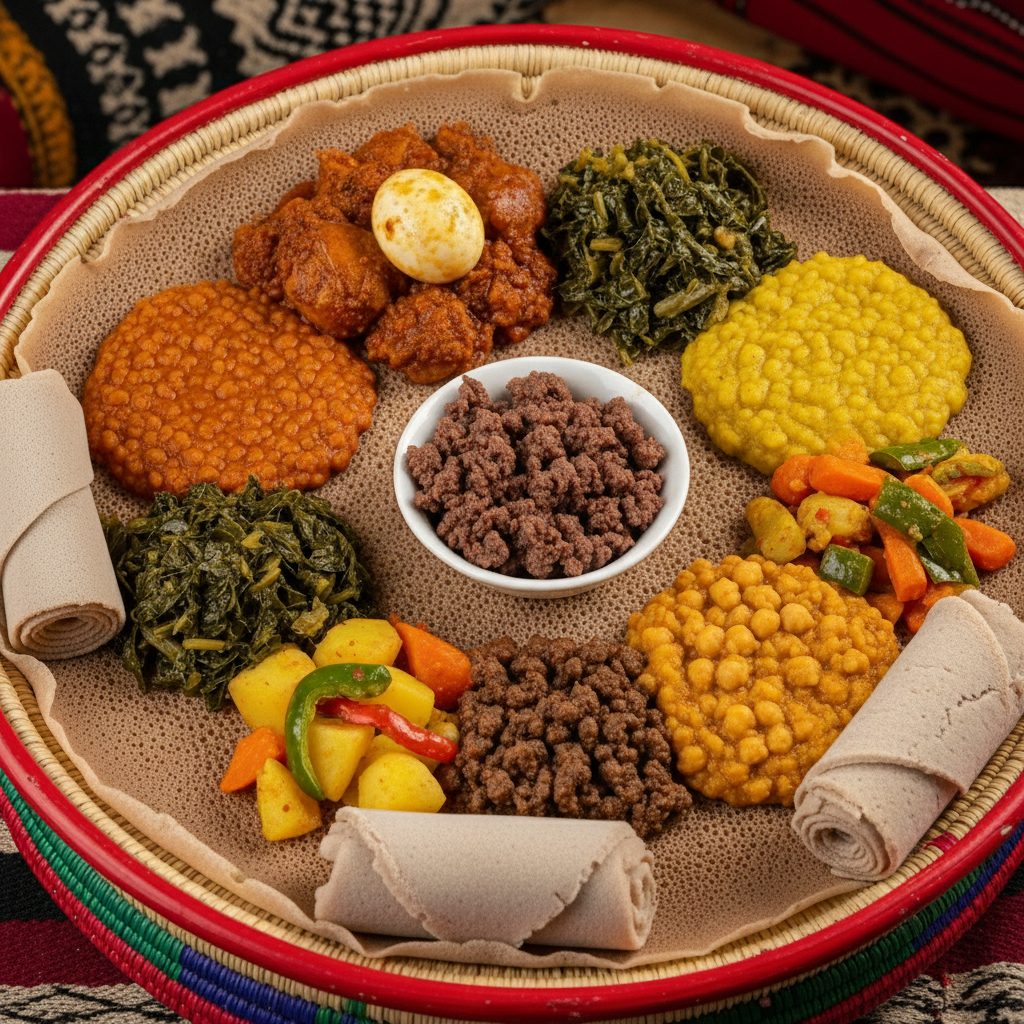
As you explore the Ethiopian diet, remember that balance matters more than perfection. Ethiopian cuisine naturally blends vegetables, beans, meat, and spices into satisfying meals. This harmony creates both nourishment and joy.
When you eat slowly, share food with others, and appreciate each dish, wellness becomes part of daily life. Over time, these simple habits help you feel more connected to your food and your body.