If you are searching for the best food for low sodium diet, you are already taking a powerful step toward better health. A low sodium lifestyle supports healthy blood pressure and protects your heart and kidneys. When you understand how much sodium your body needs, you can build meals that feel satisfying without relying on the salt shaker. You do not need to fear food. You simply need awareness, balance, and smart choices.
Too much sodium can raise high blood pressure and strain your body over time. This matters even more if you live with kidney disease or other medical conditions. The good news is that many foods are naturally lower in sodium. With guidance and intention, you can enjoy delicious meals while limiting sodium in a calm and steady way.
1. Why a Low Sodium Diet Matters for Your Body
Your body needs sodium, but only a small amount each day. Sodium chloride, also known as table salt, helps control fluids and nerve signals. However, too much sodium increases blood pressure and stresses your heart. Over time, this can lead to serious medical conditions.
If you live with high blood pressure or kidney disease, watching sodium intake becomes even more important. Your kidneys work hard to balance fluids. Excess sodium makes that job harder. A sodium diet built on low sodium foods can reduce that strain.
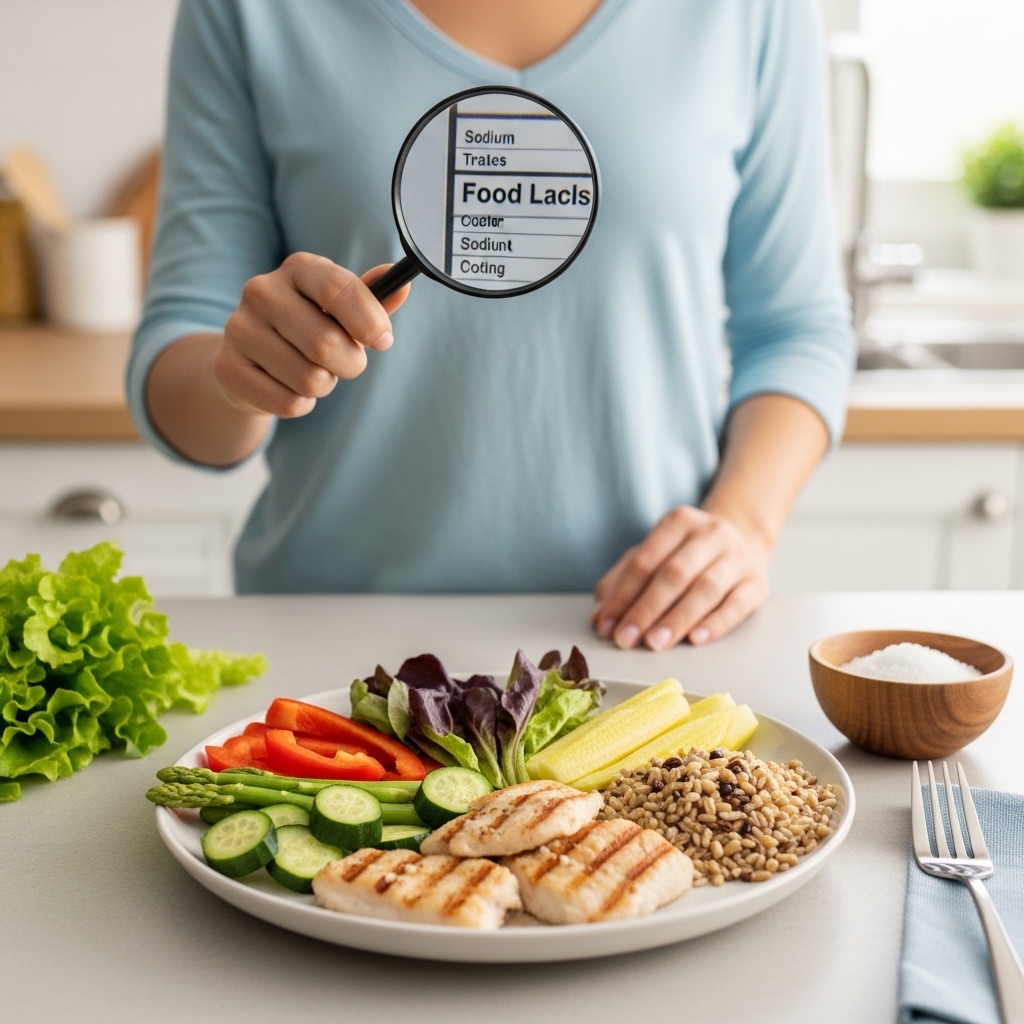
The dietary guidelines suggest paying attention to mg of sodium per serving. Many foods contain hidden sodium. That is why checking food labels is essential. When you understand sodium content and serving size, you stay in control. You make choices that protect your health, one meal at a time.
READ ALSO: Health & Diet
2. Understanding Sodium Intake and Food Labels
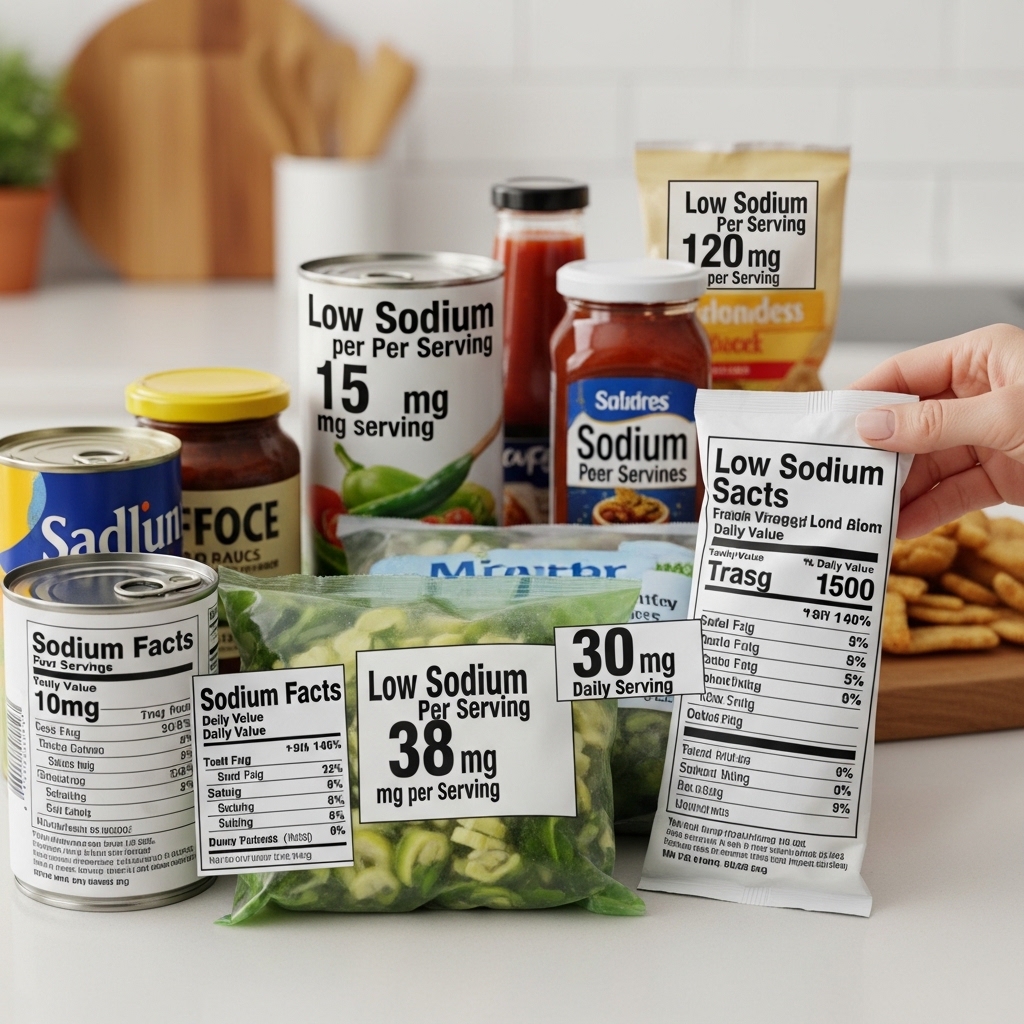
You deserve to know exactly what you are eating. Food labels give you important nutrition information about sodium per serving. Look for the mg of sodium per serving size listed clearly. This number helps you compare labels and choose lower sodium versions of the same food.
The daily value on labels shows how much sodium fits into a full day. When a serving contains a high percentage, it may be one of the high sodium foods. Even smaller portions can add up quickly. Many foods that taste salty contain more sodium than you expect.
Get into the habit to check food labels before placing items in your cart. Compare labels between brands. Look for reduced sodium or very low sodium options. Over time, you will notice patterns. This awareness makes limiting sodium feel simple and steady.
READ ALSO: Balanced Meals: Your Key to Optimal Health in 2026
3. Fresh Vegetables and Fruits as Your Foundation
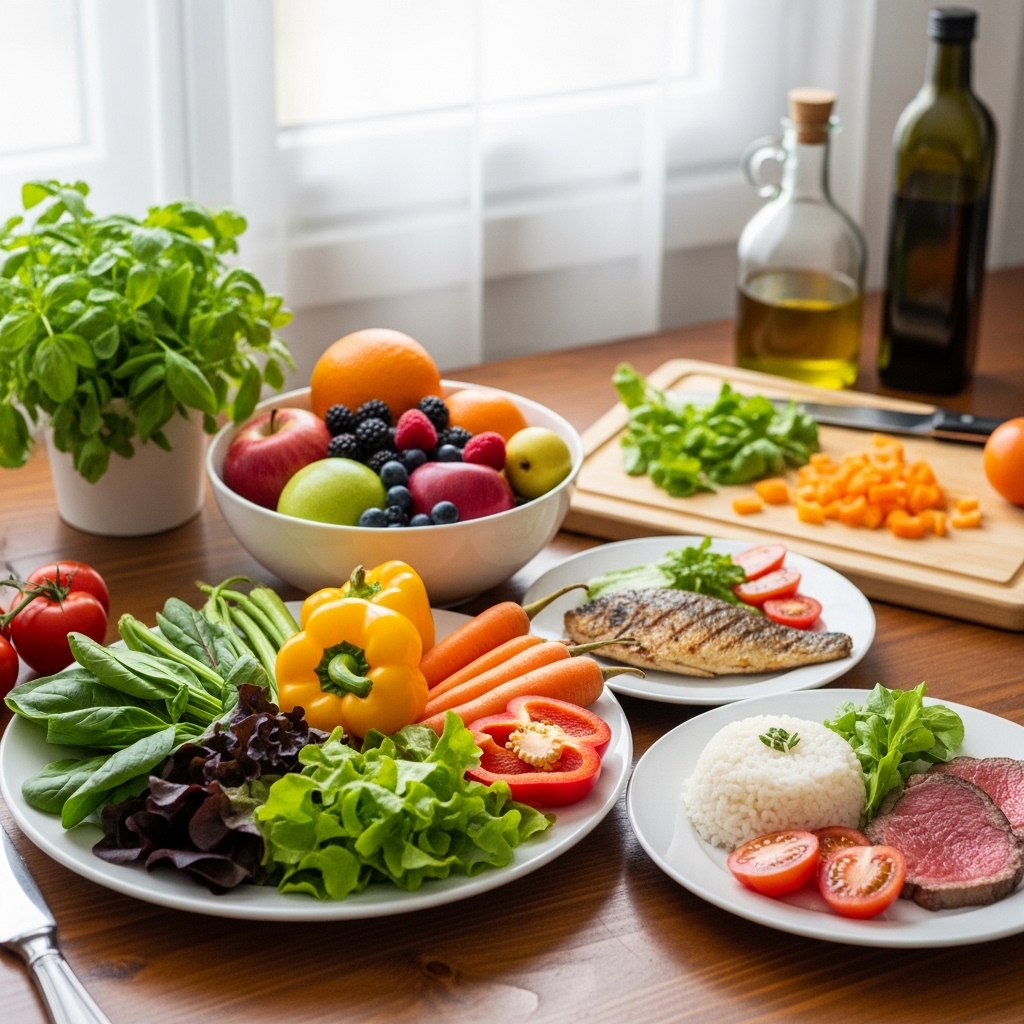
Vegetables are some of the best low sodium foods you can eat. Fresh produce is naturally lower in sodium and full of nutrients. When you build your plate around vegetables, you automatically reduce sodium intake. You also support heart and kidney health.
Choose fresh vegetables whenever possible. If you use frozen vegetables, select frozen options without salt added. Canned vegetables can work too, but choose lower sodium versions. Rinse canned vegetables under water to reduce sodium content.
Fruits are also powerful allies in a low sodium diet. They contain potassium, which supports healthy blood pressure balance. Pair vegetables with rice, fish, or fresh meat for a balanced meal. You will notice that real food brings natural flavor without extra salt.
READ ALSO: Healthy Breakfasts | Whole Living
4. Choosing Fresh Meat, Fish, and Dairy Wisely
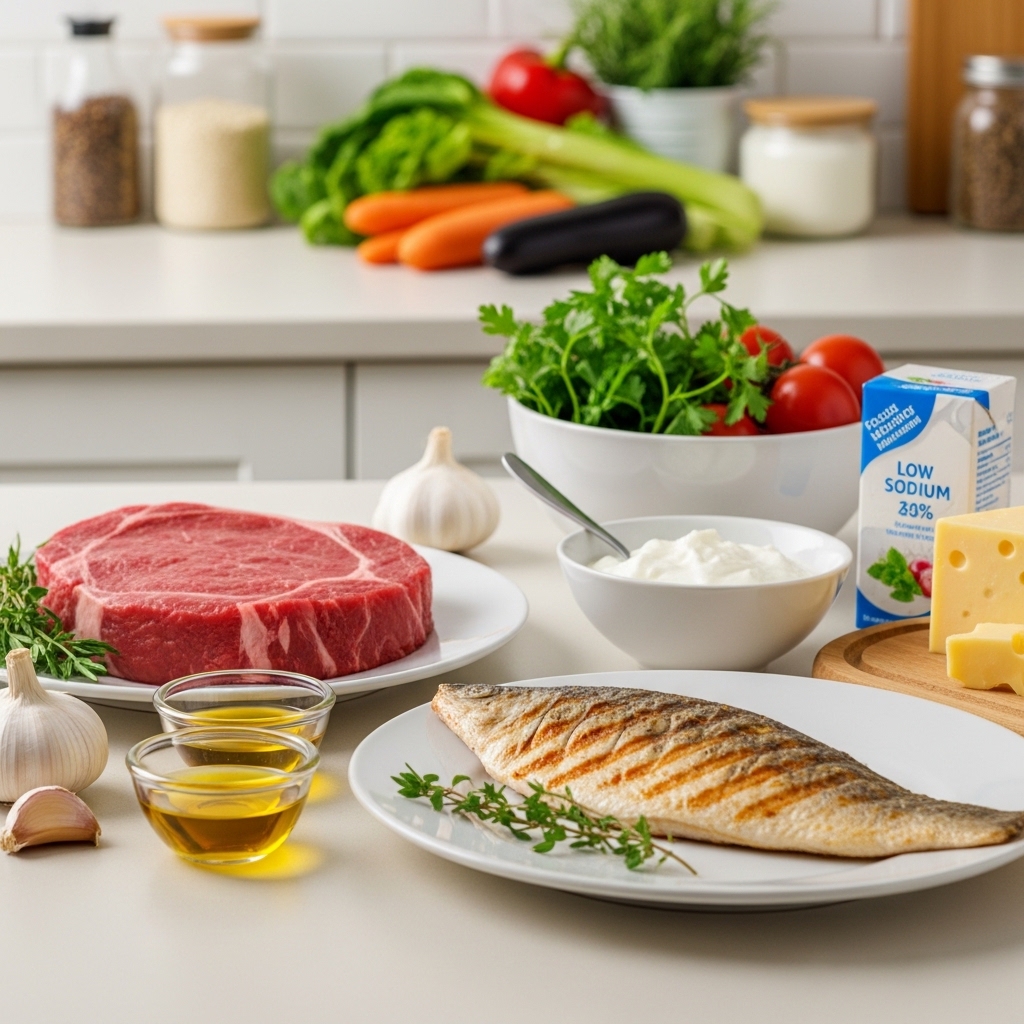
Fresh meat and fish are better choices than processed meat. Cold cuts, curing meat, and processed cheese often contain high sodium levels. These are common high sodium foods. Choosing fresh meat allows you to control added salt during cooking.
Fish is a heart-friendly option. Bake or grill fish with garlic, vinegar, and fresh herbs. You add flavor without increasing sodium content. Avoid sauces that contain soy sauce or bottled salad dressings high in sodium.
Dairy can fit into your sodium diet, but read labels carefully. Some dairy products contain more sodium than expected. Compare labels and watch mg of sodium per serving. Simple swaps protect your blood pressure without removing enjoyment from your diet.
5. Smart Cooking Without the Salt Shaker
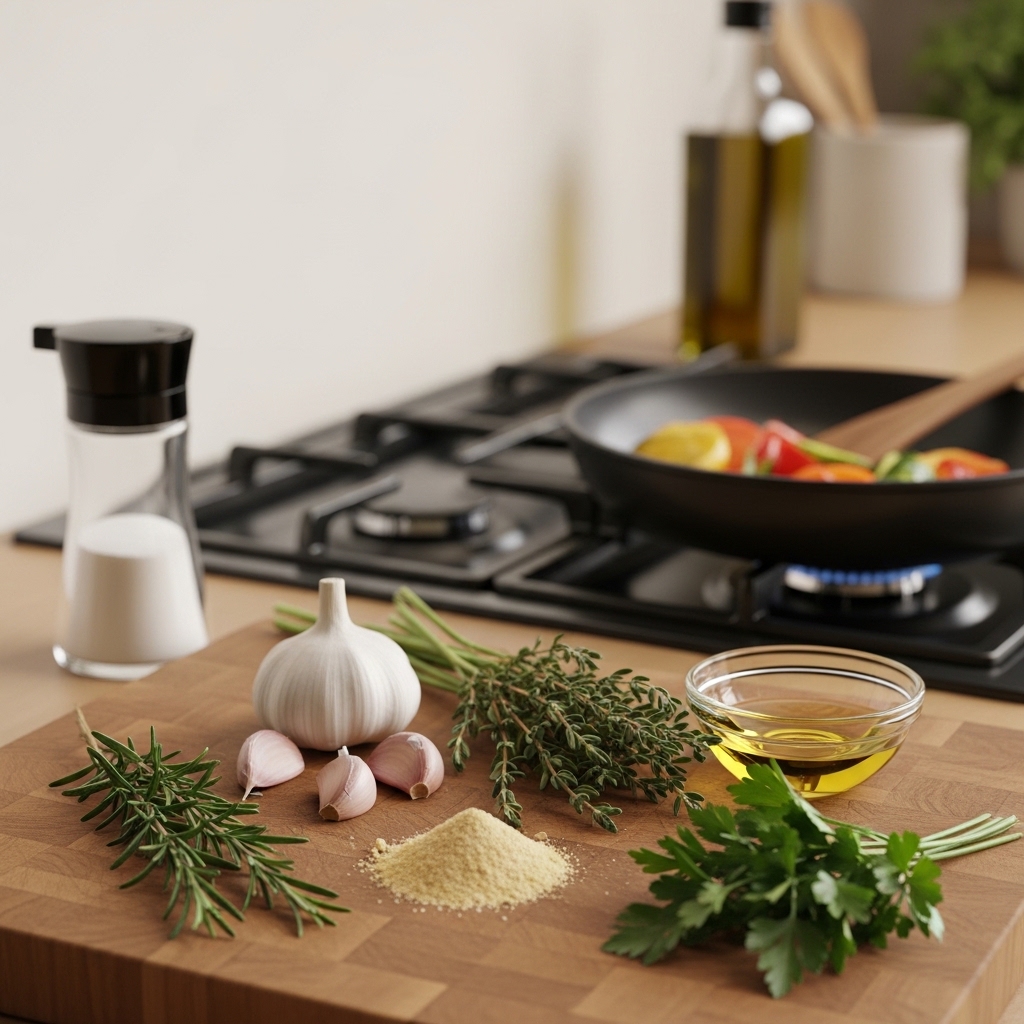
Cooking at home gives you control over sodium intake. Start by moving the salt shaker away from the table. Instead of table salt, experiment with spices and herbs. Fresh herbs, garlic, onion powder, and vinegar add flavor without relying on sodium chloride.
Salt substitutes may help, but use them with care. Some contain potassium, which may not suit certain medical conditions. Always consider your personal health needs. You can also use only a small amount of added salt when needed.
When you focus on flavor from real ingredients, your taste buds adjust. Foods begin to taste naturally rich. Over time, you will crave less sodium. This shift feels gentle and empowering.
6. Watching Out for Processed and Convenience Foods
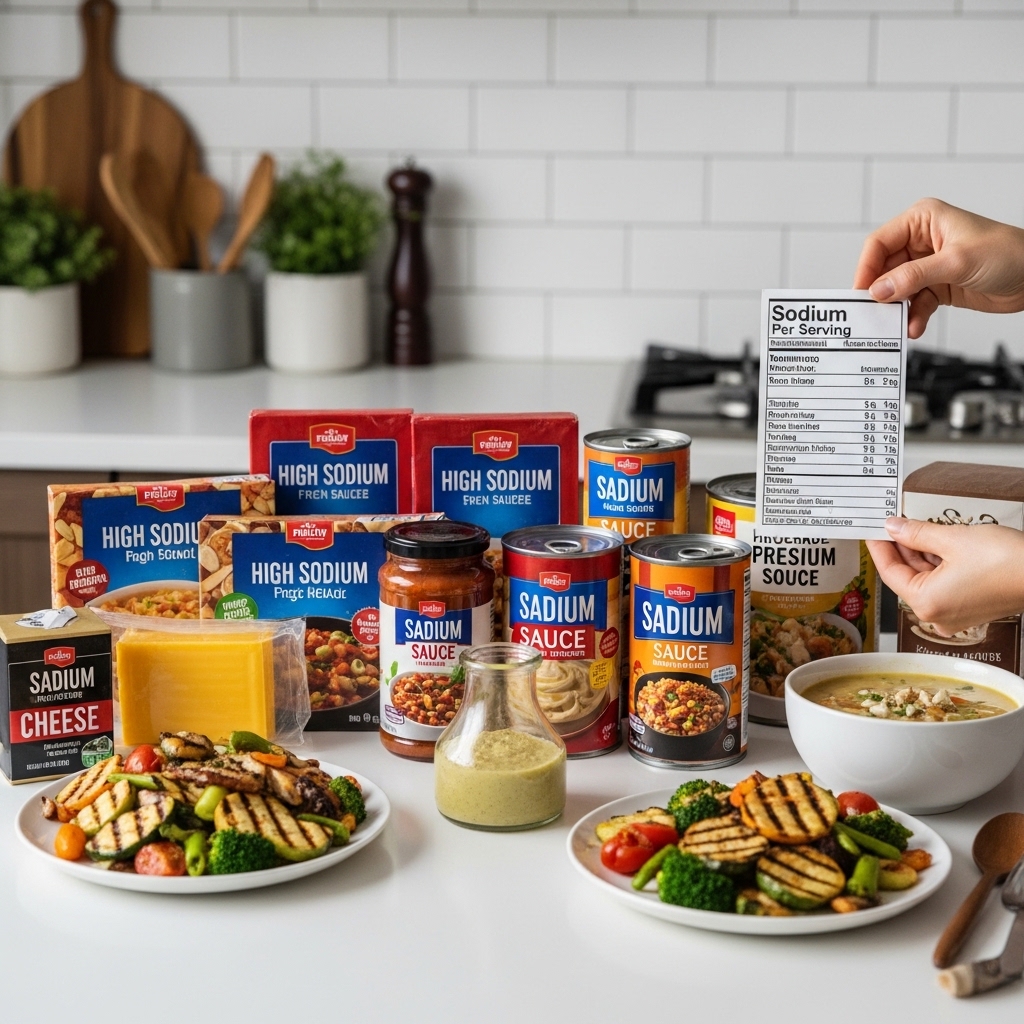
Convenience foods often contain too much sodium. Frozen meals, canned soups, sauces, and processed cheese can quickly increase sodium intake. Many foods in packages hide high sodium levels under appealing labels.
Check food labels for sodium per serving and serving size. A small serving may look harmless, but multiple servings raise total mg of sodium. Compare labels to find reduced sodium options. Look for words like salt added or sodium solution.
Be careful with soy sauce, salad dressings, and bottled salad dressings. Even a small serving can contain high sodium content. Choose lower sodium versions or make your own sauces at home. Simple awareness protects your heart.
7. Building Balanced Meals with Less Sodium
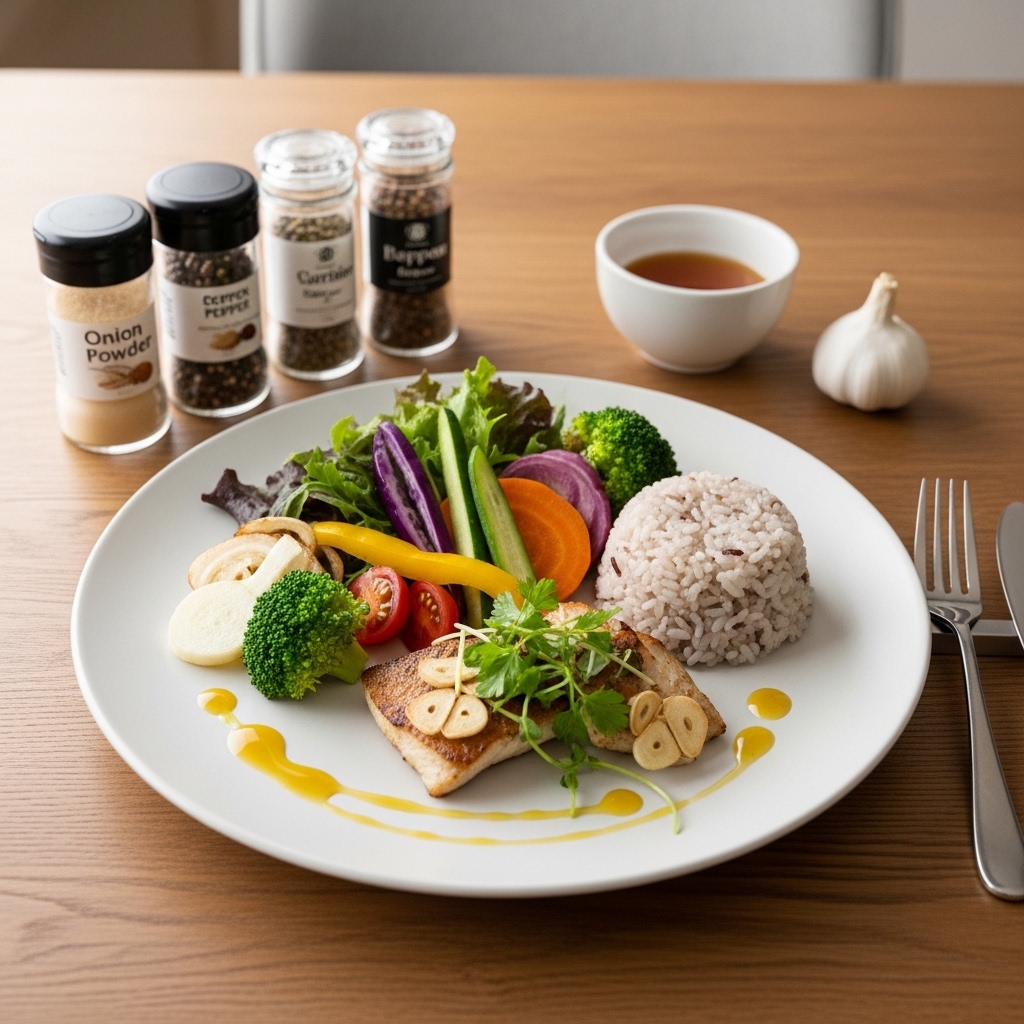
A balanced meal does not require heavy salt. Start with vegetables, add fresh meat or fish, and include rice or whole grains. This combination creates steady energy and supports a low sodium diet. You nourish your body without overwhelm.
Think about flavor layers. Use herbs, spices, garlic, and vinegar to add depth. When you cook with intention, the same food tastes exciting without extra salt. You begin to enjoy the natural taste of ingredients.
Smaller portions also help manage sodium intake. Even low sodium foods contain some sodium. Paying attention to serving size keeps mg of sodium per meal within healthy limits. This steady practice supports long term health.
8. Managing Sodium for High Blood Pressure and Kidney Disease
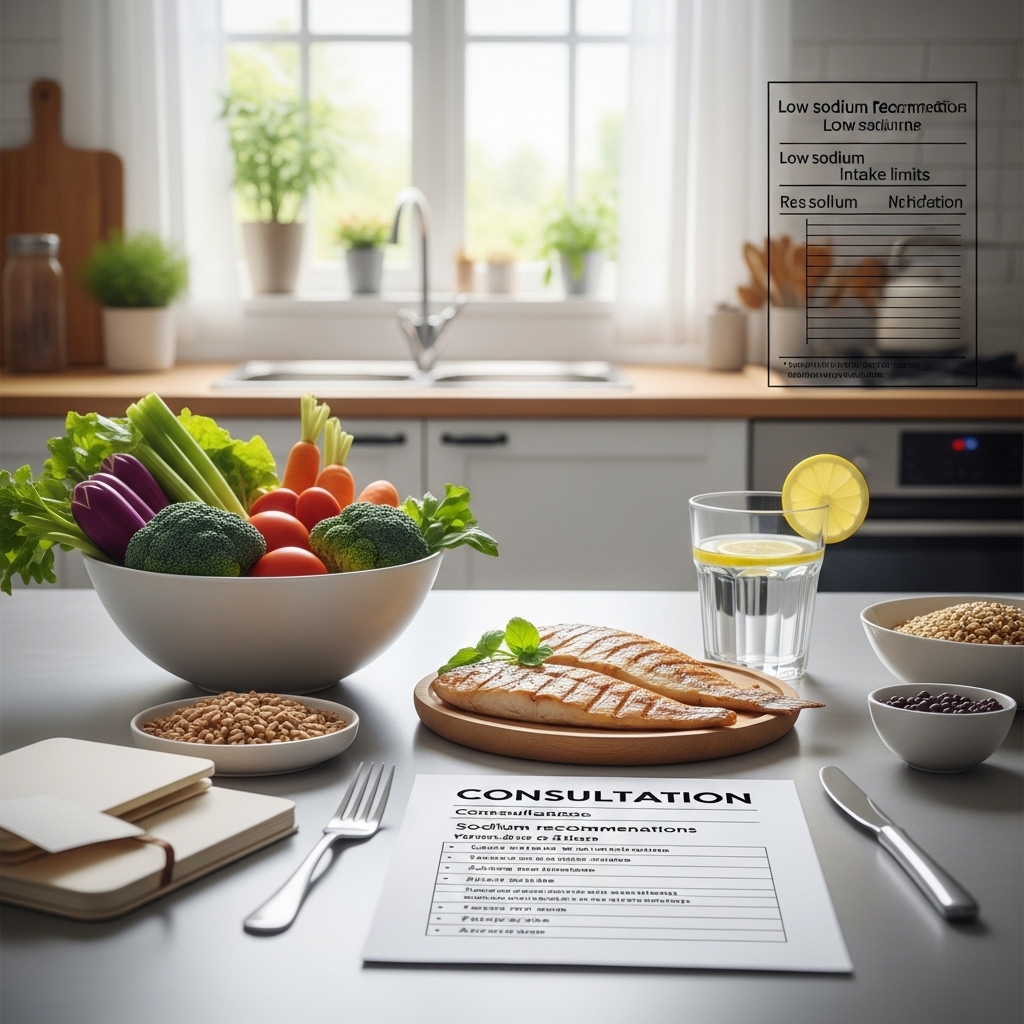
If you live with high blood pressure, limiting sodium becomes a daily act of care. Too much sodium causes fluid retention and raises blood pressure. Reducing sodium intake helps your heart work more efficiently.
For kidney disease, a sodium diet is especially important. Your kidneys struggle to remove excess sodium. This can lead to swelling and discomfort. Choosing very low sodium foods eases that burden.
Speak with a health professional about how much sodium suits your needs. Certain medical conditions require specific limits in mg. When you understand your personal range, you can eat with confidence and calm.
9. Flavorful Alternatives to Added Salt
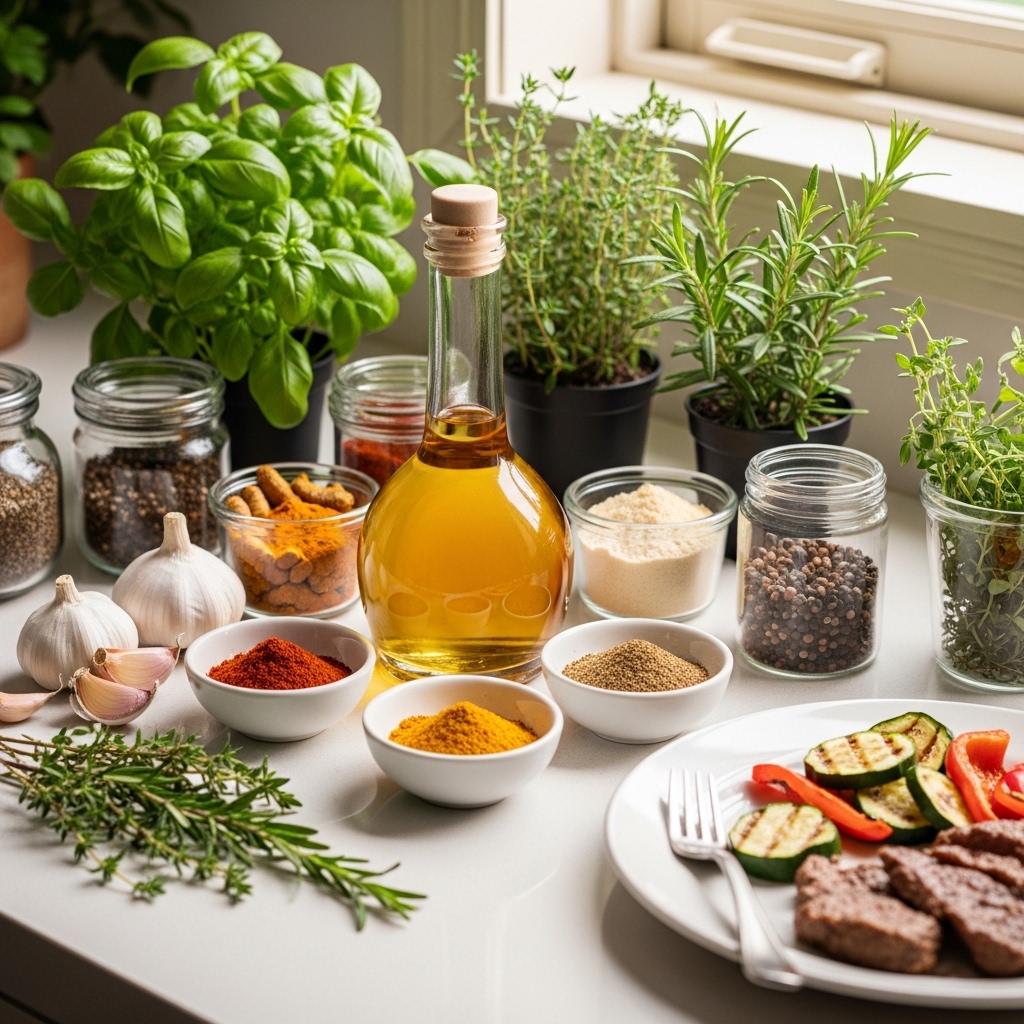
You do not need to sacrifice flavor to reduce sodium. Fresh herbs, spices, garlic, and onion powder transform simple foods. Vinegar brightens dishes without increasing sodium content. These choices create bold flavor naturally.
Avoid relying on monosodium glutamate and heavy sauces. Many sauces contain sodium chloride and other sodium forms. Even baking soda contains sodium, so use it sparingly in cooking.
When you train your palate, you notice subtle flavors. Foods that once seemed bland become rich and satisfying. This shift supports long term success in limiting sodium and protecting blood pressure.
10. Staying Consistent with Your Low Sodium Lifestyle
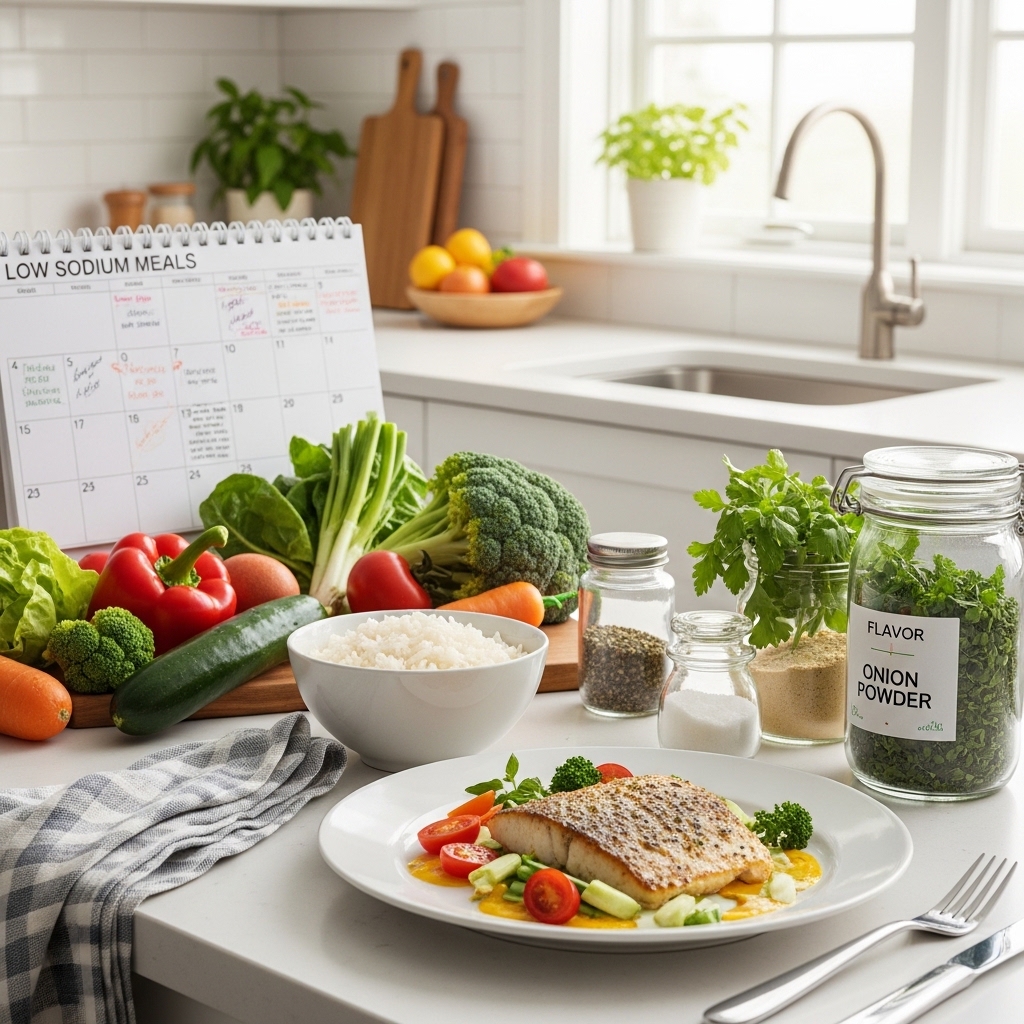
Consistency matters more than perfection. You will encounter high sodium foods at times. The goal is not fear, but awareness. Return to low sodium foods at your next meal.
Plan meals in advance and keep fresh vegetables, frozen vegetables without salt added, rice, and fish available. Having options reduces reliance on convenience foods. You stay aligned with your health goals.
Remember, your diet shapes your future health. By choosing food for low sodium diet regularly, you support healthy blood pressure and kidney function. You create a life built on steady choices and balanced flavor. This is not restriction. It is care, intention, and quiet strength.