For high-performing professionals, neglecting functional health can lead to accelerated biological aging and a measurable decline in cognitive function. Over time, elevated cortisol levels, poor metabolic regulation, and reduced cardiovascular efficiency not only impair daily performance but also significantly increase the risk of chronic disease. Maintaining optimal functional health is critical in mitigating these risks, ensuring sustained productivity, and enhancing longevity. By understanding the underlying biological mechanisms and taking proactive steps to address them, executives can preserve their peak physical and mental performance, safeguarding both their careers and their quality of life.
The Role of Functional Health in Longevity
Functional health refers to the optimal performance of the body's systems, ensuring each part — from the heart to the brain — operates efficiently. When functioning well, these systems enhance quality of life, reduce chronic disease risk, and extend lifespan. However, as professionals advance in their careers, certain aspects of functional health may decline due to stress, poor diet, lack of sleep, and inadequate physical activity. These stressors may accelerate the aging process, increase disease risk, and affect cognitive function, limiting longevity.
The study of functional health connects to measurable variables such as biological age, cognitive performance, and cardiovascular health. These markers directly influence how well an individual ages and functions. Research shows that declines in these areas can result in faster aging and decreased performance, which negatively impacts career longevity. Understanding how to preserve these health markers is critical for maximizing longevity and performance.
The Framingham Heart Study has shown the direct link between cardiovascular health and longevity. Individuals with poor heart function have a higher risk of early death. Risk factors like high blood pressure and cholesterol can accelerate aging and lead to cognitive decline and other systemic failures. This highlights the need to maintain functional health for professionals to perform at their best as they age.
Biological Age and Its Measurement
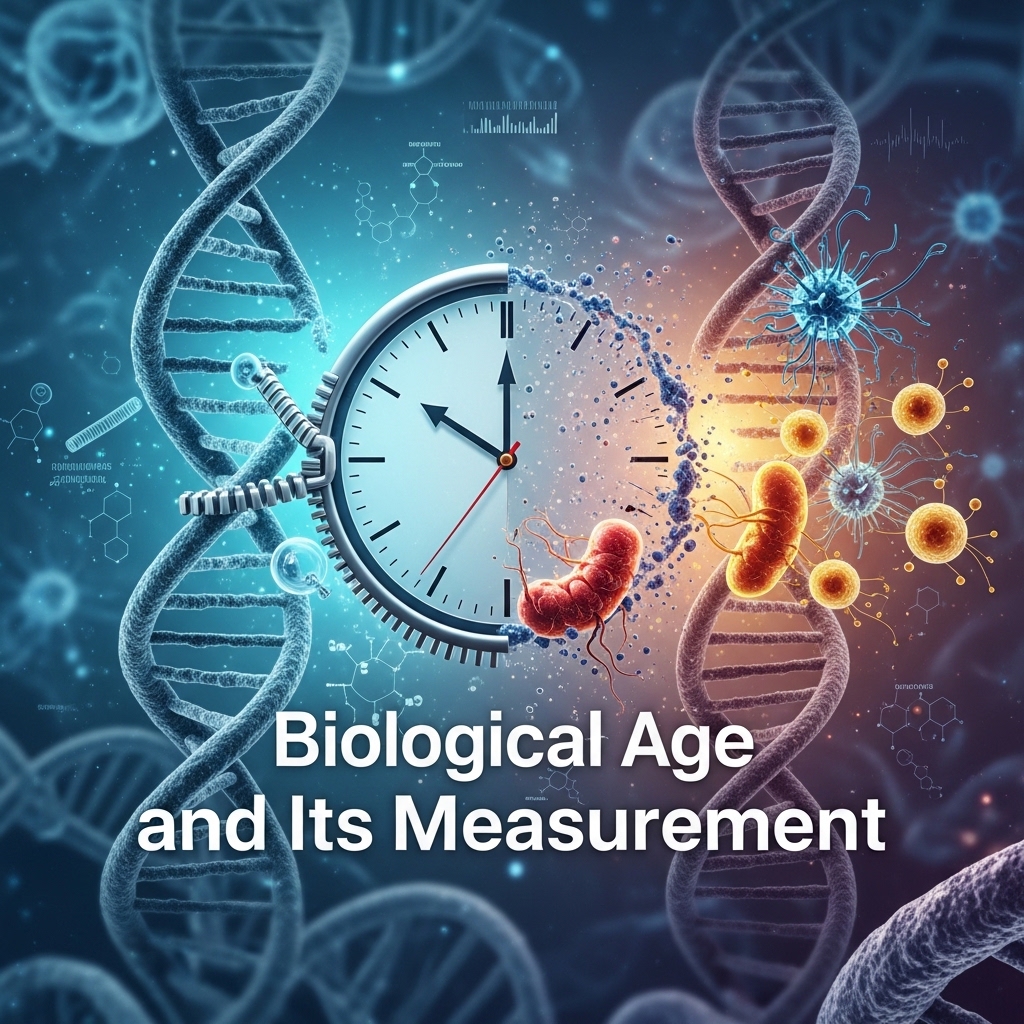
Biological age measures an individual’s physiological condition, not their chronological age. Chronological age is fixed, but biological age fluctuates based on genetics, lifestyle, and health. Studies have found that a gap often exists between these two types of age. This gap, known as biological age acceleration, is linked to how quickly the body’s systems deteriorate.
Research by Harvard T.H. Chan School of Public Health shows that lifestyle choices like exercise, diet, and sleep play a significant role in slowing biological aging. A study of 1,000 adults found that healthy lifestyle habits resulted in a biological age up to 5 years younger than peers without such habits. This demonstrates how functional health impacts aging, especially for professionals who may experience accelerated aging due to work stress.
Biological age can be measured using techniques like epigenetic clocks and telomere length analysis, which offer insights into health status and future outcomes. Epigenetic clocks measure DNA methylation patterns and predict health risks with remarkable accuracy. These markers are essential for professionals who need to monitor their health to prevent early aging and maintain peak performance.
Cardiovascular Health and Longevity
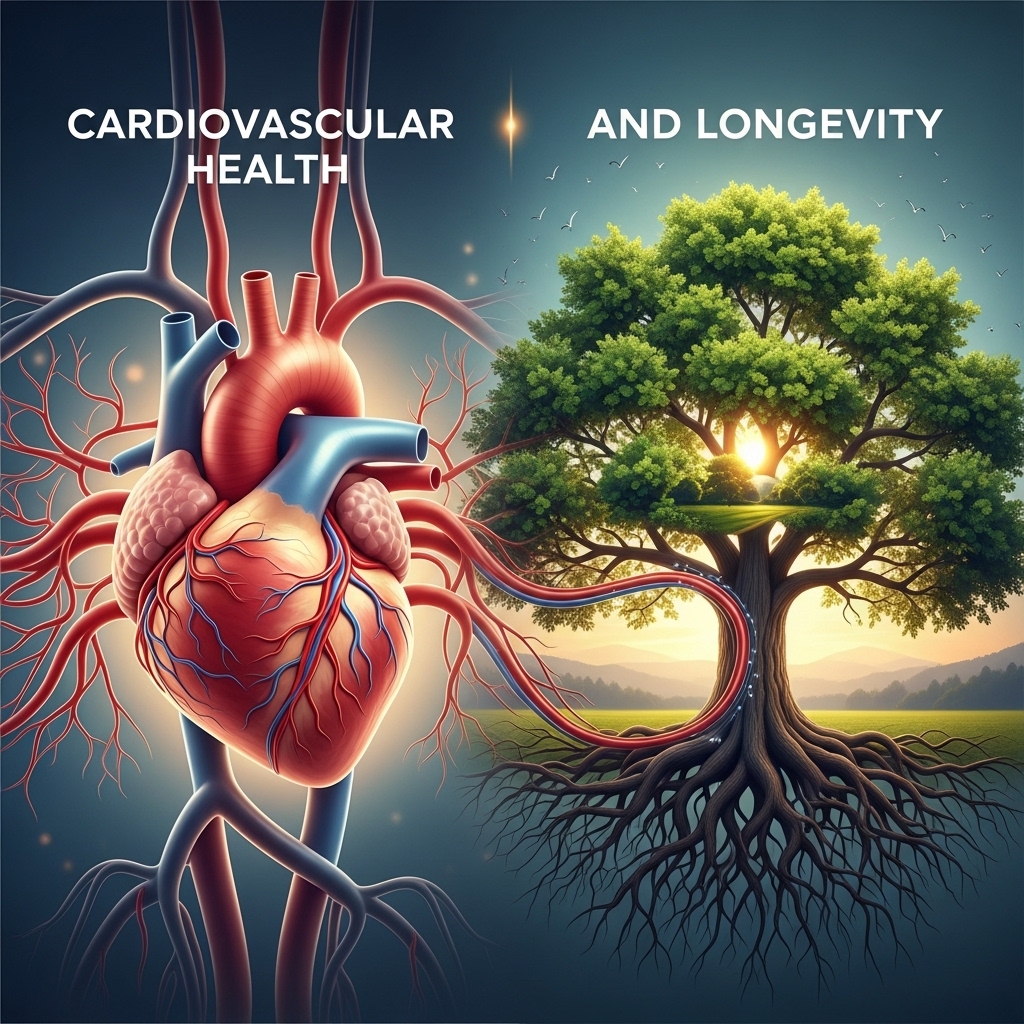
Cardiovascular health is one of the most important determinants of longevity. The heart and circulatory system supply oxygen and nutrients to the body’s organs and tissues. When these systems perform optimally, the body works efficiently. When cardiovascular health declines, overall health follows suit. Poor cardiovascular health leads to a higher risk of heart disease, stroke, and cognitive decline, all of which shorten lifespan.
A study by the American Heart Association found that those with poor cardiovascular health show accelerated aging and increased cognitive decline. Issues like high blood pressure, atherosclerosis, and restricted blood flow contribute to vascular cognitive impairment, which impairs brain function. These factors damage functional health, leading to quicker biological aging and less effective professional performance.
To maintain cardiovascular health, professionals should engage in regular exercise, eat a balanced diet, and monitor vital biomarkers like cholesterol, blood pressure, and glucose. Managing these factors ensures the heart and circulatory system remain efficient, helping professionals maintain performance and extend longevity.
Metabolic Function and Its Impact on Aging
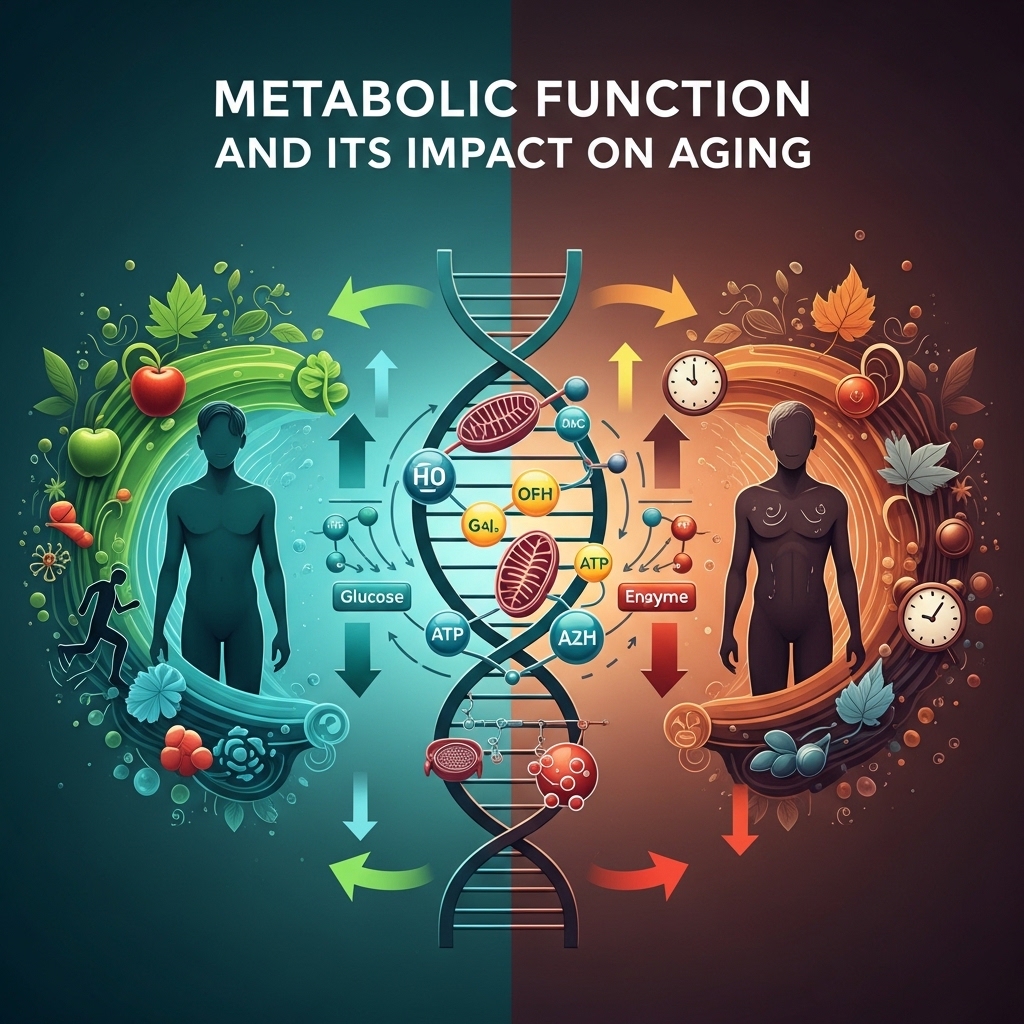
Metabolic health refers to how well the body processes energy, balances blood sugar, and stores fat. A well-functioning metabolism helps the body burn calories, repair cells, and store energy efficiently. When metabolism falters, it can lead to chronic diseases like type 2 diabetes, cardiovascular disease, and cancer. These metabolic issues accelerate aging and shorten lifespan.
A study from the National Institutes of Health (NIH) explored the connection between metabolic health and age, revealing that people with poor metabolic function appear biologically older by as much as 6 years compared to those with healthy metabolism. Metabolic dysfunction increases inflammatory markers, speeding up cellular aging. This is especially relevant for professionals who deal with stress, irregular work hours, and poor eating habits.
Maintaining metabolic health involves regular physical activity, a balanced diet, and adequate sleep. These practices help improve insulin sensitivity, reduce fat accumulation, and manage inflammation, ultimately preserving functional health and slowing the aging process.
Cognitive Performance and Mental Clarity
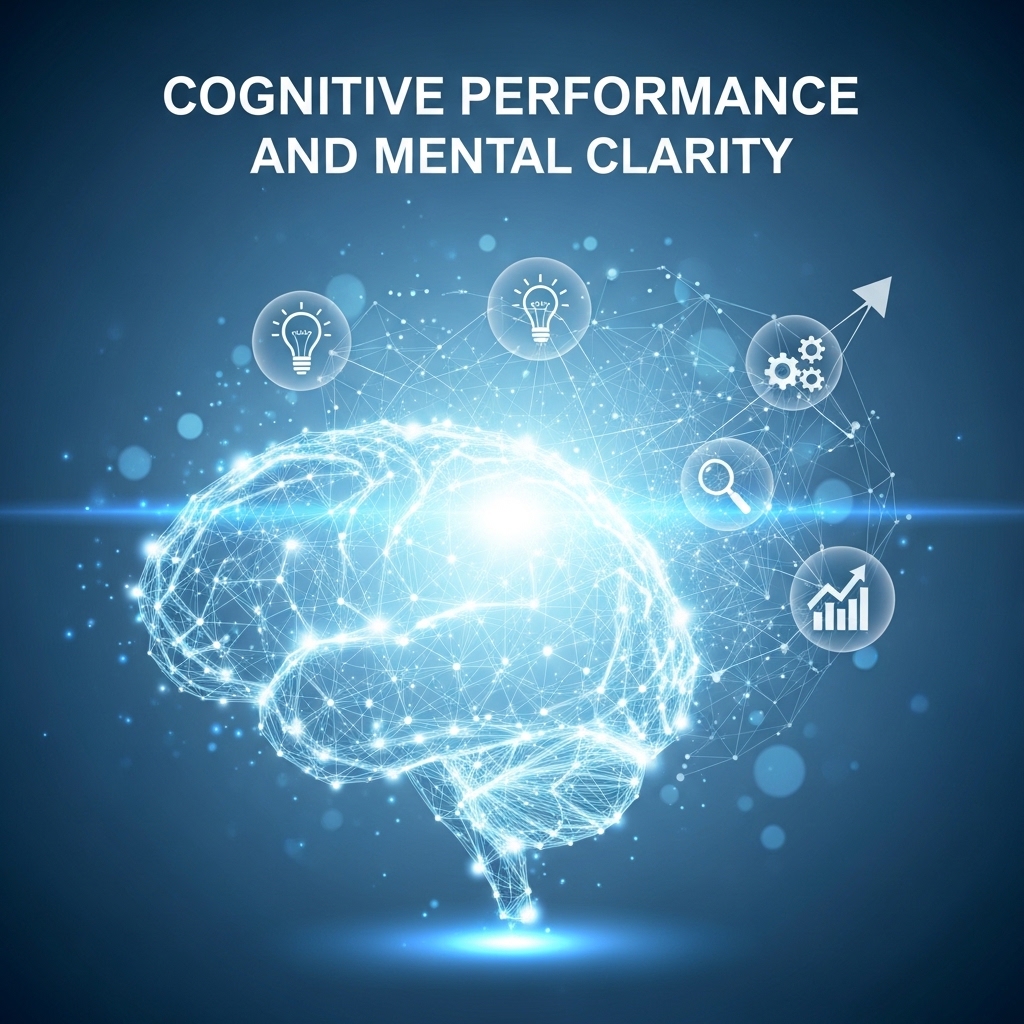
Cognitive performance is vital for professionals who require sharp decision-making, strategic thinking, and problem-solving skills. As people age, cognitive decline can affect these abilities, reducing performance. Functional health plays a critical role in preserving cognitive function, and protecting cognitive health extends an individual’s ability to perform at a high level.
A study published in Nature Medicine found that activities like physical exercise, social engagement, and cognitive training reduce the risk of Alzheimer’s disease and other forms of dementia. The brain’s neuroplasticity, or its ability to reorganize and adapt, helps preserve mental clarity as people age. Professionals who engage in activities that challenge the brain, like learning new skills or tackling complex problems, are more likely to keep their cognitive function intact.
Chronic stress also affects cognitive health. High cortisol levels, resulting from long-term stress, can damage brain cells and impair cognitive abilities. Managing stress through mindfulness, physical exercise, or relaxation techniques supports cognitive performance and delays mental decline.
READ ALSO: Body Sensor Network Is The Key to Optimize Your Health
Cortisol and Stress Physiology
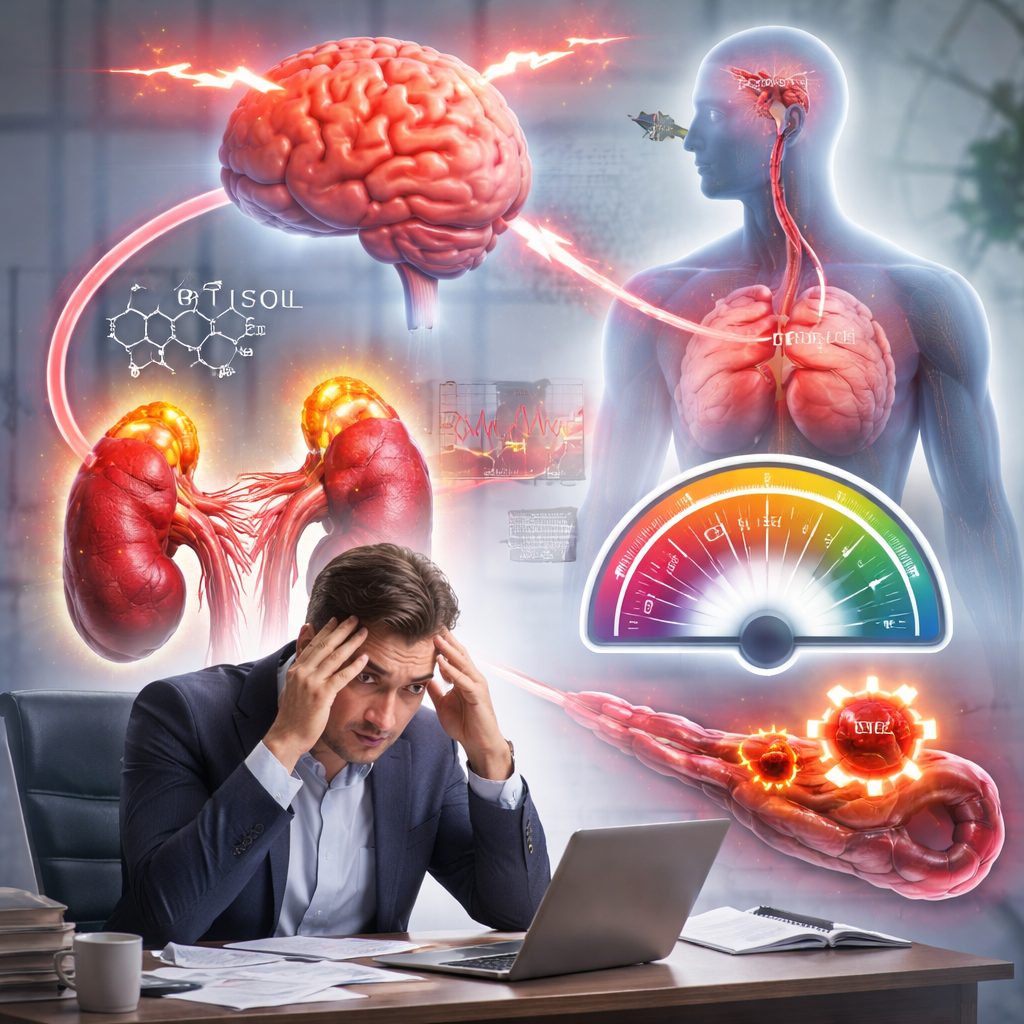
Cortisol, often called the “stress hormone,” is crucial in the body’s response to stress. While cortisol helps with the fight-or-flight response, prolonged elevation due to chronic stress can have serious health consequences. Chronic stress results in inflammation, immune suppression, and muscle loss. For high-performing professionals, consistent stress can lead to functional health deterioration, accelerating biological aging and reducing performance.
The Journal of Clinical Endocrinology & Metabolism published a study showing that individuals with high cortisol levels exhibit increased inflammatory markers and are more prone to cardiovascular disease and metabolic dysfunction. These findings show how chronic stress can damage functional health, impacting multiple physiological systems.
To manage cortisol levels, professionals should incorporate stress-reducing activities such as regular exercise, meditation, or relaxation techniques. Reducing chronic stress can improve overall health, preserve cognitive function, and maintain physical and mental performance over time.
Sleep Quality and Recovery

Sleep quality is essential for functional health. During sleep, the body undergoes critical recovery processes, including tissue repair, toxin removal from the brain, and memory consolidation. Poor sleep or sleep deprivation leads to cognitive impairment, increased stress, and reduced metabolic function, all of which accelerate aging and limit performance.
Research from the National Sleep Foundation links poor sleep quality to higher levels of inflammation, impaired glucose metabolism, and greater cardiovascular risk. Chronic sleep problems can result in long-term health issues that negatively affect functional health. Those who sleep less than 6 hours per night appear biologically older and have poorer cognitive function.
To optimize sleep quality, professionals must adopt healthy sleep hygiene practices. This includes maintaining consistent sleep patterns, ensuring adequate sleep duration, and creating a restful environment. Good sleep habits help preserve functional health and support long-term performance.
Muscle Mass and Sarcopenia
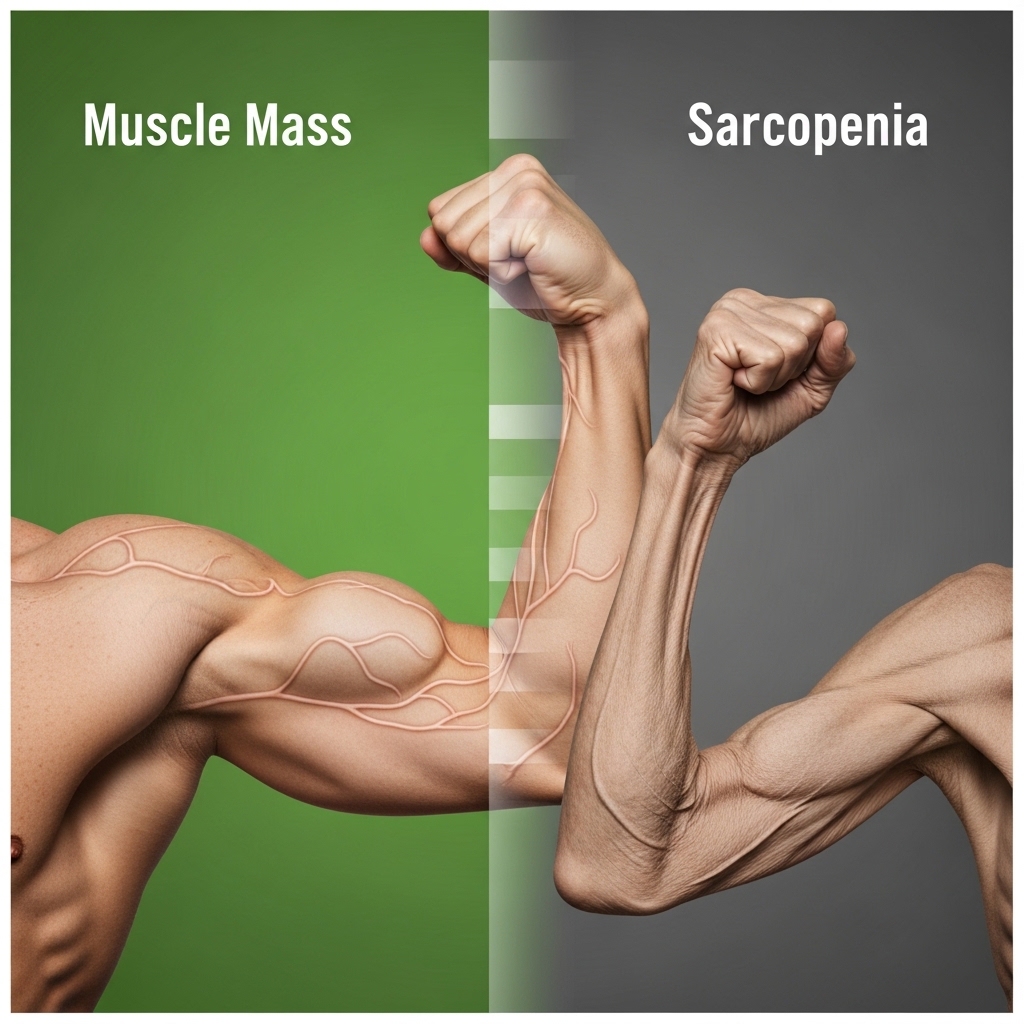
Muscle mass is a key factor in maintaining functional health. As people age, they naturally lose muscle mass, a condition known as sarcopenia. This loss of muscle mass contributes to frailty, increasing the risk of falls, fractures, and other health complications. Sarcopenia also accelerates functional health decline, making daily tasks more difficult and affecting overall physical capacity.
The Journal of the American Geriatrics Society showed that sarcopenia is linked to increased mortality risk. Loss of muscle mass results in decreased metabolic function and increased fat accumulation, raising the risk of metabolic diseases. For high-performing professionals, preserving muscle mass is crucial to maintaining physical health and preventing early aging.
Regular strength training, adequate protein intake, and maintaining an active lifestyle are essential for preserving muscle mass and combatting sarcopenia. Professionals who prioritize muscle health can enhance their functional capacity and reduce the risk of frailty and related diseases.
READ ALSO: Exercise for Overall Health: Tips to Start Today
Inflammation and Its Role in Functional Health
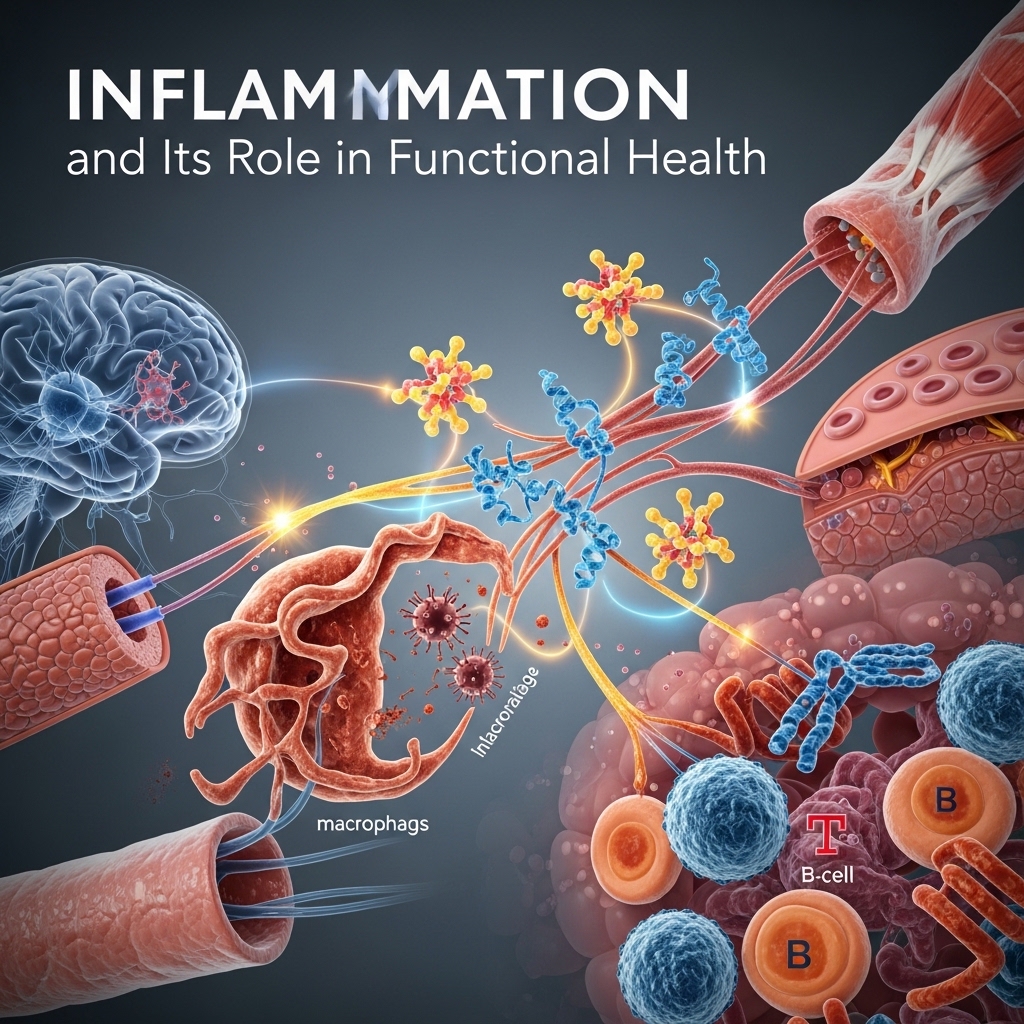
Chronic inflammation is a silent but potent contributor to functional health decline. It has been linked to a variety of age-related diseases, including cardiovascular disease, cancer, and neurodegenerative diseases. As people age, the body’s inflammatory response can become dysregulated, leading to systemic inflammation that accelerates aging and impairs performance.
A study from the American Journal of Clinical Nutrition demonstrated the relationship between chronic inflammation and aging. Inflammatory markers were found to be higher in individuals with accelerated biological aging, increasing their risk of developing heart disease, cognitive decline, and muscle loss. Chronic inflammation often worsens due to poor diet, stress, and physical inactivity, all of which are common challenges for professionals.
Managing inflammation through a balanced diet, regular exercise, and stress management can help preserve functional health. Reducing inflammation can improve cardiovascular health, cognitive function, and overall well-being, ensuring professionals remain healthy and productive over the long term.
READ ALSO: Benefits of Regular Exercise for Overall Health and Wellness
Evidence-Based Approaches to Functional Health
High-performing professionals can take several evidence-based actions to improve their functional health. Regular physical activity, particularly strength training, is critical for maintaining muscle mass, cardiovascular health, and metabolic function. A balanced diet rich in anti-inflammatory foods can help manage inflammation and support metabolic health. Managing stress through mindfulness, relaxation, or physical exercise can lower cortisol levels, protecting cognitive function and mental clarity.
Prioritizing sleep hygiene and ensuring sufficient recovery time also supports functional health and preserves long-term performance. By adopting these evidence-based practices, professionals can preserve their health, slow biological aging, and maintain peak performance throughout their careers.
UP NEXT: Health Information Professionals and the Future of Wellness
How This Affects Your Biological Age
Functional health plays a crucial role in determining biological age, with poor metabolic function, chronic stress, and cardiovascular decline accelerating aging and increasing the risk of early mortality. WholeLiving's Biological Age Estimation Model incorporates this factor directly — your assessment takes under five minutes.
Ready to understand how these factors are influencing your biological age right now? [Take the Biological Age Assessment →]