For executives, founders, and other high-output professionals, a poorly integrated body sensor network does more than create fragmented health data. It can obscure glucose variability, delay detection of heart rate variability decline, and weaken early insight into recovery debt, autonomic strain, and biological age acceleration. This article approaches the body sensor network as a clinical performance system, not a consumer gadget category. When biometric signals from sleep, movement, cardiovascular load, and metabolic response are captured and interpreted as one connected model, professionals gain a more accurate basis for protecting cognitive output, preserving resilience, and extending healthspan under sustained workload.
The Body Sensor Network as a Clinical Monitoring System
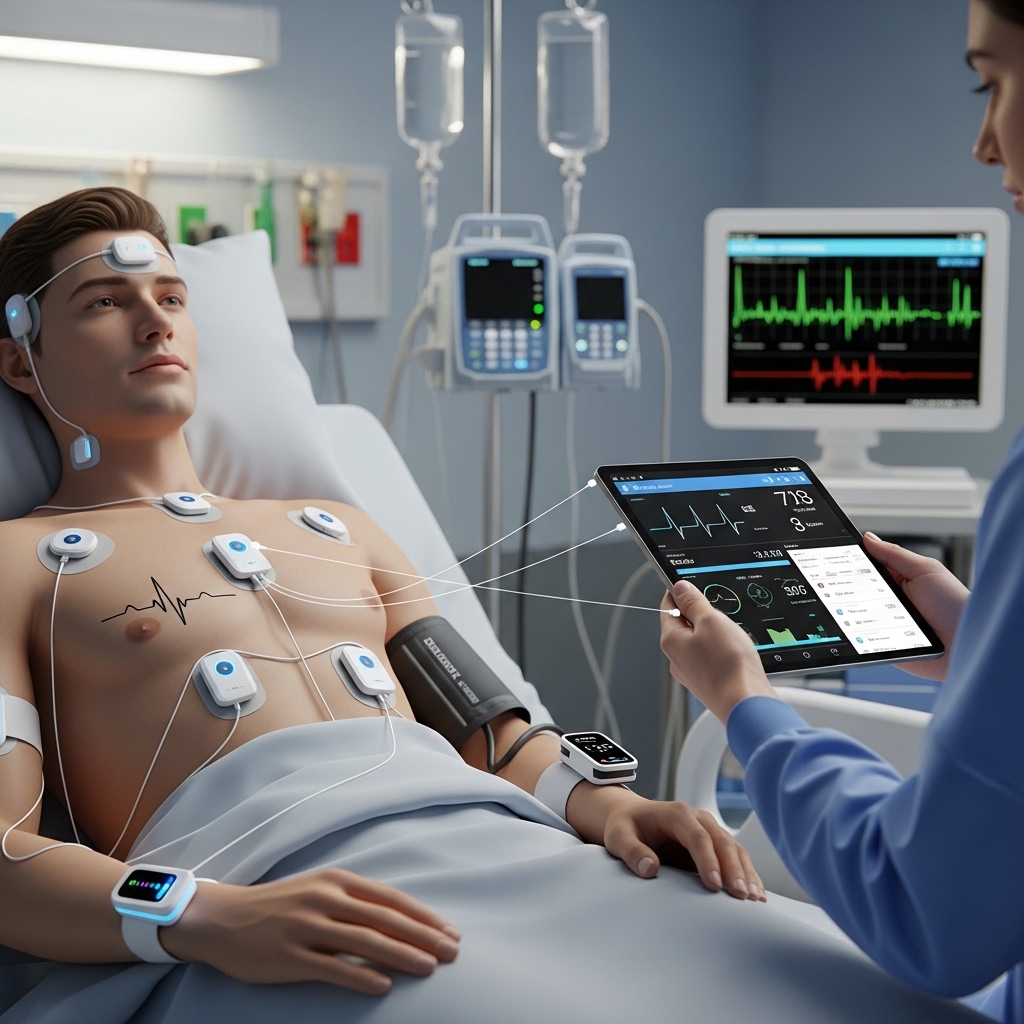
A body sensor network is not one wearable. It is a connected system of on-body and near-body devices that tracks heart rate, sleep timing, skin temperature, movement, blood oxygen, and sometimes glucose or electrocardiographic data. The National Institutes of Health describes this type of technology as a tool for continuous, real-world health tracking instead of occasional observation.
For a high-performing professional, the main value is not convenience. It is the ability to reduce signal fragmentation. This means sleep, activity, cardiovascular, and metabolic data no longer sit in separate silos that can hide early decline.
When used well, a body sensor network turns scattered numbers into a clear pattern. It stops the focus on one poor night of sleep or one missed workout. Instead, it shows whether recovery, autonomic tone, glucose control, and movement quality are all drifting in the wrong direction.
Cardiovascular Strain Can Appear before Symptoms
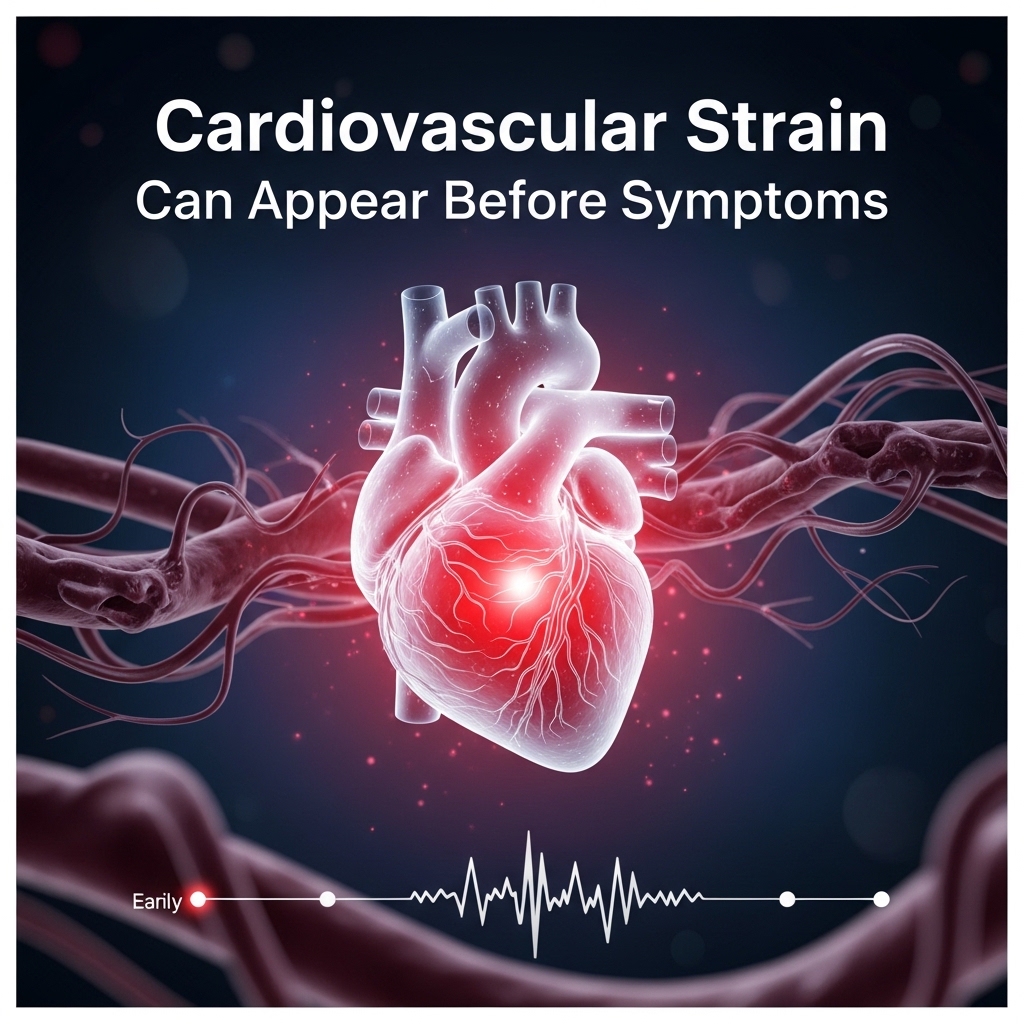
Cardiovascular decline in midlife professionals often starts as a physiologic shift, not a recognized event. Resting heart rate trends, lower heart rate variability, reduced activity tolerance, and poor sleep can appear before obvious disease. That makes continuous tracking very different from yearly testing alone.
Within a body sensor network, cardiovascular signals become more useful when viewed together. A higher night heart rate with poor sleep and less movement the next day does not mean the same thing as a higher heart rate after planned training. Context gives the number meaning.
This matters for executives under constant workload. Cardiovascular risk is not only about plaque or blood pressure. It also reflects physiologic reserve, or the ability to handle stress without a measurable drop in recovery and performance.
Heart Rate Variability is Useful, but Not Enough on Its Own
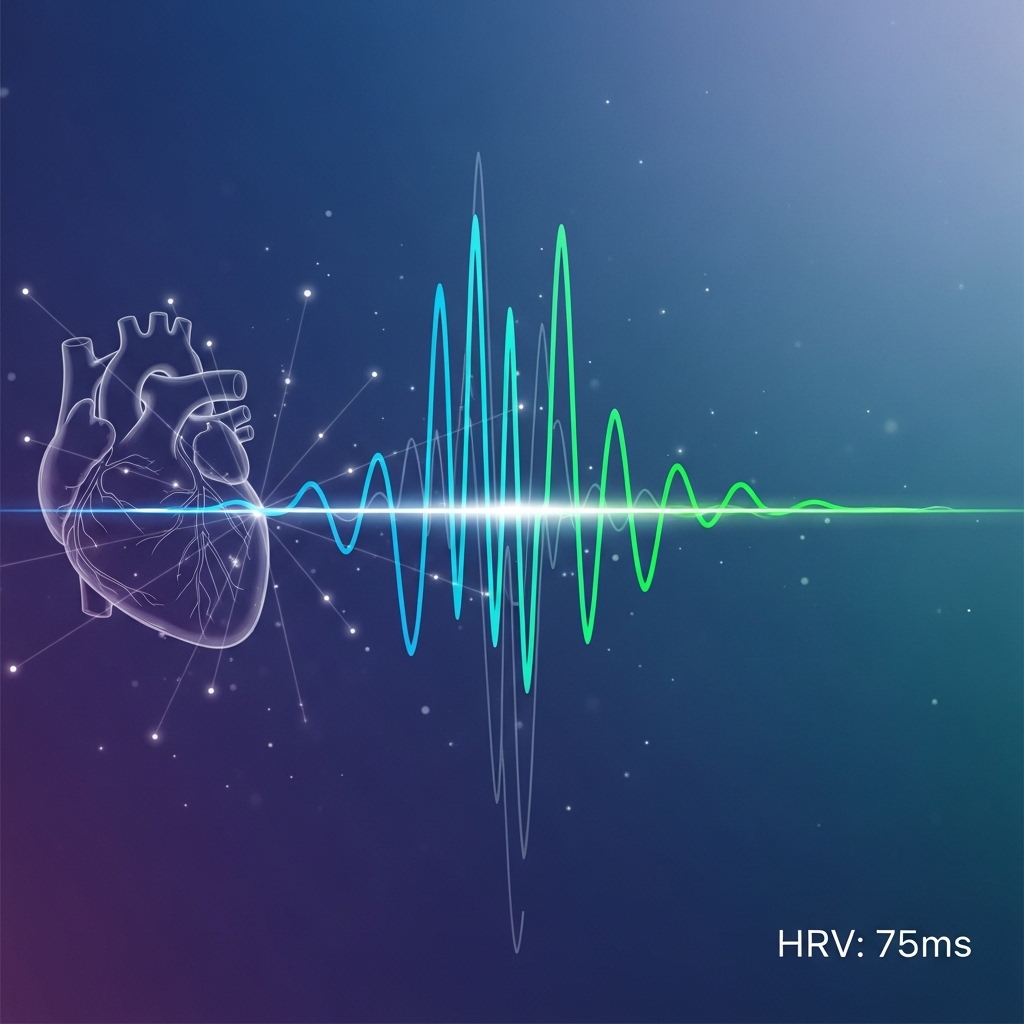
Heart rate variability, or HRV, is one of the most discussed outputs in a modern body sensor network. It reflects beat-to-beat changes in cardiac rhythm. It also acts as a marker of autonomic nervous system balance, especially the relationship between stress activation and recovery.
In practice, lower HRV across several days can point to stress buildup, illness, alcohol use, poor sleep, or weak recovery from training. It does not diagnose a condition on its own. It does, however, reveal a gap between workload and recovery.
That gap matters for professionals who still function at a high level while their physiology starts to slip. Still, HRV has limits. It is highly context-dependent and can change because of motion error, timing, and device-specific processing.
Sleep Data becomes Stronger When Paired with Daytime Data
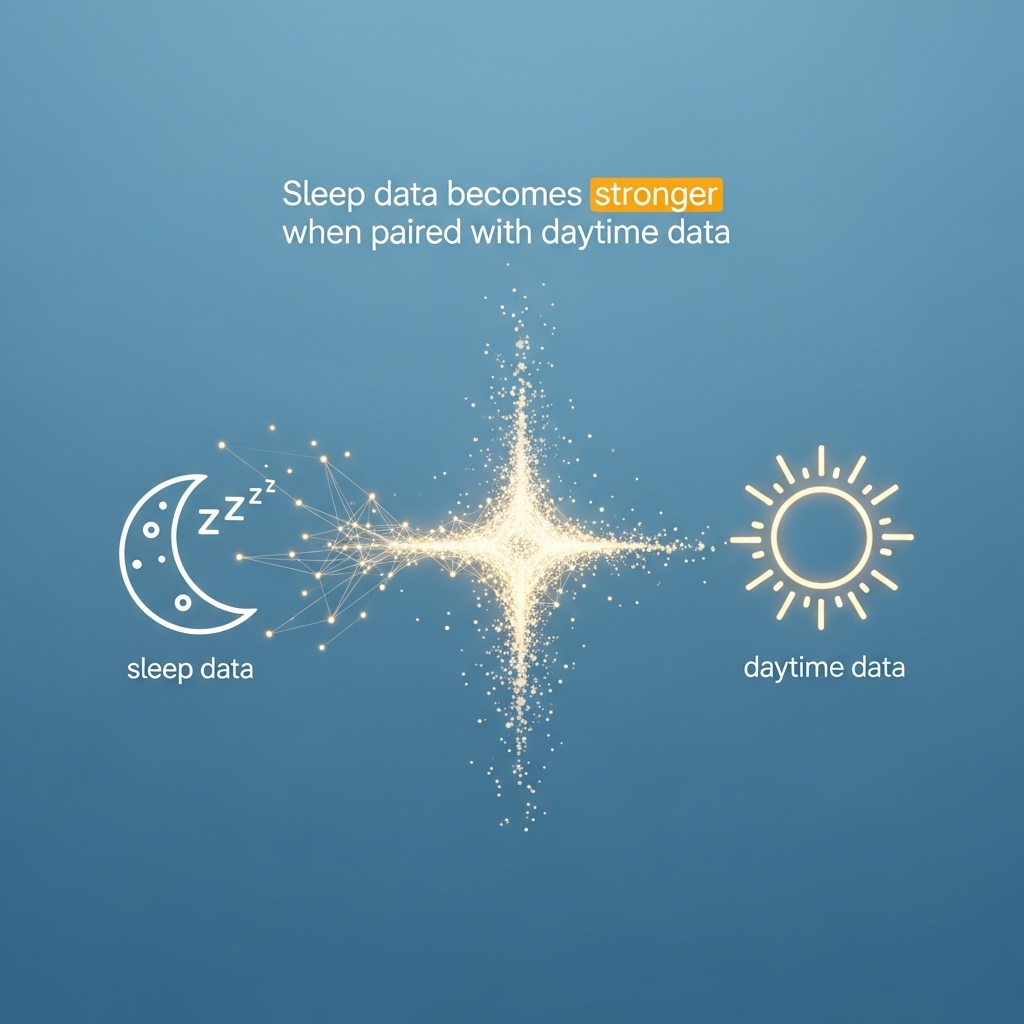
Sleep is one of the clearest reasons a networked system works better than a single device. Wearable sleep tools can estimate timing, duration, and fragmentation at scale. Their real value appears when sleep data is linked to next-day heart rate, movement, and workload tolerance.
The American Heart Association identifies sleep as a key part of cardiometabolic health. Short sleep, irregular sleep, and poor sleep quality are linked to impaired glucose control, higher fasting insulin, inflammatory changes, and worse cardiovascular risk profiles. In an executive population, that can mean slower recovery, unstable energy, and weaker decision quality under pressure.
A body sensor network makes this clearer by separating one bad night from a repeated pattern. When poor sleep regularity appears with higher resting heart rate, lower daytime movement, and worse recovery markers, the system is detecting an ongoing exposure rather than a random event.
Metabolic Function can Now be Tracked Outside the Clinic
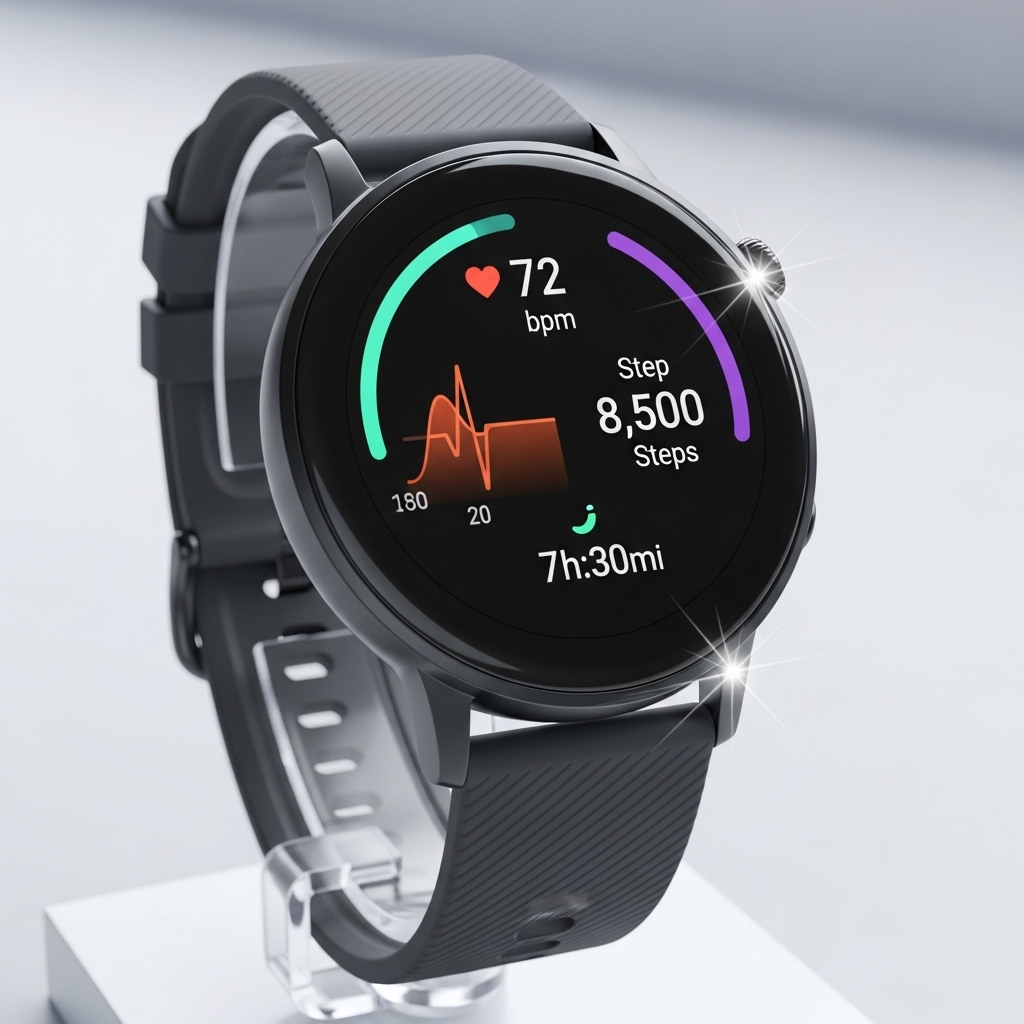
Metabolic dysfunction often develops slowly and stays hidden in high-functioning adults. Continuous glucose tracking, movement sensing, and sleep monitoring now let part of metabolic physiology be tracked in daily life. That gives a better view than occasional lab values alone.
For a professional audience, the main issue is not whether glucose data is trendy. The real issue is whether the body sensor network can detect glucose variability, poor post-meal recovery, less movement, and sleep disruption before metabolic decline becomes obvious. When those signals move together, they often reveal strain earlier than a yearly visit.
Metabolic function also affects cognition and aging pace. Repeated glucose swings and poor sleep can reduce attention, slow reaction time, and weaken recovery. Over time, they can also raise cardiometabolic risk.
VO2 max is becoming a digital marker of fitness
VO2 max remains one of the strongest measurable indicators of cardiovascular fitness and mortality risk. In the past, it required lab testing, which limited regular use in otherwise healthy professionals. New work in Scientific Reports, JMIR, and university-led validation studies shows that wearables and mobile sensors can now estimate cardiorespiratory fitness in daily life with growing practicality.
This shift matters because cardiorespiratory decline often stays hidden in people who still train from time to time and still perform well at work. A body sensor network can show whether estimated fitness is trending down while resting heart rate rises and recovery markers worsen. That pattern carries more value than an exercise summary alone.
No wearable-based fitness estimate matches direct metabolic-cart testing. Its value is directional. It can show whether aerobic capacity seems stable, improving, or getting worse.
Biological age modeling gives the field more weight

The idea of biological age becomes more credible when it is tied to measurable physiology instead of branding language. Recent work in Nature Communications described a wearable-based aging clock that used wrist-derived photoplethysmography. The Lancet Healthy Longevity has also reviewed digital biomarkers of aging as a growing field for tracking physiologic decline and resilience.
This does not mean a consumer device can deliver a final verdict on age. It means the body sensor network can add continuous signals that correlate with aging-related risk. These include rest-activity rhythm stability, recovery capacity, and vascular function proxies.
For executives and founders, this changes the role of measurement. The goal is no longer to chase a flattering number. The goal is to see whether the overall pattern suggests accelerated biological aging, preserved resilience, or steady physiologic strain.
Cognitive performance can be tracked through related physiology
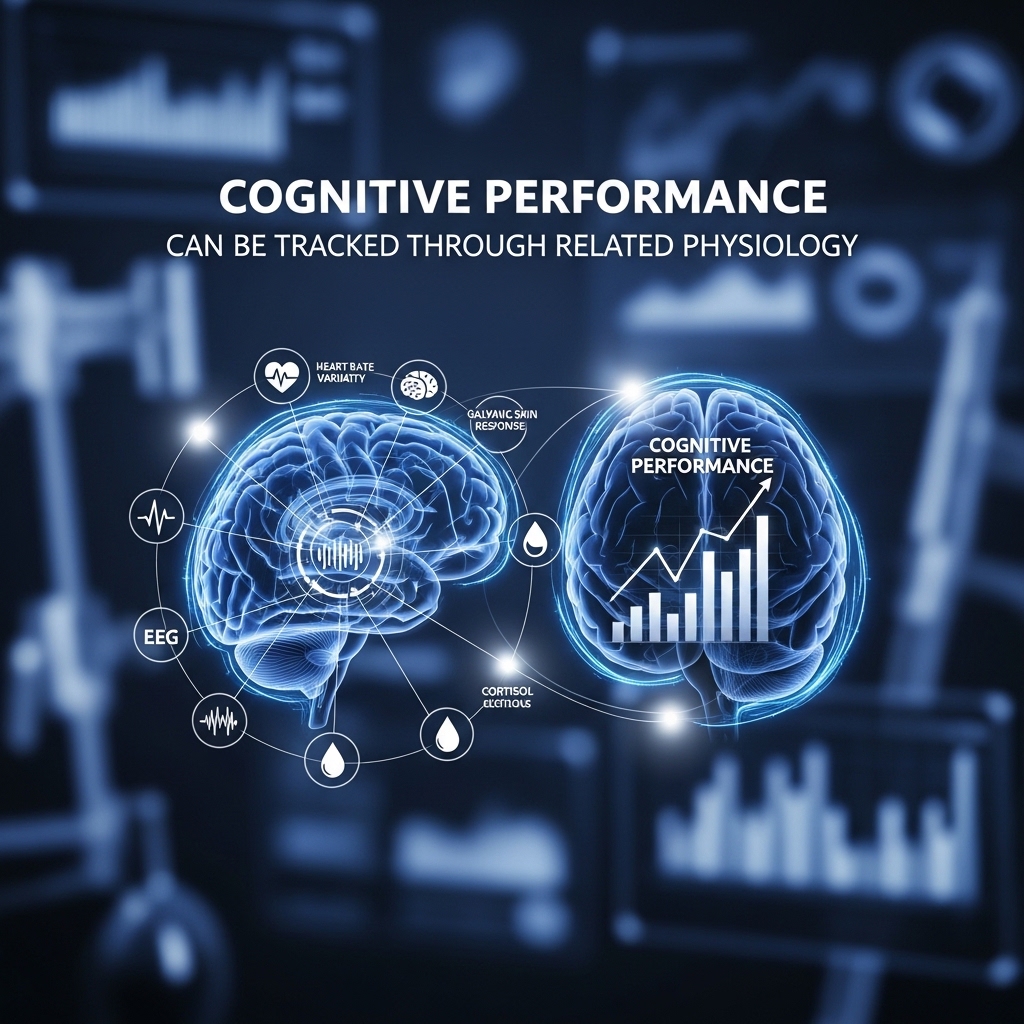
Most body sensor network systems do not measure cognition directly. They track the physiologic conditions that support or weaken cognition. These include sleep quality, stress load, heart rate patterns, movement behavior, and circadian stability.
This matters in high-performance environments because cognitive decline rarely starts as a dramatic event. It often appears as slower switching, weaker attention, poorer impulse control, and more decision fatigue. Sensor-based physiologic instability can act as an early warning sign before formal cognitive testing enters the picture.
That does not make inference the same as diagnosis. A serious platform does not claim that poor HRV or bad sleep equals cognitive impairment. It shows that long-running physiologic dysregulation can raise the chance of worse cognitive performance.
READ ALSO: Lifer Fitness: Energize Your Body Without Overdoing It
Movement data shows more than exercise habits
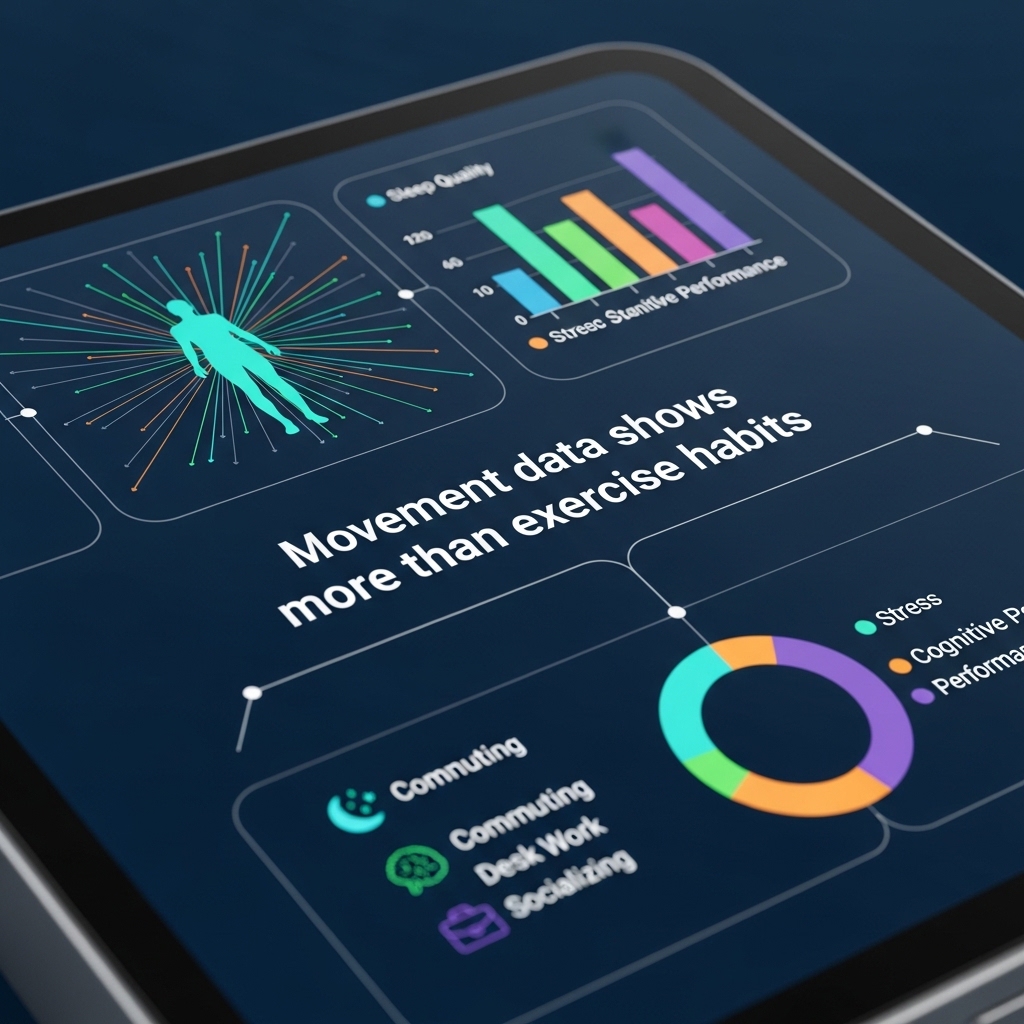
Many professionals still treat wearable movement data as a simple activity score. That view is too narrow. Large device-based studies, including the ProPASS consortium in the European Heart Journal, show that the balance of sleep, sitting time, standing, light activity, and moderate-to-vigorous activity is linked to several cardiometabolic outcomes.
A body sensor network therefore offers value even when no formal workout takes place. It can reveal whether sedentary time is rising, whether movement intensity is fading, and whether sleep and activity patterns support each other or clash. For a desk-bound executive, these are meaningful changes.
Movement data also relates to muscle preservation and long-term function. Lower daily movement, worse sleep, and poorer recovery can form a pattern that points to lower functional capacity. Over time, that pattern can move a person closer to frailty and sarcopenic risk.
READ ALSO: Neurowave Body-Mind Connection: Unlock Your Full Potential
Accuracy, interoperability, and interpretation still limit the field

The modern body sensor network is promising, but it still has clear technical limits. Motion error, device placement, proprietary algorithms, and uneven validation standards all affect signal quality. Recent reviews on biosensors and digital biomarkers continue to identify interpretation and standardization as major barriers.
There is also an interoperability problem. A heart-rate platform, sleep platform, glucose monitor, and training app may each work well on their own. Yet they may still fail to connect inside one clear clinical model.
Without that integration, professionals collect data but not insight. Another concern is over-monitoring. Research in the Journal of the American Heart Association shows that wearables can increase symptom focus and health-related worry in some cardiac groups.
READ ALSO: The Impact of a Warmer Body on Cortisol Regulation and Cognitive Performance in High-Performing Professionals
Evidence-based options for the high-performing professional

Based on the current evidence, the most defensible use of a body sensor network is as a structured monitoring system, not a consumer accessory. The strongest options are to track a small set of validated domains such as sleep regularity, resting heart rate, HRV trends, movement patterns, and when relevant, glucose behavior. Review these signals over weeks, not hours, and read them against workload, training demand, and recovery quality. When several domains drift at the same time, the evidence supports formal cardiovascular, metabolic, or sleep evaluation instead of relying on one app-generated score.
UP NEXT: Optimizing Body Composition for Peak Performance and Longevity Through Sustainable Weight Loss Strategies
How This Affects Your Biological Age
A body sensor network influences biological age by capturing continuous signals such as heart rate variability, sleep fragmentation, activity load, and glucose variability, all of which help reveal physiologic strain, recovery failure, and patterns associated with accelerated aging. WholeLiving's Biological Age Estimation Model incorporates this factor directly — your assessment takes under five minutes.
Ready to understand how these factors are influencing your biological age right now? [Take the Biological Age Assessment →]