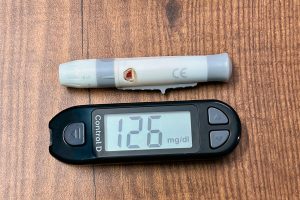
Biological age diverges from chronological age most significantly when daily behavioral patterns remain misaligned with physiological demand. Movement frequency, nutritional quality, and sleep architecture are the key variables. For high-performing professionals, this divergence is not abstract. It manifests as measurable increases in inflammatory markers and declining VO2 max. Telomere attrition accelerates. Each of these represents a quantifiable indicator of compressed longevity runway. Daily lifestyle habits are not supplementary to clinical health strategy. They are the primary determinants of long-term biological resilience.
Why Lifestyle Habits Function as Biological Levers

Daily behavioral patterns are not lifestyle preferences. They are biological inputs that directly regulate gene expression, inflammatory tone, and metabolic function. Research from the Framingham Heart Study consistently demonstrates that modifiable lifestyle behaviors account for a substantial proportion of cardiovascular disease risk — independent of genetic predisposition. This positions daily habits not as supplementary health measures but as primary clinical variables.
The mechanisms are well-established. Movement stimulates mitochondrial biogenesis. Nutritional quality modulates inflammatory cytokine production. Sleep architecture regulates cortisol rhythm and glymphatic clearance. Each of these operates through distinct but interconnected biological pathways. When aligned, they produce measurable reductions in chronic disease risk. When misaligned, they accelerate biological aging across multiple systems simultaneously.
For professionals operating under sustained cognitive and occupational demand, this matters beyond longevity in the abstract. Inflammatory markers, VO2 max, and insulin sensitivity are not aging statistics. They are current performance variables. Their deterioration compounds daily. Their optimization produces returns that are measurable in months, not decades.
Movement as a Primary Metabolic and Cardiovascular Regulator

Aerobic exercise is among the most robustly evidenced interventions for chronic disease prevention. It directly elevates VO2 max — the single strongest predictor of all-cause mortality across population studies. Research published in the Journal of the American College of Cardiology identified low cardiorespiratory fitness as a greater mortality risk factor than smoking, hypertension, or obesity in large-scale cohort analyses. VO2 max decline begins in the mid-thirties. Without structured intervention, it accelerates predictably.
Beyond cardiovascular function, movement regulates insulin sensitivity. Skeletal muscle contraction activates GLUT4 transporters independently of insulin signaling. This mechanism reduces fasting glucose and lowers type 2 diabetes risk without pharmacological intervention. For professionals whose dietary patterns and stress physiology already challenge metabolic function, structured movement provides a critical compensatory mechanism.
Resistance training adds a further dimension. It preserves lean muscle mass — a variable that declines at approximately three to five percent per decade from age thirty onward without intervention. This loss, known as sarcopenia, reduces basal metabolic rate, impairs glucose regulation, and weakens the musculoskeletal infrastructure that supports physical function across decades. Resistance training two to three times per week measurably slows this trajectory.
The Dose-Response Relationship Between Movement and Biological Age

Exercise does not produce uniform biological benefits regardless of volume. Research consistently identifies a dose-response relationship. Moderate-intensity aerobic activity — defined as activity elevating heart rate to 50 to 70 percent of maximum — produces measurable reductions in inflammatory markers, including C-reactive protein and interleukin-6, at volumes as low as 150 minutes per week. This is the threshold established by the American Heart Association for cardiovascular risk reduction.
Beyond this threshold, higher volumes produce additional biological returns — including further VO2 max elevation, enhanced mitochondrial density, and greater telomere length preservation. Research published in Preventive Medicine found that highly active individuals demonstrated telomere lengths equivalent to biological ages nine years younger than sedentary counterparts of the same chronological age. Telomere length is a direct cellular aging marker.
The practical implication for professionals is not that more is always better. It is that regularity and consistency produce greater biological return than intensity alone. Sustained moderate activity across the week outperforms irregular high-intensity sessions followed by prolonged sedentary periods — a pattern common in high-demand professional schedules.
READ ALSO: Intentional Living: How Gratitude Can Shape Your Journey
Nutritional Quality as an Inflammatory Modulator

Nutrition exerts its most clinically significant effects through inflammatory regulation. A dietary pattern high in refined carbohydrates, trans fats, and ultra-processed foods chronically elevates pro-inflammatory cytokines — particularly IL-6 and TNF-α. These cytokines do not merely reflect poor health. They actively drive atherosclerosis, insulin resistance, and neurodegeneration. Nutritional quality is therefore not a lifestyle preference. It is a determinant of systemic inflammatory tone.
By contrast, dietary patterns emphasizing omega-3 fatty acids, polyphenols, fiber, and fermented foods reduce inflammatory burden measurably. The Mediterranean dietary pattern — extensively studied across large European and American cohorts — consistently demonstrates reductions in cardiovascular event risk, improved insulin sensitivity, and lower all-cause mortality. Research from the Harvard T.H. Chan School of Public Health supports Mediterranean-style eating as among the most evidence-backed dietary frameworks for longevity.
Nutritional timing also influences metabolic function. Extended overnight fasting — allowing twelve or more hours between the last meal of the day and the first of the following morning — supports insulin sensitivity and reduces fasting glucose. This pattern aligns eating windows with circadian biology, optimizing metabolic processing during periods of peak insulin receptor sensitivity.
Protein Intake and Muscle Mass Preservation

Adequate protein intake is a specific nutritional priority for professionals in the 35 to 60 age range. This is the window during which age-related muscle loss begins to accelerate without targeted intervention. Muscle mass preservation requires sufficient dietary protein to support muscle protein synthesis — a process that becomes less efficient with age, requiring higher absolute intake to produce equivalent anabolic stimulus compared to younger adults.
Research from the National Institutes of Health and affiliated institutions supports protein intake above standard recommended daily allowances for adults seeking to preserve muscle mass under conditions of physical training. Distribution across meals matters. Evenly distributing protein across three to four daily eating occasions produces greater muscle protein synthesis than concentrating intake in one or two meals.
Beyond muscle preservation, adequate protein supports cognitive performance. Amino acids serve as precursors to neurotransmitters including serotonin, dopamine, and norepinephrine. Suboptimal protein intake therefore introduces subtle but compounding deficits in neurotransmitter availability — consequences that manifest as reduced focus, impaired mood regulation, and diminished cognitive resilience under pressure.
READ ALSO: Purpose-Driven Goals: How to Achieve What Matters Most
Sleep Architecture and Its Systemic Biological Effects

Sleep is not passive recovery. It is an active biological process during which the brain clears metabolic waste, the endocrine system resets cortisol rhythm, and cellular repair processes reach peak activity. Disrupting sleep architecture — through insufficient duration, poor sleep quality, or circadian misalignment — disrupts all of these processes simultaneously. The downstream effects are measurable across cardiovascular, metabolic, cognitive, and immune function.
Slow-wave sleep is the stage most critical for physical restoration. During this stage, human growth hormone release peaks, supporting muscle repair and metabolic regulation. REM sleep governs emotional processing and memory consolidation. Both stages require sufficient total sleep duration to complete full cycles. Truncating sleep to six hours or fewer — common among high-performing professionals — measurably reduces both slow-wave and REM sleep time.
Research published in Nature Communications demonstrated that adults consistently sleeping fewer than six hours per night showed significantly elevated risk for coronary artery disease, type 2 diabetes, and all-cause mortality compared to those achieving seven to eight hours. These findings held after controlling for physical activity, diet, and baseline health status — confirming that sleep duration operates as an independent biological variable, not merely a proxy for other health behaviors.
Cortisol Rhythm and the Cost of Chronic Stress Physiology

Cortisol follows a predictable diurnal pattern — peaking in the early morning to mobilize energy and declining through the day toward evening. Chronic occupational stress disrupts this rhythm. It sustains elevated cortisol across the day and into the evening — a state that promotes visceral fat accumulation, suppresses immune function, impairs memory encoding, and accelerates hippocampal volume loss.
The interaction between disrupted cortisol rhythm and sleep is bidirectional. Elevated evening cortisol delays sleep onset and reduces slow-wave sleep depth. Poor sleep, in turn, impairs HPA axis regulation — further elevating cortisol the following day. This cycle compounds without intervention. For professionals managing sustained high-stakes demand, breaking this cycle requires deliberate behavioral inputs, not simply reduced workload.
Structured daily recovery practices — including defined non-work periods, consistent sleep and wake times, and brief midday physiological downregulation — reduce cortisol elevation measurably. Research from the National Institutes of Health documents that diaphragmatic breathing practiced for as few as five minutes produces acute reductions in salivary cortisol and HRV improvements that persist for hours post-practice.
Inflammatory Markers as Measurable Feedback Variables

Chronic low-grade inflammation is the shared biological mechanism underlying the majority of age-related chronic diseases — including cardiovascular disease, type 2 diabetes, neurodegenerative conditions, and certain cancers. Inflammatory markers including C-reactive protein (CRP), interleukin-6 (IL-6), and homocysteine provide measurable, trackable indicators of systemic inflammatory burden. These are not theoretical risk proxies. They are objective biological data points.
Lifestyle habits directly modulate these markers. Aerobic exercise reduces CRP. Anti-inflammatory dietary patterns reduce IL-6. Adequate sleep reduces TNF-α. Each of these inputs operates through distinct mechanisms but converges on the same downstream outcome: reduced systemic inflammatory tone. Professionals who track these markers over time gain objective feedback on whether their behavioral patterns are producing biological returns.
The clinical utility of inflammatory marker tracking extends beyond disease prevention. Elevated CRP is associated with reduced cognitive performance, impaired emotional regulation, and higher rates of depressive symptomatology in non-clinical populations. For professionals whose occupational performance depends on sustained cognitive output, inflammatory burden represents a direct performance variable — one that lifestyle habits actively regulate.
READ ALSO: The Purpose Filled Life: Small Steps to Daily Fulfillment
Gut Microbiome Function and Its Systemic Reach

The gut microbiome exerts influence across immune regulation, inflammatory tone, neurotransmitter production, and metabolic function. A diverse, well-supported microbiome produces short-chain fatty acids that reduce intestinal permeability, downregulate systemic inflammation, and support the gut-brain axis. A depleted or dysbiotic microbiome does the opposite — contributing to elevated inflammatory markers, disrupted mood regulation, and impaired metabolic processing.
Dietary fiber is the primary nutritional substrate for beneficial gut bacteria. Diets low in fiber — common in high-convenience, high-travel professional lifestyles — reduce microbial diversity measurably within days. Fermented foods including yogurt, kefir, kimchi, and sauerkraut introduce live beneficial bacteria and further support microbiome diversity. Research published in Cell demonstrated that a high-fermented-food diet increased microbiome diversity and reduced inflammatory markers across a sixteen-week intervention period.
The gut-brain axis connects microbiome health to cognitive and emotional function through the vagus nerve and neuroendocrine signaling. Disrupted microbiome composition correlates with elevated anxiety, impaired stress resilience, and reduced cognitive flexibility — outcomes directly relevant to professional performance. Supporting gut health through dietary diversity is therefore not a peripheral health concern. It is a direct cognitive performance strategy.
Habit Consistency Versus Intensity: What the Evidence Prioritizes

High-performing professionals frequently approach health optimization with the same intensity-driven framework applied to professional performance. The evidence does not support this approach for lifestyle habits. Consistency across time produces greater biological return than periodic intensity followed by disruption. This is particularly true for inflammatory regulation, sleep quality, and metabolic function — all of which respond to sustained behavioral patterns rather than acute interventions.
The concept of habit stacking — anchoring new health behaviors to existing daily routines — has demonstrated practical utility in behavioral research. Linking a ten-minute walk to a daily post-lunch meeting, or a defined wind-down protocol to an existing evening routine, reduces the cognitive load of habit maintenance. Lower cognitive load produces higher adherence. Higher adherence produces greater biological return.
Tracking behavioral consistency through objective measures — wearable data, periodic biomarker panels, or structured self-monitoring — provides the feedback loop that sustains professional engagement with health behaviors. Professionals who approach lifestyle habits as trackable performance variables, rather than aspirational wellness goals, consistently demonstrate higher long-term adherence and more durable biological outcomes.
Evidence-Based Pathways for High-Performing Professionals

The evidence supports a structured, integrated approach to daily lifestyle habits as a primary chronic disease prevention strategy. Aerobic exercise at moderate intensity across 150 or more minutes per week, combined with two to three resistance training sessions, addresses cardiovascular fitness, muscle mass preservation, and inflammatory regulation simultaneously. A Mediterranean-style dietary pattern with adequate protein distribution and consistent overnight fasting windows supports metabolic function and reduces systemic inflammation. Sleep duration of seven to eight hours, consistent sleep timing, and deliberate cortisol regulation through structured recovery practices complete the biological framework. Periodic inflammatory biomarker tracking — CRP, IL-6, and fasting glucose — provides objective feedback on whether these inputs are producing measurable biological returns.
UP NEXT: What is the Purpose of Life: Finding Calm Clarity
Daily habits in movement, nutrition, and rest are among the most powerful levers for biological age — research shows that individuals who consistently exercise, follow anti-inflammatory diets, and prioritize seven to nine hours of quality sleep can lower their biological age by up to a decade compared to sedentary, poorly nourished, or sleep-deprived peers, while significantly reducing their risk of cardiovascular disease, metabolic dysfunction, and cellular senescence. WholeLiving's Biological Age Estimation Model incorporates this factor directly — your assessment takes under five minutes.
Ready to understand how these factors are influencing your biological age right now? [Take the Biological Age Assessment →]