
Apparel selection is not a peripheral concern for high-performing women — it is a biomechanical variable with measurable consequences for training output, neuromuscular activation, and recovery efficiency. Poorly fitted or functionally inadequate garments increase movement compensation patterns, elevate perceived exertion at equivalent workloads, and reduce the consistency of progressive overload — the primary driver of musculoskeletal adaptation and long-term metabolic health. For professional women aged 35 to 60, where preservation of muscle mass, VO2 max, and metabolic function directly correlates with longevity outcomes, clothing that compromises movement quality is a modifiable performance risk.
Compression Garments and Neuromuscular Activation
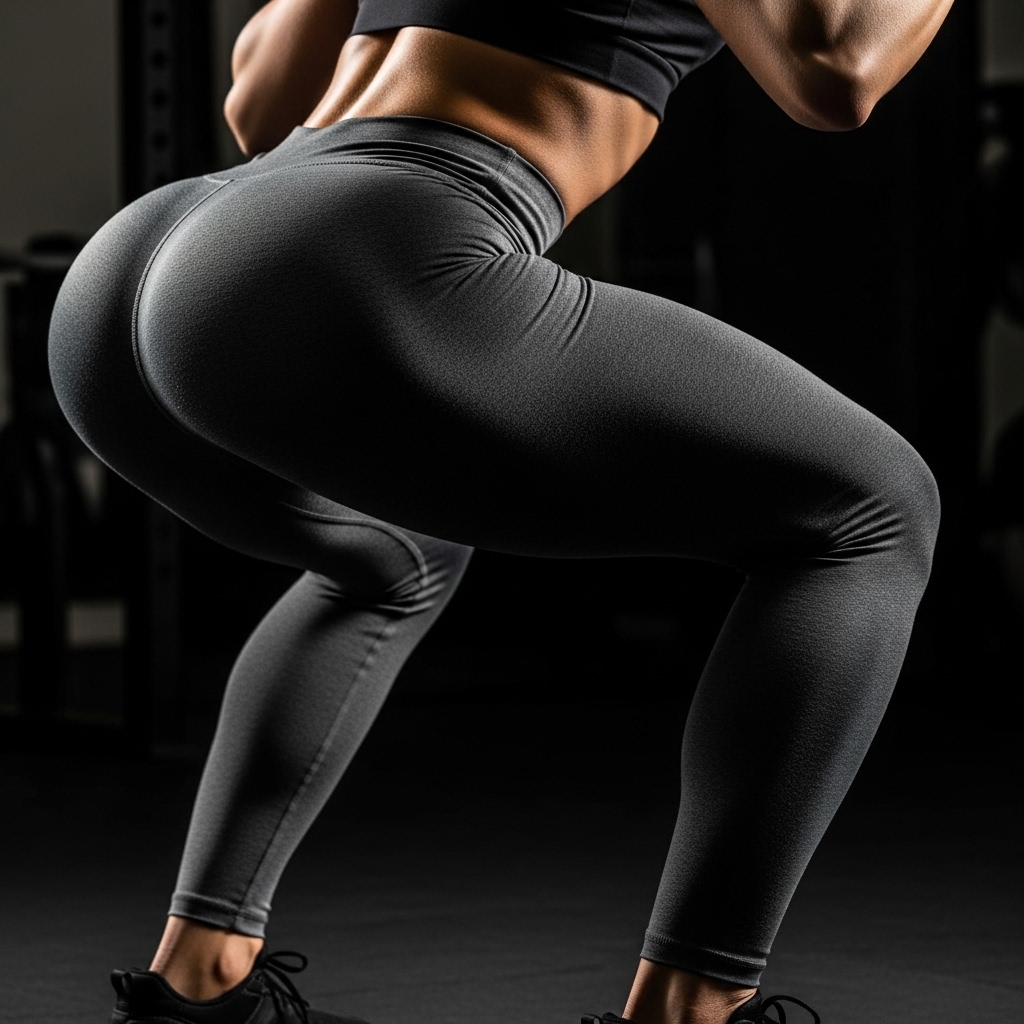
Compression garments work by applying graduated mechanical pressure to muscle groups during exercise. This pressure increases proprioceptive feedback — the body's awareness of limb position and movement in space. Research published in the Journal of Strength and Conditioning Research has demonstrated that lower-body compression garments improve neuromuscular efficiency during resistance training, particularly in multi-joint movements like squats and lunges. For women in the 35 to 60 age range, where proprioceptive acuity naturally declines, this effect carries direct functional relevance.
The mechanism involves enhanced afferent signaling from muscle spindles and cutaneous receptors. Tighter contact between fabric and skin amplifies sensory input, allowing the nervous system to coordinate muscle recruitment more precisely. This translates into better movement quality, reduced compensatory patterns, and more consistent force production across a training session. The cumulative effect on technique and training volume is not trivial.
Beyond acute performance, consistent improvement in neuromuscular activation contributes to the preservation of functional muscle mass — a critical variable in sarcopenia prevention. Sarcopenia, the age-related loss of skeletal muscle, accelerates after age 40 and directly degrades metabolic rate, glucose regulation, and structural resilience. Garments that support cleaner movement patterns enable more effective resistance training, which remains the most evidence-supported intervention for maintaining muscle mass across the lifespan.
Thermoregulation and Perceived Exertion
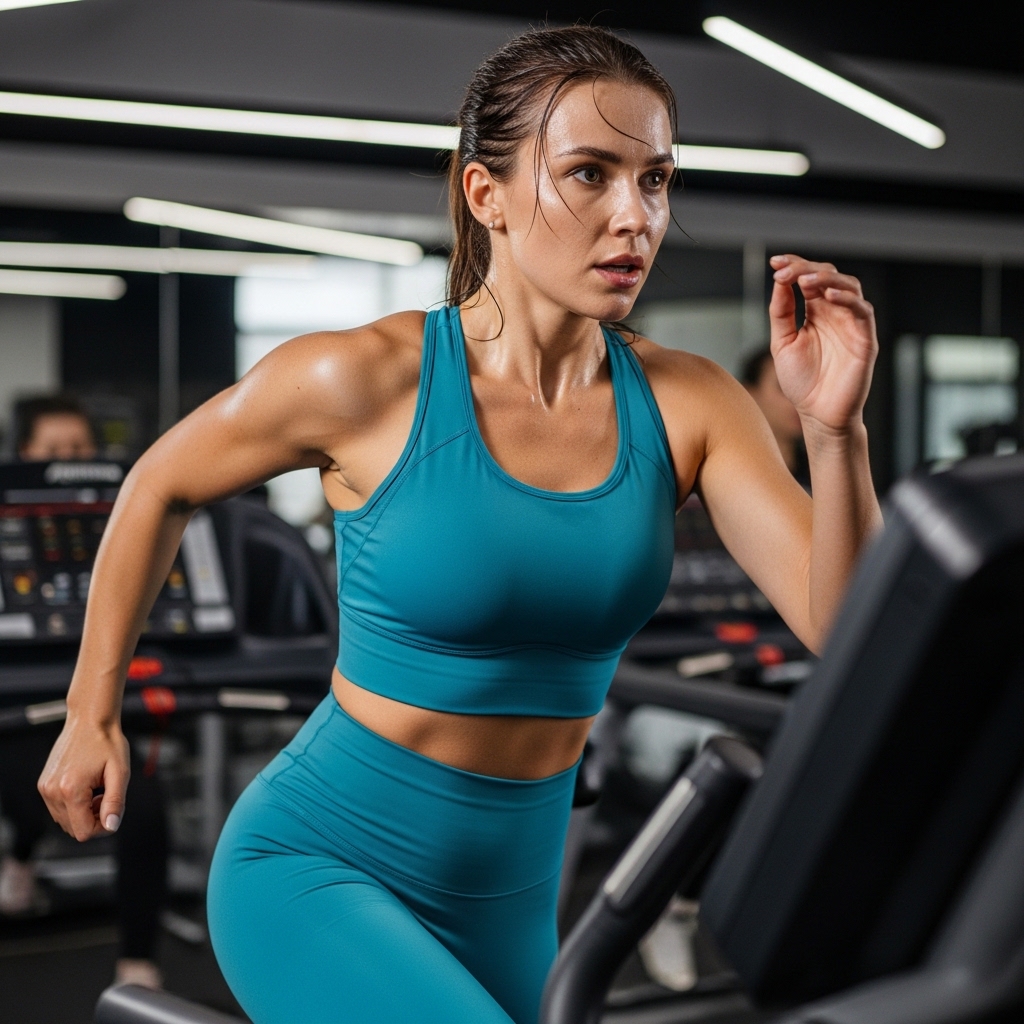
Thermal management during exercise directly affects performance output and cardiovascular strain. When core temperature rises beyond optimal range, the body diverts blood flow to the skin for cooling, reducing oxygen delivery to working muscles. This process elevates perceived exertion at any given workload, effectively reducing the training intensity a professional can sustain. Clothing that traps heat accelerates this cascade.
Moisture-wicking fabrics address this by drawing sweat away from the skin surface, facilitating evaporative cooling. Research from the American College of Sports Medicine has examined the relationship between thermal comfort and sustained exercise intensity, confirming that athletes in moisture-managing fabrics maintain higher output at equivalent cardiovascular load. For women engaged in high-intensity interval training or metabolic conditioning, this difference in sustainable intensity compounds over time.
The longevity implication connects directly to VO2 max — the maximum rate at which the body consumes oxygen during exercise. VO2 max is among the strongest predictors of cardiovascular longevity and all-cause mortality in adult populations. Training intensity drives VO2 max adaptation. Apparel that limits thermal efficiency therefore indirectly suppresses the cardiovascular stimulus needed to maintain and improve aerobic capacity across the decades.
Fabric Composition and Skin Barrier Integrity
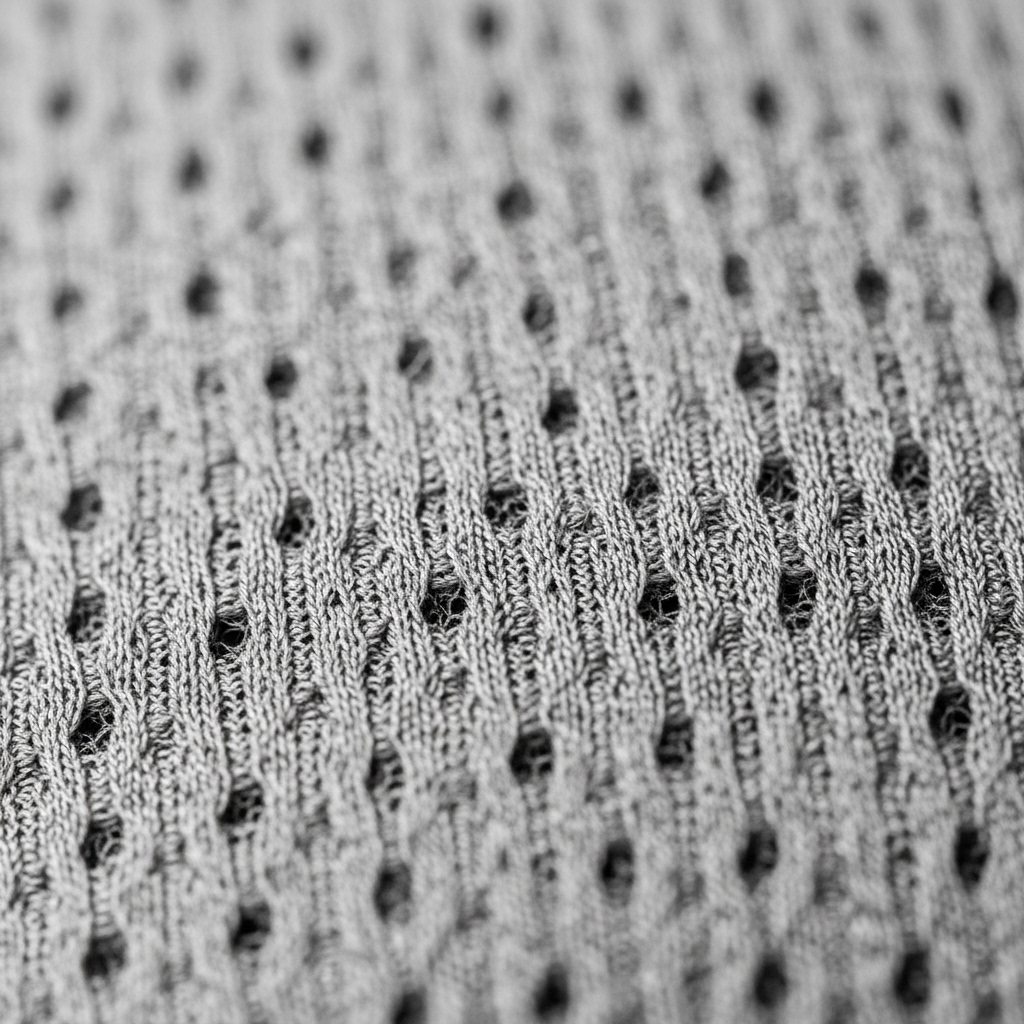
The skin constitutes the body's primary barrier against environmental pathogens and mechanical stress. During exercise, elevated skin temperature and moisture create conditions that increase microbial proliferation and inflammatory skin responses. Synthetic fabrics with poor antimicrobial properties contribute to folliculitis, contact dermatitis, and chronic low-grade skin inflammation. These are not cosmetic concerns — chronic cutaneous inflammation activates systemic inflammatory pathways.
Elevated circulating inflammatory markers, including interleukin-6 and C-reactive protein, have established associations with cardiovascular disease risk and accelerated biological aging. Research from the National Institutes of Health confirms the bidirectional relationship between systemic inflammation and metabolic dysfunction. Minimizing unnecessary inflammatory triggers — including those introduced through poor fabric choice — aligns with the broader strategy of reducing cumulative inflammatory load.
Fabrics with antimicrobial silver ion technology or natural moisture-regulating properties like merino wool blends offer functional advantages beyond basic comfort. They reduce the dermatological burden of frequent high-intensity training without compromising performance characteristics. For professional women training five or more sessions per week, skin barrier management becomes a routine rather than an afterthought.
READ ALSO: Trauma-Sensitive Mindfulness: Healing Through Presence
Waistband Design and Intra-Abdominal Pressure
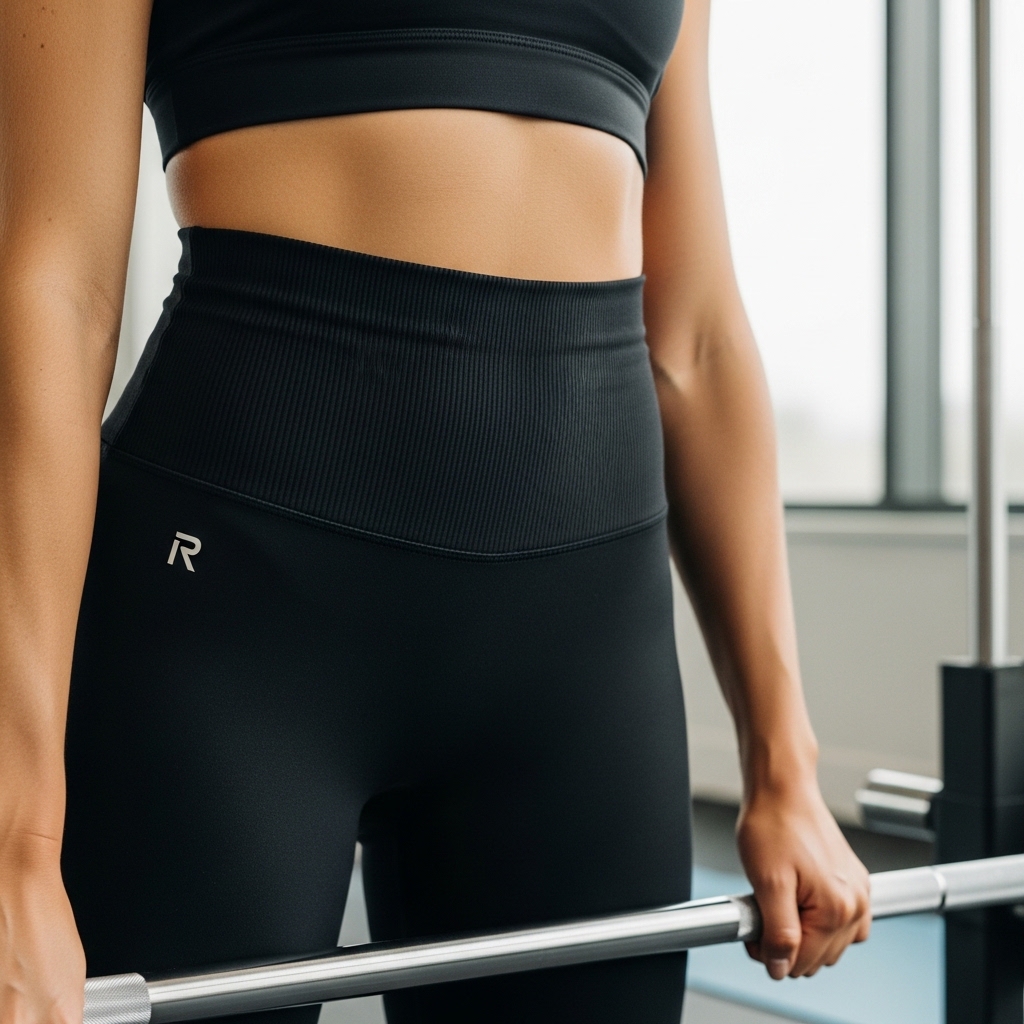
Waistband architecture directly influences intra-abdominal pressure management during resistance training. High-rise, wide-band designs support the natural bracing pattern of the core by providing circumferential feedback to the transverse abdominis. This external cue assists in maintaining proper intra-abdominal pressure, particularly during loaded exercises like deadlifts, overhead presses, and loaded carries.
Conversely, narrow or poorly positioned waistbands can disrupt core engagement by creating mechanical discomfort that diverts neural attention away from the working muscles. The result is a reduction in effective bracing, increased lumbar loading, and elevated injury risk over time. For professional women managing high training volumes alongside sedentary desk work, the compounding effect on lumbar health is clinically relevant.
Intra-abdominal pressure also interfaces with pelvic floor function — a dimension of women's performance physiology that receives insufficient attention in general fitness discourse. Garments that support rather than compress the pelvic region contribute to better pressure management during high-impact and heavy lifting activities. This reduces the performance limitations and long-term dysfunction risks associated with pelvic floor dysregulation in the active female population.
Joint Support and Injury Risk Reduction
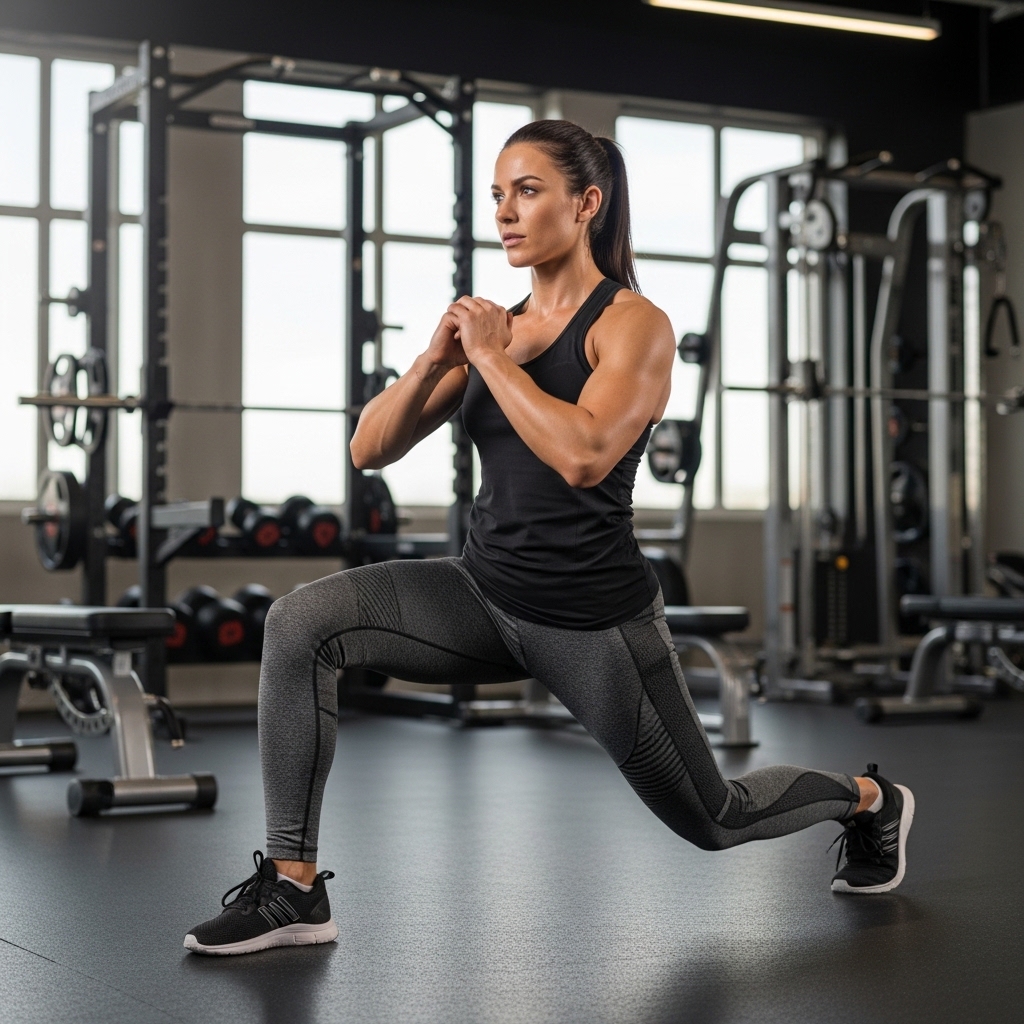
Musculoskeletal injury represents one of the most significant barriers to consistent long-term training in women over 35. Inconsistent training, driven by repetitive injury cycles, directly undermines the progressive overload needed for musculoskeletal adaptation and metabolic health. Apparel that incorporates targeted compression panels at the knee and hip can reduce joint oscillation during dynamic movements, lowering the mechanical stress placed on connective tissues.
Research in sports medicine has documented that graduated compression around the knee joint reduces perceived joint instability during lateral movement patterns. This finding has particular relevance for strength training, running, and court-based exercise. Reduced instability perception allows women to train with greater confidence and load, supporting the progressive resistance stimulus necessary for muscle maintenance.
The connection to long-term joint health and cartilage preservation is also supported by biomechanical research indicating that movement quality. Over a training career spanning decades, this difference in cumulative joint load carries meaningful implications for mobility, pain-free movement, and exercise adherence.
READ ALSO: Mindfulness Practices for Burnout: Simple Ways to Recover
Psychological Performance and the Enclothed Cognition Effect
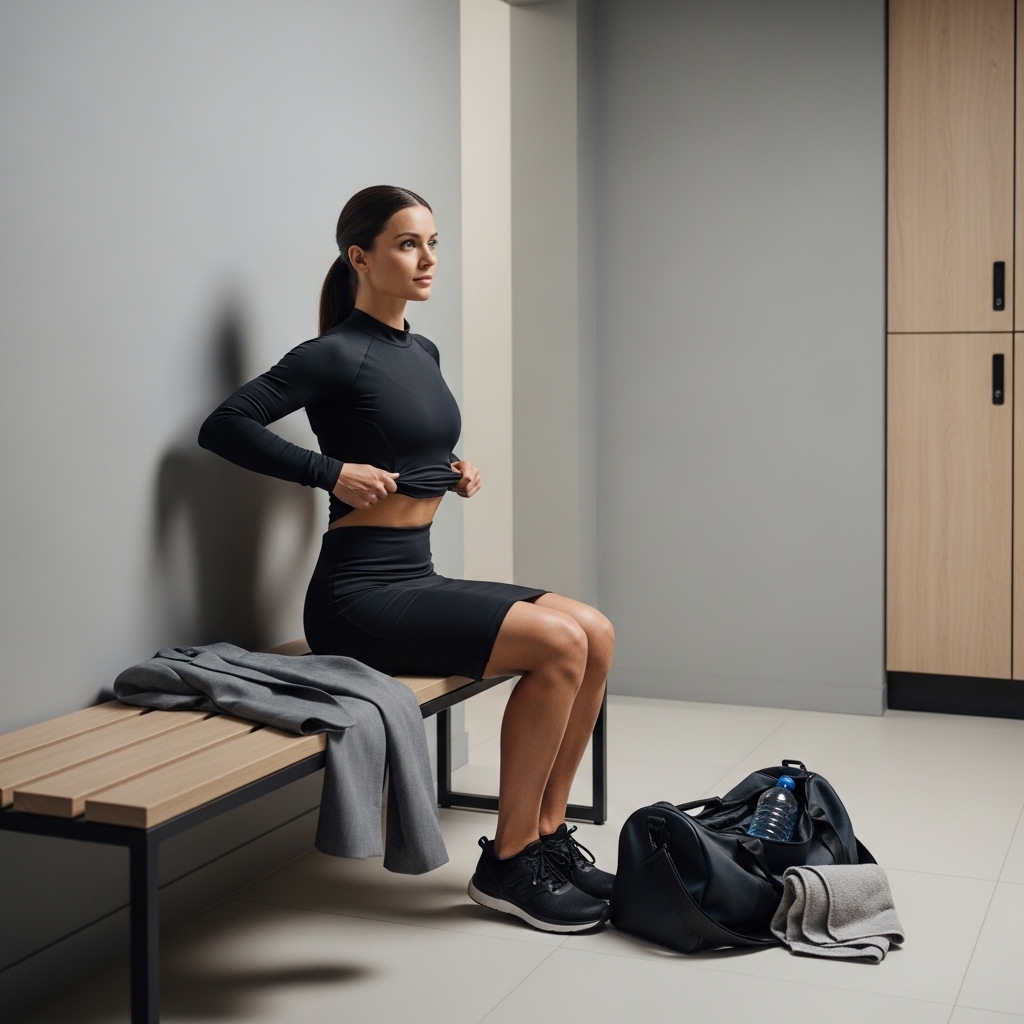
The relationship between clothing and cognitive performance extends beyond comfort into measurable psychological territory. Research published in the Journal of Experimental Social Psychology introduced the concept of enclothed cognition — the systematic influence that wearing specific garments has on psychological processes and task performance. The studies demonstrated that clothing associated with focused, professional activity enhanced attention, precision, and persistence on cognitive tasks.
Applied to athletic performance, this finding suggests that wearing purpose-designed, high-quality training apparel activates performance-oriented cognitive schemas. The professional woman who changes into functional training gear signals to her own nervous system that focused effort is expected. This priming effect on attention and effort allocation is not trivial — it operates through the same dopaminergic and prefrontal mechanisms that govern goal-directed behavior.
For executives and founders who train under significant time pressure, the psychological readiness that purposeful apparel supports translates into more efficient training sessions. The cognitive overhead of poorly functioning garments represents a small but real drag on training effectiveness that compounds across hundreds of sessions.
Bra Support and Thoracic Movement Mechanics
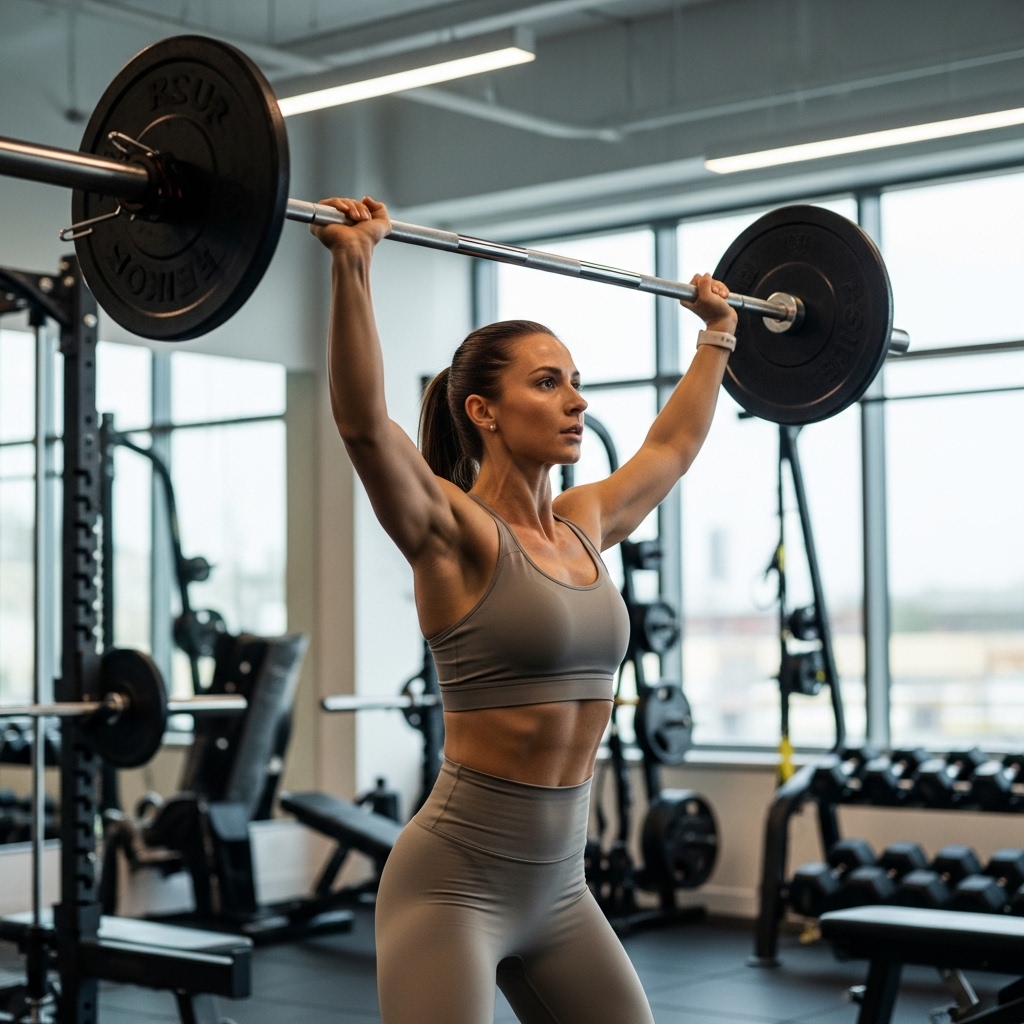
Breast support during exercise influences thoracic mobility, breathing mechanics, and shoulder girdle function in ways that most performance frameworks overlook. Inadequate support forces compensatory postural adjustments — typically anterior shoulder rounding and thoracic flexion — that limit overhead mobility and reduce the efficiency of breathing mechanics under load. Research from the University of Portsmouth's Research Group in Breast Health has documented the biomechanical consequences of inadequate breast support during various exercise modalities.
Restricted thoracic mobility directly affects the quality of upper body training. Movements including pull-ups, overhead pressing, and rowing require full scapular range of motion and adequate thoracic extension. When compensatory posture driven by inadequate support limits this range, training effectiveness declines and injury risk at the shoulder girdle increases. These mechanical inefficiencies accumulate over time, contributing to chronic upper body dysfunction in active women.
Breathing mechanics under load also connect to cardiovascular efficiency. Restricted thoracic expansion reduces tidal volume during high-intensity intervals, limiting oxygen delivery to muscles and elevating cardiovascular strain. A well-fitted, high-performance sports bra that distributes load without compressing the thorax supports optimal breathing patterns across all exercise intensities. This is a functional performance variable, not an aesthetic one.
Seam Placement and Movement Efficiency
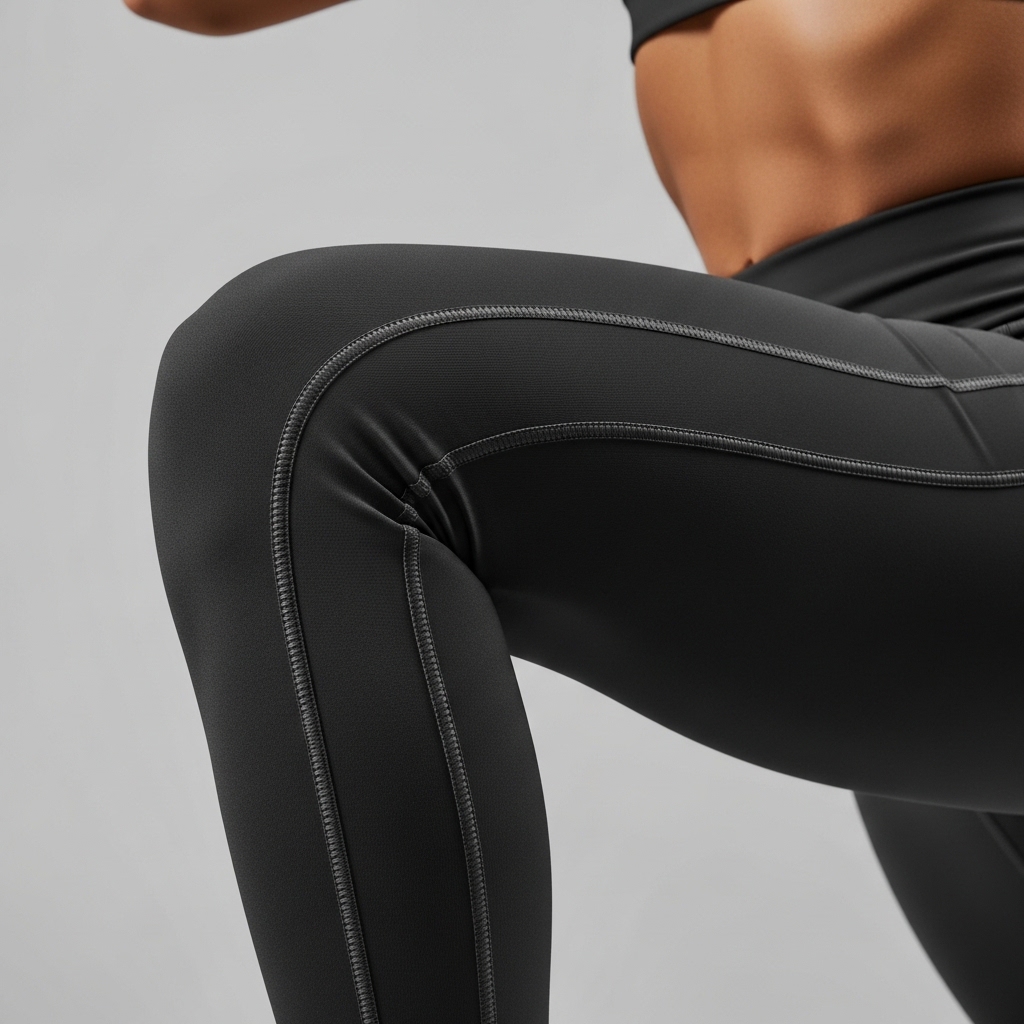
Seam placement within training garments creates friction points that distract sensorimotor attention and limit range of motion during specific movement planes. Flat-lock seams positioned along high-contact areas — inner thigh, underarm, and lumbar regions — reduce the mechanical interference that standard seam construction introduces during loaded movement. The reduction in friction-driven distraction preserves full attentional focus on motor task execution.
Movement efficiency in resistance training depends on the ability to express full, unimpeded range of motion in each exercise pattern. While the individual impact of each repetition appears minor, the aggregate effect on movement quality across a training program is measurable.
Seam design also affects compression gradient consistency. Irregular seam placement disrupts the even distribution of compressive force that graduated compression garments rely on to enhance proprioceptive feedback. A garment that compresses inconsistently produces inconsistent sensory signaling, which undermines the neuromuscular activation benefits associated with compression technology. Precision in construction is therefore a functional performance specification.
READ ALSO: Mindfulness Practices for Mental Well-Being You Need
Layering Strategy and Cortisol Response

Thermal stress during exercise activates the hypothalamic-pituitary-adrenal axis, driving cortisol release as part of the body's regulatory response to physiological strain. Excessive thermal load — produced either by overheating during training or by transitioning rapidly from intense exercise to cold environments — amplifies the cortisol response beyond what the training stimulus alone would produce. This elevated post-exercise cortisol output delays recovery and impairs the anabolic signaling needed for muscle adaptation.
Strategic layering addresses this by enabling precise thermal management across the full arc of a training session. Mid-layers removed at peak intensity and replaced during cooldown phases reduce the thermal stress gradient that drives excessive cortisol elevation.
For professional women training in the morning — a window when cortisol naturally peaks as part of the circadian rhythm — thermal management during exercise carries additional significance. Amplifying an already elevated cortisol profile through excessive thermal stress can suppress immune function, disrupt glucose regulation, and increase protein catabolism. A simple layering strategy, informed by physiological principles rather than fashion preference, represents a low-cost intervention for optimizing hormonal recovery.
Durability, Elasticity Degradation, and Performance Drift
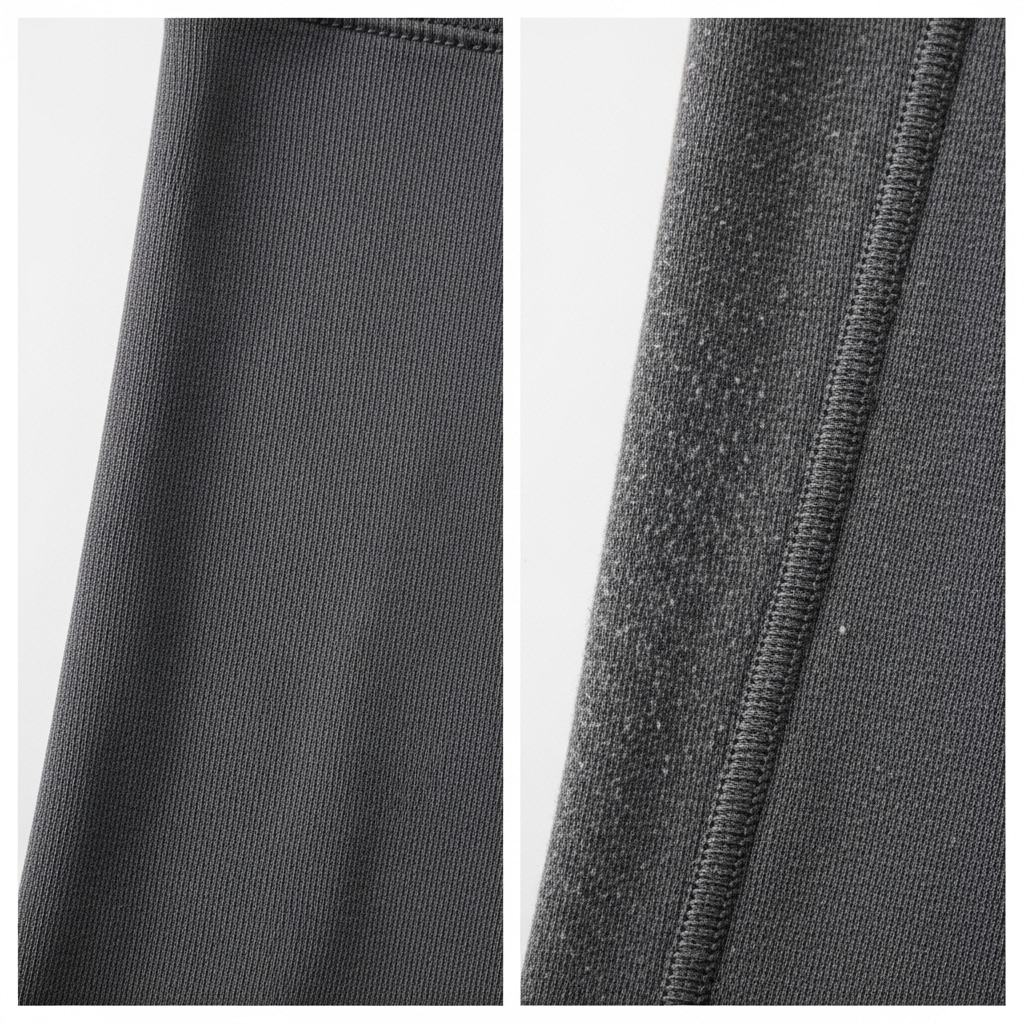
Garment performance degrades with use. The elastic properties of compression fabrics decline after repeated washing and mechanical stress, reducing the graduated pressure gradient that drives neuromuscular and circulatory benefits. A legging that provided measurable compression support when new may deliver significantly less compressive force after sixty wash cycles. This performance drift is rarely acknowledged in general fitness contexts but carries direct implications for training consistency.
Research on textile engineering has documented the degradation curves of common synthetic elastic blends under standard laundering conditions. High-quality fabrics with higher spandex-to-nylon ratios and reinforced weave structures retain compressive integrity significantly longer than lower-grade alternatives. For professional women investing in long-term training consistency, fabric quality functions as a cost-per-performance variable, not simply a luxury preference.
The practical implication is that periodic replacement of core training garments should be treated as a maintenance variable in a structured training program. A garment that no longer delivers its design function actively degrades the training environment it was selected to enhance. Treating apparel quality as a performance input — subject to the same evidence-based scrutiny applied to nutrition, sleep, and programming — reflects the precision standard that consistent long-term performance requires.
Evidence-Based Options for Apparel Selection in Practice
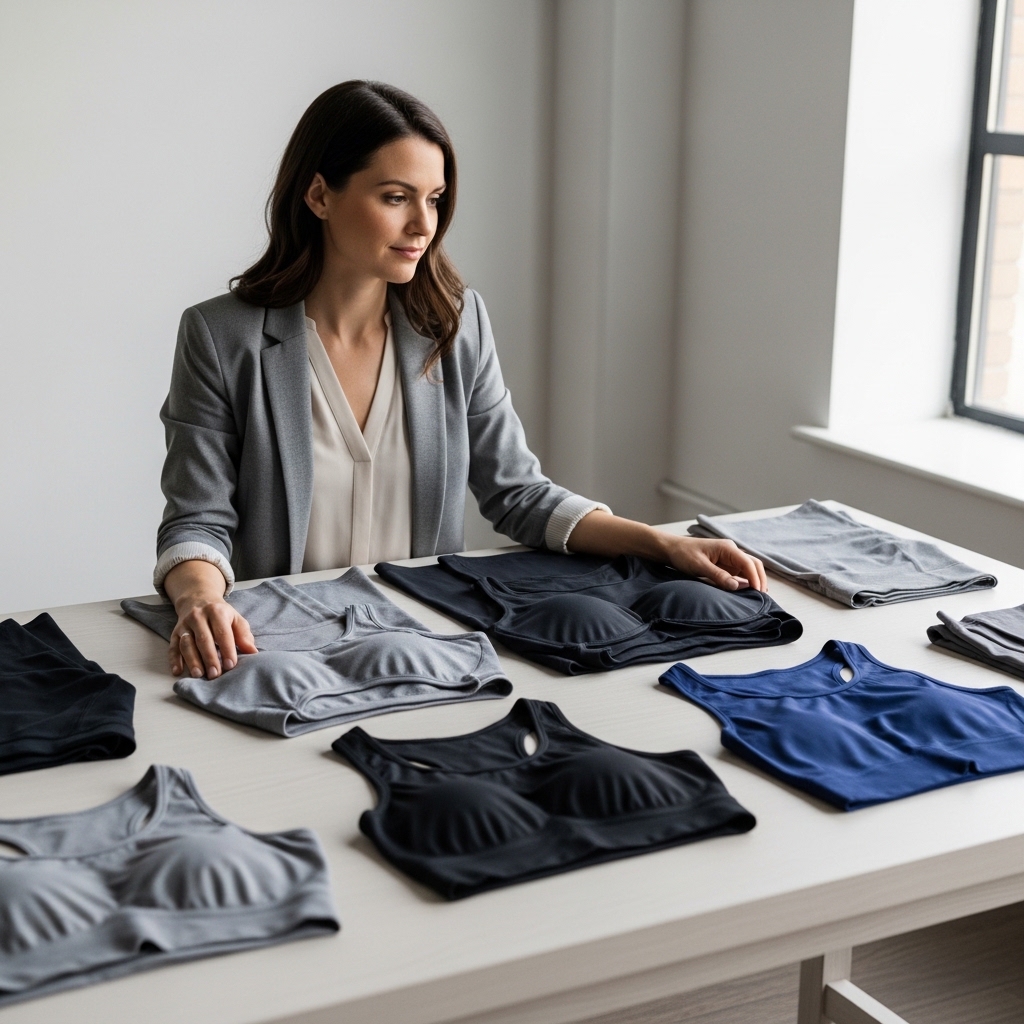
The evidence presented here points toward several functional criteria for evaluating training apparel as a performance variable. Selecting compression garments with documented graduated pressure specifications supports neuromuscular activation and joint stability across resistance and cardiovascular training modalities. Prioritizing moisture-wicking, antimicrobial fabrics reduces inflammatory skin burden and supports thermal efficiency during high-intensity work. Replacing garments when elasticity degradation becomes apparent maintains the compressive performance specification the garment was selected to deliver. These criteria, applied systematically, position apparel selection within a performance optimization framework consistent with the precision standards that longevity-focused training demands.</p>
UP NEXT: Daily Breathwork and Mindfulness Practice Restore Cognitive Function and Eliminate Brain Fog
Functionally inadequate training apparel compounds the biological cost of exercise by amplifying movement compensation patterns, elevating cortisol output beyond the training stimulus, and suppressing the neuromuscular activation needed to preserve muscle mass — each of which directly accelerates the metabolic and structural aging variables that determine biological age in active women over 35. WholeLiving's Biological Age Estimation Model incorporates this factor directly — your assessment takes under five minutes.
Ready to understand how these factors are influencing your biological age right now? [Take the Biological Age Assessment →]