

Pizza cravings are not a discipline problem — they are a neurochemical signal that, left unaddressed, drives repeated high-glycemic, low-protein food choices with measurable metabolic consequences. For professionals managing sustained cortisol load, each refined-carbohydrate snacking episode compounds postprandial glucose dysregulation, accelerating insulin resistance and advancing biological age through epigenetic mechanisms now traceable via methylation-based clocks. The question is not whether to satisfy the craving — suppression without substitution is physiologically unsustainable — but how to redirect it toward healthy protein snacks for pizza lovers that replicate the sensory reward while protecting the metabolic and cognitive variables that determine long-term executive performance.
Why Pizza Cravings Resist Willpower-Based Approaches
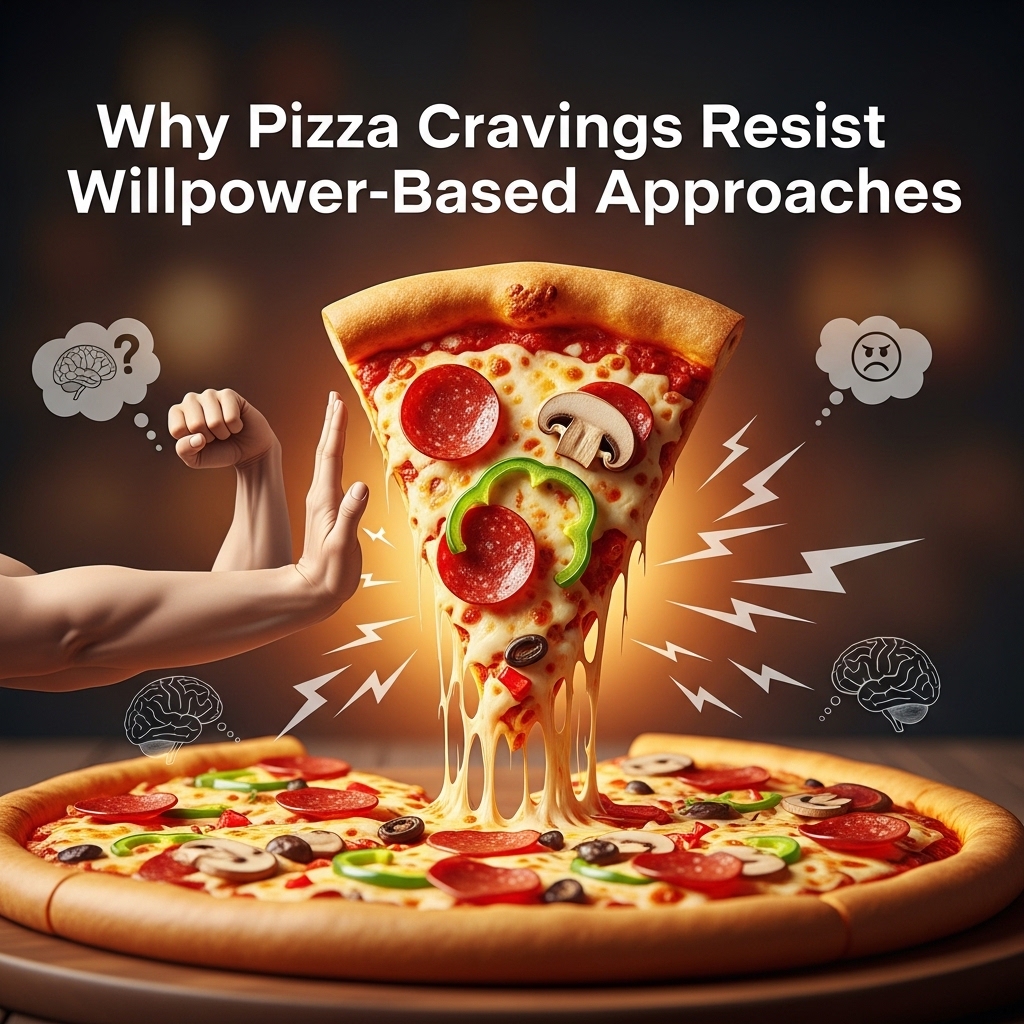
Pizza cravings are not a discipline problem. Instead, they are a neurobiological one. Pizza combines glutamate-rich tomato, fatty cheese, and salt in a way that strongly activates dopamine reward pathways.
Researchers at the University of Michigan, using the Yale Food Addiction Scale, identified pizza as one of the most commonly cited hyperpalatable foods linked to compulsive eating. As a result, its sensory profile hits multiple reward circuits at once.
Chronic cortisol elevation makes this worse. Specifically, stress-driven cortisol increases appetite signals toward high-fat, high-salt foods. This makes pizza cravings more frequent and harder to override. Therefore, healthy snacks for pizza lovers work best by matching this sensory profile — not by denying it.
The Metabolic Cost of Conventional Pizza Snacking
Refined flour is the primary metabolic liability in conventional pizza. It delivers glucose rapidly into the bloodstream. As a result, this produces blood sugar spikes that raise insulin and inflammatory markers.
Research in the American Journal of Clinical Nutrition shows that high glycemic meals elevate interleukin-6 and C-reactive protein — two markers tied directly to biological age acceleration and cardiovascular risk.
For professionals aged 35 to 60, this matters at a cellular level. Over time, chronic post-meal inflammation drives endothelial dysfunction and insulin resistance. Both are measurable through biomarkers including high-sensitivity C-reactive protein. Consequently, restructuring the pizza snack around protein and low glycemic load directly reduces this burden.
Healthy Snacks for Pizza Lovers: The Sensory Replication Principle
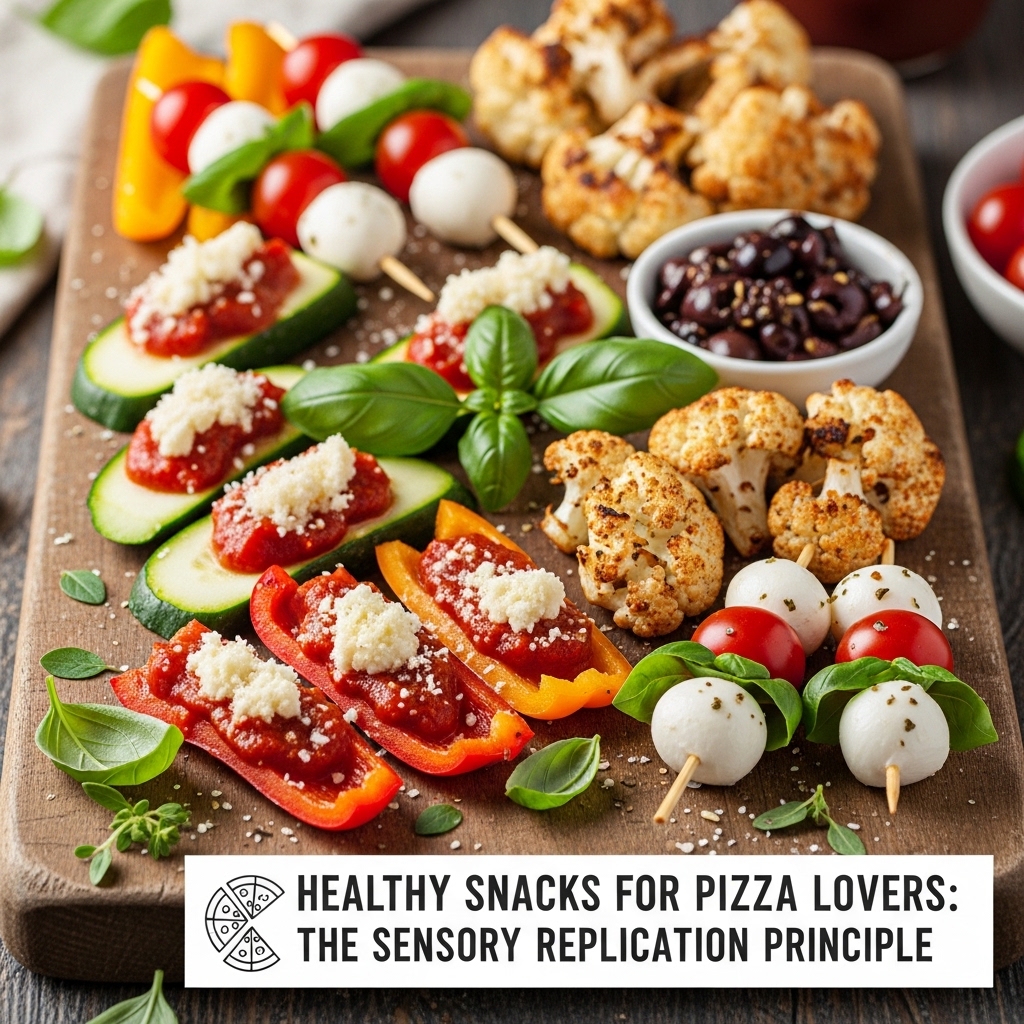
The core strategy for healthy snacks for pizza lovers is sensory replication. Specifically, pizza's appeal comes from three dominant signals: umami depth from tomato and aged cheese, fat-driven texture from mozzarella, and salt intensity from cured toppings.
Replicating these in protein-dense, low-glycemic formats satisfies the craving without the metabolic cost.
Appetite research supports this approach. Sensory-specific satiety — the brain's way of registering satisfaction from a flavor — responds to sensory match, not caloric content. Therefore, a snack that delivers the umami-fat-salt combination of pizza can resolve the craving even when its nutritional profile differs from the original.
Portobello Mushroom Caps as a Low-Glycemic Pizza Base
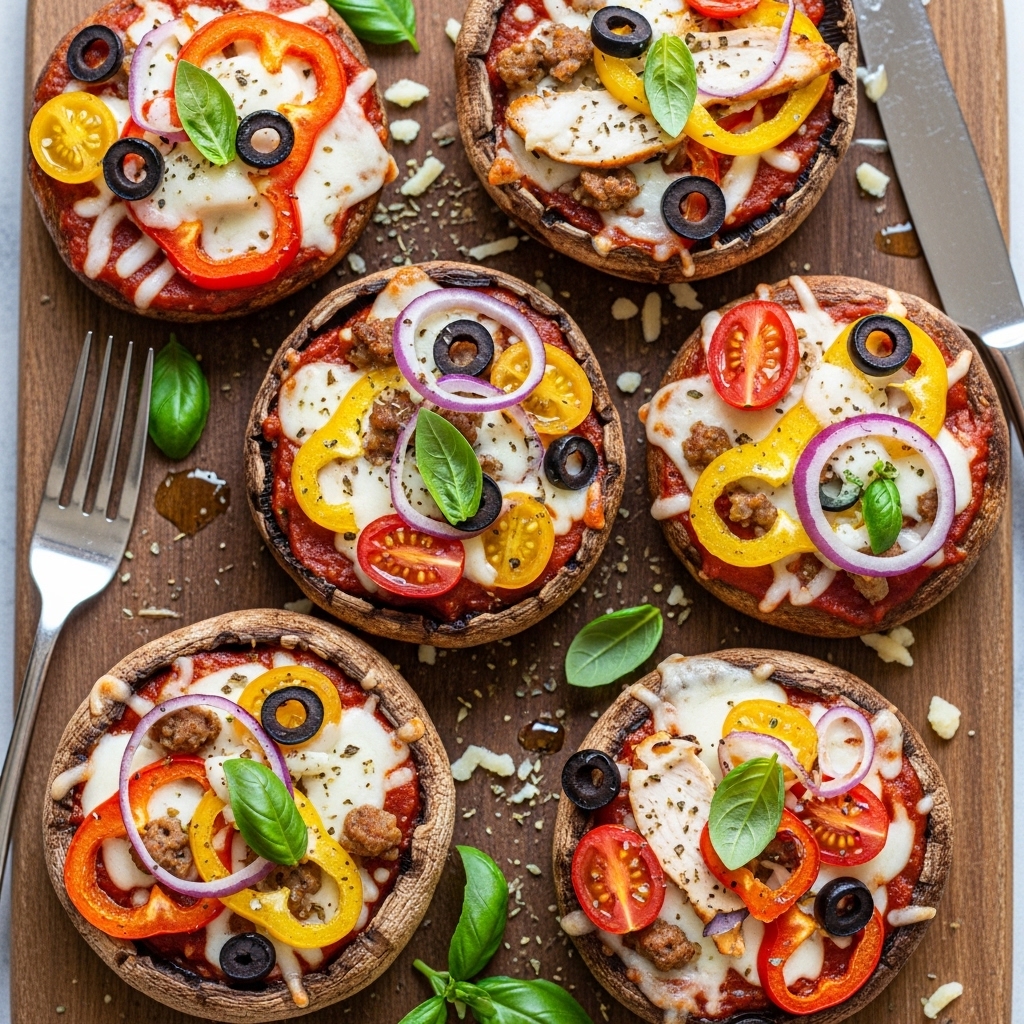
Portobello mushroom caps are the most direct structural swap for pizza crust. They provide a meaty, umami-rich base with no refined carbohydrate. In addition, they contain ergothioneine, an antioxidant linked to reduced oxidative stress in research published in Food Chemistry.
Their natural glutamates add flavor depth without excess sodium. Furthermore, their fiber content helps stabilize blood glucose after eating.
Loaded with part-skim mozzarella, whole-tomato marinara, and turkey pepperoni or anchovies, mini portobello caps replicate the pizza experience directly. Moreover, they take under ten minutes to prepare. That makes them well suited to professional schedules.
Mozzarella, Tomato, and Olive Oil: The Margherita Protocol
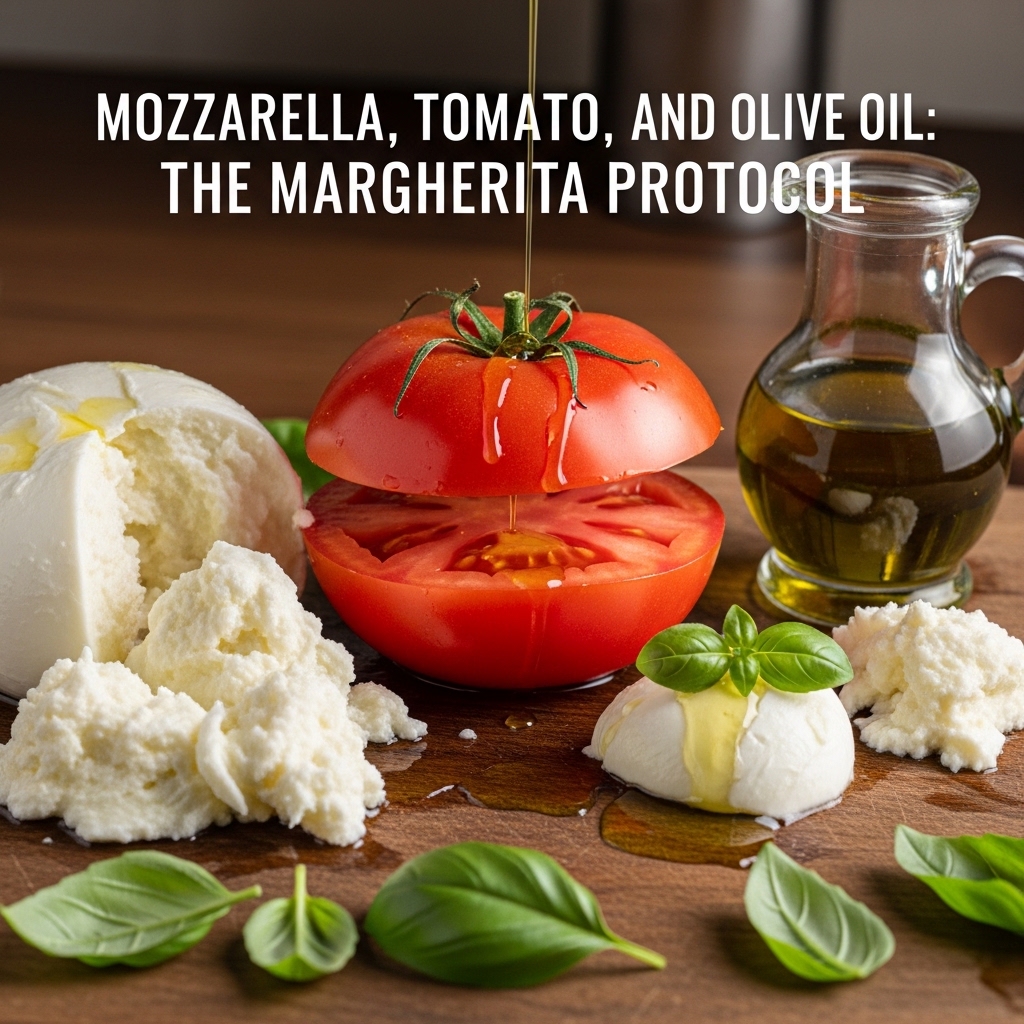
Fresh mozzarella with vine tomatoes and extra virgin olive oil rebuilds the margherita profile precisely. A 100-gram serving of fresh mozzarella delivers around 18 grams of protein. It also provides conjugated linoleic acid, a fatty acid linked to reduced fat buildup and lower inflammation.
Olive oil adds oleic acid — the primary fat in the Mediterranean diet.
The PREDIMED trial, one of the largest nutrition studies conducted, found that olive oil intake reduced major cardiovascular events in a randomized population. In addition, lycopene from tomato absorbs better in the presence of fat. Together, this combination supports both cardiovascular health and inflammatory control.
Ricotta-Based Snacks and Slow-Digesting Protein
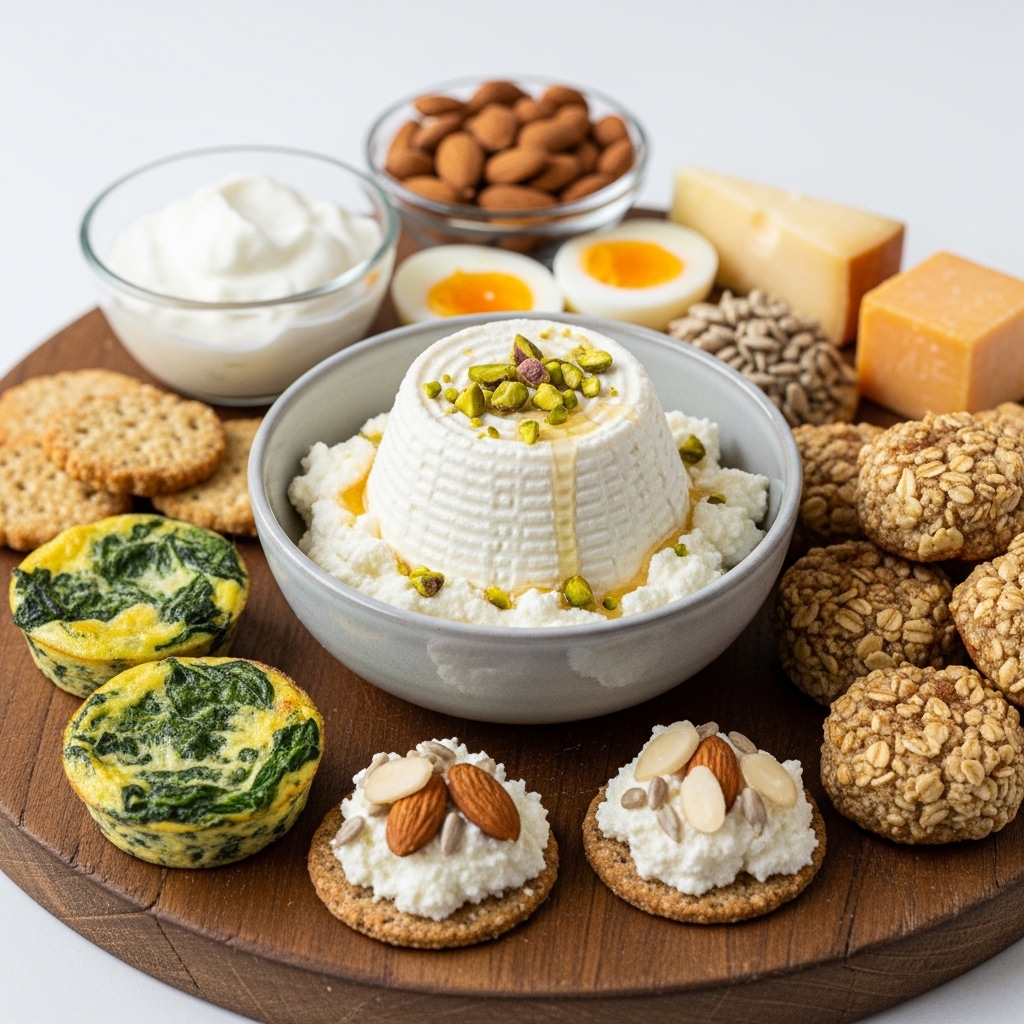
Ricotta is casein-dominant. As a result, it digests slowly, releasing amino acids into the bloodstream over several hours. This supports appetite control across long work blocks. Whole-milk ricotta on endive leaves, topped with sun-dried tomato, fresh basil, and pine nuts, replicates white pizza flavor with strong protein delivery and minimal blood sugar impact.
Beyond appetite control, casein's slow-release profile also supports overnight muscle protein building.
For professionals engaged in resistance training or managing lean mass, ricotta-based snacks eaten in the early evening therefore serve a functional role beyond simple hunger management.
Turkey Pepperoni and the Spice Architecture of Pizza
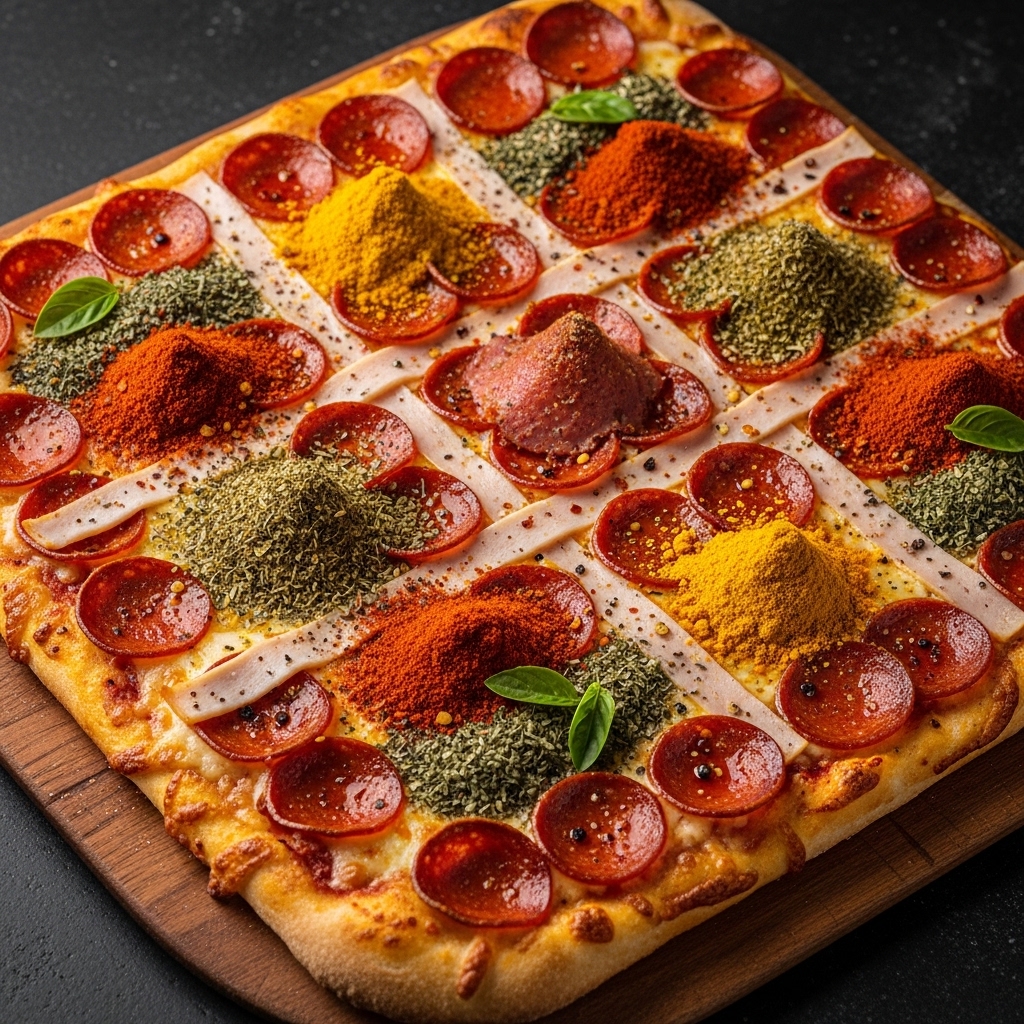
Pepperoni's appeal is specific. It combines salt, fat, and glutamate compounds from the curing process into a concentrated savory signal. Turkey-based pepperoni preserves this flavor profile while reducing saturated fat load and improving the protein-to-calorie ratio.
On cucumber rounds or zucchini slices, turkey pepperoni becomes a portable snack. Furthermore, adding a small amount of aged parmesan completes the flavor profile.
Parmesan also contributes probiotic compounds through its fermentation process. As a result, these support gut microbiome diversity, a variable linked to metabolic health in research published in Nature Medicine.
READ ALSO: Whole-Wheat Pizza with Artichokes and Pecorino | Whole Living Eat Well
Anchovies, Sardines, and Omega-3 Delivery
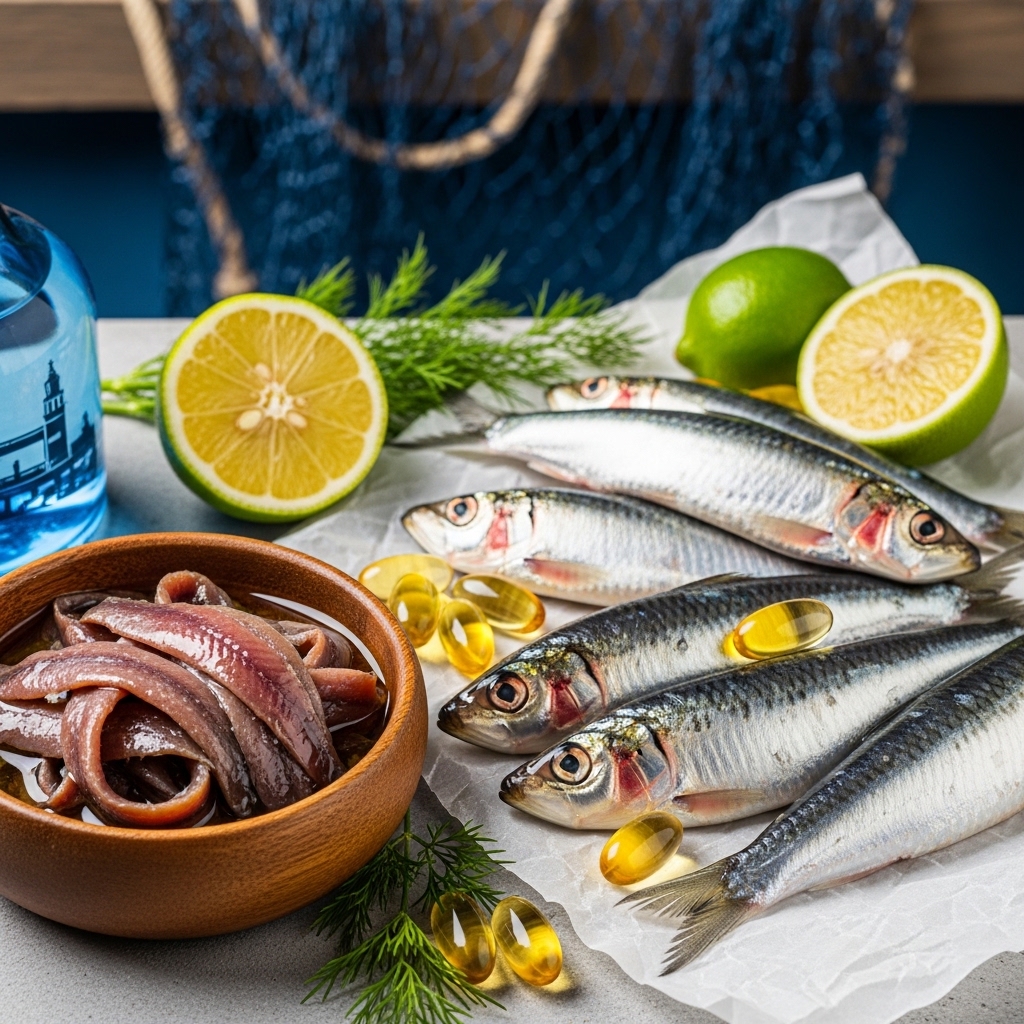
Anchovies appear on traditional pizza for a clear reason. Their intense umami profile adds depth that few other toppings match. In addition, in healthy snack formats, they deliver EPA and DHA — the long-chain omega-3 fats most directly tied to lower triglycerides, reduced inflammation, and vascular protection.
The American Heart Association has documented this cardiovascular benefit extensively. Furthermore, DHA is the dominant structural fat in brain cell membranes.
Adequate intake therefore supports cognitive resilience and neuroprotection across midlife. Consequently, anchovies on cucumber rounds with ricotta and roasted pepper address muscle protein synthesis, inflammatory load, and cognitive performance — all within the flavor range of pizza.
READ ALSO: Lemon-Herb Sardines Salad | Whole Living Eat Well
Egg-Based Formats and Cognitive Neurotransmitter Support
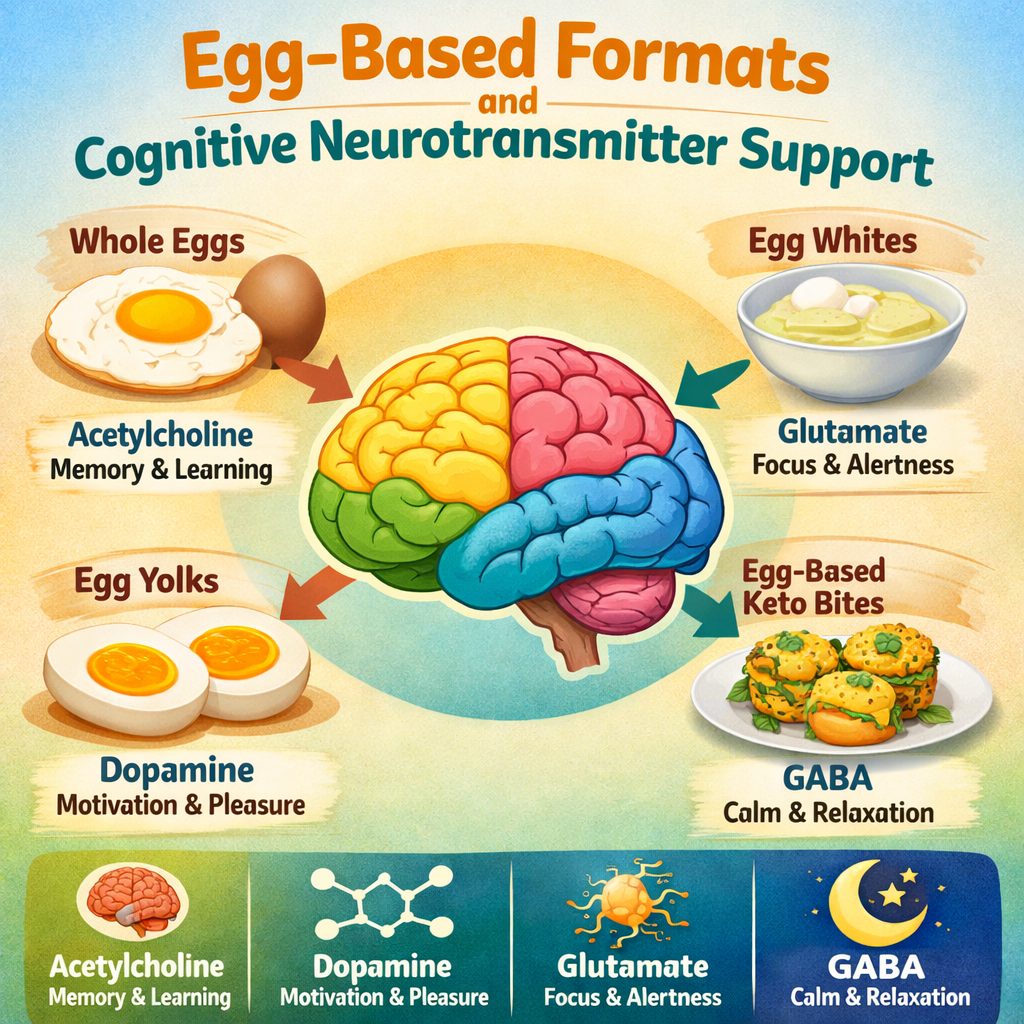
Small frittata bites with mozzarella, roasted tomato, and basil sit clearly within the pizza flavor family. Eggs provide a complete amino acid profile alongside choline — a building block for acetylcholine.
Acetylcholine drives sustained attention, working memory, and executive function. These are, in turn, the cognitive outputs most directly tied to professional performance.
Moreover, research in the American Journal of Clinical Nutrition shows that egg protein produces muscle-building responses equal to whey protein. This makes egg-based snacks a strong option for professionals managing both cognitive output and lean mass at the same time.
Managing Sodium and Inflammatory Load in Pizza-Style Snacks
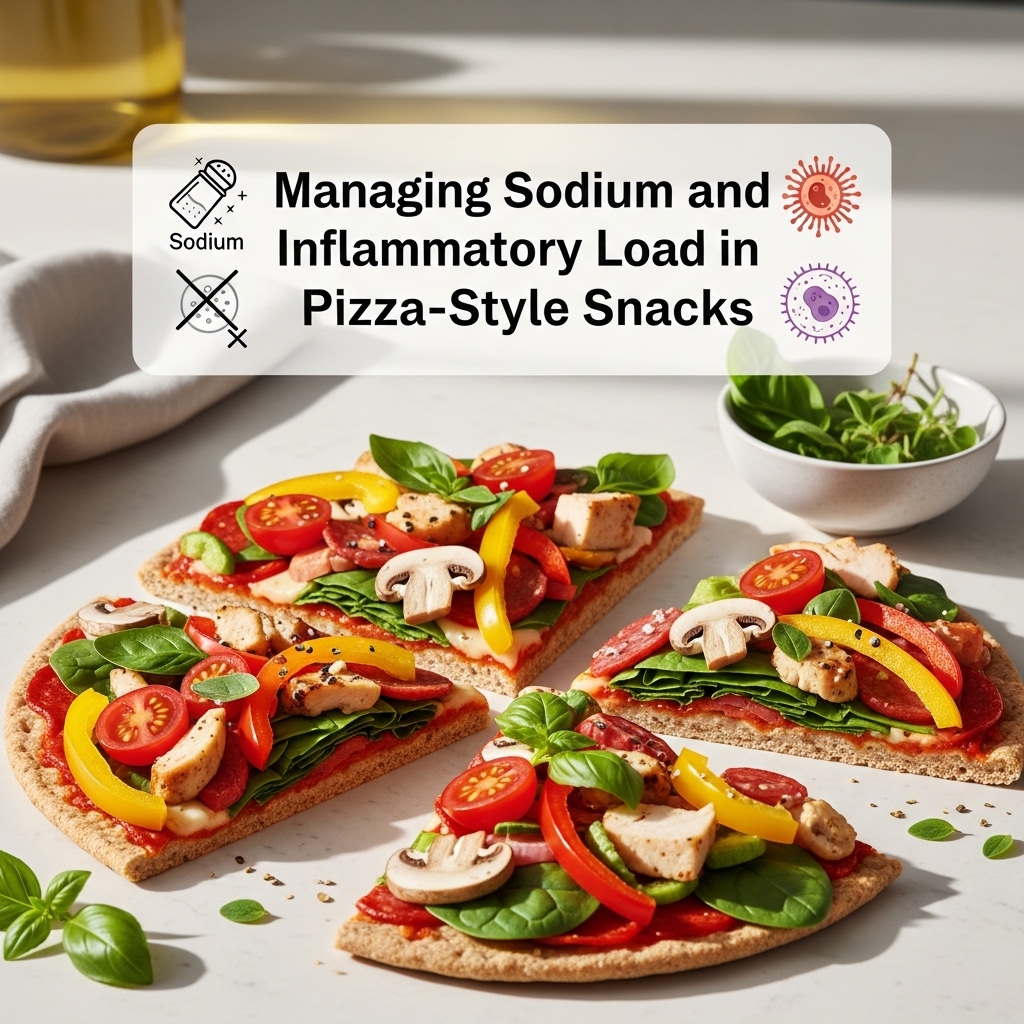
Conventional pizza carries a high sodium load. Over time, high sodium intake contributes to arterial stiffness and elevated blood pressure. Framingham Heart Study data links cumulative sodium exposure to adverse cardiovascular outcomes in midlife populations.
However, healthy snacks for pizza lovers built from whole-food ingredients reduce this risk directly. Fresh mozzarella carries less sodium than processed cheese.
Similarly, whole tomatoes carry less than canned, high-sodium sauce. Fresh herbs replace high-sodium seasoning blends. Together, these swaps preserve flavor while keeping sodium within a range that does not add to vascular risk.
READ ALSO: Pita Pizza- Whole Living Eat Well
The Afternoon Craving Window and Cortisol Physiology
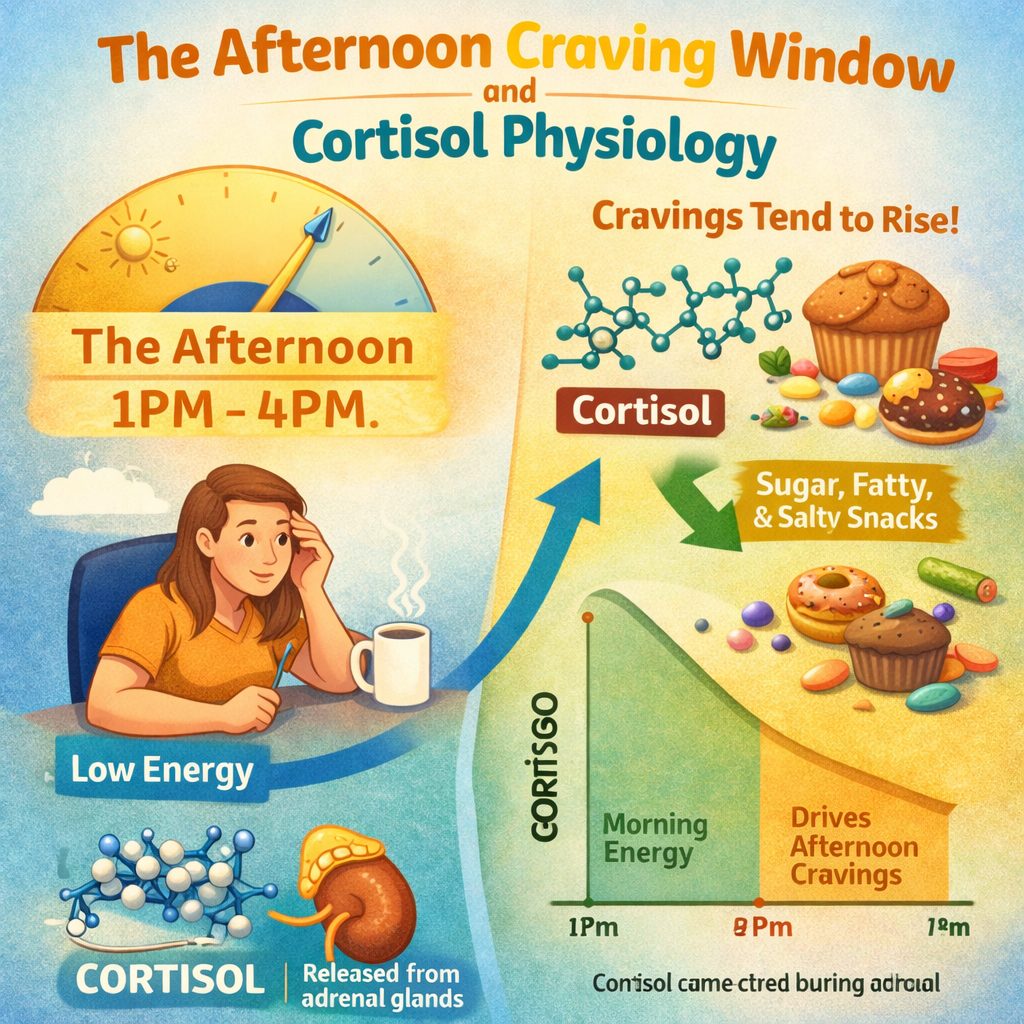
Pizza cravings cluster in the mid-afternoon for a clear physiological reason. Cortisol reaches a secondary daily low between 2:00 and 4:00 PM. Consequently, this reduces prefrontal activity and increases reward-seeking behavior toward high-fat, high-salt foods.
This is not a willpower failure. Rather, it is a circadian pattern documented in research on cortisol and appetite.
Placing a protein-dense, pizza-flavored snack in this window therefore intervenes before reactive food decisions occur. The sensory match resolves the craving signal. In addition, the protein and low glycemic load prevent the blood sugar spike-and-drop that worsens afternoon cognitive decline.
READ ALSO: Cortisol Detox: A Softer Reset for a Frazzled System
Evidence-Based Options for Practical Implementation
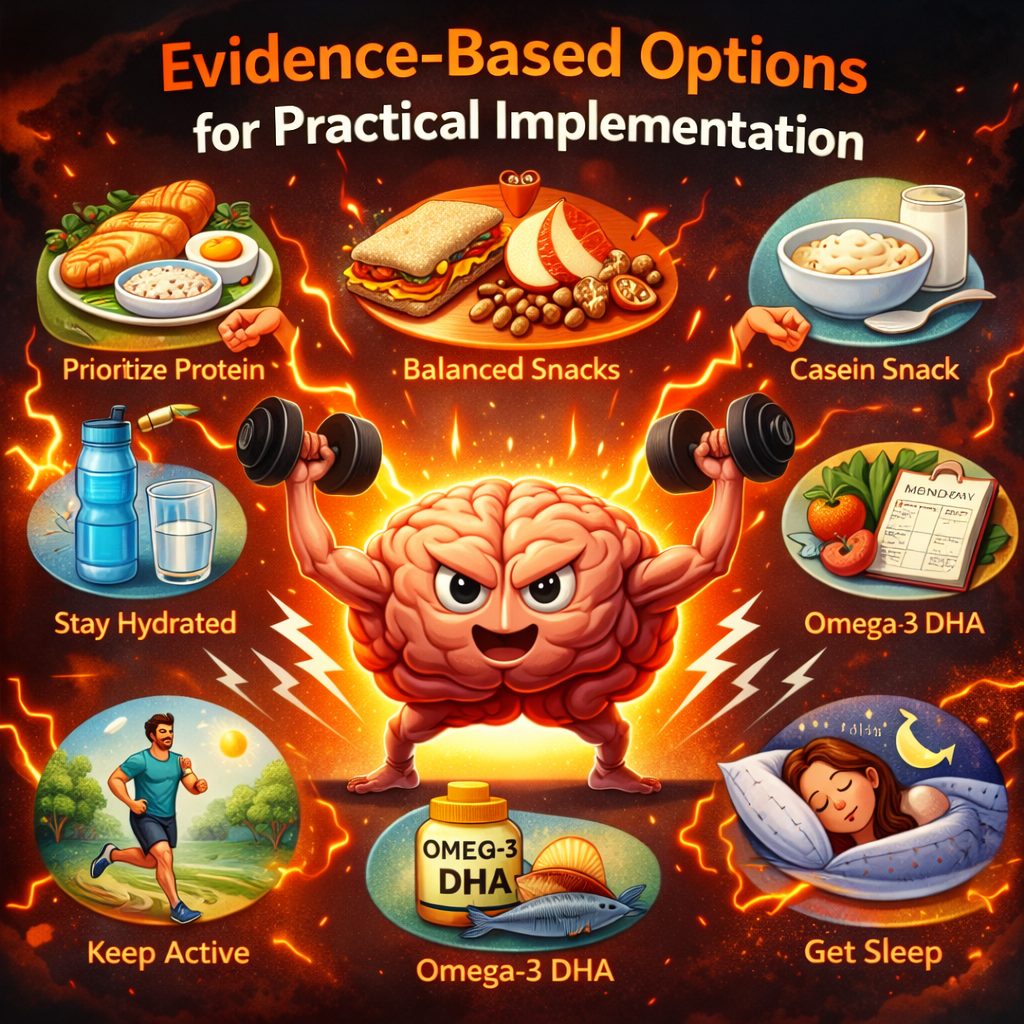
The evidence across appetite neuroscience, metabolic research, and cardiovascular nutrition supports one clear position. Healthy snacks for pizza lovers, built on sensory replication, protein density, and low glycemic load, function as performance behaviors — not dietary compromises.
Professionals acting on this evidence might therefore build a rotation of ready options: portobello pizza bites, mozzarella and tomato plates, ricotta endive cups, anchovy cucumber rounds, or mozzarella frittata bites.
Positioning these within the mid-afternoon cortisol trough removes the conditions where reactive, high-glycemic choices take over. The metabolic and longevity returns are incremental. Compounded consistently, however, they produce meaningful outcomes in biological age management over time.
UP NEXT: Cheap Eating: How to Be Grateful for Affordable Nutrition
How This Affects Your Biological Age
Replacing high-glycemic pizza snacks with protein-dense, low-glycemic alternatives directly reduces postprandial inflammation — one of the most consistently documented dietary drivers of epigenetic age advancement, with poor snacking patterns linked to biological age running three to five years ahead of chronological age in methylation-based clock research. WholeLiving's Biological Age Estimation Model incorporates this factor directly — your assessment takes under five minutes.
Ready to understand how these factors are influencing your biological age right now? [Take the Biological Age Assessment →]