
Nutritional quality — not dietary expenditure — is the primary determinant of metabolic health, inflammatory load, and biological age trajectory. For executives and founders operating across demanding travel schedules, irregular meal timing, and high cognitive output, the assumption that optimal nutrition requires significant financial outlay is both clinically unfounded and operationally limiting. Research consistently demonstrates that the most longevity-relevant dietary patterns — those associated with reduced all-cause mortality, lower systemic inflammation, and favorable insulin sensitivity — center on low-cost whole foods: legumes, eggs, oily fish, root vegetables, and whole grains. Cheap eating, approached with nutritional precision, is not a compromise. It is a clinically defensible strategy.
The False Correlation Between Cost and Nutritional Quality
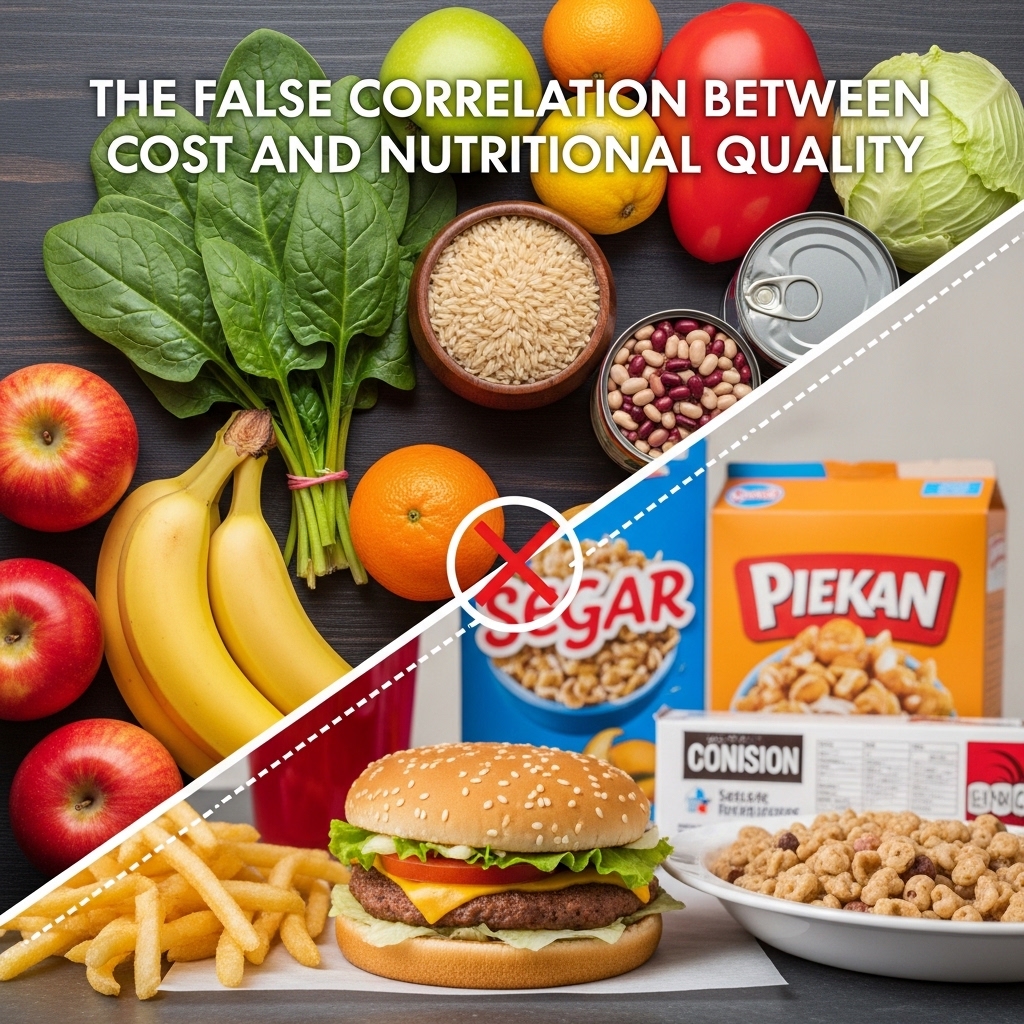
The assumption that dietary quality scales with food expenditure is widespread among high-income professionals — and largely unsupported by nutritional research. Research from the Harvard T.H. Chan School of Public Health found that the healthiest dietary patterns cost only marginally more than the least healthy ones. Furthermore, many of the lowest-cost food categories rank among the most nutrient-dense available.
Legumes, whole grains, eggs, frozen vegetables, and canned oily fish consistently deliver high concentrations of protein, fiber, essential fatty acids, and micronutrients. These foods form the backbone of the Mediterranean and DASH (Dietary Approaches to Stop Hypertension) dietary patterns. Both carry robust evidence for reducing cardiovascular mortality, lowering systemic inflammation, and supporting metabolic health across the lifespan.
The disconnect between perceived and actual nutritional value in cheap eating stems partly from marketing. Premium pricing in the health food sector often reflects branding and retail positioning — not superior nutritional content. A can of sardines delivers more omega-3 fatty acids and usable protein than many premium protein supplements, at a fraction of the cost.
Legumes: High-Value Protein at Minimal Cost
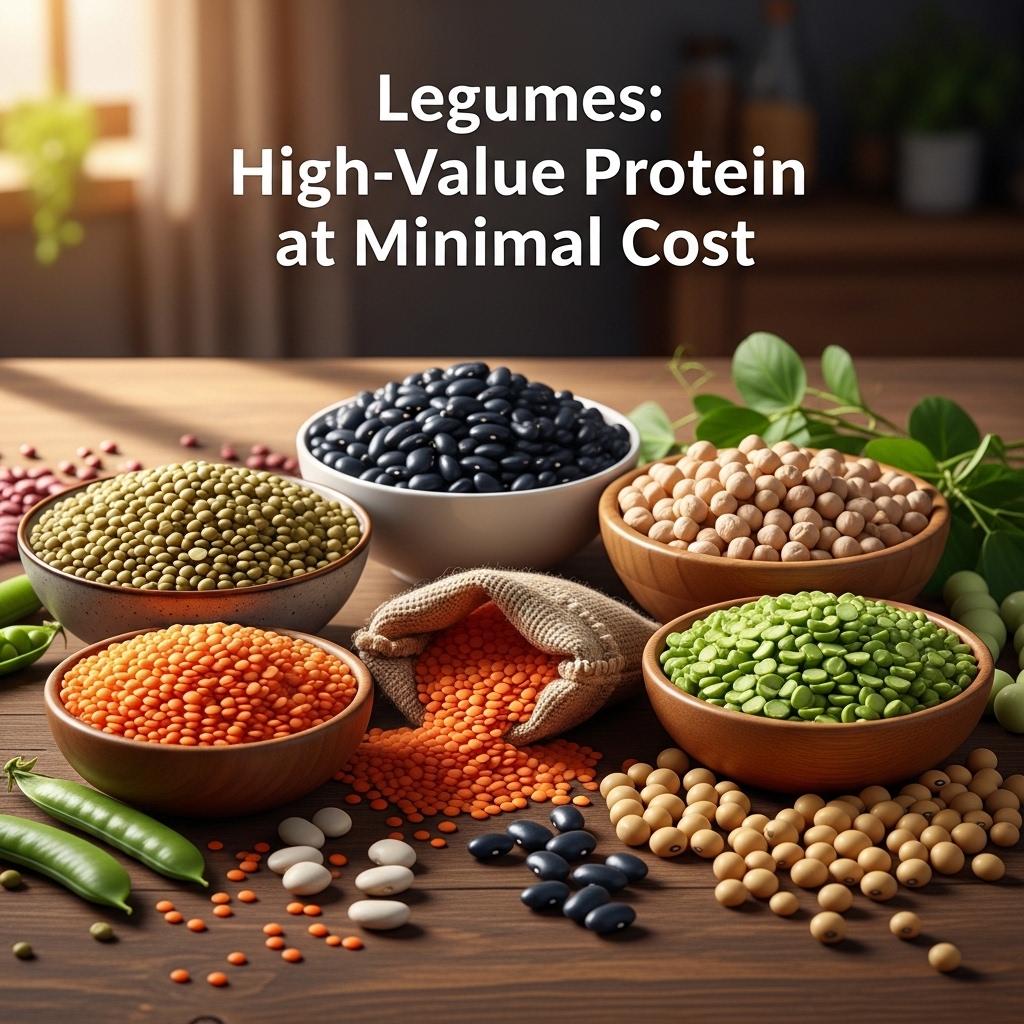
Legumes — including lentils, chickpeas, black beans, and kidney beans — are among the most clinically well-supported foods in longevity nutrition. They are also among the cheapest foods available. They deliver plant protein, soluble fiber, resistant starch, and micronutrients that few other foods match at any price point. Their glycemic index is consistently low, producing gradual rather than sharp rises in blood glucose.
Blue Zones research — longitudinal studies of the world's longest-lived populations — identifies legume consumption as one of the few dietary variables shared across all five longevity hotspots. Populations in Sardinia, Okinawa, Loma Linda, Nicoya, and Ikaria all consume legumes as a dietary staple. The link between regular legume intake and reduced all-cause mortality has been replicated across multiple independent population studies.
The metabolic case for legumes is strong. Their soluble fiber supports gut microbiome diversity, reduces LDL cholesterol, and improves insulin sensitivity. Their resistant starch feeds short-chain fatty acid (SCFA)-producing bacteria in the colon. These bacteria produce compounds with documented anti-inflammatory and metabolic effects. For cheap eating to support longevity outcomes, legumes are among the highest-leverage foods available.
Eggs: Usable Protein and Cognitive Nutrient Density

Eggs rank among the most nutrient-dense and cost-effective whole foods available. A single large egg delivers complete protein, fat-soluble vitamins including vitamins A, D, E, and K, and meaningful concentrations of choline — a nutrient critical for brain function and acetylcholine production. Choline is under-consumed in Western diets. Deficiency links to cognitive decline and liver dysfunction.
The historical concern around egg consumption and cardiovascular risk has been substantially revised. Research published in the British Medical Journal and reviewed by the American Heart Association indicates that moderate egg consumption does not significantly raise cardiovascular risk in healthy individuals. The broader dietary pattern matters far more than isolated egg intake.
For professionals managing cognitive output and muscle protein synthesis simultaneously, eggs offer an efficient and inexpensive nutritional tool. Their leucine content supports muscle protein synthesis — relevant for professionals over forty managing sarcopenia risk. Their choline content supports memory and processing speed. Few foods of comparable cost deliver this range of performance-relevant nutrients.
Canned and Frozen Fish: Omega-3 Access Without Premium Pricing

Fresh wild-caught fish carries a significant price premium in most retail markets. However, canned sardines, mackerel, salmon, and herring deliver equivalent — and sometimes superior — concentrations of EPA and DHA omega-3 fatty acids compared to fresh counterparts. The canning process preserves omega-3 content effectively. Canned fish with bones also delivers usable calcium and vitamin D.
Research published in the Journal of the American College of Cardiology links higher omega-3 intake to reduced triglyceride levels, lower inflammatory markers, improved endothelial function, and reduced risk of fatal cardiac events. These benefits do not require fresh or premium-grade fish. They depend on consistent omega-3 intake — which canned options support at low cost.
Frozen fish offers a further cost-effective option. Flash-freezing at sea preserves nutritional quality effectively. Frozen fillets of salmon, cod, and pollock are widely available at significantly lower prices than fresh equivalents. For professionals building a cheap eating strategy around longevity outcomes, rotating between canned and frozen fatty fish provides consistent omega-3 delivery without premium expenditure.
Whole Grains: Metabolic Stability and Fiber Density
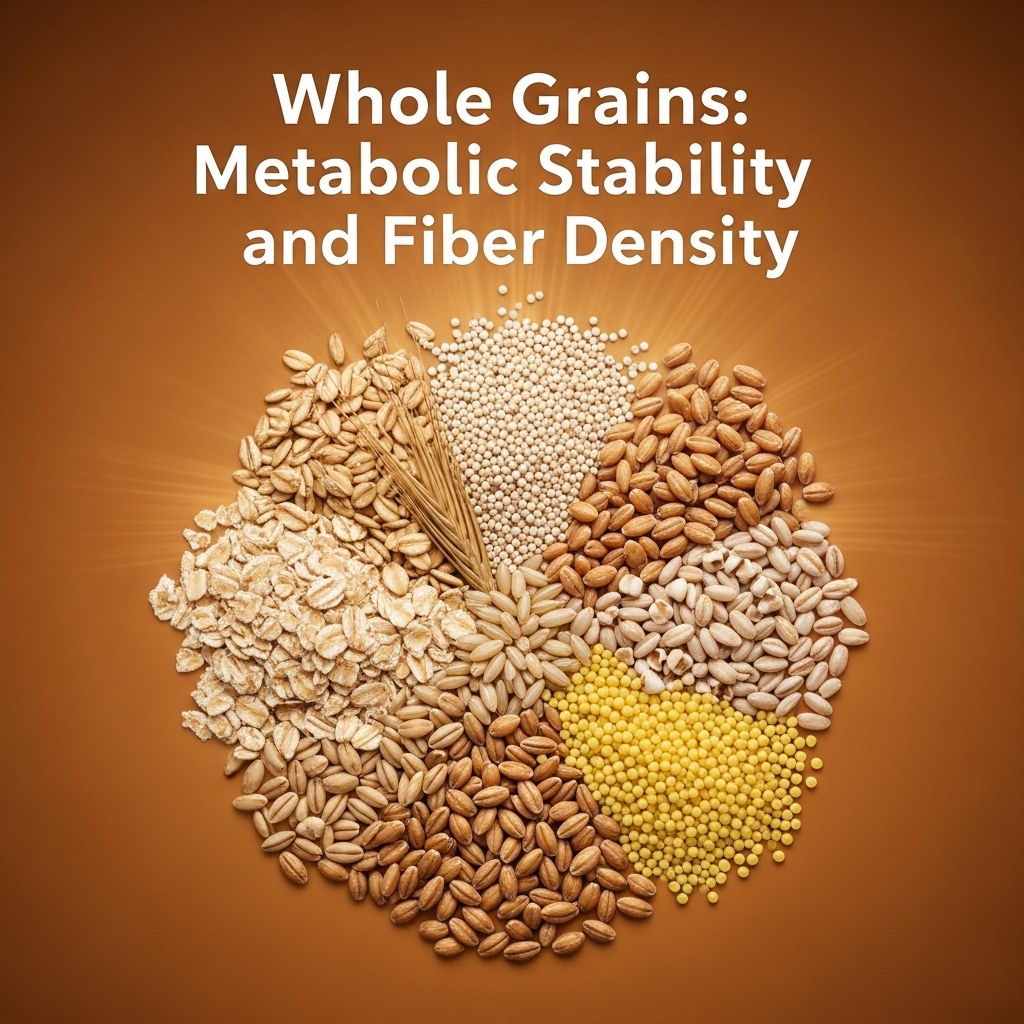
Whole grains — including oats, brown rice, barley, buckwheat, and whole wheat — are among the most affordable carbohydrate sources available. They also carry a substantially different metabolic profile from refined counterparts. The bran and germ components deliver dietary fiber, B vitamins, magnesium, and plant compounds with antioxidant activity. Refined grains lose the majority of these components during processing.
The blood glucose response to whole grains is lower and more gradual than to refined grain products. This matters for insulin sensitivity and energy stability across the working day. For professionals managing high cognitive output and irregular meal timing, stable blood glucose reduces the cortisol fluctuations linked to reactive drops in blood sugar — a pattern that degrades focus and decision quality.
Research from the Harvard T.H. Chan School of Public Health links regular whole grain consumption to reduced risk of type 2 diabetes, cardiovascular disease, and colorectal cancer. Oats specifically deliver beta-glucan — a soluble fiber with clinically documented effects on LDL cholesterol reduction. These are meaningful longevity outcomes, achievable through one of the cheapest food categories available.
Root Vegetables and Cruciferous Produce: Micronutrient Density at Low Cost
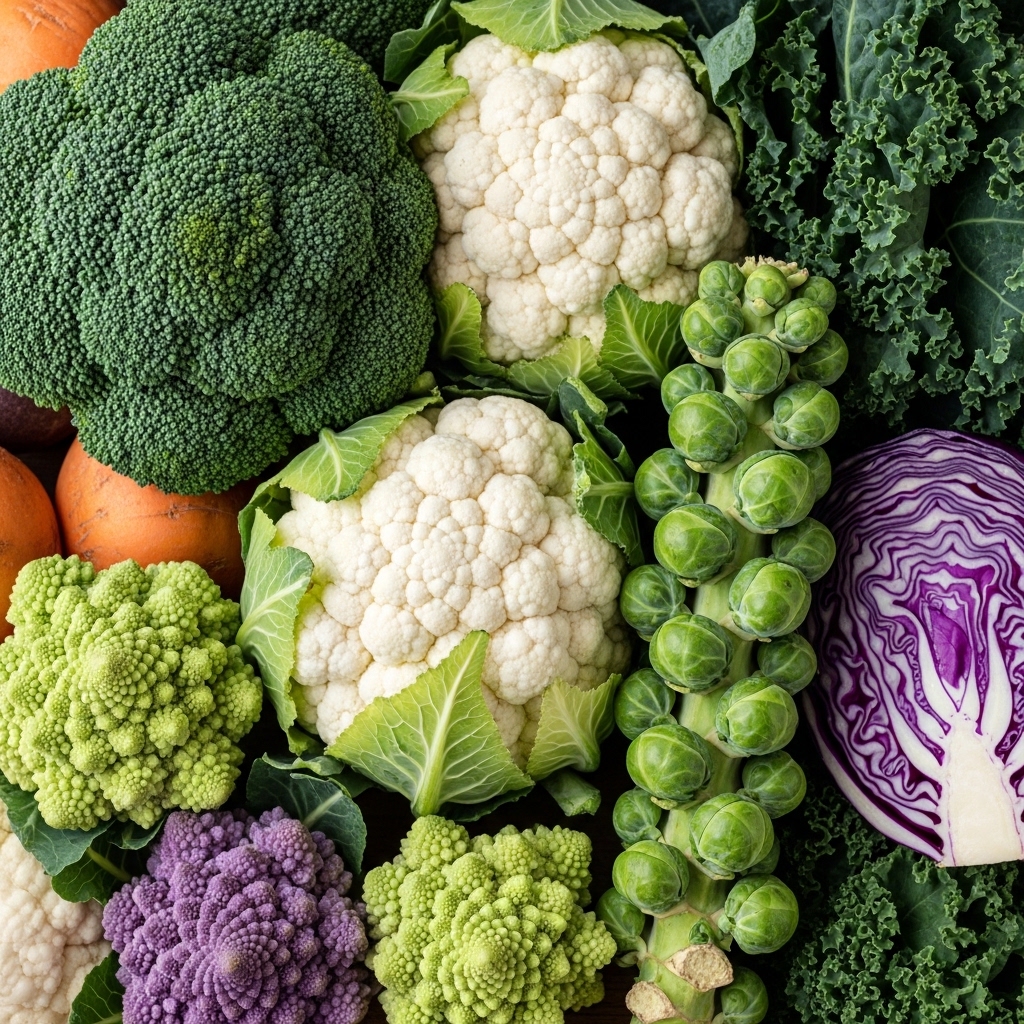
Root vegetables — including sweet potatoes, carrots, beets, and turnips — and cruciferous vegetables — including broccoli, cabbage, kale, and cauliflower — deliver the highest micronutrient density per unit cost in the produce category. These foods provide vitamins, minerals, dietary fiber, and bioactive plant compounds. They do so at a fraction of the cost of premium products marketed for similar benefits.
Sweet potatoes deliver high concentrations of beta-carotene, potassium, and vitamin C alongside a moderate blood sugar load when consumed whole. Cruciferous vegetables contain glucosinolates — sulfur compounds the body converts to isothiocyanates. These compounds support cellular cleanup pathways relevant to reducing cancer risk. These are clinically supported outcomes from inexpensive foods.
Frozen versions retain the majority of their nutrient content. Blanching before freezing preserves water-soluble vitamins effectively. Frozen cruciferous and root vegetables are available year-round at low cost. For professionals building a cheap eating framework around whole food nutrition, these categories offer exceptional nutritional return on expenditure.
The Role of Meal Preparation in Dietary Quality

Cheap eating at a longevity-relevant standard requires some meal preparation. Restaurant meals, takeaway food, and pre-packaged products — even when nominally inexpensive — typically carry higher sodium, refined carbohydrate, and industrial seed oil content than home-prepared equivalents. Convenience food consistently reduces nutritional quality at a given price point.
Batch cooking — preparing large quantities of legumes, grains, roasted vegetables, and protein sources at one time — is the most efficient strategy for maintaining dietary quality across a demanding schedule. A single preparation session can supply several days of nutritionally complete meals at minimal cost. It also requires minimal daily time investment once the habit is established.
The distinction between preparation complexity and preparation frequency matters. Simple preparations — soaking and cooking dried legumes, roasting a tray of mixed vegetables, boiling eggs — require little active time but deliver high-quality nutritional output. The perceived time barrier to cheap eating with nutritional precision is largely a planning problem, not a cooking skill problem.
READ ALSO: Raw Nutrition and Its Impact on Glycemic Control Mitochondrial Function and Biological Aging Trajectories
Cheap Eating and Inflammatory Marker Management
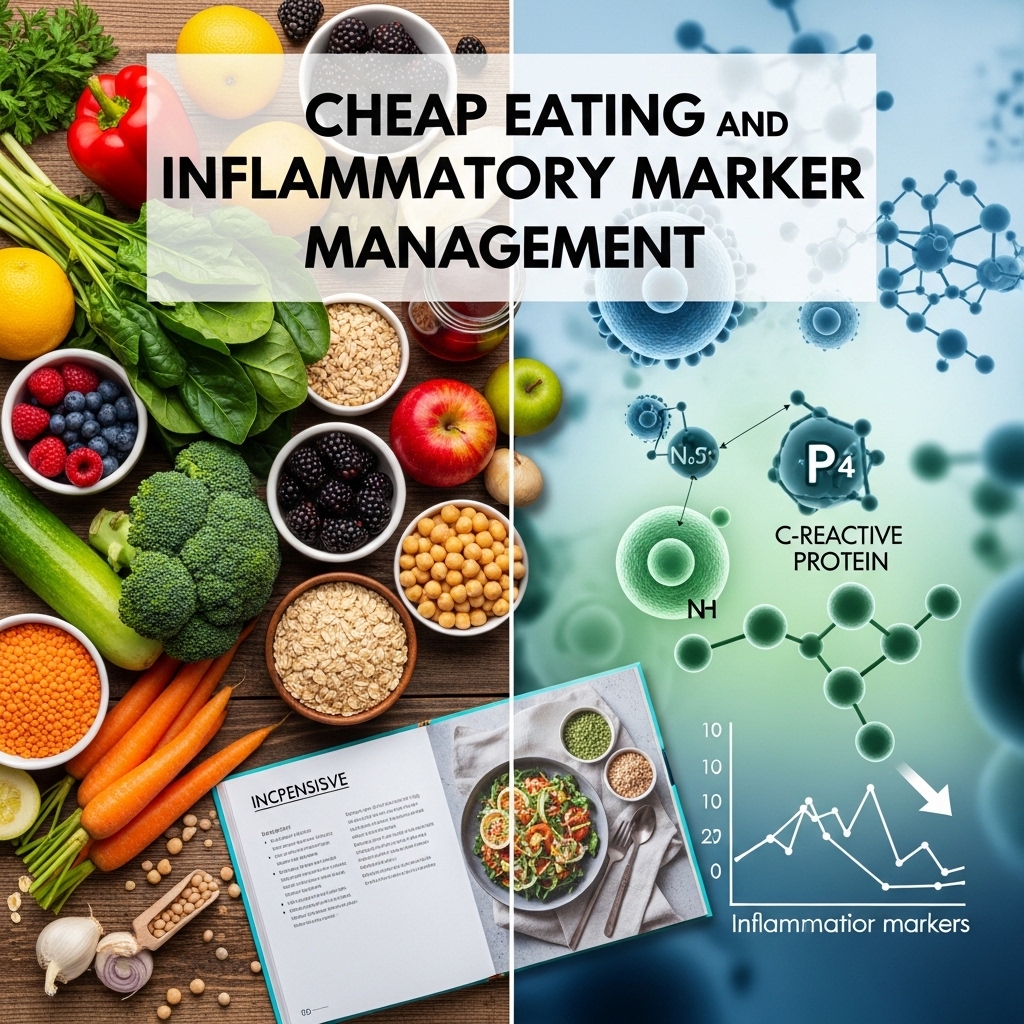
Chronic low-grade inflammation is one of the most consistent predictors of accelerated biological aging. Elevated high-sensitivity C-reactive protein (hs-CRP) and related cytokines link to cardiovascular disease, neurodegeneration, and reduced healthspan across large population studies. Dietary pattern is among the most modifiable drivers of inflammatory load.
The cheap eating framework described in this article — centered on legumes, whole grains, eggs, fatty fish, and root and cruciferous vegetables — delivers a high concentration of anti-inflammatory dietary compounds. These include omega-3 fatty acids, polyphenols, carotenoids, dietary fiber, and plant-derived compounds. Together, they reduce the chronic activation of inflammatory pathways linked to Western dietary patterns.
Cheap eating strategies that rely heavily on ultra-processed foods carry a high inflammatory load despite low cost. The clinical distinction lies not in price but in food category. Cheap whole foods reduce inflammation. Cheap processed foods amplify it. This distinction determines whether a low-cost dietary strategy supports or undermines biological age outcomes.
READ ALSO: When the Gut Shuts Down: How Total Parenteral Nutrition Sustains Executive Performance During Critical Recovery
Protein Adequacy on a Low-Cost Dietary Framework
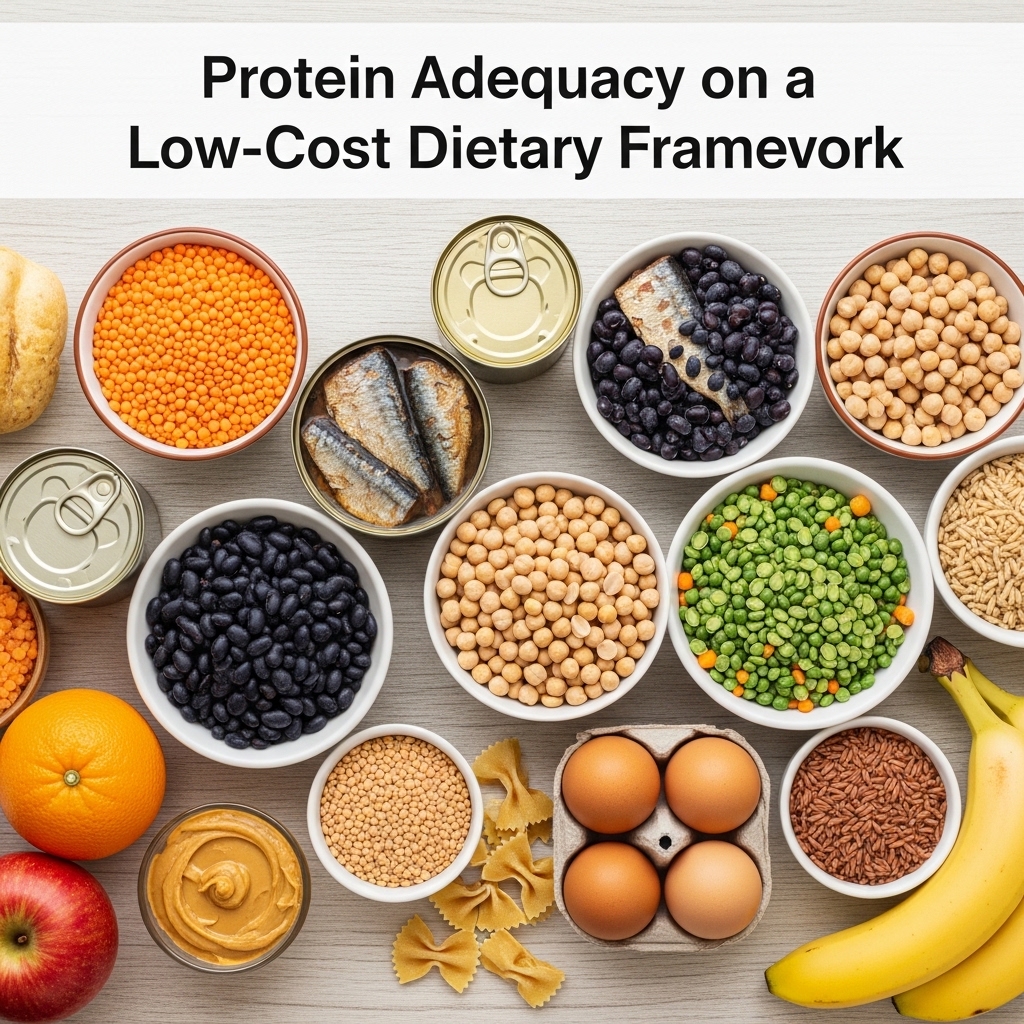
Adequate protein intake is one of the most critical variables in longevity nutrition — particularly for professionals over forty managing muscle protein synthesis efficiency and sarcopenia risk. The concern that cheap eating compromises protein adequacy is common but largely unfounded. It does not hold when the diet centers on eggs, legumes, canned fish, and whole grains.
These foods, consumed across the day, deliver complete or near-complete amino acid profiles. Legumes paired with whole grains provide complementary proteins that together supply all essential amino acids. Eggs and canned fish deliver complete protein with high biological value — meaning the body absorbs and uses a high proportion of the protein consumed.
The leucine threshold — the minimum leucine concentration per meal needed to trigger muscle protein synthesis — is achievable through cheap eating with appropriate food selection. Eggs, canned tuna, and lentil-based meals all deliver sufficient leucine per serving to stimulate muscle-building signals. For professionals concerned about muscle mass on a low-cost framework, the evidence supports adequate protein delivery without premium expenditure.
READ ALSO: How Reframing Your Nutritional Identity Restores Metabolic Resilience and Sustained Executive Performance
Evidence-Based Options for the Informed Professional

The evidence on cheap eating and longevity nutrition points toward a coherent set of options for professionals who want to optimize nutritional quality without high food expenditure. Centering the diet on legumes, whole grains, eggs, canned or frozen fatty fish, and root and cruciferous vegetables provides a nutritional foundation supported by extensive longevity and cardiovascular research. Batch cooking sessions reduce daily preparation time while maintaining dietary quality across a demanding schedule. Tracking inflammatory biomarkers — including hs-CRP and fasting insulin — before and after shifting to a whole food cheap eating pattern can provide objective data on the dietary change's effect. Consulting a registered dietitian to audit current dietary patterns against longevity-relevant nutritional targets can identify specific gaps that cheap whole food sources can address. The single most consequential variable is distinguishing between low-cost whole foods and low-cost processed foods — that distinction determines whether a cheap eating approach supports or undermines biological age and metabolic health outcomes.
UP NEXT: Superfoods for Energy and Well-Being: Power Up Naturally
How This Affects Your Biological Age
Dietary pattern quality — independent of food expenditure — is one of the most direct modifiable inputs into inflammatory load, insulin sensitivity, and biological age, with large-scale population studies showing that adults following whole food dietary patterns score two to five years younger on biological age assessments compared to those consuming predominantly ultra-processed foods at equivalent or higher cost. WholeLiving's Biological Age Estimation Model incorporates this factor directly — your assessment takes under five minutes.
Ready to understand how these factors are influencing your biological age right now? [Take the Biological Age Assessment →]