For executives managing complex organizations, a sudden inability to absorb enteral nutrition — whether from gastrointestinal surgery, Crohn's disease flare, or severe pancreatitis — creates an immediate threat to lean muscle mass, immune competence, and cognitive function. Total parenteral nutrition (TPN) delivers macronutrients, micronutrients, and electrolytes directly into the bloodstream, bypassing a compromised gut entirely. Without it, nitrogen balance turns sharply negative within days, accelerating protein catabolism and impairing the mitochondrial function that underlies sustained executive performance. Understanding when TPN is clinically indicated — and what it demands from your metabolism — is not a theoretical exercise for this demographic.
What Total Parenteral Nutrition Does in the Body
Total parenteral nutrition is not a supplement or a dietary optimization strategy. It is a clinical intervention. A sterile, precisely formulated solution delivers nutrients directly into the bloodstream. This happens through a central venous catheter — typically placed into the subclavian or internal jugular vein.
Each TPN formulation contains dextrose for carbohydrate energy, lipid emulsions for fat-soluble nutrients, and amino acids for protein synthesis. Clinicians adjust each component based on lab values and energy calculations. These come from indirect calorimetry or validated predictive equations.
What sets total parenteral nutrition apart from all other nutritional strategies is its complete bypass of the gut. The intestine — which normally digests and absorbs nutrients while maintaining immune barrier function — exits the process entirely. This has major downstream effects on both immediate recovery and long-term metabolic health.
The Clinical Indications for Total Parenteral Nutrition
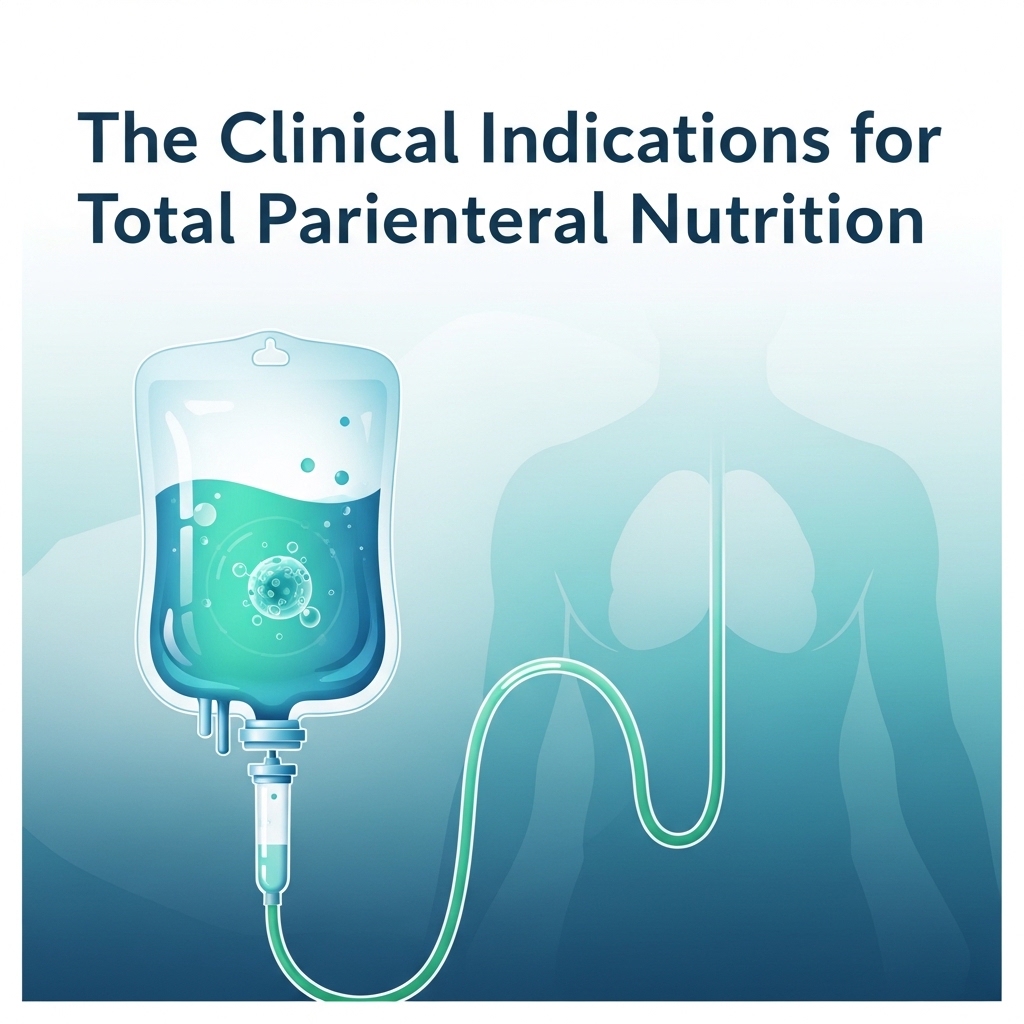
Total parenteral nutrition applies when the gut is non-functional, blocked, or requires full rest. Key conditions include short bowel syndrome, high-output intestinal fistulae, prolonged ileus after major abdominal surgery, severe acute pancreatitis, and bowel obstruction.
Oncology patients undergoing chemotherapy or abdominal radiation may also need TPN. This occurs when mucosal damage prevents adequate oral or tube feeding. ASPEN guidelines consistently support enteral nutrition — delivered via tube into the stomach or small intestine — as the preferred route when any gut function remains.
Enteral feeding preserves intestinal mucosal integrity, supports gut-based immune tissue, and avoids the infection risks of central venous access. Total parenteral nutrition is not a first-line option. It is a necessary step when the enteral route is genuinely unavailable.
When TPN Becomes Necessary for Executives and Professionals

For high-performing professionals, major gastrointestinal surgery creates the most common scenario requiring TPN. This includes bowel resection, Whipple procedure, or complex colorectal reconstruction. Severe inflammatory bowel flares needing complete bowel rest represent another pathway.
In these cases, the body's demand for nutrients rises sharply. At the same time, the primary route for meeting those demands is eliminated. Total parenteral nutrition bridges that gap directly.
A coordinated team — physicians, dietitians, pharmacists, and nurses — must manage TPN administration. Errors in electrolyte balance, glucose levels, or lipid dosing carry serious risks. These include refeeding syndrome, high blood sugar, or central line infections. Each complication extends recovery time and deepens functional decline.
Total Parenteral Nutrition and Nitrogen Balance
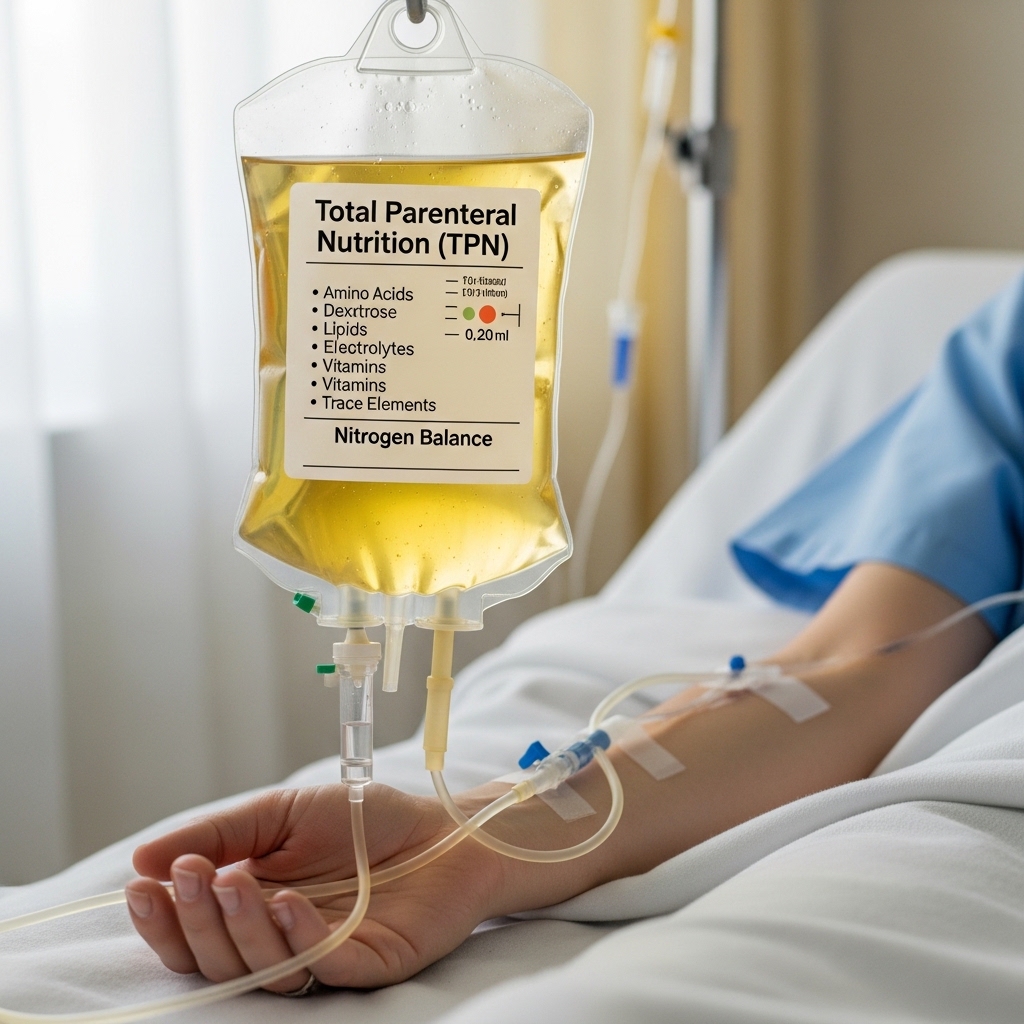
The core metabolic challenge during critical illness or surgical recovery is preserving lean body mass. Skeletal muscle is not simply an organ of movement. It acts as a metabolic reserve, secretes hormones that regulate insulin sensitivity and inflammation, and directly determines long-term physical capacity.
Research reviewed through the National Institutes of Health shows that negative nitrogen balance can develop within 24 to 48 hours of poor nutritional support. This occurs in any metabolically stressed patient. Stress hormones — including cortisol and adrenaline — amplify this breakdown signal.
Total parenteral nutrition delivers amino acids and non-protein calories directly into circulation. This actively slows nitrogen loss and maintains the conditions needed for tissue repair. Without TPN in the right clinical context, the body begins consuming its own muscle for fuel.
Sarcopenia Risk and Muscle Loss During Total Parenteral Nutrition
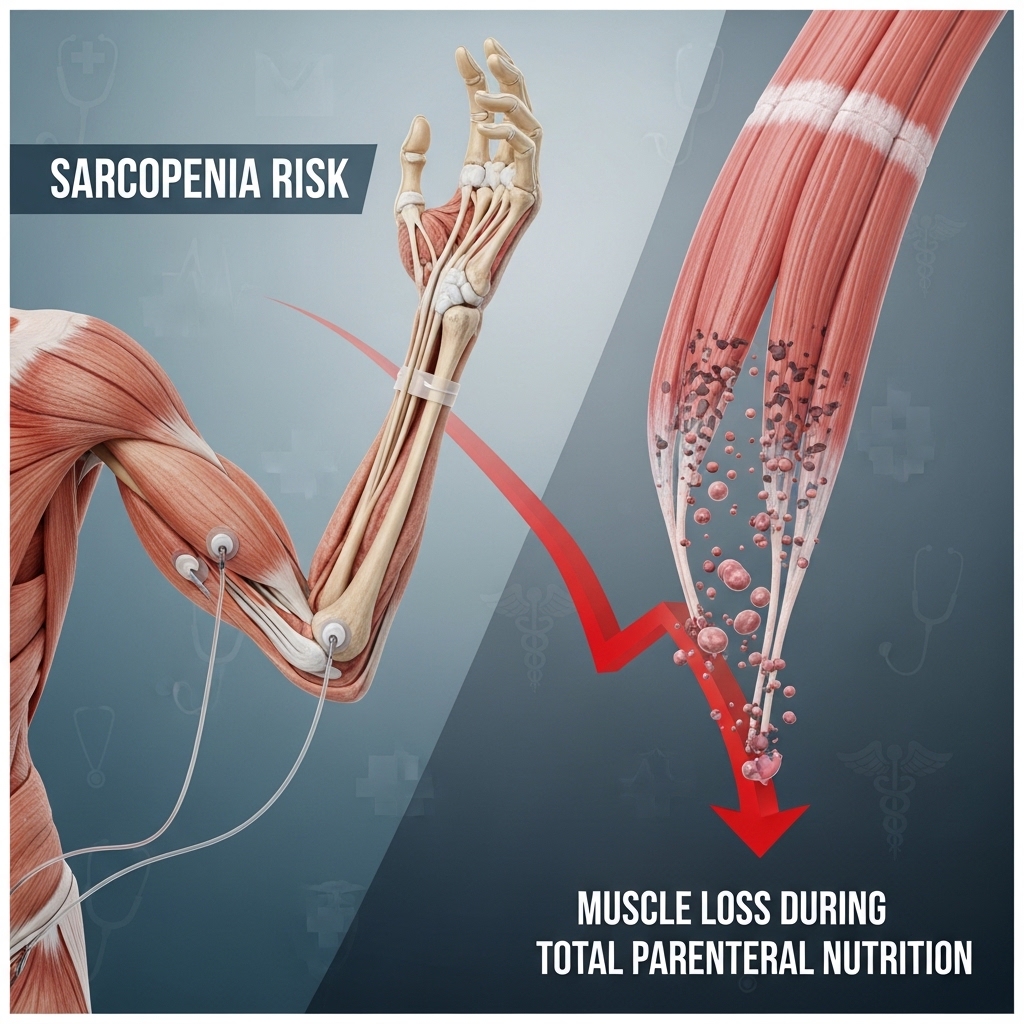
Sarcopenia — the progressive loss of muscle mass and function — already accelerates as a risk factor in adults over 40. A prolonged catabolic episode without adequate TPN support can compress years of functional decline into weeks. Recovery of muscle mass after significant loss is slow and often incomplete at older ages.
For executives and founders whose physical capacity and metabolic rate depend on maintaining that muscle, the stakes extend well beyond the hospital stay. The decisions made during total parenteral nutrition administration have direct consequences for performance months later.
This is why nitrogen balance tracking — not just caloric targets — matters during TPN. It provides a more precise picture of whether the body is building or breaking down tissue at any given point in recovery.
READ ALSO: How Reframing Your Nutritional Identity Restores Metabolic Resilience and Sustained Executive Performance
Inflammatory Markers and Gut Immunity During TPN
Total parenteral nutrition deprives the intestinal lining of luminal nutrients. This triggers structural changes: the gut wall thins, its barrier function weakens, and immune antibody production drops. These changes can allow bacteria and toxins from the intestine to enter systemic circulation — a process called bacterial translocation.
Bacterial translocation raises inflammatory markers including C-reactive protein, interleukin-6, and tumor necrosis factor-alpha. Research from Harvard T.H. Chan School of Public Health and multiple large cohort studies links chronically elevated inflammatory markers to faster biological aging, impaired insulin signaling, cognitive decline, and higher cardiovascular risk.
In the context of total parenteral nutrition, some degree of acute inflammation is unavoidable. It reflects both the underlying illness and the absence of enteral stimulation. However, how long and how severe that inflammatory burden becomes is directly modifiable through smart nutritional support decisions.
Monitoring Inflammatory Biomarkers During Total Parenteral Nutrition
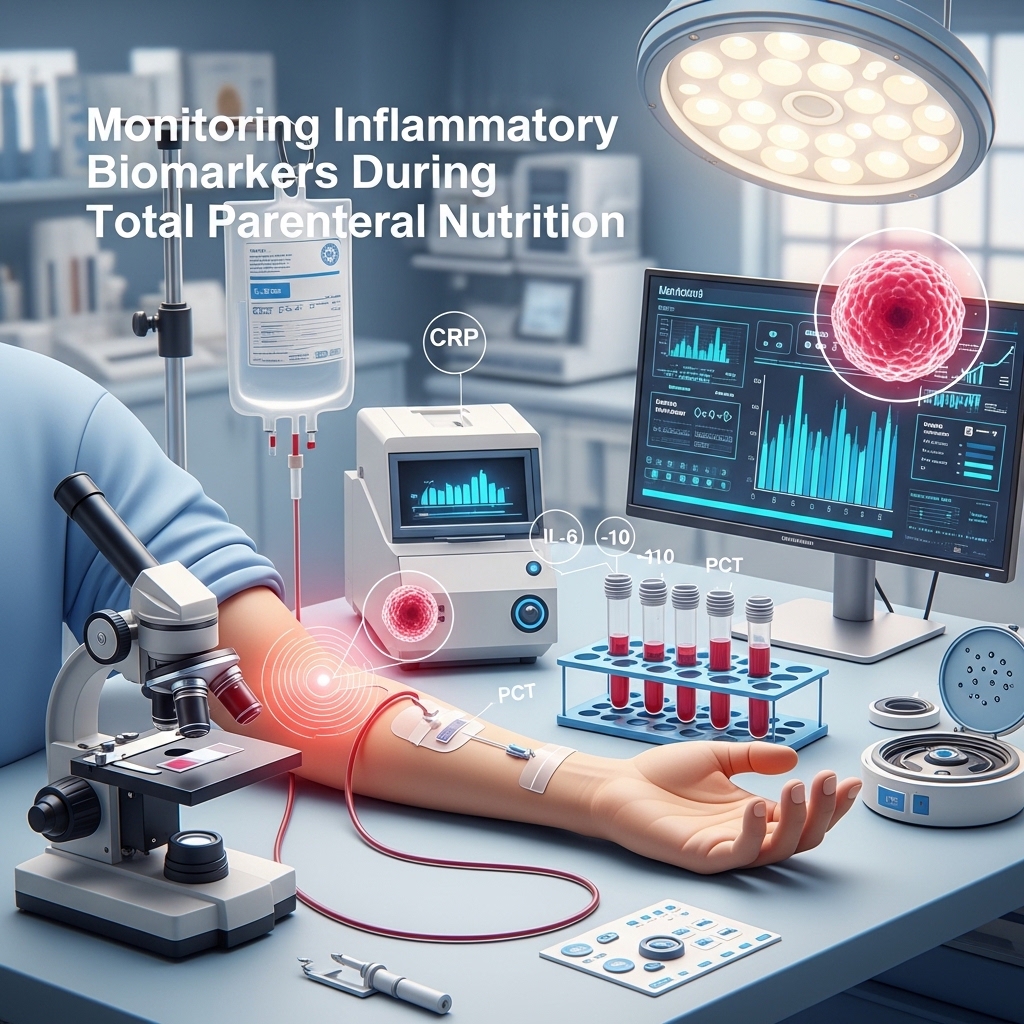
Clinical nutrition teams monitor inflammatory markers as part of the standard lab panel during total parenteral nutrition. These values drive decisions about when to transition back to enteral feeding, which lipid emulsion to use, and whether immune-supporting nutrients need adjustment.
For the patient, this means the inflammatory trajectory is tracked throughout TPN. Early transition to enteral nutrition — as soon as the gut shows signs of recovery — remains the top clinical priority. Staying on TPN beyond that window increases infection risk and delays gut recovery without benefit.
Understanding this process allows high-performing professionals to participate actively in clinical decisions during recovery. This matters more than most patients realize.
READ ALSO: Precision Nutrition Technology as a Measurable Driver of Metabolic Function and Biological Age
Glucose Regulation and Cardiovascular Risk on Total Parenteral Nutrition
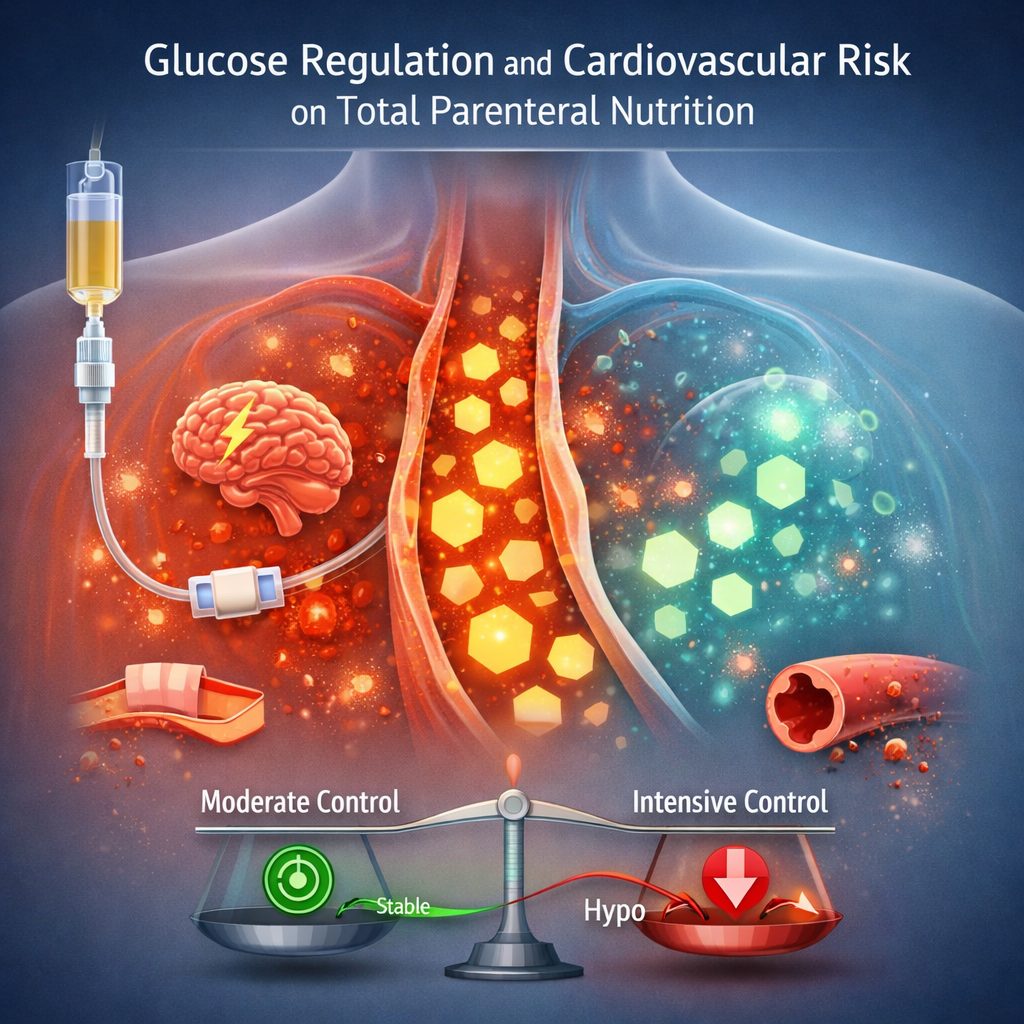
High blood sugar is the most common metabolic complication of total parenteral nutrition. Continuous dextrose infusion, combined with stress-driven insulin resistance, pushes glucose above safe clinical targets. Managing blood sugar during TPN directly affects infection risk, wound healing, and brain function.
The NICE-SUGAR study, published in the New England Journal of Medicine, showed that intensive glucose control in critically ill patients did not lower mortality. It also increased dangerous episodes of low blood sugar. This established moderate glucose targets as the current clinical standard for TPN management.
For individuals with no prior metabolic history, TPN-associated high blood sugar can temporarily impair blood vessel function and raise oxidative stress markers. Those with pre-existing risk factors — elevated fasting glucose, abnormal cholesterol, or high blood pressure — need closer monitoring and more active glucose management throughout total parenteral nutrition.
Lipid Emulsions in Total Parenteral Nutrition Formulations
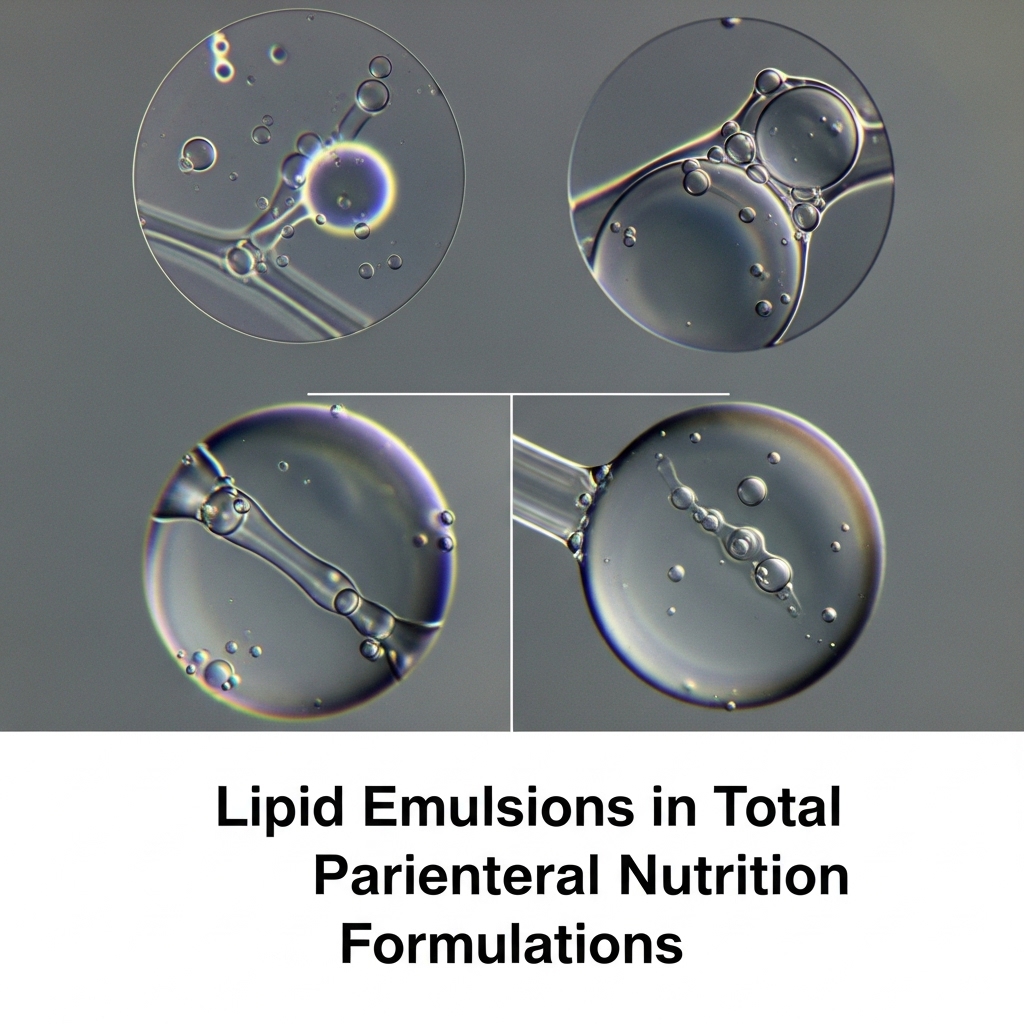
The fat emulsions used in total parenteral nutrition have changed significantly over the past two decades. Soybean oil-based emulsions — the historical standard — carry high levels of omega-6 fatty acids. These promote pro-inflammatory signaling at the cellular level.
Newer formulations use olive oil, fish oil, or mixed fat sources. Fish oil-enriched TPN emulsions have shown the strongest results in reducing pro-inflammatory cytokine production in surgical and critical care patients. The choice of fat emulsion is a clinical decision with real consequences for inflammatory recovery.
For the informed patient, asking about lipid emulsion type during total parenteral nutrition planning is a legitimate, evidence-based question. It is not a minor detail.
READ ALSO: Poor Nutrition and Hydration: A Fitness Setback
Refeeding Syndrome During Total Parenteral Nutrition Reintroduction

Refeeding syndrome is a serious complication that can occur when nutrition restarts too quickly after prolonged starvation or severe illness. When insulin secretion resumes in response to glucose, phosphate, potassium, and magnesium shift rapidly into cells. This causes critically low blood levels of these minerals. The result can include heart rhythm problems, breathing failure, and neuromuscular dysfunction.
Anyone who has had minimal food intake for more than five to seven days carries refeeding risk. This is a realistic scenario after major surgery or severe illness. In high-performing professionals with strong baseline nutrition, clinical teams may underestimate this risk without formal screening using NICE criteria.
Prevention requires starting total parenteral nutrition at a reduced caloric level and advancing slowly. Serum phosphate monitoring at regular intervals is essential. Thiamine supplementation begins before refeeding starts to prevent a serious neurological complication called Wernicke's encephalopathy.
Transitioning Off Total Parenteral Nutrition and Restoring Metabolic Resilience
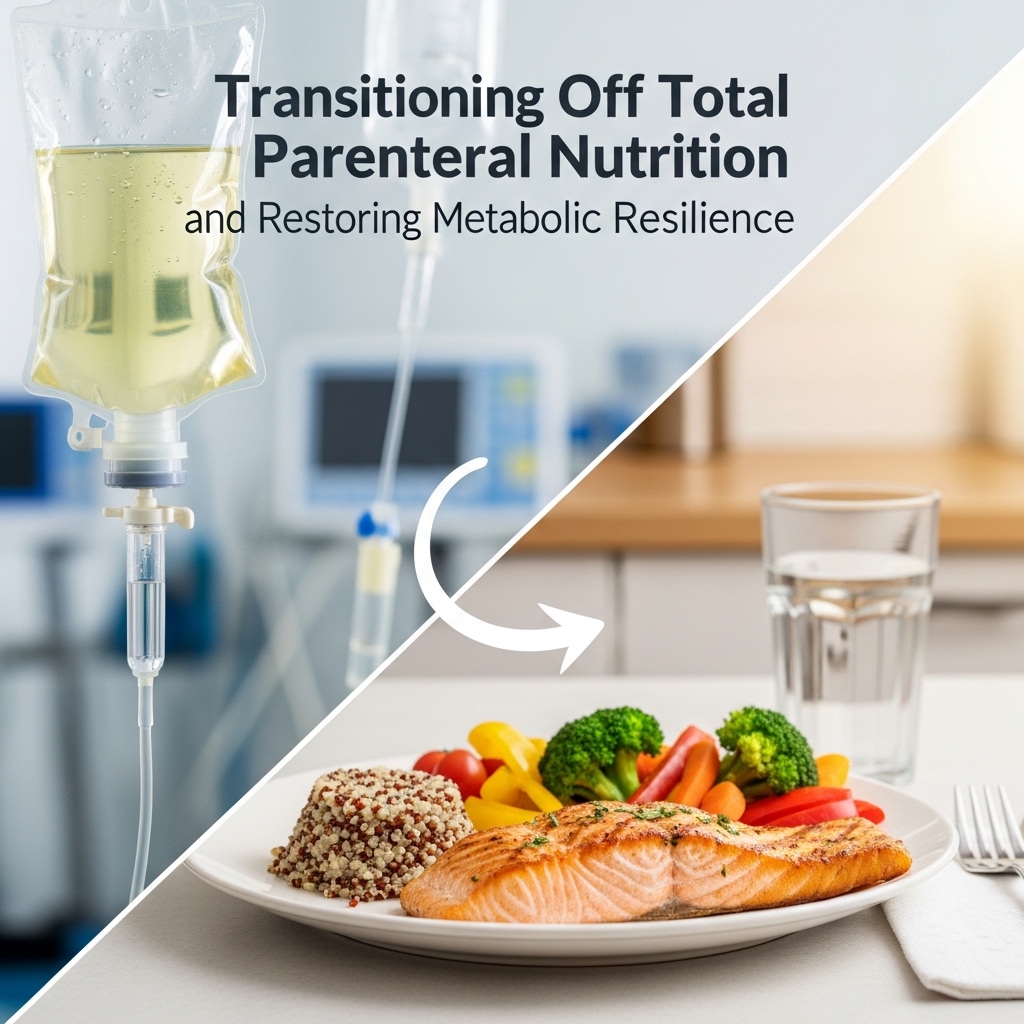
Moving from total parenteral nutrition to enteral or oral nutrition is a key clinical milestone. As gut function returns — shown by resolution of ileus and tolerance of small tube feeding volumes — the focus shifts to stimulating gut wall recovery through luminal nutrition.
Even minimal enteral feeding, called trophic feeding, gives the cells lining the gut the building blocks they need for structural repair. The transition requires careful overlap management. TPN reduces gradually as enteral intake increases. This maintains adequate total caloric and protein delivery throughout. Stopping TPN too early risks returning the patient to a catabolic state.
Research from the Broad Institute and the Human Microbiome Project has established clear links between gut microbiome composition, systemic inflammation, and metabolic function. Post-TPN gut rehabilitation — through deliberate dietary reintroduction and, where appropriate, probiotic support — is an active area of clinical research with direct relevance to full performance recovery after total parenteral nutrition.
Evidence-Based Actions for Professionals Managing Total Parenteral Nutrition
For a professional in a situation where total parenteral nutrition is clinically required, the evidence supports several concrete actions. Requesting nitrogen balance assessment or indirect calorimetry — rather than relying solely on weight-based estimates — produces a more precise nutritional target. This reduces the risk of both underfeeding and overfeeding during TPN.
Advocating for early transition to enteral nutrition, as soon as the gut allows, aligns with the strongest clinical evidence. It also shortens exposure to the infection and inflammation risks that total parenteral nutrition carries. Tracking inflammatory markers, blood glucose, electrolytes, and serum phosphate throughout TPN provides an objective basis for evaluating metabolic control.
Following a structured refeeding protocol upon transition — rather than resuming normal food intake immediately — reduces the risk of refeeding complications. The evidence base in total parenteral nutrition is mature and well-supported. Engaging with it as an informed participant in clinical decisions is both practical and consequential for outcomes.
UP NEXT: Signs of a Brain Tumor: What to Notice Early
Prolonged periods of total parenteral nutrition — particularly those lasting more than two weeks — are associated with measurable increases in systemic inflammatory markers, accelerated lean muscle loss, and gut microbiome disruption, all of which are independent drivers of biological age acceleration in clinical longitudinal data. WholeLiving's Biological Age Estimation Model incorporates this factor directly — your assessment takes under five minutes.
Ready to understand how these factors are influencing your biological age right now? [Take the Biological Age Assessment →]