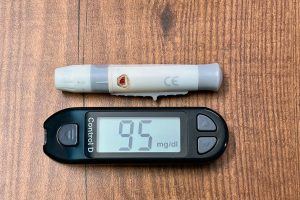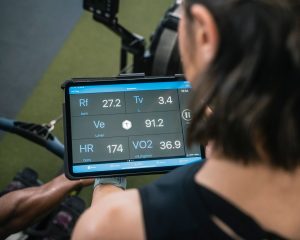
Nutritional adequacy is not a wellness preference — it is a physiological prerequisite for the cognitive output, hormonal regulation, and cellular repair that high-performance demands. For executives and founders operating under sustained cognitive and metabolic load, suboptimal nutrient intake does not produce obvious deficiency symptoms. Instead, it manifests as accelerated biological aging, elevated systemic inflammation, declining VO2 max, and erosion of the metabolic flexibility that separates high performers from their peers. Total nutrition technology — encompassing precision tracking, biomarker-guided supplementation, and AI-assisted dietary analysis — now provides the infrastructure to close that gap with measurable clinical precision.
What Total Nutrition Technology Actually Encompasses
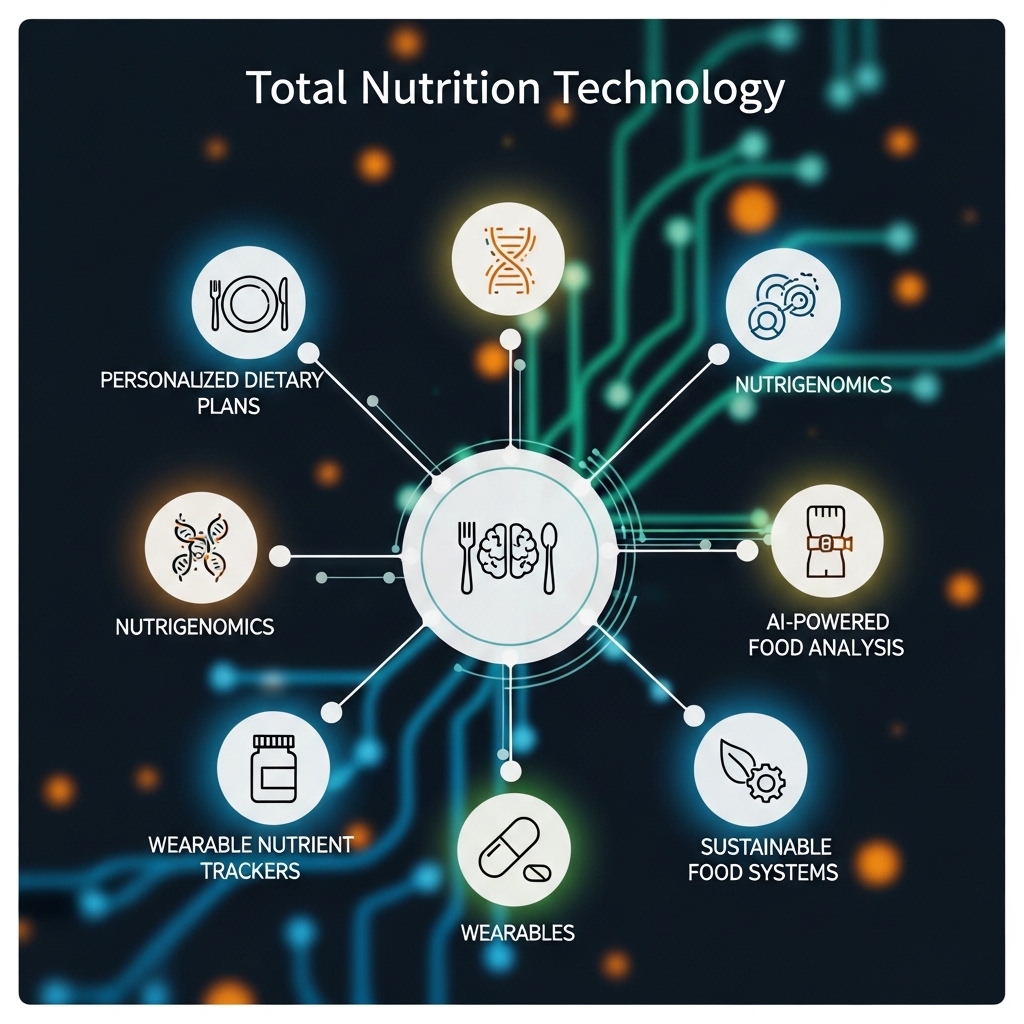
Total nutrition technology is not a single product category. Instead, it is a converging set of tools — digital, biochemical, and computational. Together, they enable detailed, individualized assessment of nutritional status. The category includes continuous glucose monitors, at-home micronutrient blood testing, AI-powered dietary analysis platforms, gut microbiome sequencing, wearable metabolic rate trackers, and biomarker-guided supplement protocols. Each tool addresses a different layer of nutritional physiology.
The distinction between conventional nutrition advice and total nutrition technology is not one of degree — it is one of mechanism. Standard dietary guidelines address population-level deficiency prevention. In other words, they keep large groups above a minimum threshold. Total nutrition technology, by contrast, identifies individual biochemical gaps, metabolic inefficiencies, and inflammatory dietary patterns specific to one person's physiology. For a 48-year-old executive with elevated fasting insulin and low magnesium levels, a population-average dietary recommendation carries almost no useful signal.
The clinical relevance of this distinction grows with age. Research through the National Institutes of Health has documented that nutrient absorption efficiency declines measurably from the fourth decade onward. Fat-soluble vitamins, B12, magnesium, and zinc are particularly affected. As a result, an executive consuming a varied diet may still carry functional deficiencies — not through poor food choices, but through age-related reductions in stomach acid production and cellular uptake. Total nutrition technology provides the diagnostic layer that identifies this gap before it produces clinical symptoms.
How Total Nutrition Technology Uses Continuous Glucose Monitoring
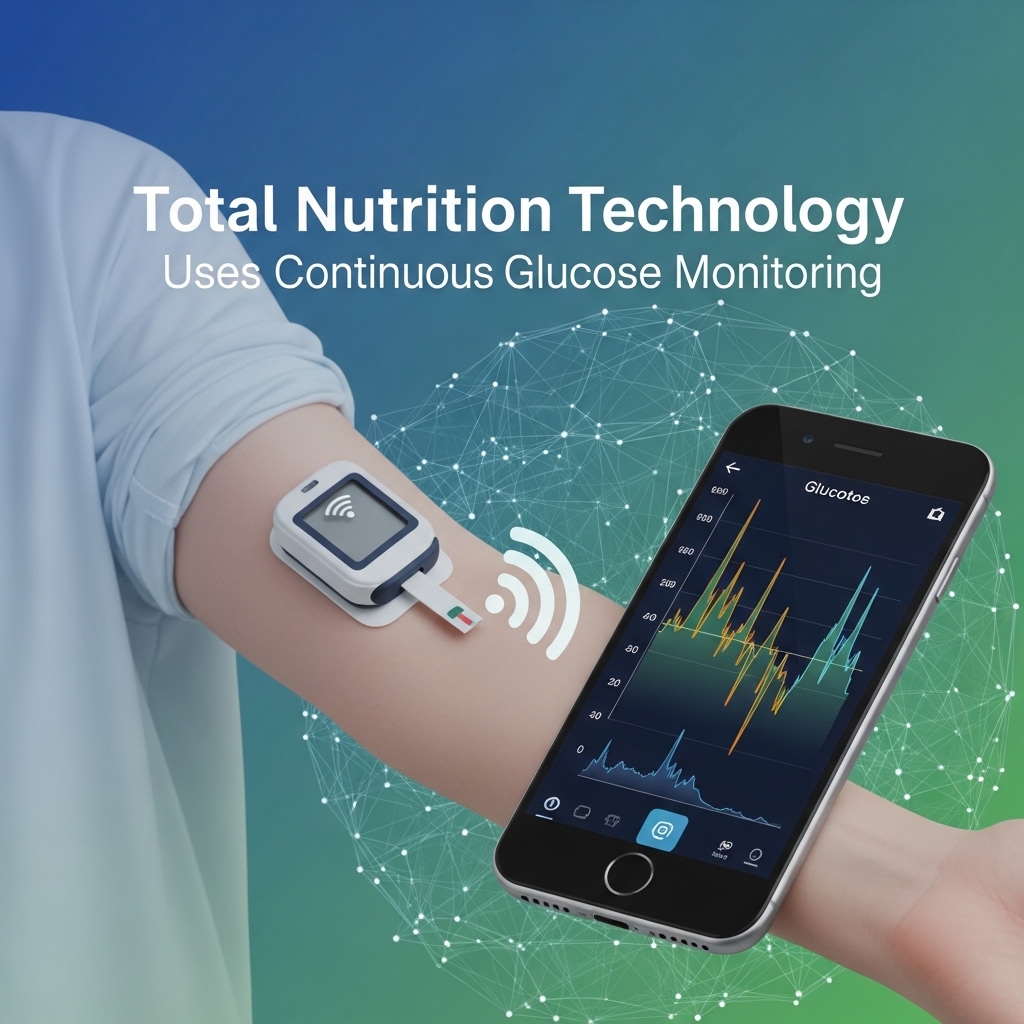
CGM technology originated in diabetes management. However, its clinical utility for metabolic optimization in non-diabetic high performers is now well-supported by evidence. Continuous glucose monitors track glucose levels in real time. They generate a dynamic picture of glucose variability across meals, sleep, exercise, and stress events. Notably, that variability — not fasting glucose alone — is emerging as a more sensitive marker of metabolic health and long-term disease risk.
Research published in Nature Medicine demonstrated that glucose variability in non-diabetic individuals is highly personal. The same meal produces very different glucose responses across individuals. Consequently, this finding dismantles the assumption that standardized dietary advice can optimize metabolic function at the individual level. Factors including gut microbiome composition, sleep quality, cortisol levels, and meal timing all shape the glucose response after eating. Only real-time monitoring captures this complexity.
For executives, the performance consequences of undetected glucose dysregulation are direct. For example, glucose spikes after meals — even within the non-diabetic range — correlate with reduced cognitive performance, afternoon energy crashes, and elevated triglycerides. They also speed up the breakdown of proteins involved in vascular and neural function. Therefore, total nutrition technology transforms these invisible events into actionable data. It enables dietary and lifestyle adjustments that stabilize glucose, reduce inflammatory burden, and protect long-term metabolic function.
Micronutrient Testing: A Core Layer of Total Nutrition Technology
Standard annual bloodwork covers a narrow slice of nutritional status. It typically includes iron, B12, vitamin D, and occasionally folate. Furthermore, this panel reflects historical priorities around deficiency disease prevention — not performance optimization. Advanced micronutrient testing covers cellular levels of vitamins, minerals, amino acids, fatty acids, and antioxidants. It therefore provides a far more complete picture of the biochemical environment in which cellular function and DNA repair occur.
Magnesium insufficiency illustrates what standard panels miss. Magnesium participates in more than 300 enzyme-driven reactions. These include processes governing energy production, cortisol metabolism, and brain chemical synthesis. Serum magnesium — the conventional measure — reflects less than one percent of total body magnesium. Moreover, it stays normal until depletion is severe. The Harvard T.H. Chan School of Public Health has linked low magnesium status to elevated CRP, impaired glucose regulation, and increased cardiovascular risk.
Similarly, omega-3 index testing measures the percentage of EPA and DHA in red blood cell membranes. It provides a validated marker of cardiovascular and cognitive risk that dietary recall cannot replicate. An executive who believes they consume sufficient oily fish may still carry a low omega-3 index. Variable absorption, supplement oxidation, or insufficient intake relative to inflammatory load all contribute. As a result, total nutrition technology closes that assumption gap with a measurable number.
Gut Microbiome Sequencing Within Total Nutrition Technology

The gut microbiome functions as a metabolic organ. It produces vitamins, modulates immune activation, regulates gut wall integrity, and generates short-chain fatty acids. These fatty acids influence insulin sensitivity, brain function, and inflammatory tone. Furthermore, microbiome composition varies substantially between individuals. It also responds dynamically to dietary input — making it both a diagnostic target and a modifiable variable in total nutrition technology.
Gut microbiome sequencing provides a profile of bacterial species present in the gut. It also includes functional data on metabolic pathways active within that microbial community. Research from the Weizmann Institute of Science, published in Cell, demonstrated that microbiome composition is a stronger predictor of glucose response after eating than dietary composition alone. Consequently, this positions microbiome data as a clinically relevant input for personalizing carbohydrate tolerance and meal timing strategies.
For executives with high-stress, high-travel lifestyles, the microbiome is particularly vulnerable. Circadian disruption, chronic cortisol elevation, antibiotic exposure, and low dietary fiber intake all deplete beneficial bacterial populations. They simultaneously promote inflammatory species. Therefore, sequencing identifies these shifts before they produce gut symptoms. In addition, it enables targeted dietary and probiotic interventions grounded in individual data rather than population averages.
AI-Powered Dietary Analysis and Total Nutrition Technology Platforms

Manual food journaling produces inaccurate data and creates significant burden. In fact, research consistently shows that self-reported dietary intake underestimates caloric consumption by 20 to 40 percent across all demographics. AI-powered dietary analysis platforms address this through image recognition, barcode scanning, voice logging, and wearable device integration. As a result, they reduce both the friction and error rate of dietary tracking substantially.
Beyond caloric accuracy, these platforms provide nutrient-level analysis. They map individual intake against personalized targets derived from biomarker data, activity levels, body composition, and health goals. In other words, this moves dietary analysis from a compliance exercise to a dynamic optimization tool. Generic recommended daily allowances are replaced by targets that adjust based on real physiological inputs. The gap between what an executive eats and what their specific biochemistry requires becomes visible and measurable.
Furthermore, several total nutrition technology platforms now integrate dietary data with CGM output, sleep data, and activity metrics. They model how specific food choices interact with individual physiology across multiple variables simultaneously. This reflects the clinical reality that nutrition does not operate in isolation. For instance, a meal's effect on performance and recovery depends on sleep status, training load, stress hormones, and gut microbiome composition at the time of consumption.
READ ALSO: Poor Nutrition and Hydration: A Fitness Setback
Metabolic Rate Testing as Part of Total Nutrition Technology
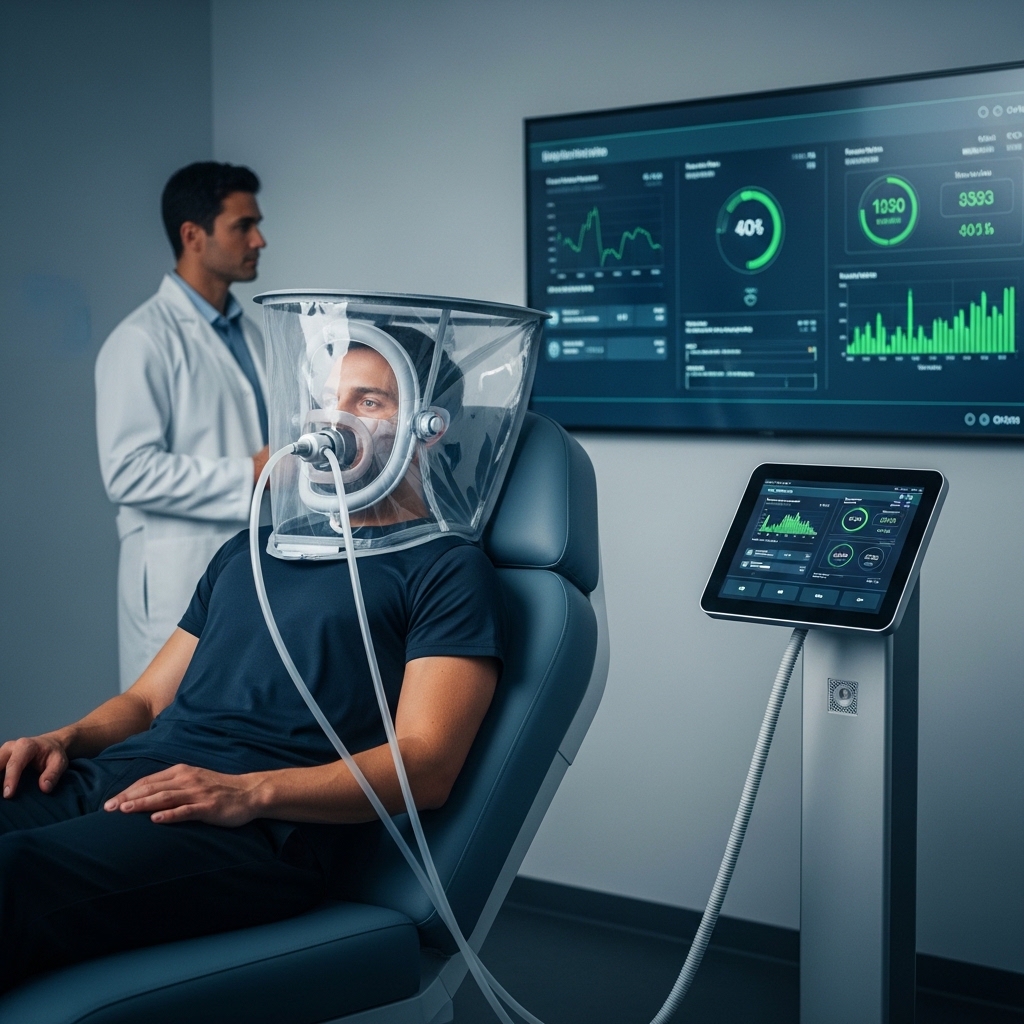
Resting metabolic rate varies by up to 25 percent between individuals of similar age, sex, and body composition. Standard equations used to estimate metabolic rate carry error margins large enough to produce significant miscalculation of energy needs. Consequently, for executives managing body composition or cognitive fuel requirements, this miscalculation has direct consequences. Total nutrition technology replaces estimated values with measured ones.
Indirect calorimetry measures oxygen consumption and carbon dioxide output to derive actual metabolic rate. It is the gold standard for resting metabolic rate assessment and is increasingly accessible in clinical settings. Additionally, metabolic rate testing reveals respiratory quotient data. This reflects the proportion of fat versus carbohydrate the body burns at rest — a direct indicator of metabolic flexibility.
Metabolic flexibility is a longevity variable with substantial research support. Reduced metabolic flexibility associates with insulin resistance, elevated triglycerides, impaired cognitive performance, and reduced VO2 max. Therefore, testing establishes an individual baseline. It also enables dietary strategies that target fuel use patterns specifically — rather than relying on broad macronutrient ratio recommendations.
READ ALSO: Signs of a Brain Tumor: What to Notice Early
Protein Adequacy, Muscle Loss, and Total Nutrition Technology
Protein adequacy is the nutritional variable most directly linked to muscle mass preservation. Research published through the NIH's National Institute on Aging consistently identifies inadequate protein intake as a primary modifiable contributor to sarcopenia. Sarcopenia — the age-related loss of skeletal muscle — begins measurably from the fourth decade. Moreover, it associates with declining metabolic rate, reduced physical performance, and compressed functional longevity.
Total nutrition technology brings precision to protein assessment that general dietary guidelines cannot match. Body composition analysis — through DEXA scanning or bioimpedance — measures lean mass and tracks rate of change over time. Combined with dietary data and activity metrics, this enables protein target calibration based on actual lean body mass and recovery demands. In contrast, body weight alone is an inadequate proxy for individual protein requirements.
For executives with demanding travel schedules and inconsistent meal environments, protein adequacy is frequently the first nutritional variable to erode. However, total nutrition technology makes that erosion visible before it produces strength decline, reduced recovery capacity, or the metabolic rate drop that marks early-stage muscle loss. Early detection is the intervention — not the symptom.
READ ALSO: Precision Nutrition and Hydration for Optimal Health
Nutrigenomics and the Genetic Layer of Total Nutrition Technology

Nutrigenomics studies how genetic variation influences nutrient metabolism, absorption, and dietary response. It adds a fixed biological layer to total nutrition technology that biomarker testing alone cannot capture. Genetic variants affect folate metabolism, vitamin D conversion, caffeine clearance, saturated fat response, and lactase persistence. All of these influence optimal dietary strategy in ways that remain invisible without genomic data.
The MTHFR gene variants, for example, affect folate and homocysteine metabolism in a significant proportion of the population. Individuals carrying these variants may require specific dietary sources or forms of folate that support normal methylation activity. Methylation is involved in DNA repair, brain chemical synthesis, and cardiovascular risk regulation. Notably, standard dietary folate recommendations do not account for this variation.
Nutrigenomic testing does not replace biomarker monitoring. Genetic predispositions do not determine outcomes — expression depends on the dietary and lifestyle environment. However, combined with micronutrient testing, CGM data, and gut microbiome sequencing, genetic data completes a layered framework. Together, these inputs are substantially more predictive than any single measure alone.
Inflammatory Biomarker Monitoring Through Total Nutrition Technology

Systemic inflammation is one of the most well-documented drivers of faster biological aging and cardiovascular risk. Diet is one of the most potent modulators of inflammatory load — in both directions. Furthermore, total nutrition technology enables monitoring of the dietary-inflammatory relationship through both dietary pattern analysis and serial biomarker measurement. This creates a feedback loop that population-level dietary advice cannot replicate.
Advanced inflammatory panels — including high-sensitivity CRP, IL-6, TNF-alpha, and oxidized LDL — provide direct measures of the inflammatory environment. For example, for an executive whose bloodwork shows elevated hsCRP alongside a diet high in refined carbohydrates and low in plant-rich foods, the connection becomes actionable data. As a result, total nutrition technology converts that data into targeted dietary adjustments with measurable outcomes.
The Framingham Heart Study established elevated hsCRP and IL-6 as independent predictors of cardiovascular events and cognitive decline across middle-aged adult populations. Dietary modification that demonstrably reduces these markers — tracked through serial testing rather than assumption — represents one of the highest-return interventions available. Moreover, it is measurable, modifiable, and directly within the scope of total nutrition technology.
Building a High-Performance Protocol Around Total Nutrition Technology
The practical entry point for total nutrition technology is biomarker-first assessment. An advanced micronutrient panel, omega-3 index, hsCRP, fasting insulin, and DEXA-based body composition assessment establish an individualized baseline. Consequently, that baseline makes all subsequent nutritional decisions evidence-grounded rather than assumption-based.
From that foundation, CGM use during a defined monitoring window generates personalized glucose response data. This directly informs carbohydrate selection, meal timing, and exercise sequencing. In addition, gut microbiome sequencing adds a second layer of individualization. It is particularly relevant for professionals with high travel frequency or antibiotic exposure history.
AI-assisted dietary tracking — integrated with wearable metabolic and sleep data — closes the feedback loop. It translates biomarker targets into real-time dietary guidance. Therefore, the output of these combined total nutrition technology tools is not a diet plan. Instead, it is a dynamic, evidence-based nutritional intelligence system. It responds to the same biological complexity that drives performance and longevity at the level this demographic operates.
UP NEXT: Cheap Eating: How to Be Grateful for Affordable Nutrition
Precision nutrition interventions guided by total nutrition technology — including biomarker-driven dietary adjustments that reduce hsCRP and stabilize fasting insulin — have been associated in longitudinal research with measurable reductions in biological age markers, with individuals who actively close micronutrient gaps and reduce dietary inflammatory load showing biological age profiles two to five years younger than their chronological age. WholeLiving's Biological Age Estimation Model incorporates this factor directly — your assessment takes under five minutes.
Ready to understand how these factors are influencing your biological age right now? [Take the Biological Age Assessment →]