
What Liver Cleansing Detox Means in Real Clinical Terms
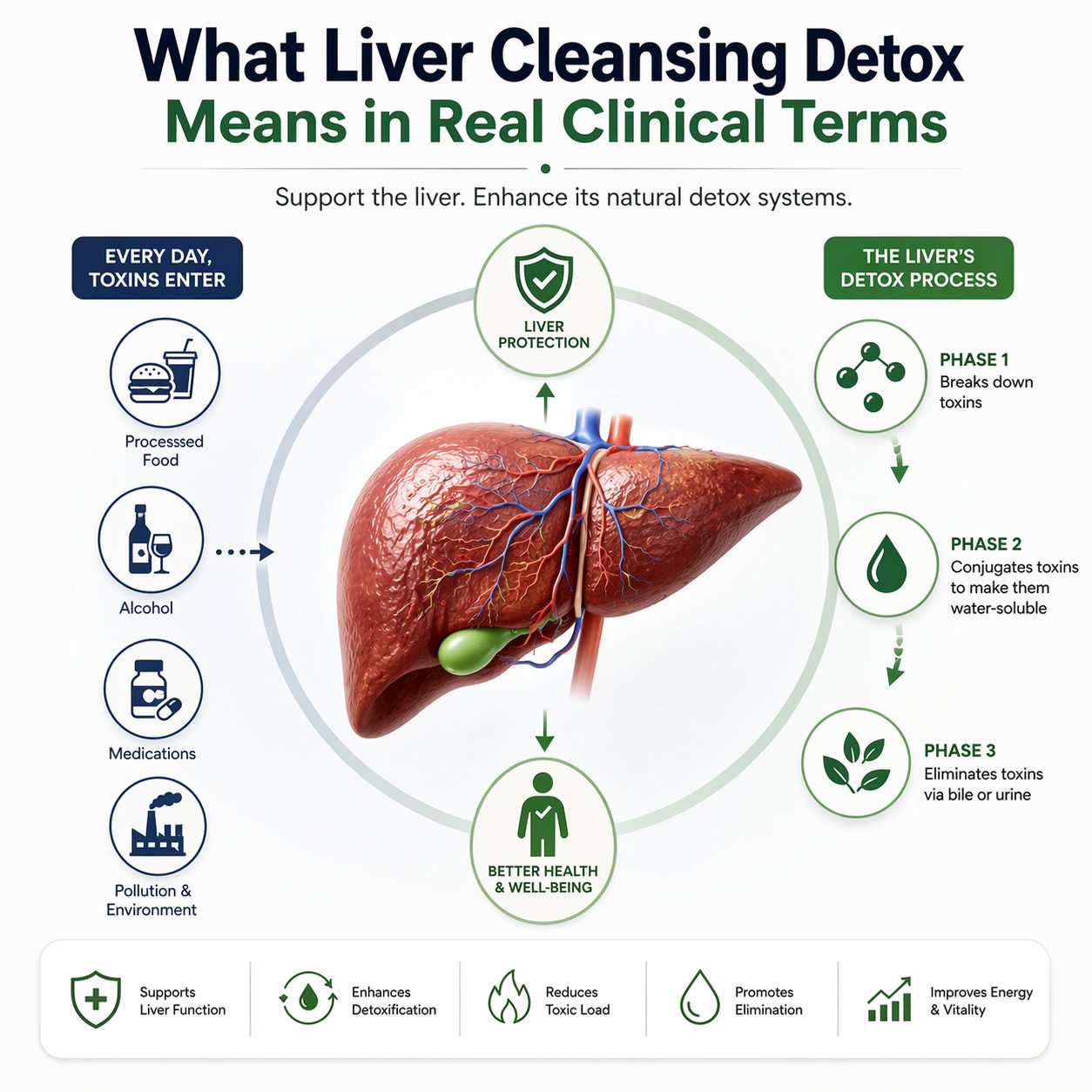
The liver already has its own detoxification system. It breaks down alcohol, drugs, hormones, and waste every day. It does this through chemical steps inside liver cells called hepatocytes.
That is why the phrase liver cleansing detox often creates confusion. In medicine, the goal is not to “flush” the liver. The goal is to reduce liver stress and support normal liver function.
For high-performing professionals, that difference matters. A strained liver can affect energy control, blood sugar balance, and recovery. Those changes can lower daily performance long before liver disease gets diagnosed.
Why Liver Strain Affects Performance
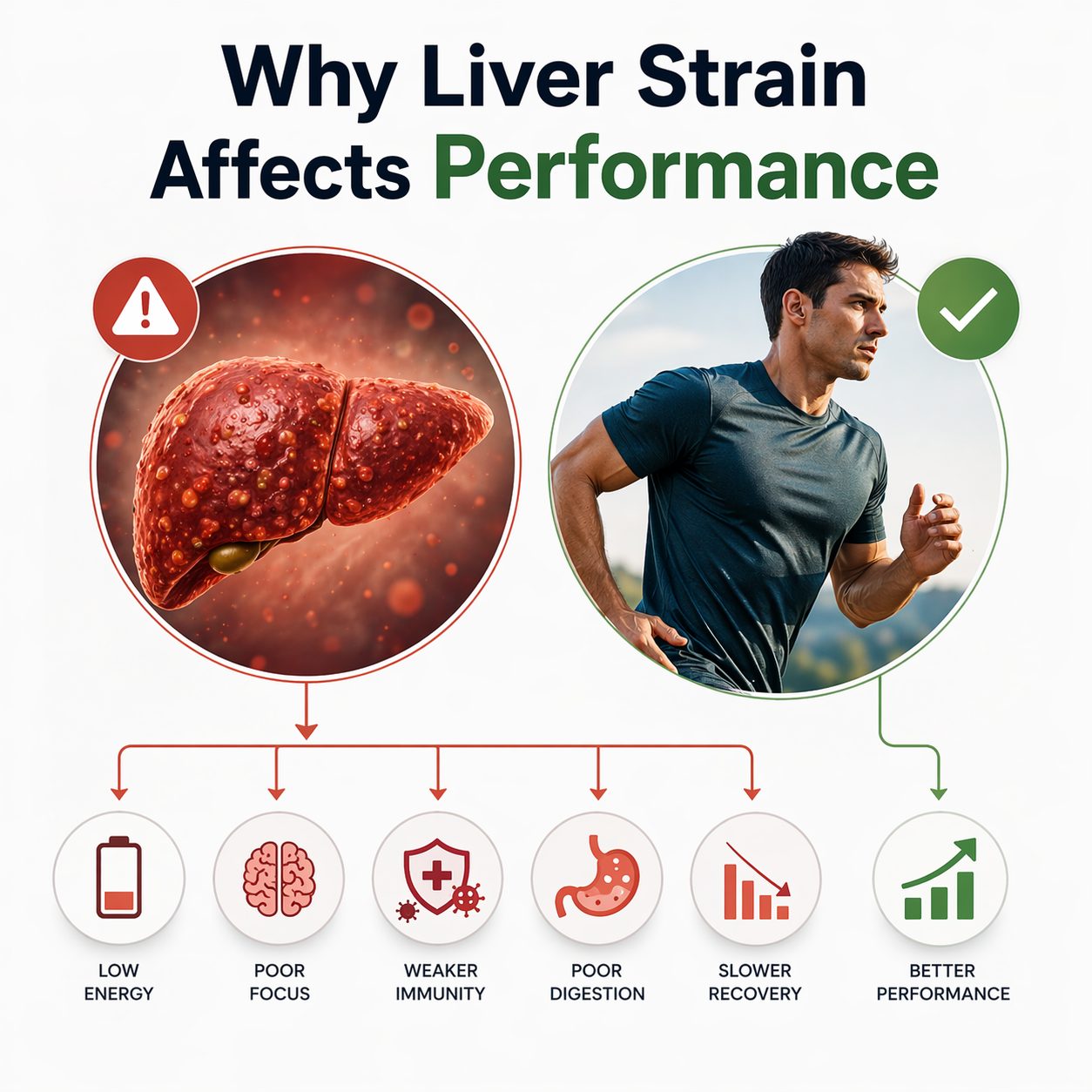
Liver strain does not always cause obvious symptoms at first. Many people notice weaker focus, slower recovery, low energy after meals, or poor sleep. They may also show mild changes in blood work.
Those early changes matter for executives and founders. The liver helps control glucose, fat metabolism, and inflammation. When that system weakens, mental sharpness and physical resilience often decline too.
This is one reason liver health belongs in a serious longevity discussion. It is not only a digestive issue. It also affects metabolic function, cardiovascular risk, and the body’s ability to stay stable under pressure.
READ ALSO: Detox Body Cleanser Claims and Their Impact on Liver Biomarkers Metabolic Load and Performance
The Biomarkers that matter more than Detox Marketing
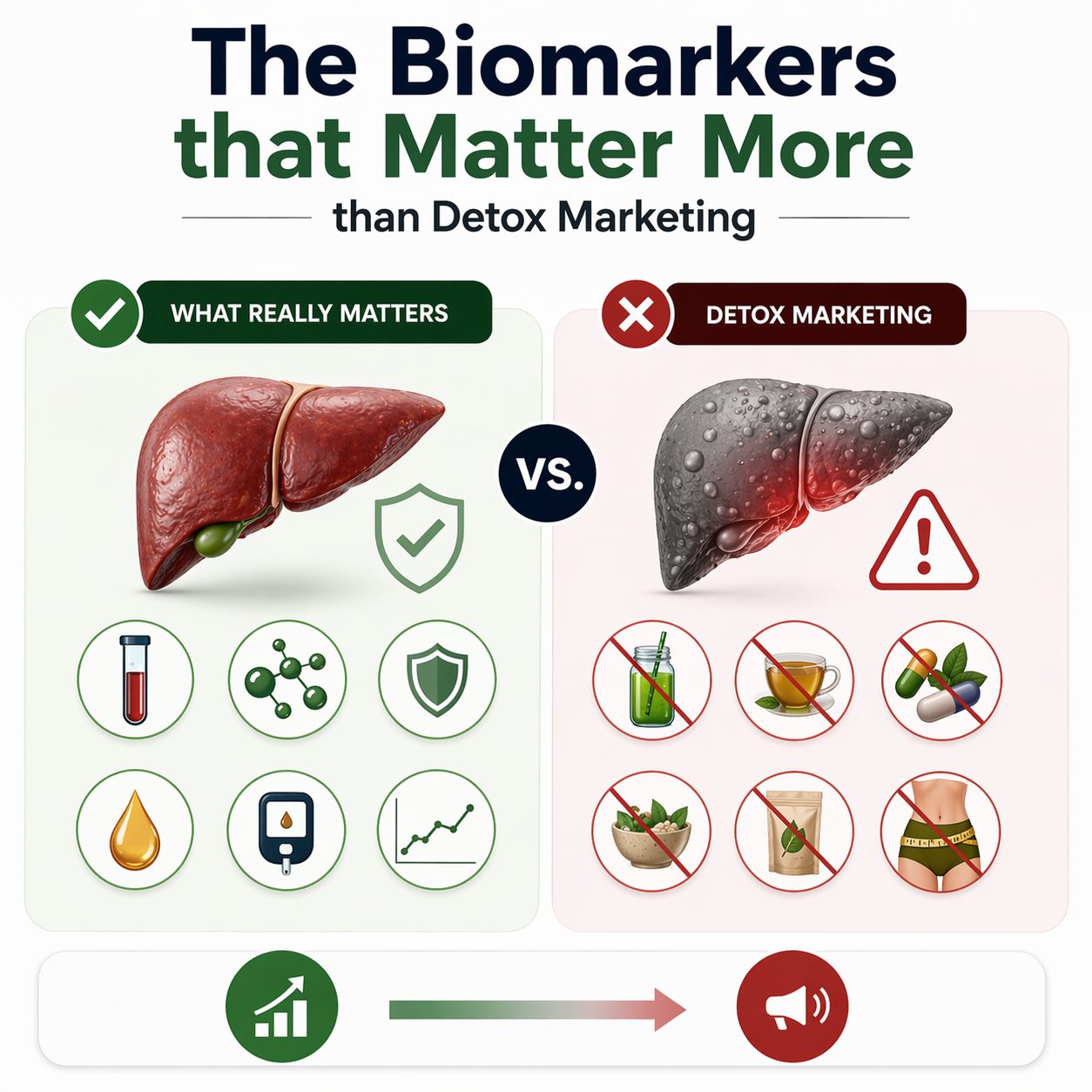
A real liver assessment does not rely on how “clean” someone feels. It looks at measurable markers. These include ALT, AST, fasting glucose, triglycerides, and other signs of metabolic stress.
Clinicians may also look at fibrosis risk. Tools such as FIB-4 help estimate whether the liver may be moving toward fibrosis, which means scarring. That gives far more useful information than a short cleanse plan.
This is where many detox claims fail. A product may promise a reset, but it rarely shows changes in real markers. If a strategy does not improve liver or metabolic data over time, it has weak clinical value.
Liver Fat is the Bigger Issue for most Adults
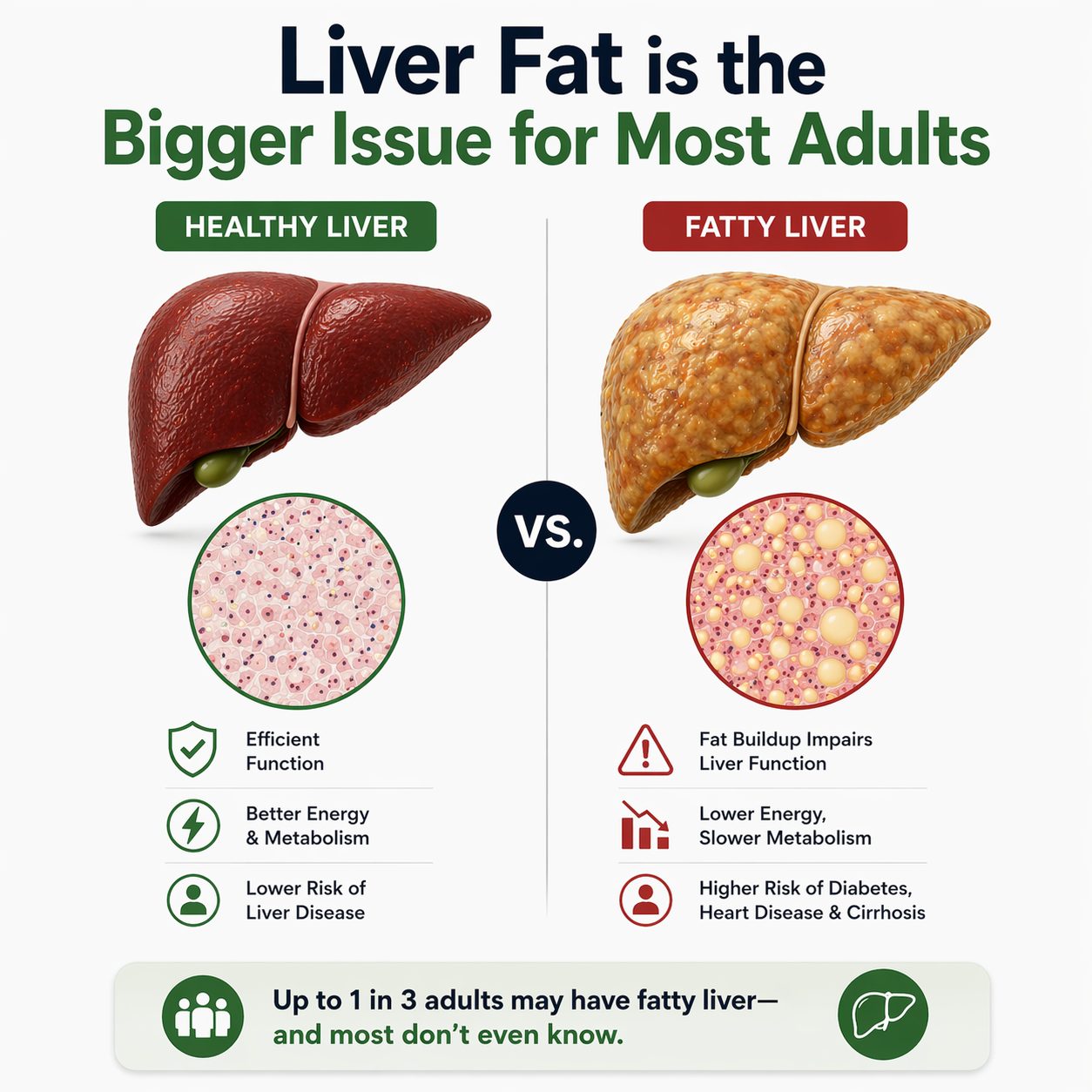
For many adults, the main liver problem is not toxin buildup. It is fat buildup inside the liver. This is called steatosis. It often develops from insulin resistance, excess calories, and high intake of processed food.
This matters because liver fat connects to a wider metabolic pattern. That pattern often includes high triglycerides, poor blood sugar control, and increased inflammation. It also raises long-term cardiovascular risk.
A professional can look healthy from the outside and still carry this risk. That is why liver health needs more than surface-level wellness language. It needs metabolic analysis and a long-term strategy.
Why Most Detox Products Fall Short
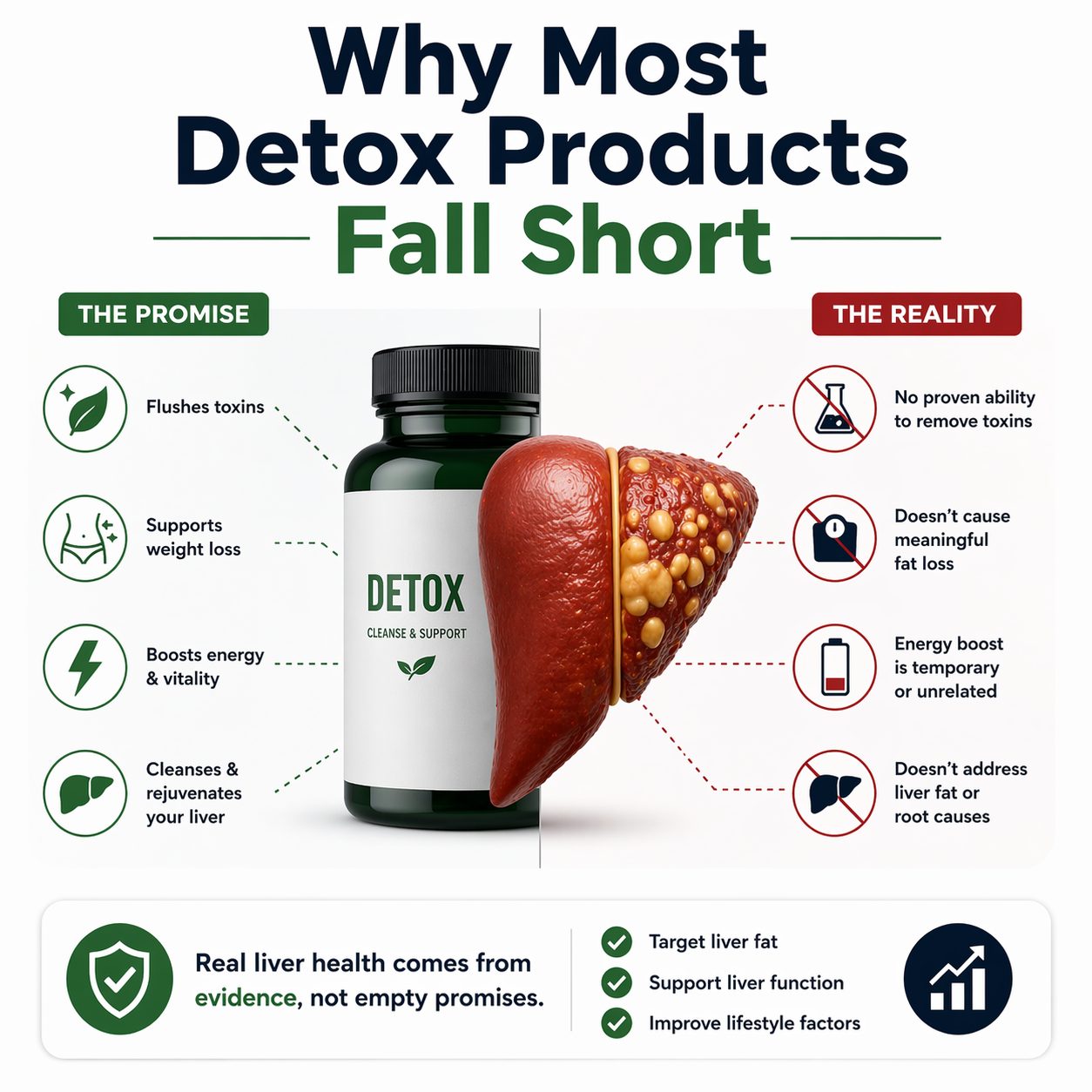
Commercial detox products often use dramatic language. They talk about cleansing, flushing, or clearing unnamed toxins. Most do not show strong evidence from peer-reviewed clinical research.
The National Center for Complementary and Integrative Health has noted that detoxes and cleanses lack strong proof in most cases. Some products also create risk. Herbal blends and multi-ingredient supplements have caused liver injury in reported cases.
That makes blind supplement use a poor strategy for this audience. A high-performing professional needs reliable outcomes, not vague promises. Any product that adds unknown liver stress works against that goal.
The Food Pattern behind Liver Stress
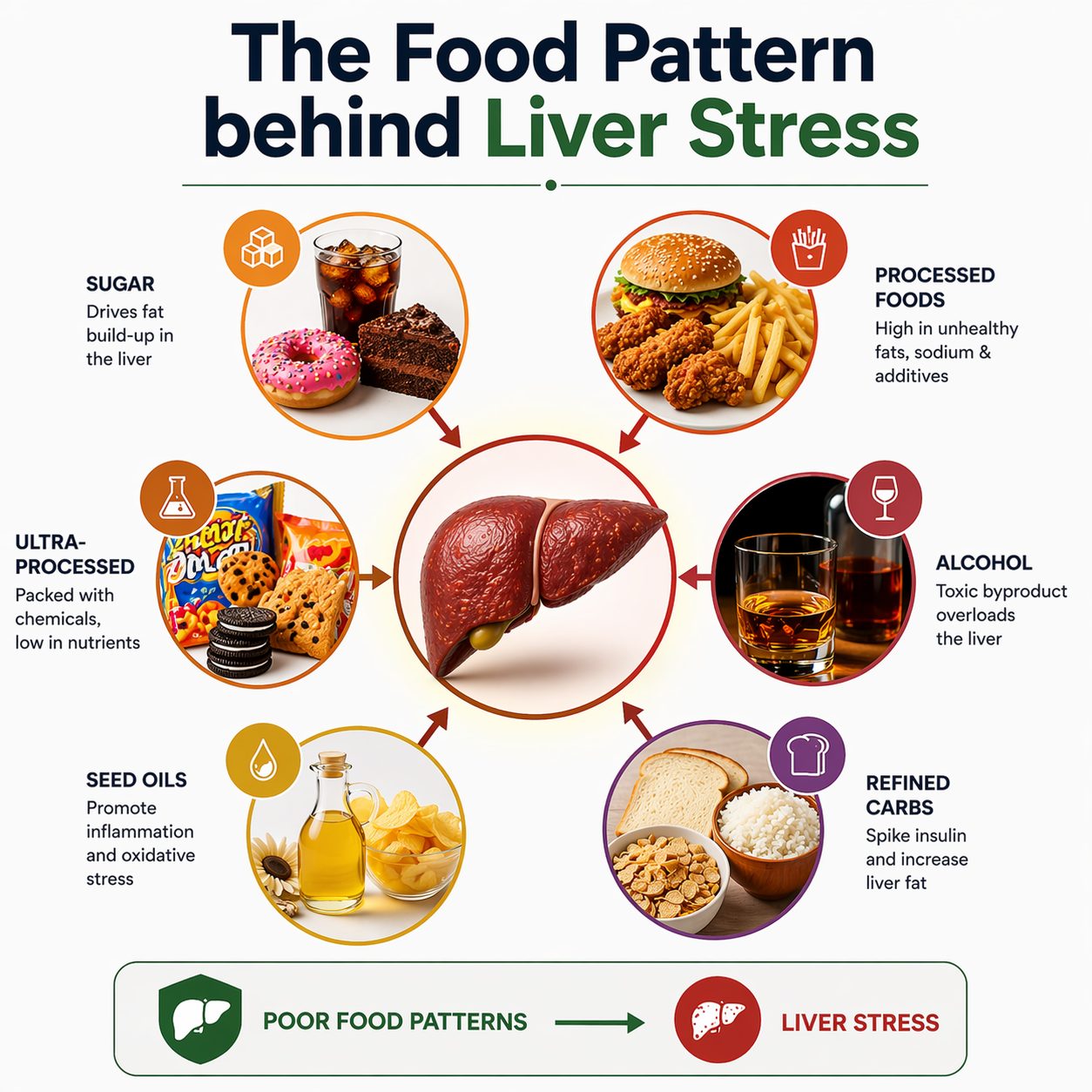
Many people search for a liver cleansing detox after periods of poor eating. But the larger problem is often daily food exposure, not one short event. Frequent intake of sugar-heavy drinks, refined carbs, and highly processed foods places a steady load on the liver.
Fructose deserves special attention here. The liver handles much of it directly. In excess, it can support de novo lipogenesis, which means the liver turns extra sugar into fat.
That process makes the liver store more fat over time. A short detox does not reverse that pattern on its own. A more useful approach changes the food environment that caused the stress in the first place.
Alcohol, Sleep Timing, and Stress Load
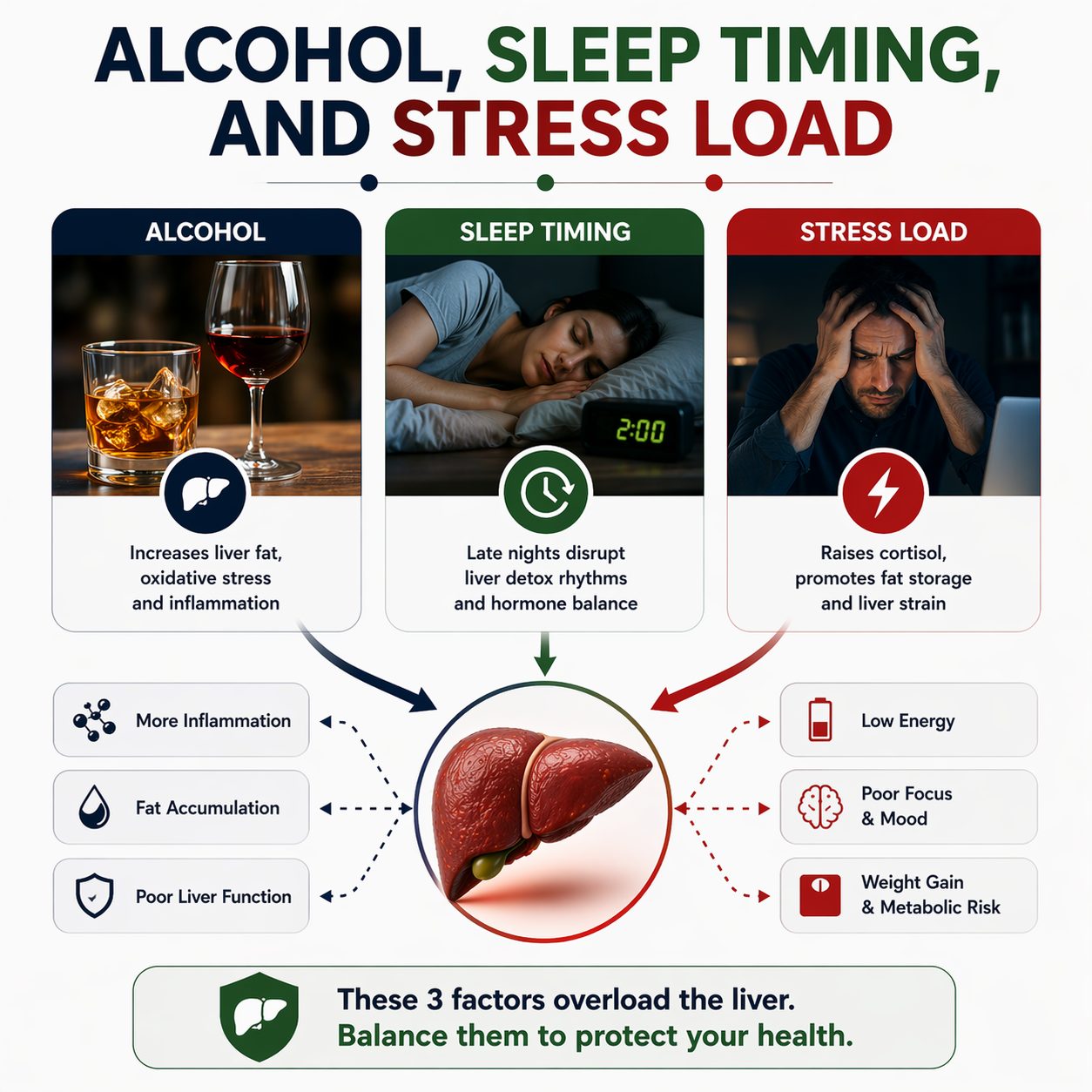
Alcohol remains one of the clearest drivers of liver burden. Even moderate intake can become more harmful when it combines with poor sleep, central weight gain, and metabolic dysfunction. The liver must process all of that at once.
Sleep timing also matters. The liver follows circadian rhythms, just like the brain and hormones do. Late meals, short sleep, and repeated travel can disrupt those rhythms and weaken metabolic control.
Stress adds another layer. High cortisol states can affect blood sugar, appetite, and recovery. For busy professionals, liver strain often comes from the mix of alcohol, poor sleep timing, and chronic work stress rather than one single cause.
The Eating Pattern with Better Evidence
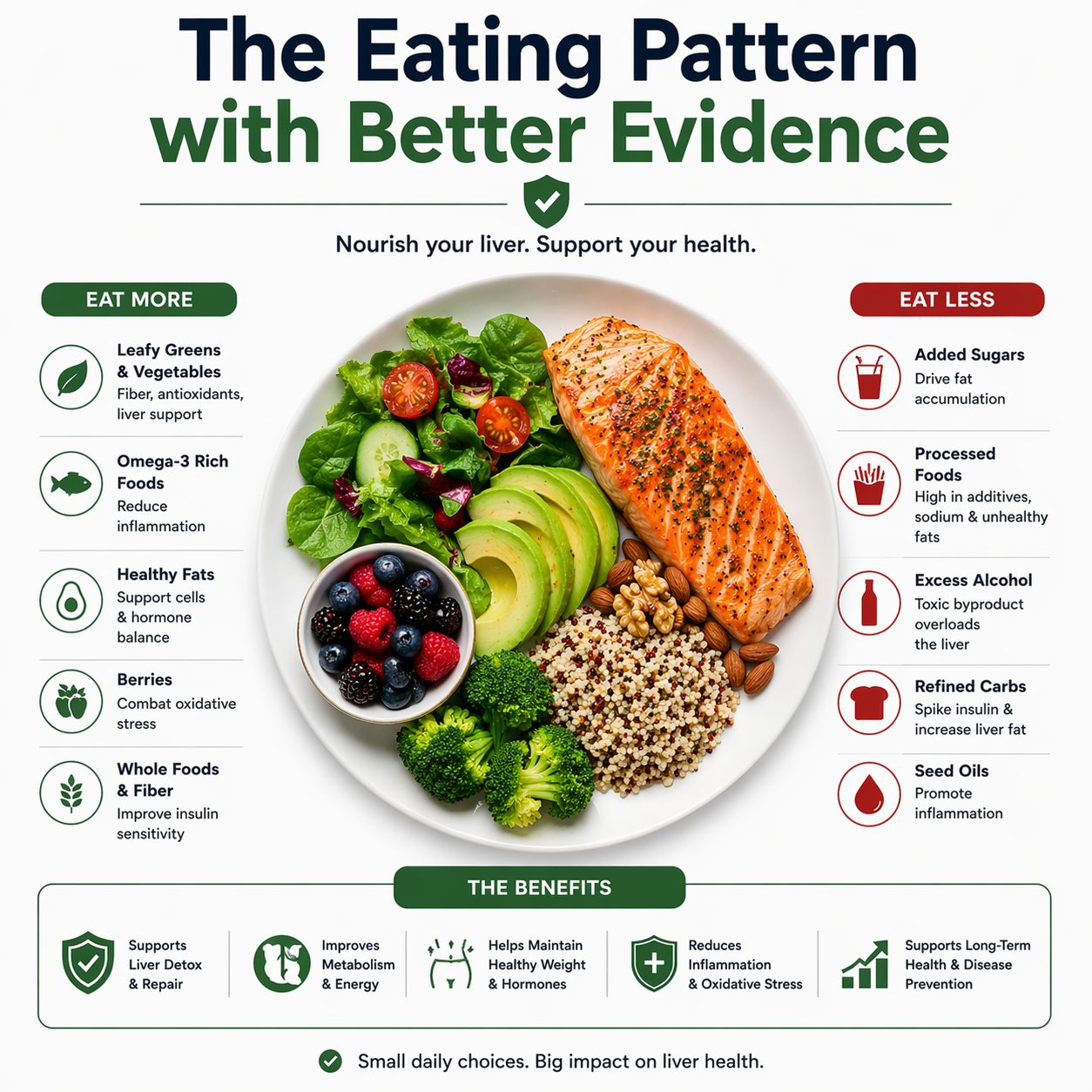
The strongest nutrition model for liver support is not a cleanse. It is a stable eating pattern. Research and guidance from groups such as AASLD support Mediterranean-style eating for better liver and cardiovascular health.
This pattern centers on vegetables, legumes, fish, olive oil, nuts, and minimally processed foods. It lowers the metabolic pressure that drives liver fat. It also supports better blood sugar control and lower inflammatory load.
That makes it more useful than extreme restriction. A brief cleanse may cut calories for a few days. A strong dietary pattern changes the biology that shapes liver risk across months and years.
READ ALSO: Daily Detoxing Tips – Whole Living Wellness
Coffee, Fiber, and Daily Liver Support
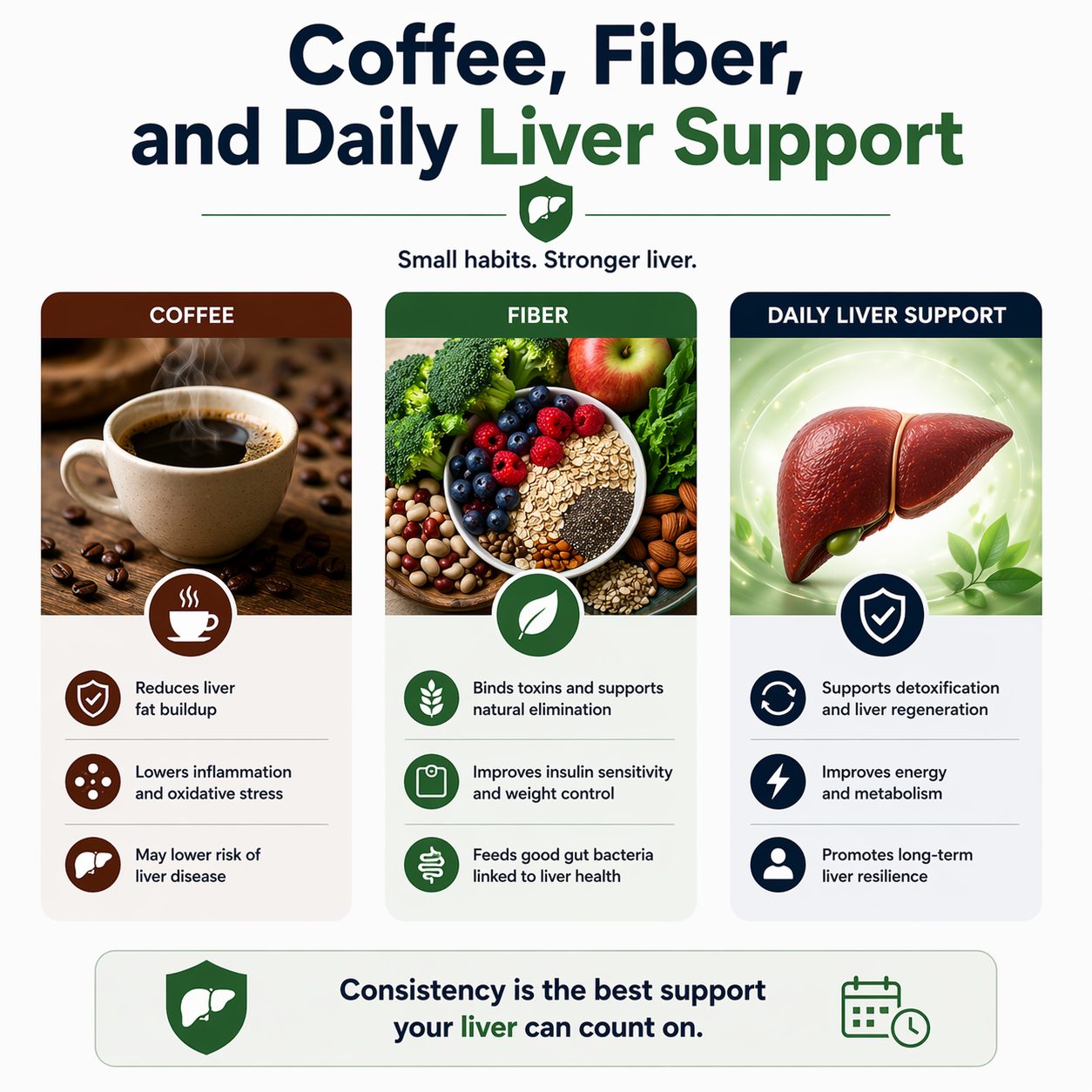
Coffee stands out in liver research. Several large studies and reviews link it with better liver outcomes. It is not a cleanse, but it may fit into an evidence-based nutrition pattern for many adults.
Fiber matters for a different reason. It helps improve glucose control, appetite regulation, and lipid handling. Those effects reduce the metabolic pressure that reaches the liver every day.
These tools work because they support the system, not because they force a purge. That is the core clinical difference. Real liver support improves normal function through daily habits with measurable metabolic effects.
READ ALSO: Detox Living for a Healthier, More Vibrant You
The Body Composition Link
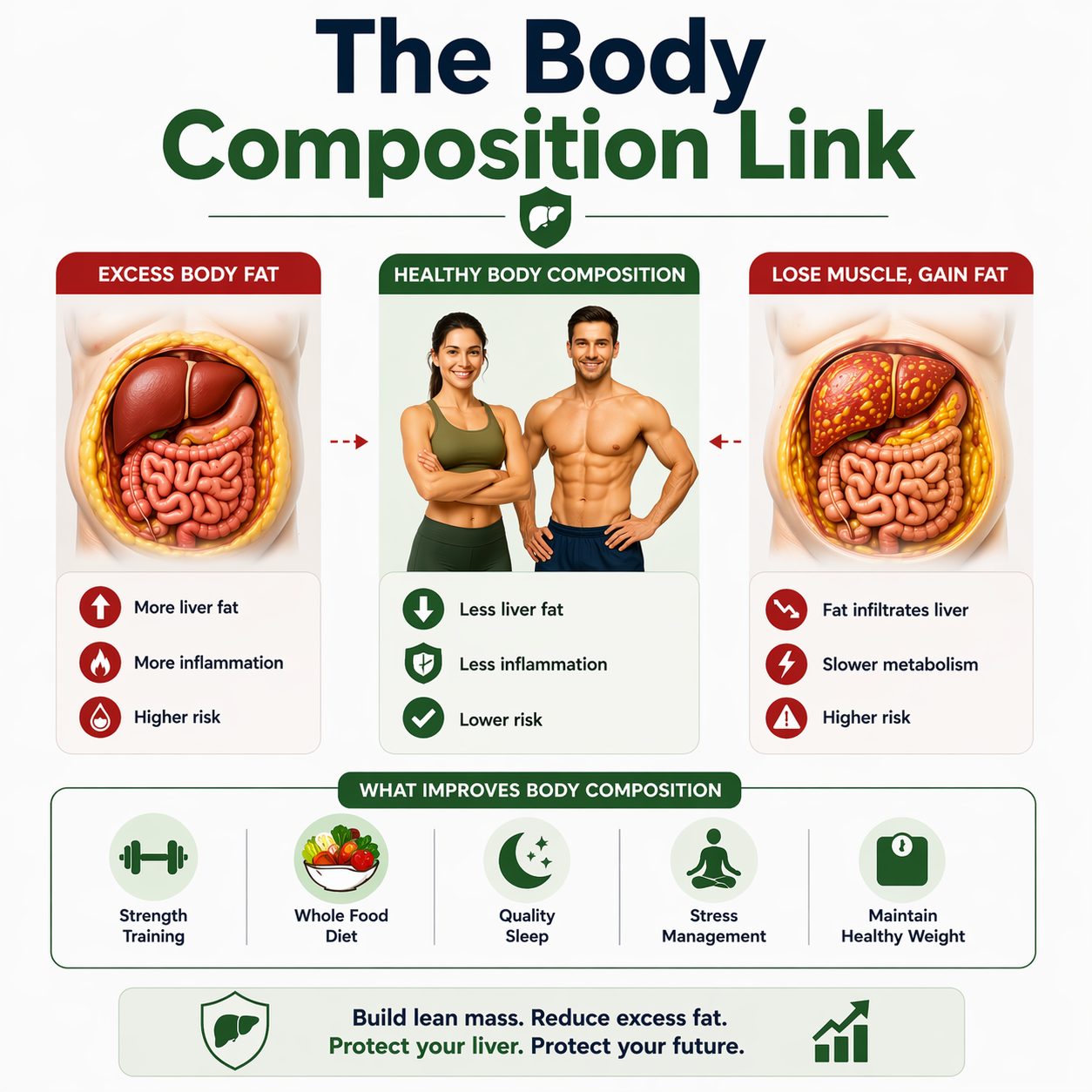
Liver health and body composition move together. Excess body fat, especially around the abdomen, often signals higher liver fat and weaker insulin sensitivity. That pattern can speed up metabolic aging.
Muscle mass also matters. More muscle helps the body handle glucose well. Loss of muscle, or sarcopenia, can worsen the same metabolic conditions that drive fatty liver.
This is why liver health belongs inside a full performance model. The liver does not work alone. It responds to body composition, movement, sleep, and nutrition as part of one connected system.
UP NEXT: Action Plan Detox: Foods to Eat, Foods to Avoid
How This Affects Your Biological Age