Sustained exposure to love bombing — a pattern of overwhelming affection and attention designed to accelerate emotional dependency — triggers a dysregulated cortisol response that, over time, suppresses immune function, disrupts sleep architecture, and accelerates biological age markers measurable through DNA methylation assays. For executives and founders already operating under high allostatic load, this additional hormonal disruption compounds existing cardiovascular and cognitive risk. What presents as intensity and devotion in early relational stages is, clinically, a chronic stressor — one with downstream consequences on executive function, decision-making clarity, and long-term healthspan that most high performers fail to recognize until systemic damage is already underway.
The Clinical Profile of Love Bombing
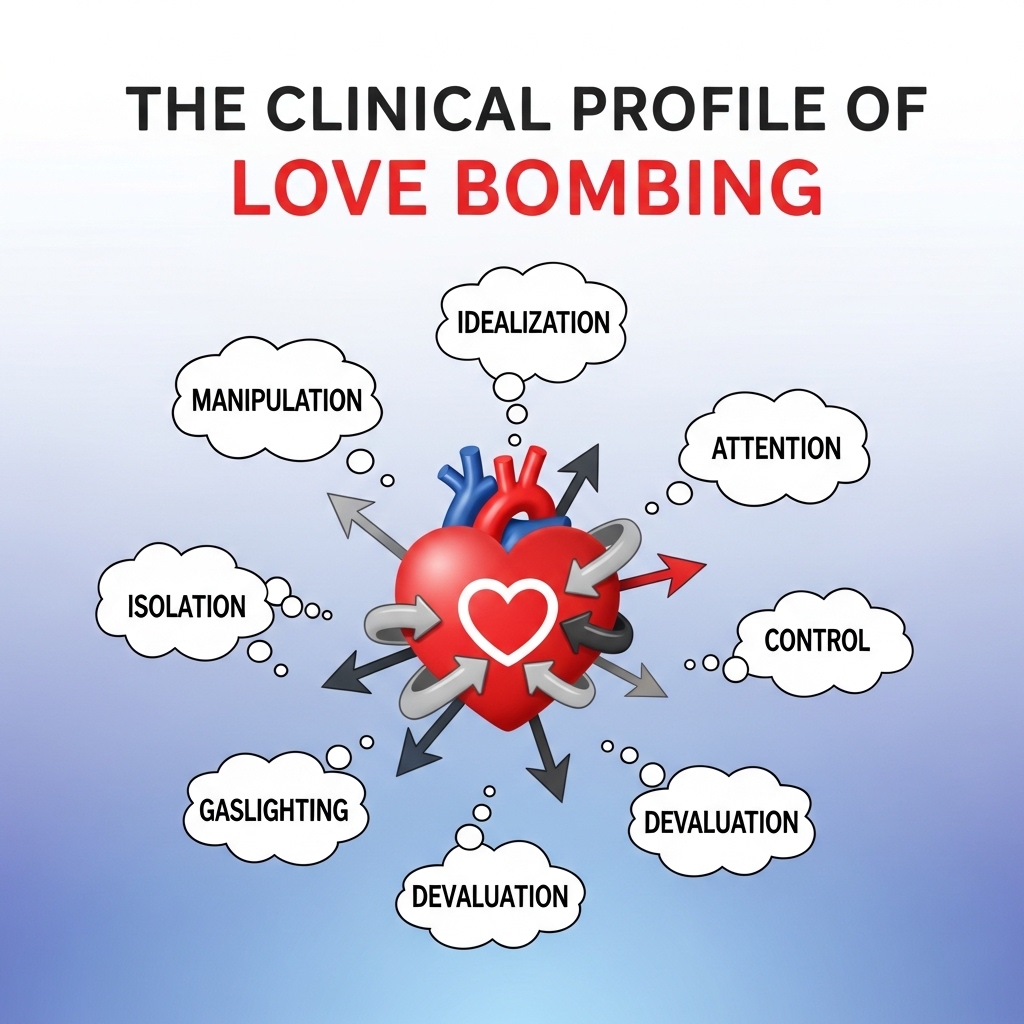
Love bombing is not enthusiastic courtship. Instead, it is a behavioral pattern built on extreme affection, attention, and idealization — delivered at a pace that bypasses normal relational judgment. The target receives constant messaging, lavish gestures, and early declarations of love before any genuine intimacy exists. Ultimately, what separates love bombing from real connection is its function: it creates dependency, not closeness.
This pattern exploits the brain's reward system. Specifically, dopamine surges triggered by intermittent reinforcement — intense affection followed by withdrawal — mirror the neurochemical patterns seen in substance dependency. The National Institute on Drug Abuse has documented this in its research on behavioral addiction. High-performing professionals are not immune. In fact, their pattern-recognition skills, sharp in business, can lead them to misread intensity as compatibility.
The clinical picture worsens when the love bombing phase ends. And it always ends. The shift from idealization to criticism triggers a stress response the nervous system reads as real threat. As a result, cortisol rises, sleep breaks down, and the brain's threat-detection center becomes overactive. These are the same physical markers seen in acute psychological trauma.
Cortisol Dysregulation and Allostatic Overload

The HPA axis — the system governing the body's stress response — does not separate professional stress from relational stress. When an executive manages work pressure alongside the volatility of a love-bombing relationship, the combined cortisol load can exceed the body's adaptive capacity. This state, known as allostatic overload, links directly to faster cellular aging, reduced immune function, and higher cardiovascular risk.
Carnegie Mellon University's Laboratory for the Study of Stress, Immunity, and Disease has consistently shown that chronic psychological stress suppresses immune function. Furthermore, it raises the risk of inflammatory disease. In love-bombing relationships, the on-off neurochemical cycle creates a destabilizing stress pattern. Its rhythm is unpredictable by design — and that unpredictability itself drives a sustained physical stress response.
Chronically high cortisol also disrupts metabolic function. For instance, it promotes visceral fat, impairs blood sugar regulation, and suppresses testosterone and growth hormone. These are variables that matter to professionals tracking body composition and recovery. For those already carrying high baseline cortisol from demanding work, a love-bombing relationship adds a compounding stressor. Standard biometric monitoring rarely identifies it as relational in origin.
Biological Age Acceleration and Inflammatory Markers
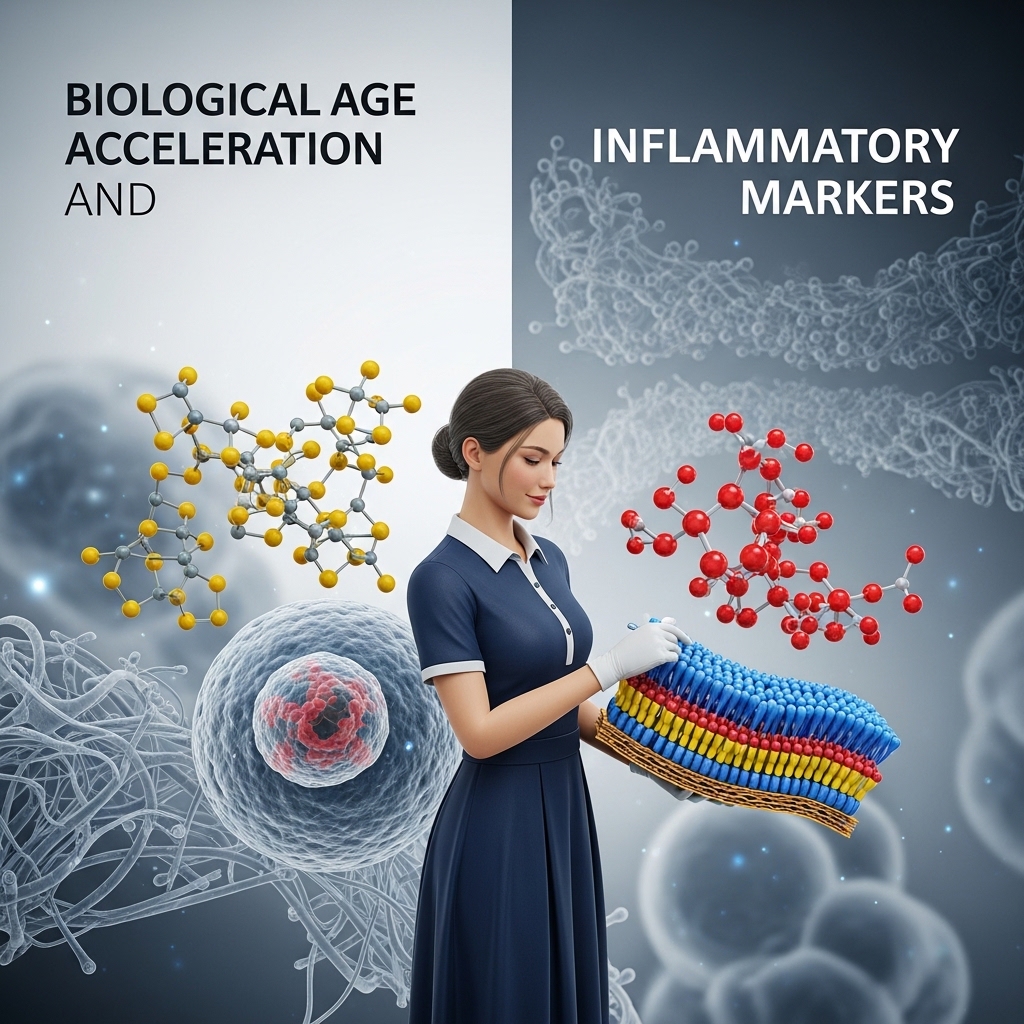
Biological age — measured through epigenetic clocks such as the Horvath clock or GrimAge — reflects the cumulative impact of lifestyle and psychological stress on cellular function. Unlike calendar age, it can speed up or slow down based on modifiable inputs. Moreover, chronic relational stress consistently links to faster biological aging. Studies published in Aging Cell and Nature Aging support this finding.
Inflammation is the key bridge between psychological stress and biological aging. Chronic stress raises pro-inflammatory proteins — including interleukin-6 and tumor necrosis factor-alpha. These speed up telomere shortening, impair mitochondrial function, and increase cellular damage. Consequently, for a professional in their 40s or 50s already carrying age-related inflammation, a destabilizing relational environment measurably accelerates their aging trajectory.
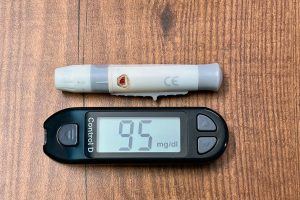
Relational toxicity is not a soft variable. On the contrary, it has hard biological correlates. Executives who invest in glucose monitors, VO2 max testing, and body composition scans — but overlook psychological drivers of stress — are missing a key longevity variable. The evidence increasingly supports treating chronic relational stress with the same analytical rigor applied to sleep, nutrition, and exercise.
Cognitive Performance and Executive Function Decline

The prefrontal cortex — governing decision-making, impulse control, and strategic thinking — is highly sensitive to cortisol. Sustained high cortisol levels reduce grey matter density in this region and impair neural adaptability. Neuroimaging research from the Max Planck Institute for Human Cognitive and Brain Sciences supports this finding. For founders and executives whose professional value depends on sharp thinking, this represents a direct performance cost.
Beyond the neurochemical effects, love-bombing relationships generate high cognitive load. Making sense of conflicting relational signals — intense affection followed by criticism or withdrawal — consumes working memory and attention. Additionally, rumination, a common byproduct of emotionally destabilizing relationships, reduces performance on tasks requiring focus and complex reasoning. This cognitive cost runs continuously, not only during moments of acute distress.
Sleep is the primary mechanism for consolidating both emotional balance and executive function. However, the hyperarousal generated by love-bombing cycles — anxiety, rumination, nervous system instability — directly impairs deep and REM sleep. Chronic sleep disruption then compounds the decline in prefrontal function and reduces emotional resilience. As a result, degraded cognitive function makes it harder to accurately assess the relational dynamic itself. This feedback loop carries real clinical weight.
READ ALSO: Acts of Service to Renew Love on All Seasons
Cardiovascular Risk and the Relational Stress Pathway
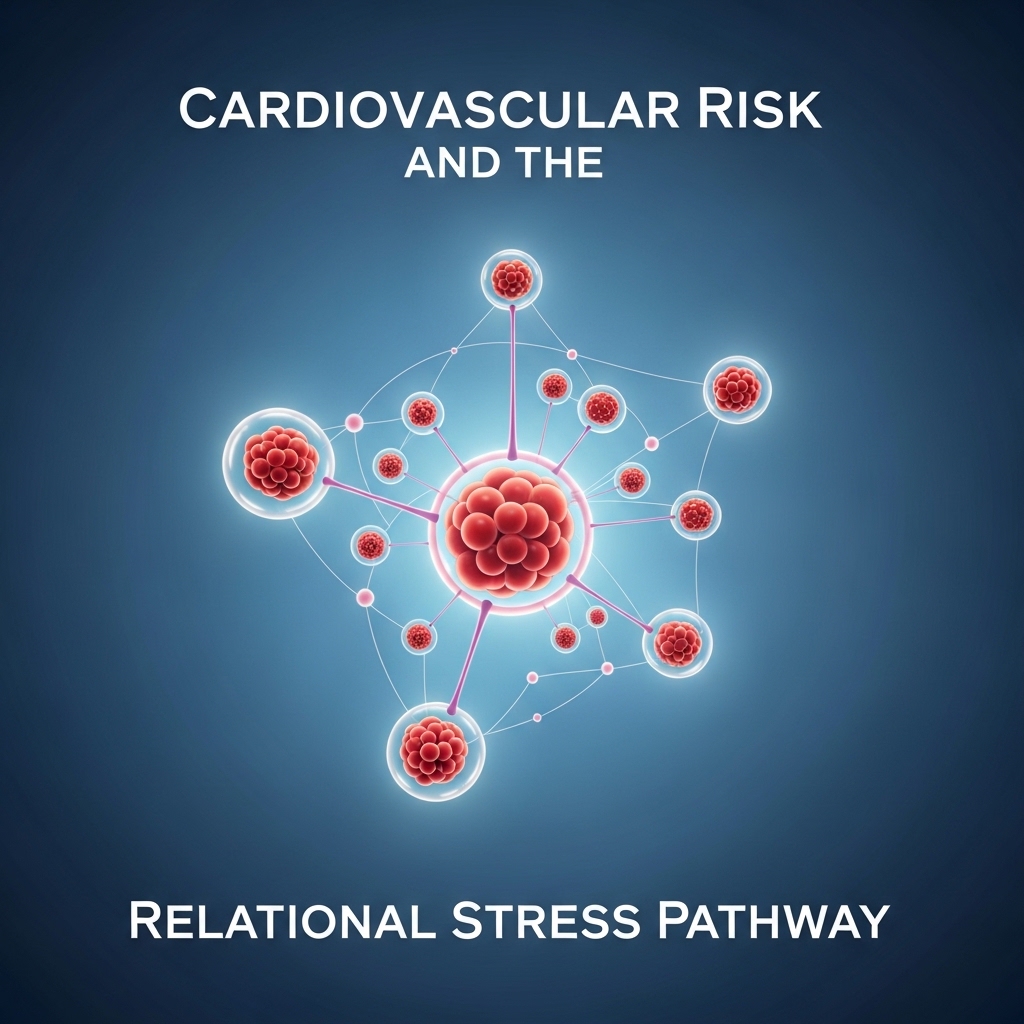
The link between chronic psychological stress and cardiovascular disease is among the most solid in research. The Framingham Heart Study established that psychosocial stressors — including relationship distress — are independent risk factors for major cardiovascular events. The mechanisms include activation of the sympathetic nervous system, damage to blood vessel linings, and increased clotting tendency. Love-bombing relationships drive sustained activation across all three pathways.
Elevated resting heart rate and reduced heart rate variability (HRV) are early measurable signs of stress-driven autonomic dysregulation. HRV — the variation between heartbeats — is a validated measure of cardiovascular resilience. Professionals tracking HRV through wearables may see sustained suppression during relational volatility without identifying the cause. Therefore, a declining HRV trend — absent overtraining or acute illness — warrants a direct review of psychosocial stressors.
Endothelial function — the reactivity of blood vessel linings — is equally sensitive to chronic psychological stress. Research published in the Journal of the American College of Cardiology documents reduced flow-mediated dilation in individuals under sustained psychosocial stress. This is an early marker of arterial disease risk. For professionals already managing high blood pressure or lipid disorders, relational stress is not a peripheral concern. It is a variable with direct cardiovascular consequence.
Identifying the Pattern in High-Functioning Contexts
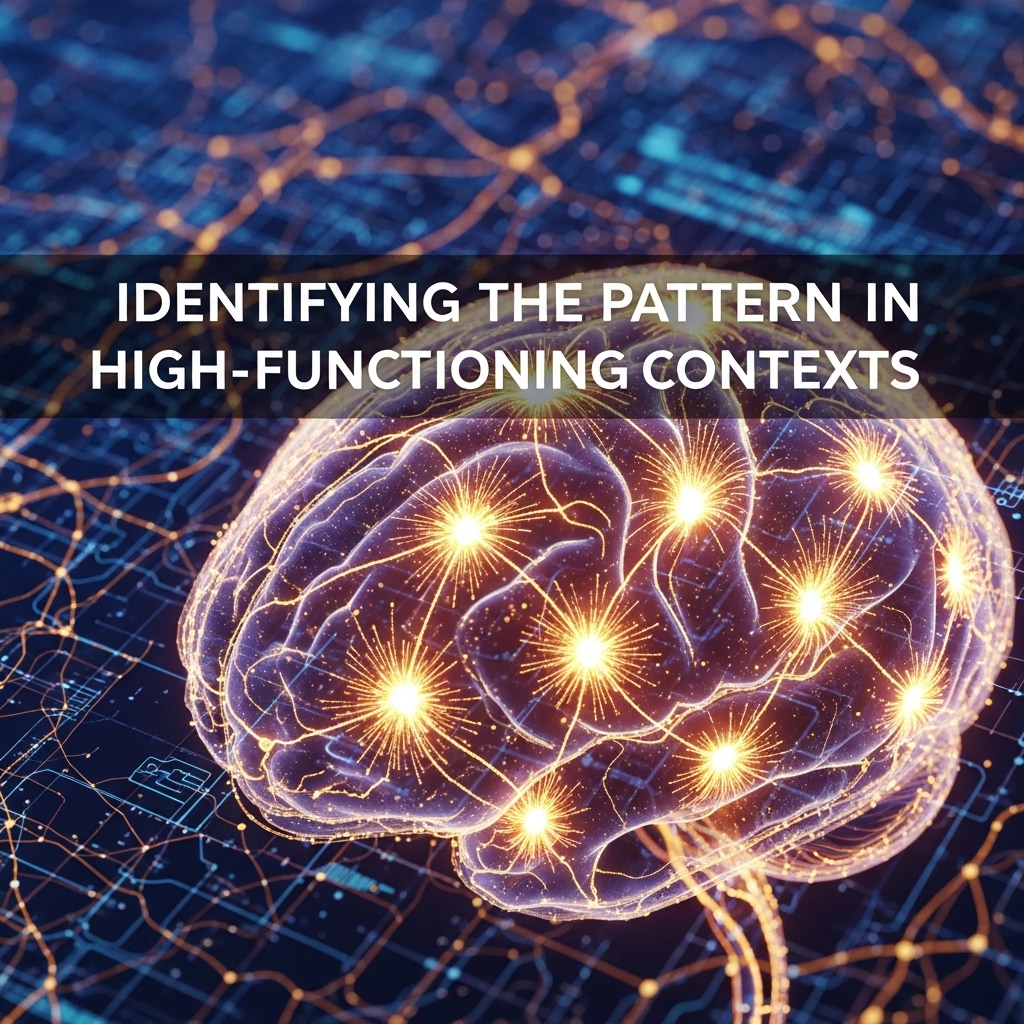
High-performing professionals face a specific challenge in recognizing love bombing. The traits that drive professional success — confidence in pattern recognition, comfort with high-intensity environments, tolerance for risk — can create blind spots in relational assessment. Speed and intensity are rewarded at work. In a relational context, however, they may register as desirable rather than destabilizing.
The behavioral markers of love bombing are identifiable even when they feel positive. These include rapid escalation of commitment language within weeks of meeting, persistent contact that leaves little space for reflection, and framing the relationship as uniquely destined. Additionally, noticeable displeasure when the target exercises autonomy is a consistent marker. No single sign is conclusive. Nevertheless, their clustering — especially early in a relational timeline — constitutes a pattern well documented in the literature on coercive control.
Attachment theory, developed through the foundational research of John Bowlby and later extended by Cindy Hazan and Phillip Shaver, offers a useful clinical lens here. Individuals with anxious attachment histories are more susceptible to love bombing. The pattern activates deep attachment needs in a way that feels like resolution rather than threat. For high performers who have normalized hyperactivation as a functional state, the neurochemical intensity of a love-bombing dynamic can feel like genuine connection rather than a stress response.
READ ALSO: Five Languages of Love: Nurturing Connections Everyday
Biomarker Monitoring as a Relational Health Tool
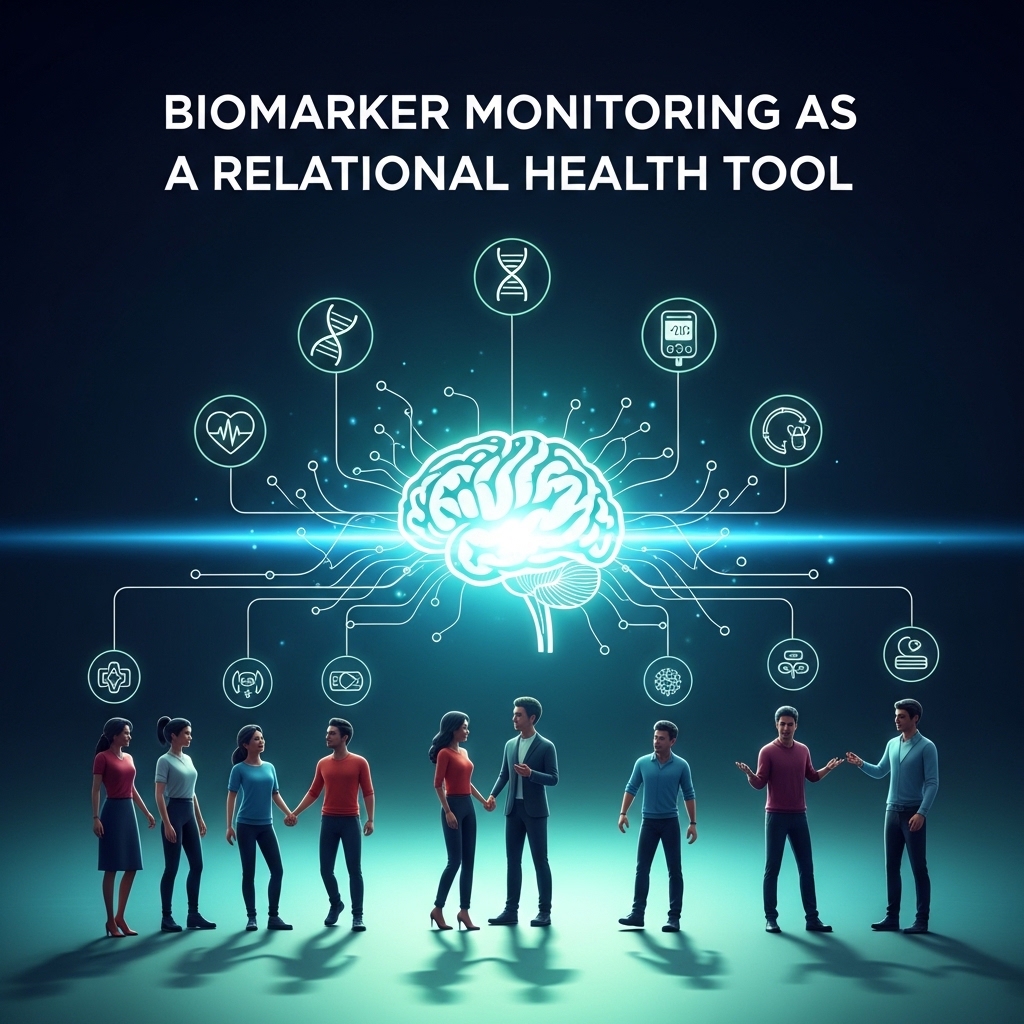
A coherent longevity strategy includes monitoring the physical signs of psychological stress — not only the biomarkers tied to diet, exercise, and sleep. HRV trends, salivary cortisol patterns, and inflammatory markers such as high-sensitivity C-reactive protein (hs-CRP) provide objective data. Furthermore, for those with access to advanced testing, epigenetic age assessments reveal whether chronic stress is aging the body faster than lifestyle inputs alone explain.
When biomarker data diverges from training and recovery inputs — HRV declining despite adequate sleep, or hs-CRP elevated without dietary cause — a structured review of psychosocial stressors is warranted. This is a diagnostic step. Integrative and longevity-focused physicians trained in functional medicine increasingly assess relational and occupational stress as part of a full metabolic and cardiovascular workup. As a result, the relational environment is no longer treated as separate from clinical health data.
Longitudinal self-tracking creates a record that can reveal links between relational events and physical changes. For example, a professional reviewing six months of HRV data alongside a personal log may see patterns that isolated snapshots miss entirely. This data-driven approach applies the same systems thinking that high-performing professionals already use across other areas of health optimization.
READ ALSO: The Impact of Love and Wellness Practices on Stress Reduction and Cognitive Performance in High-Performing Professionals
Evidence-Based Options for High-Performing Professionals

The evidence points to several practical directions worth considering. First, structured psychological assessment — with a clinician trained in attachment disorders or coercive control — provides a framework for evaluating relational dynamics with real analytical rigor. Second, somatic therapies including EMDR, recognized by the World Health Organization for stress-related neurological dysregulation, address the physical imprinting of chronic relational stress rather than only its cognitive dimensions. Third, regular biomarker monitoring — HRV, hs-CRP, cortisol rhythm testing, and periodic epigenetic age assessment — creates objective accountability for the systemic cost of psychosocial stressors. Finally, where relational circumstances are not immediately changeable, structured mindfulness protocols — supported by NIH-funded research showing reduced threat-response reactivity and lower inflammatory markers — offer a physiologically grounded way to reduce stress load while longer-term decisions are being assessed.
UP NEXT: Love Languages: Nourish the Way You Give and Receive
Chronic exposure to love bombing — and the sustained cortisol dysregulation it produces — is directly associated with accelerated epigenetic aging, with research linking prolonged psychological stress to measurable increases in biological age of two to five years beyond chronological age. WholeLiving's Biological Age Estimation Model incorporates this factor directly — your assessment takes under five minutes.
Ready to understand how these factors are influencing your biological age right now? [Take the Biological Age Assessment →]