For high-performing professionals, relationship friction does not stay confined to private life; it elevates cortisol load, degrades sleep quality, and weakens decision stability, with the American Heart Association linking social isolation and stress to greater cardiovascular risk, while Harvard T.H. Chan researchers note that social connection and prosocial behavior support healthier longevity trajectories. Acts of service matter in this context not as a sentimental preference but as an observable form of support that can reduce relational strain, reinforce trust, and protect the physiological conditions required for sustained cognitive performance, recovery, and long-term healthspan.
Acts of Service as a Form of Instrumental Support

In relationship science, acts of service align with instrumental support. That means practical help that lowers a partner’s task load, time pressure, or stress exposure. This form of support differs from empathy or reassurance alone.
That distinction matters for a high-performing professional. A relationship does not protect health through warmth alone. It protects health when it reduces strain, lowers friction, and improves daily function.
Holt-Lunstad’s meta-analysis in PLOS Medicine showed that stronger social relationships were linked to a 50% higher likelihood of survival. That finding gives social support clinical weight. In this context, acts of service matter when they reduce real burden rather than signal good intent.
Cortisol Regulation and Daily Stress Load
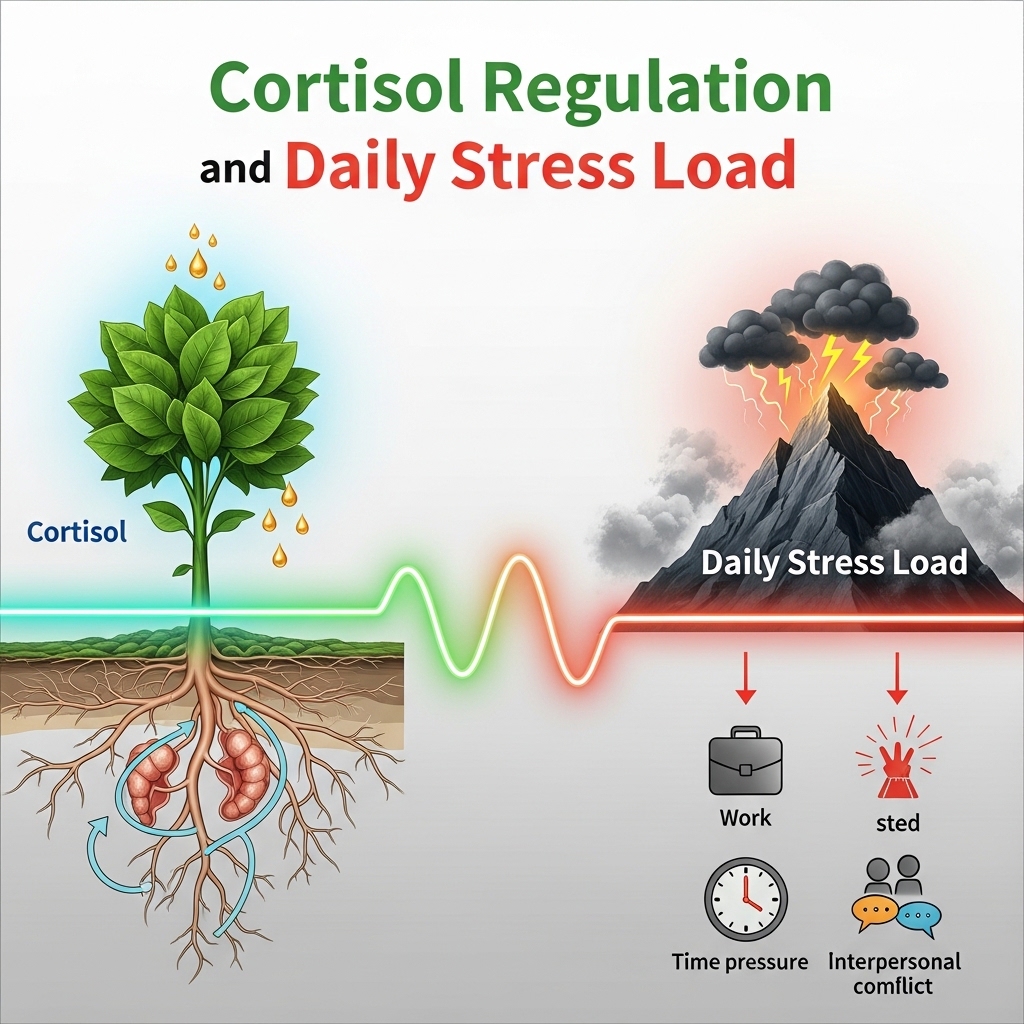
One of the clearest links between close relationships and health is stress buffering. Social support can reduce physiological stress responses, including cortisol reactivity. That effect matters more than a simple feeling of comfort.
A study indexed in PMC found that greater family support predicted a lower cortisol awakening response. That marker reflects stress-system activity across the day. Lower strain at home can therefore shape measurable stress physiology.
High performers rarely face one isolated stressor. They manage repeated demands across travel, meetings, deadlines, and sleep loss. When acts of service remove part of that load, they can reduce stress before it builds into a larger physiological cost.
READ ALSO: Words of Affirmation to Start the Day in Peace
Sleep Quality and Overnight Recovery
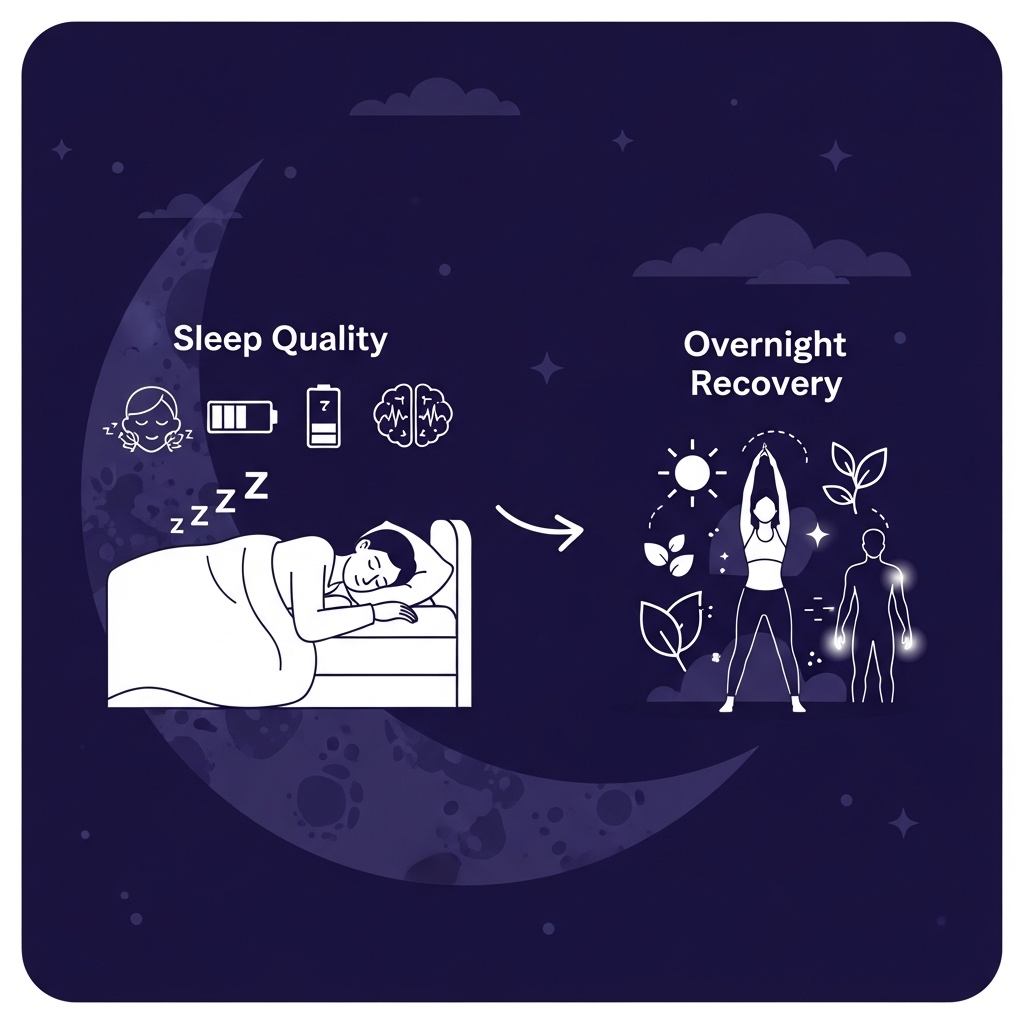
Sleep is one of the fastest ways relationship quality shows up in the body. A systematic review on social relationships and sleep quality found that better support was linked with better sleep. A later review also linked negative relationship experiences with more sleep disturbance.
For executives and founders, sleep is not a soft metric. It affects reaction time, glucose control, emotional regulation, and next-day judgment. When acts of service reduce late-night friction or protect recovery time, they can improve sleep conditions in a direct way.
The reverse pattern also holds. Research on couples has shown that sleep loss worsens conflict tone and stress response. In practical terms, poor recovery weakens both partners’ ability to regulate tension, which raises the value of small, well-timed forms of support.
READ ALSO: Gift Giving as a Ritual of Healing and Renewal
Inflammation and Cardiovascular Consequences
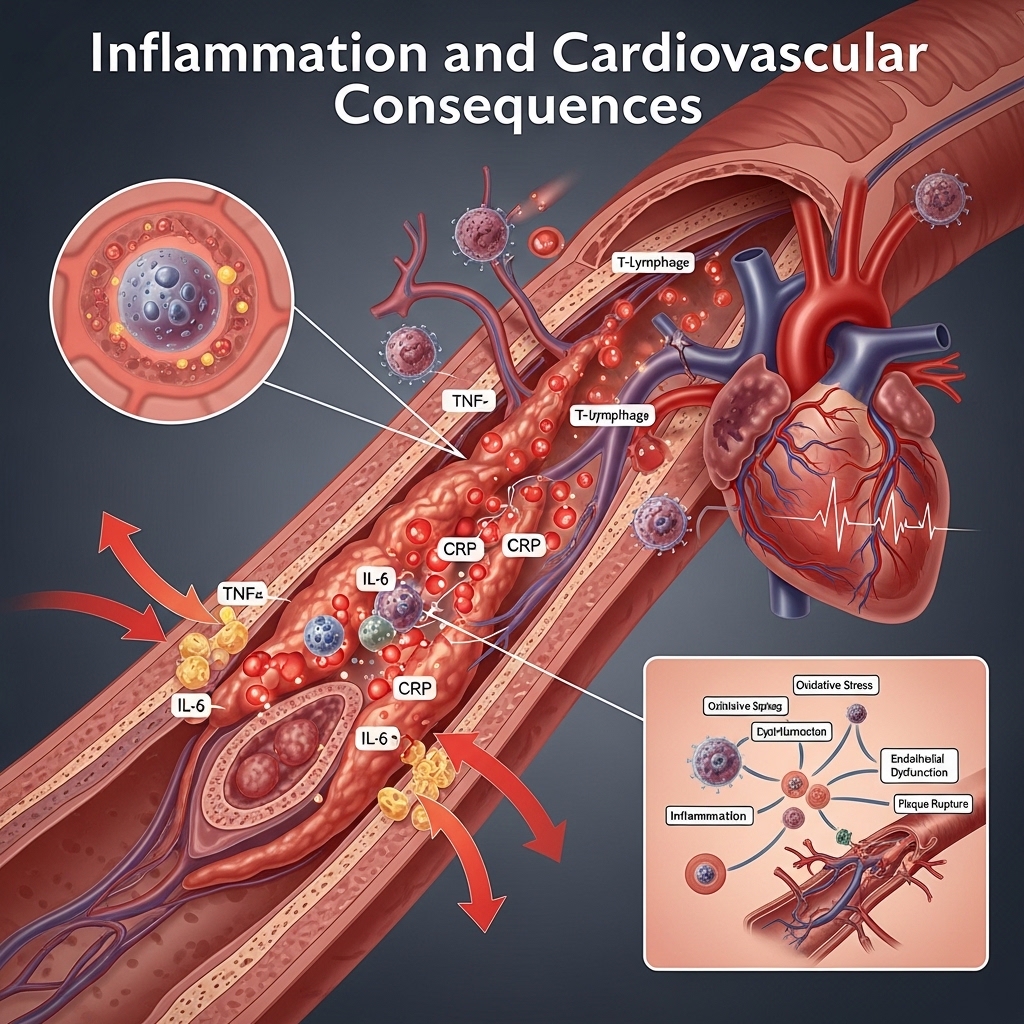
Close relationships affect more than mood. Janice K. Kiecolt-Glaser and colleagues reviewed evidence showing links between social support, conflict, and inflammatory markers. They also noted that chronic low-grade inflammation predicts disease burden and all-cause mortality.
The American Heart Association’s 2022 scientific statement reported that social isolation and loneliness were associated with about a 30% higher risk of heart attack, stroke, or death from either. The statement also linked poor social connection with worse heart and brain health. That places relationship quality inside the larger picture of longevity risk.
Acts of service are not a stand-alone heart intervention. Still, they can lower day-to-day conflict and improve perceived support. Over time, that shift may reduce some of the inflammatory and cardiovascular strain that comes from chronic relational stress.
READ ALSO: Five Languages of Love: Nurturing Connections Everyday
Cognitive Performance and Executive Bandwidth

High-performing professionals often lose output through accumulated bandwidth loss, not one major failure. Friction at home, poor recovery, and unresolved tension can drain attention before the workday starts. That makes relationship support a performance issue, not a private side topic.
Acts of service help because they turn care into reduced cognitive load. Practical help can remove small but costly demands from a partner’s schedule. It can also preserve focus for higher-value work and reduce the mental residue that follows conflict or neglect.
The quality of support matters as much as the act itself. Research on invisible support suggests that help can work better when it lowers strain without drawing attention to itself. For executives, that means well-timed support may protect cognitive performance more effectively when it feels responsive rather than controlling.
Reciprocity Biological Age and Long-Term Relationship Stability
No relationship stays protective if support becomes one-sided, forced, or transactional. Research on failed reciprocity in close relationships suggests that repeated unfair exchange can harm health through chronic stress. Acts of service help most when they reflect mutual regulation rather than scorekeeping.
That point also matters for biological age. No single supportive act changes aging on its own. However, long-term patterns of support can shape upstream factors tied to aging, including sleep quality, cortisol balance, and inflammatory burden.
The broader evidence supports the larger principle. Stronger and more supportive relationships are linked with longer survival, while poor connection is linked with higher cardiovascular risk and stress load. For a high-performing professional, the best evidence-based options are practical: use acts of service to reduce real task burden, protect sleep opportunity, lower conflict frequency, and assess whether the relationship improves next-day steadiness rather than adding more strain.
UP NEXT: How Your Relational Communication Style Drives Cortisol Regulation and Executive Longevity
Acts of service within close relationships — when they consistently reduce task load, minimize daily friction, and reinforce mutual support — are associated with lower cortisol reactivity, improved sleep quality, and reduced inflammatory burden, all of which contribute to more stable cardiovascular function and preserved cognitive bandwidth over time. In contrast, imbalanced or absent support increases relational strain, elevates stress physiology, and compounds recovery deficits, factors linked in research to accelerated biological aging and reduced performance longevity. WholeLiving's Biological Age Estimation Model incorporates this factor directly — your assessment takes under five minutes.
Ready to understand how these factors are influencing your biological age right now? [Take the Biological Age Assessment →]