


A magical mindset is a gentle way to guide your daily self-care. It helps you notice small wins, even on messy days. Your mindset shapes how you read stress, rest, and recovery in real life.
You do not need fancy tools to start. You need a steady mindset and a few kind choices. Stay curious about small changes. That is how a magical mindset turns ordinary moments into care and a magical life.
What a magical mindset means in self-care

Your magical mindset is not about pretending everything is fine. It is about choosing a calmer lens when your day feels loud. This mindset gives you a steady place to stand in your own life.
A magical mindset tells you that small steps still count. It also reminds you that mental health is part of your daily life. When you treat your needs with respect, your power grows.
Think of it as your inner guide for positive thinking and simple choices. You use your mindset to spot patterns, then adjust with care. Over time, your magical mindset can feel deeply fulfilling and quietly powerful. This is your journey back to balance.
Start your day with small cues

Begin with one cue you can repeat each morning. A glass of water, a short stretch, or two slow breaths can work. This tiny start builds your mindset without needing perfect motivation.
Keep your focus on quantity, not intensity. When you repeat a cue, the quantity of repeats trains your brain. That quantity becomes proof that your magical mindset is real.
The quantity can stay small and still matter. Five repeats beat one perfect day. Your mindset learns through steady quantity.
If mornings are chaotic, choose a cue that takes ten seconds. You can place your hand on your chest and talk softly. Say one line, then move forward with your day.
READ ALSO: Mindful Health Solutions That Start With Stillness
Turn routines into a gentle ritual

Pick one routine you already do and make it kinder. When you wash your face, notice the water and your breath. This turns a basic task into a small, magical life moment.
Add one sentence you can talk to yourself with. Say, “I am safe right now,” and soften your jaw. This simple talk builds your mindset and supports mental health.
You can also add a tiny sensory cue. Use a calm scent, a warm towel, or a quiet song. A magical mindset grows when your body feels supported.
Use breathing when worry shows up

Worry makes your body act like danger is near. Your heart race, your chest tightens, and your tummy hurt can start. magical mindset tells you to pause before you react.
Try birthday cake breathing. Breathe in like you smell a cake, then blow out like you cool it. Add silent counting as you exhale, and your heart rate slows.
When you do this, notice the shift in your heart rate. You may feel your shoulders drop, and your stomach settles. That is your mindset helping your body feel safe again.
READ ALSO: How to Clear Mind When You Can’t Slow Down
Reset with movement and quick pauses

You do not need a big workout to reset. A short walk, a stretch, or a dance in your room can help. Movement gives your mindset a fresh signal and helps you relax.
Plan a pause you can keep. Even two minutes can settle your nervous system. This is where quantity matters again, because small pauses add up.
If you sit a lot, set a timer to stand. Roll your neck, then breathe. A magical mindset grows when you respect your limits.
Talk kindly to your body

Your body speaks in signals, not speeches. If you feels sad, your shoulders may drop and your stomach settles slower. A steady mindset helps you listen without panic.
When you notice big feelings, name them with care. Say, “This is fear,” or “This is stress,” and keep breathing. This talk can help you solve problems with less pressure.
Try swapping harsh words for positive thoughts. You can say, “This is hard, and I can manage it.” That one shift supports mental health and keeps your magical mindset steady.
READ ALSO: Think Positive Be Positive: The Mood Shift You Need
Bring family into the habit

Self-care is easier when your family supports it. You can set a shared quiet time after dinner. That shared habit can improve mental health for everyone at home.
Parents can model a calm mindset without long lessons. You can say, “I need a pause,” and take three breaths. Children watch your power and learn it fast.
Ask your family to join one weekly check in. Each person can talk about joy, worry, and what helped. This keeps your magical mindset grounded in real life.
Help children build their own magical mindsets

Helping kids develop calm skills starts with simple words. You can teach kids to notice feelings before they spill. This supports mental health and builds valuable coping skills.
For children, stories make the lesson stick. An empowering story can show all the fearful ones that feelings pass. Your own magical mindsets grow too when you teach them.
Keep it simple for different ages. For ages five to seven, use pictures and short talk. For ages eight to twelve, add choices that help children manage emotions and steady emotions.
Learn from june bug and Allison Joy

If you want a gentle guide, look at the june bug podcast series. It was written specifically to support young readers and their families. The debut author and school counselor allison joy keeps the tone warm.
The june bug story introduces young readers to concrete strategies for big feelings. It also pairs them with vibrant illustrations in the book version. As a family therapist trainee, you may love how clear the language feels.
In one episode, a new kid in a new town faces the first day at school. She's scared as she nears the school door and thinks about school lunch. She quietly counts, uses birthday cake breathing, and feels her stomach settles.
Another episode follows a soccer team tryout. The same new kid worries about missing the ball and letting friends down. She uses silent counting, then notices her heart rate slows again.
Practical tips you can borrow from educators

Educators offers practical tips that fit a classroom and a home. A teacher can use the steps during a tough moment in school. Students can use them before a test, or after a loud hallway. Parents can use them at home too.
These practical tips also work for adults. You can manage emotions with the same tools. Share them with students you support when stress spikes. This keeps your magical mindset strong when life feels busy.
Keep a special page in your journal for “calm tools.” Write what worked, and what did not. Track the quantity of times you tried, not just the outcome. As a family therapist trainee, you can notice patterns without judging yourself.
If you like audio support, use a podcast playlist. Add the june bug podcast and a few calming tracks. Listen during a short break, then return with a clearer mindset.
When challenges return, go forward anyway

Your magical mindset does not erase challenges. It helps you meet challenges with more choice and less fear. Over time, that builds all the grit you need to move forward.
You will still have days with many big feelings. You may feel your heart race and your thoughts spin. That is normal life, not failure.
When your worries return, choose one small tool and repeat it. You can talk to a friend, take a pause, or replay an episode from the june bug podcast. Try more episodes when you need extra support. Save more episodes for weeks that feel heavy.
Notice how your mindset shifts after you practice. You may not feel perfect, but you feel calmer. That calm can be deeply fulfilling.
A simple weekly plan for your best selves
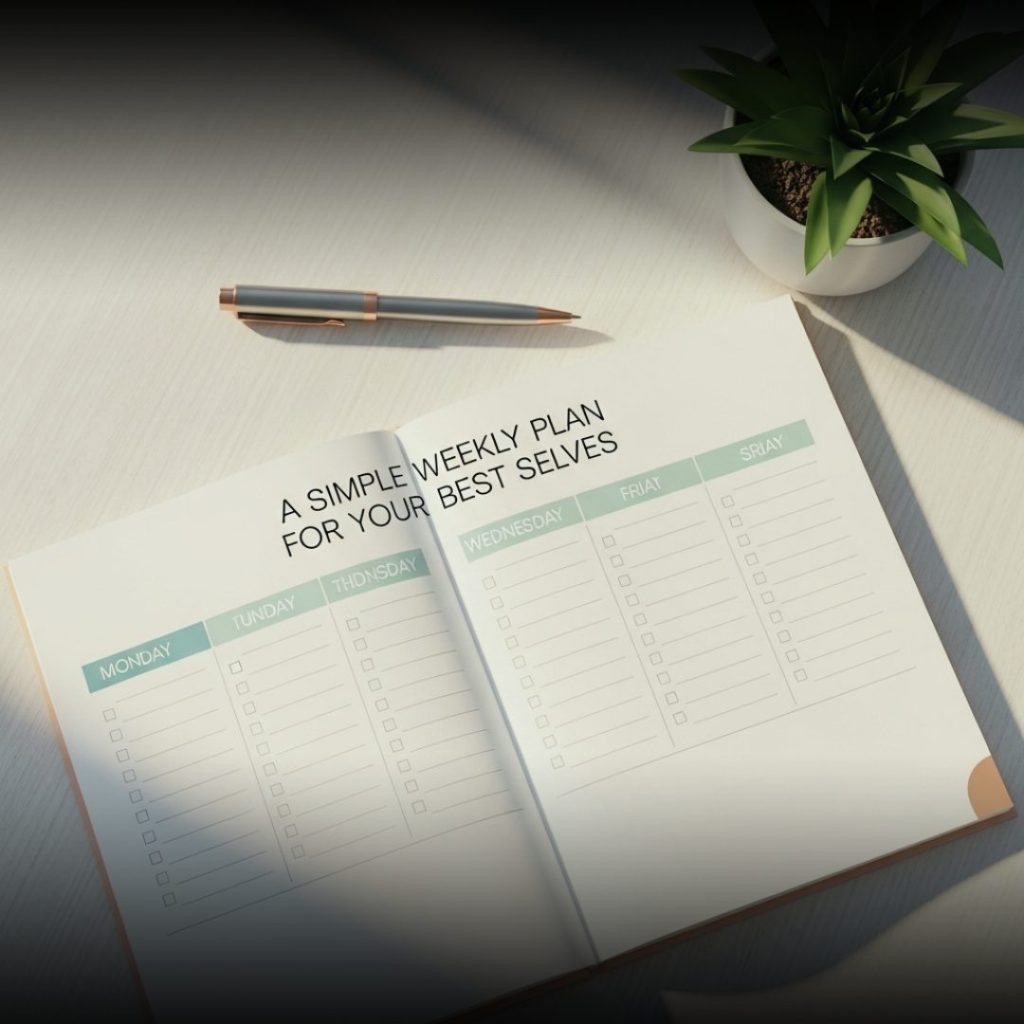
Set a light plan for the next seven days. Choose one morning cue, one breathing tool, and one fun reset. Keep the quantity small, so you can stay curious and excited. Keep your focus on one habit at a time.
Pick two days for a longer reset. You can do a walk, a bath, or a slow stretch. Bring your family into it, and talk about happy things.
Check in with your mindset at night. Ask what gave you joy, what felt hard, and what you want to try again. This journey builds your best selves, one gentle episode at a time.
If you want structure, borrow the june bug rhythm. One podcast episode, one journal line, and one breath practice. Add a second podcast on weekends if you want more support. That simple pattern keeps your magical mindset alive in daily life.