


Postprandial glucose spikes — the sharp rise in blood sugar following a high-glycemic meal — are among the most underestimated drivers of cognitive fatigue, inflammatory load, and accelerated biological aging in high-performing professionals. For executives managing sustained decision-making demands across compressed schedules, glycemic variability is not a dietary footnote. Instead, it is a performance variable. Mochi, when prepared with whole ingredients and low-glycemic sweeteners, presents a clinically relevant alternative to conventional processed desserts. This is especially important for those seeking healthier options. It is one that supports stable blood glucose and reduces oxidative stress. Additionally, it aligns with the metabolic demands of professionals who treat nutrition as a longevity investment, not an afterthought.
The Glycemic Architecture of Glutinous Rice
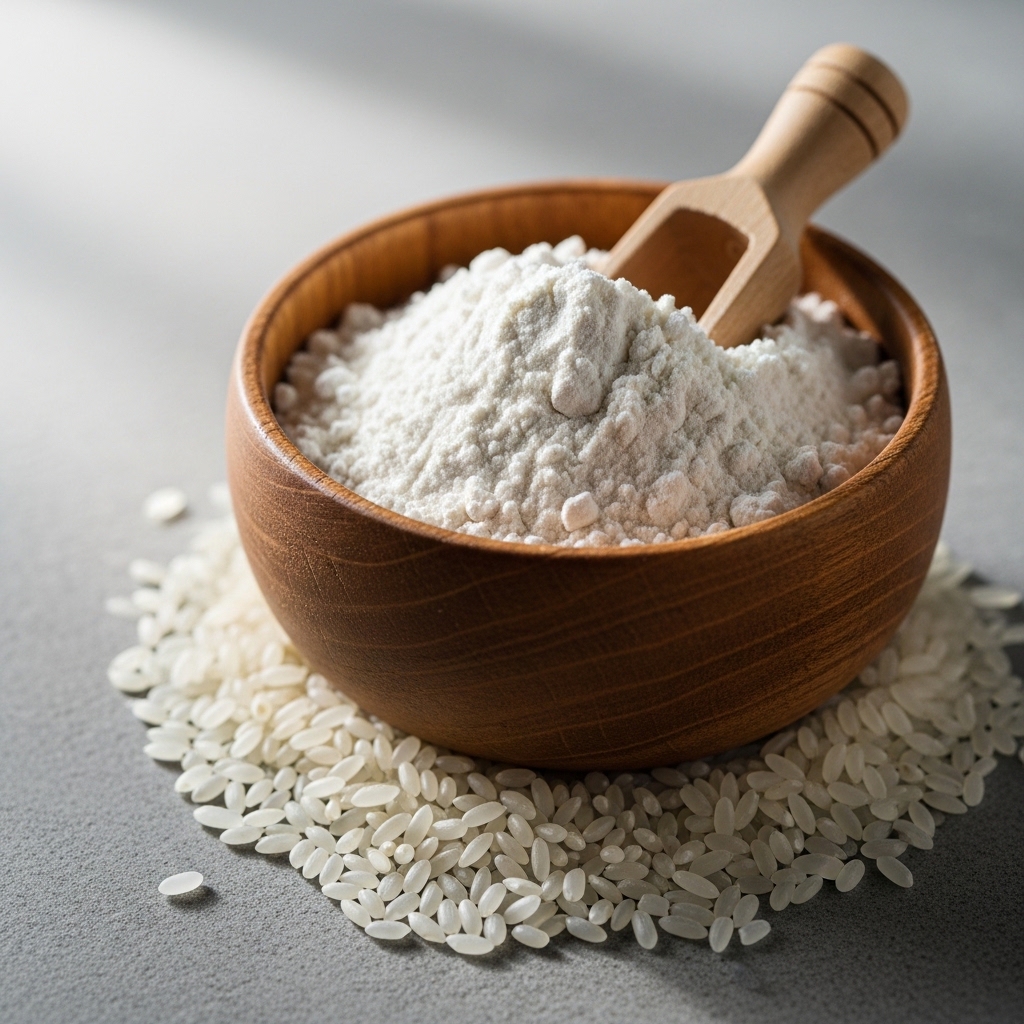
Mochi's primary ingredient — glutinous rice flour — has a starch composition that warrants careful nutritional consideration. Glutinous rice contains a higher proportion of amylopectin, a branched-chain starch that digests more rapidly than amylose. Amylose, found in higher concentrations in regular rice varieties, forms a compact crystalline structure that resists enzymatic digestion. This structure produces a lower glycemic response. Glutinous rice's high amylopectin content places it firmly in the high-glycemic category under standard preparation conditions.
This distinction matters for professionals managing glycemic load. Researchers at the Harvard T.H. Chan School of Public Health have consistently linked total dietary glycemic load to long-term metabolic outcomes. These outcomes include declining insulin sensitivity and visceral fat accumulation. Mochi's baseline glycemic contribution is not negligible. Professionals should factor it into overall daily intake.
Preparing mochi with a low-glycemic sweetener such as stevia, and consuming it in small portions, can meaningfully reduce its net glycemic impact. This approach may deliver sensory satisfaction with a lower total glycemic load than most commercially produced sweets. That outcome depends on maintaining both ingredient and portion discipline.
Inflammatory Load and the Case for Whole-Ingredient Desserts
Chronic low-grade inflammation drives biological age acceleration. Studies in The Lancet and Nature Medicine have identified elevated inflammatory markers — particularly interleukin-6 and C-reactive protein — as independent predictors of cardiovascular risk, cognitive decline, and all-cause mortality in midlife adults.
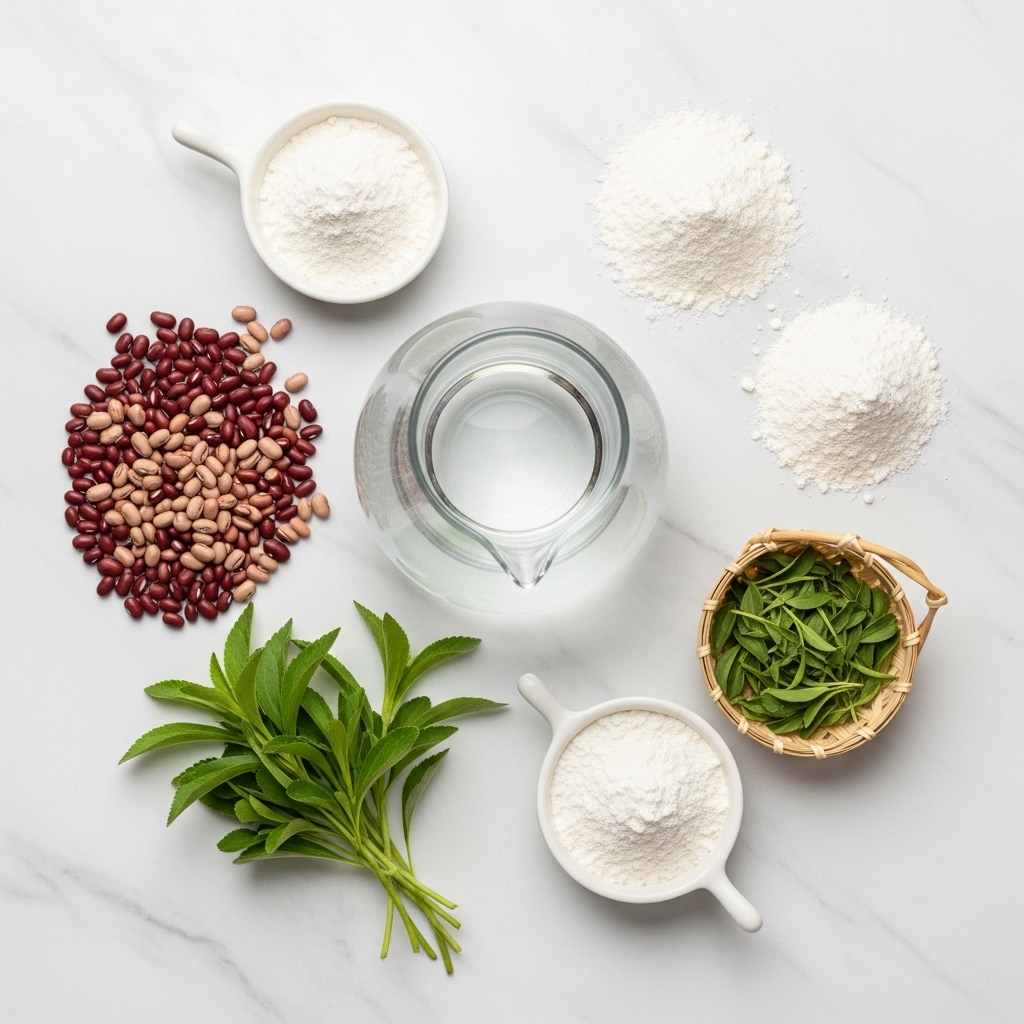
Ultra-processed desserts frequently contain refined sugars, hydrogenated oils, and synthetic additives. Researchers analyzing the NutriNet-Santé cohort linked repeated consumption of these ingredients to elevated inflammatory markers across multiple epidemiological analyses. Mochi prepared from whole ingredients — glutinous rice flour, water, and a minimal sweetener — avoids this additive load entirely.
For professionals whose baseline inflammatory load is already elevated by chronic stress, disrupted sleep, or irregular eating, reducing dietary contributors to inflammation is a practical strategy. Mochi does not eliminate inflammatory risk. When professionals prepare it correctly, however, it avoids compounding that risk — a meaningful distinction for those managing cumulative physiological stress.
Metabolic Stability as a Performance Variable

Metabolic function in adults aged 35 to 60 undergoes measurable change. Insulin sensitivity tends to decline with age, particularly in individuals with high cortisol exposure, sedentary periods, or disrupted circadian rhythms. The clinical consequence is widening glycemic variability — a pattern the research literature associates with fatigue, reduced executive function, and impaired recovery.
Mochi derives its carbohydrate composition from rice starch rather than high-fructose corn syrup or refined sucrose. Glutinous rice starch still produces a significant insulin response, and its metabolic advantage over conventional confections depends on preparation with reduced sugar and controlled portions. The comparison holds most clearly against heavily sweetened, additive-laden commercial desserts.
Stable postprandial glucose supports mitochondrial efficiency. Researchers have linked repeated glucose excursions to increased mitochondrial oxidative stress, which reduces cellular energy production capacity over time. Preparing mochi with minimal sugar and whole ingredients supports more moderate glycemic excursions than high-sugar alternatives — contributing to metabolic stability within a well-structured dietary pattern.
READ ALSO: Sweet Potato Nutrition: A Cozy Wellness Staple
Cognitive Performance and Blood Glucose Regulation

The brain consumes approximately 20% of the body's total energy despite representing only 2% of its mass. It functions most efficiently on a steady glucose supply. Sharp peaks and rapid drops — characteristic of high-glycemic foods — disrupt that supply. For executives managing sustained cognitive load across compressed schedules, this biological reality carries direct performance implications.
Researchers publishing in Diabetologia and related journals have documented associations between glycemic variability and reduced working memory, slower processing speed, and impaired attention in non-diabetic adults. These findings draw from observational and controlled trial data. Causality is established in diabetic populations. In non-diabetic adults, the evidence is compelling but warrants continued qualification as research matures.
Selecting lower-glycemic alternatives for snacking and dessert consumption ranks among the more accessible dietary strategies for cognitive maintenance. Mochi prepared with reduced sugar can contribute to the stable glucose environment that sustained cognitive performance depends on. It functions as one component of a wider dietary strategy, not a standalone intervention.
The Role of Portion Architecture in Metabolic Control
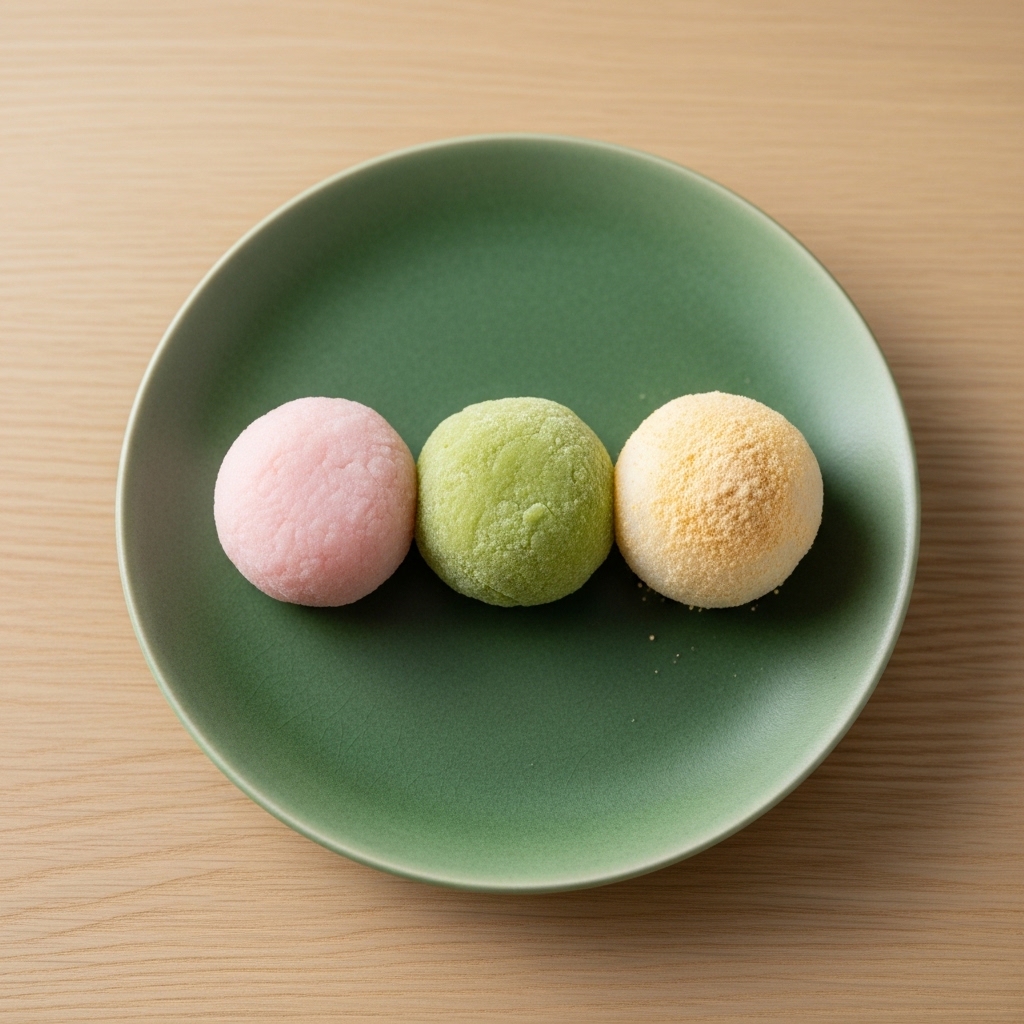
One of mochi's practical advantages is its inherent portion architecture. Each piece is small, discrete, and self-contained. This format naturally limits overconsumption — a relevant factor in managing total glycemic load across a meal or snacking window.
Portion control operates at a physiological level. Smaller carbohydrate loads generate lower insulin responses and support more consistent energy availability. Research consistently supports portion reduction as a strategy for improving postprandial metabolic outcomes, independent of food category.
For professionals eating at irregular hours or under time pressure, mochi's compact format reduces the friction of portion-conscious eating. A single or double serving delivers sensory satisfaction within a metabolically reasonable range — provided the preparation minimizes added sugar. Professionals who need dietary consistency without elaborate meal planning will find this format practical and realistic.
Fiber, Filling Composition, and Satiety Signaling

Mochi's filling directly influences its nutritional value. Traditional fillings such as red bean paste — known as anko — provide a meaningful source of dietary fiber. The American Heart Association's dietary guidance links consistent fiber intake to reduced LDL cholesterol and lower cardiovascular event risk in midlife adults. Multiple prospective cohort studies support this relationship.
Red bean paste also contains plant-based protein and resistant starch. Both contribute to satiety signaling. Satiety suppresses ghrelin, the primary hunger-stimulating hormone, and supports leptin sensitivity. These effects can reduce overeating in subsequent meals — a relevant consideration for professionals managing appetite across irregular schedules.
Fruit-based fillings such as mango puree or strawberry preparations introduce polyphenols and vitamin C. Flavonoid-rich food research associates dietary polyphenols with reduced oxidative stress and lower systemic inflammation. The specific polyphenol contribution of mochi fillings varies by ingredient quality and preparation method. Professionals conducting a nutritional assessment should factor in this variability.
READ ALSO: Snacks for Low Carb Diet That Satisfy Without Stress
Glutinous Rice Flour and Gluten-Free Metabolic Tolerance

Despite its name, glutinous rice flour contains no gluten. The term refers to its adhesive, sticky texture — not its protein composition. This distinction is clinically relevant for professionals managing inflammatory responses to wheat consumption, including those with diagnosed non-celiac gluten sensitivity.
Non-celiac gluten sensitivity is a recognized clinical entity. Its underlying mechanisms, however, remain under active scientific investigation. Some researchers have proposed intestinal permeability as a contributing factor, but this hypothesis has not yet reached established consensus. Professionals with confirmed sensitivity may benefit from wheat-free alternatives, and glutinous rice flour represents one viable option.
The gut-brain axis — the bidirectional communication network between the gastrointestinal system and the central nervous system — is well-documented in research literature. Reducing inflammatory dietary inputs may support gut integrity and produce downstream effects on mood regulation and stress response. The mechanistic pathway from mochi consumption to cognitive clarity involves multiple variables and does not support a direct causal claim.
Cortisol, Stress Physiology, and the Ritual of Intentional Eating

Chronic cortisol elevation — a hallmark of sustained occupational stress — disrupts insulin signaling and promotes visceral fat deposition. Researchers Blackburn and Epel, in The Telomere Effect, document the association between chronic psychological stress and telomere attrition — a correlate of cellular aging. The precise causal mechanisms remain under active investigation.
Intentional eating practices show associations with reduced physiological stress markers in preliminary research. Studies in Appetite and Mindfulness suggest that slow, attentive eating may activate parasympathetic nervous system responses. Researchers conducted these studies in relatively small populations. The findings warrant replication at scale, but directional evidence supports intentional eating as a low-risk behavioral strategy with physiological relevance.
Mochi's texture and preparation process are compatible with this kind of deliberate engagement. Its chewiness slows consumption pace. Its preparation — measuring, mixing, shaping — demands focused, sequential attention. These properties position mochi as a practical vehicle for intentional eating, which carries physiological value independent of the specific nutrients it contains.
READ ALSO: Yeast Nutrition: A Quiet Gut Reset for the New Season
Longevity Nutrition Principles and Mochi's Place Within Them
The field of longevity nutrition, informed by researchers at institutions including the Buck Institute for Research on Aging, consistently identifies several dietary priorities for biological age management. These priorities include reducing ultra-processed food intake, maintaining stable glycemic patterns, and increasing dietary polyphenol and fiber consumption.
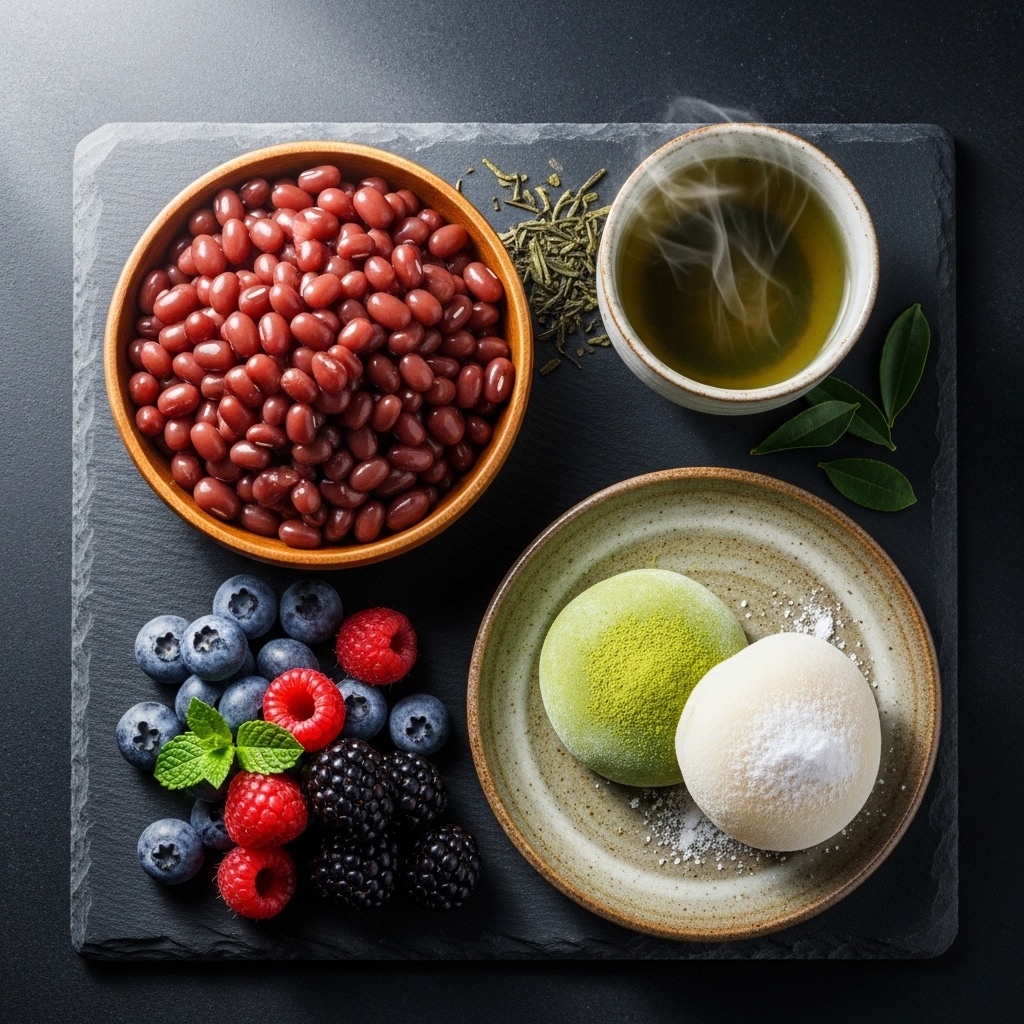
Mochi prepared with whole ingredients partially addresses these priorities. It replaces ultra-processed confections with a minimally processed alternative. Red bean paste and fresh fruit fillings introduce fiber and polyphenols that support antioxidant defense systems. The glycemic dimension, however, requires qualification. Glutinous rice flour carries a high baseline glycemic index, and the glycemic benefit depends substantially on preparation choices and portion discipline.
No single food determines longevity outcomes. Cumulative dietary decisions — made consistently across years and decades — produce measurable effects on healthspan and biological age. Professionals managing long-term performance should position mochi as one deliberate component of a longevity-informed diet, not a primary nutritional intervention.
Cultural Precedent and the Epidemiology of Japanese Dietary Patterns
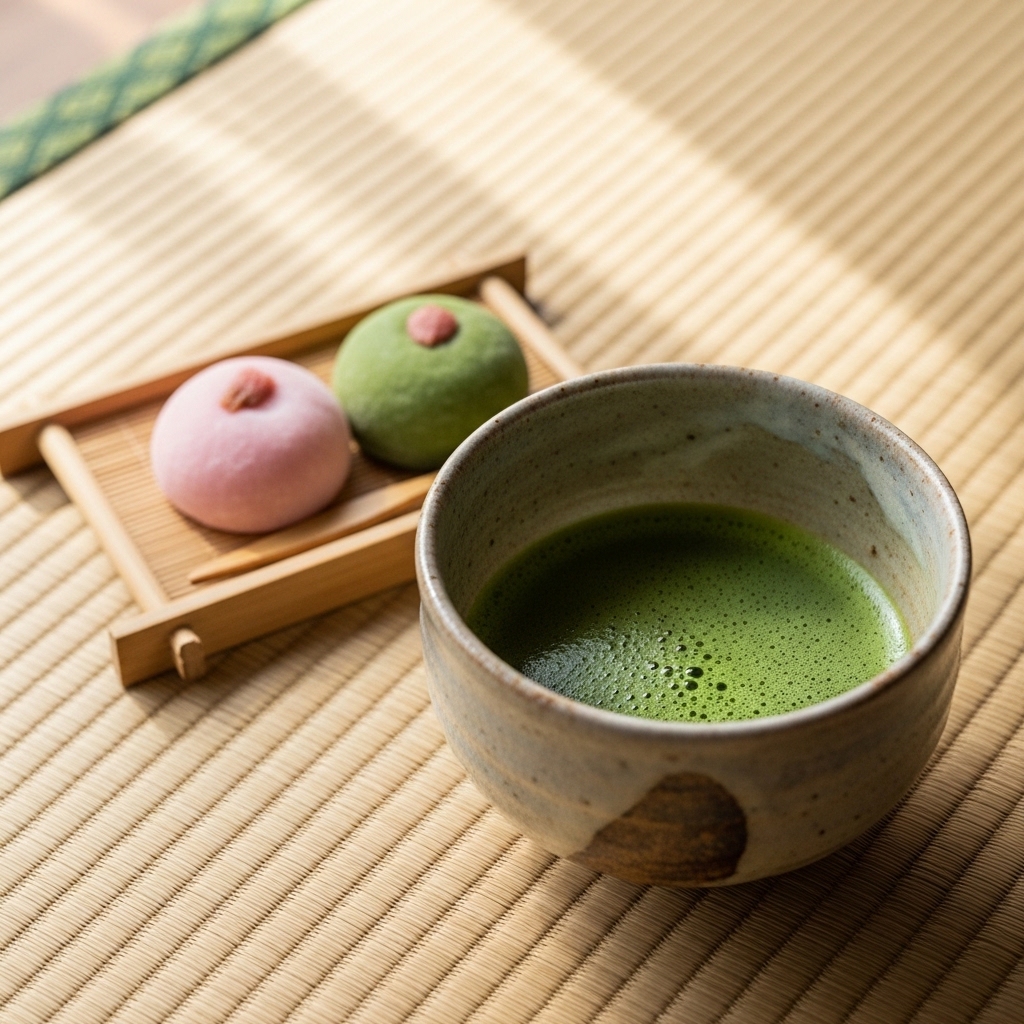
Japan consistently ranks among the nations with the highest life expectancy and lowest cardiovascular disease rates. The Okinawa Longitudinal Study identified low caloric density, high fiber intake, and minimal ultra-processed food consumption as defining features of the traditional Japanese diet. Researchers associate these features with extended healthspan in that population.
Mochi occupies a place within this dietary tradition. Cultural practices surrounding it encourage small quantities, whole ingredients, and attentive eating. Mochi is not, however, a primary driver of Japanese longevity outcomes. The evidence attributes those outcomes to overall dietary patterns — of which mochi is one minor component, not a central variable.
Understanding mochi's cultural context clarifies the behavioral norms surrounding its consumption — small portions, infrequent indulgence, and attentive eating. These behavioral features align mochi most closely with the dietary patterns that longevity research consistently supports. The nutritional profile alone does not account for this alignment.
Evidence-Based Applications for the High-Performing Professional
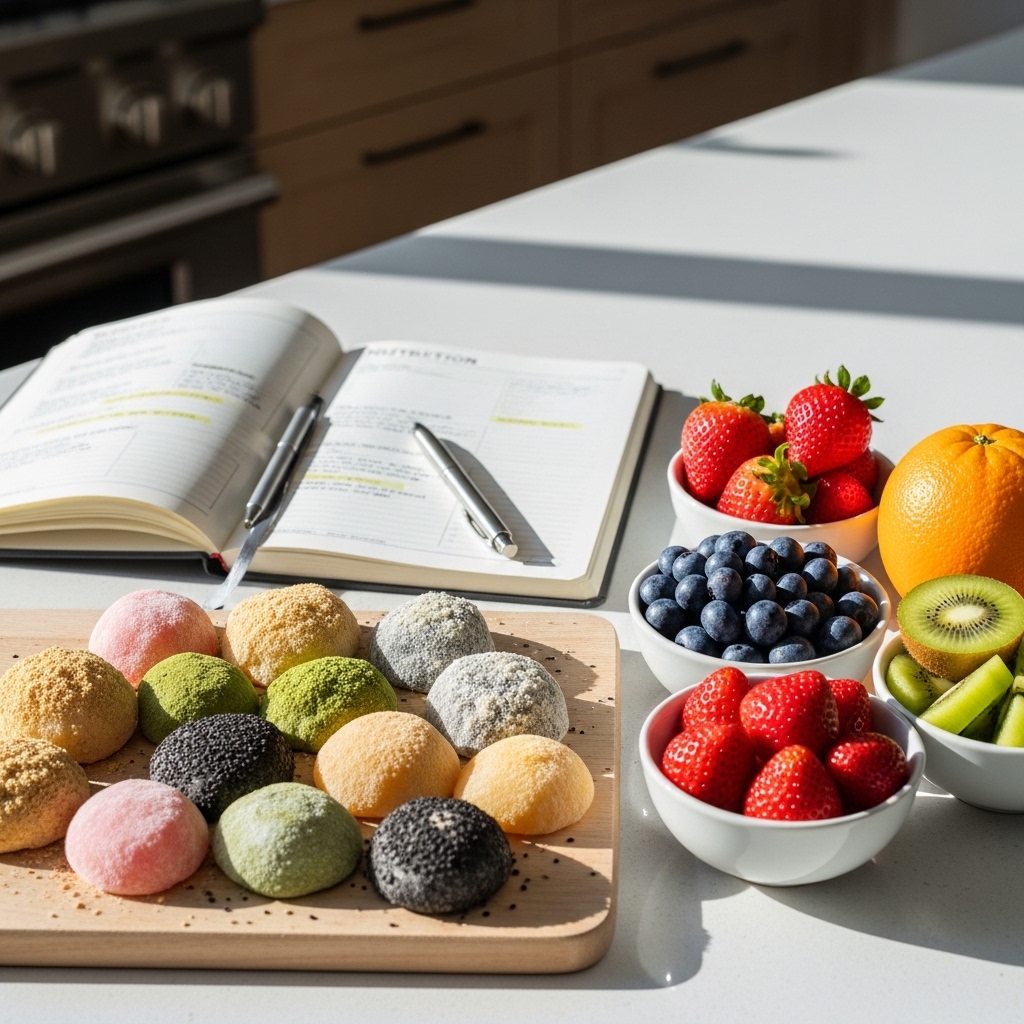
Professionals seeking to apply this evidence have several dietary options worth considering. Replacing high-glycemic desserts with homemade mochi prepared using low-glycemic sweeteners may reduce postprandial glucose variability — provided portions remain small and added sugar stays minimal. Selecting red bean or fruit-based fillings adds fiber and polyphenols that commercially produced mochi typically lacks. Incorporating mochi into a post-lunch or mid-afternoon window aligns its glycemic contribution with periods of higher metabolic activity. Individual responses vary based on baseline metabolic health and existing dietary patterns. Consulting a registered dietitian or metabolic health physician ensures any modification aligns with personal biomarker data and clinical goals.
UP NEXT: 6 Easy Guilt Free Vegan Dessert Recipes
Choosing minimally processed, low-glycemic foods like mochi — prepared with whole ingredients and consumed mindfully — is directly associated with reduced glycemic variability, lower systemic inflammation, and decreased oxidative stress, three measurable biological pathways that population-level longevity research consistently links to a younger biological age relative to chronological age. WholeLiving's Biological Age Estimation Model incorporates this factor directly — your assessment takes under five minutes.
Ready to understand how these factors are influencing your biological age right now? [Take the Biological Age Assessment →]