


In today’s fast-paced world, the philosophy of learning has never been more essential. As we race against the clock, seeking instant gratification, we often forget the value of slow, intentional growth. Learning isn’t a sprint; it’s a journey of discovery, critical thinking, and self-reflection. Technological advancements have challenged traditional education, yet it’s important to reconnect with the philosophy of education that prioritizes meaningful learning over quick fixes. In this article, we’ll explore how the philosophy of learning can thrive in a world obsessed with speed and why we should embrace it.
The Speed of Learning: Are We Losing the Essence?

In an era dominated by technology, speed often seems key to success. People want to learn quickly and move on just as fast. This growing demand for fast learning can leave deeper understanding behind. But learning isn’t just about speed—it’s about transformation. Slow, steady learning helps students develop critical thinking skills. These skills make knowledge valuable. Without enough time to reflect and understand, we risk creating a generation that knows information but lacks wisdom to apply it.
An overemphasis on speed can also neglect basic skills, like reading, writing, and math. These foundational skills are essential for deeper learning and academic success. While active learning environments may seem faster-paced, taking time to absorb knowledge strengthens students’ understanding. Learning occurs most effectively when students can engage deeply with material. Speed may offer quick results, but true learning requires patience.
READ ALSO: What Is a Life Purpose Without the Pressure to Hustle?
The Power of Teaching Philosophy: Beyond Quick Learning

A teaching philosophy rooted in meaningful engagement can transform the speed-obsessed culture of learning. A teaching philosophy is important because it guides classroom practices. It helps teachers define their approach and create purposeful learning experiences. Teachers who employ reflective teaching methods focus on long-term intellectual growth, not on racing through content. This approach views students as active participants in their learning journey. A teacher's personal approach and philosophy directly influence lesson planning, shaping engaging, effective lessons that support student success.
Incorporating teaching strategies that encourage critical thinking and problem-solving promotes deeper understanding. As students are given time to reflect, they gain a clear understanding that rushed learning can’t provide. This teaching approach equips students with tools to solve complex problems, not just memorize answers.
The Role of Teaching Practices in Slow Learning

As the educational world evolves, traditional teaching practices may seem outdated. However, these practices still offer significant benefits. Whether teacher-centered or student-centered learning, blending both approaches allows deeper connections with the material. A teacher-centered approach places the teacher as the primary authority, guiding students through subjects. Most educators adopt multiple philosophies, blending methods to best meet students’ needs. These traditional and modern approaches represent different educational practices that shape how learning environments are structured and educational aims are pursued.
Some argue that teaching is too slow, but in reality, it’s about helping students retain relevant information. Active learning and group discussions allow students to learn from one another. Engaging in thoughtful dialogue deepens understanding and builds critical thinking skills.
Teaching Methods: Crafting the Pathways to Understanding

Teaching methods are at the heart of the learning process, shaping how students interact with knowledge and develop essential skills like critical thinking and problem-solving. A thoughtful teaching philosophy guides educators in selecting and blending methods such as active learning, experiential learning, and project-based learning. These approaches move beyond memorization, inviting students to become active participants in their education.
By prioritizing student-centered teaching methods, teachers create a dynamic learning environment. Students are encouraged to question, explore, and collaborate. Experiential learning, for example, allows students to connect theory with real-world application, deepening their intellectual development. Active learning strategies, such as debates or hands-on projects, foster engagement and help students internalize concepts more effectively.
Effective teaching also involves ongoing assessment and feedback, enabling teachers to adapt methods to support student growth. By refining their practices, teachers ensure the learning process stays responsive and relevant, preparing students for success inside and outside the classroom.
READ ALSO: Mindful Advantage Starts With One Breath
What Makes a Great Learning Environment?

When students are immersed in an enriching learning environment, they are more likely to develop essential skills for success. Effective classroom management is key to maintaining a structured environment that supports engagement. An active learning environment, where students engage in hands-on activities, is far more beneficial than passive learning. This environment fosters deeper reflection, strengthening the absorption of knowledge.
Rather than focusing solely on direct instruction, combining lectures with experiential learning and group work empowers students. Incorporating students' life experiences into the learning environment can make education more meaningful and relevant, connecting academic content to real-world contexts. A balanced learning environment caters to diverse needs, encouraging collaboration and discussion to make learning more inclusive.
Teaching Excellence: More Than Just Speed

At the heart of great teaching is a passion for teaching excellence. It’s not enough to rush through the curriculum. Teachers must ensure their methods are thoughtful, inclusive, and effective. Teaching excellence involves engaging students through diverse learning styles and allowing them to explore new ideas at their own pace.
Through teaching methods that promote engagement, students develop skills that prepare them for the future. These methods are designed to prepare students for active participation in society and to meet future challenges. The role of the teacher is to guide, mentor, and challenge students, helping them find their voice. In the philosophy of learning, the teacher’s role is to facilitate discovery and inquiry, supporting critical thinking and independence.
How Experiential Learning Enhances Understanding

Experiential learning plays a crucial role in meaningful education. Unlike traditional education, which prioritizes memorization, experiential learning encourages students to learn through real-world experiences. Children learn best when they are actively engaged in inquiry and discovery, participating in meaningful interactions that foster curiosity and deeper understanding.
By integrating hands-on activities and critical reflection, students move beyond surface-level learning. This immersive approach strengthens intellectual development and helps students form deeper connections with the material. Experiential learning also draws on students’ prior knowledge, making the learning process more meaningful and relevant.
Student-Centered Learning: Placing Learners at the Heart
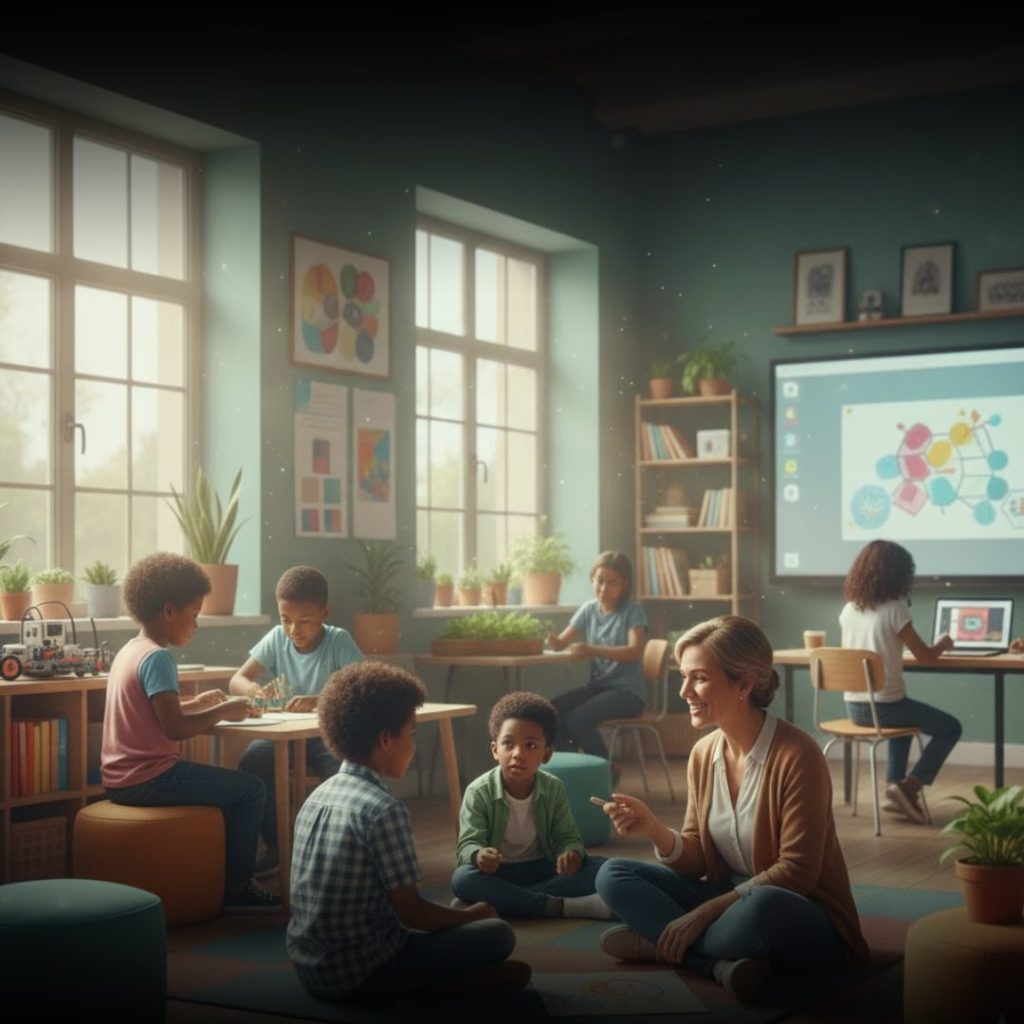
Student-centered learning is an educational philosophy that transforms the traditional classroom by putting students’ needs, interests, and experiences at the forefront. In a student-centered learning environment, teachers act as facilitators, guiding students as they take ownership of their education. This approach recognizes that students learn best when they are actively engaged, motivated, and given the freedom to direct their own learning.
By fostering self-direction and encouraging students to pursue their own questions, teachers help learners develop a deeper understanding. Student-centered learning values the diversity of students’ backgrounds and perspectives, using these differences to enrich discussions and collaborative projects. Such an environment not only supports academic achievement but also nurtures confidence, independence, and a lifelong love of learning.
Teachers who embrace this educational philosophy create inclusive spaces where every student feels valued and empowered to contribute. By placing learners at the heart, educators help students build skills and mindsets needed to thrive in an ever-changing world.
Democratic Education: Empowering Every Voice

Democratic education places students at the center of the learning process, valuing their voices and encouraging participation in shaping their educational journey. This approach believes every student should have the opportunity to contribute ideas, ask questions, and engage in meaningful class discussions. By fostering an environment where students are empowered to express themselves, teachers help cultivate critical thinking and self-direction. Educational policy plays a significant role in determining how democratic education is implemented in schools and what priorities are set for student participation and civic engagement.
Through teaching methods like group projects, student-led discussions, and hands-on activities, democratic education encourages students to collaborate, solve problems, and take ownership of their learning. This prepares students for success in school and equips them with skills needed for participation in a democratic society.
Critical Pedagogy: Challenging the Status Quo in the Classroom
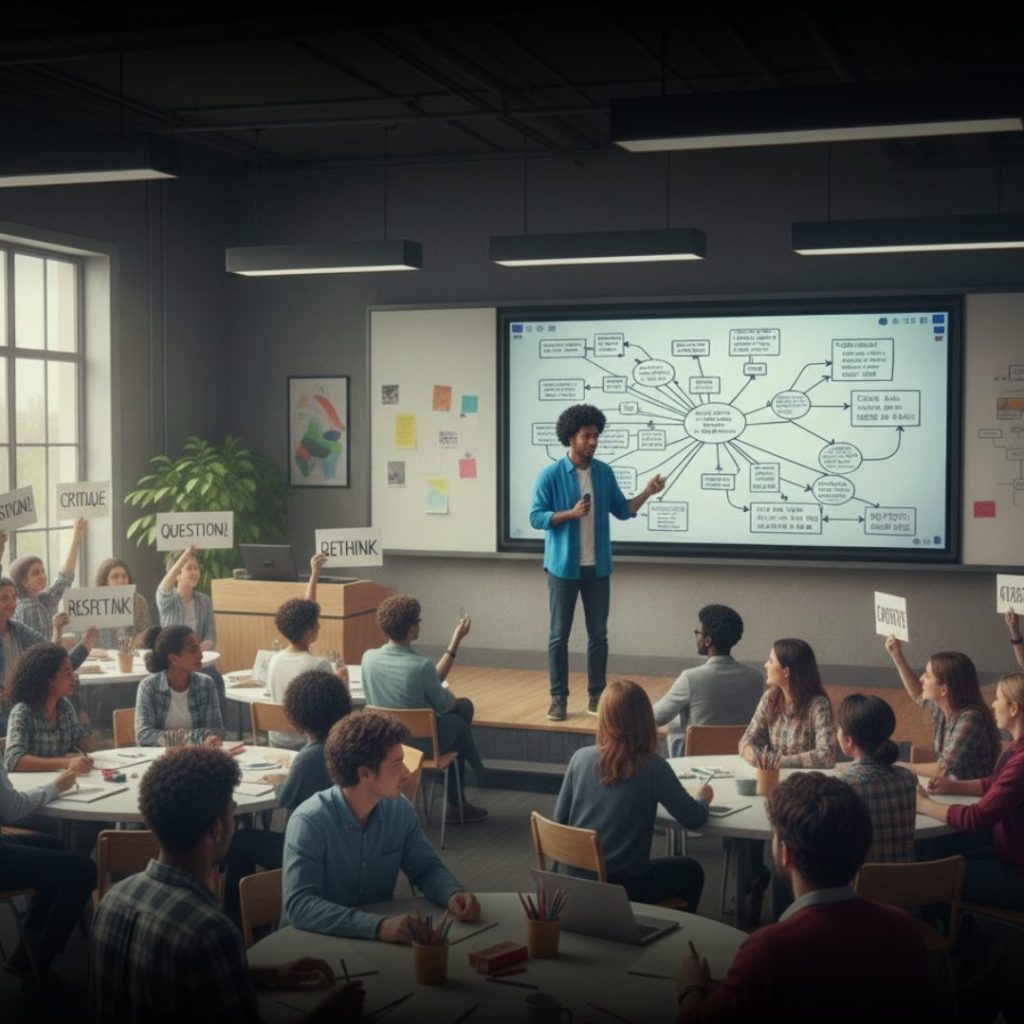
Critical pedagogy is a transformative approach that encourages students to question assumptions and engage with social issues. This educational philosophy goes beyond traditional teaching by inviting students to analyze power structures and think critically about the world around them. Teachers who embrace critical pedagogy use methods like media analysis and service-learning to help students become more aware of societal challenges.
However, critics argue that critical pedagogy may not always be neutral or universally beneficial. Some object to its integration in education, suggesting it can introduce bias or conflict with educational goals such as independence and inquiry.
By integrating critical thinking, critical pedagogy empowers students to become agents of change. It challenges them to reflect on their values, consider multiple perspectives, and take action toward a more just society. Teachers who adopt critical pedagogy continually reflect on their practices to create a classroom where all students feel heard.
Active Participants: Fostering Student Agency in Learning

Encouraging students to become active participants in their own learning is key for fostering motivation and lifelong learning. When students engage directly with the material, through hands-on activities or project-based learning, they develop a sense of ownership over their education. This active involvement helps students build confidence and make the learning process more memorable. In this way, teachers aim to teach students not just content, but also how to think critically and learn independently.
Teachers support active participation by using a variety of teaching strategies, such as positive reinforcement and experiential learning. By creating a learning environment that values student input and encourages exploration, teachers help students build the skills they need to navigate challenges and pursue their interests.
Teaching Goals: Defining Purpose and Direction

Teaching goals are the compass that guides every aspect of the learning process, providing clarity and direction for both teachers and students. Rooted in a teacher’s educational philosophy and own values, these goals shape the way educators approach their subjects and interact with learners. Well-defined teaching goals go beyond simply covering content—they focus on nurturing critical thinking, fostering problem-solving abilities, and inspiring a genuine passion for learning.
By setting clear and purposeful teaching goals, educators can design teaching practices that are intentional and student-centered. These goals might include helping students develop resilience, encouraging intellectual curiosity, or preparing them to navigate complex social and ethical issues. When teaching goals are aligned with the broader aims of education, such as promoting equity and personal growth, they help create a learning environment where all students can succeed.
Ultimately, teaching goals reflect a teacher’s philosophy of education and commitment to making a meaningful impact. By continually revisiting and refining these goals, teachers ensure that their work remains relevant, purposeful, and responsive to the evolving needs of their students and society.
READ ALSO: Purpose-Driven Life: Are You Living or Just Checking Boxes?
Teaching Statement: A Reflection of Educational Beliefs

A teaching statement reflects a teacher’s personal beliefs about education. It serves as a framework for analyzing educational goals and methods, helping educators evaluate and guide their practices. It also encourages teachers to reflect on and develop their own ideas about education, deepening their contemplative and philosophical approach to teaching. It’s also a roadmap for how teachers view their role and the types of teaching practices they use to engage students. A well-crafted teaching statement influences the way students learn.
Teachers with clear philosophy statements create an environment where students feel supported and engaged. Such educators know that learning isn’t a race. It’s about nurturing curiosity, fostering independent thought, and guiding students toward their own understanding of the world.
UP NEXT: Philosophy of Cynicism and the Lost Art of Openness