You may have asked yourself whether protein supplements muscle gain strategies truly make a difference. The answer lies in how you use them. When guided with intention, protein powder can support muscle growth, protect lean body mass, and help increase muscle mass without overwhelm.
Your journey toward building muscle does not require extremes. It requires clarity, steady resistance training, and enough protein to stimulate muscle protein synthesis. When dietary protein intake aligns with your lifestyle, your body responds with strength and resilience.
This guide will walk beside you with calm and confidence. You will learn how protein supplements fit into a balanced diet, how to choose the best protein powder, and how to support muscle recovery wisely. Think of this as steady mentorship for enhancing muscle growth in a sustainable way.
Understanding the Role of Protein in Muscle Development

Your body builds muscle through a simple but powerful process. After resistance exercise, muscle fibers experience stress that signals muscle repair. With enough protein intake, your body uses amino acids to support muscle protein synthesis and encourage muscle growth.
Essential amino acids play a central role in this process. They help stimulate muscle protein synthesis and rebuild tissue after resistance training. Both trained and untrained individuals benefit when dietary protein intake supports their activity level.
If you provide less protein than your body needs, muscle recovery slows. When you supply enough protein through whole foods or protein supplementation, you support lean body mass and improve body composition. Building muscle becomes a steady partnership between training and nutrition.
Why Protein Supplements Can Support Muscle Gain

Protein supplements muscle gain plans often succeed because they simplify consistency. High quality protein powders provide convenient protein sources when whole foods are not available. They help supplement protein intake without requiring complicated meal planning.
A protein shake after resistance training can support post workout recovery. This timing helps stimulate muscle protein synthesis when your muscles are most responsive. It becomes easier to increase muscle mass when your protein intake stays steady.
Protein supplementation also supports those pursuing weight loss. A high protein diet can help protect muscle mass while improving body composition. When used wisely, supplements support muscle growth without promoting unnecessary weight gain.
READ ALSO: Protein Powder for Building Muscle: Your Aging Fitness Secret
Comparing Whey Protein and Plant Based Options
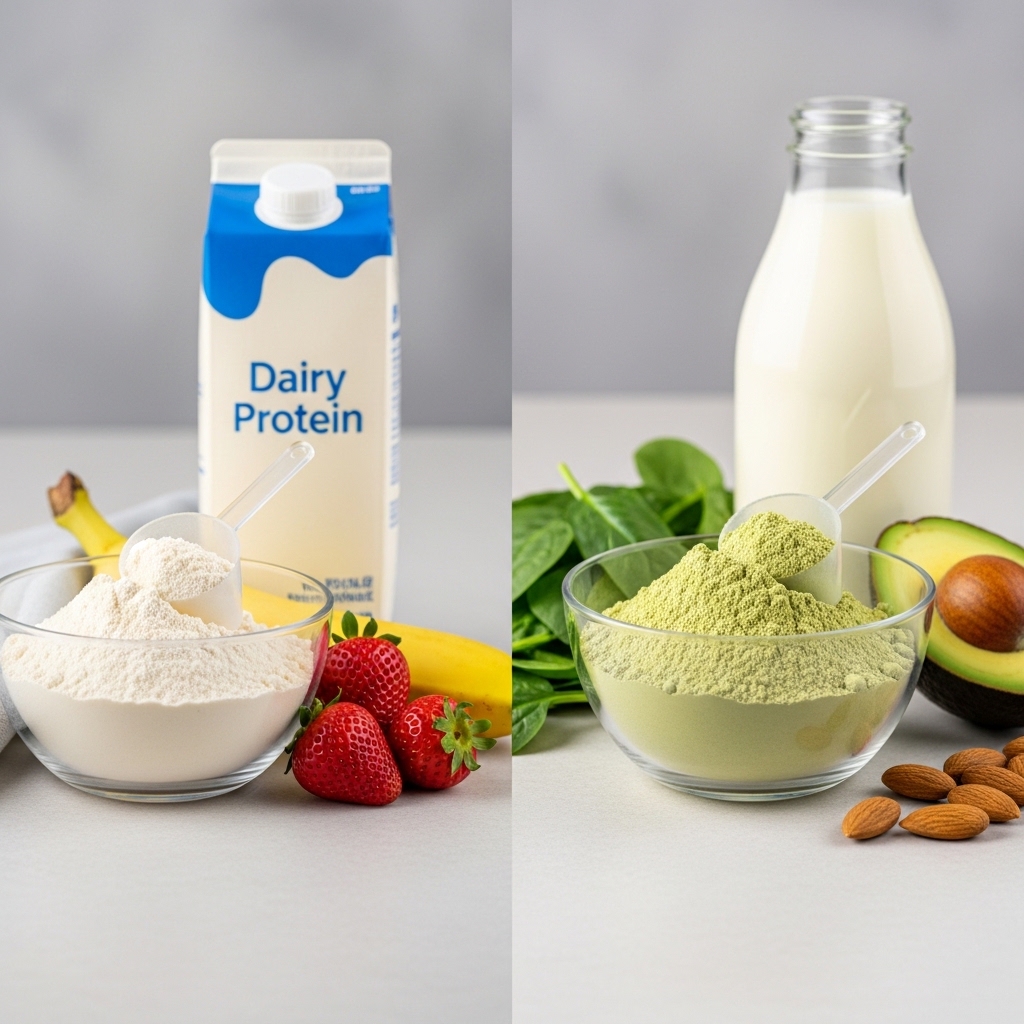
Whey protein comes from cow's milk and dairy products. Whey protein isolate and whey protein concentrate are two common forms. Whey isolate contains less lactose and may reduce digestive issues for some individuals.
Whey protein powder digests quickly and supports muscle recovery after resistance exercise. Many athletes prefer whey concentrate because it retains some healthy fats and beneficial nutrients. Choosing the best whey depends on your tolerance and dietary preferences.
If you follow plant based nutrition, pea protein and other plant based sources can support muscle growth. Plant protein powders often combine several plant based options into a protein blend. These blends aim to balance amino acids for effective muscle repair.
Choosing the Best Protein Powder for Your Body

The best protein powder depends on your goals, lifestyle, and dietary restrictions. A healthy adult engaged in regular resistance training may need more protein than someone inactive. Your fitness level should guide your choice.
Look for high quality protein that is third party tested. Avoid products high in added sugars, artificial sweeteners, and artificial flavors. Positive reviews and transparent labels often signal quality.
Some brands such as Transparent Labs highlight grass fed sources and clean formulas. High quality protein powders should function as a dietary supplement, not a replacement for whole foods. Simplicity and quality always serve you better than hype.
READ ALSO: Healthy Protein Snacks for the Pizza Lovers
How Much Protein Is Enough for Muscle Growth
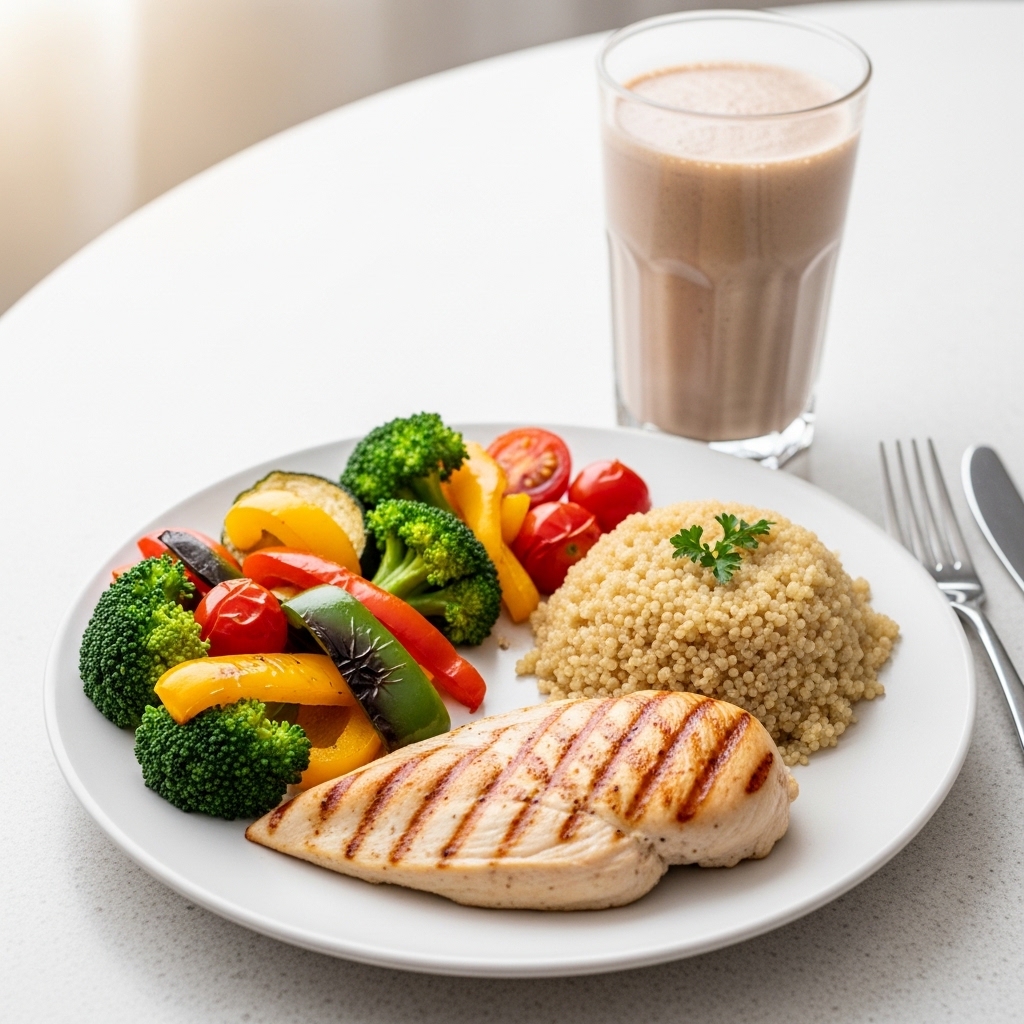
Many people ask how much protein they truly need. Enough protein varies based on body weight, training intensity, and goals. Both muscle gain and weight loss plans require thoughtful dietary protein intake.
Spreading protein intake across meals supports muscle protein synthesis more effectively. Consuming several scoops at once does not accelerate progress. Balance matters more than excess.
A registered dietitian can personalize recommendations for you. Research from systematic review studies supports moderate but consistent protein intake. The key is supporting muscle recovery daily, not chasing extremes.
Timing Your Protein for Maximum Impact

Protein timing can support enhancing muscle growth. A protein shake after resistance training encourages muscle repair. Post workout recovery becomes more efficient when protein sources are available.
Casein protein digests slowly and may support overnight muscle recovery. Whey isolate absorbs quickly and suits immediate post workout needs. The type of protein should align with your routine.
You do not need a complicated schedule. Consistency in protein intake across the day supports muscle growth naturally. Your body responds best to steady care.
Integrating Protein Supplements with Whole Foods
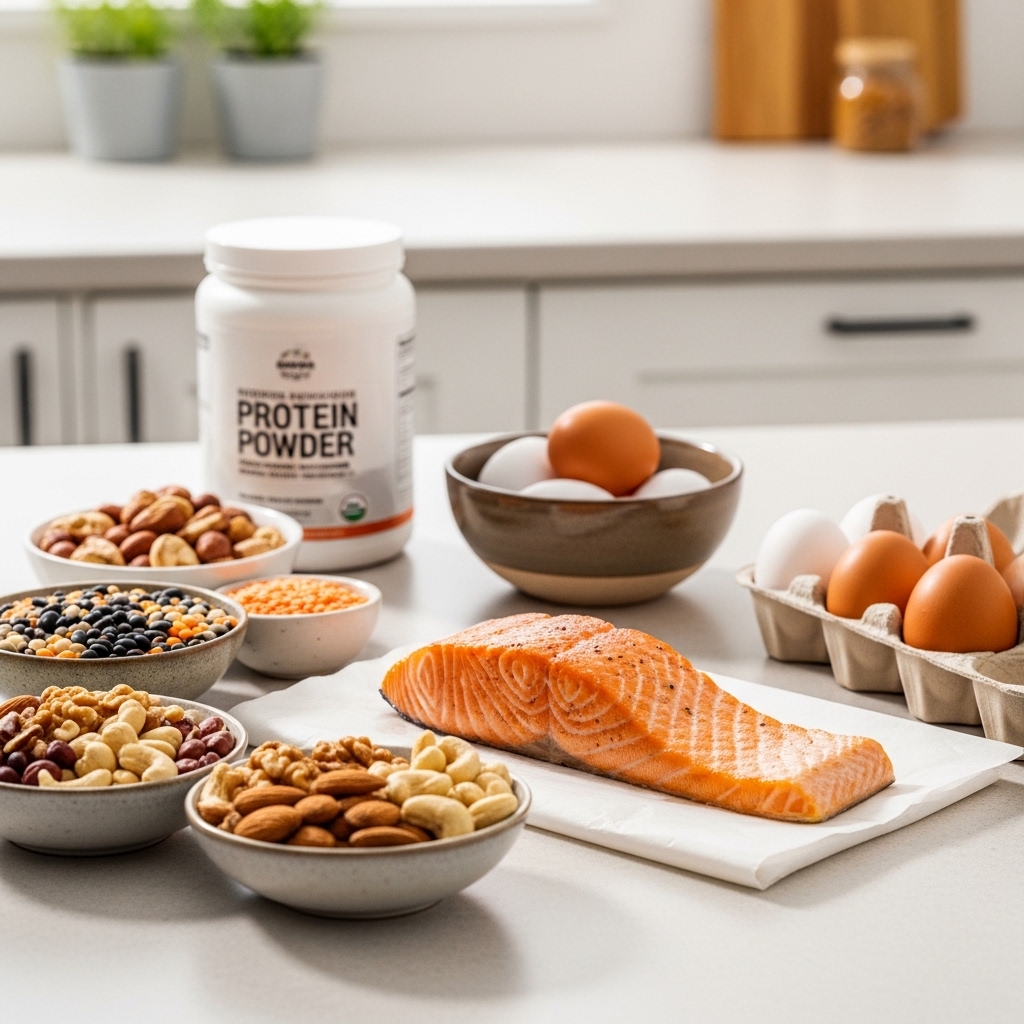
Whole foods remain the foundation of a balanced diet. Eggs, fish, legumes, dairy products, and plant based sources offer high quality protein. They also provide beneficial nutrients that supplements cannot fully replace.
Protein supplements should complement, not dominate, your nutrition. A meal replacement shake can be useful occasionally. However, relying solely on supplements may limit dietary variety.
When you combine whole foods with protein supplementation, you strengthen your body holistically. Healthy fats, fiber, and micronutrients contribute to overall health benefits. Muscle thrives in a well nourished system.
READ ALSO: Power Protein Smoothie | Whole Living Eat Well
Protein and Body Composition Goals

If your goal is to increase muscle mass, protein intake must align with resistance training. Muscle responds to progressive overload and consistent nourishment. Lean body mass improves gradually with patience.
For weight loss, high protein nutrition can help preserve muscle. Protecting muscle mass supports metabolic balance. This helps improve long term body composition.
Building muscle is not only about size. It is about strength, resilience, and sustainable habits. Protein supports this process when paired with thoughtful training.
Managing Digestive Comfort and Quality Concerns
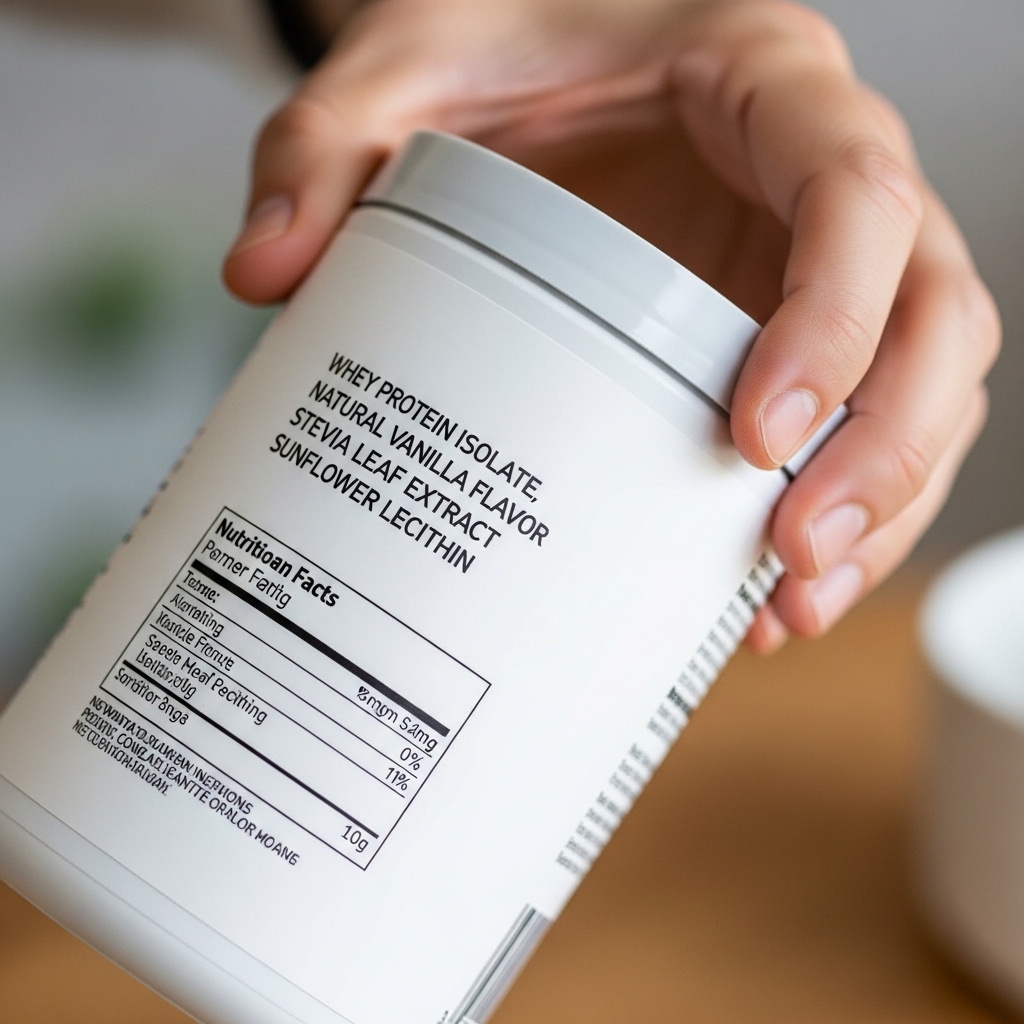
Some people experience digestive issues from certain protein powders. Whey isolate may be easier to digest than whey concentrate. Plant protein can also offer comfort for those sensitive to dairy products.
Check labels carefully for artificial sweeteners and added sugars. Choose products with transparent sourcing and third party tested verification. High protein supplements should prioritize purity.
Protein powder good choices respect your body and long term health. Listen to how you feel after consumption. Adjust your type of protein if discomfort arises.
Protein Supplements for Different Fitness Levels

Both trained and untrained individuals can benefit from protein supplements. Beginners often underestimate their dietary protein intake. Supplement protein intake can help bridge gaps.
Advanced lifters may require strategic protein supplementation. However, even experienced athletes rely on whole foods first. Supplements remain supportive tools.
Your muscle journey evolves with your fitness level. Reassess your protein needs as training intensity changes. Stay adaptable and mindful.