

The language a high-performing professional uses to interpret their own life experience is not a soft variable. Research in cognitive neuroscience and psychoneuroimmunology establishes that habitual interpretive frameworks — the internal narratives through which individuals assign meaning to challenge, loss, and progress — directly modulate cortisol output, inflammatory signalling, and autonomic tone. Quotes regarding life, when used as deliberate reframing tools rather than passive inspiration, engage the same prefrontal regulatory mechanisms that govern executive function and stress resilience. For professionals operating at sustained high output, the clinical case for structured cognitive reframing is measurable, not motivational.
Language as a Biological Input

Words are not neutral. The internal language a professional uses to interpret their experience shapes neurological activity in ways that produce measurable physiological effects. Specifically, cognitive neuroscience research shows that the framing of a stressor — whether it reads as threat or challenge — produces distinct autonomic and hormonal responses. The same external event generates different cortisol outputs depending on the lens applied to it.
Quotes regarding life, when used with clinical intent rather than passive consumption, function as ready-made reframing tools. They compress complex cognitive shifts into portable language. For a professional whose interpretive defaults have been shaped by years of high-pressure environments, exposure to alternative framings can interrupt habitual stress-response patterns at the cognitive level — before they reach the physiological level.
This is not a metaphorical claim. The prefrontal cortex — the brain region responsible for meaning-making, impulse regulation, and long-term planning — directly modulates the HPA axis. Language that activates prefrontal reappraisal reduces downstream cortisol output. As a result, the pathway from a shift in perspective to a measurable change in stress physiology is documented, direct, and clinically relevant.
Purpose, Meaning, and Longevity Outcomes

The relationship between a sense of life purpose and measurable longevity outcomes is one of the more robust findings in behavioural medicine. Research from the Rush Memory and Aging Project — a longitudinal cohort study tracking older adults over time — found that higher purpose-in-life scores linked to significantly reduced all-cause mortality and lower rates of cardiovascular events. The mechanism operates through multiple pathways, including reduced inflammatory activity and improved autonomic regulation.
Purpose functions as a chronic stressor buffer. Individuals who frame their daily activity within a larger meaningful context show blunted cortisol responses to acute stressors. They also recover faster after stress exposure and maintain lower baseline levels of inflammatory markers including IL-6 and CRP. These are not trivial differences. They represent the kind of cumulative biological advantage that compounds over years into measurable healthspan gains.
Quotes regarding life that express a clear philosophy of purpose serve as cognitive anchors. They reinforce purposive framing during periods of high pressure or ambiguity. For executives and founders navigating sustained uncertainty, this kind of anchoring has a direct physiological link to HPA axis regulation and inflammatory load.
Cognitive Reframing and Cortisol Regulation

Cognitive reframing is a well-established mechanism in clinical psychology and neuroscience. It refers to the deliberate re-evaluation of a situation to alter its emotional and physiological impact. Research published through the NIH and in journals including Psychoneuroendocrinology documents that reappraisal — changing the meaning assigned to an event — reduces both subjective distress and measurable cortisol output.
For high-performing professionals, chronic cortisol elevation is a central physiological risk. It disrupts sleep, impairs prefrontal function, accelerates telomere shortening, and drives inflammatory signalling. Any tool that reliably reduces cortisol output without medication therefore has direct clinical value. Structured reframing, practised consistently, meets that threshold in the research literature.
Quotes regarding life that embody reappraisal logic — reframing adversity as data, failure as iteration, uncertainty as a normal condition — are not motivational content. They are compressed cognitive tools. When used with deliberate intent rather than passive reading, they engage the same prefrontal circuits activated in formal cognitive behavioural therapy.
The Neuroscience of Meaning-Making
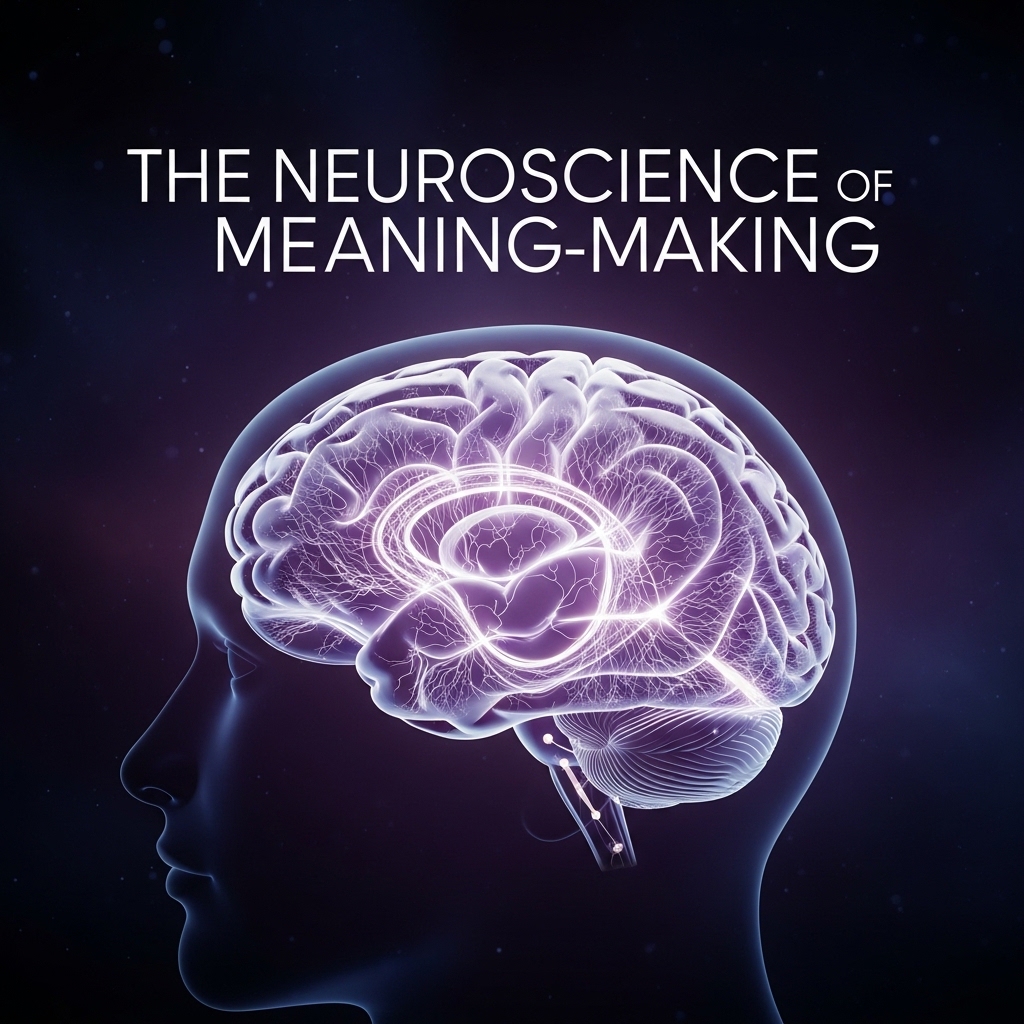
The human brain is a meaning-making organ. It does not respond to raw events — it responds to interpreted events. The interpretive layer between stimulus and response is where the most consequential physiological regulation occurs. This insight sits at the core of cognitive models of stress and has direct implications for how professionals engage with language about their own lives.
Neuroimaging research shows that the ventromedial prefrontal cortex and anterior cingulate cortex play central roles in both meaning-making and emotional regulation. These regions show increased activity during reappraisal tasks. In contrast, they show reduced activity during suppression tasks. Suppression — the strategy most commonly used by high performers under pressure — increases physiological arousal. Reappraisal, however, reduces it.
The practical implication is clear. Building a personal vocabulary of life-framing language — drawn from quotes regarding life that resonate with a professional's specific context and values — creates a cognitive toolkit for reappraisal. This is not passive inspiration. Rather, it is the deliberate construction of interpretive resources that support prefrontal regulation under load.
Inflammatory Markers and Interpretive Style

Research in social genomics — led in significant part by Dr. Steve Cole at UCLA — demonstrates that psychological states influence gene expression, including those governing inflammatory response. Individuals who report higher levels of meaning and purpose show a distinct gene expression profile. Specifically, they display lower activity in pro-inflammatory pathways and higher activity in antiviral defence genes.
This finding has direct implications for biological aging. Chronic low-grade inflammation — inflammaging — is one of the primary drivers of accelerated cellular aging, metabolic problems, and cardiovascular risk. Interpretive style, as a sustained psychological orientation, functions as a chronic input into this inflammatory system. As a result, a professional who habitually frames their experience through a lens of meaning is, at the genomic level, running a different inflammatory programme than one who does not.
Quotes regarding life that reinforce purposive, growth-oriented, or acceptance-based framings are not simply motivational. When used consistently, they are inputs into the interpretive style that social genomics research links to measurable differences in inflammatory gene expression. The biological consequences of habitual framing accumulate over years in the same way that dietary patterns or sleep habits do.
Autonomic Tone and Cognitive Anchoring
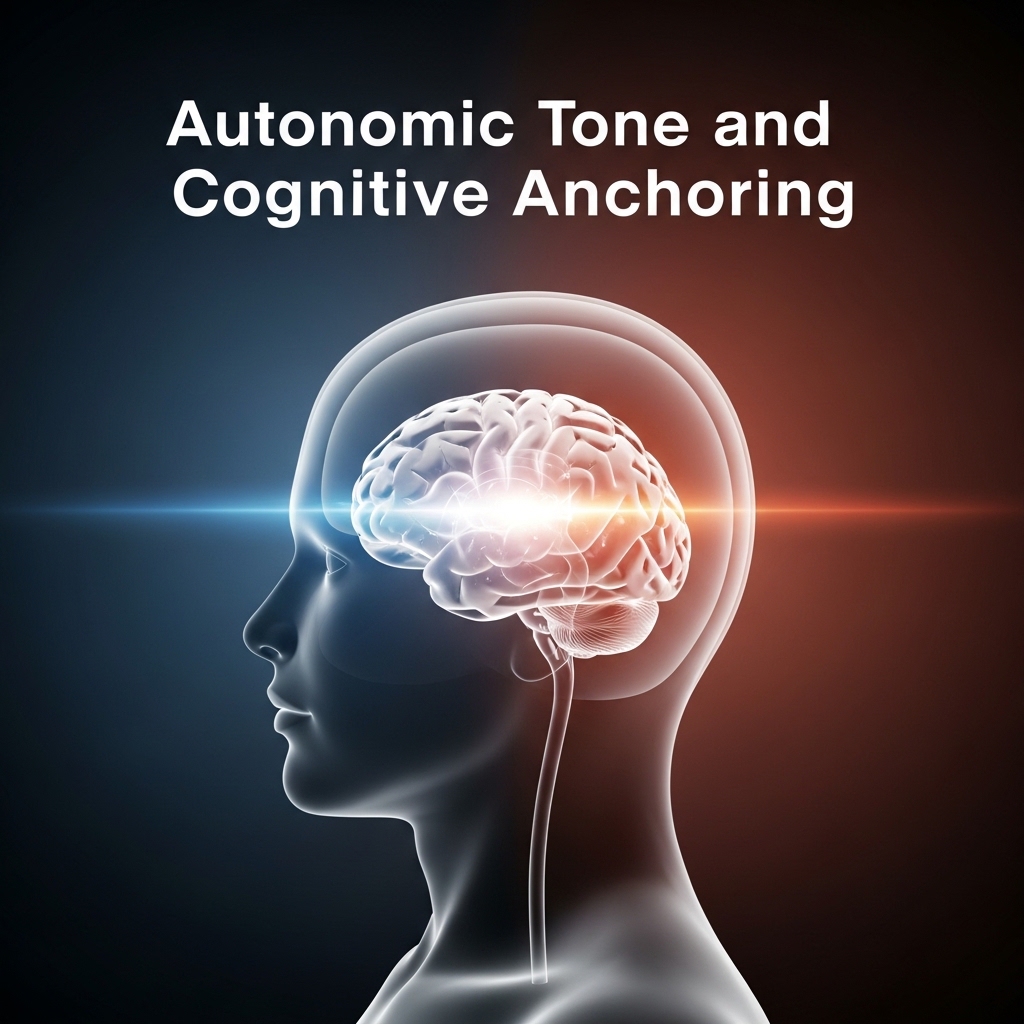
Autonomic tone — the balance between sympathetic and parasympathetic nervous system activity — is a key determinant of recovery capacity, cardiovascular health, and cognitive performance. High-performing professionals with chronically elevated sympathetic tone show reduced HRV, impaired sleep quality, and diminished prefrontal function. Sustained high-output environments push the autonomic system toward sympathetic dominance by default.
Cognitive anchoring — returning to a stable interpretive framework during periods of stress — supports parasympathetic activation. It does this by reducing the threat value assigned to stressors. In turn, this reduces the sympathetic arousal those stressors generate. This mechanism is well documented in the stress management and cognitive behavioural literature.
Quotes regarding life that a professional has internalised serve as cognitive anchors. In high-pressure moments, recalling them activates the prefrontal reappraisal network and supports a shift toward parasympathetic tone. The effect is not dramatic in any single instance. Compounded across hundreds of high-stress moments over time, however, it represents a meaningful difference in cumulative autonomic load.
Sleep Quality and Interpretive Rumination
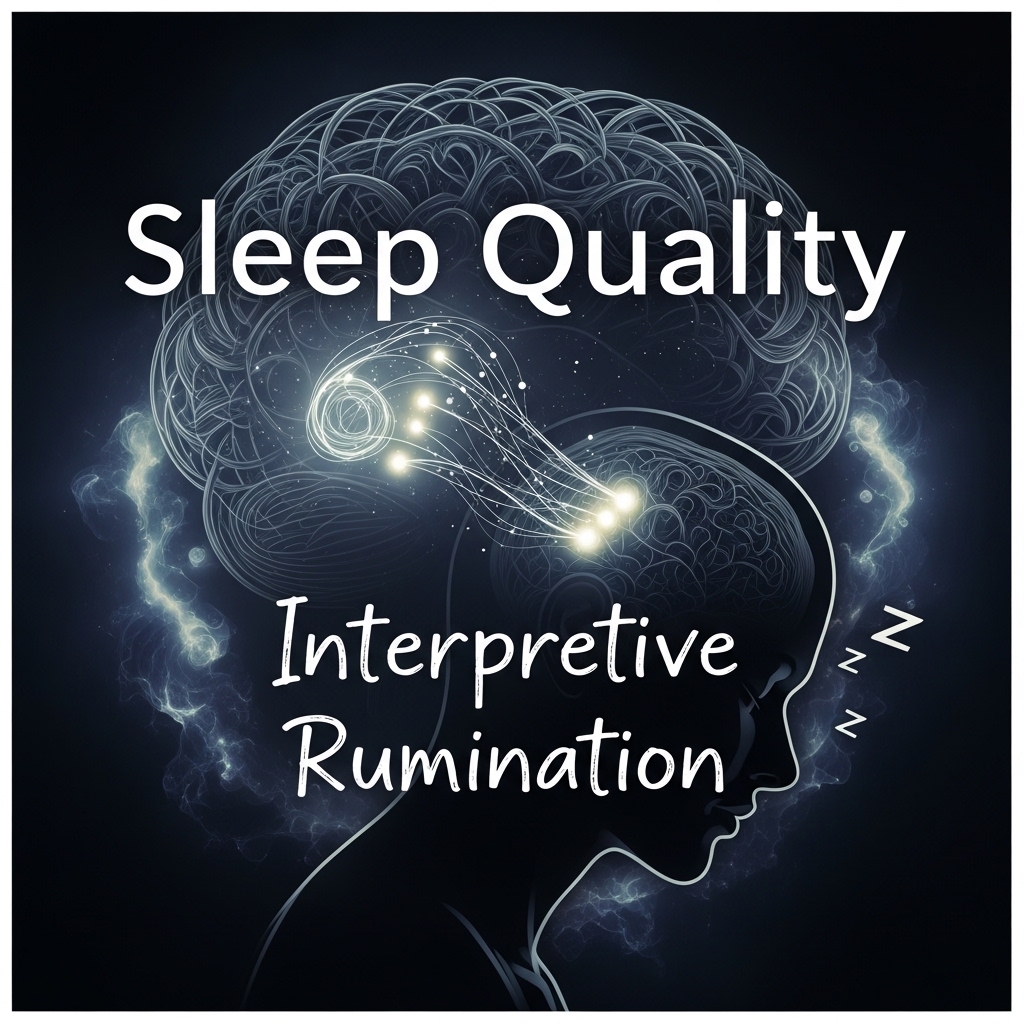
Sleep disruption in high-performing professionals is rarely a function of sleep hygiene alone. Pre-sleep cognitive arousal — specifically, ruminative thinking about unresolved problems or perceived failures — is one of the most common drivers of delayed sleep onset in this population. Rumination maintains sympathetic arousal into the sleep period. This, in turn, suppresses the parasympathetic conditions required for restorative sleep.
The cognitive content of rumination is not fixed. It is shaped by the interpretive frameworks a professional habitually applies to their experience. A professional who frames setbacks as permanent and personal is more likely to ruminate than one who frames them as temporary and contextual. Moreover, this is not a fixed personality trait — it is a learnable cognitive orientation supported by neuroplasticity research.
Quotes regarding life that encode non-ruminative framings — acceptance of uncertainty, the transience of difficulty, the separability of effort and outcome — can serve as deliberate pre-sleep cognitive tools. Their use as part of a structured wind-down practice supports the cognitive disengagement from threat-processing that healthy sleep onset requires. The downstream effects on sleep quality, recovery, and next-day cognitive performance are physiologically meaningful.
Cardiovascular Risk and Psychological Resilience

The American Heart Association now formally recognises psychological wellbeing as a component of cardiovascular health. This reflects a growing body of evidence linking psychological resilience, optimism, and sense of purpose to reduced cardiovascular risk. The mechanisms include reduced sympathetic tone, lower inflammatory burden, and improved autonomic regulation.
Optimism, in the clinical literature, is not a vague disposition. It is a measurable cognitive style defined by positive outcome expectancy and explanatory flexibility. Research from the Harvard T.H. Chan School of Public Health has documented links between higher optimism scores and reduced risk of cardiovascular events. Furthermore, this relationship holds after controlling for standard cardiovascular risk factors. The mechanism runs, in part, through reduced HPA axis reactivity and lower baseline inflammatory markers.
Quotes regarding life that encode optimistic, growth-oriented, or resilience-based framings — when used as deliberate tools — represent a low-cost, evidence-adjacent option for cardiovascular risk management. The effect size of psychological variables on cardiovascular outcomes is now large enough that their exclusion from a comprehensive risk profile represents a clear gap in the clinical model.
READ ALSO: Your Daily Wellness Journal Guide to Better Self-Care
Biological Age and the Compounding Effect of Meaning

Biological age — the cellular age of an organism as distinct from its chronological age — is now measurable through validated tools including epigenetic clock assessments and telomere length assays. Research using these tools consistently finds that psychosocial variables, including sense of purpose and psychological resilience, associate with reduced biological age relative to chronological age.
The compounding logic here is significant. Psychosocial inputs that reduce cortisol, lower inflammatory burden, improve sleep, and support autonomic balance each contribute individually to slowing biological aging. Furthermore, when these inputs operate together — as they do in a professional who has built a stable, purposive interpretive framework — their combined effect on biological age is greater than the sum of its parts.
Quotes regarding life, engaged with clinically rather than casually, are one way to reinforce and sustain this interpretive framework. They are not the primary intervention. Instead, they are a maintenance tool — a way of keeping the cognitive architecture of meaning and purpose active under the conditions of sustained professional life that most erode it.
READ ALSO: Personal Growth: The Ultimate Guide to Becoming the Best You
Cognitive Performance and Interpretive Load
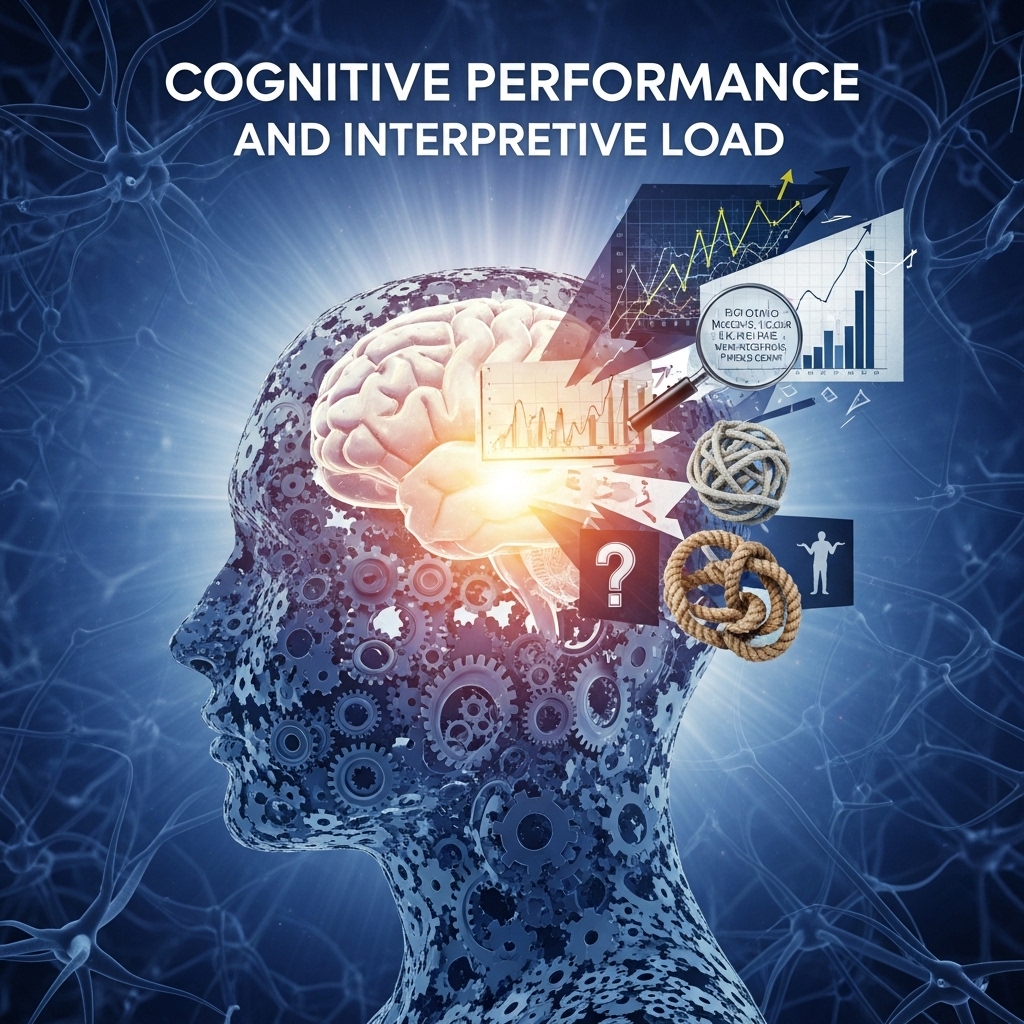
Cognitive performance in executives and founders depends on the efficient use of prefrontal resources. Every stressor that activates threat-processing draws on the same neural resources required for strategic reasoning, creative thinking, and decision-making under ambiguity. Reducing the load that stressors place on the prefrontal system is therefore a direct cognitive performance intervention.
Reframing does not eliminate stressors. Instead, it reduces their threat value, which reduces their demand on prefrontal regulatory resources. A professional who meets adversity with a stable, meaning-based interpretive framework expends less prefrontal resource on threat management. Consequently, more capacity remains available for executive function. This is the cognitive performance argument for structured engagement with reframing language.
Quotes regarding life that a professional has deliberately selected and internalised — rather than passively consumed — become part of their cognitive operating system. They reduce interpretive lag in high-pressure situations, support faster reappraisal, and free prefrontal capacity for the functions that drive professional performance. The neurological difference between a professional who has this toolkit and one who does not is measurable in prefrontal activation patterns under load.
READ ALSO: Finding Your Life Purpose: A Guide to Clarity
Evidence-Based Pathways for the High-Performing Professional

The evidence reviewed here supports several practical options for professionals who want to engage with quotes regarding life as a clinical tool rather than a casual one. Deliberate curation of a personal reframing vocabulary — drawing from philosophy, clinical psychology, or sources of personal authority — creates a cognitive toolkit with documented physiological utility. Structured use of this vocabulary as a pre-sleep intervention, a post-stress reappraisal prompt, or a morning orienting practice aligns with the mechanisms documented in cortisol regulation and sleep research. Professionals tracking biological age, HRV, or inflammatory markers have an objective basis for evaluating whether changes in interpretive practice produce measurable physiological shifts over time. The clinical literature does not position meaning and purpose as peripheral to longevity. It positions them as biological inputs with the same standing as sleep, nutrition, and physical training.
UP NEXT: Why the Quality of Your Social Bonds Directly Predicts Cardiovascular Health and Longevity
Habitual use of purposive, reappraisal-based language has been linked in longitudinal research to reduced inflammatory gene expression, lower baseline cortisol, and measurable reductions in biological age relative to chronological age — placing interpretive style alongside sleep and nutrition as a direct input into cellular aging rate. WholeLiving's Biological Age Estimation Model incorporates this factor directly — your assessment takes under five minutes.
Ready to understand how these factors are influencing your biological age right now? [Take the Biological Age Assessment →]