


In nature, a relationship symbiosis represents a delicate and balanced partnership where two organisms benefit from each other. In your relationships, whether personal or professional, the same principles can apply. It’s about mutual benefit, respect, and support, forming a healthy relationship that thrives on cooperation. Just like in nature, where symbiotic relationships foster survival, a harmonious relationship between two organisms or two species creates a space for growth, healing, and shared success.
In this guide, we will explore the essence of relationship symbiosis and how you can apply these principles in your own interactions. The idea is not to control or dominate but to work together for mutual benefit. Whether it's in the form of a mutualistic relationship, where both partners gain, or understanding the pitfalls of a parasitic relationship, awareness is key to ensuring long-term satisfaction and success.
1. What is Relationship Symbiosis?
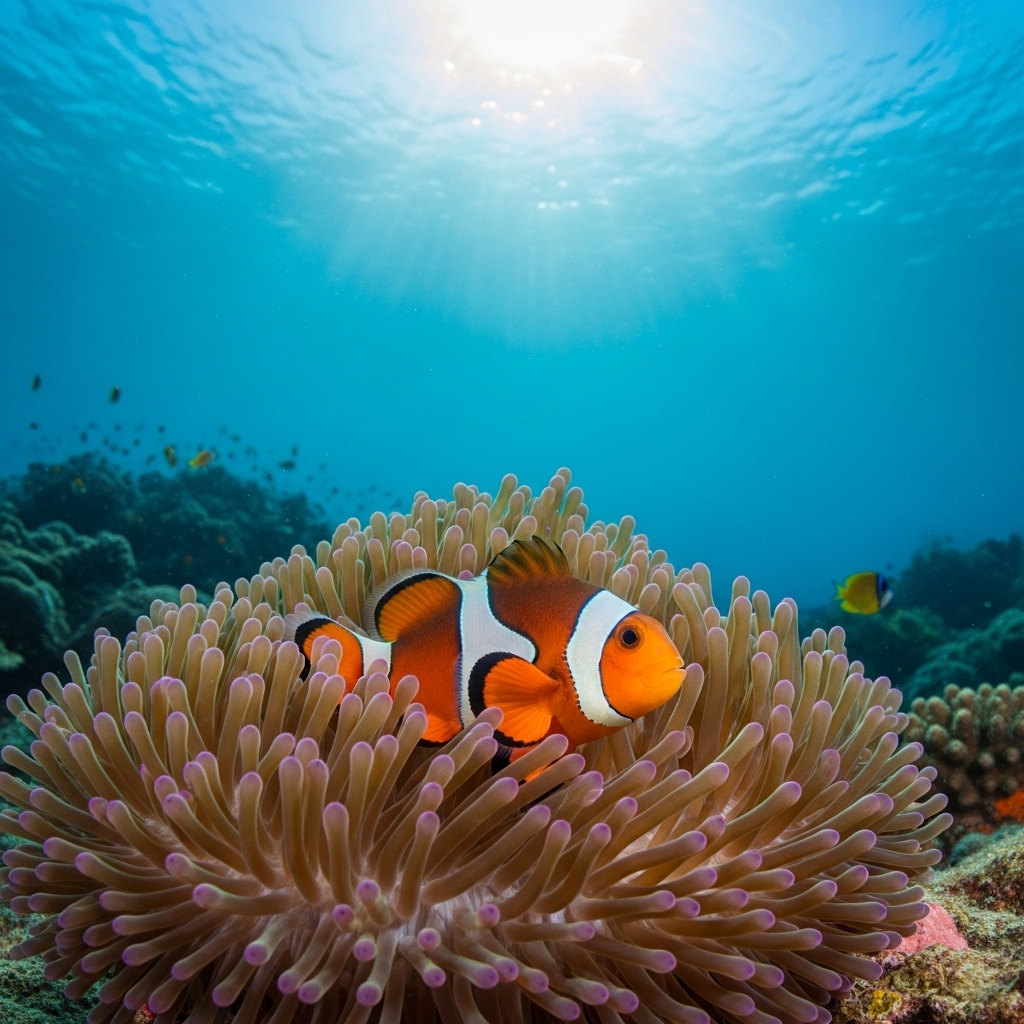
At its core, relationship symbiosis refers to a long-term biological interaction between two dissimilar organisms or two species where the interaction benefits at least one of the organisms and does not necessarily harm the other. Think of the clownfish and sea anemones—a classic example of a mutualistic symbiotic relationship—where both species rely on each other for survival. The clownfish gets protection from predators by hiding in the sea anemone’s tentacles, while the sea anemone receives food scraps from the clownfish.
In the human world, this idea translates into relationships where mutual support and respect are key. It’s a dynamic where both individuals or parties benefit from the relationship, creating a mutualistic relationship that enhances each person’s growth.
2. Exploring Different Forms of Symbiotic Relationships
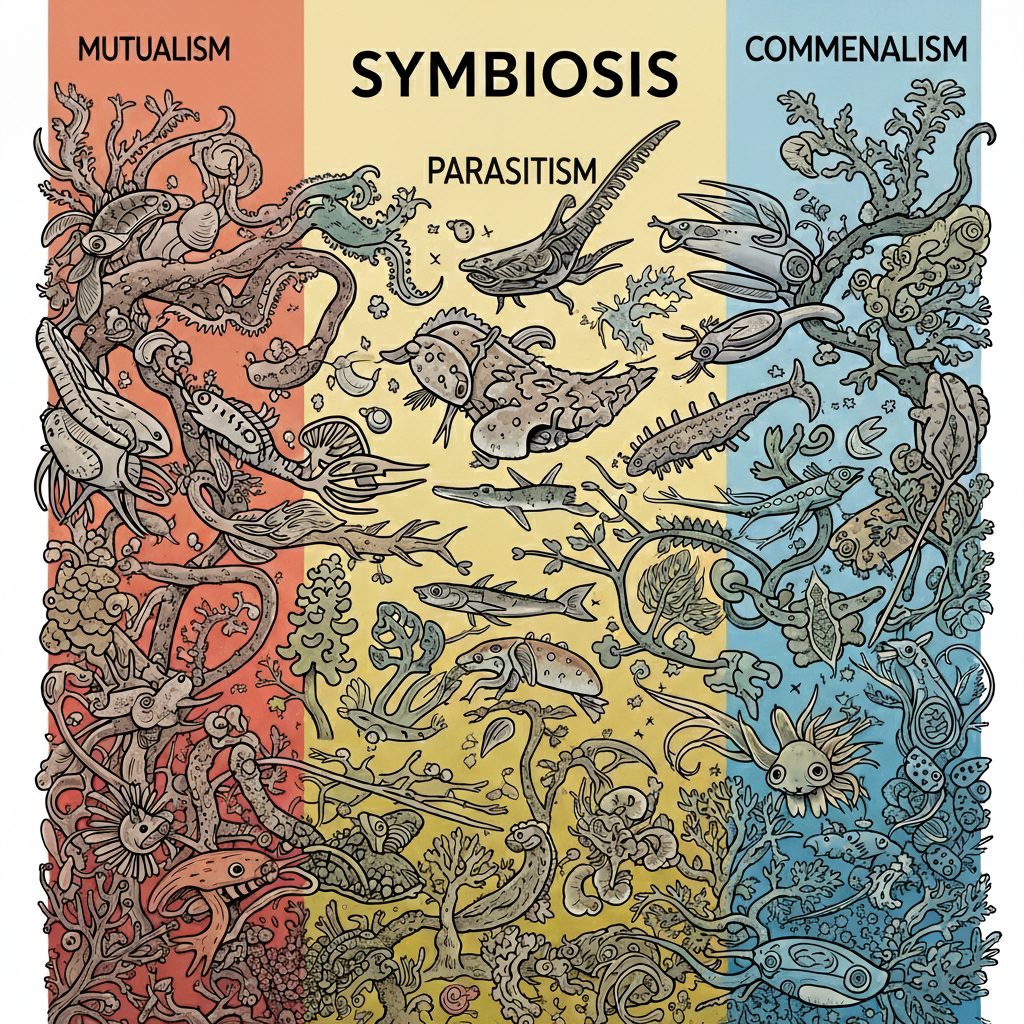
There are many forms of symbiosis, and they aren't all equal. Some relationships are mutualistic, where both parties gain something beneficial, while others are parasitic, where one benefits at the other's expense. It’s important to recognize which type you’re in, as healthy relationships thrive on balance and respect.
In nature, you’ll find mutualistic symbiotic relationships such as the interaction between nitrogen-fixing bacteria and plants. These bacteria provide the plant with essential nutrients, while the plant offers shelter and nourishment in return. The key takeaway here is that true symbiosis is about finding balance—one partner does not outweigh the other, but rather, they complement each other.
READ ALSO: Proportional Relationship and the Power of Mutual Effort
3. The Role of Mutual Respect in Relationships

A healthy symbiotic relationship requires mutual respect. Whether it’s interspecific competition in nature or human relationships, mutual respect fosters an environment where both partners feel heard and valued. Without it, the balance can tip, leading to parasitism or intraspecific competition where one partner takes more than they give, leading to feelings of resentment and imbalance.
In human interactions, this means understanding and valuing the needs, desires, and boundaries of the other person. When both individuals honor and care for each other, the species involved thrive. This principle is seen not only in romantic relationships but also in professional partnerships where both parties support and uplift each other.
4. How Parasitism Distorts Healthy Relationships
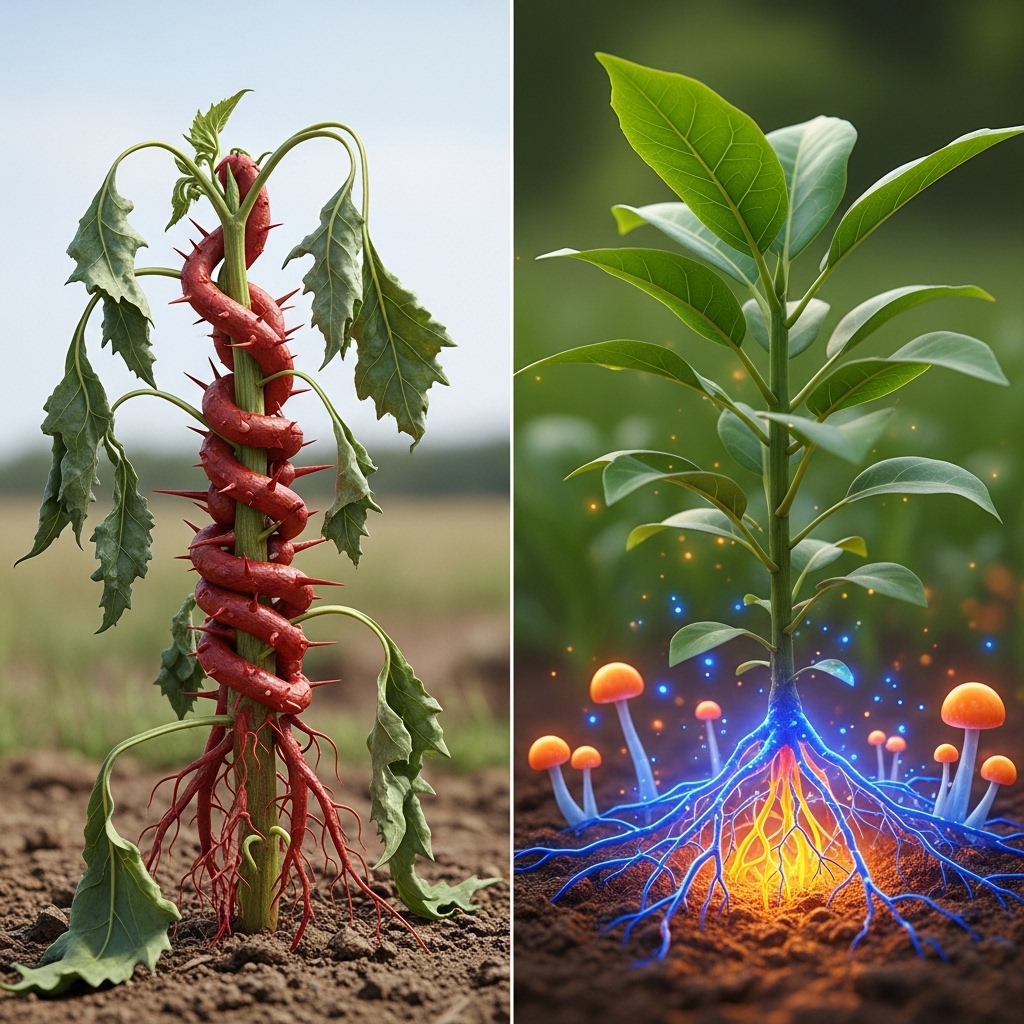
In contrast to mutualistic relationships, parasitism is a relationship where one organism benefits at the expense of the other. This can often happen subtly in human relationships, where one partner might drain the other emotionally, financially, or psychologically. Recognizing common parasites in relationships can help prevent these toxic dynamics.
If you feel that your relationship is starting to lean into a parasitic dynamic, it’s time to reassess and set boundaries. Healthy relationships rely on mutual benefit and do not thrive on one partner taking advantage of the other. Learn to identify the signs early to prevent harm.
READ ALSO: Acquaintance and The Power of Building Lasting Relationships
5. Building a Mutualistic Symbiotic Relationship

A mutualistic symbiotic relationship in human terms is when both people or parties grow together, providing support and enhancing each other’s lives. Think of it as a team effort, where both individuals or groups contribute and gain. For example, in a partnership, one person may bring skills, and the other may offer emotional support. Together, they create a stronger, more resilient bond.
This dynamic is crucial in both personal and professional spheres. When both individuals are aware of their roles and benefits, the relationship strengthens, paving the way for long-term survival. Much like how bacteria support plants through nutrient sharing, mutual support makes both partners more successful.
6. Symbiosis and the Balance Between Giving and Receiving

At its best, symbiosis represents the delicate balance of giving and receiving. You may give nutrients, time, or effort, and in return, you gain support, protection, or understanding. It’s not about keeping score, but rather about ensuring that both partners are contributing in a way that supports the whole.
In healthy relationships, the idea is that no one should feel like they are giving more than they are receiving. Instead, both individuals work toward a mutual benefit where the relationship enhances both of their lives, allowing each person to grow and thrive.
READ ALSO: Therapy for Toxic Relationship to Restore Your Well-being
7. The Power of Symbiosis in Nature: Clownfish and Sea Anemones
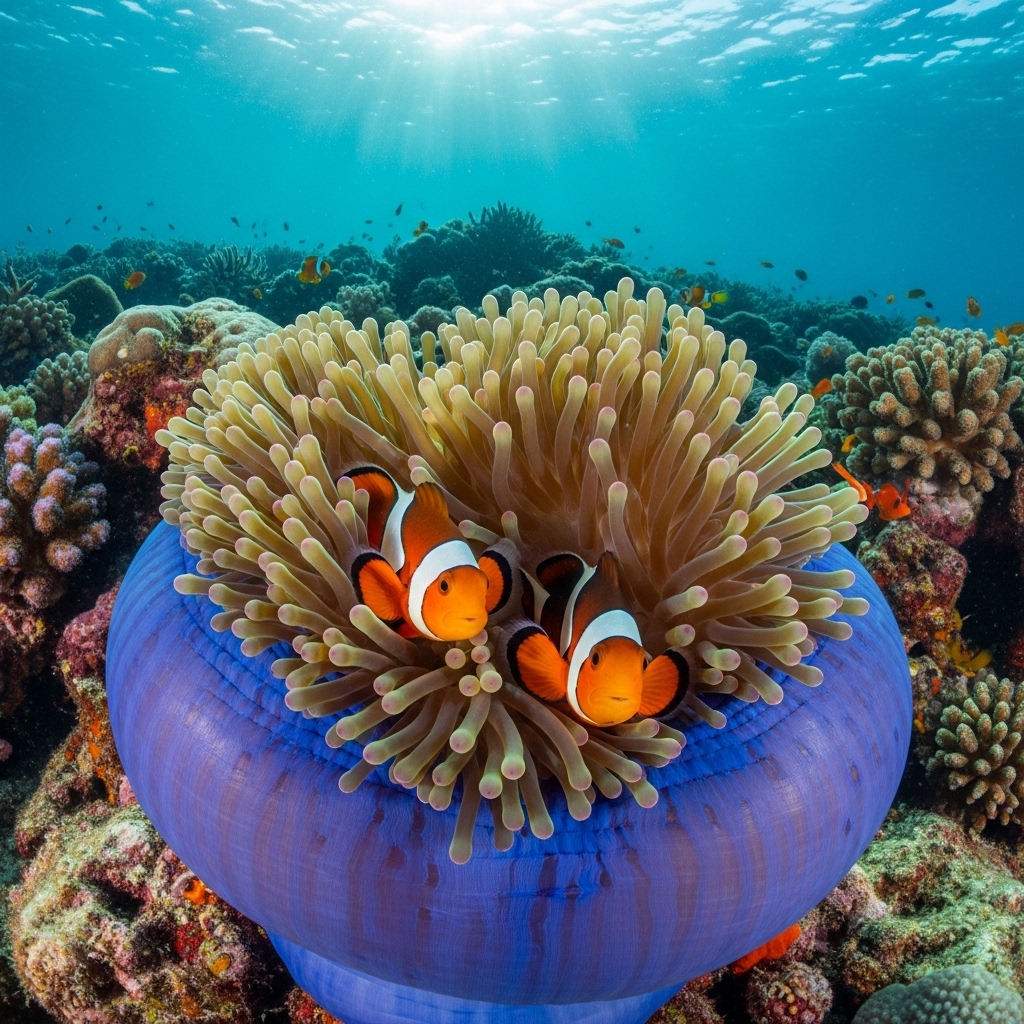
One of nature’s most iconic examples of relationship symbiosis is the relationship between clownfish and sea anemones. In this mutualistic relationship, the clownfish is protected from predators by the sea anemone’s venomous tentacles, while the clownfish helps to clean the anemone and provides it with food. Both species benefit in a way that allows them to survive and thrive in the often-dangerous underwater environment.
This type of relationship shows us the power of mutual respect and interdependence in creating harmony between different organisms. In human relationships, this means finding ways to support one another and share resources in a way that benefits both parties.
8. Symbiosis and Personal Growth
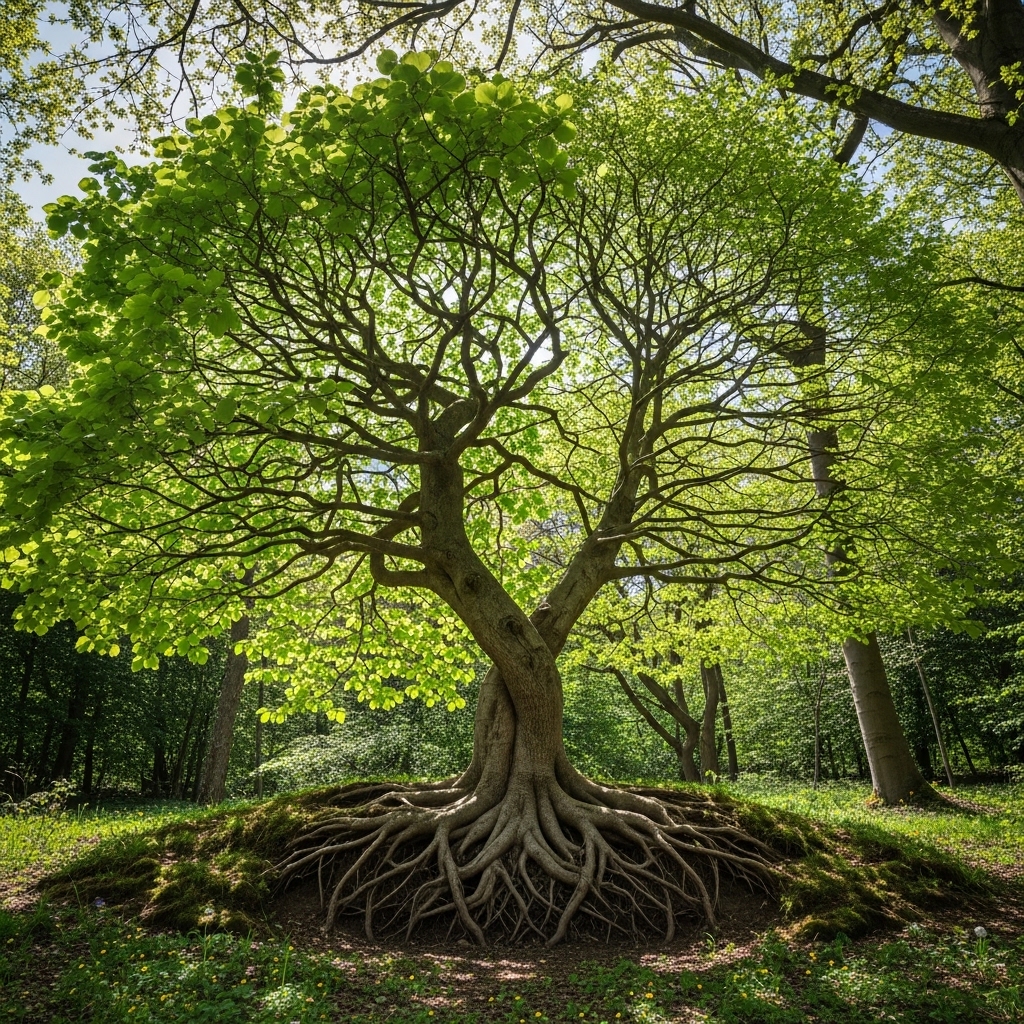
When you engage in symbiotic relationships, personal growth becomes a natural byproduct. Whether in romantic, familial, or professional relationships, working in harmony with others helps you develop new skills, insights, and experiences. These relationships encourage you to become a better person, just as a mutualistic relationship in nature enhances the health and survival of both parties involved.
Personal growth within a symbiotic relationship isn’t always linear—it’s about gradual development over time. Like the relationship between species and their host species, these relationships can sometimes be challenging, but the rewards are worth it in the long run.
READ ALSO: Conversation Topics to Strengthen Your Relationships
9. Nature’s Example: Interspecific Competition and Its Lessons

In nature, interspecific competition occurs when different species compete for the same resources. While this is a natural part of the ecosystem, it’s also something we can learn from when applying it to human relationships. Competing for attention, resources, or recognition can create tension and disrupt the balance of a relationship. However, recognizing the signs of unhealthy competition and working to shift toward cooperation can restore balance and foster a healthy relationship.
In human terms, this might mean reassessing your priorities and focusing on collaboration instead of competition. Moving away from intraspecific competition (competition within the same species) can open the door to more rewarding and cooperative dynamics.
10. Fostering Long-Term Biological Interactions in Relationships
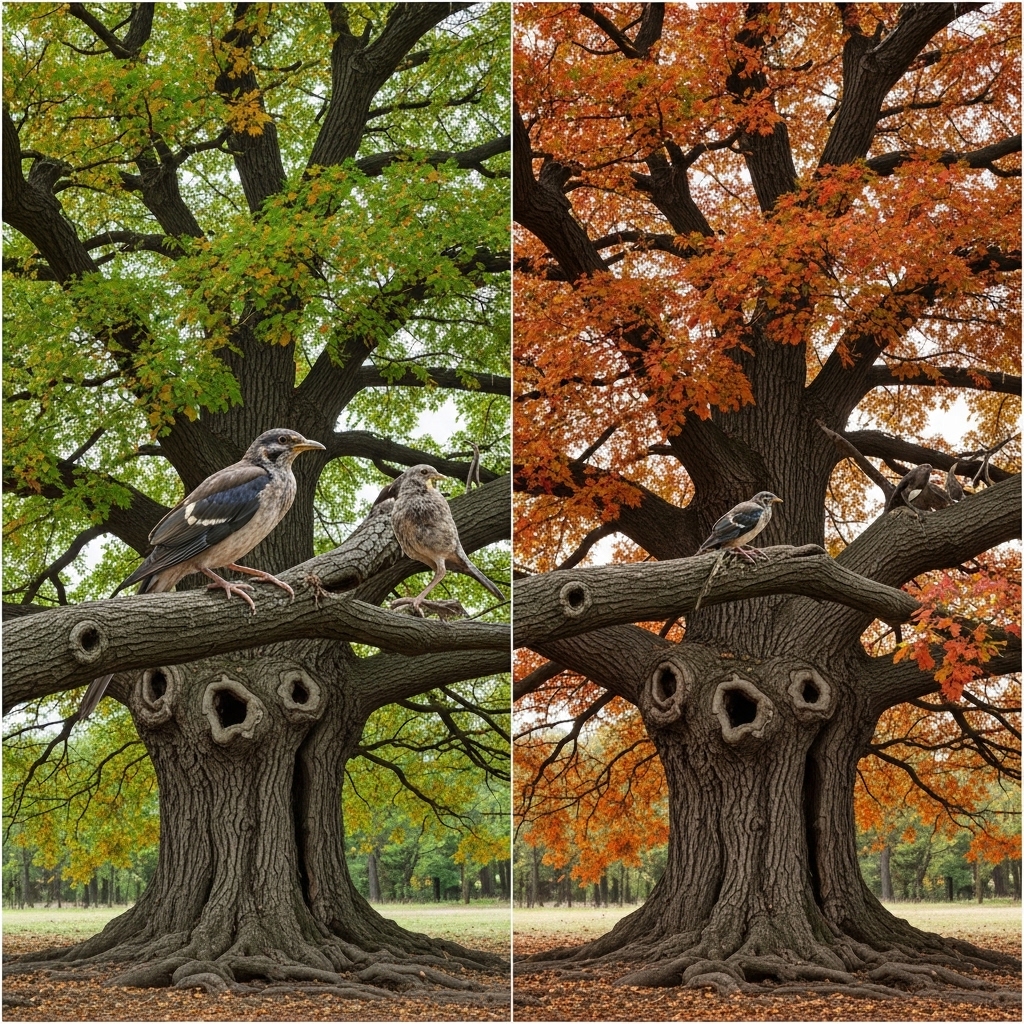
Relationships, like ecosystems, require time to develop. A long-term biological interaction between two organisms does not happen overnight. It requires patience, effort, and mutual respect. This is the same for human relationships—whether friendships, romantic partnerships, or even business relationships. The goal is to create a mutualistic symbiotic relationship where both parties grow and thrive over time.
Just as in nature, where a relationship can take years to evolve into something harmonious, building a lasting and meaningful human relationship takes time and consistent effort. This type of partnership strengthens over the years, providing deeper benefits and connections.
Conclusion: Embracing Balance in Your Relationships
As you reflect on the concept of relationship symbiosis, remember that it’s all about balance. The key to nurturing healthy relationships is understanding the mutual benefits, setting boundaries, and being mindful of the power of mutual respect. Whether you are in a mutualistic or even a parasitic relationship, identifying the type of dynamic you are in is the first step toward building a more harmonious and balanced future.
Like the clownfish and sea anemones, every relationship has its own rhythm. By fostering positive interactions, showing empathy, and sharing resources, you can nurture relationships that promote growth, health, and happiness. Cultivate balance in your relationships today, and watch how they flourish in the long run.