When it comes to skin cancer treatments, it’s important to approach the journey with both care and knowledge. Whether you're navigating your own diagnosis or supporting a loved one, understanding the treatment options available can make all the difference. This guide will provide you with a compassionate, clear, and empowering overview of the most effective skin cancer treatments, helping you make informed decisions while caring for yourself or a family member.
What is Skin Cancer?
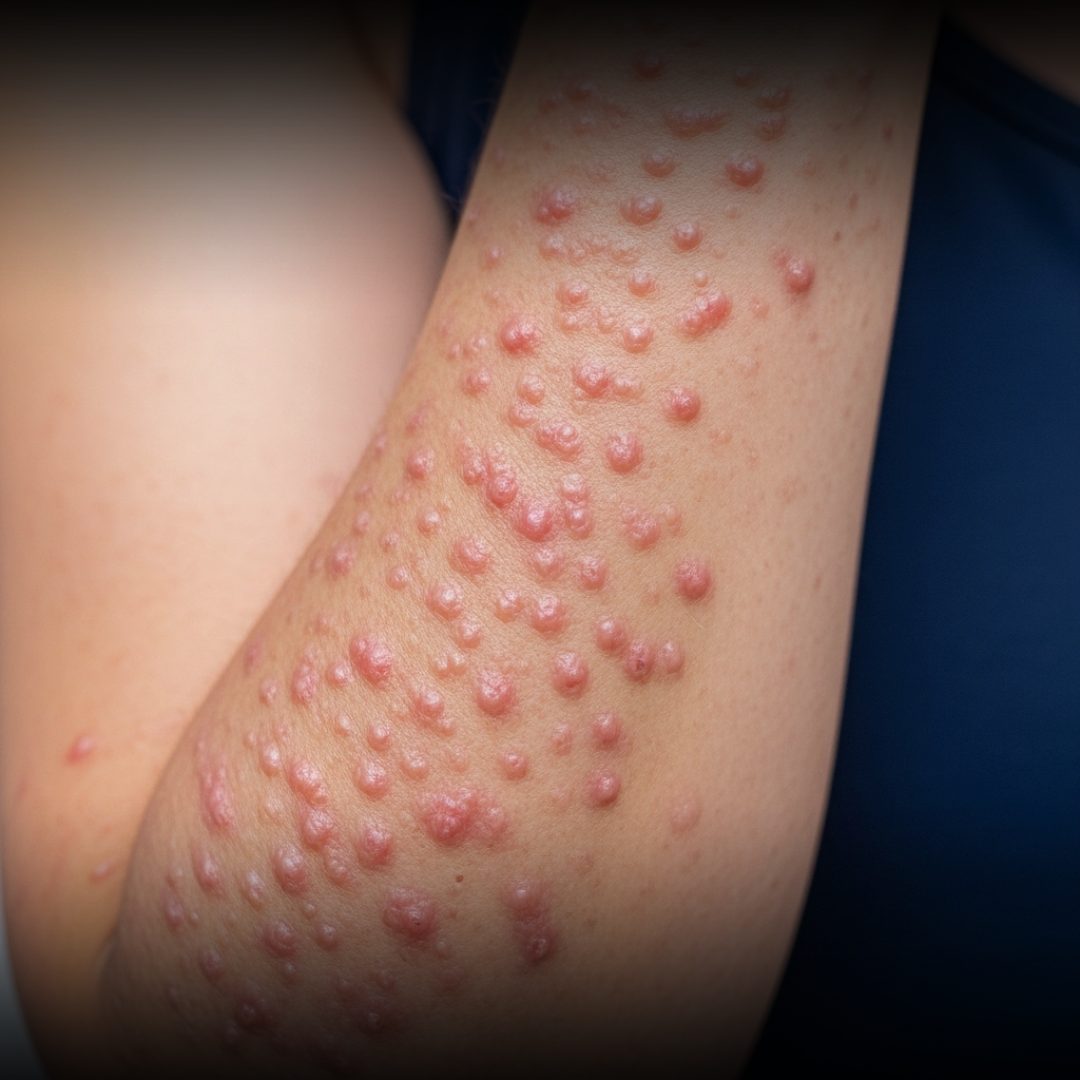
Before diving into treatment options, let’s first explore what skin cancer is. Skin cancer begins in the skin cells when abnormal cells grow uncontrollably. The most common types of skin cancer are basal cell carcinoma and squamous cell carcinoma, both of which fall under the category of non-melanoma skin cancers. These cancers usually develop on sun-exposed areas of the skin but can occur anywhere on the body.
Melanoma, while rarer, is another type of skin cancer that can be more aggressive and spread to other parts of the body. It's crucial to differentiate between these types of skin cancer to determine the best treatment plan. Early detection improves the chances of successful treatment significantly.
Understanding Skin Cancer Treatments
A variety of skin cancer treatments exist, each tailored to the type and stage of cancer. Doctors base treatment decisions on factors like the size and location of the cancer, as well as your overall health. Remember, the main goal is to remove the cancer while preserving as much healthy tissue as possible.
In many cases, the first step involves a surgical procedure to remove the cancerous tissue. If any cancer cells remain, doctors may treat the area with radiation therapy or chemotherapy to kill them. Other treatments, such as photodynamic therapy, use light and special chemicals to destroy skin cancer cells.
READ ALSO: Functional Health Isn’t Complicated — Here’s How to Start
Common Skin Cancer Treatments
Let’s explore the most common skin cancer treatments:
1. Surgery
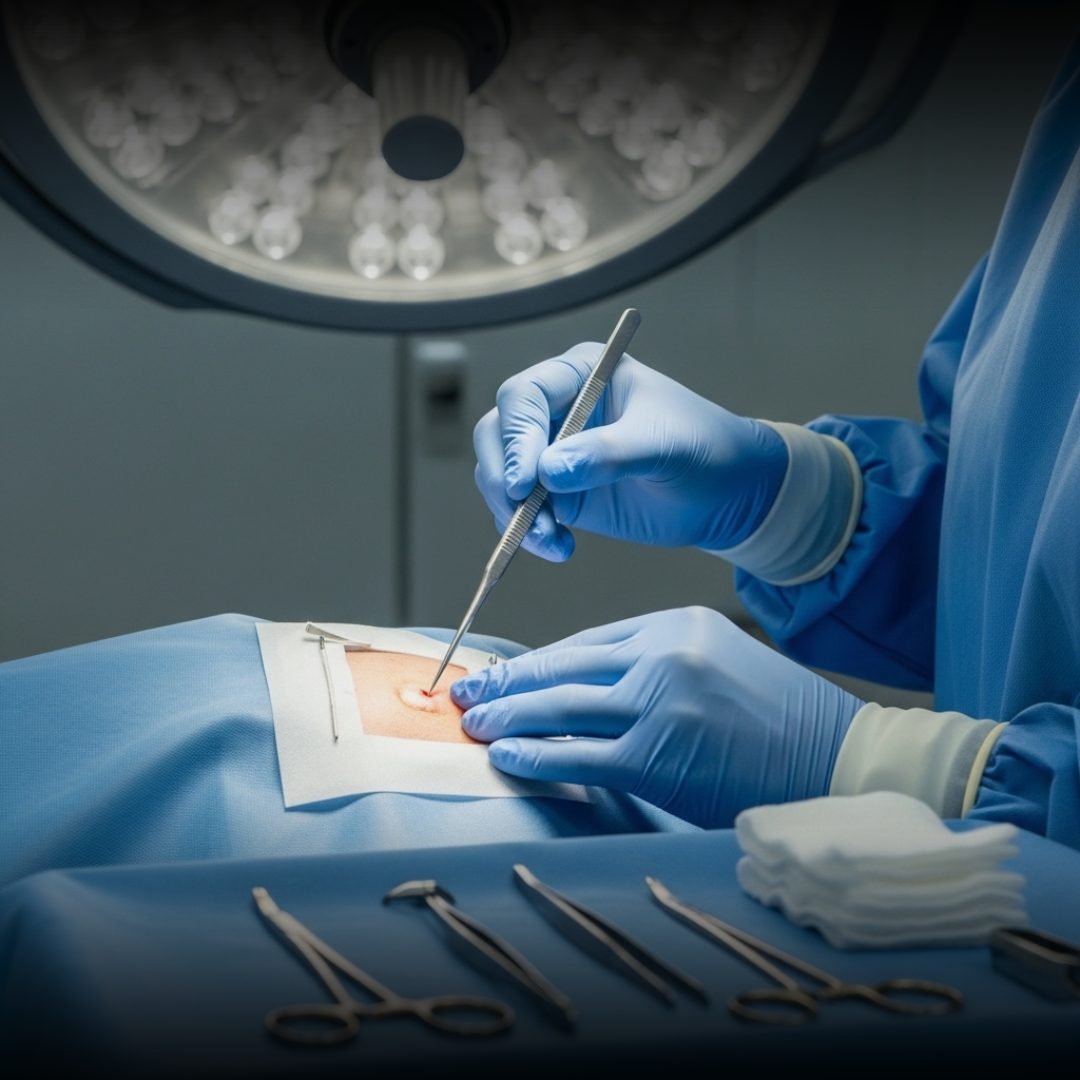
Mohs surgery is one of the most effective treatments for skin cancer. This technique removes skin cancer cells layer by layer, examining each layer under a microscope until all the cancerous tissue has been removed. Mohs surgery is particularly effective for treating non-melanoma skin cancer like basal cell carcinoma and squamous cell carcinoma.
For larger tumors or cancers that have spread, doctors may need to perform a more traditional excision. The goal of any surgical procedure is to ensure the complete removal of the cancer, with minimal impact on surrounding healthy tissue.
2. Radiation Therapy
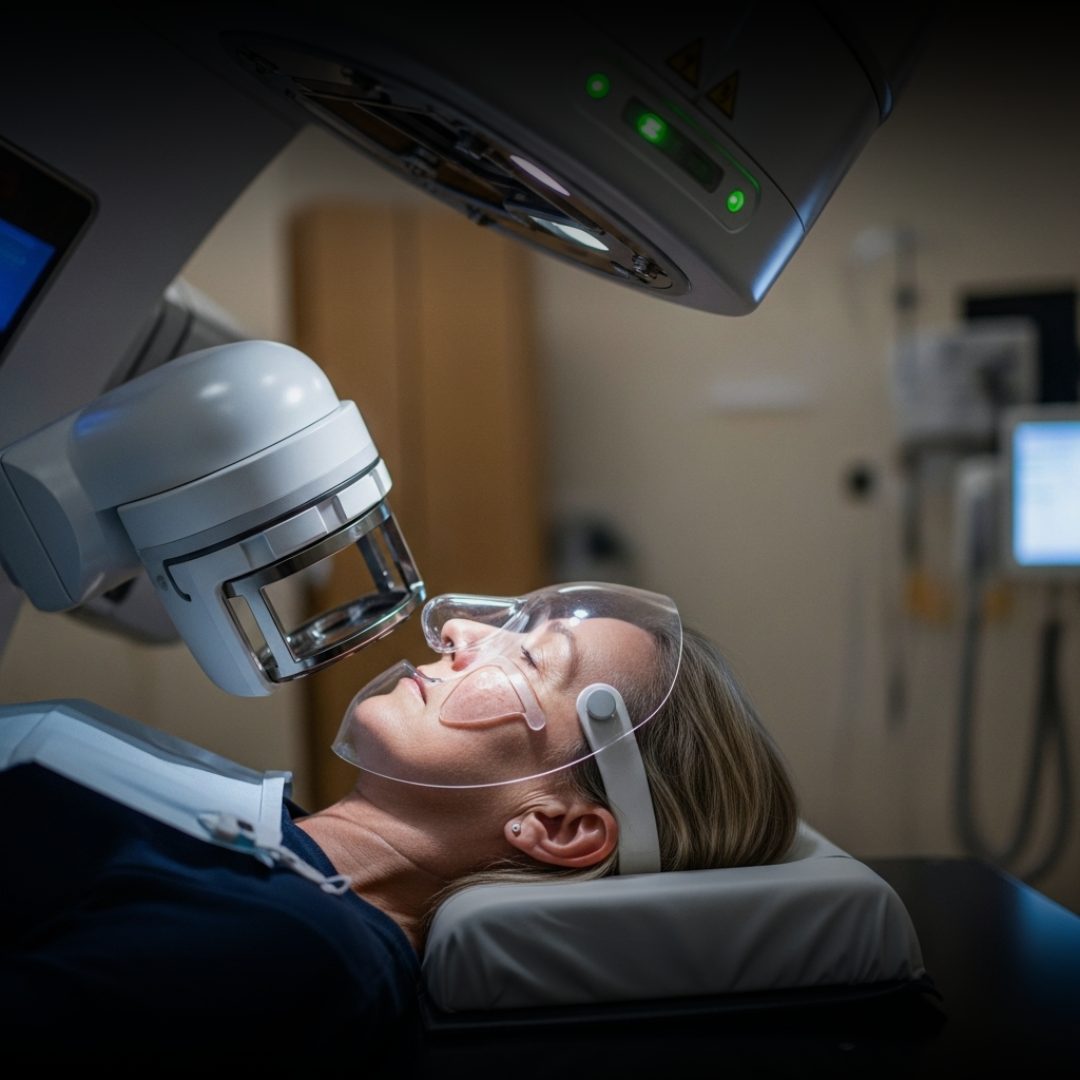
Radiation therapy targets and destroys cancer cells using high-energy rays. When surgery isn’t possible, or when there's concern that the skin cancer has spread, radiation can be an effective option. Radiation therapy may require multiple sessions, but it’s a great choice for treating cancers that are hard to access through surgery.
3. Topical Treatments
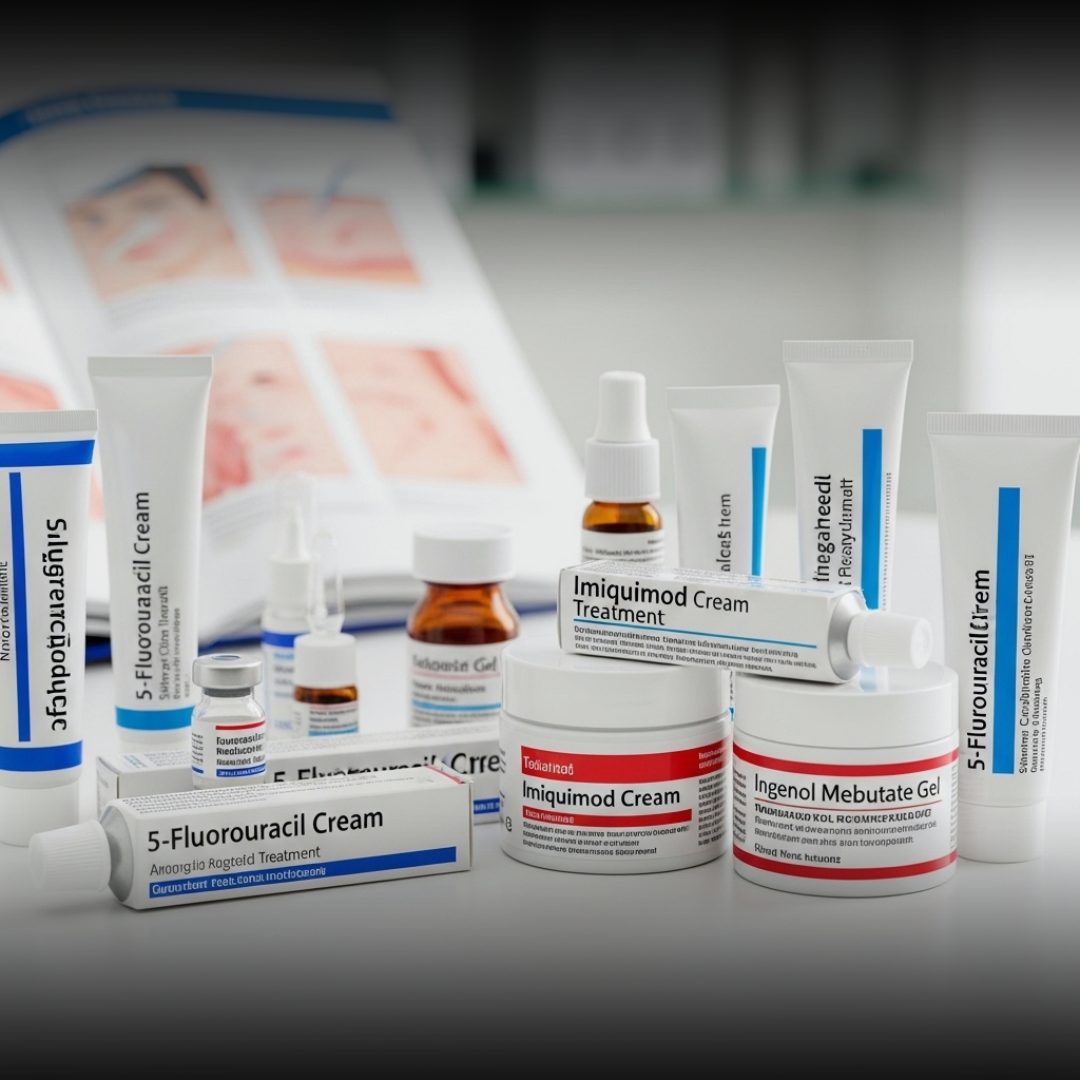
Sometimes, doctors recommend topical treatments for superficial skin cancer lesions or actinic keratoses—precancerous growths. Topical treatments like chemotherapy creams are applied directly to the affected skin area. These treatments target abnormal cells and can be less invasive than surgery or radiation therapy, though they may require several applications to achieve optimal results.
Photodynamic Therapy and Its Role
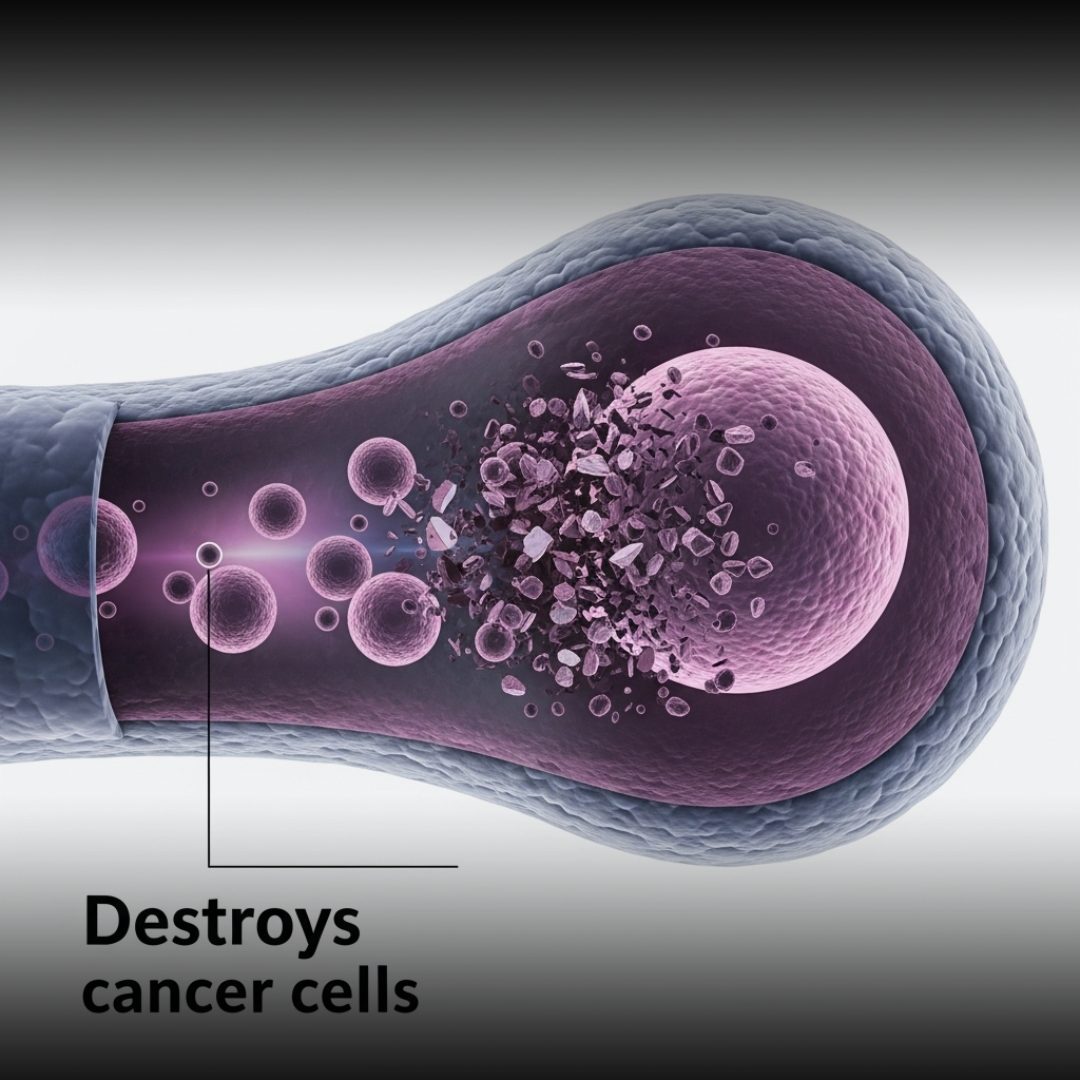
Photodynamic therapy is another innovative treatment for skin cancer. This method uses a light-sensitive substance that specifically targets and destroys skin cancer cells. After applying this substance to the affected area, your doctor will use laser light to activate it, effectively removing abnormal tissue.
This non-invasive option is typically used for superficial skin cancers like actinic keratosis or early-stage skin cancer. It tends to have fewer side effects than traditional treatments such as surgery or radiation therapy.
Immunotherapy: Harnessing Your Body’s Defenses

For those whose cancer has spread, immunotherapy may be recommended. This treatment boosts your immune system, enabling it to better target and fight cancer cells. One of the most promising immunotherapies is targeted therapy, which specifically targets cancer cells while sparing healthy tissue.
Targeted therapy has shown great promise in clinical trials for treating skin cancer. This approach interferes with the cancer cells' ability to grow and divide, which can help prevent the disease from spreading further.
READ ALSO: Future Health Thrives on Quiet, Daily Radiance
Understanding Staging and Treatment Plans
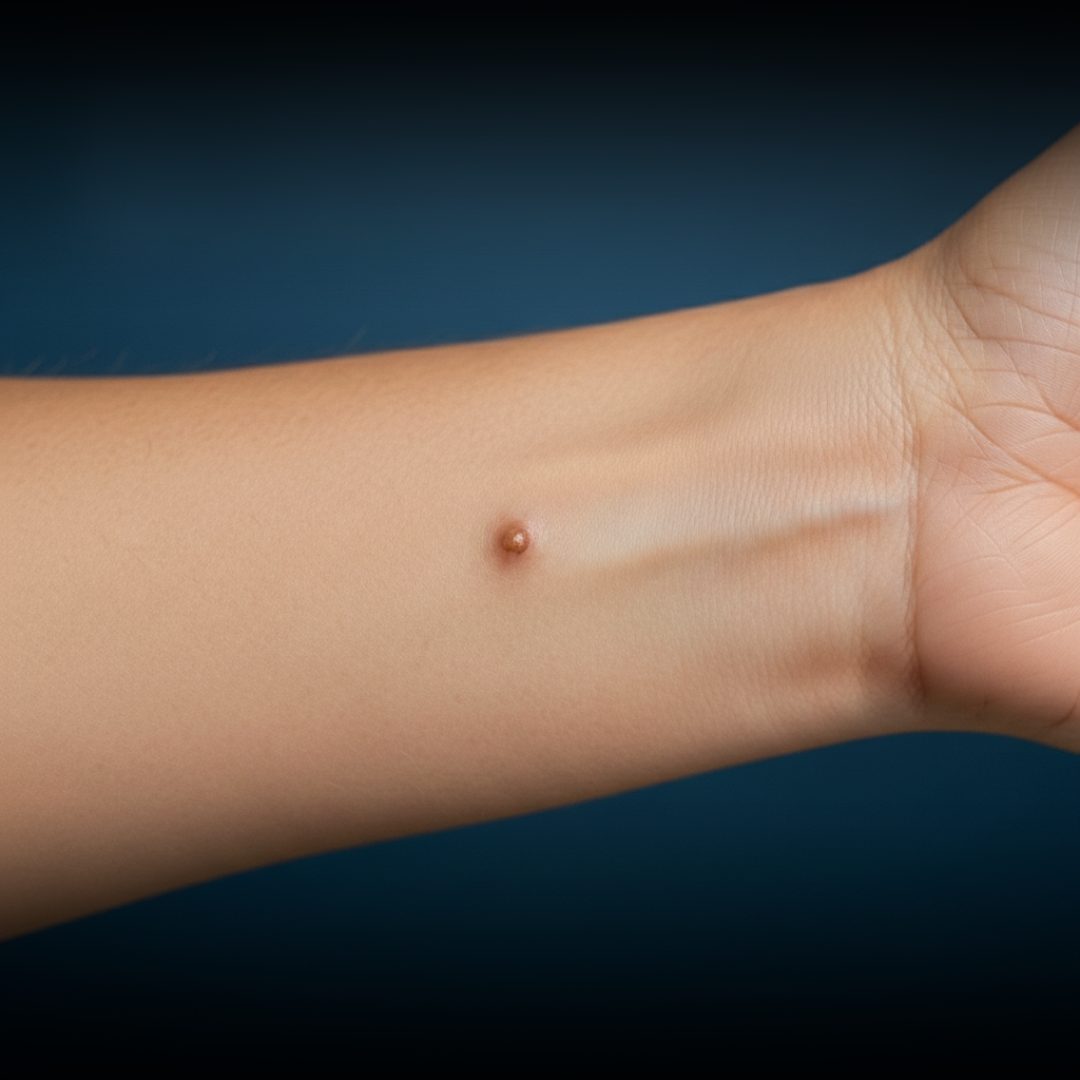
The stage of your skin cancer plays an important role in determining the most effective treatment options. Early-stage skin cancers may be successfully treated with localized methods, such as Mohs surgery or topical chemotherapy. However, if the skin cancer has spread to nearby lymph nodes or other tissues, your doctor may suggest more extensive treatments, like radiation therapy or immunotherapy.
Your doctor will perform staging tests to determine how far the cancer has spread. These tests help guide your treatment plan. Imaging scans, biopsies, and lymph node examinations are among the ways your healthcare team can assess your condition and plan your treatment.
Understanding Mohs Surgery and Its Benefits
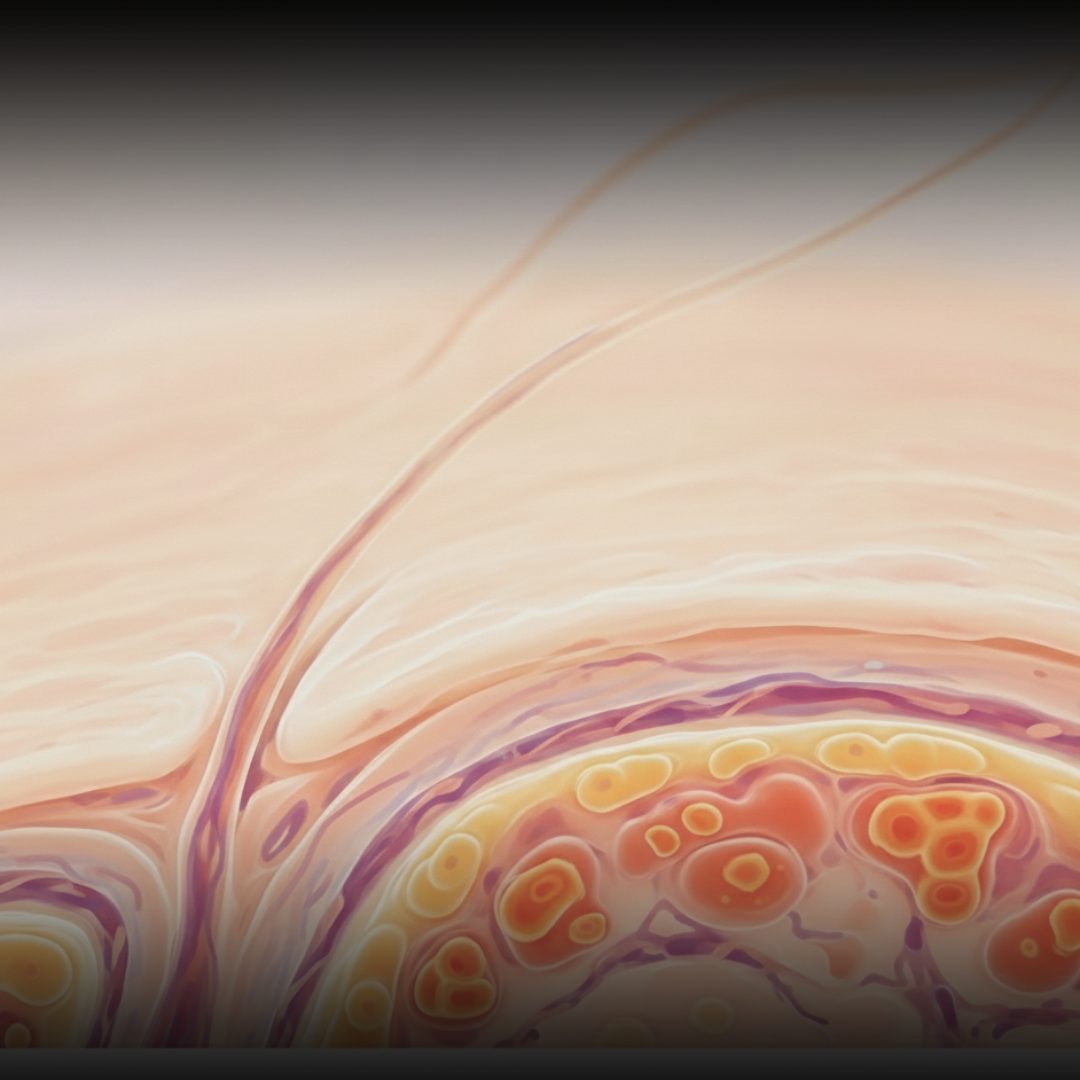
Mohs surgery stands out as one of the most effective treatments for skin cancer, especially in areas like the face, where preserving healthy tissue is critical. With the highest cure rate of any skin cancer treatment, Mohs surgery ensures that very few cases return.
During this procedure, the surgeon removes thin layers of skin, examining each layer for skin cancer cells under a microscope. The process continues until all cancerous cells have been removed, ensuring that only a minimal amount of healthy tissue is affected. Mohs surgery is highly recommended for those with basal cell carcinoma or squamous cell carcinoma.
Treatment for Non-Melanoma Skin Cancer
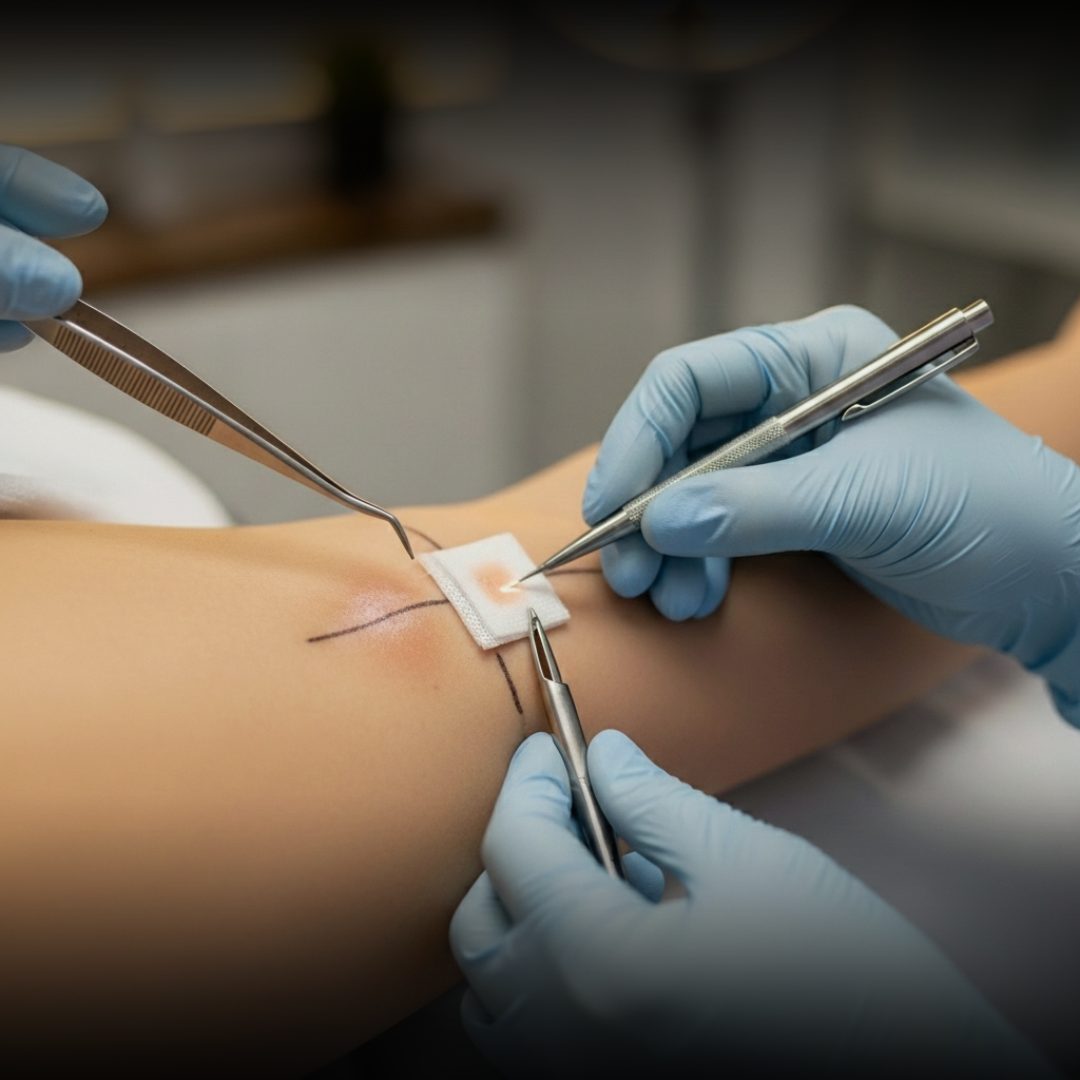
For non-melanoma skin cancers, such as basal cell carcinoma and squamous cell carcinoma, surgery, radiation therapy, or topical treatments are usually the best options. These cancers tend to be localized and less aggressive, making them easier to treat.
It’s important to detect these cancers early. Regular skin checks with a dermatologist can help catch abnormalities before they progress, ensuring that you won’t need more aggressive treatments later on.
Coping With Skin Cancer Treatment
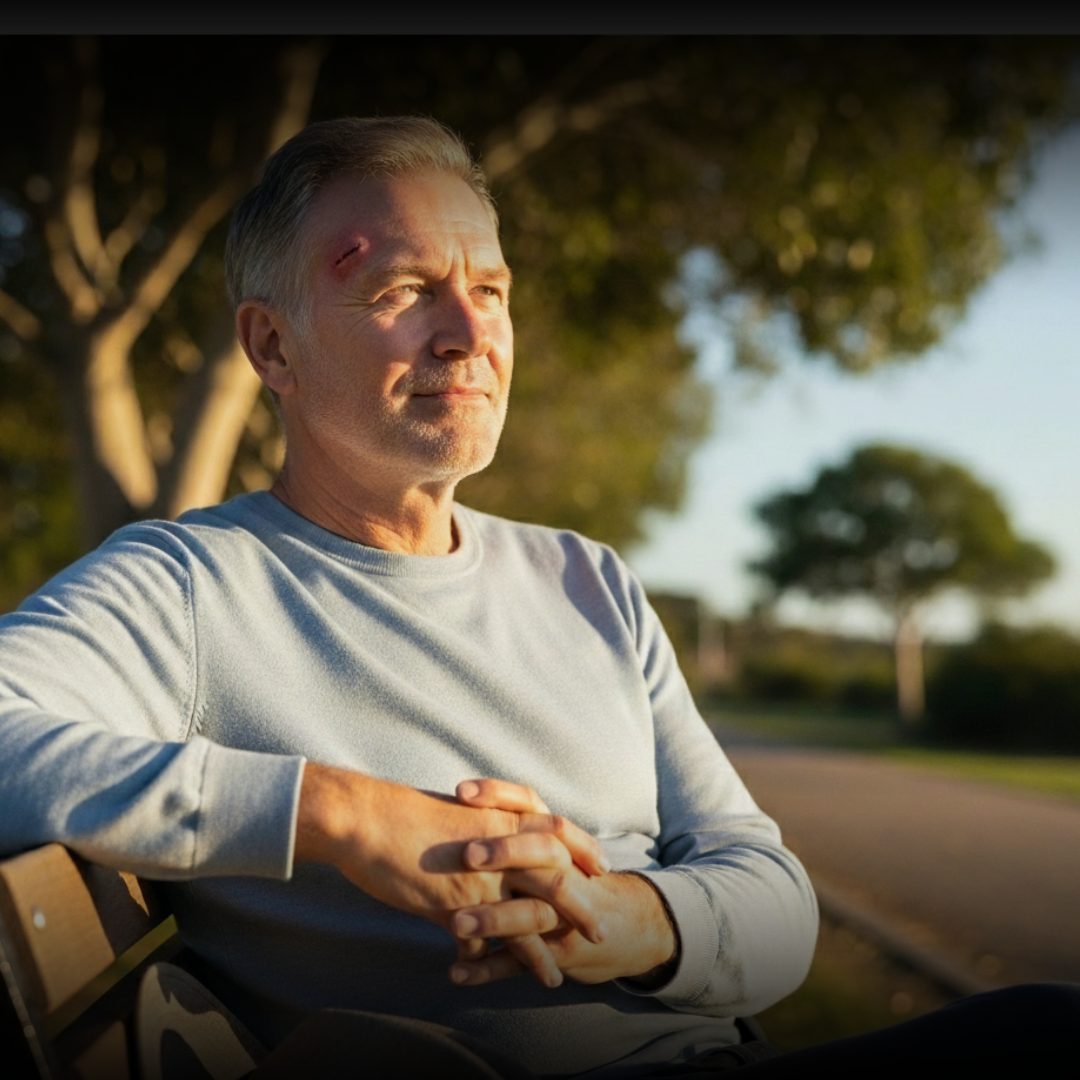
A skin cancer diagnosis can feel overwhelming, both physically and emotionally. Alongside your treatments, remember to address your emotional well-being. Surround yourself with supportive people, whether it's a family member, a friend, or a therapist, who can help you navigate this journey.
Focusing on whole living—balancing physical, emotional, and spiritual health—will support you through this challenging time. Stay informed about your treatment options but also make room for relaxation, self-care, and positive thinking.
READ ALSO: Mindful Body Whispers the Path to Inner Balance
New Treatments and Clinical Trials
As medical research continues, new treatments for skin cancer are emerging. Clinical trials offer hope for patients whose treatment options have been exhausted or who are looking for innovative therapies. Participating in a clinical trial can give you access to the latest treatments, although it’s essential to discuss potential risks and benefits with your healthcare provider.
The National Cancer Institute and other research organizations continue to explore new therapies that target skin cancer cells more effectively. Always discuss potential clinical trials with your doctor to see if they’re an option for you.
Moving Forward: Embrace Your Healing Journey

As you move forward, remember that you are not alone. Whether you are exploring treatment options for yourself or supporting a loved one, each step brings you closer to healing. Targeted therapies, radiation therapy, and other treatments provide valuable tools in the fight against skin cancer.
Take comfort in the knowledge that you have the power to guide your own journey. Stay informed, be gentle with yourself, and seek support when needed. Your path to healing is uniquely yours, and with the right treatments and mindset, you can overcome even the toughest challenges. You’ve got this.