


The temporal brain, made up of the temporal lobe, is key to how we process information, especially memory, sound, and emotion. Yet, have you ever noticed how overthinking can drain your energy, making simple tasks feel overwhelming? The temporal brain plays a crucial role in cognitive processing, but overthinking consumes more energy than we realize. Let’s explore how overthinking impacts the temporal lobe, particularly its connection to the auditory cortex, and how this leads to mental fatigue and stress.
As you read this, reflect on how often your mind races, focusing on endless possibilities or potential outcomes. These mental loops often power your temporal lobe, which processes sensory input, including sounds and memories. The cost? Your brain’s resources, making it harder to focus and manage emotions. We’ll break down the science behind it and discuss ways to ease pressure on your temporal brain, embracing a balanced, intentional life.
Temporal Brain: What You Need to Know

The temporal brain, specifically the temporal lobe, is located on each side of the brain, beneath the lateral fissure. The temporal lobe, near the temples, is one of the four lobes of the brain: frontal, parietal, and occipital. There’s one temporal lobe on each side of the brain. It’s the second-largest lobe, after the larger frontal lobe, accounting for about 22% of neocortical volume. It processes auditory stimuli and speech comprehension and contributes to memory storage. The auditory cortex processes sound, while the hippocampal gyrus is crucial for memory formation.
When your temporal brain is overwhelmed by stimuli—constant chatter or sensory overload—it consumes more energy. The temporal lobe needs extra resources to filter and process this input, leading to mental fatigue. Overthinking, especially about past experiences or future scenarios, overloads your brain’s processing capacity, leading to burnout.
How Overthinking Affects the Temporal Lobe

Overthinking demands constant engagement from the temporal lobe, particularly areas for auditory processing and memory storage. This activity forces the temporal lobe to work continuously, organizing and reprocessing sensory input, even when no new information arrives. This drain on energy happens because your brain uses resources to sustain mental activity that may not even be productive.
The temporal lobe works in tandem with the frontal lobe and parietal lobe to process thoughts and manage emotions. The central sulcus separates the frontal and parietal lobes, playing an important role in the cerebral cortex. However, overthinking leads the brain to struggle between useful processing and excess rumination. This strain reduces your ability to regulate emotions effectively.
READ ALSO: Shower Thoughts That Linger Longer Than The Water
The Link Between Overthinking and Emotional Fatigue

When the temporal lobe overstimulates from constant auditory processing or mental rumination, it impacts cognitive function and emotional well-being. The limbic system, which regulates emotions, is connected to the temporal lobe. These processes, part of the nervous system, can disrupt balance. Overthinking triggers emotional responses that cause emotional regulation difficulties. This creates a cycle of stress, where your temporal brain becomes exhausted from managing both cognitive and emotional overload.
Being caught in this loop can lead to anxiety, frustration, or even auditory hallucinations in extreme cases. The connection between the temporal lobe and emotional processing is powerful. When overthinking takes over, it leads to mental and emotional fatigue.
Overthinking and the Temporal Lobe’s Role in Memory

The temporal lobe is crucial for memory formation and retrieval, particularly in the medial temporal lobe, which contains the hippocampus. The hippocampus is part of the hippocampal formation, which also includes the dentate gyrus, fimbria, subiculum, and entorhinal cortex. The dentate gyrus plays a key role in memory processing as part of the trisynaptic loop pathway.
When you overthink, you may find yourself constantly revisiting past events, attempting to understand them, or analyzing different outcomes. This mental rehashing consumes significant cognitive resources.
As you dwell on past experiences, the temporal lobe engages more in recalling these memories, drawing on its role in episodic memory. Over time, this leads to cognitive overload, making it harder to focus on the present as your brain stays stuck in a loop of memory processing and emotional re-evaluation. This cycle increases the energy cost of overthinking.
The Parietal Lobe and Sensory Input During Overthinking

While the temporal brain processes auditory stimuli, the parietal lobe helps with sensory processing, including touch, temperature, pain, and spatial awareness. The parietal lobe also plays a role in visual perception, which is vital for interpreting orientation and recognition. Overthinking causes sensory overload, activating both the temporal lobe and parietal lobe. The parietal and temporal lobes collaborate to interpret and make sense of the world around you.
When you overthink, these brain regions are continuously stimulated by constant information processing. Your brain struggles to distinguish between useful information and distractions. This overload can lead to confusion and exhaustion, further draining your brain’s energy.
The Temporal Lobe’s Connection to Language and Communication
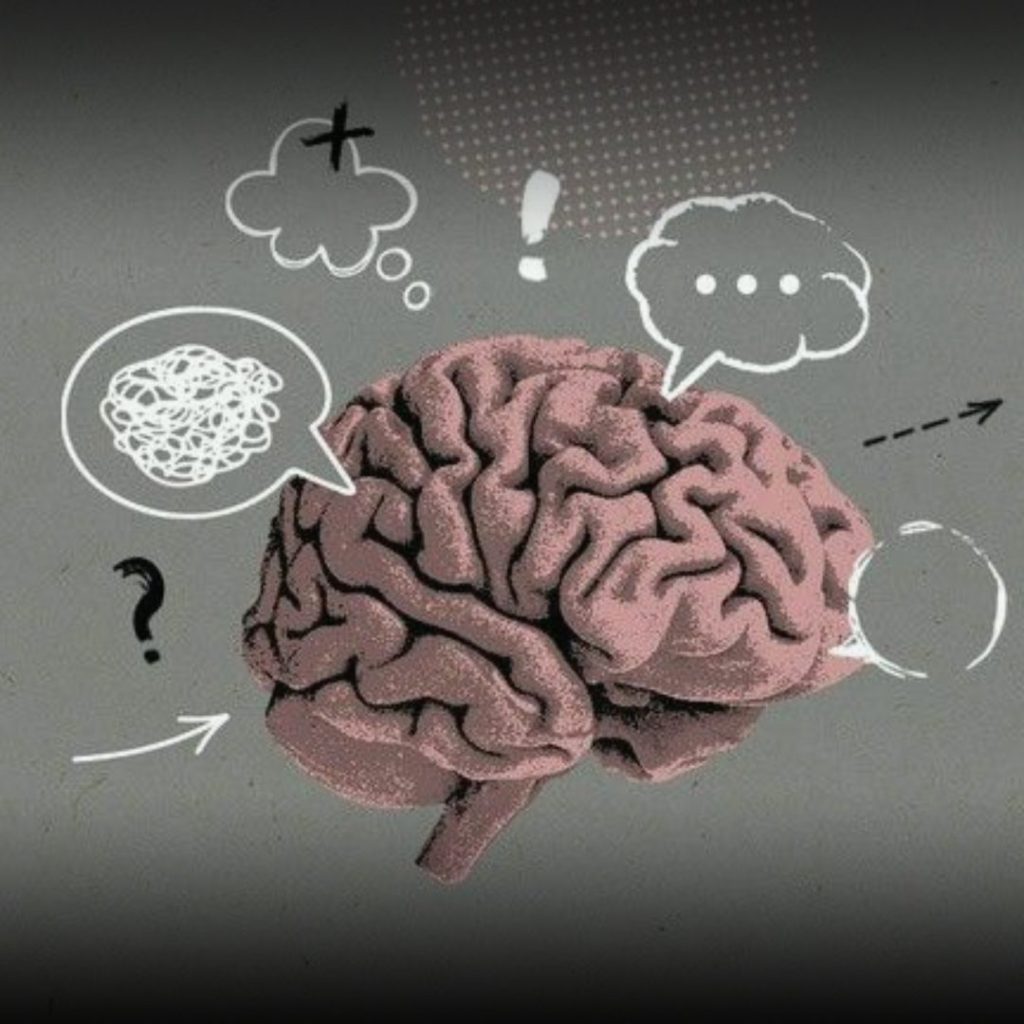
One essential function of the temporal lobe is language comprehension. This involves the primary auditory cortex, which processes sound, and areas like Wernicke’s area, responsible for speech and understanding. The temporal lobe also helps with speech perception, essential for understanding spoken language. Overthinking, especially in social contexts, can strain these areas, particularly when replaying conversations or predicting future interactions.
Your brain works overtime to process these thoughts, leading to anxiety and auditory processing difficulties. This energy expenditure can hinder your ability to focus on the present moment, making you feel mentally drained and disengaged.
Substructures and Systems of the Temporal Lobe

The temporal lobe is one of the four major lobes of the brain, uniquely positioned beneath the lateral fissure and extending superiorly toward the sylvian fissure. This lobe sits on each side of the brain, bordered by the parietal lobe superiorly and the occipital lobe inferiorly, and anchored within the middle cranial fossa. The anterior portion, the temporal pole, marks the front boundary, while the lateral surface divides into three distinct gyri: the superior, middle, and inferior temporal gyri.
Within the temporal lobe, the cerebral cortex divides into two main regions: the neocortex and the medial temporal lobe. The neocortex, including the lateral temporal lobe, processes auditory information, language comprehension, and aspects of memory storage. The superior temporal gyrus, located on the surface of the temporal lobe, houses the primary auditory cortex, your brain’s center for decoding sounds and auditory stimuli. Just below, the superior temporal sulcus interprets complex auditory signals, such as speech and music, essential for social communication.
Stress and the Temporal Lobe: How to Manage the Energy Cost

Stress and overthinking go hand in hand. The temporal brain, particularly the left temporal lobe, is significantly impacted by stress. When stress hormones flood your brain, they affect your ability to process and regulate emotions efficiently. The superior temporal sulcus processes social cues, but stress can overwhelm it, making it difficult to interpret others’ emotions and intentions.
To manage the energy cost of overthinking, reduce stress through mindful practices. Techniques such as meditation, breathing exercises, and mindful reflection can ease pressure on your temporal lobe. Slowing down your thoughts and focusing on the present reduces your brain’s cognitive load, allowing it to function more effectively.
READ ALSO: Mind Control Habits for Stress-Free Living
Breaking the Cycle of Overthinking

One powerful way to manage the energy drain caused by overthinking is to break the cycle. Practice self-compassion and set intentional mental boundaries to free your temporal brain from the constant strain of overprocessing information. Cognitive-behavioral therapy (CBT) can help address negative thought patterns and reduce mental fatigue.
By focusing on the present and reframing your thought process, you ease the burden on your temporal lobe, allowing it to work efficiently without becoming overwhelmed. This mental shift isn’t about suppressing thoughts, but about creating space to manage them in healthier ways.
READ ALSO: Think Positive Be Positive: The Mood Shift You Need
Understanding the Role of the Temporal Lobe and Temporal Lobe Epilepsy in Mental Health

The temporal lobe plays a pivotal role in mental health, as it regulates emotional responses and processes sensory input. When overthinking disrupts your brain’s balance, it can lead to mental health issues, such as anxiety, depression, and emotional regulation difficulties. Temporal lobe damage results in memory and emotional regulation issues. The limbic system and temporal lobe are interconnected, meaning disruptions in one area can significantly affect the other.
Taking care of your temporal brain involves managing stress, engaging in self-care practices, and nurturing your emotional well-being. With proper attention, you maintain a healthy balance in your brain, allowing your temporal lobe to process information without overload.
Practical Steps to Protect Your Temporal Brain

To protect your temporal brain from the excessive energy cost of overthinking, incorporate these practical steps into your routine:
Practice mindfulness: Engage in mindfulness exercises to quiet the mind and reduce overactive thinking.
Limit sensory overload: Reduce exposure to unnecessary stimuli, such as loud environments or constant screen time.
Prioritize self-care: Get enough sleep, exercise regularly, and eat foods supporting brain health.
Set mental boundaries: Take breaks, focus on the present, and create space between thoughts and reality.
Seek support: If overthinking affects your mental health, consider consulting a mental health professional for guidance.
Protecting your temporal lobe also reduces the risk of neurodegenerative conditions, like Alzheimer's disease. These steps preserve your temporal brain’s energy and prevent long-term effects of overthinking.
Finding Balance: Refueling Your Temporal Brain

It’s natural to overthink at times, but finding ways to refuel your temporal brain is crucial for mental health. By managing stress, setting boundaries, and focusing on self-care, you can ease the energy drain caused by excessive thinking. Your temporal brain needs balance to function optimally. Embrace practices that nurture your mind, and you’ll soon feel more focused, clear-headed, and energized.
By practicing mindfulness and self-care, ensure your temporal brain has time to rest and recharge. Regular breaks and healthy sleep routines are essential for maintaining optimal brain function. Sleep, especially, consolidates memories and regulates emotions, helping your temporal lobe process and store information effectively. Prioritize rest and relaxation to support your temporal brain's ability to handle challenges with clarity, reducing the impact of overthinking on your mental and emotional well-being.
UP NEXT: Mindful Souls Grow at Their Own Pace