


A warmer body temperature can directly influence critical performance metrics such as cortisol regulation and cognitive clarity, two factors that high-performing professionals rely on daily. Suboptimal body temperature regulation has been linked to dysregulated cortisol patterns, including elevated evening levels and a blunted morning cortisol awakening response, which directly impair stress recovery and decision-making ability. This thermoregulatory imbalance can accelerate biological aging and contribute to reduced mental sharpness, posing a tangible risk to both personal and professional performance. Understanding and optimizing body temperature is therefore a key factor in maintaining peak performance and longevity for executives and founders.
Thermoregulation and Its Impact on Stress Physiology
A warmer body can affect the body’s stress response, especially the hypothalamic-pituitary-adrenal (HPA) axis. Thermal stress changes cortisol secretion patterns, which disrupts the cortisol awakening response (CAR). Research from the National Institutes of Health shows that a dysregulated CAR can make it harder to recover from stress. This can hurt performance, especially for high-performing professionals who rely on effective stress management.
Chronic thermal stress also worsens inflammation, a factor in aging. Studies show that heat exposure can trigger an inflammatory response, impacting the HPA axis and other systems. Over time, this increases the risk of diseases like cardiovascular problems and metabolic disorders. Professionals who experience high stress should address the impact of thermal stress on their bodies.
By understanding how a warmer body affects stress physiology, professionals can implement more effective interventions. Knowing how body temperature impacts stress allows for a deeper approach to managing both stress and performance.
The Warmer Body and Cognitive Performance
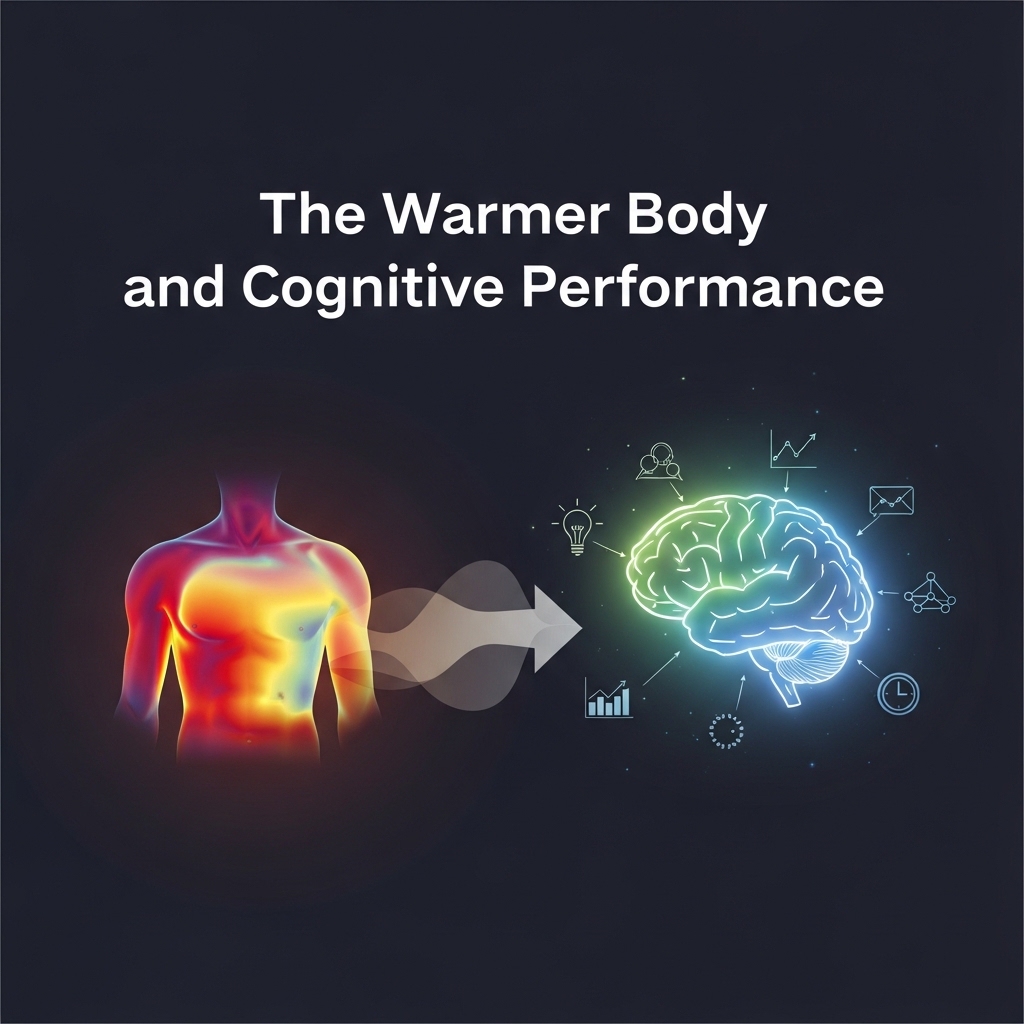
A warmer body can also affect cognitive performance. As body temperature rises, the brain’s ability to focus and think clearly can decrease. Studies in Nature Neuroscience show that higher body temperature increases mental fatigue and lowers performance on complex tasks. This happens because heat raises the brain’s energy demand, using resources needed for sustained attention.
For high-performing professionals, this can be especially harmful. In fast-paced environments, maintaining mental clarity is crucial. Chronic thermal stress can limit cognitive performance by disrupting how the brain processes information. Research from Harvard T.H. Chan School of Public Health links disrupted cortisol levels, caused by thermal stress, to impaired brain function. This makes it harder to adapt to new information or recover from mental fatigue.
Cognitive performance is also affected when thermal stress combines with other stressors, like poor sleep or high workloads. Professionals may find that it becomes harder to make sound decisions due to accumulated stress. Recognizing the role of body temperature in cognitive performance helps professionals address mental fatigue.
READ ALSO: Neurowave Body-Mind Connection: Unlock Your Full Potential
Warmer Body and Sleep Quality

A warmer body disrupts sleep quality, a key factor in recovery. Body temperature helps regulate circadian rhythms, which control the sleep-wake cycle. The National Sleep Foundation notes that the body naturally cools in the evening to signal sleep. A warmer body interferes with this cooling process, making it harder to fall into deep, restorative sleep.
Chronic sleep disruption leads to long-term health problems, including faster aging. Poor sleep increases inflammatory markers and disrupts cell repair during deep sleep. For high-performing professionals, inadequate sleep affects cognitive function, recovery, and overall health. Long-term poor sleep increases the risk of cardiovascular diseases, diabetes, and mental decline.
Sleep deprivation also affects metabolism, making it harder to manage weight and insulin levels. Poor sleep raises cortisol, which disrupts blood sugar control. For professionals under high stress, understanding how body temperature affects sleep quality is vital for maintaining health and performance.
Thermal Stress and Cardiovascular Health
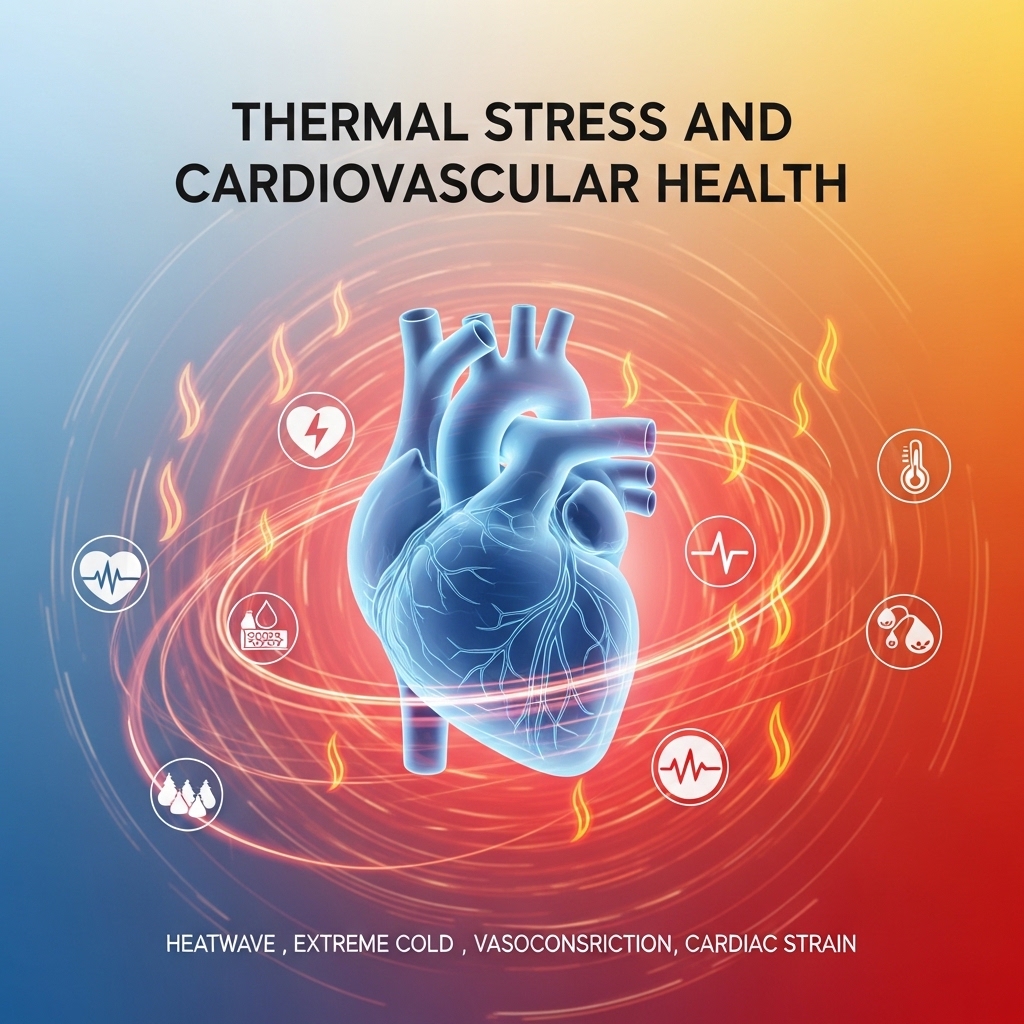
A warmer body can negatively affect heart health, which is especially relevant for high-performing professionals. Prolonged heat exposure increases heart rate and blood pressure as the body tries to cool itself. The American Heart Association reports that thermal stress activates the sympathetic nervous system, which causes blood vessels to constrict and raises blood pressure. Over time, this strain can lead to hypertension and other cardiovascular problems.
Thermal stress also contributes to endothelial dysfunction, which leads to atherosclerosis. This condition narrows blood vessels and raises the risk of heart attacks and strokes. For professionals who already deal with high stress, understanding how heat impacts the heart is essential for protecting cardiovascular health.
Cooling interventions, such as air-conditioned spaces or cooling products, can help reduce thermal stress on the heart. Regular exercise also supports cardiovascular health by improving circulation and heart function, protecting against heat-related stress.
READ ALSO: Yoga Mind-Body Connection: Simple Moves That Work
Metabolic Function and Thermoregulation
A warmer body affects metabolism by increasing the body’s energy demand. As body temperature rises, the body works harder to regulate heat, which speeds up metabolism. However, chronic heat exposure can disrupt metabolic function. Research from the National Institutes of Health shows that thermal stress lowers insulin sensitivity and disrupts glucose metabolism, increasing the risk of type 2 diabetes.
For high-performing professionals, this metabolic dysregulation makes it harder to maintain energy levels and metabolic health. Insulin resistance, caused by disrupted metabolism, increases blood sugar levels and leads to weight gain. Managing thermal stress is crucial for professionals who want to maintain metabolic health and performance.
Cooling interventions, such as using air conditioning and cooling products, help regulate body temperature and support metabolic function. Exercise and a balanced diet further support insulin sensitivity and help prevent metabolic disorders.
The Influence of a Warmer Body on Inflammatory Markers
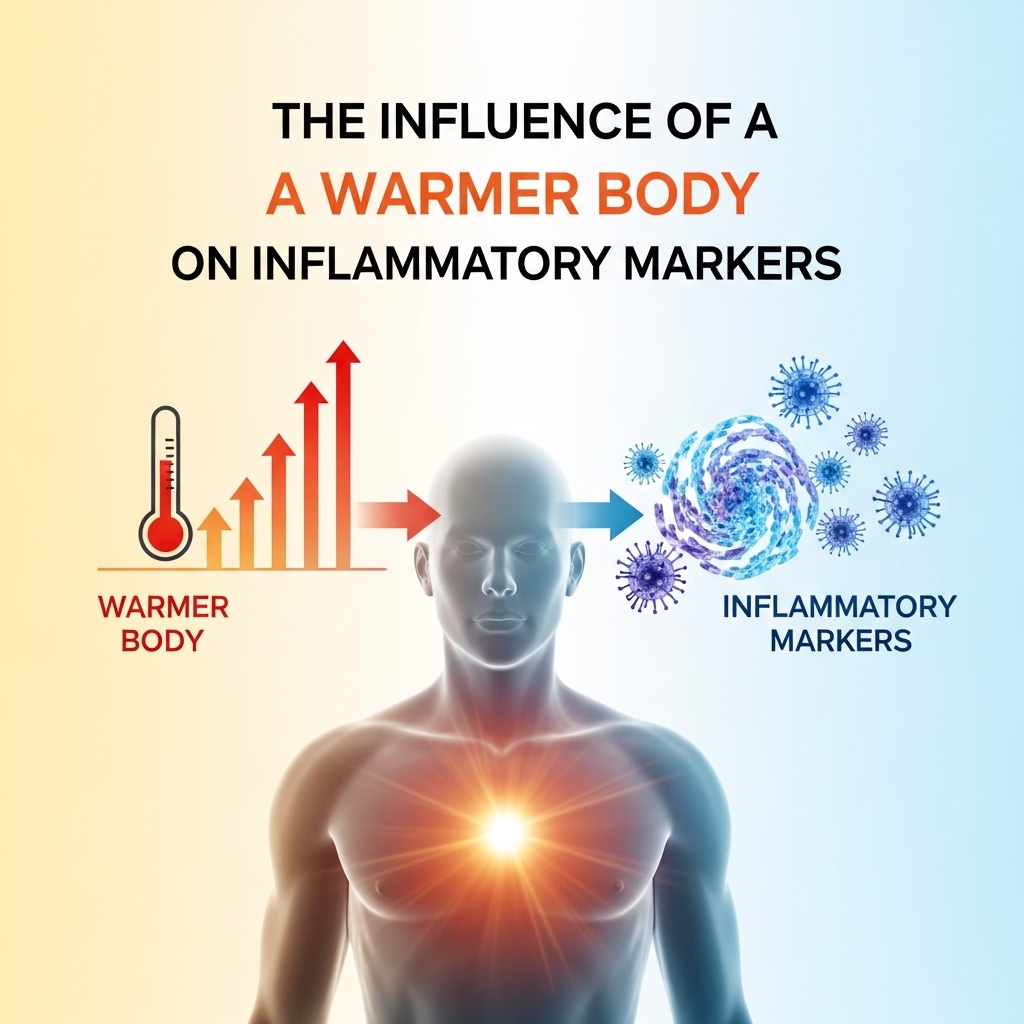
Thermal stress elevates inflammatory markers, which contribute to aging and disease. Studies from the American Journal of Clinical Nutrition show that prolonged heat exposure increases C-reactive protein (CRP), a marker linked to higher cardiovascular risk. Chronic low-grade inflammation accelerates aging and increases the risk of conditions like heart disease and diabetes.
For high-performing professionals, chronic inflammation worsens overall health and accelerates biological aging. This can lead to earlier onset of diseases such as cardiovascular dysfunction and neurodegeneration. Understanding the link between a warmer body and inflammation helps professionals reduce these risks.
Cooling interventions, like air conditioning and cooling vests, help reduce the body’s inflammatory response to heat. Regular physical activity and stress management techniques can further reduce inflammation, supporting long-term health and longevity.
READ ALSO: Bear Hug Effect: Softness That Stays With You
Muscle Mass, Sarcopenia, and Thermoregulation
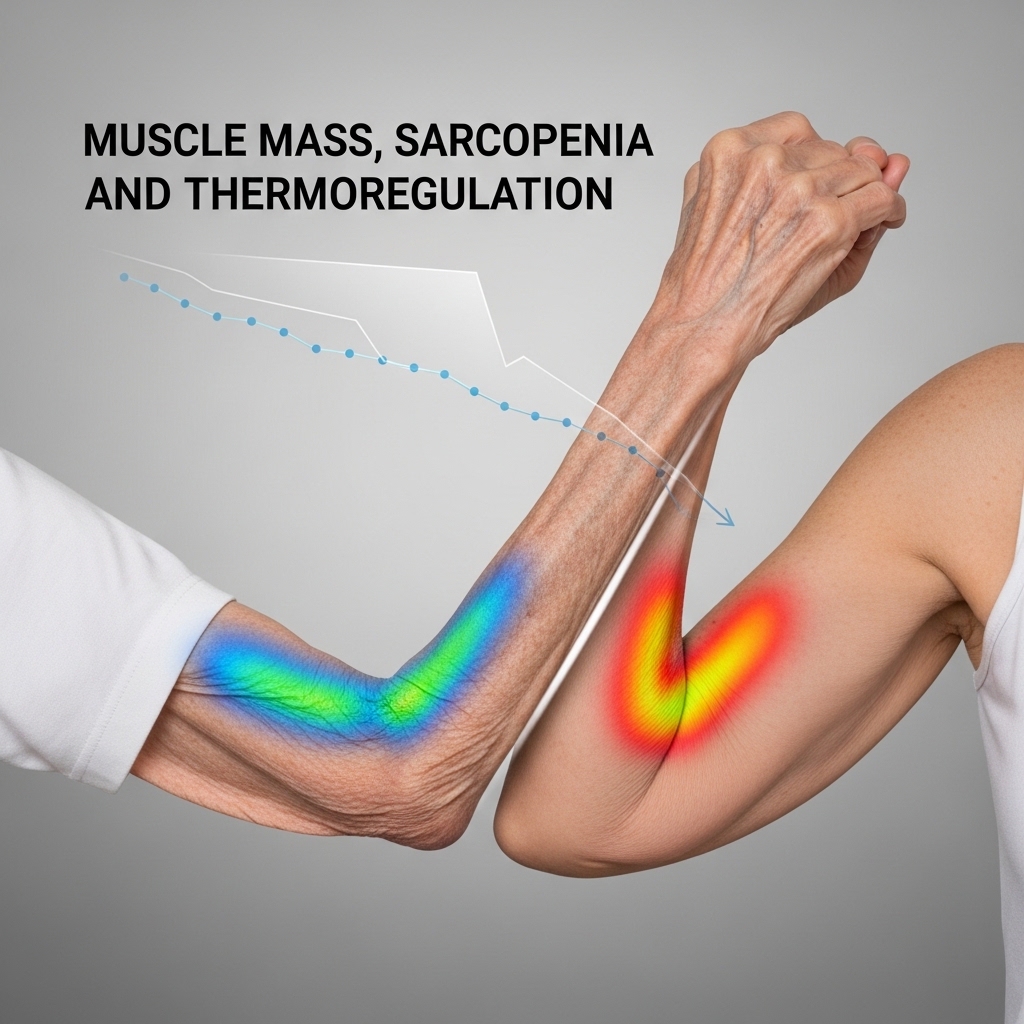
A warmer body can affect muscle mass and contribute to sarcopenia, a condition marked by muscle loss with age. Thermal stress depletes muscle glycogen and hinders muscle recovery, especially with prolonged exposure to heat. Studies show that heat exposure accelerates muscle breakdown and impairs protein synthesis, a key process for muscle maintenance.
Sarcopenia is a major concern for aging professionals, as it leads to reduced strength and mobility. The Lancet shows that muscle loss is linked to frailty, disability, and higher mortality rates. Maintaining muscle mass is crucial for high-performing professionals to stay strong and independent.
Strength training and proper nutrition can counteract the effects of thermal stress on muscle mass. Regular exercise helps build and maintain muscle, while adequate protein intake supports recovery and muscle growth.
Practical Steps for High-Performing Professionals

Professionals can take several steps to reduce the impact of a warmer body on health and performance. Cooling interventions, such as air-conditioned workspaces or wearing cooling vests, can help mitigate the effects of thermal stress. Regular physical activity, including strength training and aerobic exercise, supports metabolic function, cardiovascular health, and muscle maintenance. Ensuring adequate sleep in a cool, dark environment restores cortisol patterns and improves recovery. These evidence-based strategies optimize performance and reduce the long-term risks of thermal stress.
UP NEXT: Knee Therapy for Pain That Focuses on Long-Term Relief
A warmer body can accelerate biological aging by disrupting cortisol regulation, increasing inflammation, and impairing metabolic function, all of which contribute to premature aging. WholeLiving's Biological Age Estimation Model incorporates this factor directly — your assessment takes under five minutes.
Ready to understand how these factors are influencing your biological age right now? [Take the Biological Age Assessment →]