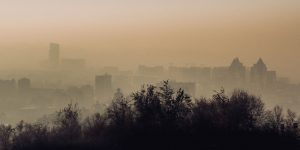
Every year between June and October, prevailing winds carry smoke from peatland fires in Kalimantan and Sumatra across the Strait of Malacca. The National Environment Agency (NEA) — Singapore's statutory body for environmental monitoring — publishes 3-hourly Pollutant Standards Index (PSI) readings that track the resulting haze. When the PSI climbs above 100, most Singaporeans reach for an N95 and a HEPA purifier. What fewer recognise is that measurable cognitive impairment — slowed processing speed, reduced working memory, impaired executive function — begins at concentrations well below the headline number that triggers government advisories.
This is not a matter of feeling a bit foggy because the air smells unpleasant. The mechanism is specific and physiological: fine particulate matter smaller than 2.5 micrometres (PM2.5) crosses from your lungs into your bloodstream, triggers systemic inflammation, and penetrates the blood-brain barrier to activate the brain's resident immune cells. Singapore's tropical heat and humidity amplify the effect in ways that temperate-climate research does not fully capture. Understanding how this pathway works — and precisely where the dose-response relationship begins — is what converts a generic “stay indoors during haze” advisory into a protocol you can act on.
The Stakes: How Singapore's Haze Season Threatens Cognition
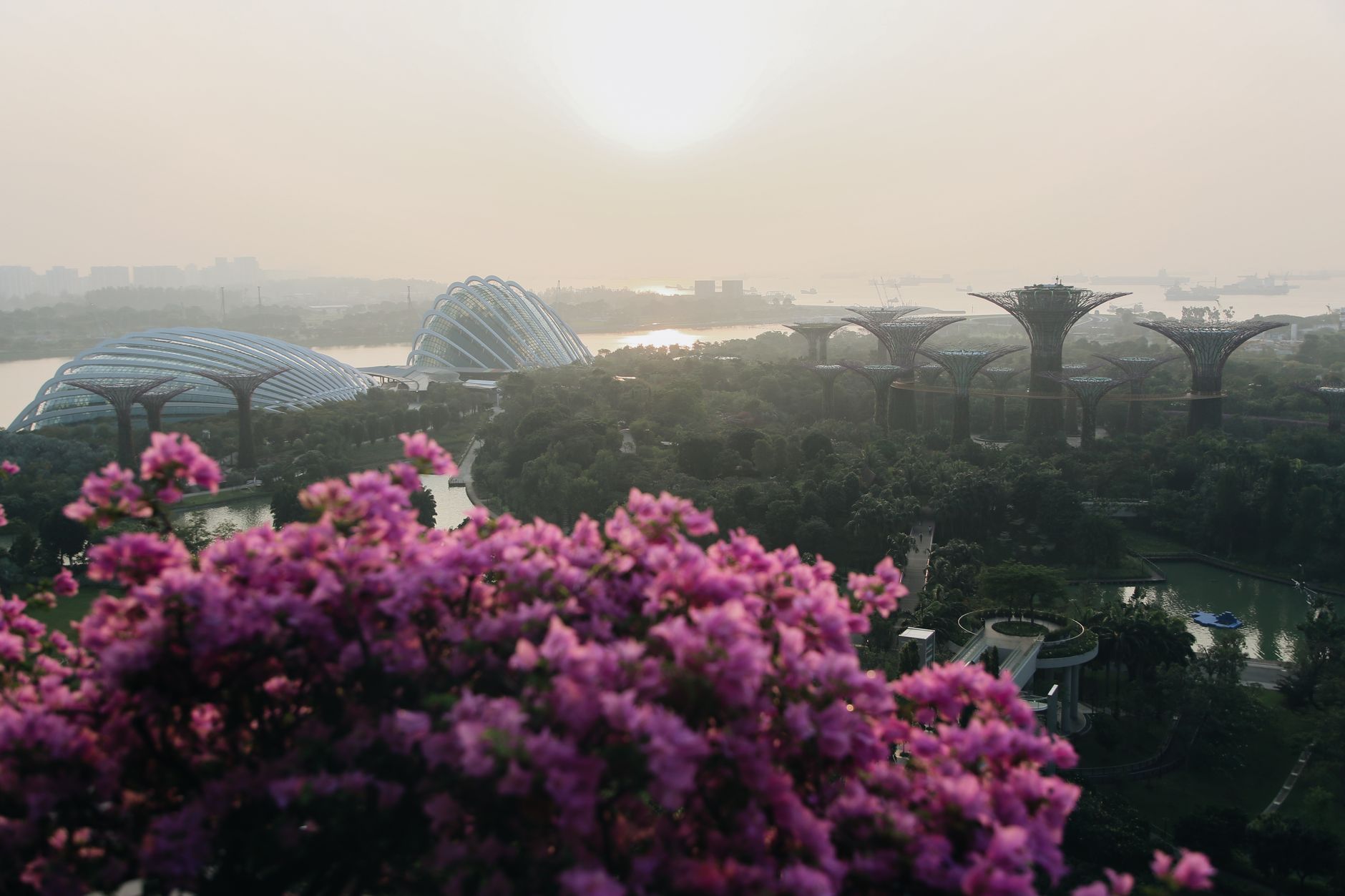
Singapore's 2013 haze event remains the regional benchmark for severity: PSI readings reached 401 on 21 June of that year, the highest ever recorded here, driven by fires in Riau province. The 2015 haze was prolonged, with several weeks of readings in the “very unhealthy” and “hazardous” bands. Even in moderate haze years, 24-hour mean PM2.5 concentrations during episodes regularly exceed 50 µg/m³ — more than three times the World Health Organization's 2021 revised guideline of 15 µg/m³ for a 24-hour mean.
The cognitive cost is not confined to extreme events. The research confirms that the dose-response relationship between PM2.5 and cognitive performance is approximately linear within commonly encountered urban ranges. A 2018 analysis by Zhang and colleagues, published in PNAS and drawing on national standardised test scores matched to ambient air pollution data across 162 Chinese cities, found that cumulative long-term exposure — at levels routinely exceeded during Singapore haze seasons — reduced verbal test performance measurably relative to the lowest-exposure group, with effects compounding with age. The gap between “legally acceptable air quality” and “air quality that does not impair cognition” is the central problem this article addresses.
The Mechanism: PM2.5, Ozone, and Neuroinflammation
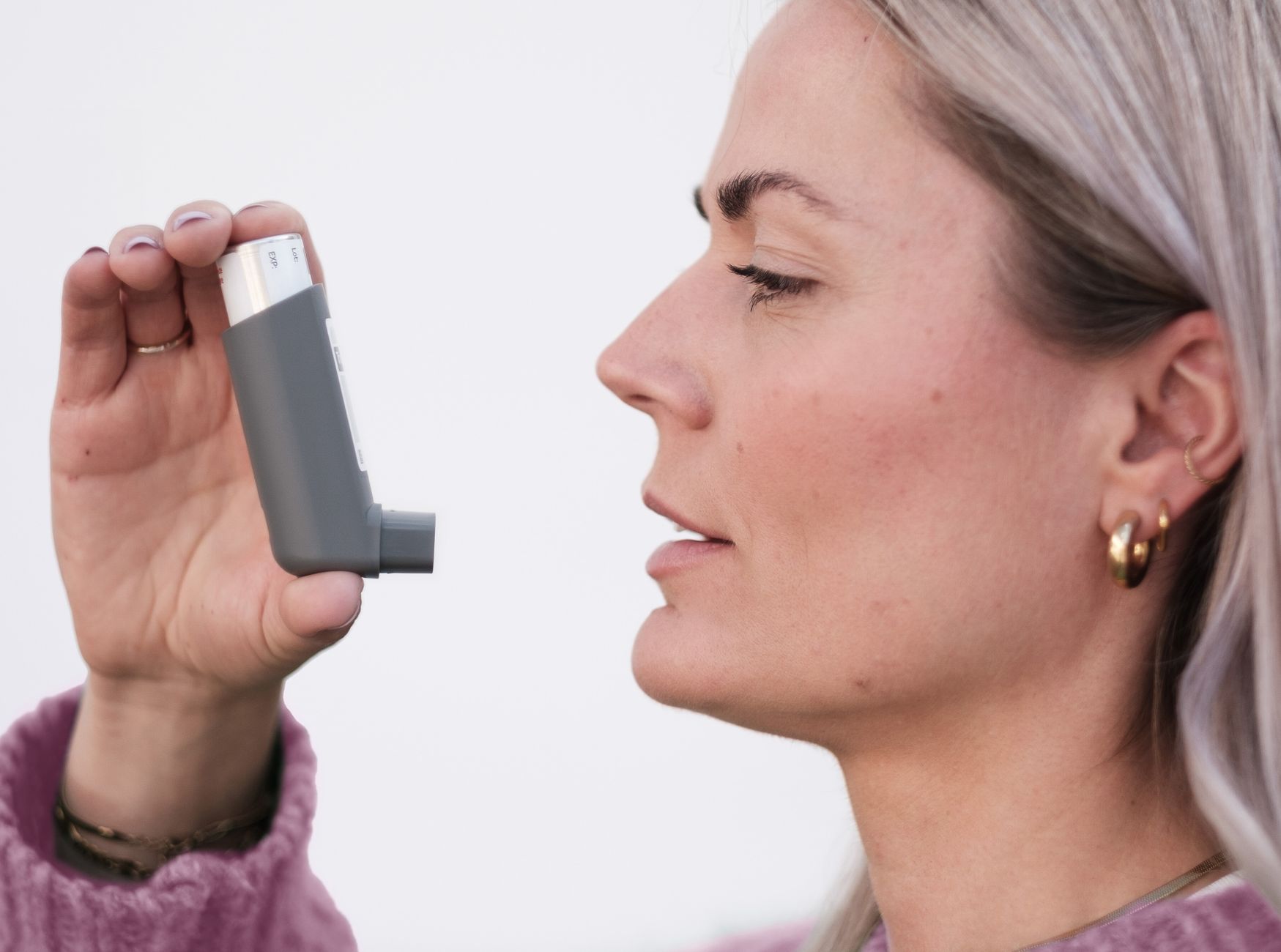
PM2.5 is the fraction of airborne particulate matter with an aerodynamic diameter of 2.5 micrometres or less — roughly one-thirtieth the width of a human hair. That size is the critical variable. Particles larger than 10 micrometres (PM10) are largely intercepted by nasal and upper-airway cilia. PM2.5 bypasses those defences entirely, reaching the alveoli — the air sacs deep in the lung where gas exchange occurs.
Haze in Singapore's context is not simply particulate matter. Ozone (O3) — a secondary pollutant formed when nitrogen oxides and volatile organic compounds react in sunlight — increases independently during haze conditions and introduces a separate neurological stressor. The research suggests that ozone exposure at concentrations found during elevated-PSI days impairs working memory and attention through a pathway involving oxidative stress in the prefrontal cortex. A 2011 study by Power and colleagues in Environmental Health Perspectives found that traffic-related air pollution, which carries both PM2.5 and ozone precursors, was associated with measurably worse cognitive function in a cohort of older men even after controlling for cardiovascular disease and other confounders.
The neuroinflammation pathway is distinct from the ozone-oxidative stress route, though both converge on the same outcome: impaired cortical function. The research confirms the following sequence.
READ ALSO: How to Measure Your Cognitive Baseline: The Tests That Actually Matter
From Inhalation to Brain Inflammation: The Pathway Explained
Step one: alveolar deposition and translocation. Unlike larger particles, PM2.5 does not simply settle on mucosal surfaces — a fraction of deposited particles translocate through the alveolar epithelium into pulmonary capillaries. From there, they enter systemic circulation.
Step two: systemic inflammatory response. Circulating PM2.5 activates the innate immune system, triggering the release of pro-inflammatory cytokines (chemical messengers that coordinate immune response), including interleukin-6 (IL-6) and tumour necrosis factor-alpha (TNF-α). This is the same cytokine cascade that produces the cognitive symptoms associated with acute illness — the brain fog of a severe respiratory infection is partly mediated by these same molecules.
Step three: blood-brain barrier compromise. The blood-brain barrier (BBB) — a selective membrane that separates circulating blood from cerebrospinal fluid — loses integrity under sustained cytokine load. Block and Calderón-Garcidueñas, in their 2009 review in Trends in Neurosciences, documented that PM2.5 exposure triggers BBB disruption in animal models and that autopsy studies of humans from chronically high-pollution environments showed evidence of microglial activation — meaning the brain's resident immune cells had entered an inflammatory state.
Step four: microglial activation and neuroinflammation. Microglia are the brain's macrophages — they monitor for pathogens and cellular debris and mount inflammatory responses when activated. Under chronic low-level PM2.5 exposure, microglia enter a sensitised state, releasing inflammatory mediators that impair synaptic signalling (the electrical and chemical communication between neurons). The hippocampus — central to working memory and new learning — and the prefrontal cortex — responsible for executive function and decision-making — show disproportionate vulnerability in exposure models.
Step five: cognitive output declines. The net result of impaired synaptic signalling is slower processing speed, reduced verbal fluency, and weakened working memory — precisely the functions that knowledge workers depend on for sustained performance. Weuve and colleagues' 2012 study in JAMA Internal Medicine, following participants in the Nurses' Health Study, found that higher long-term PM2.5 and PM10 exposure was associated with faster cognitive decline, with the effect size comparable to ageing one to two years beyond the participant's chronological age.
READ ALSO: Neuroinflammation and Brain Fog: The Biomarkers Worth Tracking
Thermoregulatory Stress in Tropical Heat and Poor Air Quality
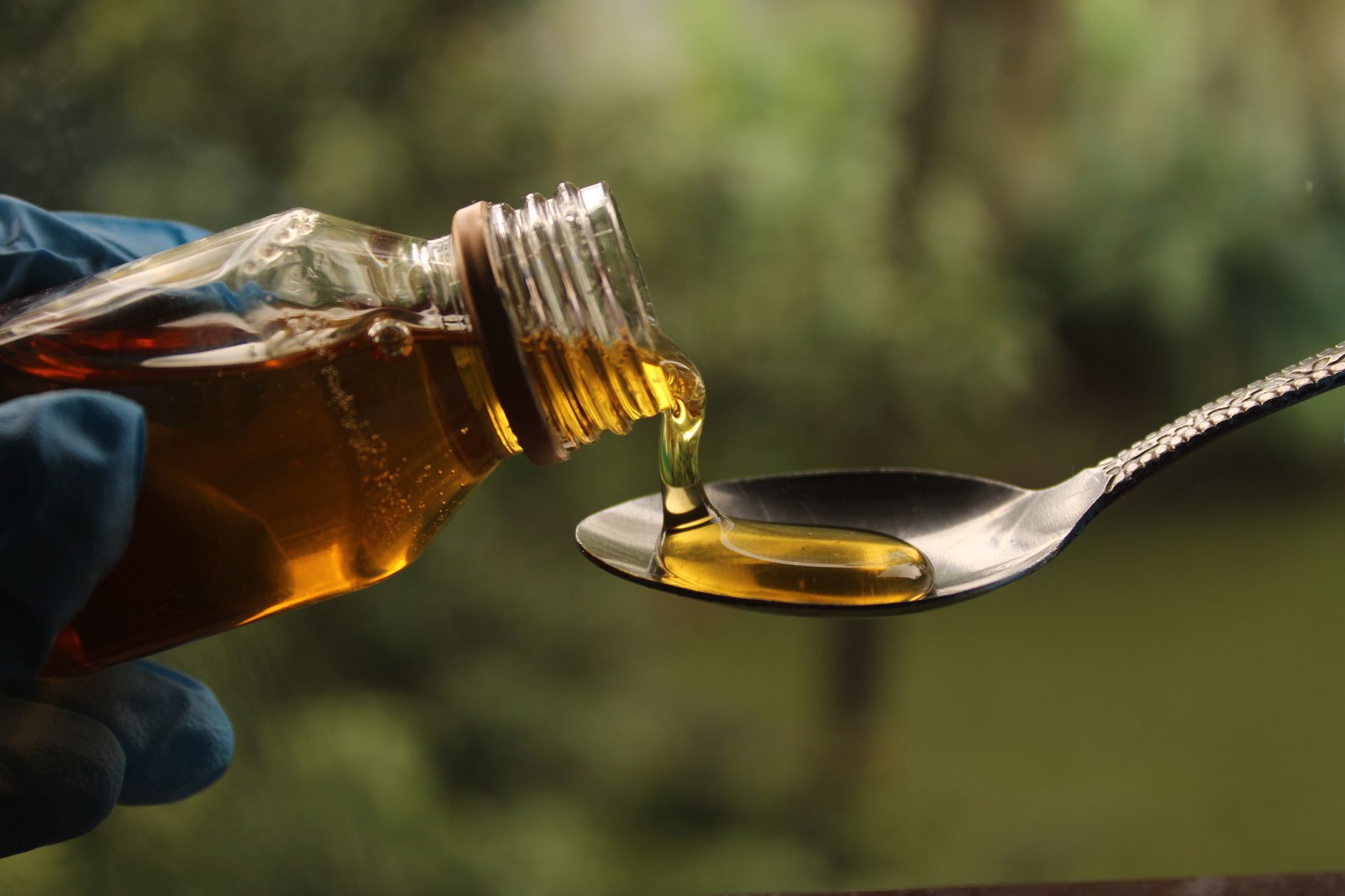
Singapore's ambient temperature averages 27–32°C throughout the year, with relative humidity regularly exceeding 80%. This creates a compound stressor that temperate-climate research does not account for. During haze events, the evidence-based instruction is to keep windows and doors closed to limit PM2.5 infiltration. In a tropical, under-cooled indoor space, the consequence is a rapid rise in indoor temperature and humidity.
The research suggests that elevated core body temperature reduces processing speed and working memory independently of air quality. Cedeno Laurent and colleagues, in a 2018 study in PLOS Medicine examining Harvard students during a heat wave, found that residents of dormitories without air conditioning performed measurably worse on cognitive tests than peers in cooled buildings — with overlapping inflammatory mechanisms to those triggered by PM2.5 exposure. Both thermoregulatory stress and PM2.5-triggered neuroinflammation elevate circulating inflammatory markers, and the effects are additive rather than independent.
This means that the correct response to a Singapore haze event is not simply “close windows.” It is: close windows, maintain indoor temperature below 26°C, and run a HEPA air purifier simultaneously. Neither action alone produces the same result as both together — a compound intervention addressing both stressors at once.
READ ALSO: Sleep Quality in Singapore's Heat: The Temperature Protocol That Actually Works
Measuring the Dose: AQI Thresholds and Cognitive Effects
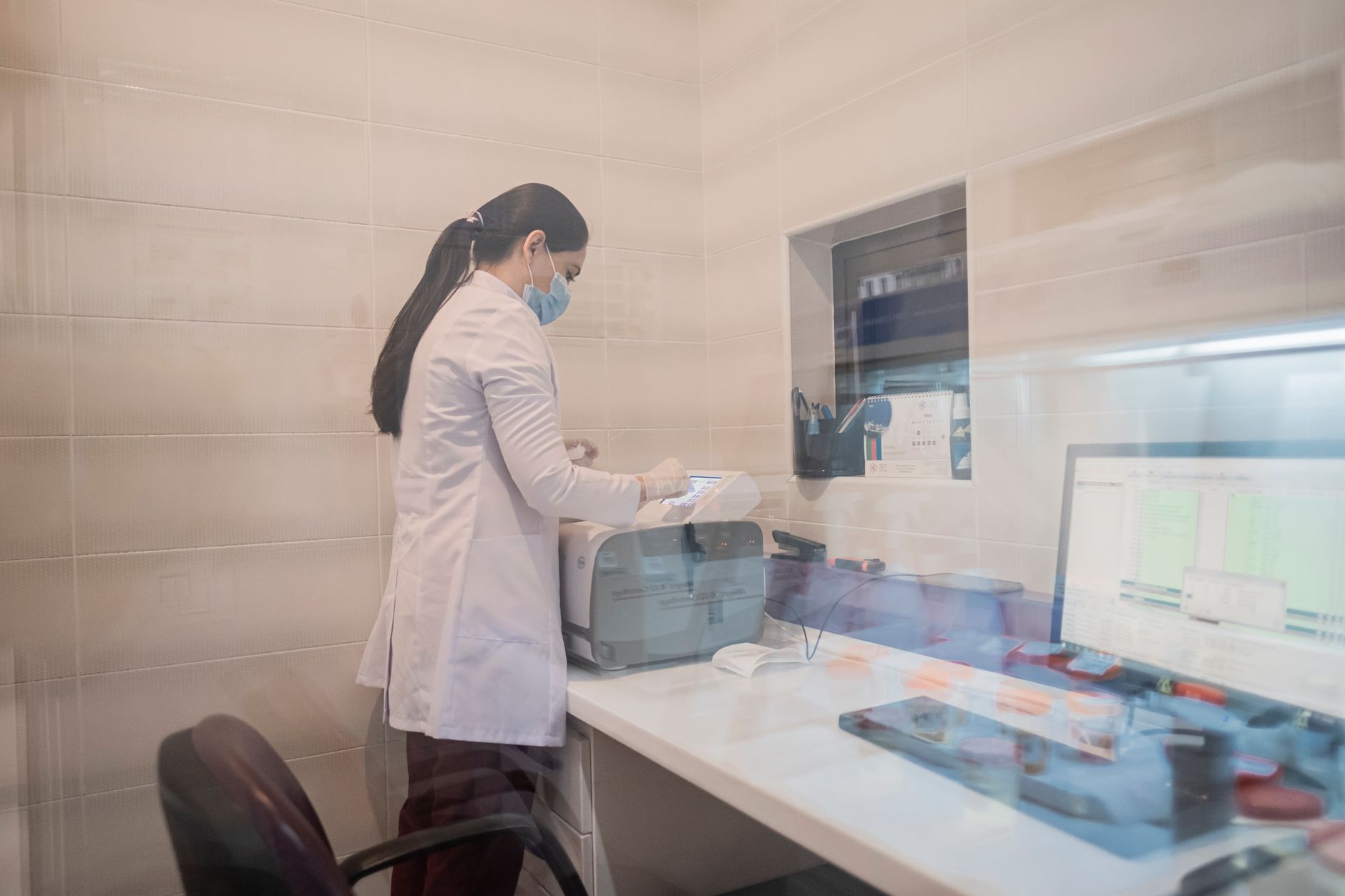
Singapore uses the PSI (Pollutant Standards Index), a composite index measuring PM2.5, PM10, nitrogen dioxide, sulphur dioxide, ozone, and carbon monoxide. The NEA also publishes a separate 24-hour PM2.5 concentration figure, which is the more clinically meaningful metric for cognitive risk assessment. The table below maps regulatory thresholds against the concentrations where cognitive research shows measurable effects — that gap is where most of the risk sits, unannounced.
| PM2.5 (24-hr mean, µg/m³) | NEA Classification | WHO 2021 Guideline Status | Cognitive Research Threshold | The Gap |
|---|---|---|---|---|
| 0–12 | Good | Within WHO 24-hr guideline (≤15) | No measurable impairment detected in cohort studies | None — within protective range for cognition |
| 12–35 | Moderate | Exceeds WHO guideline above 15 µg/m³ | Research suggests measurable processing-speed effects begin around 25 µg/m³ | Much of NEA's “Moderate” band falls in territory where cognitive research shows early impairment — this is not reflected in standard public advisories |
| 35–65 | Unhealthy (sensitive groups) | Significantly above WHO guideline | Working memory deficits documented in multiple cohort studies at sustained exposure | Reached routinely during mild Singapore haze events; public communication focuses on respiratory effects, not cognitive ones |
| >65 | Unhealthy to Hazardous | Far exceeds guideline | Sustained impairment; cumulative exposure risk at neurological level increases with duration | Reached frequently during major haze events; the cognitive cost is rarely quantified in official health advisories |
The hsCRP (high-sensitivity C-reactive protein) blood marker — a measure of systemic inflammation — provides a secondary window into personal PM2.5 exposure impact. Standard clinical interpretation flags hsCRP above 3.0 mg/L as elevated cardiovascular risk. The longevity-optimised target is below 0.5 mg/L. During sustained haze exposure, hsCRP can rise into the 1.0–3.0 mg/L range in otherwise healthy adults — a range that standard clinical reporting often describes as “acceptable” but which chronic PM2.5 exposure research associates with accelerated inflammatory burden. If you have bloodwork from a private clinic or the Screen for Life programme — MOH's subsidised national health screening initiative — a hsCRP result in this range during haze season is worth flagging with your clinician. The gap between “not alarming” and “below longevity-optimised” is where sustained air quality exposure operates quietly.
READ ALSO: hsCRP and Brain Health: Reading Your Inflammation Marker Beyond the Reference Range
Testing Your Exposure: Workplace Air Quality and NEA Pathways

The NEA publishes real-time 1-hourly and 3-hourly PSI updates alongside a dedicated air quality information page that includes disaggregated PM2.5 concentration data by region. The myENV mobile application, published by the NEA, surfaces this data in near real-time. These are the authoritative data sources for exposure decisions — third-party weather applications may lag or aggregate imprecisely.
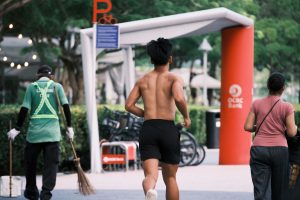
For workplace exposure, the relevant framework in Singapore is the Workplace Safety and Health Act, administered by the Ministry of Manpower (MOM). Employers conducting outdoor work during haze are required to provide appropriate personal protective equipment and may need to suspend certain activities when the 3-hourly PSI exceeds 300. Indoor workplaces face weaker mandatory requirements — no statutory standard currently compels PM2.5 monitoring indoors, though MOM's indoor air quality guidelines recommend it as good practice for commercial buildings.
Polyclinics under the MOH do not currently include PM2.5 biomarker panels in Screen for Life. However, some private clinics offer hsCRP testing as part of a cardiovascular risk panel, typically priced around $25–40 SGD (2026) as a standalone add-on. A single hsCRP measurement does not establish air quality causation, but a chronically elevated result during haze season — above 1.0 mg/L when your longevity-optimised target is below 0.5 mg/L — is a conversation worth having with your clinician. The Health Promotion Board (HPB) also publishes haze-specific health guidance updated during active haze events, including a set of recommendations for workers in outdoor and semi-outdoor environments.
Practical Mitigation: Workplace and Home Adaptation Strategies
The evidence base for residential PM2.5 mitigation is stronger than for most environmental health interventions. The research confirms that portable HEPA (High-Efficiency Particulate Air) filtration in sealed indoor spaces reduces personal PM2.5 exposure by 50–70% during haze events. For this to work in Singapore's climate, the space must also be cooled — otherwise the thermoregulatory cognitive penalty described above offsets the gain from reduced particulate exposure.
The following steps are ordered by evidence strength:
- Run a HEPA air purifier rated for your room volume, and size up. A unit rated for a space larger than the actual room cycles the air more frequently. Aim for a CADR (Clean Air Delivery Rate) sufficient to clean the room volume at least five times per hour. Harvard Health Publishing summarises the evidence base for HEPA filtration in residential settings.
- Wear an N95 or equivalent respirator for outdoor exposure when the 3-hourly PSI exceeds 100. MOH and HPB both recommend N95-standard masks at this threshold. Surgical masks do not filter PM2.5 effectively — the particulate size bypasses the filtration material. Fit-check your N95 before use; a poor seal eliminates most of the protective benefit.
- Schedule cognitively demanding work away from outdoor exposure windows. If you commute or spend time outdoors, do so when the NEA's hourly data shows lowest readings — typically before 07:00 or following rainfall. Allow your air purifier 30–45 minutes to reduce indoor PM2.5 after re-entering a closed indoor space before beginning your highest-stakes cognitive work.
- Monitor indoor PM2.5 independently. Consumer-grade PM2.5 sensors have variable calibration accuracy — research in Atmospheric Measurement Techniques recommends cross-referencing readings with NEA's outdoor network data as a quality check. Directional accuracy is sufficient for practical decisions: you want to know whether your purifier is reducing indoor concentrations, not produce a laboratory-grade reading.
- Maintain indoor temperature below 26°C during haze events. This addresses the thermoregulatory component of cognitive impairment directly. Air conditioning in Singapore's context is not a comfort preference during haze — it is part of the mitigation protocol.
Preliminary research indicates that certain dietary antioxidants may partially attenuate PM2.5-induced oxidative stress in cellular models, including compounds found in foods common in Singapore's hawker food landscape. This is Tier 3 evidence — insufficient to constitute a protocol recommendation, and any supplementation approach requires a conversation with your clinician before implementation. The Cleveland Clinic's overview of air pollution and systemic health covers the dietary antioxidant research in accessible terms if you want background reading before that conversation.
Building Your Air-Quality Protocol
The strategies above do not operate in isolation. When PM2.5 exposure, heat stress, and inadequate sleep compound — as they frequently do in Singapore during haze season — the cognitive cost is larger than the sum of the individual factors. This article covers the air quality piece of a broader cognitive performance system. The 30-Day Biohacking Starter Guide covers all of it, with a day-by-day protocol built specifically for Singapore.
FAQ: Air Quality and Cognitive Performance
At what PSI level should I start wearing an N95 mask outdoors?
MOH and HPB guidance recommends N95-standard masks when the 3-hourly PSI exceeds 100. For cognitive performance specifically, that threshold is conservative relative to what the research shows: moderate PSI readings (51–100) already correlate with 24-hour PM2.5 concentrations above the WHO's guideline of 15 µg/m³. For extended outdoor exercise or prolonged outdoor activity during moderate-PSI conditions, an N95 is a reasonable precaution. For brief outdoor exposure — walking between MRT and office — the acute cognitive cost at moderate PSI is likely minimal, though cumulative daily exposure across a haze season matters more than any single outing.
Does office air conditioning filter PM2.5?
Not reliably. Most commercial HVAC systems in Singapore use filters rated MERV 8–10, which capture particles above approximately 1 micrometre with moderate efficiency but have limited efficacy against PM2.5 (≤2.5 micrometres). MERV 13 or higher — or HEPA-standard filtration — is required for reliable PM2.5 capture. Building tenants can request HVAC filter specifications from building management; some newer Grade A office buildings in the Central Business District have upgraded to higher-grade filtration, but this is not standard across the commercial stock. If your office lacks upgraded filtration, a desktop HEPA unit in your personal workspace is a practical partial mitigation.
How quickly does elevated PM2.5 affect cognitive performance, and how quickly does it reverse?
The acute effects — measurable in controlled exposure studies — appear within two to three hours of sustained elevated exposure. The research suggests that recovery of cognitive performance following a single acute exposure episode occurs within 24 hours in most healthy adults, provided PM2.5 levels return to background. Chronic exposure — repeated haze events across weeks or sustained high urban pollution — carries a separate cumulative risk that does not reverse on the same timescale and is more closely associated with the long-term neuroinflammation pathway described above.
Are children more vulnerable to PM2.5-related cognitive effects than adults?
The research confirms that children are disproportionately vulnerable. The developing brain has a less mature blood-brain barrier, a higher respiratory rate relative to body size — meaning a greater PM2.5 dose per kilogram of bodyweight — and less metabolic capacity to buffer oxidative stress. The National Institute of Environmental Health Sciences (NIEHS) identifies children as a priority sensitive population for air pollution health effects. MOH and HPB issue specific guidance on protecting children during Singapore haze events, including protocols for primary schools with indoor physical education facilities.
Can indoor plants meaningfully reduce PM2.5 during haze?
Preliminary research indicates that some plant species reduce volatile organic compounds (VOCs) in small sealed chambers under laboratory conditions. The research does not support meaningful PM2.5 reduction in real-world indoor environments — plant-based air cleaning requires an impractically high plant-to-floor-area ratio to produce a measurable effect on particulate concentration. A single appropriately-sized HEPA unit is substantially more effective than any realistic number of indoor plants for PM2.5 mitigation during a Singapore haze event.