Relationship violence is among the most physiologically destructive chronic stressors a high-performing professional can experience, yet it remains the least likely to appear on a health risk assessment or executive wellness screen. Exposure to intimate partner violence — whether physical, psychological, or coercive — produces sustained cortisol dysregulation, measurable reductions in heart rate variability, accelerated telomere shortening, and inflammatory marker profiles associated with biological ages running five to ten years ahead of chronological age. For professionals whose performance depends on cognitive precision, emotional regulation, and physiological resilience, the cumulative biological cost of relationship violence is neither abstract nor recoverable without deliberate clinical interventio
Why Relationship Violence Is a Clinical Issue, Not a Personal One

Relationship violence does not stay contained within a relationship. It moves into the body, the brain, and the biological systems that determine how well a professional performs. The clinical evidence is clear. Chronic exposure to intimate partner violence produces measurable physical damage. That damage builds over time. It accumulates whether or not the person experiencing it recognizes the relationship as abusive. The absence of physical injury does not mean the absence of biological harm.
For high-performing professionals, this framing matters. Executives and founders are trained to separate personal circumstances from professional output. However, the nervous system does not work that way. A body living under chronic relational threat activates the same stress cascade as any other sustained danger. The biological consequences build with the same indifference to professional status or self-perceived resilience.
The most significant shift in how research frames relationship violence is the move away from event-based thinking toward exposure-based thinking. A single incident of physical violence is measurably harmful. However, the greater biological damage in most cases comes from a sustained, low-grade threat environment. Controlling behavior and chronic emotional instability create that environment. This is the exposure profile most likely to affect high-functioning professionals. It is also the one least likely to be identified or named.
The Cortisol Burden of Relationship Violence
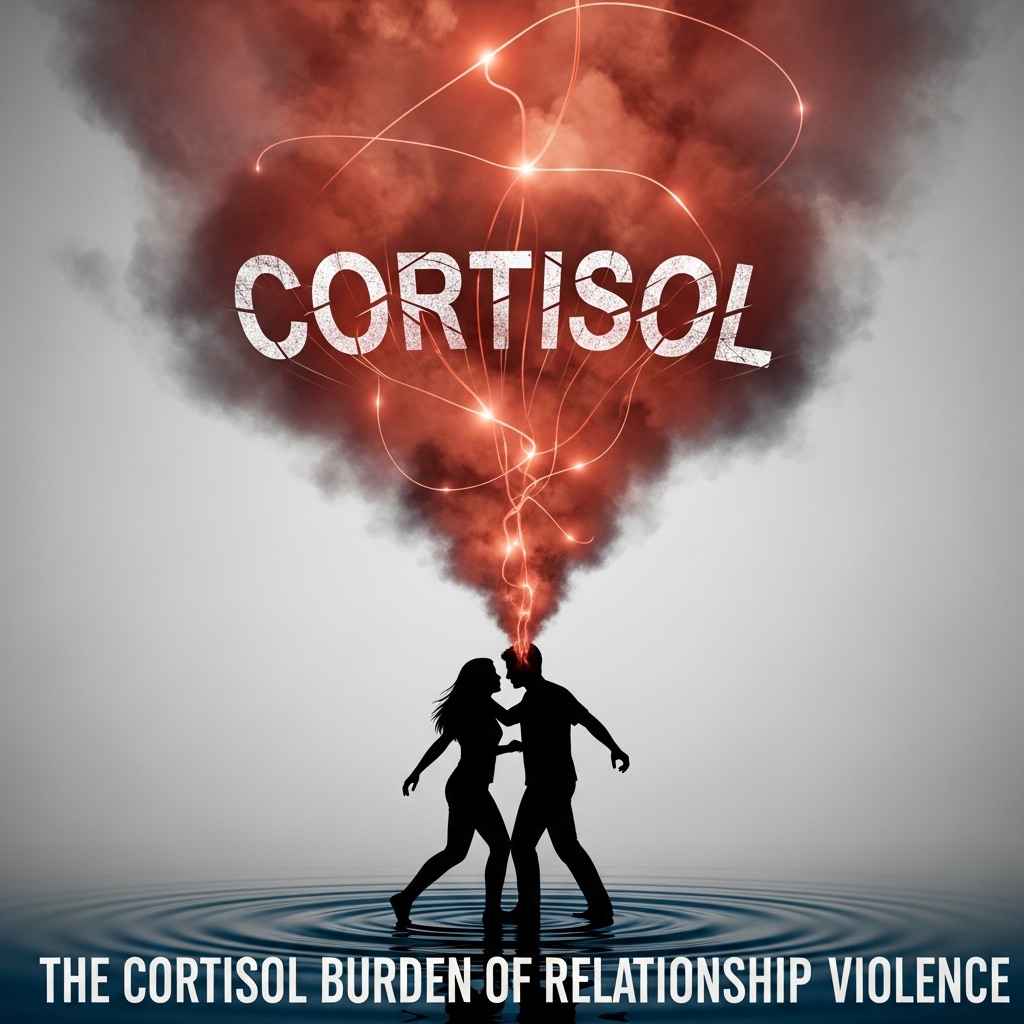
Cortisol is the body's primary stress hormone. Its disruption is the central biological mechanism through which relationship violence damages long-term health. In a safe relational environment, cortisol follows a predictable daily rhythm — high in the morning, declining through the day, low at night. Chronic exposure to an unpredictable, threatening partner environment disrupts this rhythm. The stress-response system stays in a state of sustained activation. Morning cortisol peaks become blunted. Evening levels stay elevated. The capacity to return to baseline after stress diminishes.
Research reviewed by the National Institutes of Health consistently links intimate partner violence exposure to stress-regulation disruption across multiple population studies. This is not a passing stress response. It is a structural change in the stress-regulation system. That change persists long after the violent relationship has ended. The body learns, at a deep neurological level, that the environment is dangerous. It then resets its threat-detection sensitivity accordingly. For professionals, this shows up as persistent alertness, difficulty settling after high-pressure situations, and sleep disruption that blocks recovery.
The effects of chronic cortisol disruption spread across multiple biological systems at once. Elevated cortisol suppresses immune function and disrupts blood sugar regulation. It also promotes belly fat buildup and accelerates the breakdown of tissue in the brain's memory center — the hippocampus. The hippocampus is critical to memory consolidation and context-based decision-making. For a professional whose performance depends on rapid, accurate judgment, cortisol-driven damage to this brain region is a direct threat to their cognitive function.
Relationship Violence and Cardiovascular Risk
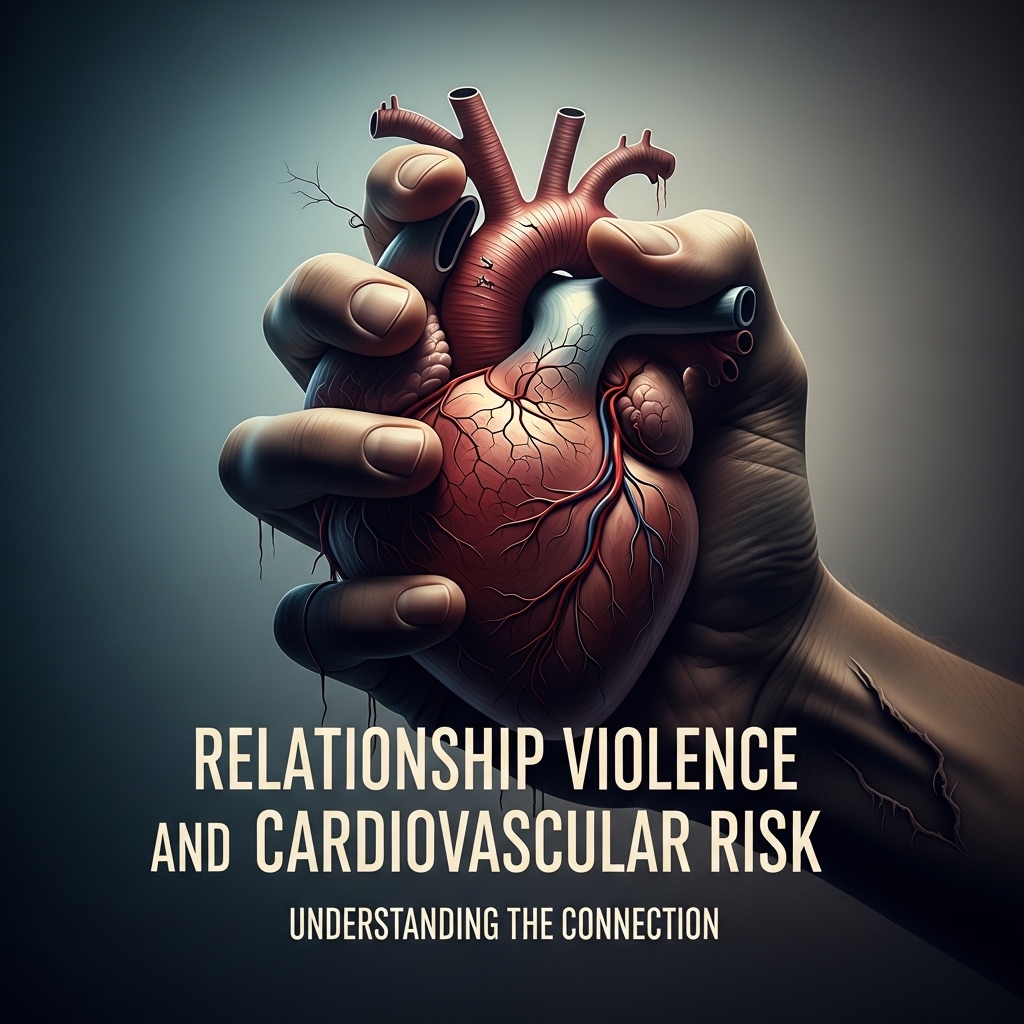
The cardiovascular consequences of relationship violence are well-documented and clinically significant. Chronic exposure to intimate partner violence — particularly in its psychological and controlling forms — produces sustained elevations in blood pressure and reduced heart rate variability. It also causes early-stage blood vessel dysfunction. Each of these variables independently predicts cardiovascular disease risk. Together, they represent a cumulative cardiovascular burden that operates silently, without symptoms, for years before producing a clinical event.
Research published in the American Journal of Preventive Medicine examined the relationship between intimate partner violence and cardiovascular disease outcomes across large population samples. The findings consistently show that individuals with a history of intimate partner violence carry significantly elevated risks of high blood pressure, coronary artery disease, and stroke. These risks appear when compared to matched controls without such history. The biological mechanisms — stress-regulation disruption, chronic stress activation, and inflammatory cascade engagement — apply regardless of gender.
For high-performing professionals, the cardiovascular risk of relationship violence compounds with other occupational risk factors already present in executive populations. These include high cognitive load, inadequate sleep, compressed recovery windows, and chronic nervous system activation from professional pressure. The interaction between relational and occupational stress is not additive — it is synergistic. A professional managing both simultaneously carries a cardiovascular risk burden that standard clinical assessments cannot detect. Those assessments do not screen for relationship violence.
READ ALSO: Therapy for Toxic Relationship to Restore Your Well-being
Inflammation and Accelerated Biological Aging
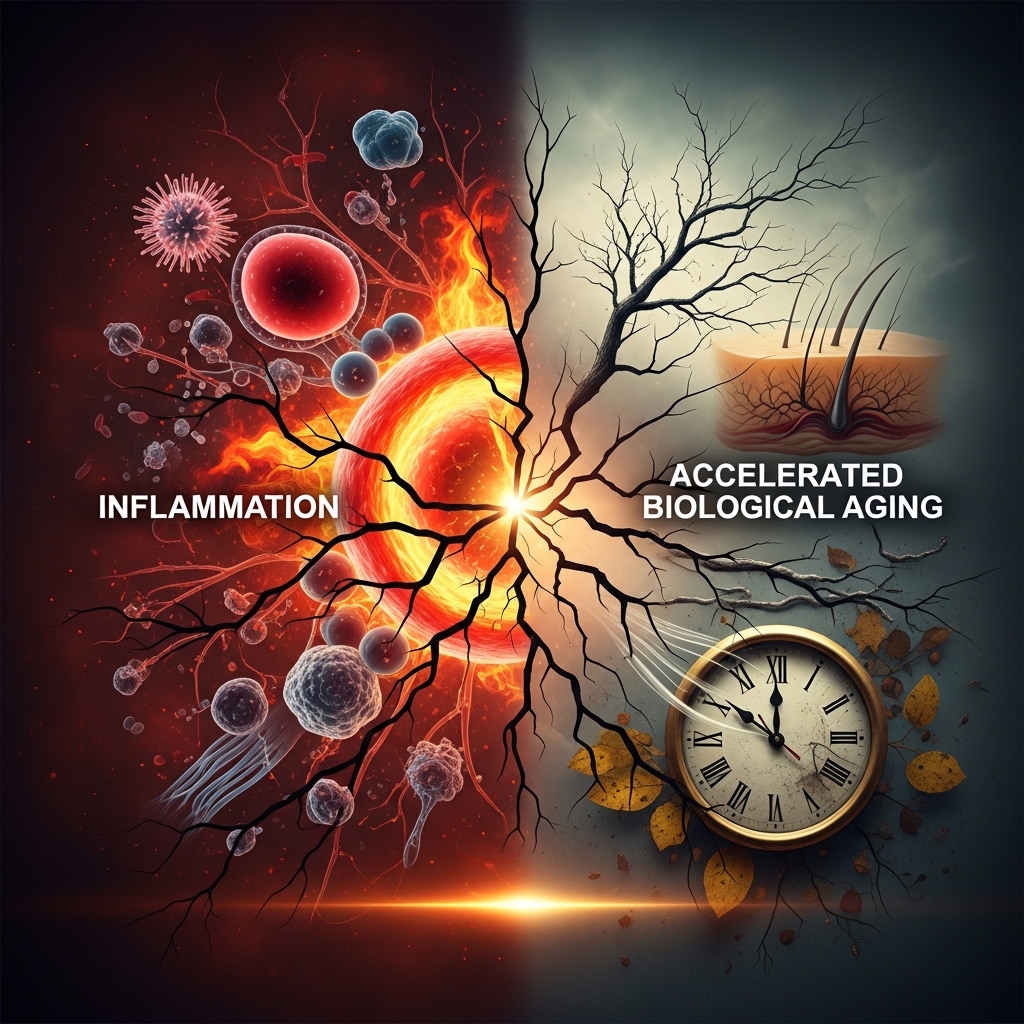
Systemic inflammation is one of the most direct biological pathways through which relationship violence speeds up aging. Chronic psychological stress — including the sustained threat environment of an abusive relationship — activates pro-inflammatory gene expression. The result is a persistent rise in circulating inflammatory markers including C-reactive protein, interleukin-6, and tumor necrosis factor-alpha. These markers directly associate with faster telomere shortening, cellular aging, and increased risk of age-related disease.
Studies reviewed by the Harvard T.H. Chan School of Public Health show that individuals with histories of domestic violence exposure carry inflammatory profiles that correspond to biological ages measurably ahead of their chronological age. The mechanism is consistent. Sustained stress drives chronic low-grade inflammation. That inflammation then accelerates the cellular aging processes that determine functional healthspan.
For professionals who track biomarkers as part of a performance health protocol, unexplained elevations in hs-CRP or interleukin-6 warrant attention. When no obvious metabolic or lifestyle driver explains them, psychosocial stressors — including relational environment — deserve consideration. Inflammatory marker profiles do not carry labels identifying their source. A professional with elevated systemic inflammation and no clear dietary, sleep, or metabolic explanation may be carrying a relational stress burden that has not yet been identified as a health variable.
How Relationship Violence Impairs Cognitive Performance
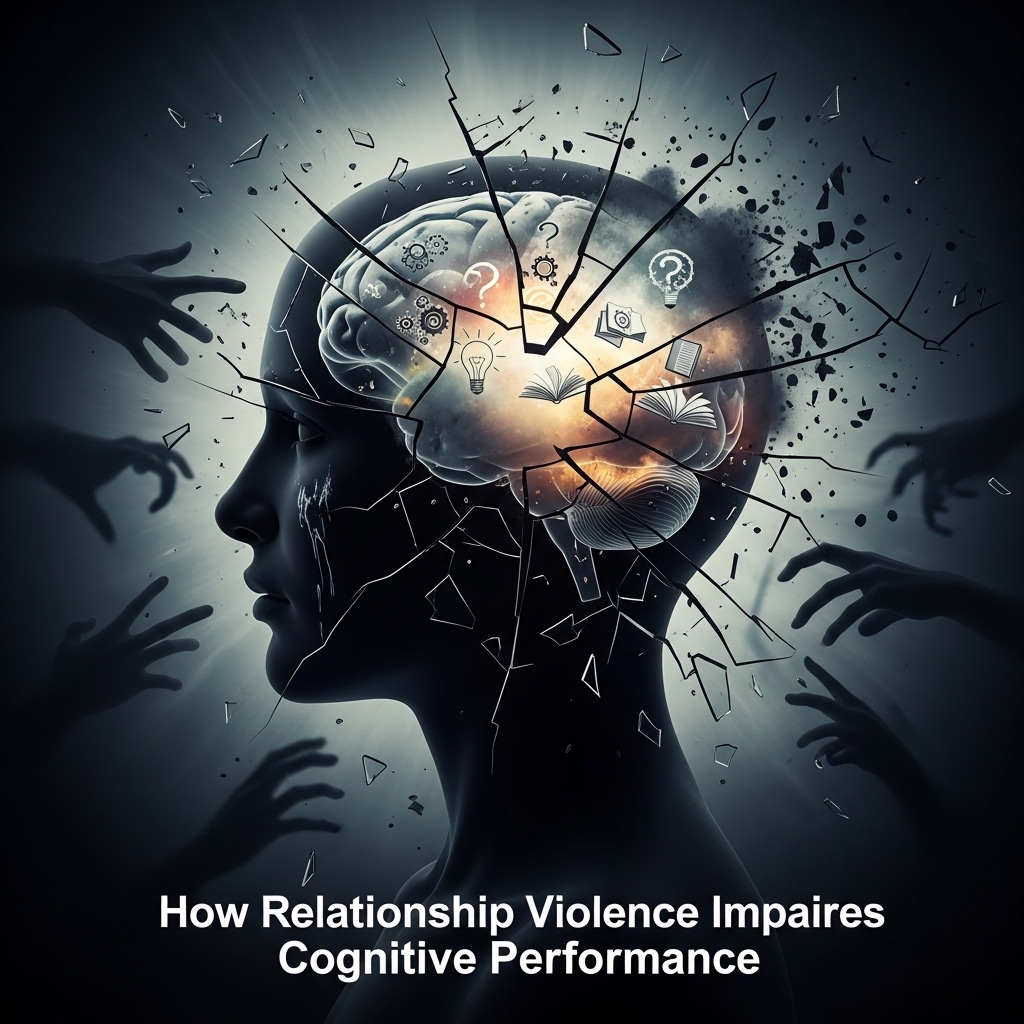
The cognitive performance consequences of sustained relationship violence are measurable, specific, and directly relevant to professional function. Chronic cortisol exposure produces structural changes in the prefrontal cortex. It reduces grey matter density and impairs the connections that underlie rapid, high-quality cognitive processing. These are not subtle effects. Brain imaging studies show them clearly in populations with trauma exposure histories.
Working memory, attentional control, and cognitive flexibility are the three domains most critical to executive-level professional performance. All three show consistent impairment in individuals with ongoing or recent intimate partner violence exposure. Research in neuropsychology documents that trauma-related cortisol disruption produces deficits in these domains. The magnitude is comparable to those produced by significant sleep deprivation. For a professional managing high-stakes decisions, complex negotiations, or leadership responsibilities, this level of cognitive impairment is a direct performance liability.
The cognitive effects of relationship violence also compound through the state of hypervigilance that sustained threat exposure produces. A nervous system calibrated for constant relational threat allocates significant cognitive resources to threat detection and social monitoring. Consequently, those resources are unavailable for the abstract, strategic, and creative thinking that defines high-level professional output. This resource allocation shift is automatic and unconscious. It does not respond to willpower or professional discipline. It responds to the removal of the threat environment and structured neurological recovery.
READ ALSO: Trauma Bonds Deplete—It’s Time to Refuel Differently
Sleep Disruption Under Relationship Violence

Sleep disruption is one of the most immediate and widespread consequences of relationship violence. It is also one of the most damaging to professional performance. The mechanisms are multiple and simultaneous. Hypervigilance driven by chronic threat exposure produces difficulty initiating sleep and frequent waking at night. It also suppresses the deep slow-wave and REM sleep stages most critical to cognitive consolidation and emotional regulation. In addition, many forms of intimate partner violence include direct sleep disruption — waking a partner, controlling sleep timing, or creating unpredictability at night.
Research consistently links intimate partner violence exposure to clinically significant sleep disturbance. Studies reviewed by the National Institutes of Health document that individuals experiencing intimate partner violence report sleep quality scores consistent with clinical insomnia. These rates are significantly higher than the general population. Beyond subjective report, objective sleep measurement in trauma-exposed populations shows suppression of slow-wave sleep, elevated nocturnal heart rate, and blunted nocturnal HRV. All three are markers of a nervous system that cannot disengage from threat-monitoring mode during sleep.
The performance consequences of this sleep disruption are severe. Slow-wave sleep suppression impairs growth hormone release, disrupts metabolic regulation, and reduces the brain's nightly clearance of harmful waste products. REM sleep suppression impairs emotional processing, reduces stress resilience, and degrades long-term memory consolidation. For a professional experiencing relationship violence, the compounding of relational stress and sleep deprivation creates a performance environment that no amount of discipline, caffeine, or compensatory behavior can fully offset.
READ ALSO: Red Flags in Relationship: Notice the Subtle Signs
Why High Performers Are Slow to Recognize Relationship Violence

A key barrier to identifying relationship violence in high-performing professional populations is the conflict between professional identity and the experience of being harmed. Executives, founders, and senior professionals define themselves by competence, control, and the capacity to manage complex situations. The experience of being harmed or controlled within an intimate relationship conflicts directly with this identity. As a result, it is frequently suppressed, rationalized, or not connected to the clinical symptoms it produces.
This identity barrier has measurable health consequences. Delayed recognition of relationship violence as a health variable delays intervention. Every additional month of exposure extends the cortisol burden, the inflammatory buildup, the cardiovascular strain, and the neurological damage. Research in trauma psychology consistently shows that the duration of violence exposure is a primary predictor of the severity and persistence of biological harm. The professional tendency to minimize or delay recognition directly worsens clinical outcomes.
Furthermore, high-performing professionals are more likely to be in relationships with partners who maintain a plausible social presentation of normality. This makes the violence invisible to professional networks, colleagues, and clinicians who might otherwise offer an external reference point. Controlling behavior in professional-class relationships frequently operates through financial manipulation and social isolation disguised as lifestyle preference. It also operates through psychological destabilization. This invisibility is not accidental. It is a defining feature of the abuse dynamic in high-functioning intimate partnerships.
Identifying Relationship Violence Through Biological Signals

Relationship violence in high-performing professional contexts does not always look like it does in public health campaigns. Physical violence may be absent entirely. Instead, the pattern is frequently one of sustained psychological control. This includes monitoring of communications, financial restriction or manipulation, and systematic undermining of professional confidence. It also includes isolation from colleagues and support networks, and unpredictable emotional volatility that keeps the targeted partner in a permanent state of behavioral adjustment.
The clinical markers of this exposure pattern are detectable even when the relational dynamic itself is not disclosed. Unexplained elevations in inflammatory markers, persistently suppressed HRV, disrupted sleep without clear behavioral explanation, and cognitive performance decline in a previously high-functioning individual are all biological signals worth investigating. A comprehensive health assessment that includes psychosocial screening for relational stress and safety is better positioned to identify these patterns than one focused exclusively on metabolic and cardiovascular variables.
For professionals unsure whether their relational environment qualifies as abusive, the clinical literature offers a useful reframe. The relevant question is not whether the relationship meets a legal or categorical definition of violence. The question is whether the relational environment produces chronic stress responses that impair health and performance. The body does not require a legal threshold to be harmed. Sustained psychological control and chronic emotional unpredictability produce the same biological consequences as overt physical violence. Frequently, they produce them at greater cumulative magnitude because of their persistence.
READ ALSO: Symptoms of Trauma That Show Up Seasonally
The Recovery Trajectory After Relationship Violence
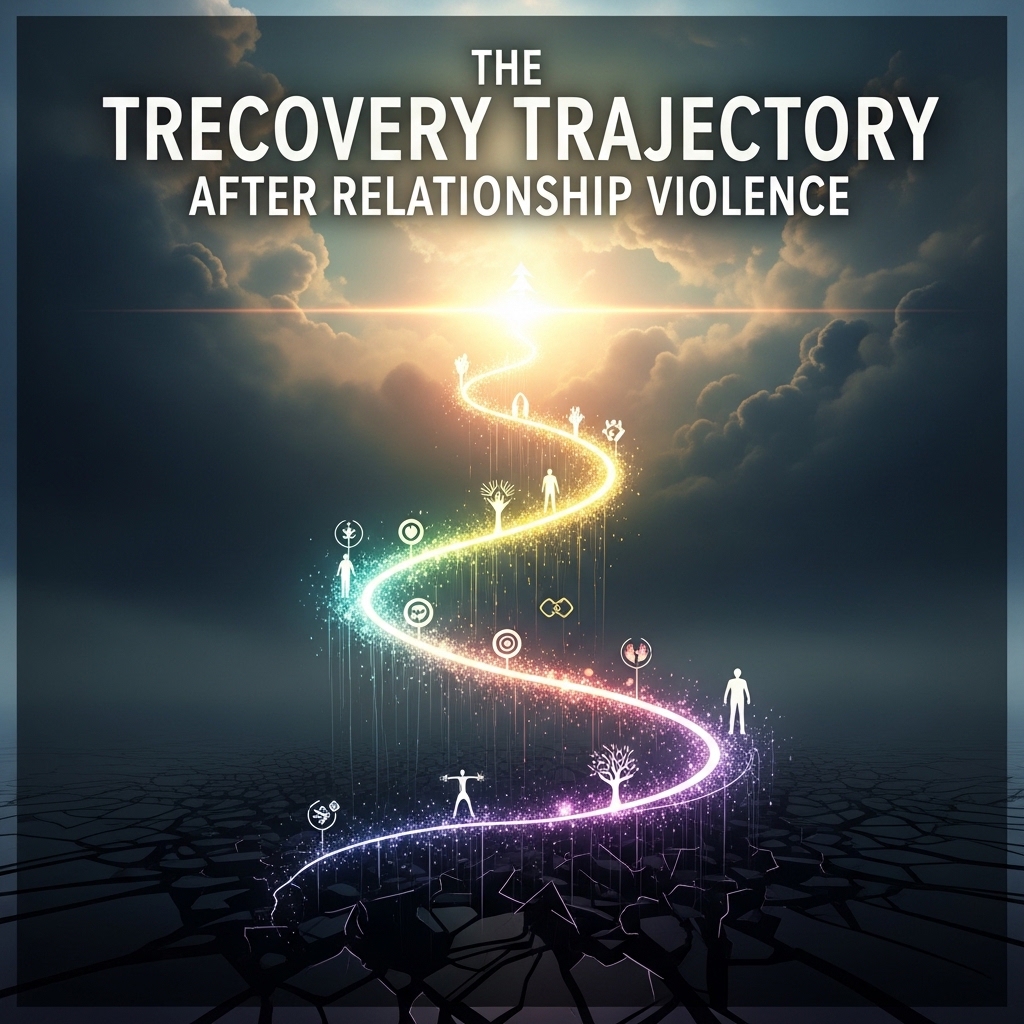
Recovery from the biological effects of relationship violence is possible. However, it requires deliberate, structured intervention across multiple systems at once. Research documents measurable recovery in stress-regulation function, inflammatory markers, and sleep quality following removal from a violent relationship. The timeline and completeness of that recovery are highly variable. They are significantly influenced by the quality of support and intervention accessed.
Cortisol disruption does not resolve automatically with the end of the relationship. Restoring a normal stress-response profile typically requires both time and active support. Research in trauma recovery consistently shows that structured interventions produce measurably faster and more complete biological recovery than time alone. These include trauma-focused cognitive behavioral therapy, somatic therapies targeting nervous system regulation, and mindfulness-based approaches with demonstrated HRV and cortisol effects.
For high-performing professionals, the recovery context also needs to address the occupational and identity dimensions of the experience. Returning to peak cognitive performance after sustained cortisol-driven brain impact requires the same structured approach as recovering from any other physical injury — progressive loading, adequate recovery, and objective monitoring of functional return. Expecting immediate return to prior performance levels without addressing the brain impact of the relational trauma is clinically unrealistic and frequently counterproductive.
READ ALSO: How to Get Out of Severe Depression With Gentle Help
Practical Steps Grounded in the Clinical Evidence
For high-performing professionals who recognize elements of relationship violence in their current or recent relational experience, the evidence supports several specific and actionable directions. Baseline biomarker assessment — including hs-CRP, HRV measurement, cortisol awakening response, and sleep quality evaluation — provides an objective picture of the current biological burden. It also establishes a baseline against which recovery can be measured. This data moves the assessment into the same evidence-based framework that professionals apply to other performance variables.
Engagement with a trauma-informed clinician — one with specific competence in intimate partner violence and its physiological effects — provides access to the structured interventions with the strongest evidence base for biological recovery. Trauma-focused cognitive behavioral therapy and somatic nervous system regulation approaches both demonstrate measurable effects on cortisol, HRV, and inflammatory markers in peer-reviewed research. These are clinically validated tools with documented biological outcomes.
Finally, building or restoring access to a professional support network addresses the social isolation that relationship violence frequently produces. Isolation amplifies the biological impact of chronic stress. It removes the calming effects of safe social connection. Research in social neuroscience shows that safe social connection directly supports HRV, cortisol regulation, and immune function. Reconnecting to trusted professional relationships is therefore not simply an emotional support measure — it is a physiological intervention with measurable biological consequences.
UP NEXT: Afraid of Intimacy? Let’s Unpack It Without Judgment
Chronic exposure to relationship violence is one of the most potent and least screened drivers of accelerated biological aging, with sustained intimate partner violence producing inflammatory profiles, telomere shortening, and cortisol dysregulation associated with biological ages running five to ten years ahead of chronological age in peer-reviewed population studies. WholeLiving's Biological Age Estimation Model incorporates this factor directly — your assessment takes under five minutes.
Ready to understand how these factors are influencing your biological age right now? [Take the Biological Age Assessment →]