For executives, founders, and other high-output professionals, trauma bonds can degrade cognitive performance, distort threat perception, and sustain cortisol elevation that undermines sleep quality, emotional regulation, and long-term resilience. This article is written for serious professionals whose decision-making, leadership stability, and relational judgment carry material consequences, not for a casual self-help audience. In clinical terms, trauma bonds are reinforced through cycles of intermittent reward, fear, and attachment that can keep the nervous system in a state of chronic vigilance. Over time, that pattern may contribute to impaired recovery, higher stress burden, and a measurable decline in mental performance capacity.
Trauma Bonds are a Threat-Based Attachment Pattern
Trauma bonds do not describe ordinary dependence. The term refers to a strong attachment that forms under fear, control, and intermittent reward. Donald Dutton and Susan Painter described this pattern in work on abusive relationships, where periods of distress are followed by relief and attachment grows stronger instead of weaker.
High-performing professionals can misread that pattern as loyalty, endurance, or unusual intensity. A clinical view is more precise. The bond forms in a setting of repeated threat, then stays in place because brief relief feels powerful. That cycle keeps the mind attached to instability rather than to safety.
That distinction matters because the cost often stays hidden at first. A person may still lead teams, close deals, and meet deadlines while living in a state of hypervigilance. Over time, that state can reduce cognitive performance, narrow attention, and weaken judgment under pressure. Harvard Health notes that long-term stress can affect memory and cognition in ways that matter for daily function.
The Brain Treats Trauma Bonds as a Survival Problem
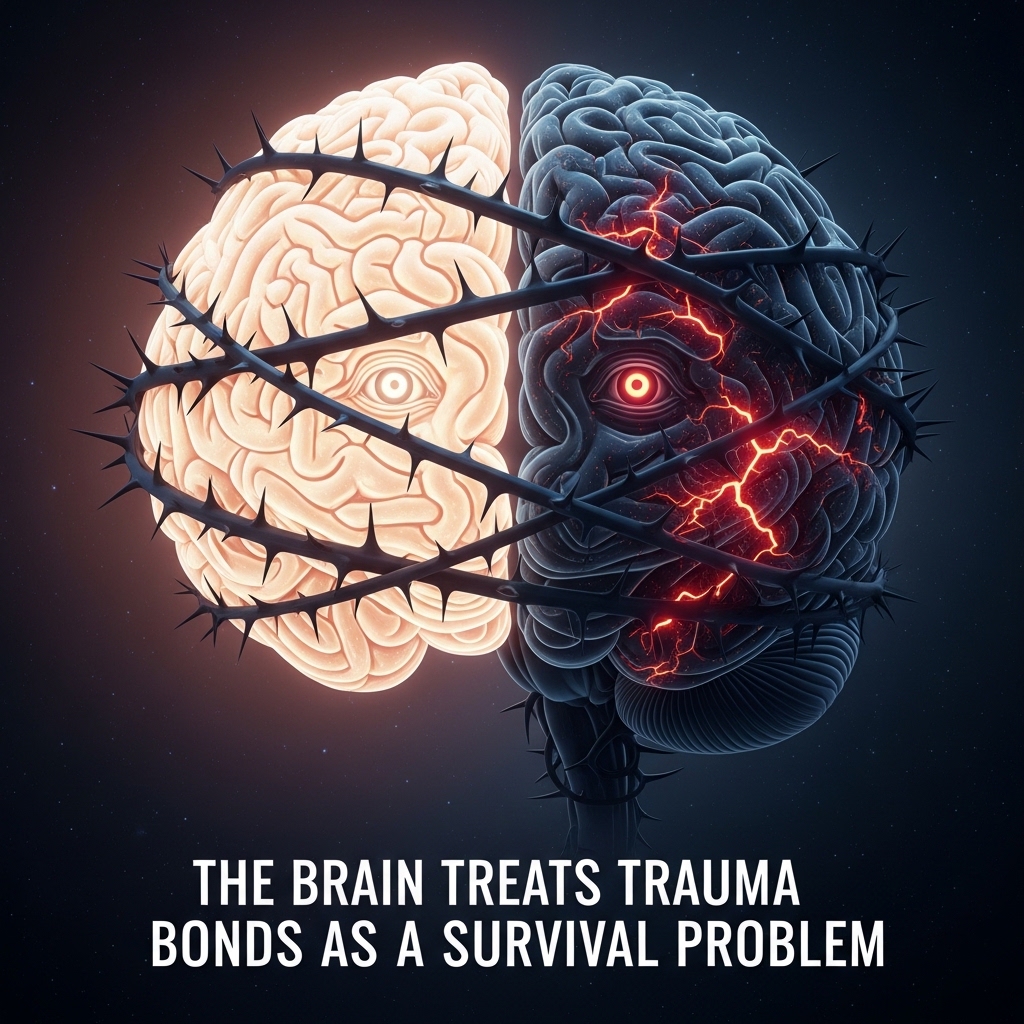
The neurobiology of trauma bonds fits a stress model better than a lifestyle model. When the brain detects threat, it shifts resources toward survival. That shift favors scanning, vigilance, and emotional memory. Harvard Health reports that stress can make it harder to focus, organize thoughts, and retain new information.
In that setting, small periods of calm can feel unusually meaningful. Relief after fear can become rewarding because it lowers distress for a short time. This helps explain why someone may remain attached to a harmful relationship even when the harm is clear. The pattern reflects stress learning, not a lack of intelligence or discipline.
For executives and founders, the effect is not only emotional confusion. It can reduce concentration, slow recovery after conflict, and impair threat judgment. A person may start reading normal uncertainty as danger while reading brief calm as proof of safety. That is a poor base for leadership decisions.
READ ALSO: Trauma-Sensitive Mindfulness: Healing Through Presence
Cortisol and Stress Physiology Help Explain the Damage
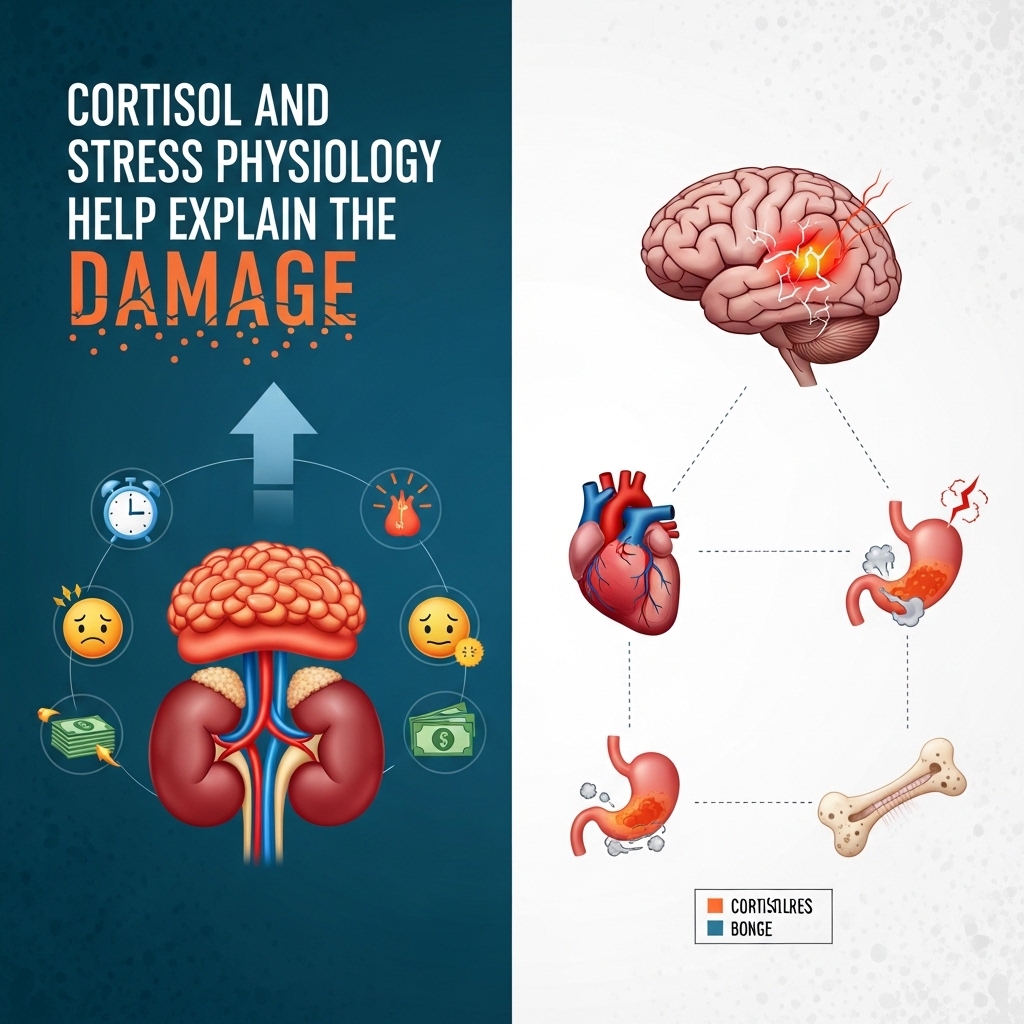
A serious article on trauma bonds must address cortisol and stress physiology. The CDC states that long-term stress, anxiety, depression, and PTSD can raise heart rate, blood pressure, and cortisol. Those changes can increase the risk of heart disease and other chronic conditions.
This is where a relationship pattern becomes a longevity issue. Repeated activation of the stress response leaves less room for full recovery. A professional may keep performing in public while carrying an endocrine burden that worsens sleep, mood control, and cardiovascular strain. That burden is measurable, not abstract.
The broader research on trauma and violence points in the same direction. Chronic threat can alter autonomic function, increase inflammatory load, and keep stress pathways active. Even when outward productivity looks stable, the body may absorb the cost for years. That is why trauma bonds belong in a performance and longevity discussion.
Sleep Quality often Declines Early
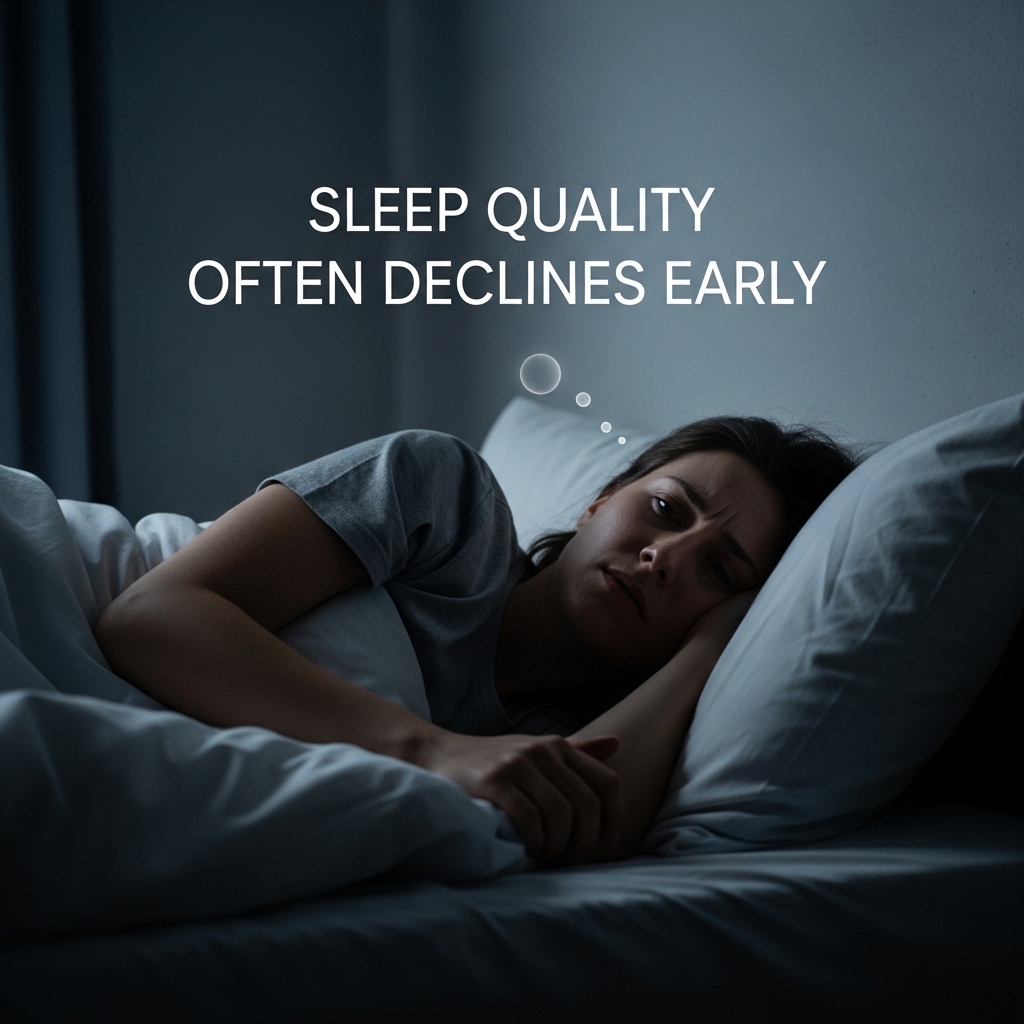
One of the first measurable effects of chronic relational stress is poorer sleep quality. Research has linked intimate partner violence exposure with sleep disturbance and insomnia. One NIH-indexed study found that sleep disturbance partly explained the link between partner violence and poorer mental and physical health.
For a high-output professional, poor sleep rarely shows up as simple fatigue alone. It often appears as weaker focus, slower emotional reset, lower frustration tolerance, and more decision errors. Harvard research has also described a strong two-way link between stress and sleep, with each worsening the other.
Many professionals normalize poor sleep as a cost of ambition. In the setting of trauma bonds, that reading can miss the real driver. Sleep disruption may be one of the clearest signs that the body is carrying a load that the mind has not fully named. Once sleep slips, recovery and cognition often slip with it.
READ ALSO: Seasonal Trauma Symptom Expression and Its Impact on Cortisol Regulation Sleep Disruption and Cognitive Performance
Cognitive Performance can Erode without Obvious Collapse

The WholeLiving audience does not need broad claims about stress and thinking. The relevant issue is whether trauma-linked stress changes cognition in a way that affects output. Harvard Health states that prolonged stress can impair memory and concentration. That matters for professionals whose work depends on rapid judgment and mental flexibility.
This decline does not always look dramatic. A person may still deliver presentations, manage clients, or run a company. Yet the same person may struggle more with recall, attention, emotional control, and complex decisions after relational conflict. High function in one area does not erase strain in another.
That pattern makes trauma bonds hard to spot in high-performing adults. The damage often appears first in judgment quality rather than in visible output. Small errors, slower recovery, and narrowed thinking can build over time. Those changes matter because leadership quality depends on more than stamina.
READ ALSO: How Unresolved Trauma Accelerates Cortisol Dysregulation, Systemic Inflammation, and Biological Age in High-Performing Professionals
Trauma Exposure also Raises Long-Term Health Risk
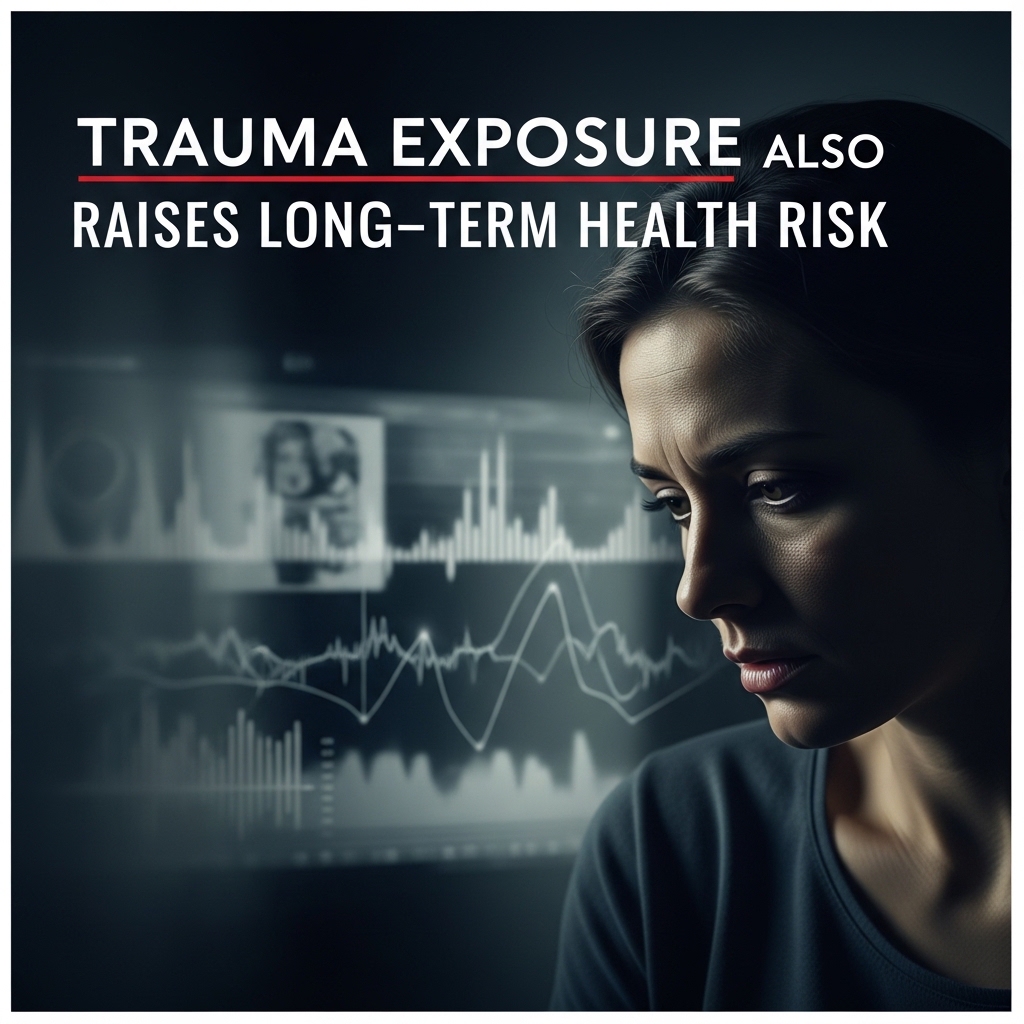
The effects of trauma bonds do not stop at mood or attachment. The Adverse Childhood Experiences Study by Vincent Felitti and colleagues found a graded relationship between abuse, household dysfunction, and many leading causes of death in adults. That landmark study did not center on trauma bonds, but it established a durable link between trauma exposure and later disease burden.
Later public health research extended that pattern. CDC-linked work has connected chronic stress exposure with higher allostatic load, elevated cortisol, higher blood pressure, and worse cardiovascular outcomes. The physiologic pathways include both direct stress effects and indirect effects through sleep, behavior, and mental health.
That broader evidence matters here because trauma bonds often arise in people with earlier trauma exposure or in relationships that recreate chronic threat. The mechanism is not only emotional. It includes sustained stress activation, poor sleep, and cumulative wear on cardiovascular and cognitive systems. Over time, that pattern can affect biological age and overall resilience.
High-performing Professionals often Mislabel the Pattern

In high-pressure professional cultures, trauma bonds can hide behind admired traits. Persistence, tolerance for discomfort, and a high threshold for conflict often look useful at work. In a harmful relationship, those same traits can keep a person attached to repeated instability. The pattern may feel like discipline when it is actually chronic stress adaptation.
The risk grows when identity and output become tightly linked. Leaders often assume that if they still function at work, the relationship cannot be causing serious damage. The evidence does not support that assumption. Stress can impair heart health, sleep, and cognition long before it causes visible career decline.
That is why clinical framing matters. The real question is not whether a person feels strong enough to tolerate the relationship. The question is whether the relationship is driving measurable stress load, poorer sleep, and weaker decision quality. Once those variables come into view, the term trauma bonds becomes more precise and more useful.
For high-performing professionals, the most evidence-based next steps are structured and measurable. Options include trauma-informed psychotherapy, formal review of sleep and stress symptoms, and careful examination of whether a relationship worsens concentration, recovery, or cardiovascular strain. The evidence supports a practical framework: identify repeated cycles of harm and relief, treat sleep and stress physiology as core variables, and use qualified mental health care when insomnia, anxiety, hypertension, or persistent cognitive strain suggest that chronic threat has become a health issue rather than a private relationship problem.
UP NEXT: How Digital Micro-Gestures Reduce Loneliness-Driven Cortisol Elevation in High-Performing Professionals
Trauma bonds can sustain chronic threat activation, poorer sleep, higher inflammatory burden, and persistent cortisol elevation, all of which are linked to faster biological age acceleration and weaker long-term cognitive resilience. WholeLiving's Biological Age Estimation Model incorporates this factor directly — your assessment takes under five minutes.
Ready to understand how these factors are influencing your biological age right now? [Take the Biological Age Assessment →]