


The brain stem is a crucial part of the central nervous system. It ensures your vital functions run smoothly every day. In fact, this structure connects your brain and spinal cord, making it essential for survival. Every time your cranial nerves send signals, when your heart beats, or when your lungs take in air, it’s your brain stem at work. Therefore, understanding its significance can help you better care for it, ultimately leading to improved vitality and overall health.
Understanding the Brain Stem's Role in the Body
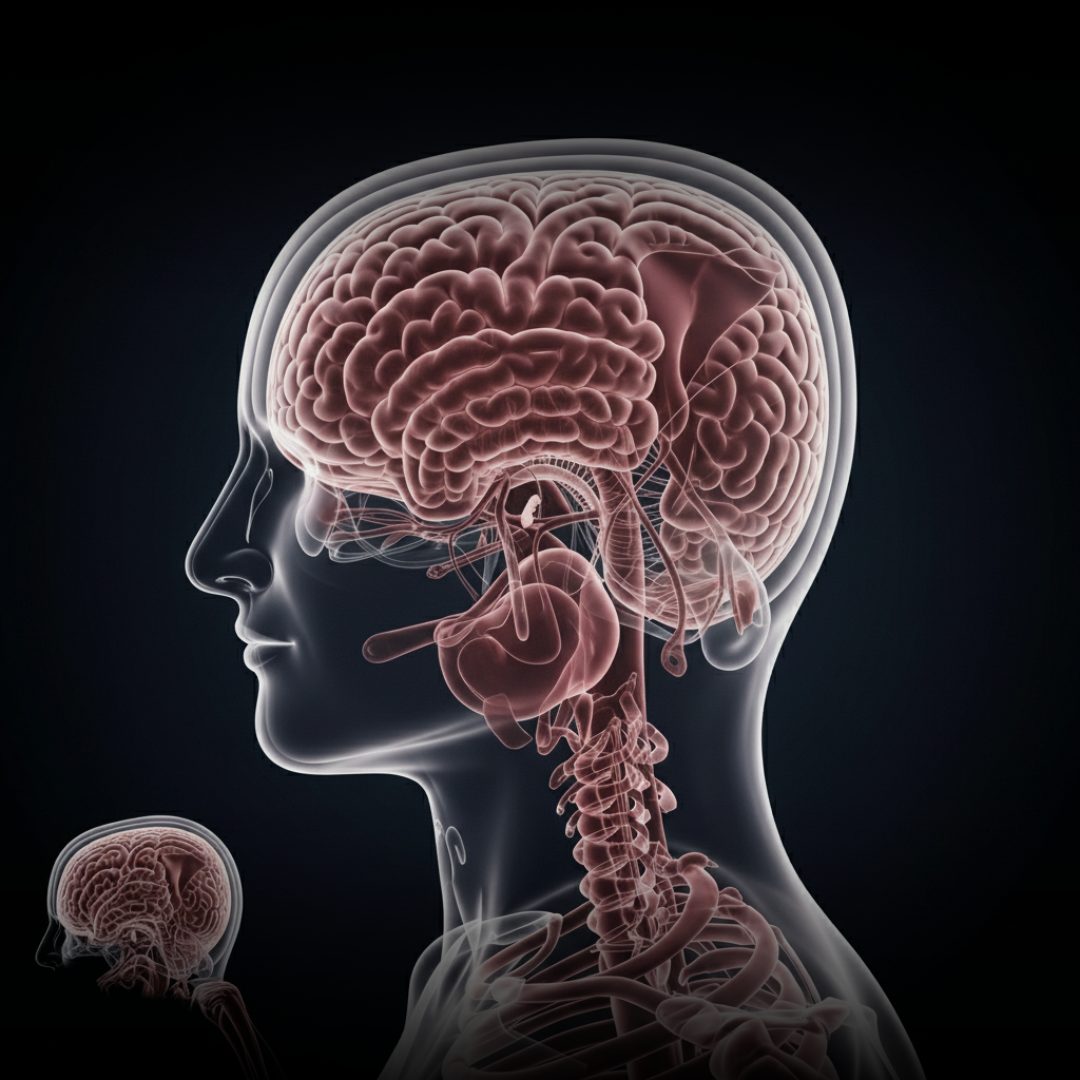
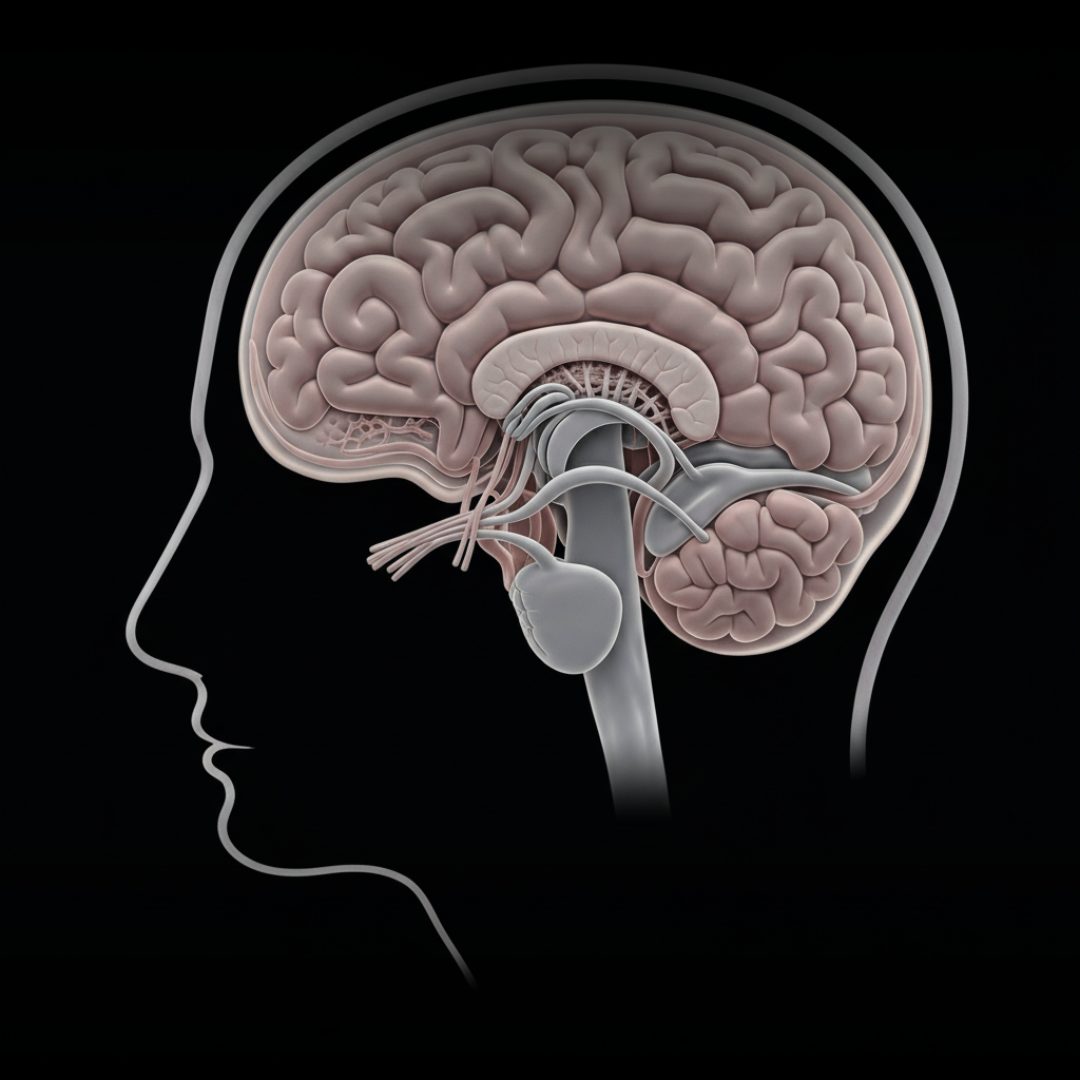
First, the brain stem controls vital functions like breathing, heartbeat, and blood pressure. It consists of three main components: the midbrain, pons, and medulla oblongata, each contributing to motor control, sensory processing, and autonomic regulation. Moreover, it connects the brain to the rest of the nervous system, coordinating the link between the brain and spinal cord.
Without the brainstem, your body wouldn’t be able to maintain homeostasis. For example, it regulates life-sustaining functions such as digestion, circulation, and reflexes. Consequently, the brainstem helps control automatic processes like breathing, heart rate, and blood pressure.
Understanding the Brain Stem’s Vital Functions
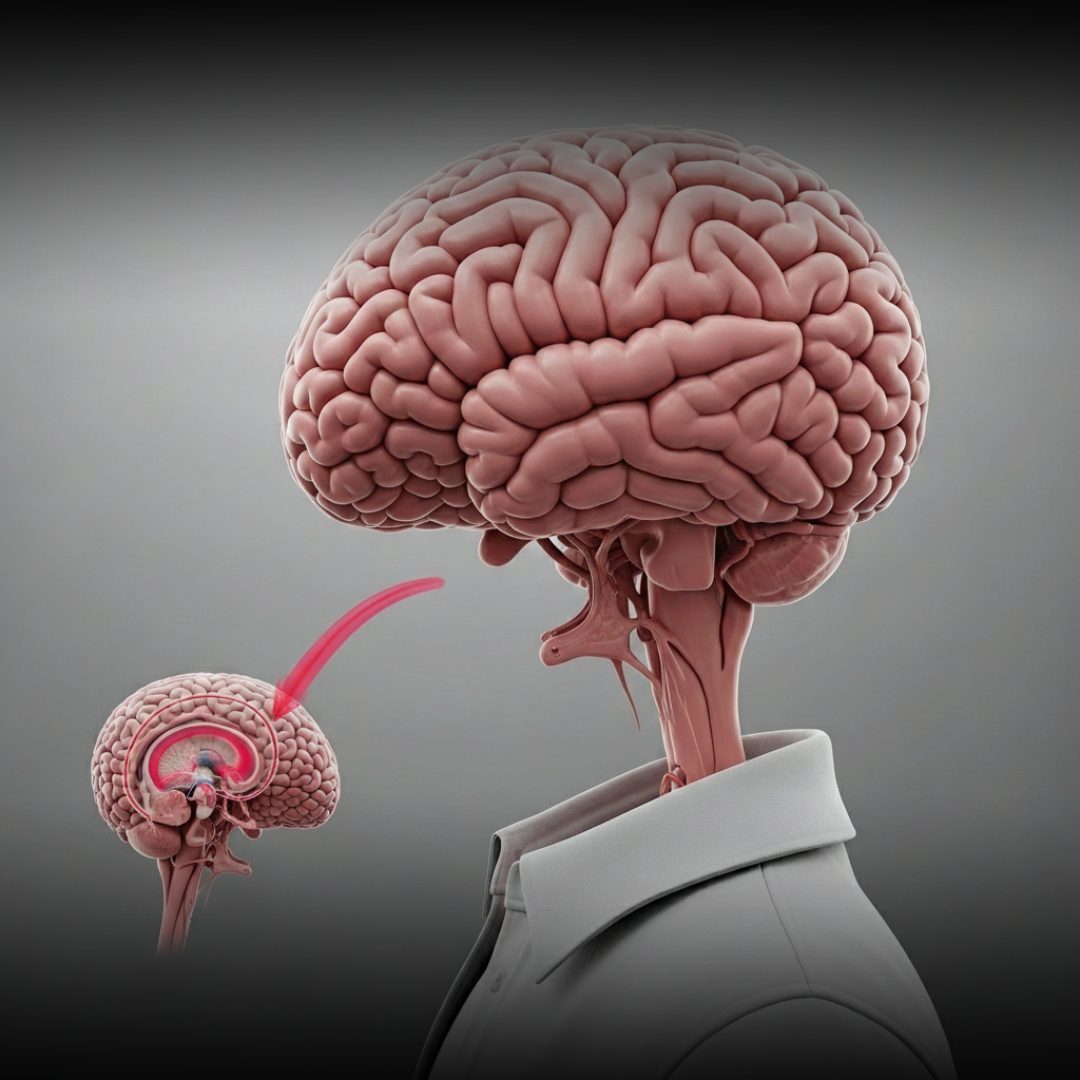
The brain stem is responsible for managing many of the vital functions that you don’t need to think about. For example, it controls your heartbeat, breathing, swallowing, and digestion. The medulla oblongata plays a crucial role by sending signals that control your heartbeat and blood pressure. Without this coordination, your body wouldn’t be able to function properly.
Furthermore, your reticular activating system within the brainstem also helps keep you awake and alert, playing a significant role in your daily energy levels. In addition, the cerebral cortex works alongside the brainstem to control voluntary movements, thoughts, and decisions. As a result, the brainstem works hand-in-hand with the cerebral cortex to ensure smooth functioning.
READ ALSO: Temporal Brain and the Energy Cost of Overthinking
Structure and Components of the Brain Stem
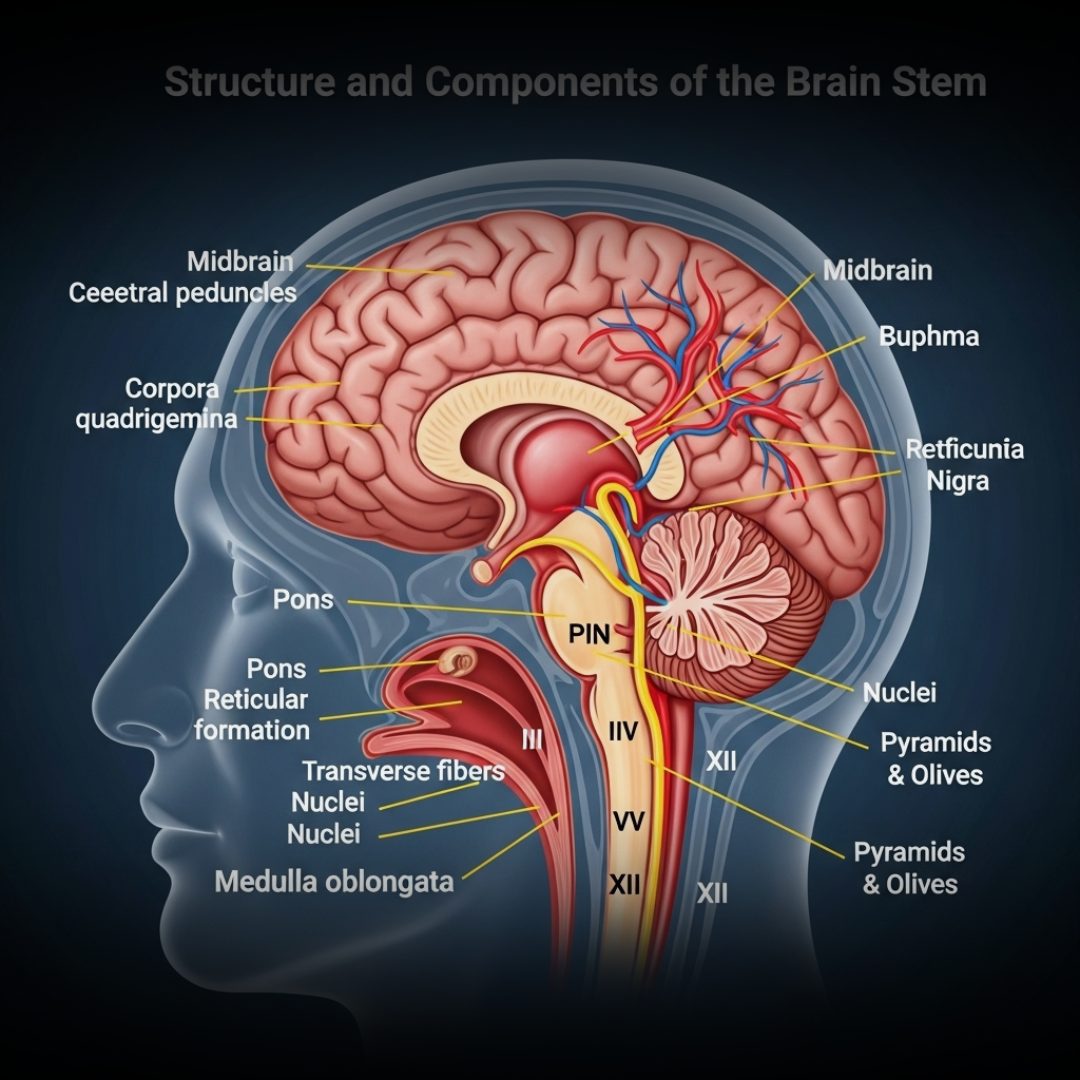
The brain stem connects the cerebral cortex to the spinal cord, acting as the main highway for communication. It is made up of three main parts: the midbrain, pons, and medulla oblongata. These regions regulate vital functions like breathing, blood pressure, and reflexes.
Cranial nerves arise from the brainstem, each with a specialized role. For instance, cranial nerves III (oculomotor nerve) and IV (trochlear nerve) control eye movements. Similarly, the pons gives rise to cranial nerves V (trigeminal nerve), VI (abducens nerve), and VII (facial nerve), which control facial sensations and movements. On the other hand, the medulla oblongata contains cranial nerves IX (glossopharyngeal nerve), X (vagus nerve), XI (accessory nerve), and XII (hypoglossal nerve), responsible for functions like swallowing, tongue movement, and neck control.
The brainstem is supplied with blood by the anterior cerebral artery, posterior cerebral artery, and basilar artery, ensuring that the midbrain, pons, and medulla oblongata receive the necessary oxygen and nutrients. Additionally, the fourth ventricle helps circulate cerebrospinal fluid, which protects the central nervous system.
How the Brain Stem Affects Your Everyday Vitality

Your brain stem affects your vitality more than you might realize. Healthy cranial nerves and brainstem structures are essential for smooth movement, clear thinking, and maintaining balance. For instance, damage to the brainstem, such as disruptions in the anterior cerebral artery or posterior cerebral artery, could result in neurological lesions, disrupting these crucial functions.
Additionally, the corticospinal tract, a major pathway in the brainstem, helps you perform voluntary movements. Damage to the brainstem nuclei can impair motor control, which may lead to difficulties in facial expression or inability to control eye movements. Therefore, maintaining the health of your brainstem is essential for overall movement and coordination.
Maintaining Brain Stem Health: Tips for Everyday Living
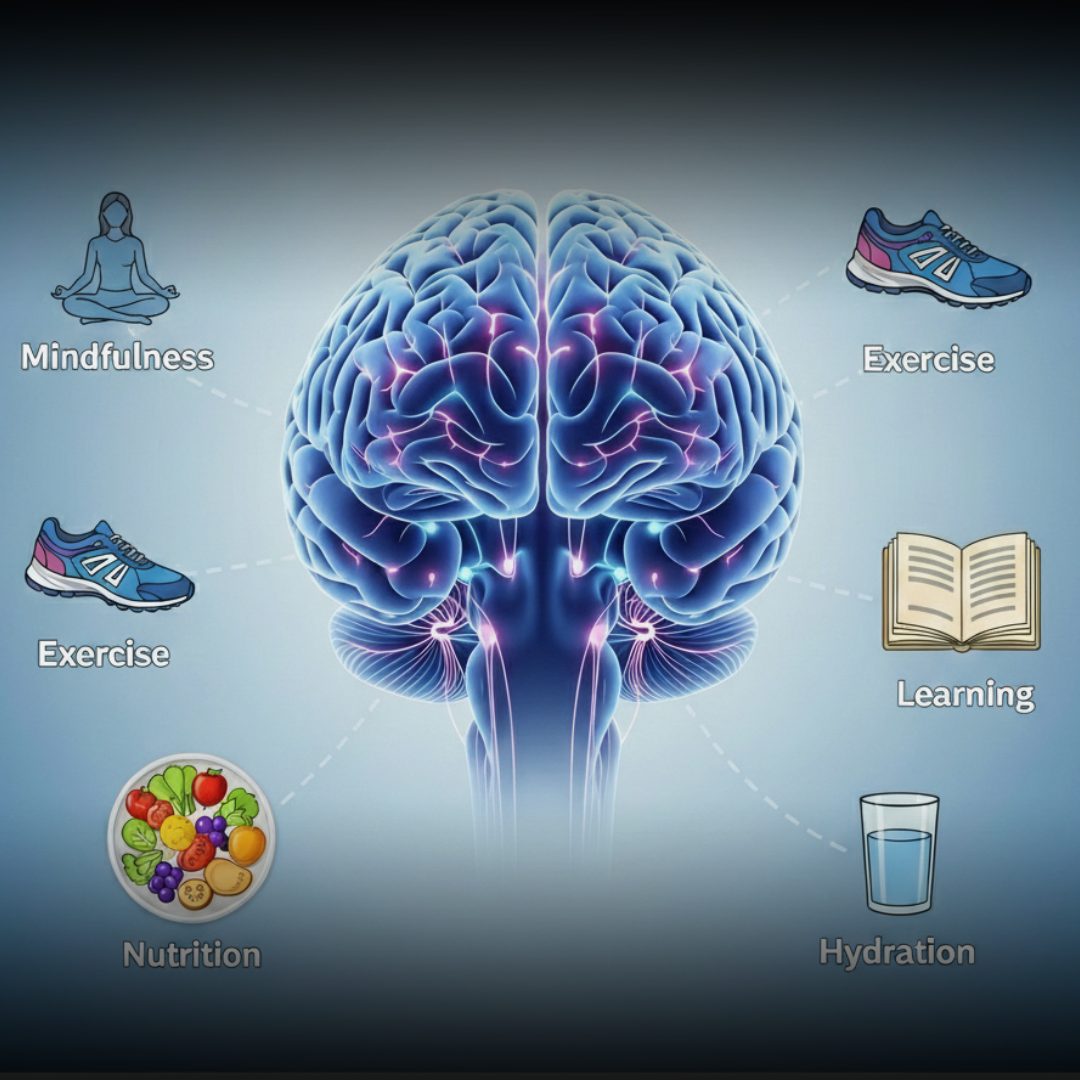
- Exercise Regularly: Physical activity increases blood flow to the brainstem, improving its function. Moreover, exercises that stimulate both the cerebellum and brainstem together help improve motor control.
- Eat a Nutrient-Rich Diet: Foods rich in omega-3 fatty acids, antioxidants, and vitamins like B12 support the health of the central nervous system and brainstem. These nutrients help keep brainstem structures, such as the reticular formation, well-nourished.
- Stay Mentally Active: Engage in activities like reading, puzzles, or learning new skills. This keeps the cerebral cortex and brainstem active, which in turn improves memory and cognitive abilities.
- Manage Stress: Chronic stress negatively impacts the brainstem and overall nervous system. Practices like mindfulness meditation or deep breathing exercises activate the reticular formation, helping to maintain balance in the body.
READ ALSO: Mind Control Habits for Stress-Free Living
The Brain Stem and Medulla Oblongata in Blood Pressure Control
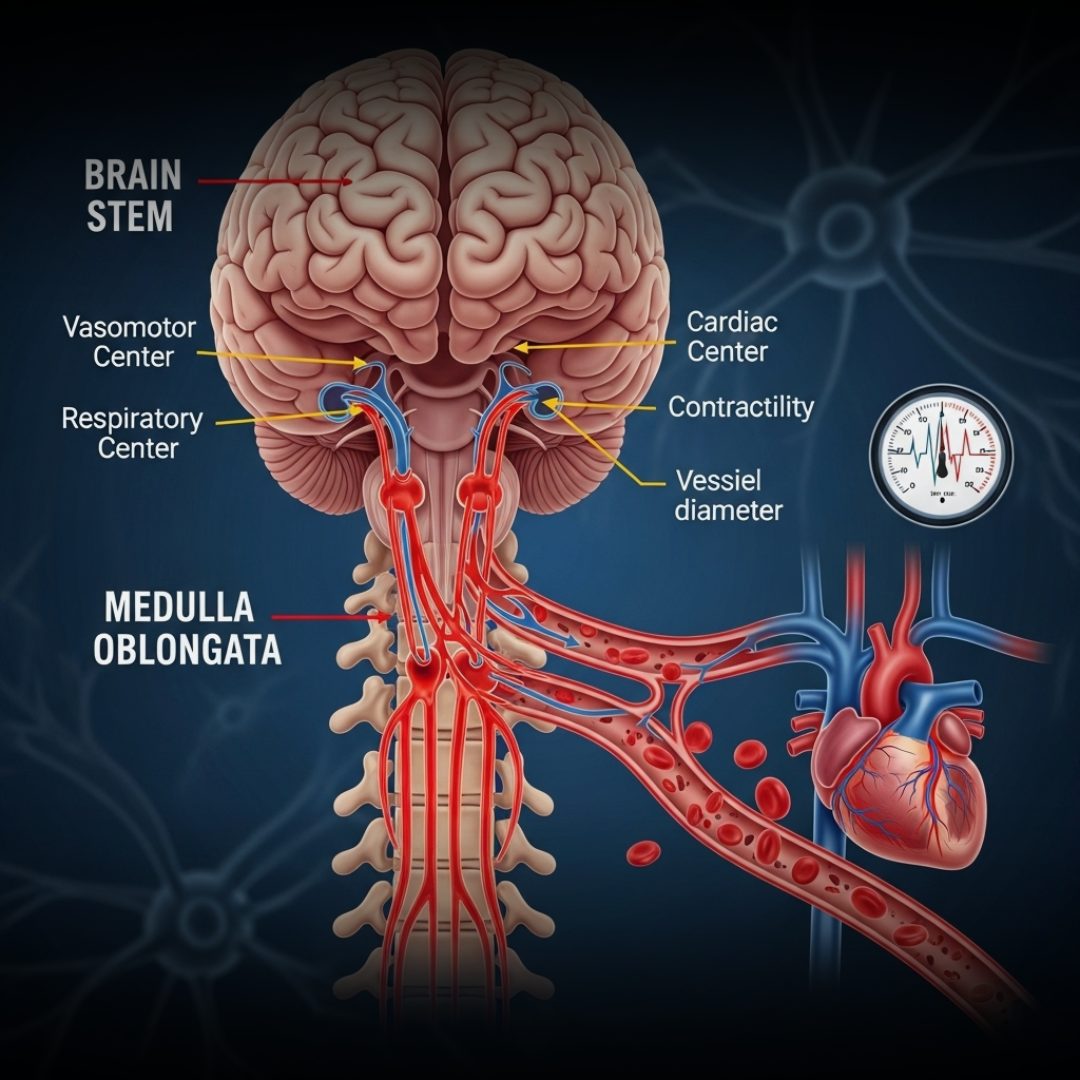
One of the brainstem’s most crucial roles is regulating blood pressure. The medulla oblongata plays a significant role by monitoring blood pressure levels and adjusting your heart rate and blood vessel constriction. This regulation ensures that your heart and blood vessels work harmoniously to supply oxygen-rich blood to your organs.
Conditions like high blood pressure can be caused by disruptions in this system, making good cardiovascular health essential. Brainstem reflexes, triggered by changes in blood pressure, help maintain the necessary pressure to keep blood flowing to the brain and body.
The Brain Stem’s Connection to Cranial Nerves
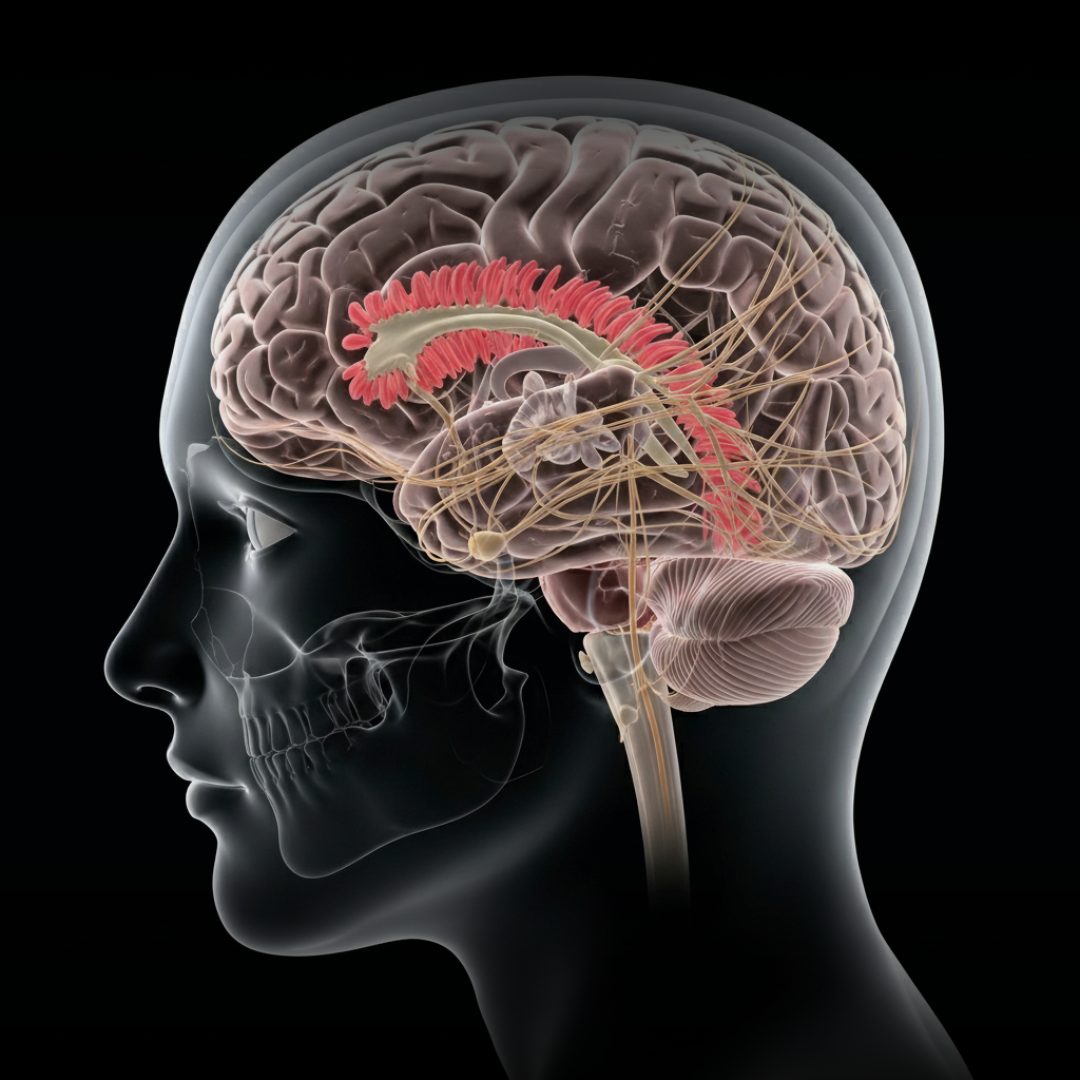
Your cranial nerves are directly connected to the brain stem. These nerves play crucial roles in sensory and motor functions in your head and neck. For example, the facial nerve controls your facial expressions and sensations, while the oculomotor nerve manages eye movements.
- Cranial nerves III, IV, and VI control eye muscles, which are essential for focusing and seeing clearly.
- Damage to cranial nerve V, the trigeminal nerve, can cause facial pain or sensation issues, which may affect day-to-day activities.
How the Brain Stem Protects Vital Pathways
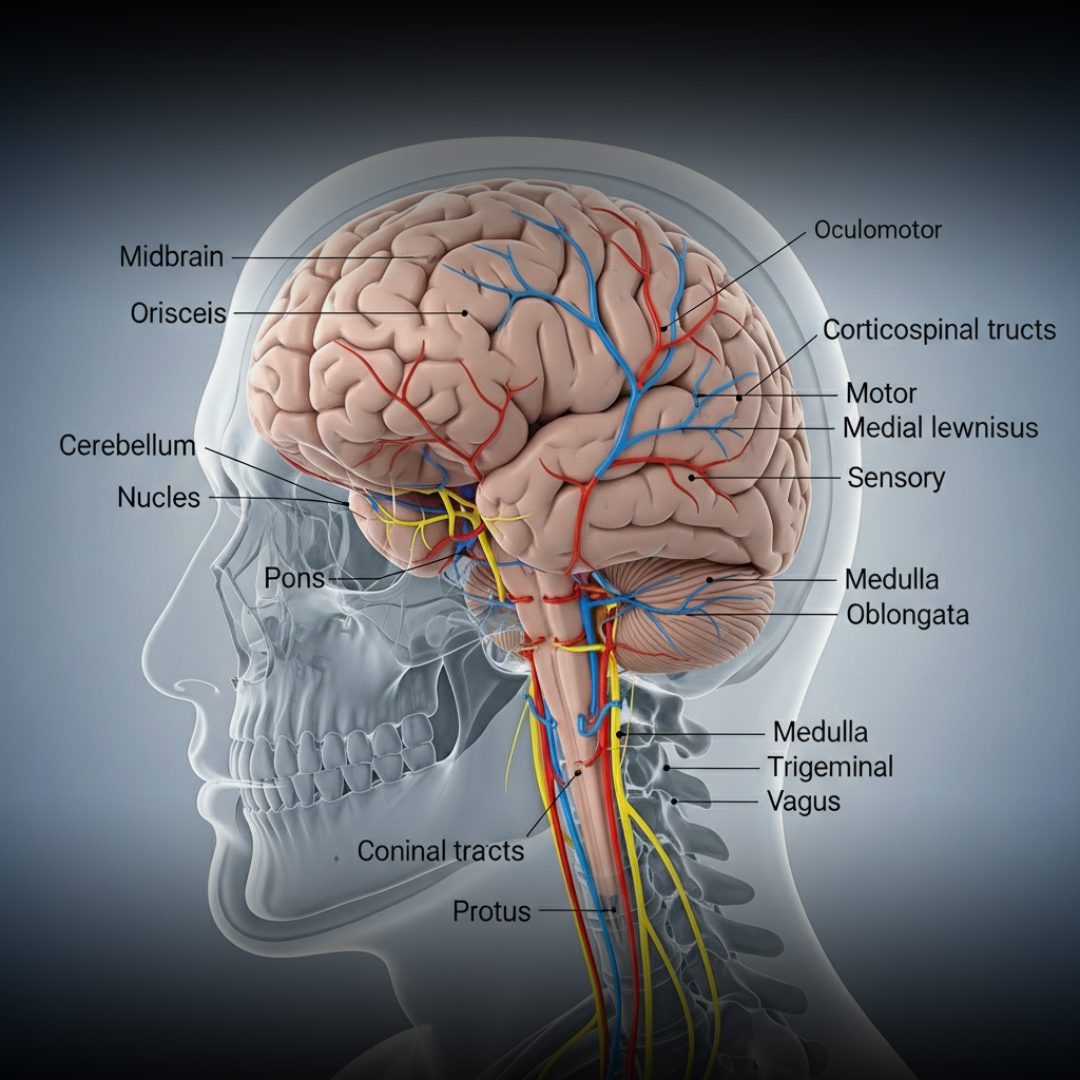
The brainstem acts as a guardian of many vital functions. Located at the junction of the brain and spinal cord, it oversees critical pathways that sustain life. For example, the auditory pathways and cerebrospinal fluid pathways pass through the brainstem, ensuring the protection of your hearing and brain health.
- The inferior cerebellar peduncle and superior cerebellar peduncles connect the brainstem to the cerebellum, ensuring coordinated movement and balance.
- The superior medullary velum fine-tunes motor coordination, allowing for smooth and controlled movements.
When the Brain Stem Faces Disruption
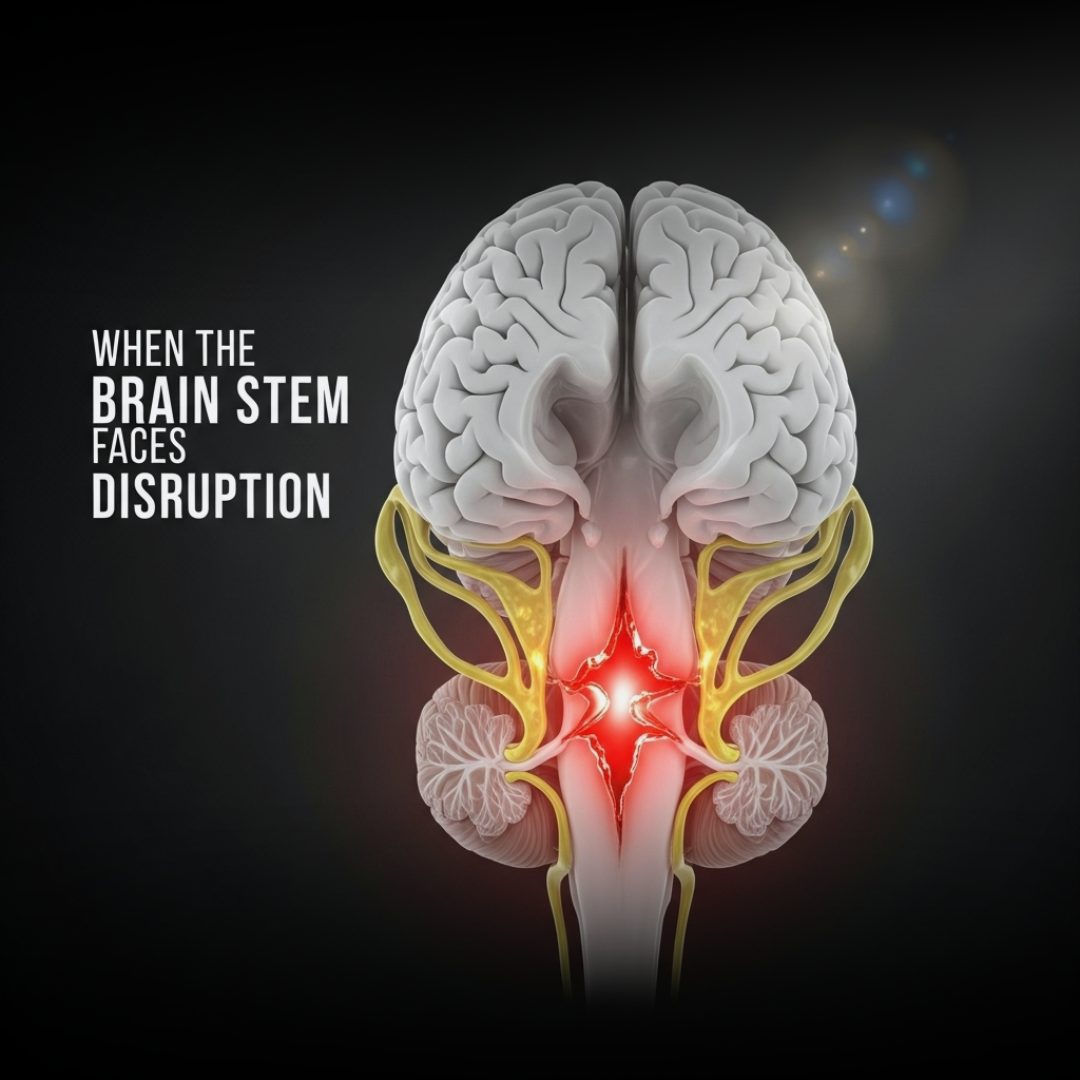
Damage to the brainstem can lead to severe consequences, including brainstem death or failure of brainstem reflexes. Neurological lesions in the brainstem can affect basic life-sustaining functions like breathing or heartbeat. In such cases, immediate medical intervention is critical.
- Brainstem function is often a crucial marker for determining the severity of neurological damage.
- Brainstem injury can impact motor control, cognition, and bodily functions, often requiring urgent care.
READ ALSO: Mindful Advantage Starts With One Breath
The Brain Stem’s Role in Sleep and Alertness
The reticular formation of the brainstem helps regulate wakefulness and sleep. It activates the nervous system, ensuring that you remain alert during the day and get proper rest at night. Disruptions in this system can lead to conditions like sleep apnea or excessive daytime sleepiness.
- The reticular activating system filters sensory information, allowing you to stay focused on important stimuli while blocking out distractions.
- Poor brainstem health can result in difficulties staying awake or sleeping, which ultimately affects your performance and well-being.
Brain Stem Reflexes and Their Importance

Brainstem reflexes are automatic responses that protect your body from harm. For example, the pupillary reflex causes your pupils to constrict in bright light, protecting your eyes. The cough reflex clears your airways, and the gag reflex prevents choking.
- These reflexes are coordinated by structures like the motor nucleus and sensory nuclei in the brainstem.
- If the brainstem is compromised, these reflexes may fail, increasing the risk of injury or illness.
Final Thoughts on Brain Stem Health
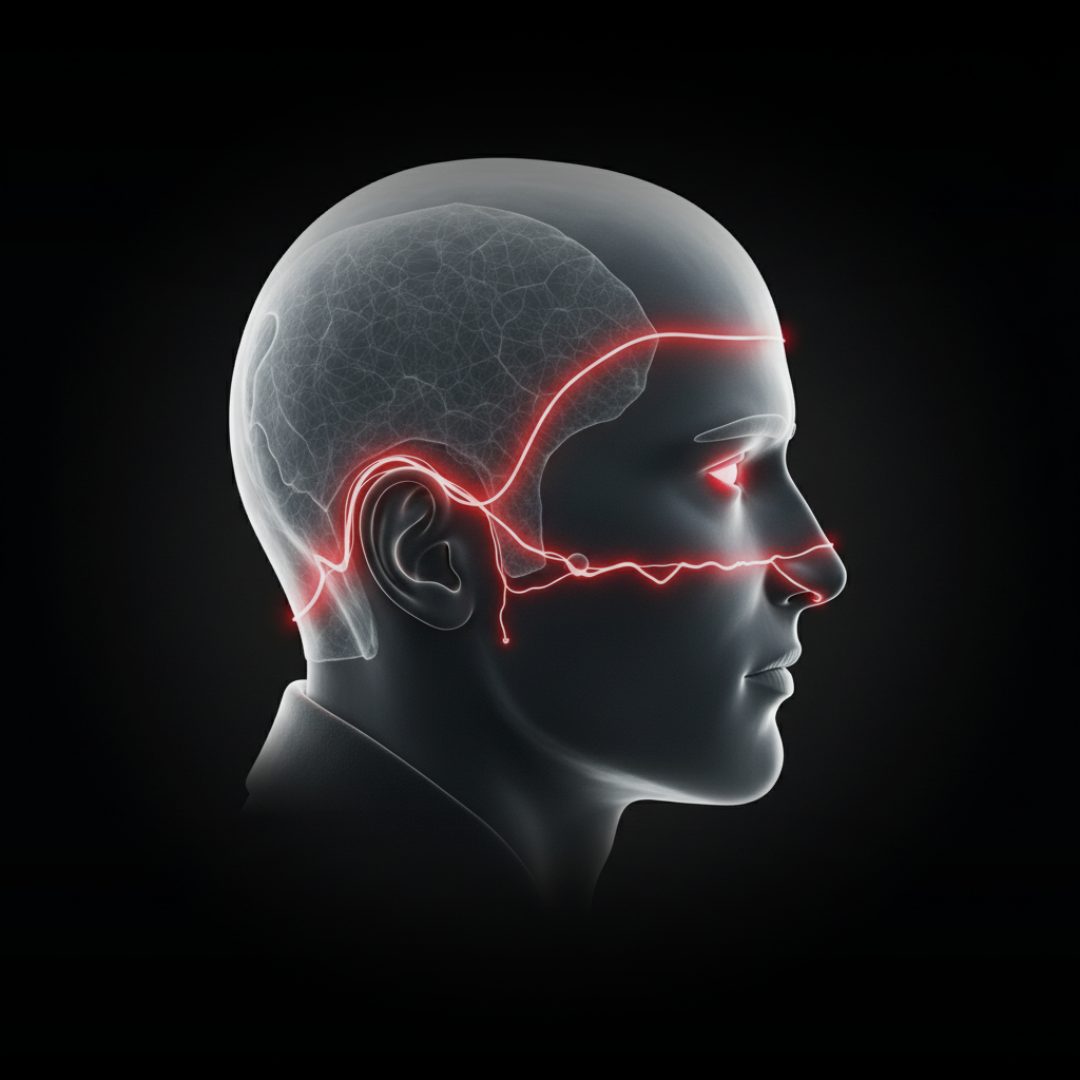
In conclusion, taking care of your brainstem is crucial for maintaining vital functions and overall well-being. By focusing on healthy lifestyle choices—like regular exercise, eating a nutrient-rich diet, and managing stress—you can support your brainstem and overall nervous system.
The brainstem controls so many essential processes, from movement to life-sustaining functions. Prioritize your brainstem health to improve both daily vitality and long-term well-being. Stay conscious of this powerful part of your nervous system—your body will thank you.
UP NEXT: Mental Health Days: When to Take One & Why It Matters