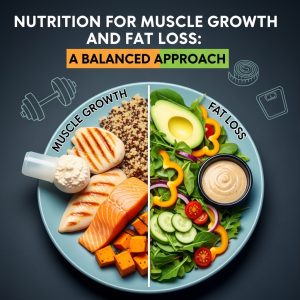


When facing health challenges, it's common to wonder about the role of artificial hydration and nutrition. These practices, often used in medical settings, can provide crucial support, especially when patients are unable to eat or drink on their own. But what does this really mean for your body and well-being? Let's take a closer look at artificial hydration and nutrition. We will explain how they work, their benefits, and the potential risks they carry.
Understanding Artificial Hydration and Nutrition
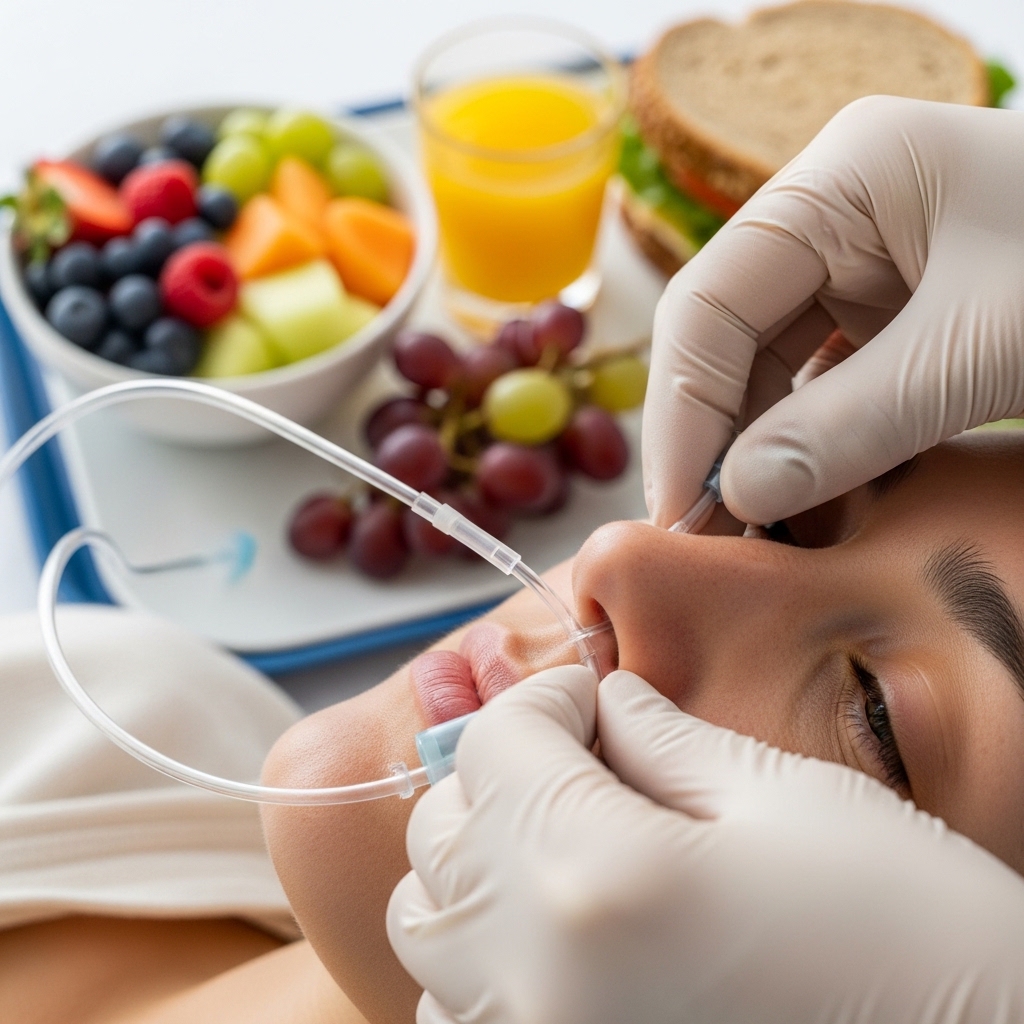
Before we dive deeper, it's important to define artificial hydration and nutrition. These methods provide fluids and nutrients through medical intervention, often using feeding tubes or intravenous (IV) fluids when a person cannot get nutrition or hydration naturally. Artificial hydration can involve IV fluids or nasogastric tubes. In contrast, artificial nutrition uses feeding tubes to deliver food directly to the stomach or intestines. These techniques are commonly used in serious illness or medical conditions. They are also used when the body cannot function normally, such as after surgery, trauma, or with certain cancers.
The Role of Feeding Tubes in Artificial Hydration

The Benefits of Artificial Hydration and Nutrition

When used appropriately, artificial hydration and nutrition offer a range of benefits. They can prolong life, improve the quality of life, and help patients recover from illness or injury. For patients unable to meet their hydration and nutrition needs through food and drink, these methods provide a critical backup system, ensuring they receive the fluids and nutrients their bodies need to function.
For example, for someone undergoing cancer treatment, artificial nutrition may be necessary to support the body’s energy levels while fighting the disease. Artificial hydration can also keep the skin hydrated and help with the breathing and circulatory systems, especially for patients with severe illness or hospitalized for an extended period.
Medical Complications and Risks

While artificial hydration and nutrition offer benefits, it’s important to acknowledge the risks. In some cases, feeding tubes can cause discomfort or complications, including infection at the insertion site or in the gastrointestinal tract. Patients may also experience diarrhea, pain, or difficulty swallowing. Long-term use of feeding tubes can cause issues with nutrition absorption or increase the risk of aspiration. Aspiration is when food or liquids enter the lungs.
The decision to provide artificial hydration and nutrition can be controversial, especially when the prognosis is poor and quality of life may not improve. This is why advance care planning is important—ensuring all healthcare professionals and family members understand the patient’s wishes and make informed decisions together.
READ ALSO: Cheap Eating: How to Be Grateful for Affordable Nutrition
Artificial Hydration and Nutrition in End-of-Life Care

When dealing with end-of-life care, the conversation around artificial hydration and nutrition becomes more delicate. While it’s possible for these methods to prolong life, they don’t necessarily improve quality or provide comfort for the patient. In some instances, artificial nutrition and hydration may not offer significant benefits and could, in fact, create significant burdens for both the patient and their family.
Consulting Healthcare Professionals for Guidance

Deciding whether to use artificial nutrition and hydration is not a decision to be made alone. Healthcare professionals are crucial in evaluating the patient's condition and determining the most appropriate treatment plan. For some patients, medical intervention may involve feeding tubes or IV hydration to sustain their health. For others, particularly those with serious illness or in the final stages of life, these methods may not be the best option.
That’s why open, honest conversations with doctors and family members are so vital. Together, they can evaluate the patient's needs, their wishes, and the potential risks or benefits of artificial hydration and nutrition. The goal is to support the patient's overall well-being and ensure that their journey is as comfortable and dignified as possible.
Embracing a Balanced Approach to Hydration and Nutrition

If you or a loved one is facing a situation where artificial hydration and nutrition might be necessary, remember that you're not alone. With the right support, guidance, and care, it’s possible to navigate these decisions in a way that aligns with your values and priorities.
READ ALSO: Weight Loss Nutrition Diet That Respects Your Rhythm
The Impact of Artificial Hydration on Your Body

When you consider artificial hydration, it’s important to understand how it directly impacts your body. Hydration isn’t just about quenching thirst; it’s about keeping every system in your body functioning properly. From your skin to your muscles, hydration helps maintain the delicate balance of fluids in your body. However, when artificial hydration is introduced—whether through IV fluids or nasogastric tubes—it bypasses the body's natural thirst cues. This can sometimes result in fluid overload. As a result, it might lead to medical complications like swelling or even strain on the heart and kidneys. That's why it's so crucial for healthcare professionals to monitor hydration levels and adjust accordingly.
Understanding the Emotional and Psychological Effects of Artificial Nutrition and Hydration

Takeaway: A Journey Towards Whole Living

The truth about artificial hydration and nutrition is that they are tools that can support life and well-being. But they should always be considered thoughtfully, with the input of healthcare professionals and loved ones. As you move through life, embrace balance and make intentional decisions that nourish both your body and soul. Your well-being is a precious gift, and you deserve to live a life filled with health, comfort, and peace.