


When it comes to personal safety, one of the most significant forms of protection is body armor. This essential piece of gear shields the wearer from threats like handgun rounds, rifle threats, and ballistic projectiles. Whether you’re a military personnel, a law enforcement officer, or a civilian seeking security, body armor comes in various forms and protection levels tailored to different needs. But just as important as knowing how to wear armor is understanding when it's time to release the layers we've built around ourselves—mentally, emotionally, and physically.
Understanding the Basics of Body Armor
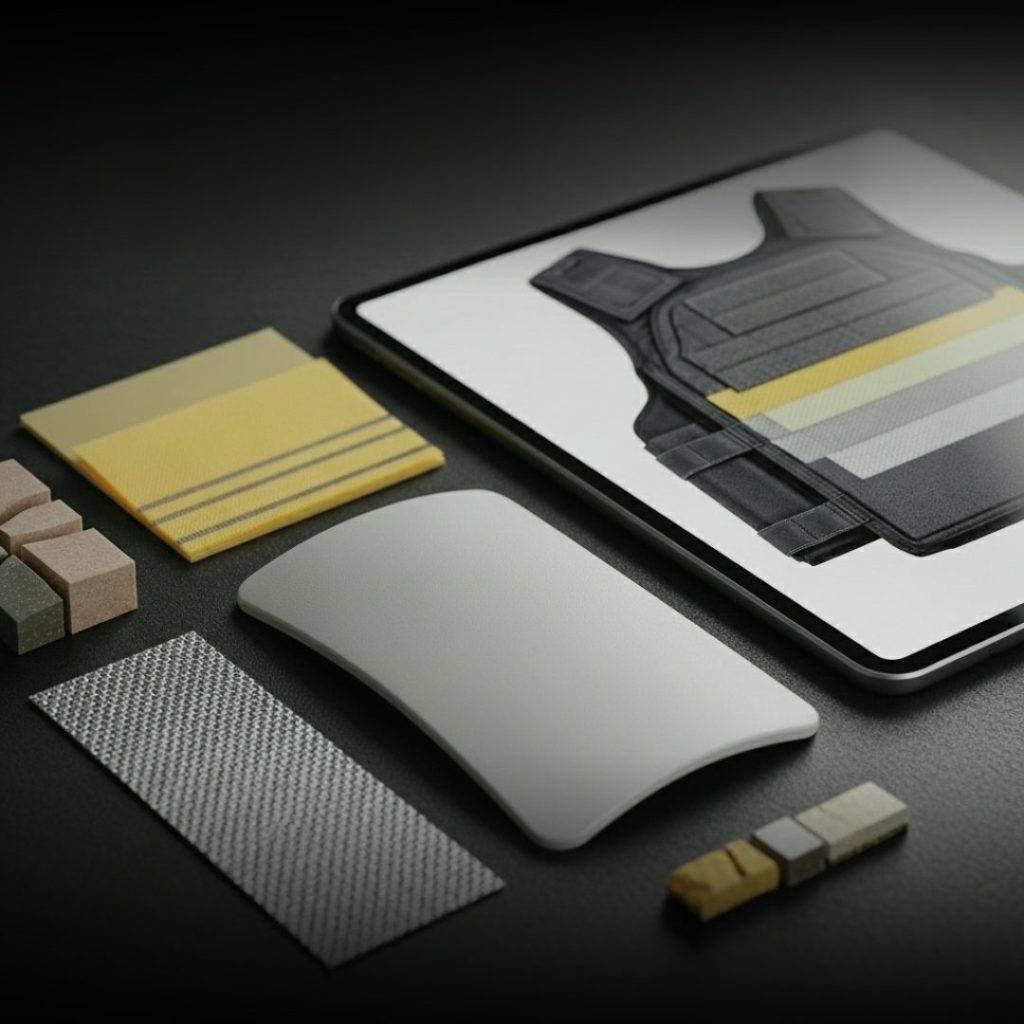
Body armor has evolved over time to offer higher levels of protection. Armor plates were once thick and heavy, designed to stop specific threats. Today, materials like Kevlar and Ceramic make armor lighter and more effective. Ballistic panels, used alongside ballistic protection, allow for better mobility while ensuring protection from high-speed projectiles.
The most common types of body armor are soft body armor and hard armor. Soft body armor, typically made from Kevlar, absorbs handgun rounds and some rifle rounds. Hard armor consists of armor plates that stop high-velocity rifle threats. These plates fit into a carrier to provide enhanced protection, especially in high-risk situations like combat or law enforcement.
Soft Armor: The First Layer of Protection
Soft armor is ideal for normal duties where the risk of handgun rounds or lower-level threats is higher. It is comfortable and flexible, making it suitable for long hours of wear. Most soft body armor vests are easily concealable, allowing the wearer to move freely.
However, soft body armor has limitations. It can't stop rifle rounds or high-velocity projectiles. This is where hard armor becomes necessary. Soft armor is a lightweight, effective solution for everyday protection, keeping you secure while going about your day.
Check out this Tactical safety undershirt vest here.
Hard Armor: Maximum Protection

For maximum protection, hard armor is the gold standard. Made from materials like Ceramic or steel, hard armor protects against rifle rounds and other high-velocity projectiles. Many armor plates are rated to stop rifle rounds up to Level III or Level IV, offering the highest level of defense.
Level IV armor can stop armor-piercing rounds, offering the highest defense in extreme combat or military situations. These plates are heavier than soft armor but essential when the threat level increases. Ballistic testing ensures that these plates meet strict standards, making them reliable for high-risk environments.
The Different Levels of Armor Protection
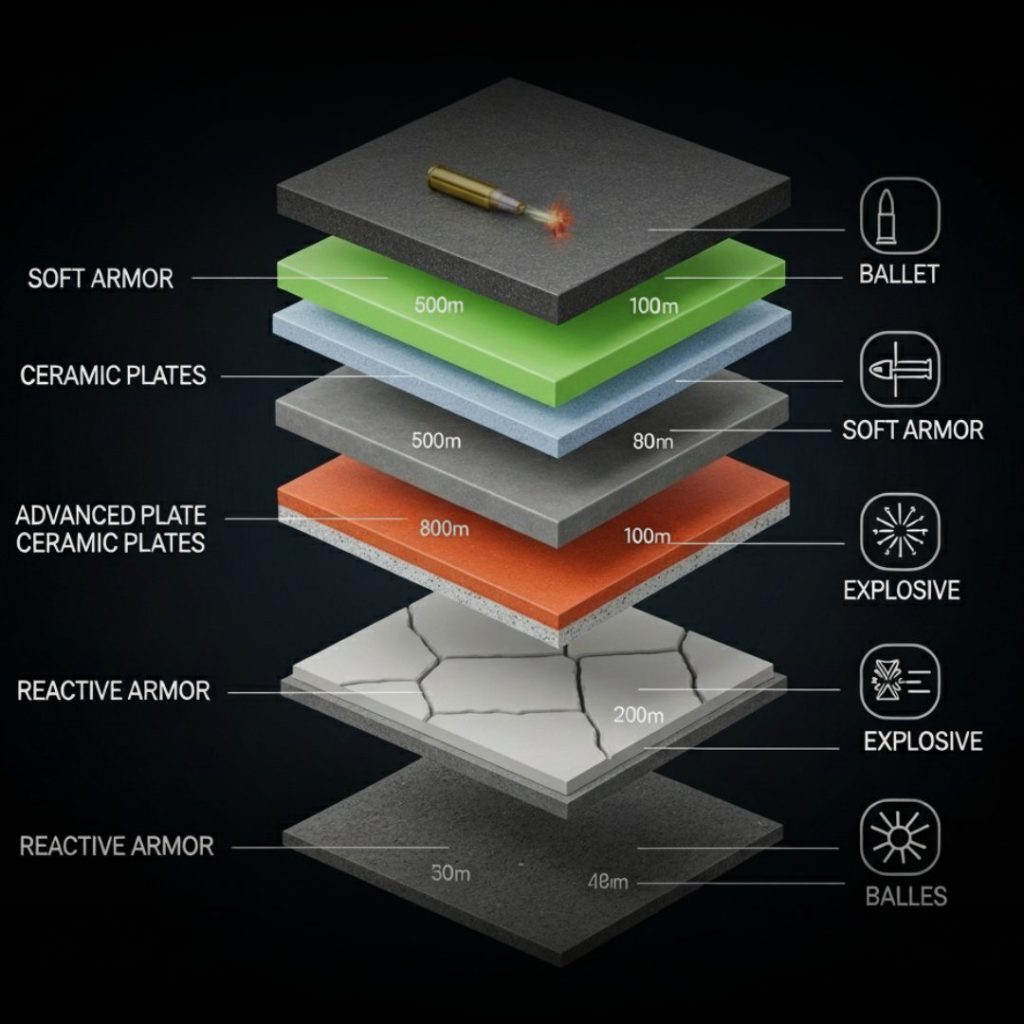
Understanding armor levels is crucial when choosing the right protection. The National Institute of Justice (NIJ) sets the standards for body armor based on its ability to protect against specific ballistic threats. These standards range from Level II (for handgun rounds) to Level IV (for armor-piercing rounds).
Level III armor offers protection against rifle rounds, while Level II and Level IIIA stop handgun rounds and low-velocity projectiles. When selecting body armor, consider the specific threats you face. Armor plates can be customized for maximum protection, ensuring you stay safe in any environment.
READ ALSO: Boxing Gym Workouts That Build More Than Muscle
Ballistic Protection: How It Works
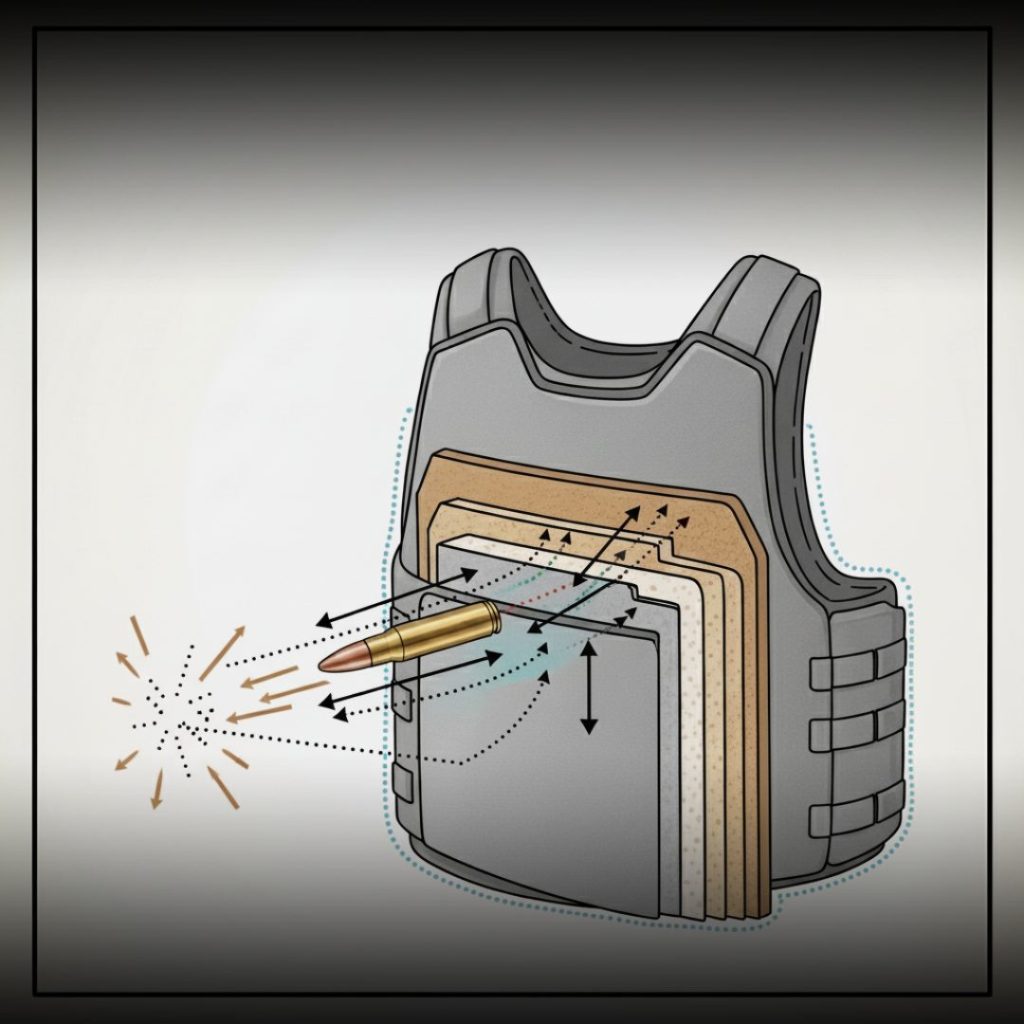
The purpose of ballistic protection is to stop incoming projectiles from reaching the body. This is achieved by using armor plates and ballistic panels designed to absorb and dissipate the energy from bullets and other projectiles. The materials used in ballistic protection are strong enough to withstand impacts while maintaining comfort and mobility.
Ballistic testing measures the effectiveness of armor by shooting it with various types of rounds to see how well it stops them. Armor plates are rated for their ability to stop certain types of rounds, ensuring the best protection for the wearer.
The Importance of Fit and Comfort

A well-fitting vest ensures maximum protection from body armor. If the armor is too loose or too tight, it can affect your range of motion and reduce its effectiveness. Body armor plates must fit properly within the carrier, ensuring they’re in the correct position to absorb ballistic impacts.
Comfort plays a vital role in ensuring that you can wear body armor for long periods without discomfort. Lightweight soft armor is comfortable for daily wear, while hard armor plates may be heavier but offer superior protection against more dangerous threats.
The Evolving Future of Body Armor

Body armor technology is continually evolving to provide better protection without sacrificing comfort or mobility. Researchers are developing new materials and designs to improve ballistic performance and reduce armor weight. One focus is making ballistic protection lighter and more easily concealable while maintaining high levels of protection.
Advancements in armor materials, such as lighter ballistic panels and more durable armor plates, are pushing the boundaries of body armor. Military personnel and law enforcement officers benefit from these developments, with newer armor that provides greater protection and comfort during extended shifts or missions.
READ ALSO: Mixed Martial Arts Gym for Strength and Stillness
When to Release the Layers of Protection
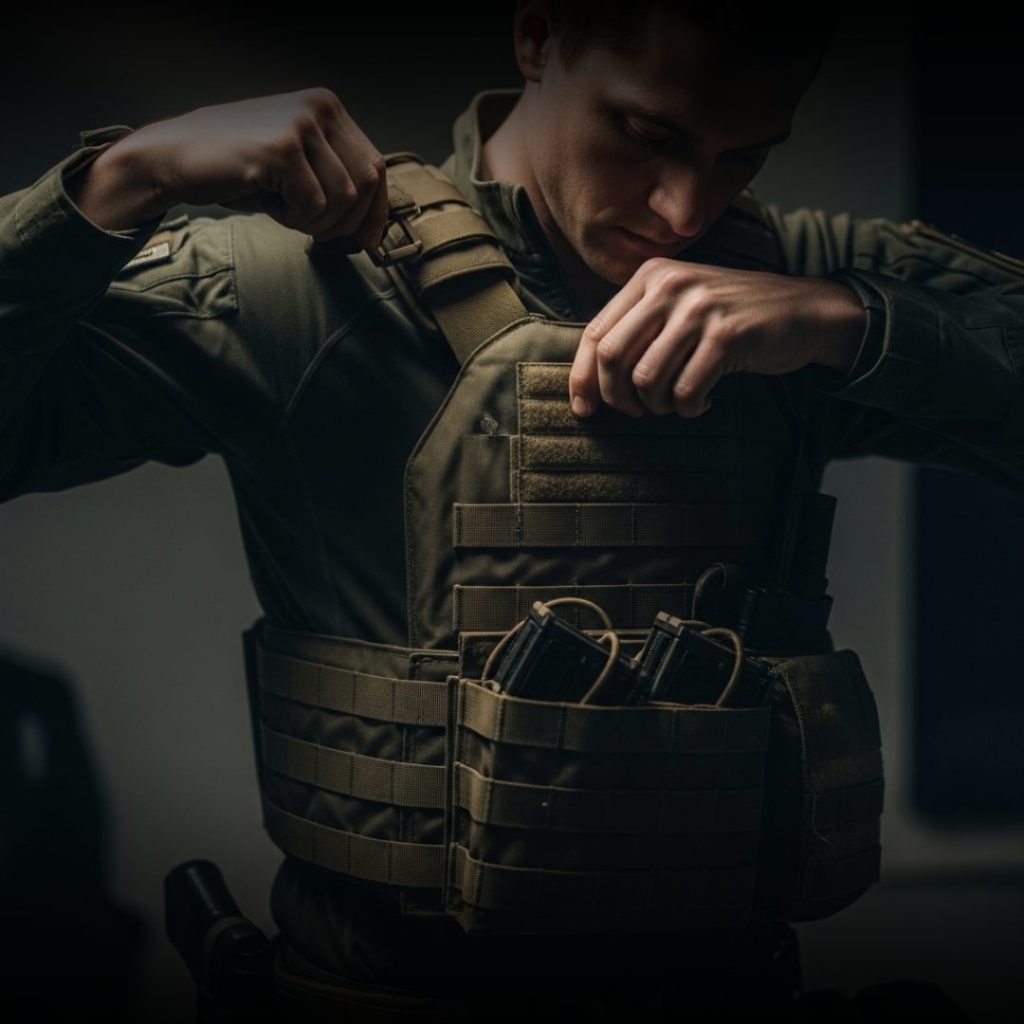
Just as body armor protects us from external threats, we also build emotional and mental layers to shield ourselves from life’s challenges. Over time, you may find yourself wearing emotional armor to guard against hurt, disappointment, or vulnerability. However, it’s important to recognize when these layers no longer serve you and when it’s time to release them.
Releasing your armor doesn’t mean abandoning your protection. It means embracing balance and living with an open heart. Body armor protects you physically, but emotional protection comes from inner strength and peace. Trust yourself to know when it’s time to lower your guard, just as you trust your armor to keep you safe in high-risk situations.
READ ALSO: Gym Apparel for Men That’s Built to Breathe
Choosing the Right Armor for Your Needs
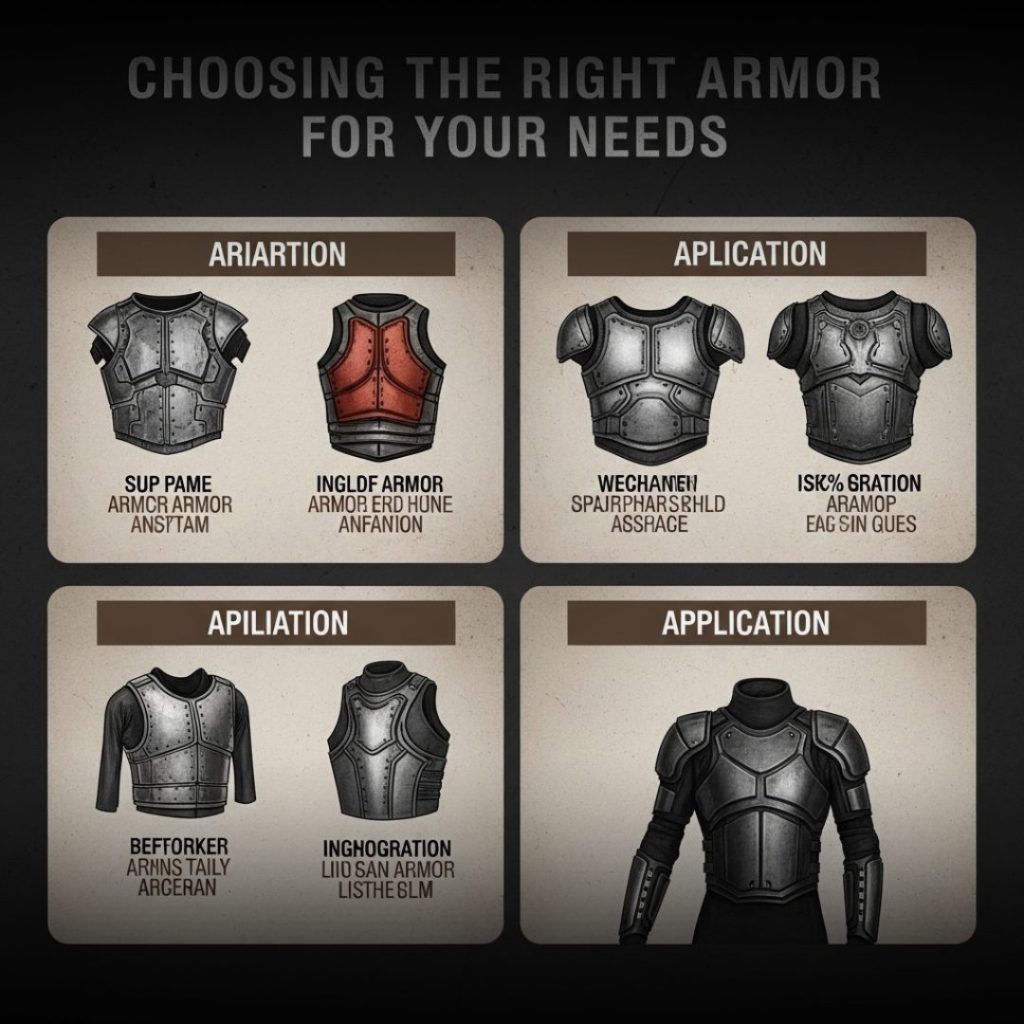
Choosing the right body armor depends on your specific environment, risks, and comfort level. Armor plates come in various levels, each designed to protect against different threats.
The key to choosing the right armor lies in understanding your needs. For military personnel and law enforcement officers, high-level ballistic protection may be necessary. For civilians or security personnel in less hazardous situations, lighter soft armor may suffice. It’s essential to consider comfort, mobility, and weight. Armor that doesn’t fit well or is too heavy can limit movement and its effectiveness.
Final Thoughts: The Balance of Protection

Body armor is a vital tool for safety in high-risk environments. Whether it's soft body armor, armor plates, or hard armor, the protection you choose should match the threat you face. But don’t forget that emotional and mental armor is just as important. Knowing when to release these layers can help you lead a balanced, fulfilling life.
As you navigate life's complexities, remember that the armor you build should support your journey, not hinder it. When you know how and when to release these layers, you can approach the world with confidence, strength, and clarity. Embrace balance and trust that you are protected and capable of handling life’s challenges with grace.