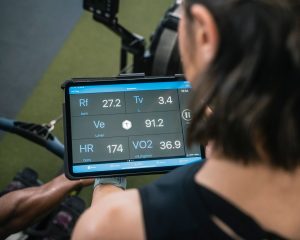
For executives operating under sustained cognitive and physiological load, cardiovascular reserve is not a lifestyle metric — it is a performance ceiling. VO2 max decline accelerates measurably after 40, and without structured high-intensity intervention, the average professional loses roughly one percent of aerobic capacity per year. Boxing-based training protocols address this deficit with a precision that conventional gym programming rarely achieves, simultaneously driving cardiovascular adaptation, improving heart rate variability, and reducing cortisol load through controlled anaerobic stress exposure. For professionals serious about extending both healthspan and executive performance capacity, the evidence warrants a closer look.
The Metabolic Architecture of Boxing Training

Boxing gym environments differ from conventional fitness settings in one critical way: training demands are non-linear. Unlike steady-state exercise, boxing protocols require repeated shifts between maximal anaerobic output and active recovery. As a result, each session taxes the phosphocreatine system, glycolytic pathways, and oxidative metabolism together. That combined demand produces adaptations that linear training rarely matches at the same rate or depth.
The American College of Sports Medicine has consistently shown that interval-based training drives superior cardiovascular and metabolic adaptation compared to steady-state protocols — especially in adults over 35. The core mechanism is well-established. High-intensity intervals create greater post-exercise oxygen use, increase mitochondrial density in skeletal muscle, and produce stronger insulin sensitivity signals than continuous moderate effort of equal duration. In short, the body adapts more fully when pushed in intervals.
For professionals managing a sedentary, desk-heavy schedule with high cognitive demand, this distinction matters directly. A boxing gym session lasting 45 to 60 minutes can match the metabolic output of a much longer conventional workout. Because of this, it represents a high-return use of limited training time — a variable that consistently ranks among the primary barriers to exercise adherence in executive populations.
Cardiovascular Adaptation and the VO2 Max Ceiling
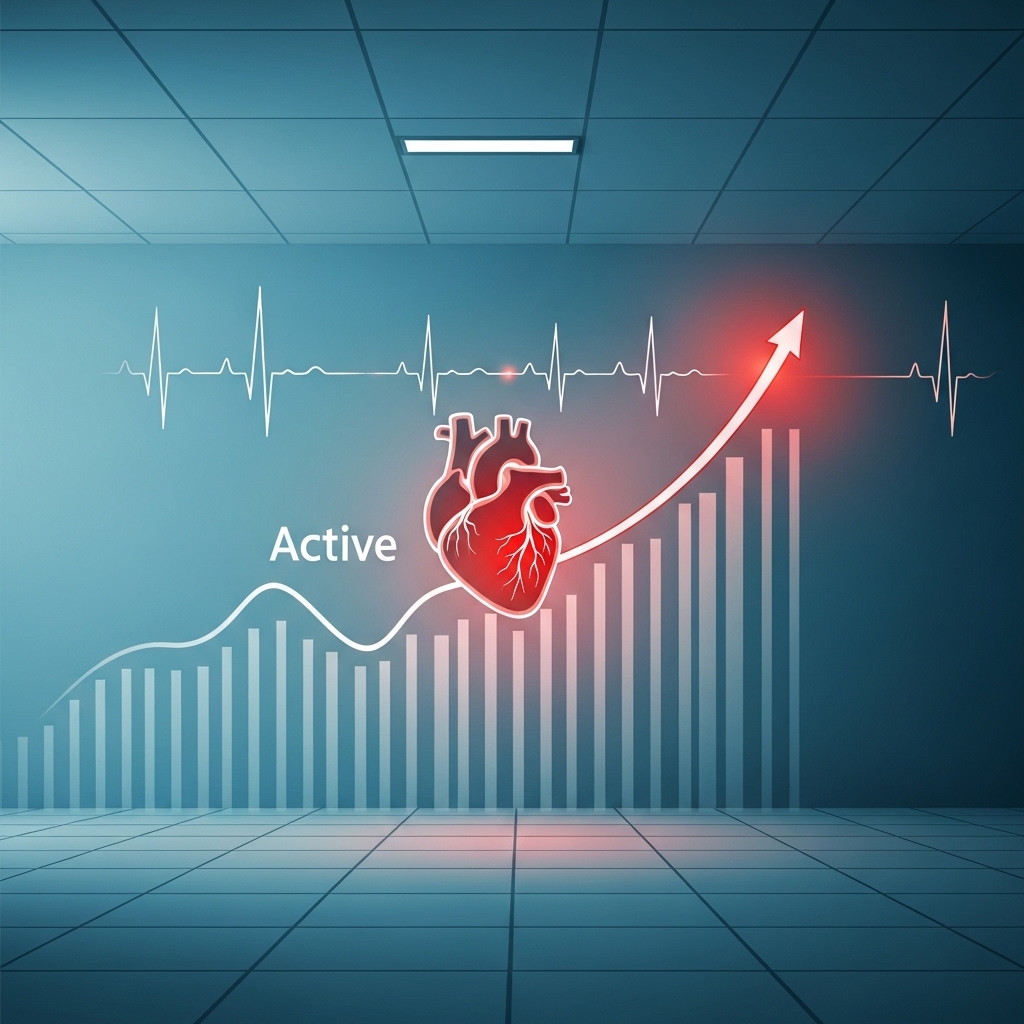
VO2 max measures the maximum volume of oxygen the body can use during intense exercise. It is one of the strongest independent predictors of all-cause mortality in the research literature. Data from the Cleveland Clinic and analyses published in JAMA Network Open show that low cardiorespiratory fitness carries a mortality risk comparable to hypertension and type 2 diabetes. In some analyses, it exceeds them.
When programmed with appropriate intensity, boxing training functions as a direct VO2 max intervention. Pad work, heavy bag rounds, footwork drills, and shadow boxing all create repeated surges into near-maximal heart rate zones. That is precisely the stimulus needed to raise the aerobic ceiling. Furthermore, unlike cycling or running, boxing recruits the upper body, core, and lower body together — producing a higher total cardiac demand per unit of time.
For professionals between 40 and 55, even modest VO2 max gains carry significant clinical weight. Research published in the European Heart Journal shows that a one-unit increase in METs — a measure closely tied to VO2 max — corresponds to a meaningful reduction in cardiovascular event risk. Consequently, a structured boxing gym program sustained over 12 to 16 weeks is a credible path toward that threshold.
READ ALSO: Boost Your Well-being: How to Improve Cardiovascular Health
Heart Rate Variability as a Performance and Recovery Signal
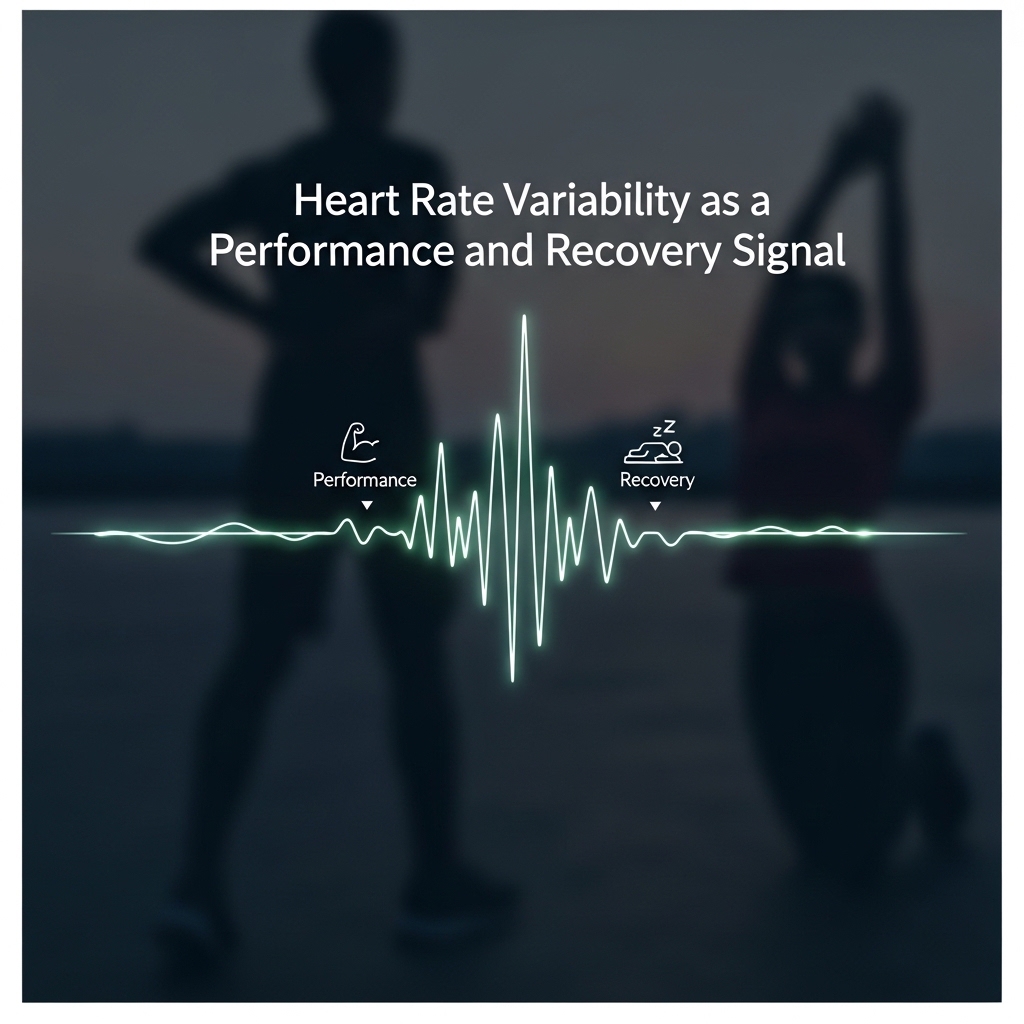
Heart rate variability, or HRV, measures beat-to-beat variation in cardiac rhythm. It is one of the most useful markers of autonomic nervous system function, recovery status, and long-term cardiovascular health. Lower HRV signals elevated sympathetic nervous system activity, chronic stress load, and increased cardiac risk. For executives under sustained pressure, HRV often reflects physiological stress in real time.
Boxing training improves HRV through a stress-adaptation mechanism. The controlled anaerobic stress of a boxing gym session — followed by structured recovery — trains the nervous system to shift more rapidly between high activation and full recovery. Over time, this pattern produces clear improvements in resting HRV. As a result, recovery between sessions becomes faster, and physiological resilience under occupational stress increases.
Longitudinal data from the Framingham Heart Study on autonomic function reinforces this link. Sustained improvements in parasympathetic tone, reflected in rising HRV, associate with reduced rates of cardiac arrhythmia, lower inflammatory burden, and better long-term cardiovascular outcomes. Therefore, for professionals tracking biometric data through wearables, HRV response across a boxing training block provides a concrete, objective indicator of whether the training is working as intended.
Cortisol Physiology and the Stress Load Equation

Chronic cortisol elevation is one of the most underappreciated drivers of biological age acceleration in high-performing professionals. Sustained high-pressure schedules, demanding decisions, and insufficient recovery keep cortisol persistently elevated. Over time, this speeds up telomere shortening, promotes belly fat accumulation, suppresses immune function, and degrades sleep quality. The cumulative biological cost is both significant and measurable.
Boxing training interacts with cortisol in a counterintuitive but well-documented way. Acute, intense exercise temporarily raises cortisol — a normal and adaptive response. However, the recovery phase that follows produces a strong parasympathetic rebound. Over time, this recalibrates the body's stress hormone axis toward lower baseline cortisol output. This outcome is physiologically distinct from cortisol elevation driven by chronic stress without recovery.
Research from the National Institutes of Health identifies regular high-intensity exercise as one of the most effective behavioral tools for normalizing dysregulated cortisol patterns. For professionals whose occupational stress load is difficult to reduce structurally, a boxing gym practice offers a grounded physiological mechanism to counter the hormonal consequences. It does not eliminate the stressor — instead, it improves the body's capacity to regulate its own response to it.
READ ALSO: Home Gym Exercise Equipment That Fits Your Flow
Cognitive Performance and the Neurological Case for Boxing

The link between cardiovascular exercise and cognitive performance is now well-established in neuroscience research. Aerobic exercise drives upregulation of brain-derived neurotrophic factor, or BDNF — a protein that supports neuron survival, synaptic plasticity, and hippocampal volume. The hippocampus plays a central role in memory and executive function. Protecting its integrity is, therefore, a direct concern for professionals whose primary asset is cognitive output.
Boxing training adds a layer of neurological demand that standard cardiovascular exercise does not provide. It requires processing spatial information, reading movement patterns, coordinating complex motor sequences, and sustaining attention under physical fatigue. This dual demand — cognitive and physical at the same time — is neurologically distinct from cycling or running, where the motor pattern is repetitive and needs minimal attention.
Research from Harvard Medical School on exercise and brain health supports the view that physically and cognitively complex activities produce stronger neuroprotective effects than simpler ones. For this reason, professionals whose work depends on strategic thinking, complex decisions, and sustained focus stand to gain a distinct neurological advantage from boxing gym training — one that less cognitively demanding exercise formats are unlikely to replicate.
Muscle Mass Preservation and the Sarcopenia Timeline
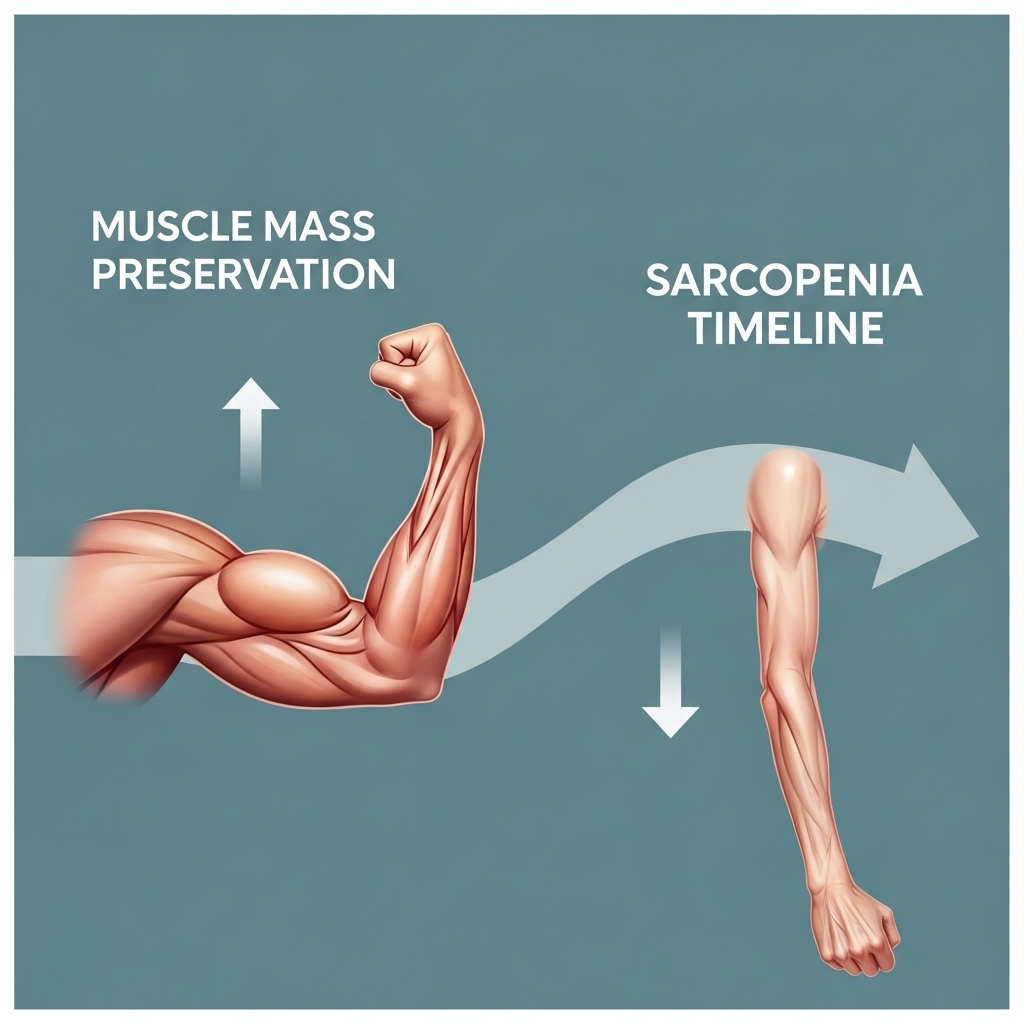
Sarcopenia — the gradual loss of skeletal muscle mass and function with age — begins earlier than most professionals expect. Measurable muscle decline typically starts in the mid-30s. Without deliberate resistance-based intervention, it accelerates significantly after 50. Beyond appearance, sarcopenia independently links to metabolic dysfunction, insulin resistance, increased fracture risk, and reduced physical reserve during acute illness.
Boxing training is often categorized as purely cardiovascular. In practice, however, a well-structured boxing gym protocol carries substantial resistance demand. Heavy bag work requires sustained muscular force output. Bodyweight conditioning elements — push-ups, core stabilization drills, and explosive jumps — also impose meaningful strength and neuromuscular stimuli. While boxing alone is unlikely to replace dedicated resistance training for maximum muscle growth, it contributes meaningfully to lean mass maintenance when combined with adequate protein intake.
The American Heart Association supports combining aerobic and resistance training for adults over 40 to address both cardiovascular and musculoskeletal health together. For professionals managing tight schedules, the dual-adaptation profile of boxing gym training — cardiovascular conditioning alongside functional strength and power development — therefore represents an efficient use of limited training hours.
Inflammatory Markers and Systemic Aging

Chronic low-grade inflammation — referred to in aging research as inflammaging — is a primary driver of biological age acceleration. Elevated levels of C-reactive protein, or CRP, interleukin-6, and tumor necrosis factor-alpha all link lifestyle factors to age-related disease. These markers associate with faster cardiovascular decline, cognitive deterioration, metabolic dysfunction, and all-cause mortality — independent of traditional risk factors.
Regular vigorous exercise is one of the most well-documented behavioral tools for reducing systemic inflammatory burden. Specifically, exercise reduces visceral fat — a primary source of pro-inflammatory signaling molecules. It also improves insulin sensitivity, modulates immune cell activity, and generates myokines — muscle-derived molecules with direct anti-inflammatory properties. Because boxing training combines high metabolic demand with full-body muscular recruitment, it activates these mechanisms broadly.
Longitudinal data from the Cooper Institute's large-scale fitness and mortality studies show that cardiorespiratory fitness inversely correlates with inflammatory marker levels across age groups. For professionals who track CRP or interleukin-6 through periodic lab work, a sustained boxing gym practice provides a clear behavioral lever. With consistent training, measurable improvements in inflammatory status should emerge within three to six months.
READ ALSO: Body Armor: The Layers We Build and When to Release Them
Injury Risk Management in the Executive Training Context
The clinical case for boxing training is strong, but the risk profile warrants honest assessment. For professionals over 40 — particularly those with prior orthopedic injury, neck concerns, or elevated cardiovascular risk — training format matters clinically. Full-contact sparring carries a materially different injury and neurological risk profile than non-contact boxing fitness work. These are not the same activity.
Non-contact boxing gym formats — pad work, heavy bag training, shadow boxing, and conditioning circuits — retain the full metabolic and neurological benefit of boxing-derived training. At the same time, they eliminate the primary injury risks tied to competitive combat sports. The distinction between boxing fitness training and boxing combat preparation is significant and frequently overlooked. The former is a high-value longevity tool. The latter involves risk-benefit trade-offs that require individual clinical assessment.
Wrist, shoulder, and hand integrity are the main musculoskeletal concerns in boxing fitness training. Fortunately, proper wrapping technique, appropriate glove selection, and gradual load introduction over the first six to eight weeks substantially reduce these risks. For professionals entering a boxing gym program after a period of reduced activity, supervised technique instruction during the initial training block is a sound and practical risk-reduction step.
Programming Structure for the Time-Constrained Professional

Effective boxing gym programming does not require daily training or high athletic volume. Evidence reviewed in the British Journal of Sports Medicine indicates that two to three high-intensity sessions per week — sustained consistently — produce the majority of cardiovascular, metabolic, and neurological adaptations discussed in this article. As a result, frequency matters less than consistency over time.
A practical weekly framework for the time-constrained professional includes three distinct session types. First, one technically focused session emphasizing skill development and moderate cardiovascular load. Second, one high-intensity round-based session targeting VO2 max and anaerobic capacity. Third, one mixed session combining conditioning work with functional strength elements. Together, this structure allows adequate recovery while generating enough training stimulus to drive meaningful adaptation.
The critical variable is not session count — it is sustained consistency over weeks and months. Physiological adaptations to cardiovascular and metabolic training reverse within two to three weeks of stopping. Because of this, interruption management — maintaining at least minimal training contact during high-demand professional periods — is as strategically important as the programming structure itself during normal operational periods.
Sleep Architecture and the Recovery Dimension
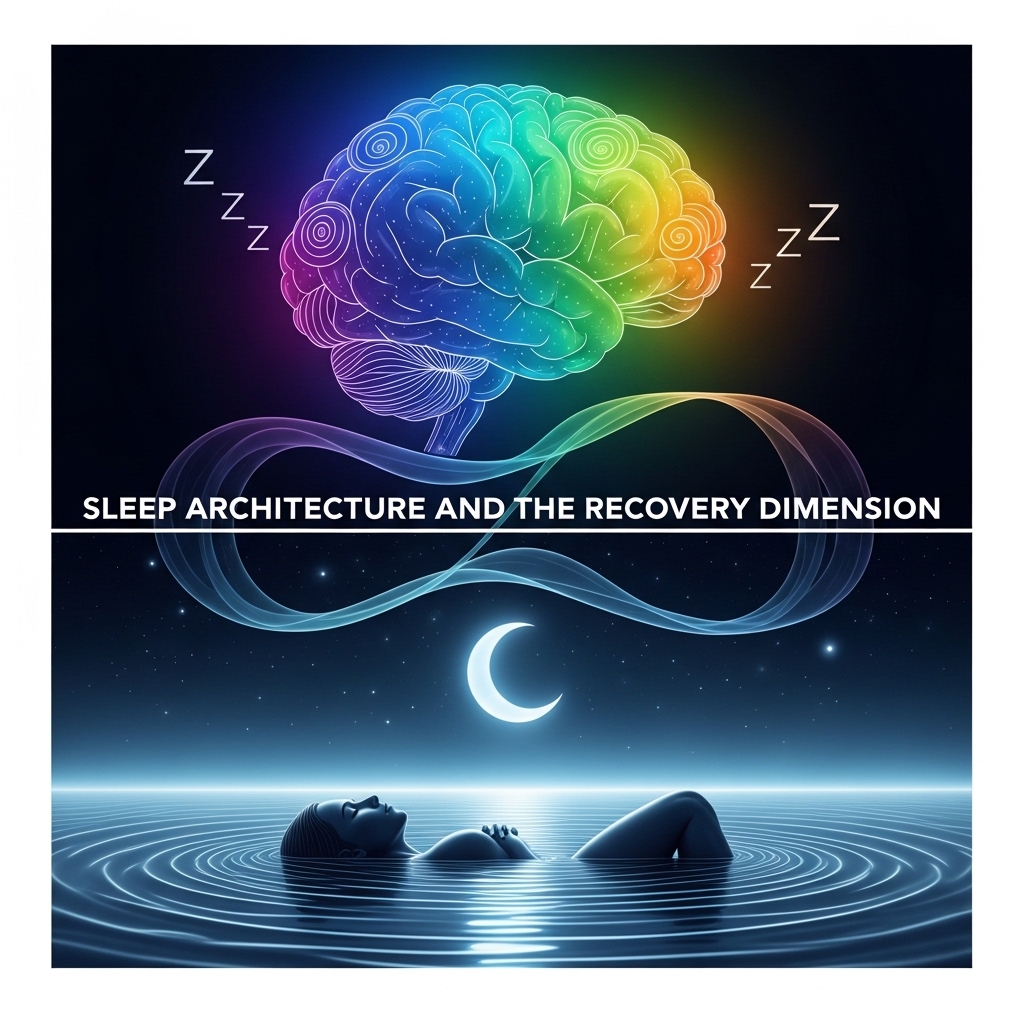
Sleep quality is among the most consequential and most frequently compromised performance variables in the executive demographic. Research published in Nature and Science has established that inadequate sleep — in both duration and depth — speeds up biological aging, impairs cognitive function, disrupts appetite hormones, elevates cortisol, and increases cardiovascular risk. It ranks among the highest-leverage longevity variables available to a professional.
Regular vigorous exercise, including boxing gym training, is one of the most evidence-supported tools for improving sleep quality. Specifically, exercise increases slow-wave sleep — the deepest and most restorative sleep stage. It also improves sleep continuity by reducing nighttime arousals. The underlying mechanisms include exercise-driven drops in core body temperature at sleep onset, increased adenosine buildup, and HRV improvements that support deeper recovery during sleep.
Training timing relative to sleep onset is a relevant practical variable. High-intensity evening exercise within two hours of intended sleep may delay sleep onset in individuals with heightened stress sensitivity. In contrast, morning or midday boxing gym sessions deliver the full sleep benefit without that potential interference. Professionals tracking sleep through wearables can compare sleep metrics across different training time windows to build a personalized, evidence-based scheduling approach.
READ ALSO: Flow To Sleep Exercises – Whole Living Wellness
Translating the Evidence Into Practice

The evidence reviewed here positions boxing gym training as a sound, high-return intervention for professionals targeting multiple performance and longevity variables at once. Non-contact formats under qualified instruction are the appropriate starting point. Two to three sessions per week consistently outperform higher-frequency but unsustained efforts. In addition, tracking key markers — VO2 max estimate, resting HRV, and where accessible, inflammatory markers — at baseline and after a 12-week training block generates objective outcome data. Professionals with existing cardiovascular diagnoses, orthopedic limitations, or significant deconditioning should seek clinical clearance before beginning high-intensity protocols. For those without contraindications, the convergence of cardiovascular, metabolic, neurological, and hormonal evidence places structured boxing training among the most comprehensively validated exercise tools within the executive performance longevity toolkit.
UP NEXT: Tricep Muscle Training to Boost Your Gratitude for Health
Sustained boxing gym training — through its combined effects on VO2 max, resting heart rate variability, inflammatory markers, and cortisol regulation — is one of the most comprehensively validated exercise interventions for reducing biological age, with research indicating that high cardiorespiratory fitness levels correlate with a biological age four to eight years younger than chronological age in adults over 40. WholeLiving's Biological Age Estimation Model incorporates this factor directly — your assessment takes under five minutes.
Ready to understand how these factors are influencing your biological age right now? [Take the Biological Age Assessment →]