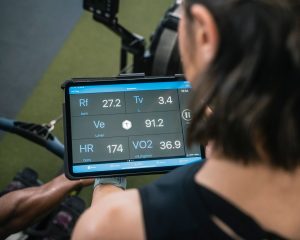
For executives operating under chronic cognitive and physiological load, the absence of structured high-intensity training accelerates measurable decline — specifically in VO2 max, neuromuscular coordination, and stress-response regulation. A mixed martial arts gym offers a clinically relevant training environment that simultaneously addresses cardiovascular conditioning, anaerobic threshold development, and parasympathetic recovery — variables directly linked to biological age trajectory. Unlike conventional fitness modalities, MMA-based training integrates grappling, striking, and breath-controlled recovery drills that challenge the autonomic nervous system in ways that translate directly to executive cognitive resilience and sustained high-output performance.
The Physiological Architecture of MMA Training
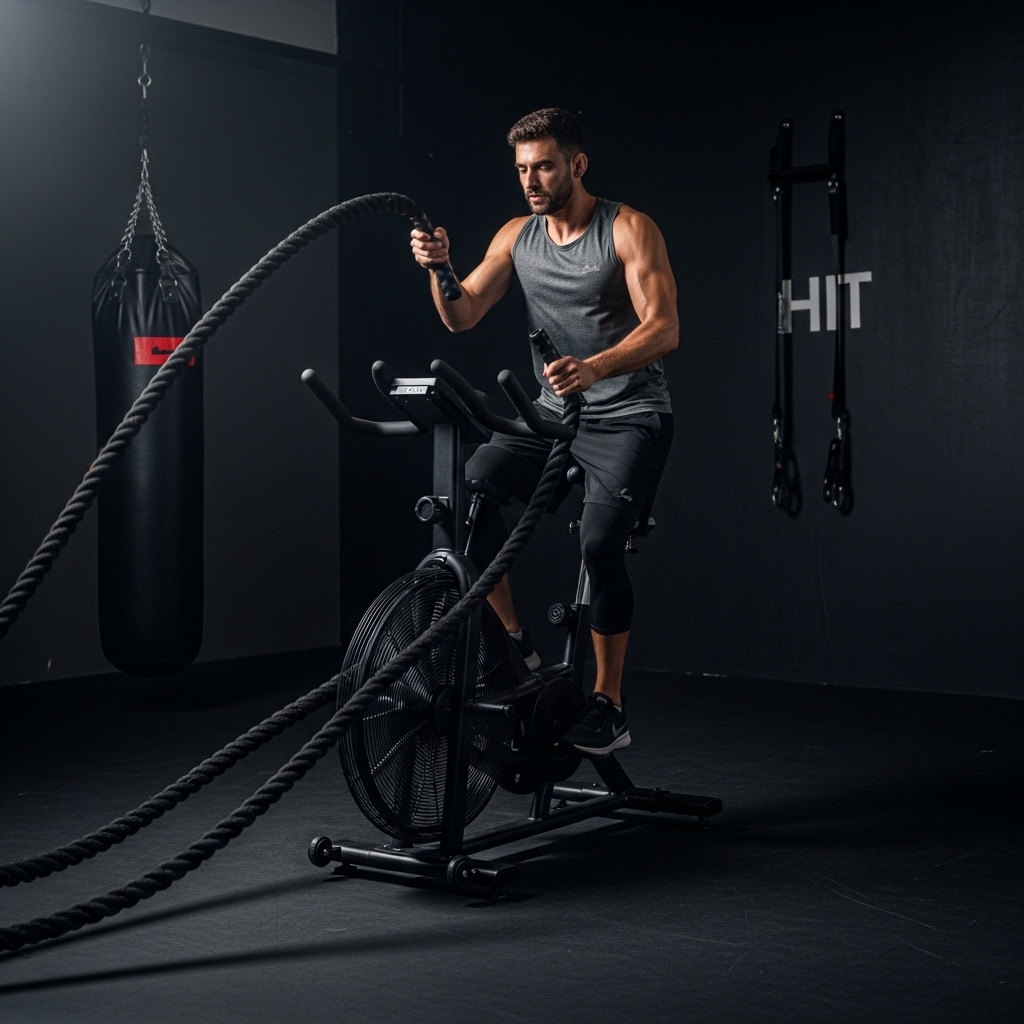
A mixed martial arts gym operates on a fundamentally different training model than conventional fitness environments. Standard resistance training or steady-state cardio targets isolated physiological systems. MMA training demands simultaneous activation of multiple energy pathways — phosphocreatine, glycolytic, and oxidative — within a single session. This multi-system demand creates an adaptive stress that is considerably more comprehensive than what most executives encounter in a standard gym.
A typical MMA session includes warm-up drilling, technical skill work, pad rounds, and live sparring or grappling. This structure mirrors the interval-based protocols that exercise physiologists associate with superior cardiovascular and metabolic adaptation. The work-to-rest ratios in pad work and sparring closely replicate HIIT parameters. The American College of Sports Medicine identifies HIIT as one of the most time-efficient methods for improving VO2 max and insulin sensitivity — a clinically meaningful advantage for professionals with compressed schedules.
What separates a mixed martial arts gym from other HIIT-adjacent modalities is the cognitive load embedded in every drill. Every exchange — whether striking, clinching, or grappling — requires real-time pattern recognition, tactical decision-making, and physical adjustment. This dual cognitive-physical demand is not incidental. It is a structural feature of the training environment that produces neurological benefits beyond what aerobic or resistance training alone can generate.
VO2 Max, Cardiovascular Adaptation, and Executive Longevity

VO2 max measures the maximum rate at which the body consumes oxygen during sustained exertion. It ranks among the strongest independent predictors of all-cause mortality in the clinical literature. Research published in JAMA Network Open shows that low cardiorespiratory fitness carries a mortality risk comparable to — or exceeding — that of smoking, hypertension, and type 2 diabetes. For executives in their 40s and 50s, VO2 max is not an athletic metric. It is a longevity variable with direct clinical significance.
MMA training drives VO2 max improvements through its interval structure and sustained cardiovascular demand. Grappling rounds sustain heart rate at 80 to 95 percent of maximum for extended periods while engaging large muscle groups across the entire body. This full-body, high-intensity demand produces central and peripheral adaptations — increased stroke volume, improved mitochondrial density, enhanced capillary perfusion — all associated with meaningful VO2 max gains.
The cardiovascular benefits of training at a mixed martial arts gym extend beyond aerobic capacity. Repeated bouts of high-intensity exertion followed by structured recovery improve heart rate variability (HRV) over time. HRV reflects autonomic nervous system health and parasympathetic tone. Executive health programs increasingly use it as a proxy for stress resilience and recovery capacity — making it a relevant tracking variable for high-output professionals.
Cortisol Dysregulation and the Stress Physiology of High-Output Professionals
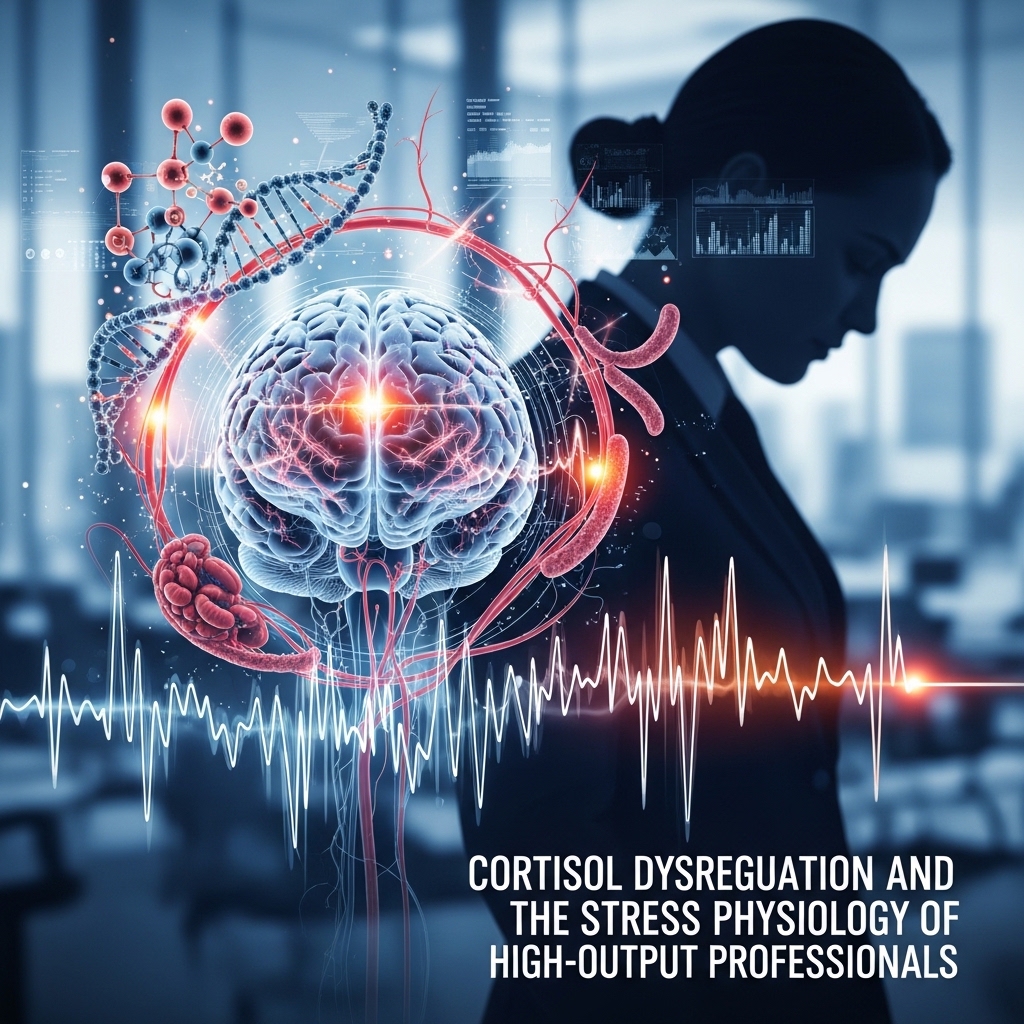
Chronic psychological stress is a near-universal feature of executive professional life. It produces sustained cortisol elevations that — over time — drive a range of adverse biological outcomes. These include hippocampal volume reduction, visceral fat accumulation, immune suppression, and accelerated telomere shortening. Each of these markers signals advancement in biological age. The hypothalamic-pituitary-adrenal (HPA) axis, when chronically activated, loses sensitivity and disrupts the cortisol rhythm that governs sleep, mood, and cognitive function.
Structured physical training recalibrates this system. When training has a defined beginning and end, clear skill progression, and social engagement, it acutely elevates and then rapidly normalizes cortisol. The National Institutes of Health has supported research showing that regular vigorous exercise improves HPA axis regulation and reduces resting cortisol in chronically stressed adults. A mixed martial arts gym delivers this regulatory stimulus within a structured, goal-oriented, socially reinforced environment — features that drive adherence among high-achieving individuals who respond poorly to unstructured training.
The acute cortisol spike during an MMA session differs fundamentally from the chronic low-grade elevation that occupational stress produces. Exercise-induced cortisol is anti-inflammatory. It promotes glycogen mobilization and triggers a robust parasympathetic rebound in the recovery window after training. This post-training parasympathetic state improves sleep onset, deepens delta wave sleep, and supports next-day cognitive performance.
Muscle Mass Preservation and the Sarcopenia Risk Window

Sarcopenia — age-related loss of skeletal muscle mass and function — begins earlier than most professionals recognize. Research from the Harvard T.H. Chan School of Public Health and affiliated aging cohorts shows that muscle mass starts declining measurably in the mid-30s. Loss accelerates through the 40s and 50s without deliberate intervention. By the time sarcopenia becomes clinically apparent, the metabolic consequences — insulin resistance, reduced resting metabolic rate, impaired immune function — are already established.
Training at a mixed martial arts gym provides a strong stimulus for muscle mass preservation. Grappling, wrestling, and Brazilian jiu-jitsu drilling place sustained mechanical load on the posterior chain, hip flexors, and shoulder girdle. These areas are typically underloaded in conventional gym settings. They are also critically important for postural integrity and metabolic health in middle-aged professionals.
MMA training also creates a favorable hormonal environment for muscle preservation. High-intensity training acutely elevates growth hormone and testosterone — anabolic signals that support muscle protein synthesis and counter the catabolic effects of chronic stress. For male executives between 40 and 60, where natural testosterone decline compounds sarcopenic risk, this hormonal stimulus carries meaningful clinical weight.
READ ALSO: Gym Apparel for Men That’s Built to Breathe
Neurological Adaptation and Cognitive Performance

The cognitive demands inside a mixed martial arts gym differ structurally from those in conventional exercise settings. Every sparring exchange and grappling sequence requires rapid integration of visual, physical, and tactical information. This challenges the prefrontal cortex, basal ganglia, and cerebellum simultaneously. That level of neurological complexity does not appear in steady-state cardio, isolated resistance training, or most recreational team sports.
The cognitive benefits of complex motor skill acquisition are well-documented. Research supported by the NIH's National Institute on Aging shows that learning and maintaining complex motor sequences promotes neuroplasticity, increases BDNF (brain-derived neurotrophic factor) expression, and supports gray matter preservation in regions linked to memory and executive function. BDNF is a key molecular mediator of exercise-induced cognitive benefit. It rises more robustly in response to novel, complex motor activity than to repetitive aerobic exercise alone.
Executives depend on rapid decision-making, pattern recognition under pressure, and sustained attentional control. The neurological training environment of a mixed martial arts gym directly conditions these capacities. The mechanistic pathways — BDNF upregulation, cerebrovascular adaptation, prefrontal activation — are sufficiently established to justify its inclusion in a serious cognitive performance protocol.
READ ALSO: Leg Muscle Strength for Balanced Energy
Inflammatory Markers and Metabolic Health
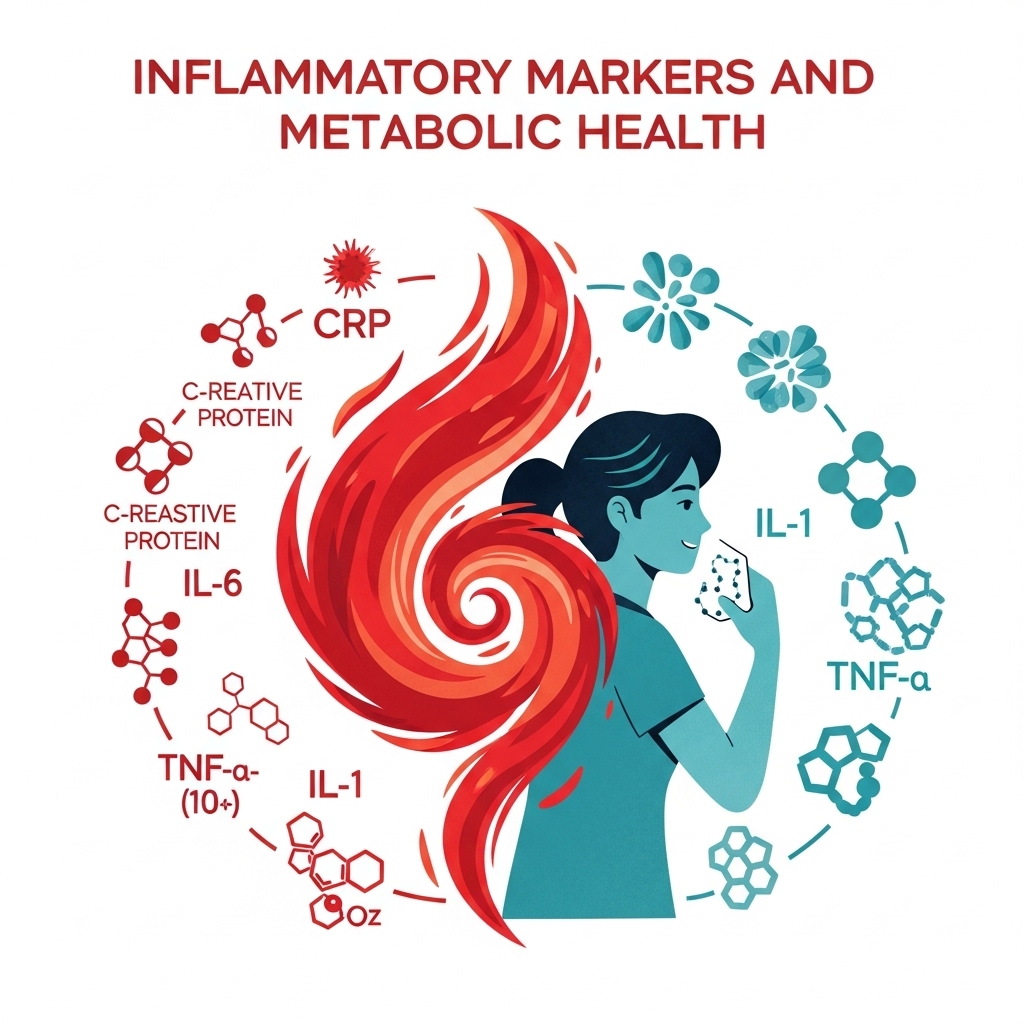
Chronic low-grade inflammation drives cardiovascular disease, type 2 diabetes, neurodegeneration, and biological age acceleration. It appears in blood work as elevated C-reactive protein (CRP), interleukin-6 (IL-6), and tumor necrosis factor-alpha (TNF-α). Visceral fat, sedentary behavior, and chronic stress are the primary drivers of this inflammatory state in otherwise healthy middle-aged professionals.
High-intensity exercise — including training at a mixed martial arts gym — produces a well-characterized anti-inflammatory effect. Contracting muscle releases myokines, cytokines that actively suppress systemic inflammation. Training also improves insulin sensitivity and reduces visceral fat mass. The Framingham Heart Study and subsequent large-scale longitudinal research consistently show that physical activity inversely predicts systemic inflammatory markers. The strongest effects appear in individuals engaging in vigorous rather than moderate-intensity activity.
The metabolic benefits extend beyond inflammation. The glycolytic demand of intense rounds and the aerobic demand of drilling improve insulin sensitivity through multiple mechanisms — GLUT-4 translocation, improved mitochondrial function, and reduced hepatic glucose output. For executives with early metabolic dysfunction — common in high-stress, high-sedentary professional populations — this represents a clinically significant intervention point.
READ ALSO: Tricep Muscle Training to Boost Your Gratitude for Health
The Autonomic Nervous System and Recovery Architecture
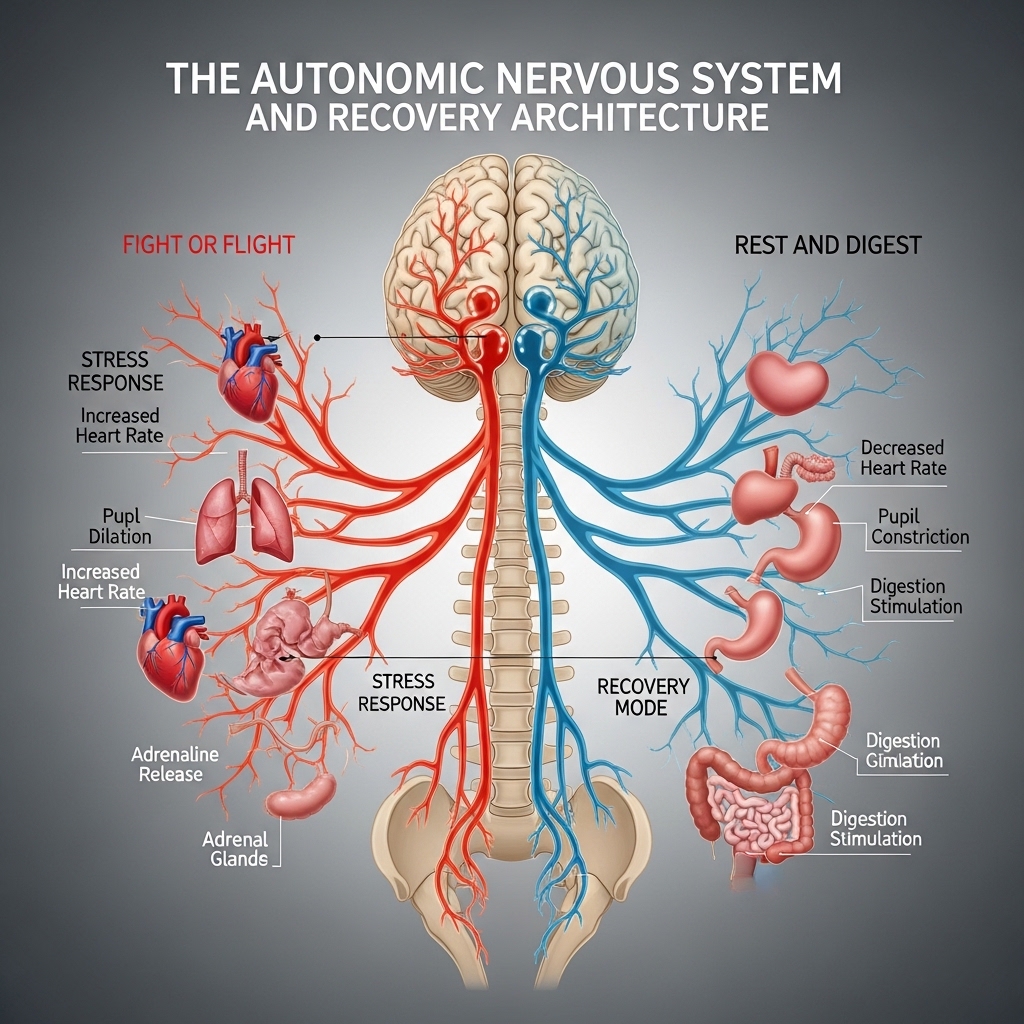
One underappreciated benefit of training at a mixed martial arts gym is its effect on autonomic nervous system balance. The autonomic nervous system governs heart rate, respiration, digestion, and the overall stress response. Professionals with chronically elevated sympathetic tone — the neurological signature of sustained occupational pressure — show suppressed parasympathetic function. This produces measurable deficits in recovery, sleep quality, and emotional regulation.
MMA training creates structured oscillations between sympathetic activation during intense rounds and parasympathetic recovery during rest intervals. Over time, repeated exposure to this pattern enhances the efficiency of autonomic switching — the body's ability to shift rapidly between activation and recovery states. This adaptation shows up as improved HRV scores and faster post-exertion heart rate recovery — both validated markers of cardiovascular resilience.
The recovery architecture built into a well-structured MMA session reinforces this effect. Cool-down periods, breath regulation drills common in striking arts, and the focused attention required during technical drilling all provide a physiological counterweight to sympathetic dominance. This is not incidental to the training. It is a structural feature of the discipline, refined over decades of practice.
Social Architecture and Behavioral Adherence
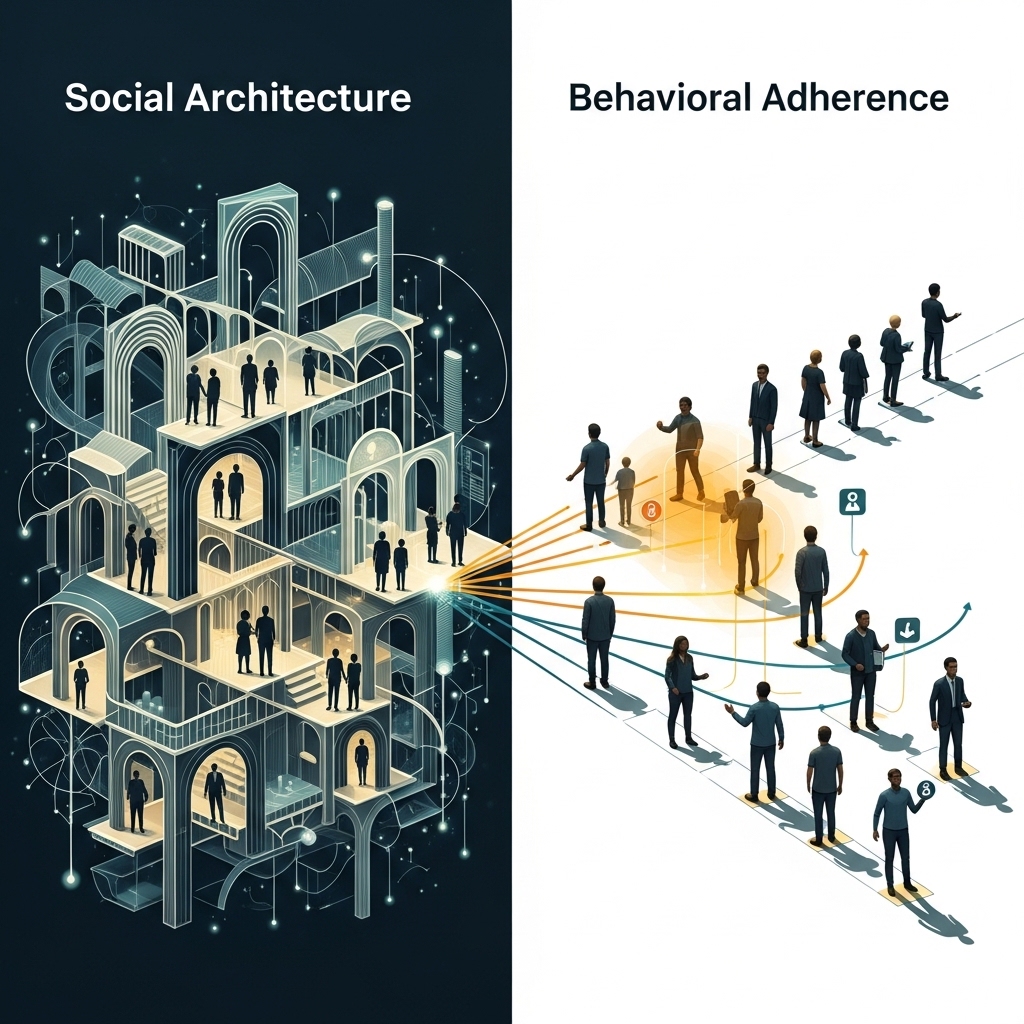
The behavioral economics of exercise adherence are frequently underweighted in clinical conversations. The most physiologically sound training protocol produces no outcome without consistent practice. Among high-performing professionals, the strongest predictor of long-term adherence is not enjoyment — it is structured accountability. That means defined sessions, measurable progression, and social commitment.
A mixed martial arts gym delivers all three in a format that aligns with the psychology of high-achieving individuals. Training partners create social accountability that machines cannot replicate. Skill progression — from basic striking combinations to advanced grappling sequences — gives high performers the measurable advancement they need to stay engaged. Scheduled class times impose external structure and reduce the decision fatigue that undermines self-directed training.
Research published in the American Journal of Preventive Medicine identifies social accountability and structured programming as among the strongest predictors of long-term exercise adherence in adults. For executives who have cycled through multiple fitness modalities without sustaining consistent practice, the social and structural environment of a mixed martial arts gym represents a meaningfully different adherence context.
Practical Evidence-Based Considerations for High-Performing Professionals

Professionals considering a mixed martial arts gym as part of a performance longevity protocol benefit from a graduated entry approach. Beginning with fundamental striking and grappling classes — without live contact — allows the neuromuscular and cardiovascular systems to adapt progressively while reducing injury risk. Most established MMA facilities offer structured beginner programs that separate technical drilling from contact work. This provides a clinically appropriate starting point for adults returning to high-intensity training after extended sedentary periods.
Frequency and session structure matter for the outcomes described here. Two to three sessions per week produces meaningful cardiovascular, metabolic, and neurological adaptation based on current exercise science. It also avoids the cumulative fatigue that compromises recovery and professional performance. Pairing MMA sessions with adequate sleep — seven to nine hours — and tracking HRV trends as a recovery indicator helps professionals optimize the training stimulus without accumulating physiological debt.
Baseline clinical assessment before initiating high-intensity training is a reasonable step for professionals over 40 with significant occupational stress histories, sedentary periods, or unaddressed metabolic risk. Cardiorespiratory fitness testing, inflammatory marker panels, and hormonal baseline assessment — available through executive health programs at major academic medical centers — provide the data needed to contextualize training responses over time. The evidence reviewed here supports MMA-based training as a high-yield intervention across multiple longevity and performance variables. Individual biological context remains the appropriate frame for any structured training decision.
UP NEXT: Gym Attire for Women, Minimal Meets Functional
Regular high-intensity training at a mixed martial arts gym directly slows biological age acceleration by improving VO2 max, reducing systemic inflammation, and preserving lean muscle mass — variables that population-level research consistently links to a younger biological age relative to chronological age. WholeLiving's Biological Age Estimation Model incorporates this factor directly — your assessment takes under five minutes.
Ready to understand how these factors are influencing your biological age right now? [Take the Biological Age Assessment →]