You step into your training with intention because you want your routine to feel good. You want your clothing to feel light, calm, and steady. This is why choosing gym apparel for men matters. Your choices shape your comfort, your confidence, and your rhythm. You deserve pieces that help you breathe and stay grounded. When you choose with care, you choose balance.
You may browse through choices in blue, gray, tan, and white. You might notice men's tees and men's joggers available in many sizes, including XS. In the end, you want apparel that feels supportive and keeps your training free from distractions. This is why you look for performance fabrics that help you stay cool. You want gear that stays supportive during your workout. You want pieces that move with you and never against you.
Your routine grows steadier each time you choose with clarity. When you stay patient, you build a home within yourself. Today, you walk forward with intention.
Thermoregulatory Mechanism and Why Fabric Matters
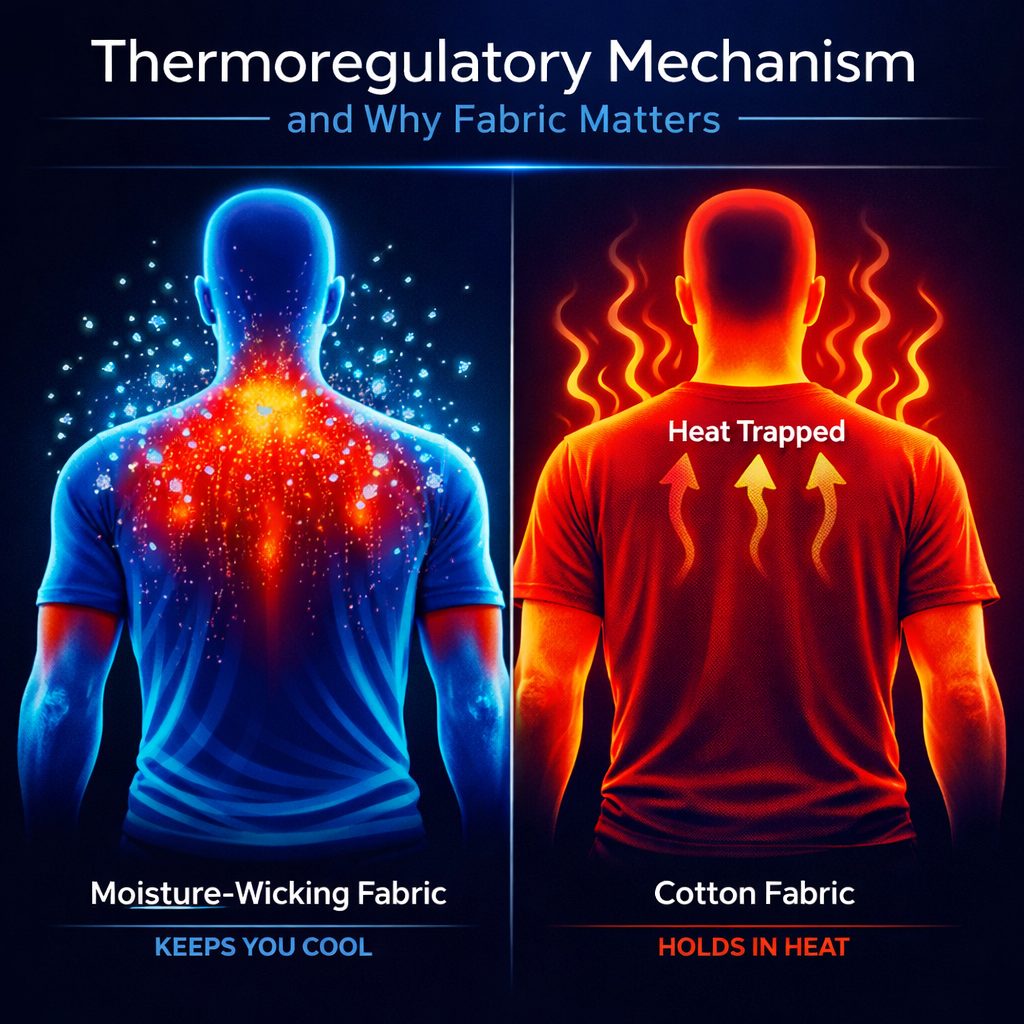
The human body keeps its core temperature within a tight range during exercise — from 36.5°C to 37.5°C at rest, rising to 38°C to 40°C during intense physical activity. When this system is overwhelmed, performance drops quickly. Motor unit efficiency declines, exertion feels harder, and hormones are thrown off balance. Clothing that touches the skin directly is the first external variable in this system, influencing how sweat — the primary cooling mechanism — moves away from the body.
Research shows that moisture-wicking fabrics help keep skin temperature stable during exercise. Fabrics like untreated cotton trap moisture close to the skin, creating a humid microclimate that reduces sweat evaporation. This forces the heart to work harder to keep up. For a 45-year-old male professional with a sedentary lifestyle, this adds unnecessary strain.
Athletic fabrics made from synthetic materials like polyester, nylon, and treated merino wool help maintain lower skin temperatures during exercise. With better thermoregulation, the body spends less effort cooling down and more on the actual workout. This leads to a more effective training session.
Compression Garments and Muscle Recovery
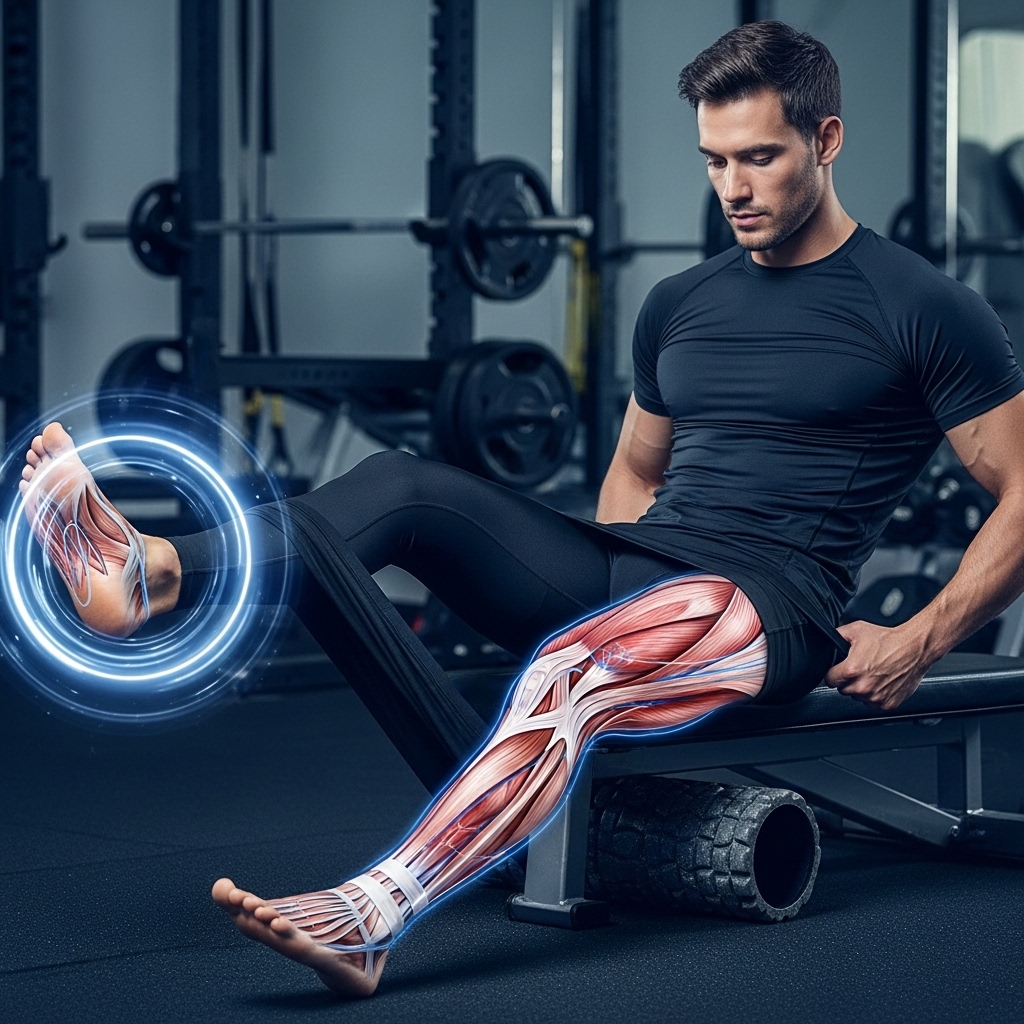
Compression clothing has become a key tool in improving recovery, with clinical studies backing its benefits. Gradual compression, between 15 and 30 mmHg, is shown to boost venous return, reduce muscle soreness, and help clear metabolic waste like lactate after intense workouts. For male professionals with limited time for recovery, this can directly affect performance.
A meta-analysis of compression garment research shows they reduce soreness 24 to 48 hours after exercise. Compression reduces muscle vibration during movement, minimizing micro-damage, while improving blood flow. These benefits are especially important for professionals who need to recover quickly to handle both training and long hours at work.
Recovery efficiency also impacts long-term muscle health. Without proper recovery, muscle loss increases after age 40. Compression garments help speed up recovery, preventing reduced training frequency and preserving muscle mass, which is key for maintaining metabolic function and longevity.
Inflammatory Markers and the Cost of Poor Training Attire
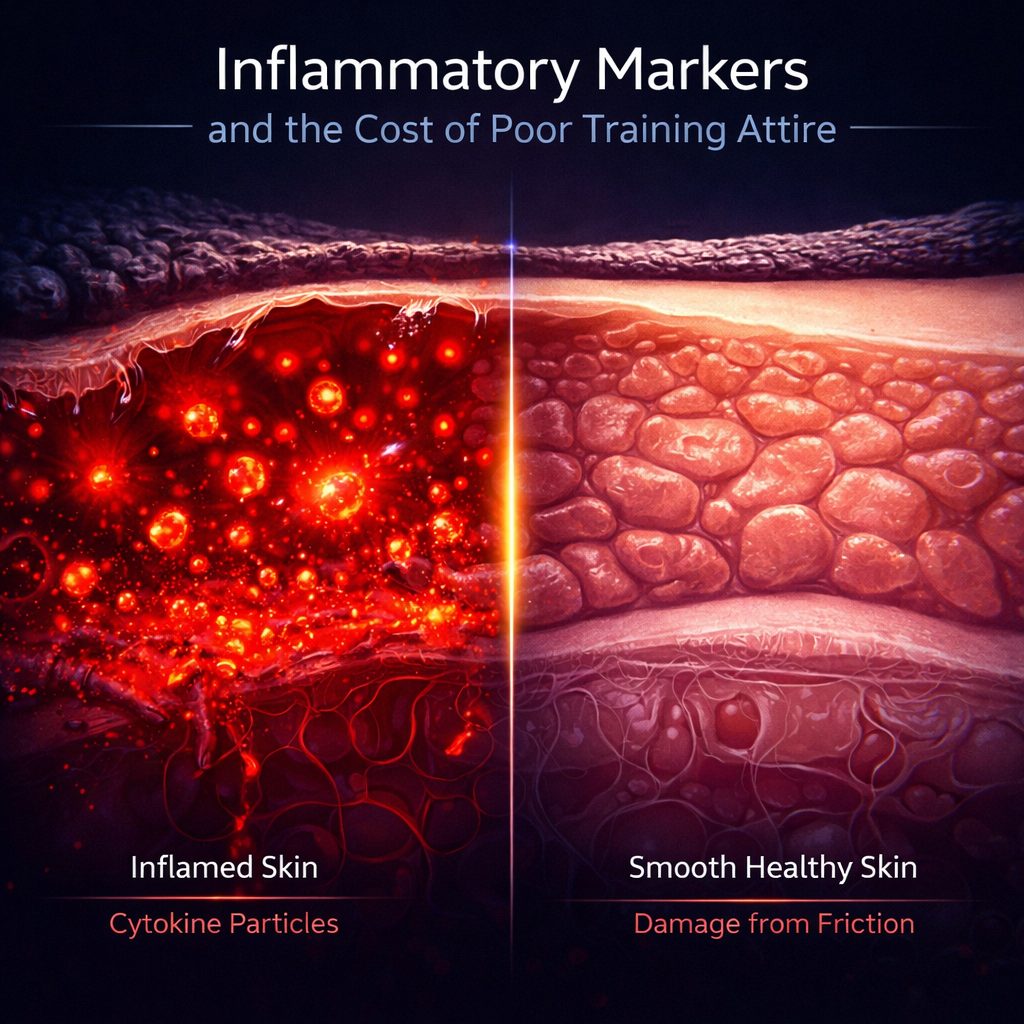
Chronic inflammation is linked to faster biological aging, heart disease, and cognitive decline. While exercise causes acute inflammation that is beneficial, poor recovery due to irritation from ill-fitting clothes can lead to chronic inflammation, which harms long-term health.
Skin irritation and friction caused by poorly made gym clothing cause localized inflammation. While it may seem small, over hundreds of workouts, this can add to overall body-wide inflammation. The skin, being an active part of the immune system, reacts to damage by releasing cytokines. For professionals monitoring biomarkers like CRP, this is an important factor that can be controlled.
High-quality apparel designed to reduce friction and irritation supports healthier skin and reduces inflammation. Choosing the right clothing makes a difference for professionals training frequently, helping prevent unnecessary strain on the body’s systems.
Cortisol and Thermal Stress During Training
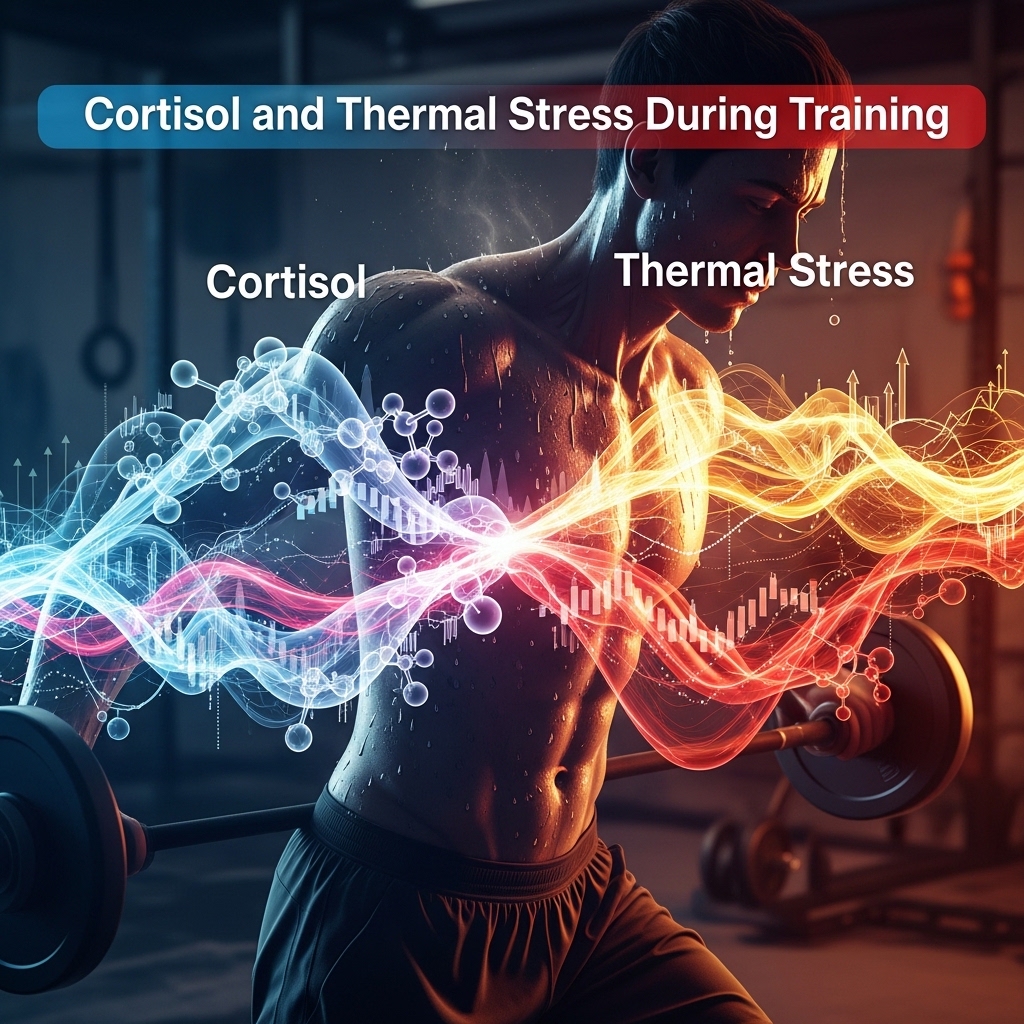
Cortisol, the primary stress hormone, rises naturally during exercise to help mobilize energy. But adding heat stress to the mix increases cortisol levels even further. This shifts the testosterone-to-cortisol ratio, which can negatively affect recovery, mood, cognitive function, and even muscle growth.
Research from the National Institutes of Health and exercise physiology groups shows that heat stress during workouts raises cortisol levels beyond normal limits. For men aged 40 to 60, who may already be seeing a natural drop in testosterone, managing this ratio is crucial for muscle protein synthesis and overall well-being. Gym clothing that traps heat only adds to this problem, making workouts less effective.
Choosing proper gym attire that manages heat stress allows professionals to control their cortisol response and optimize recovery. This simple step prevents unnecessary hormonal shifts, helping maintain muscle mass and mental clarity.
VO2 Max and Training Environment Optimization
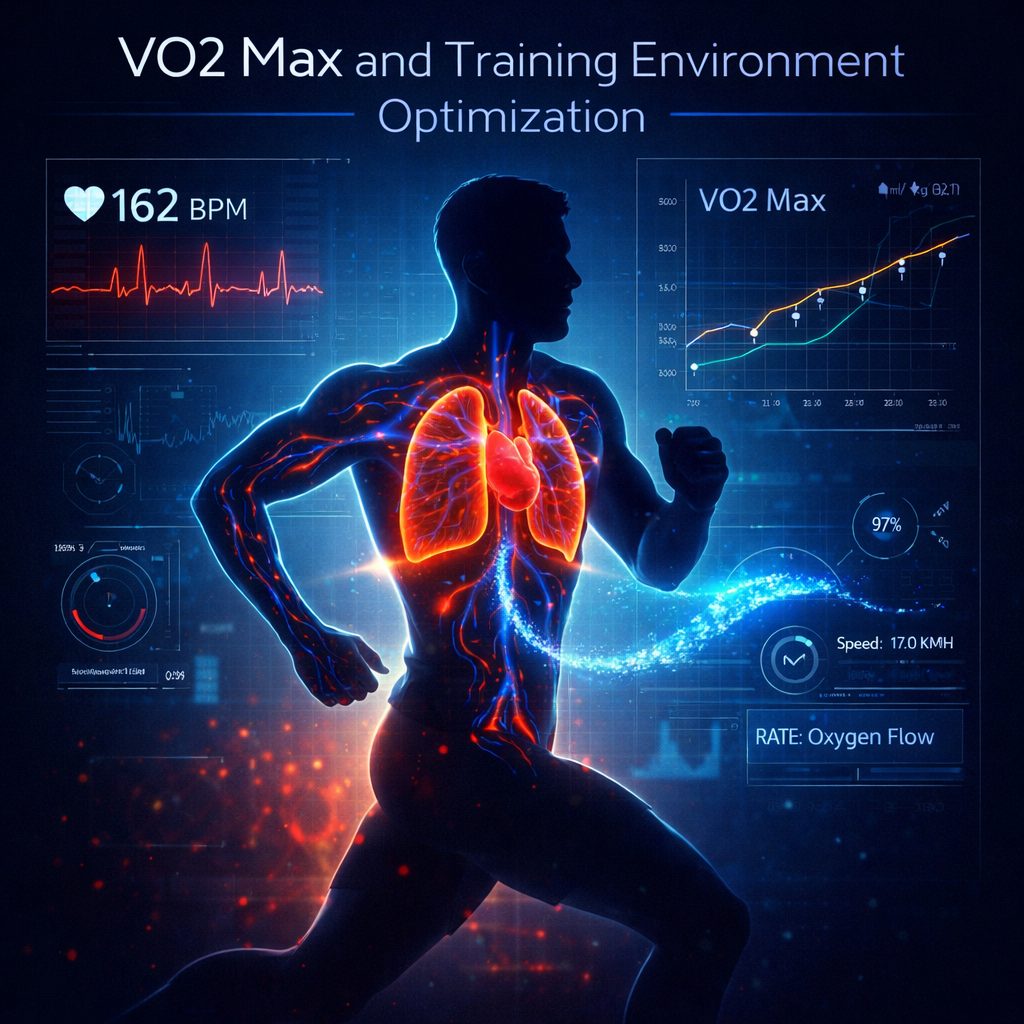
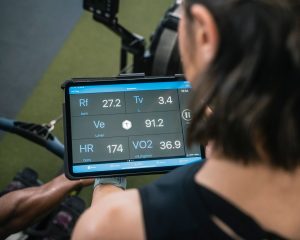
VO2 max, the maximum rate of oxygen consumption during exercise, is a major predictor of longevity and heart health. For middle-aged professionals, improving or maintaining VO2 max through structured aerobic exercise is a key investment in health. Anything that interferes with this training, like poor apparel, increases long-term health risks.
Thermal stress from inefficient gym clothing raises heart rate at any given intensity, which reduces the training stimulus. A professional who feels like they’re training at 75 percent effort in poor clothing could actually be working at 80 to 85 percent due to added heat strain. This distorts heart rate-based training and inflates recovery needs.
Over time, the difference between thermally optimized and suboptimal clothing can significantly impact the quality of training. Professionals tracking VO2 max and heart rate variability should consider their apparel as an essential factor in their training environment.
Fabric Science: What the Material Composition Data Reveals
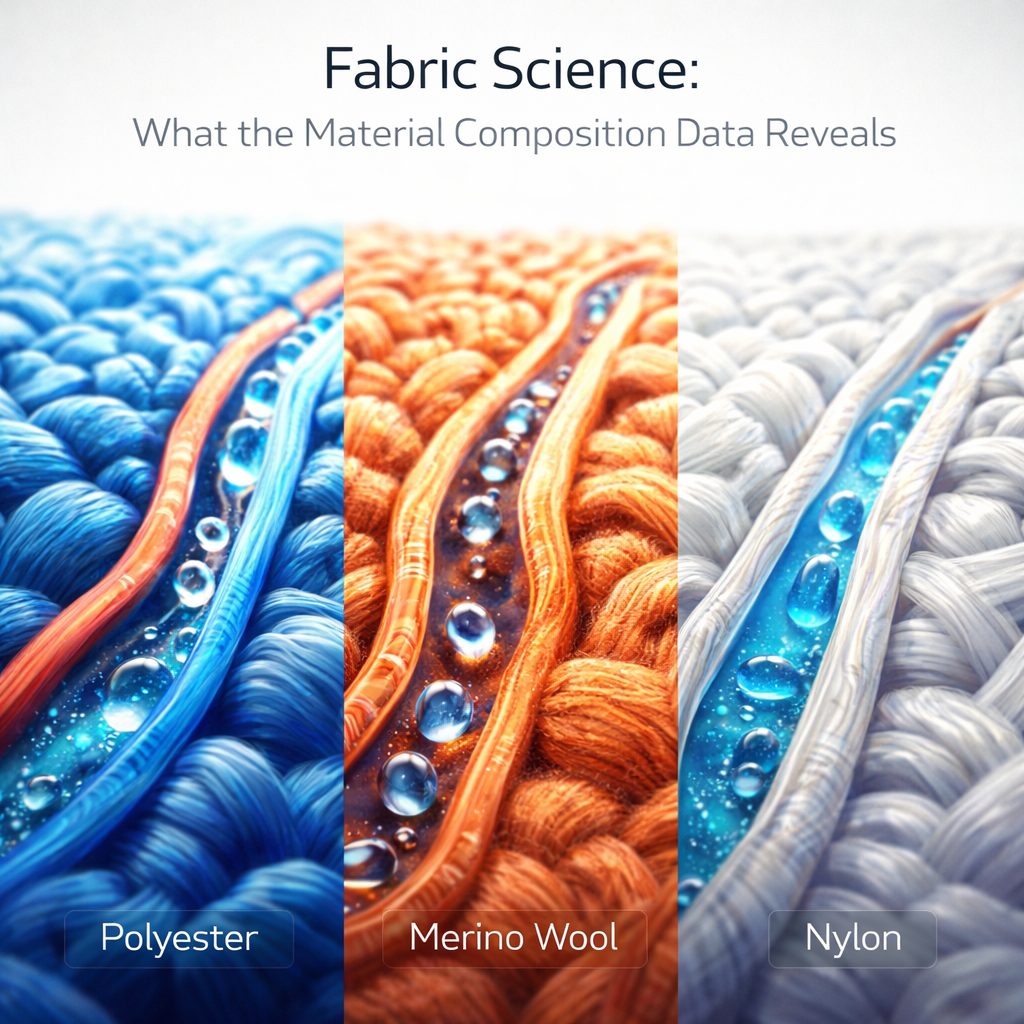
Textile engineering for athletic apparel has evolved in recent years. Polyester microfiber fabrics with moisture-wicking channels move sweat away from the skin more efficiently than untreated natural fibers. Merino wool, when processed properly, combines moisture management with natural antimicrobial properties — ideal for professionals training frequently.
Nylon-elastane blends are commonly used in compression garments for their flexibility, durability, and ability to maintain compression. The effectiveness of these garments declines after about 30 to 50 washes, which means quality matters. Investing in brands that provide data on fabric longevity ensures better performance and longer use.
Emerging fabric technologies, such as those incorporating infrared-reflective minerals, claim to improve circulation and muscle oxygenation. However, the evidence for these claims remains inconsistent, so professionals should approach these options with caution until more research is available.
READ ALSO: Behind the Label: What Makes a Fashion Brand Truly Sustainable?
Skin Microbiome and Antimicrobial Fabric
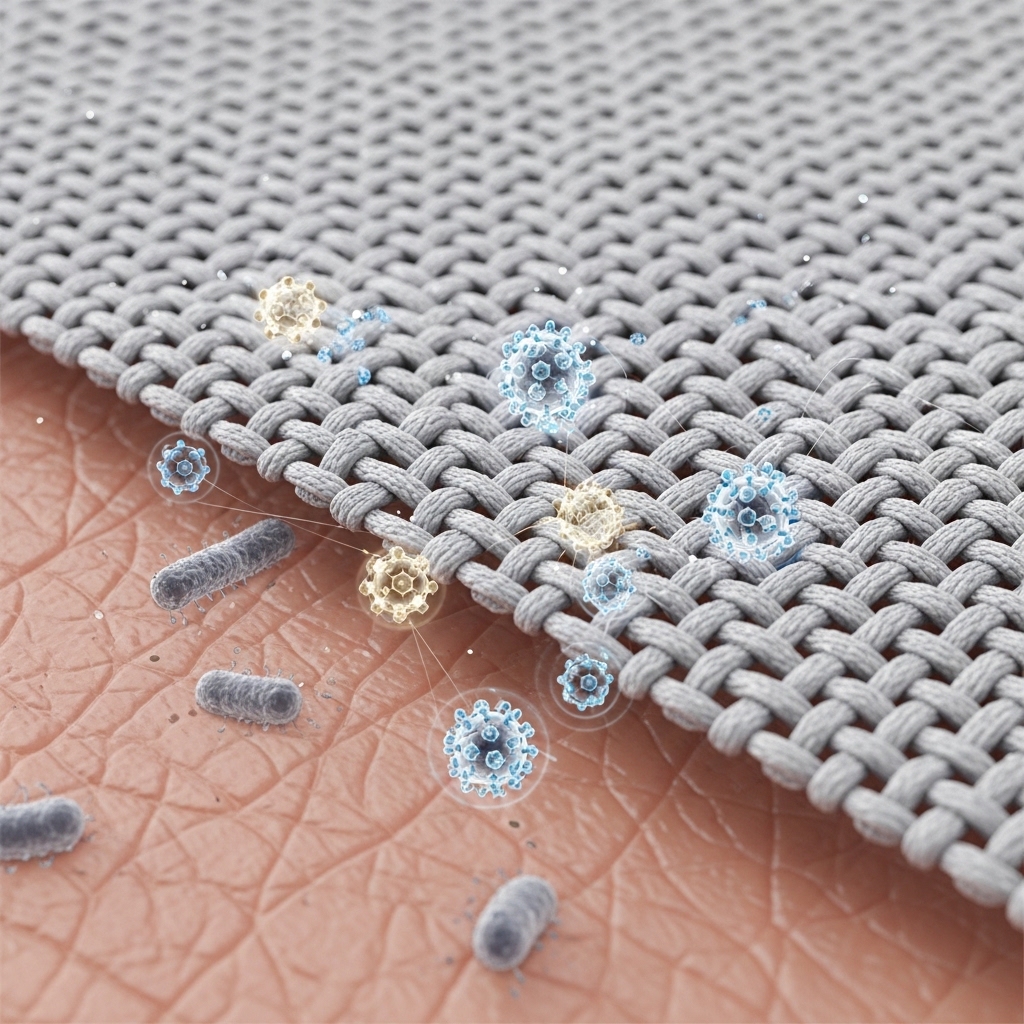
The skin microbiome, the community of microorganisms living on the skin, plays a key role in immune function and inflammation regulation. Wearing synthetic fabrics that trap moisture and bacteria can disrupt this ecosystem, leading to conditions like folliculitis and dermatitis.
High-frequency training — five or more sessions per week — accelerates bacterial growth in synthetic fabrics. Research shows that polyester is especially prone to bacterial colonization, compared to natural fibers like merino wool. For professionals whose training gear gets frequent use, this is an important consideration for skin health.
Antimicrobial fabrics reduce bacterial growth in gym clothes, protecting both the skin and immune system. For professionals monitoring their immune health, this feature should be a key factor when selecting athletic apparel.
Fit Architecture and Musculoskeletal Mechanics
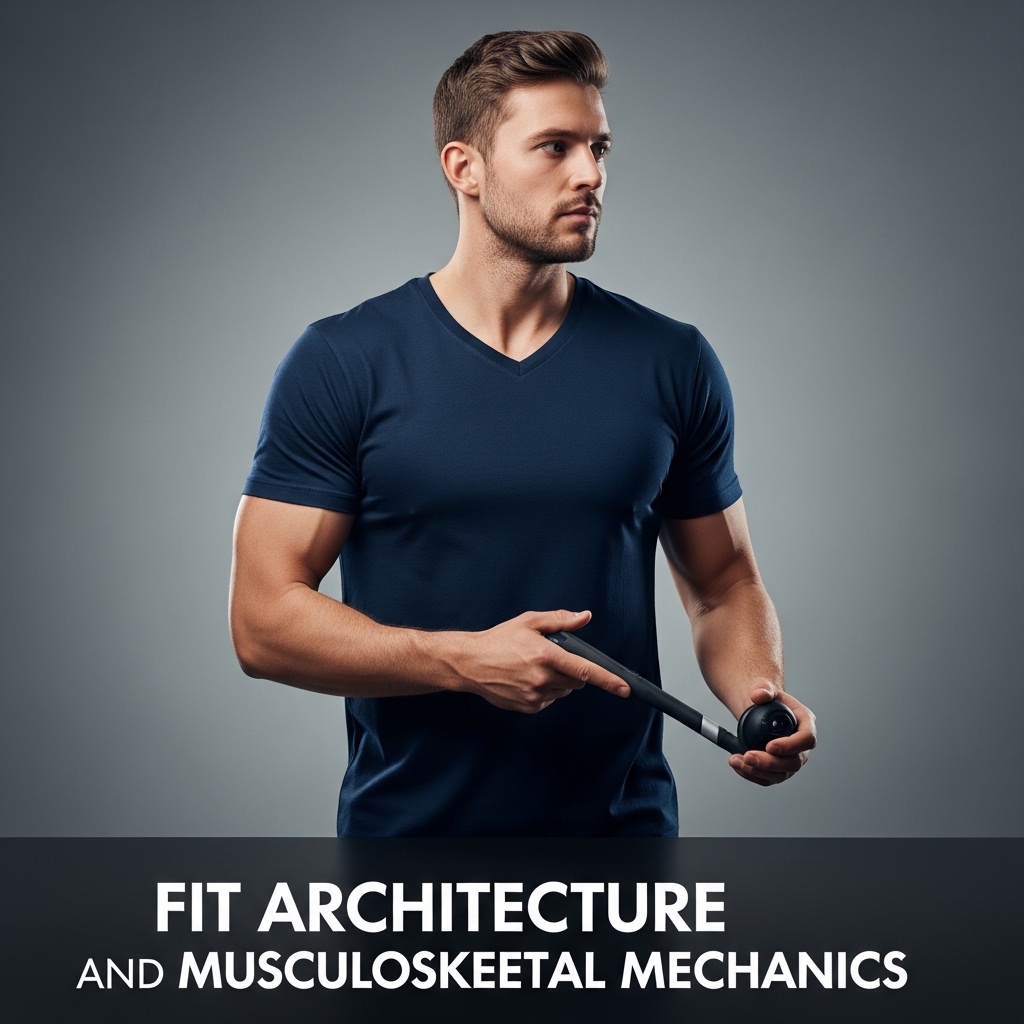
The fit of gym apparel influences movement mechanics, affecting injury risk and joint health. Tight, restrictive clothing can limit movement in areas like the shoulders or hips, leading to compensatory movement patterns. Over time, this adds stress to connective tissues and joints, increasing injury risk.
Compression garments that offer proprioceptive feedback help improve movement accuracy and stability. This feedback is especially important during exercises like squats, deadlifts, and overhead presses, where precision in body positioning is crucial to avoid injury.
Selecting gym clothes based on the specific movements required by the training program ensures better performance and fewer injuries. Professionals focusing on resistance training, for example, need different clothing specifications than those training in cardio-based activities.
READ ALSO: Gym Attire for Women, Minimal Meets Functional
Sleep Quality and Post-Training Recovery
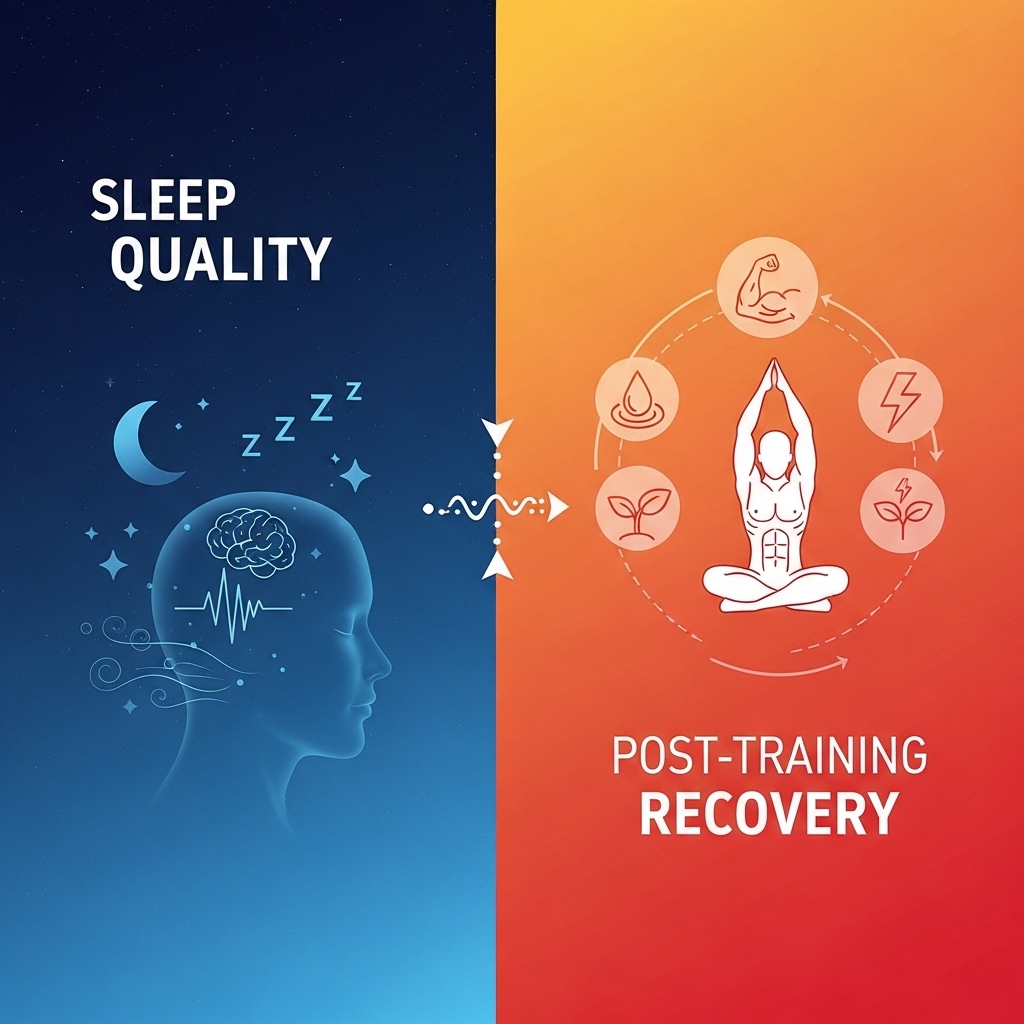
The hours immediately after intense training are critical for recovery, hormonal restoration, and protein synthesis. Core body temperature must drop to facilitate the transition into deep sleep, where growth hormone secretion peaks. Wearing the wrong clothing post-exercise can slow this thermal decline.
Moisture-saturated clothing worn after training slows the body’s ability to cool down, which can interfere with sleep quality. The connection between sleep architecture and cognitive function, cardiovascular recovery, and hormone regulation is well-established. Therefore, wearing dry, thermally neutral clothing after workouts supports better sleep and recovery.
READ ALSO: How to Wash Drycleanable Clothes – Whole Living Wellness
Investment Thresholds and the Economics of Training Equipment
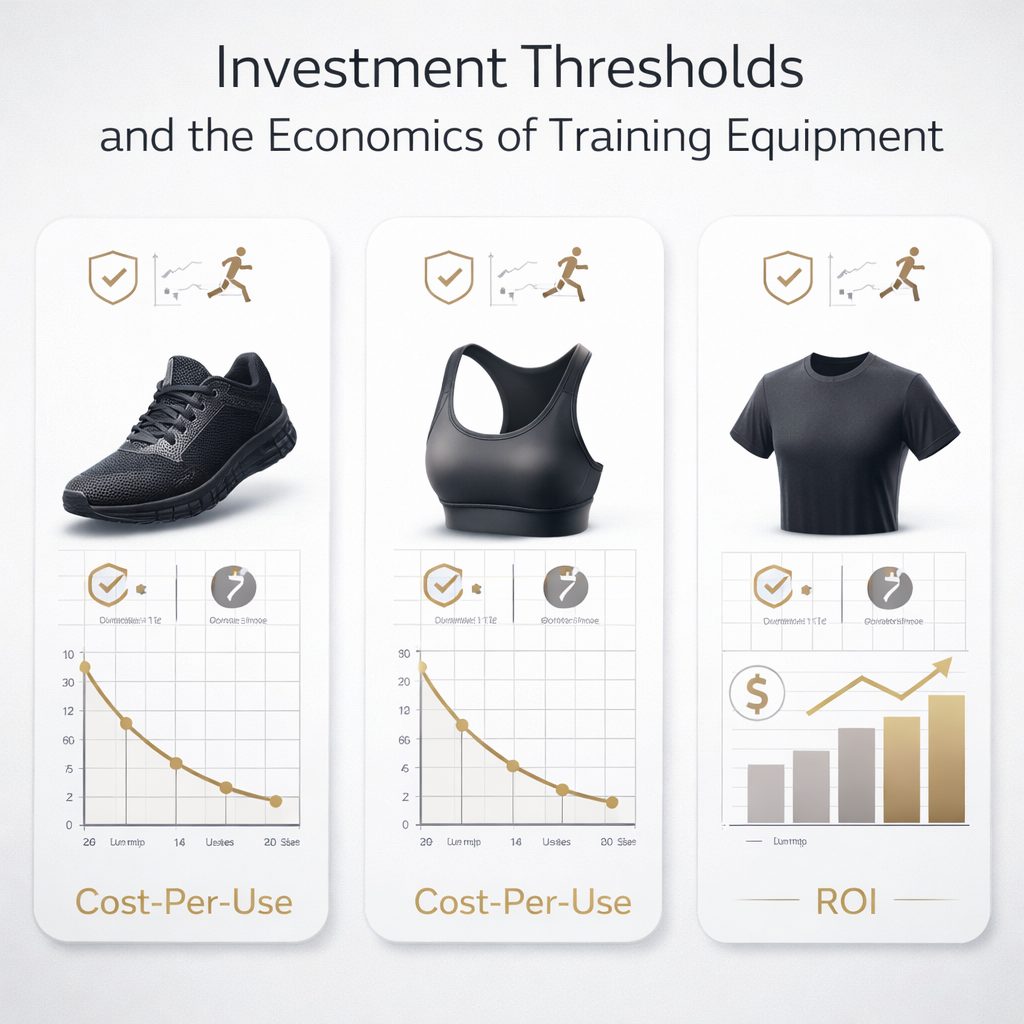
Executive professionals often use detailed cost-benefit analysis for business decisions. The same approach can be applied to training equipment, including gym apparel. High-quality athletic garments, costing between $600 and $1,200, can last for 500 or more training sessions, providing a solid return on investment.
At this scale, the per-session cost is minimal compared to other health-related expenses like personal training, gym memberships, or supplements. Yet, apparel often gets less attention than other aspects of training. Given the impact of clothing on performance, it’s important to prioritize function over cost when selecting training gear.
By focusing on high-quality training apparel, professionals can optimize their performance with minimal effort. Prioritizing fabrics that manage moisture, provide adequate compression, and offer antimicrobial properties ensures better recovery and more effective training. These selections contribute to a healthier, more efficient training experience.
UP NEXT: How Strategic Home Gym Equipment Selection Drives VO2 Max Gains and Slows Biological Age Decline
The quality of gym apparel for men can influence recovery efficiency, hormonal balance, and inflammation levels, all of which are linked to biological age acceleration. WholeLiving's Biological Age Estimation Model incorporates this factor directly — your assessment takes under five minutes.
Ready to understand how these factors are influencing your biological age right now? [Take the Biological Age Assessment →]