
Most people watch the wrong number. In the Framingham Offspring Study, researchers followed nearly 2,900 adults who had neither diabetes nor heart disease and found that the most insulin-resistant among them carried close to double the risk of a cardiovascular event over the next seven years — a hazard ratio of 1.9 — while their blood sugar still read as completely normal (Rutter et al., Diabetes, 2005). That gap is the whole story. A fasting insulin test measures something your standard panel skips entirely: how hard your pancreas is working behind the scenes to keep glucose in line. You can pass every routine blood test your doctor runs and still be years deep into a process that ends in heart disease or fatty liver, with no one tracking the one number that saw it coming.
Why the Fasting Insulin Test Sees What Glucose Misses
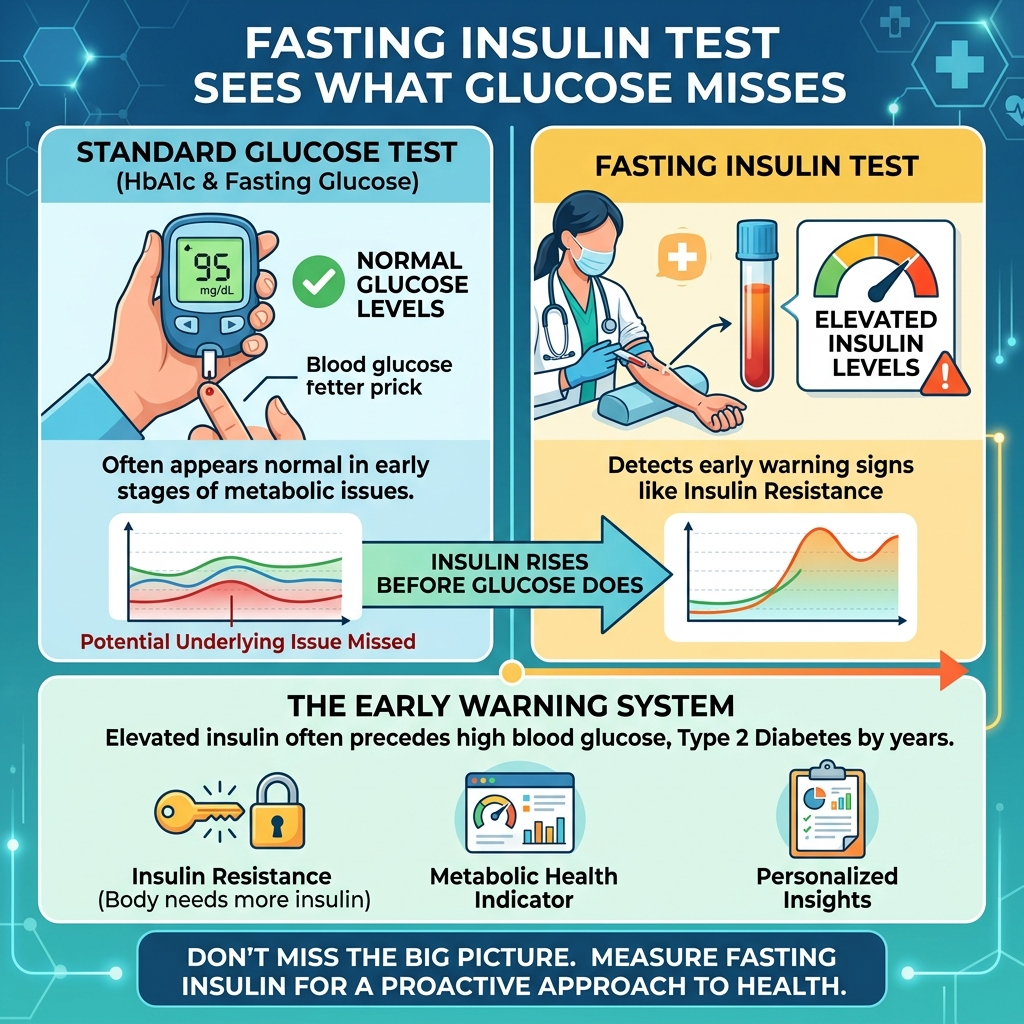
Here's the part that trips people up. Your fasting glucose — the blood sugar reading you get on a standard panel — is the last thing to break, not the first. For years before glucose drifts upward, your body protects that number by quietly producing more and more insulin. Insulin is the hormone that ushers sugar out of your bloodstream and into your cells. When your cells start ignoring it — a condition called insulin resistance (your cells responding sluggishly to insulin's signal) — your pancreas compensates by pumping out extra. The result is hyperinsulinemia: chronically high insulin levels. Glucose stays normal on paper, but only because the system is straining to keep it there.
A fasting insulin test catches that strain. It measures the insulin circulating in your blood after an overnight fast, which tells you how much effort your metabolism is spending to look “normal.” Glucose tells you whether the dam has broken. Fasting insulin tells you how high the water has been rising against it.
“The American Diabetes Association says don't draw a fasting insulin level; I say it's the most important thing to draw,” says Robert Lustig, MD, professor emeritus of pediatric endocrinology at UC San Francisco. That single sentence captures the entire tension this article is about: the most informative early signal of metabolic trouble is the one mainstream screening leaves off the panel.
READ ALSO: How Halal Dietary Protocols Influence Inflammatory Biomarkers…
What Insulin Actually Does, and Why “Normal” Glucose Can Lie
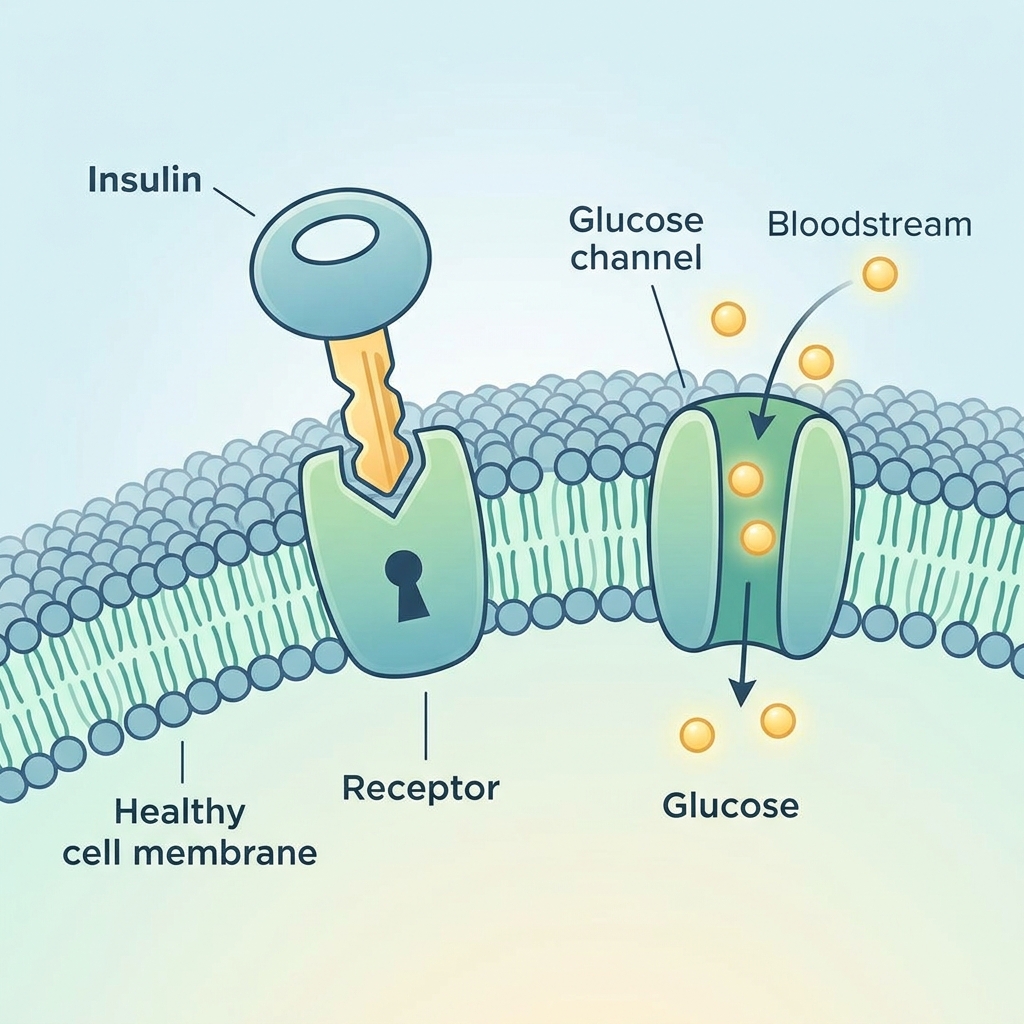
Think of insulin as a delivery service for energy. Every time you eat, glucose enters your bloodstream, and insulin knocks on the door of your cells to let it in. In a metabolically healthy person, a small knock does the job. In someone with insulin resistance, the cells barely answer, so the pancreas knocks harder — more insulin, again and again.
The compensation phase nobody screens for
This compensation phase can run for years. Glucose stays in the normal range the entire time, which is exactly why a standard panel offers false reassurance. The damage of chronically elevated insulin is happening upstream of the number your doctor is checking. Hyperinsulinemia and insulin resistance tend to cluster with other metabolic abnormalities and precede clinical high blood sugar and type 2 diabetes (Meigs et al., Diabetes, 1997). That same compensation phase is also why clinicians may use fasting insulin to help identify patterns seen with polycystic ovary syndrome, obesity, or fatty liver.
Hazard ratio of 1.9 for cardiovascular events — Diabetes (American Diabetes Association), 2005 Among nearly 2,900 adults free of diabetes and heart disease, the most insulin-resistant carried roughly double the seven-year risk of a cardiovascular event — before glucose ever crossed into the diabetic range.
READ ALSO: Precision Nutrition Technology as a Measurable Driver…
The Evidence: What Happens When Insulin Resistance Goes Unwatched
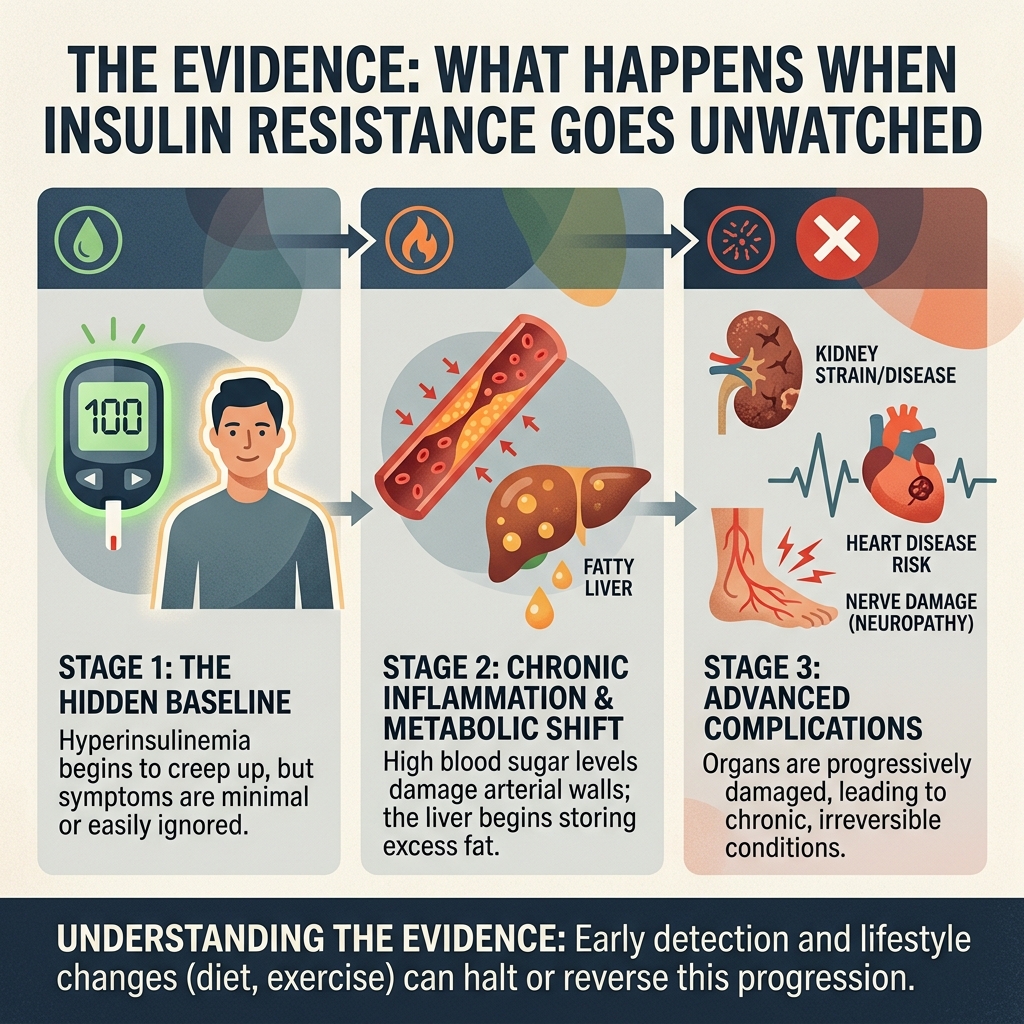
The case for testing insulin early rests on a simple, repeatedly observed pattern: insulin resistance predicts hard outcomes — heart attacks, strokes, cardiovascular death — in people who look healthy by conventional measures.
Framingham: the doubling of risk
The Framingham Offspring Study tracked 2,898 people with no diabetes and no cardiovascular disease at baseline. Researchers quantified insulin resistance using HOMA-IR — a calculation that combines fasting insulin and fasting glucose into a single score estimating how resistant your cells are. Over a seven-year follow-up, elevated HOMA-IR independently predicted cardiovascular events, with an age- and sex-adjusted hazard ratio of 1.9 (Rutter et al., Diabetes, 2005). “Independently” matters here — it held up even after accounting for the usual suspects like age, sex, cholesterol, and smoking.
One honest caveat worth stating plainly, because the friend who read all the research wouldn't paper over it: HOMA-IR incorporates fasting insulin but isn't fasting insulin in isolation. The studies with the cleanest cardiovascular outcome data tend to measure the combined score, not insulin alone. The fasting insulin test is the foundational input to that score — but the strongest outcome evidence describes the score, and that distinction is worth keeping in view.
Catching this signal early is one of the variables addressed in the WholeLiving 5-Month Health Challenge as part of a measurable biological age reduction system — because a marker that moves before disease is exactly the kind of lever a longevity strategy is built on.
JACC: the signal holds in a second population
The pattern repeats in independent data. In a study of 2,493 Danish adults followed for a median of 9.4 years, those in the highest insulin-resistance category had a 67% higher risk of a cardiovascular end point — a relative risk of 1.67 — and the association held even after accounting for metabolic syndrome (Jeppesen et al., JACC, 2007). Two different cohorts, two different decades, the same conclusion: insulin resistance carries information about your future that your glucose reading doesn't.
[DATA CALLOUT] 1.67× relative risk of a cardiovascular event — Journal of the American College of Cardiology, 2007 In 2,493 adults followed for nearly a decade, the highest insulin-resistance bracket carried a 67% higher risk of cardiovascular death, heart attack, or stroke — independent of metabolic syndrome. [/DATA CALLOUT]READ ALSO: How Life Purpose Alignment Influences Emotional…
Hyperinsulinemia as an Upstream Signal
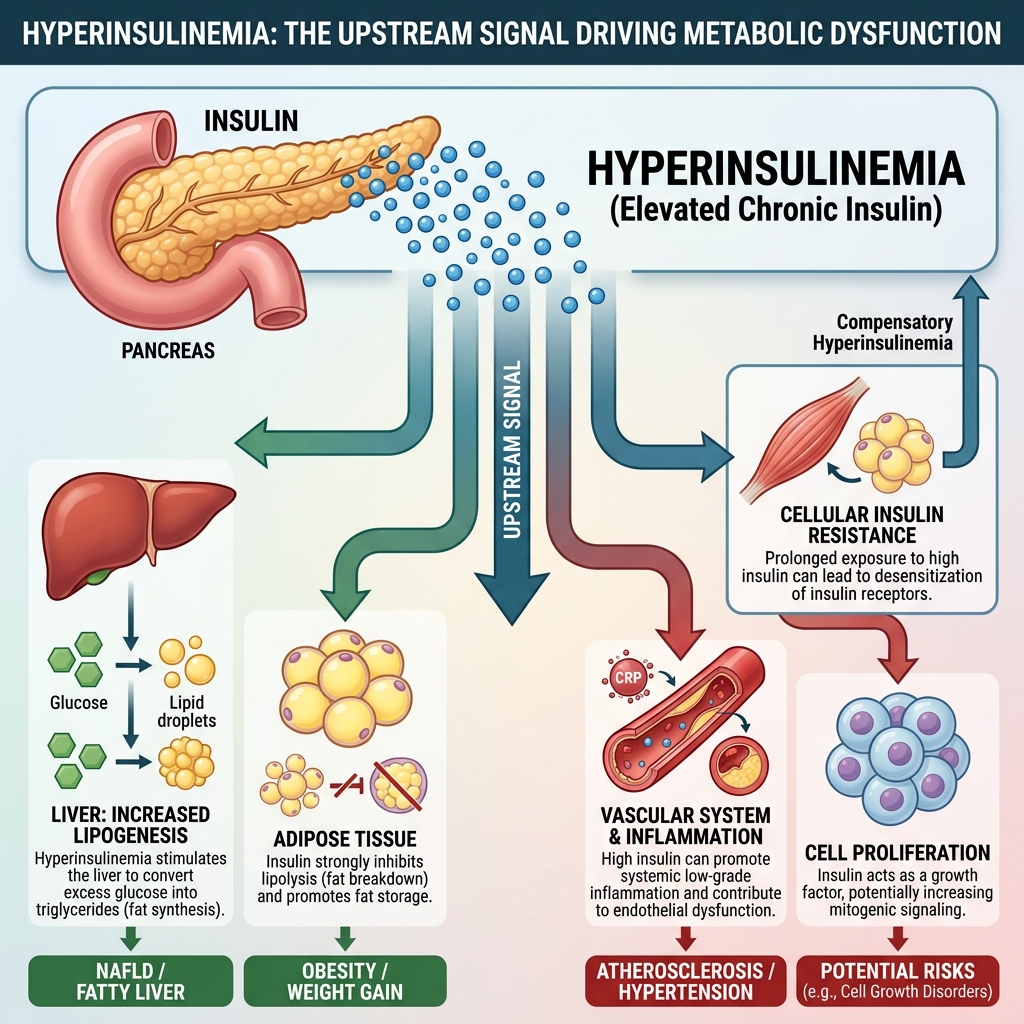
Why does insulin resistance predict heart trouble specifically? Part of the answer is that it doesn't travel alone. It clusters with inflammation, blood pressure changes, and lipid abnormalities — the whole constellation that quietly raises cardiovascular risk.
The Framingham data show this stacking effect clearly. C-reactive protein, a marker of inflammation that tracks with hyperinsulinemia, rose in a stepwise fashion as people accumulated more metabolic syndrome traits, and that progression predicted new cardiovascular events — 189 of them across 3,037 subjects over seven years (Rutter et al., Circulation, 2004). The takeaway isn't that CRP and insulin are the same thing; it's that they move together, and high insulin sits upstream of the cascade.
“Why am I telling you fasting insulin is the most critical test of all, and they're saying don't draw it? Why do they say what they say? Two reasons, and both of them are wrong,” says Robert Lustig, MD, professor emeritus at UC San Francisco. His frustration points straight at the gap this article exists to close — the most upstream metabolic signal is the one routine screening declines to look at.
[INTERNAL LINK: how chronic inflammation accelerates aging → CRP / inflammation biomarker article]How to Read Your Fasting Insulin Test Results
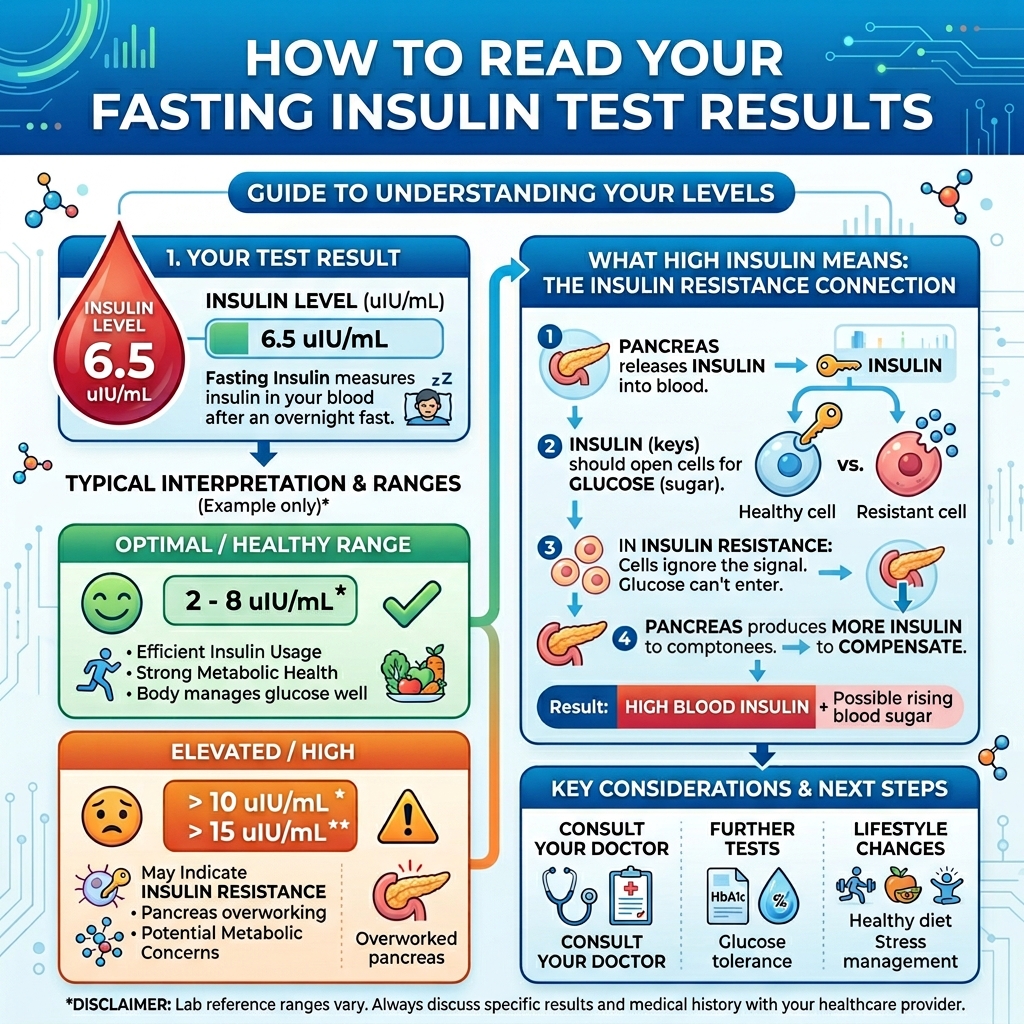
What actually gets measured
A fasting insulin test is a simple insulin blood test done after an 8–12 hour overnight fast, during which a healthcare professional collects a blood sample and sends it to a laboratory for analysis. It reports the concentration of insulin circulating in your blood at rest. On its own, a lower fasting insulin generally signals better insulin sensitivity; a higher one suggests your pancreas is working overtime. Markedly high results may suggest insulin resistance or type 2 diabetes and, more rarely, insulinoma. It may also be used to investigate unexplained low blood sugar episodes to see whether excess insulin is being produced.
Turning two numbers into one score: HOMA-IR
Because insulin and glucose are easier to interpret together, clinicians often combine them into HOMA-IR — the homeostasis model assessment of insulin resistance. Insulin levels should still be reviewed alongside other diagnostic tests and symptoms, since normal fasting insulin can still occur early in insulin resistance or diabetes. It’s calculated from your fasting insulin and fasting plasma glucose, and it’s the metric the outcome studies above actually used (Rutter et al., Diabetes, 2005; Jeppesen et al., JACC, 2007). If you only remember one practical point: ask for fasting insulin and fasting glucose drawn at the same time, so HOMA-IR can be calculated. The fasting insulin test is the input that makes the score possible.
What to Do If Your Fasting Insulin Is Elevated
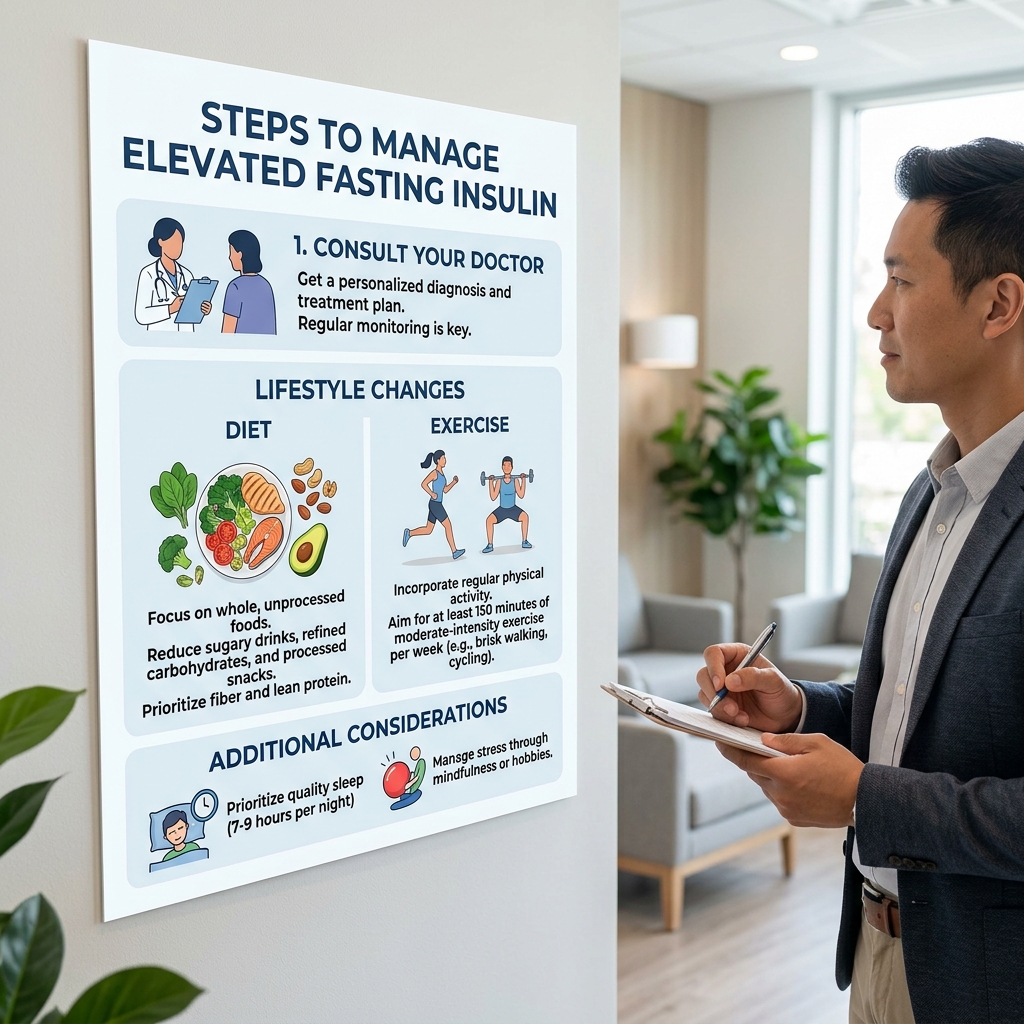
The evidence behind this article is observational and predictive: it establishes that insulin resistance forecasts risk. The most defensible actions, then, are the ones that get the signal in front of you early and let you track it over time.
Get the test in the first place. → You convert an invisible, years-long compensation phase into a number you can track. → Based on the finding that elevated insulin resistance predicted cardiovascular events while glucose still read normal (Rutter et al., Diabetes, 2005). → This affects biological age by surfacing metabolic dysfunction early enough to act before it hardens into cardiovascular disease.
Pair fasting insulin with fasting glucose so HOMA-IR can be calculated. → You get the exact metric the outcome studies used, not a partial picture. → Based on both Framingham and JACC measuring HOMA-IR rather than insulin alone (Rutter et al., Diabetes, 2005; Jeppesen et al., JACC, 2007). → This affects biological age by aligning your monitoring with the marker that has demonstrated predictive power for hard outcomes and supports better blood sugar control.
Retest over time rather than treating one reading as a verdict. → You see the direction of travel, which matters more than a single snapshot of a compensating system. → Based on the multi-year follow-up design of the supporting studies, which captured risk as a trajectory (Jeppesen et al., JACC, 2007). → This affects biological age by letting you confirm whether interventions are bending the curve before disease appears.
Add regular physical activity. → Even moderate exercise can improve insulin sensitivity and strengthen the body’s response to insulin. → This matters because follow-up numbers are more useful when paired with changes that can shift the underlying physiology.
Adjust diet quality. → Reducing carbohydrate intake and increasing fiber intake can improve insulin sensitivity and support metabolic health. → This makes repeat testing more actionable because you can relate changes in the marker to concrete habits.
Aim for weight loss if excess body fat is part of the picture. → Losing weight often improves insulin sensitivity, especially in people who are overweight or obese. → This can lower one of the drivers of insulin resistance and change the trend over time.
Use caution when interpreting follow-up tests. → High stress, poor sleep, and some supplements can affect fasting insulin levels. → Read repeat results with those factors in mind.
The Limits of the Fasting Insulin Test
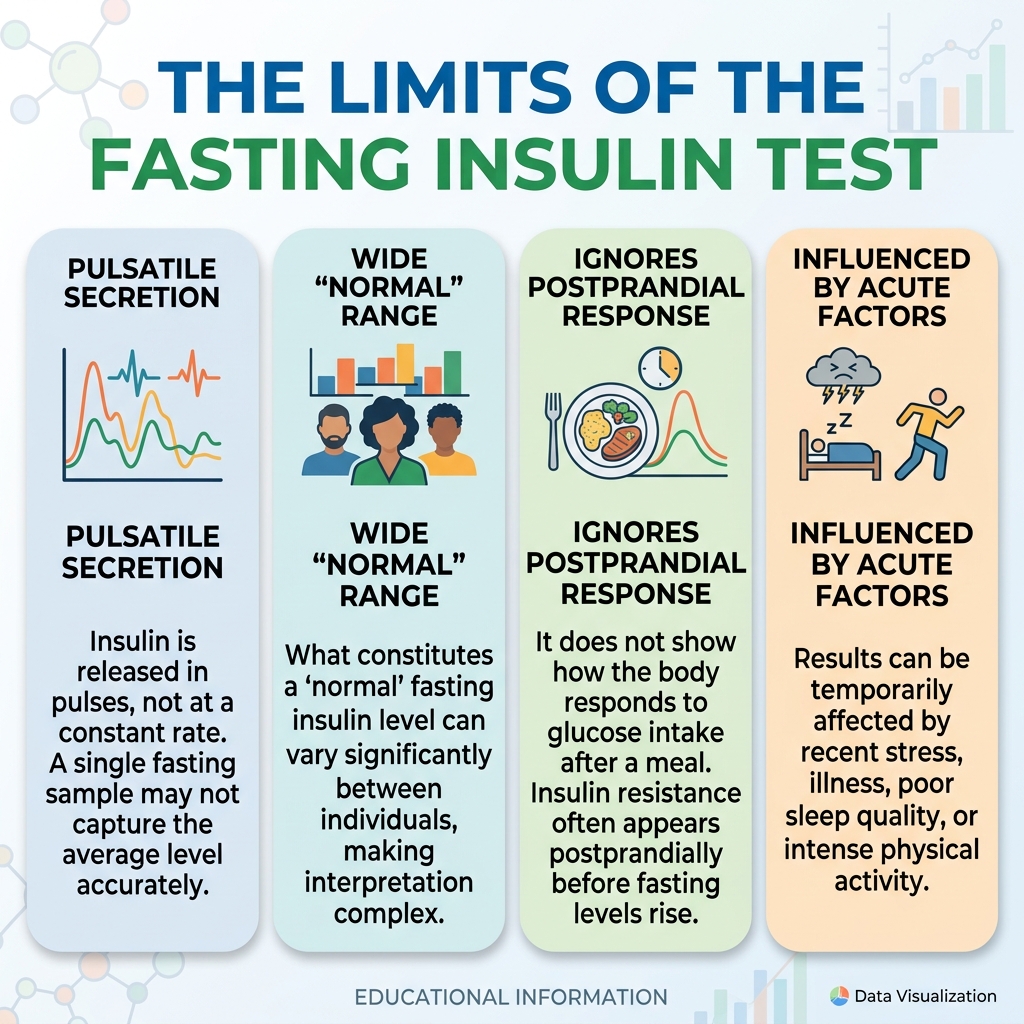
Worth being straight about the weaknesses, because they’re real and your readers will encounter them. Fasting insulin assays aren’t fully standardized across labs and platforms, which is one of the reasons mainstream screening has been reluctant to adopt it. A result from one lab isn’t always cleanly comparable to another, so trend-tracking ideally happens within the same lab.
The second limit is the HOMA-IR distinction already noted: the test is the foundational input, but the strongest cardiovascular outcome evidence describes the combined score. None of this undercuts the core case — an early, upstream signal beats a late, downstream one — but it does mean the fasting insulin test is best read as one instrument in a panel, not a single oracle. Depending on the question, clinicians may also use the oral glucose tolerance test or other methods for assessing insulin sensitivity when fasting markers alone do not give a complete picture.
Where the Fasting Insulin Test Fits in a Longevity Strategy
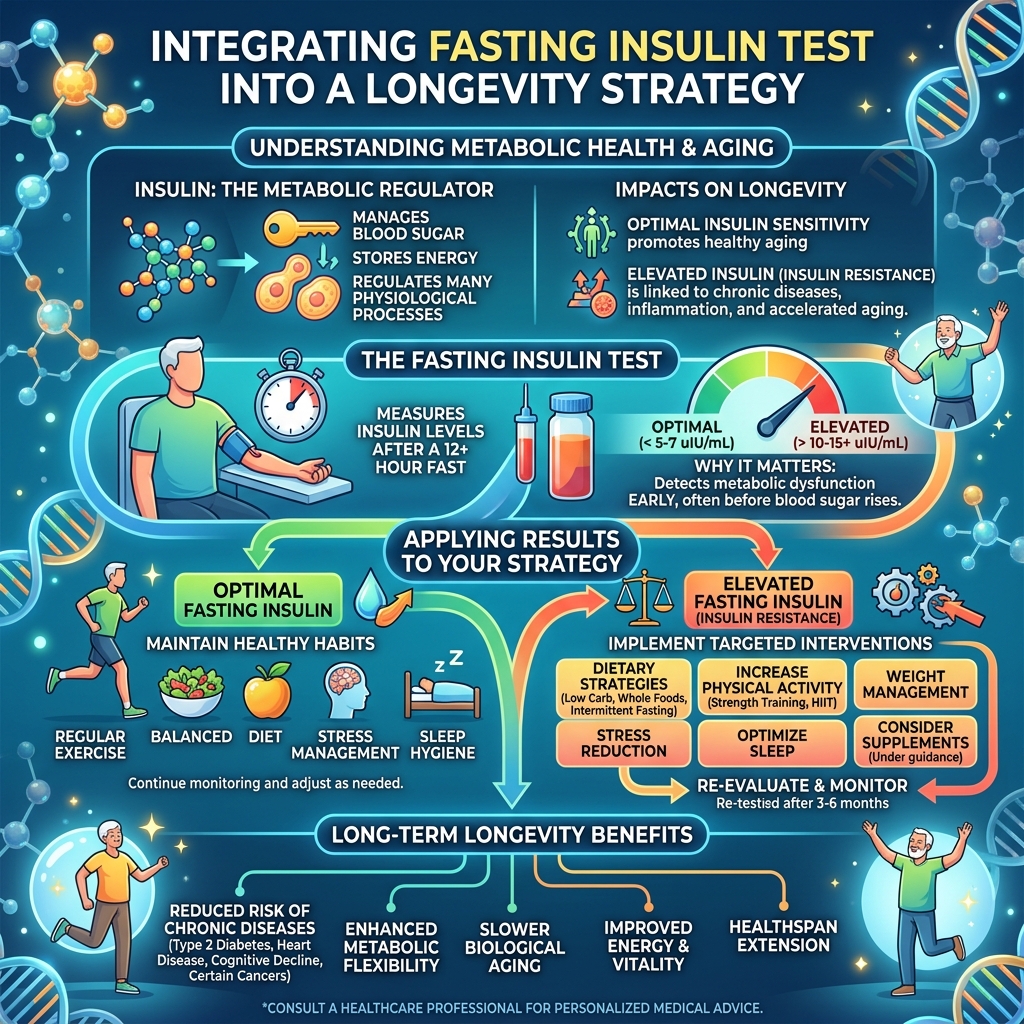
If the goal is to slow biological aging rather than just treat disease after it arrives, the entire value of a biomarker is lead time. A marker that flags trouble years ahead of glucose gives you a window to intervene while the system is still flexible. That's the whole argument for moving insulin from an afterthought to a routine check.
The fasting insulin test is one piece of a larger map. The WholeLiving 5-Month Health Challenge lays out the complete framework — how a handful of upstream biomarkers fit together into a measurable biological age reduction system, how to sequence the tests that actually predict outcomes, and how to read them as a trajectory rather than isolated readings. This article covers one marker; the framework covers how it connects to the rest.
The expert consensus running through the longevity field is that hyperinsulinemia is the earliest detectable sign of metabolic dysfunction — appearing well before fasting glucose or HbA1c (your three-month average blood sugar) ever rise. Peter Attia, MD, has described elevated insulin as the early warning that routine panels miss, the signal that's been building while the standard numbers still look fine.
That's the case in a sentence: the body warns you in insulin long before it warns you in glucose. The fasting insulin test is how you hear the warning while you still have time to respond — and if you want the full system this single marker plugs into, the WholeLiving 5-Month Health Challenge is the logical next step, turning one revealing number into a complete, trackable plan for lowering your biological age.
UP NEXT: Postprandial Gastrointestinal Distress as a High-Correlation …
Published by the WholeLiving Editorial Team Reviewed against the WholeLiving Research Standard With 4 peer-reviewed citations ·
WholeLiving publishes evidence-based longevity and biohacking intelligence. Every clinical claim traces to a named peer-reviewed journal or institutional research body.
Medical Disclaimer: This article is published for educational purposes only and does not constitute medical advice, diagnosis, or treatment. Readers should consult a qualified physician before making changes to their health protocols.