Nonalcoholic fatty liver disease (NAFLD) — excess fat stored in liver cells without significant alcohol intake — now affects an estimated one in three adults worldwide, with urbanised Asian populations, including Singapore, at the higher end of that range, according to a 2022 systematic review in The Lancet Gastroenterology & Hepatology. What drives it is not primarily dietary fat. The culprit is fructose, routed into the liver through a metabolic pathway that bypasses virtually every satiety signal and regulatory checkpoint applied to other carbohydrates. In Singapore, where teh tarik, kopi with condensed milk, and packaged bubble tea are daily staples, fructose exposure is chronically high.
The Health Promotion Board (HPB) identifies excess free sugar intake as a primary modifiable metabolic risk factor for Singapore adults. The good news is that liver fat responds measurably to dietary change, and that response is trackable at your polyclinic with standard blood tests and an abdominal ultrasound on referral. This article covers the mechanism first, then the markers, then five evidence-based strategies in order of impact.
Why Fructose Matters: How It Drives Fatty Liver Accumulation
Not all carbohydrates are equal from the liver's perspective. Glucose is metabolised across many tissues — muscle, brain, red blood cells — with insulin acting as the gatekeeper. Fructose is almost entirely captured by the liver on first pass, where it is processed through a pathway with no feedback brake: no inhibition at high concentrations, no satiety hormone release, and no insulin requirement to enter the cell.
The liver converts fructose to fat through a process called de novo lipogenesis (DNL) — the synthesis of new fat from non-fat precursors. The research confirms that sustained fructose consumption increases the rate of DNL and raises hepatic triglyceride concentrations significantly more than isocaloric glucose intake. A landmark 10-week randomised controlled trial by Stanhope KL et al., published in the Journal of Clinical Investigation in 2009, demonstrated that overweight adults consuming fructose-sweetened beverages accumulated significantly more visceral fat and showed higher rates of DNL and fasting triglycerides compared to those consuming glucose-sweetened beverages at identical caloric intake.
When DNL consistently outpaces the liver's capacity to export fat as very-low-density lipoprotein (VLDL) particles, fat accumulates in liver cells — the structural definition of NAFLD. Persistent accumulation can progress to inflammation (nonalcoholic steatohepatitis, or NASH) and, in a subset of cases, fibrosis over years to decades, according to practice guidance published in Hepatology in 2018 by the American Association for the Study of Liver Diseases (AASLD).
How Fructose Is Metabolised: The Hepatic Lipogenesis Pathway
When fructose reaches the liver, an enzyme called ketohexokinase (KHK) converts it to fructose-1-phosphate. This reaction consumes ATP (cellular energy currency) rapidly and is not subject to feedback inhibition — unlike the equivalent glucose step, which is tightly regulated by the product it creates. The fructose-1-phosphate is then cleaved into smaller fragments that feed directly into the acetyl-CoA pool, the raw material from which the liver synthesises fatty acids.
Three consequences follow from this unregulated entry:
- Triglyceride accumulation — excess acetyl-CoA is packaged as triglycerides and either stored in the liver or exported into the bloodstream, raising fasting triglyceride levels.
- Uric acid production — the rapid ATP consumption generates uric acid as a byproduct, which independently promotes insulin resistance and inflammation.
- No satiety signal — fructose does not trigger insulin or leptin responses the way glucose does, meaning high-fructose foods do not generate the hormonal signal to stop eating.
The research suggests that this combination — uncapped lipogenesis, elevated uric acid, and absent satiety signalling — makes fructose particularly effective at promoting fat accumulation when consumed in the free form found in beverages and processed foods, rather than the bound form in whole fruit. The fibre matrix of whole fruit slows absorption and substantially attenuates the hepatic load.
READ ALSO: Triglycerides and Cardiovascular Risk: What Your Fasting Number Actually Tells You
Testing for Fatty Liver: Markers and Screening Options at Your Polyclinic
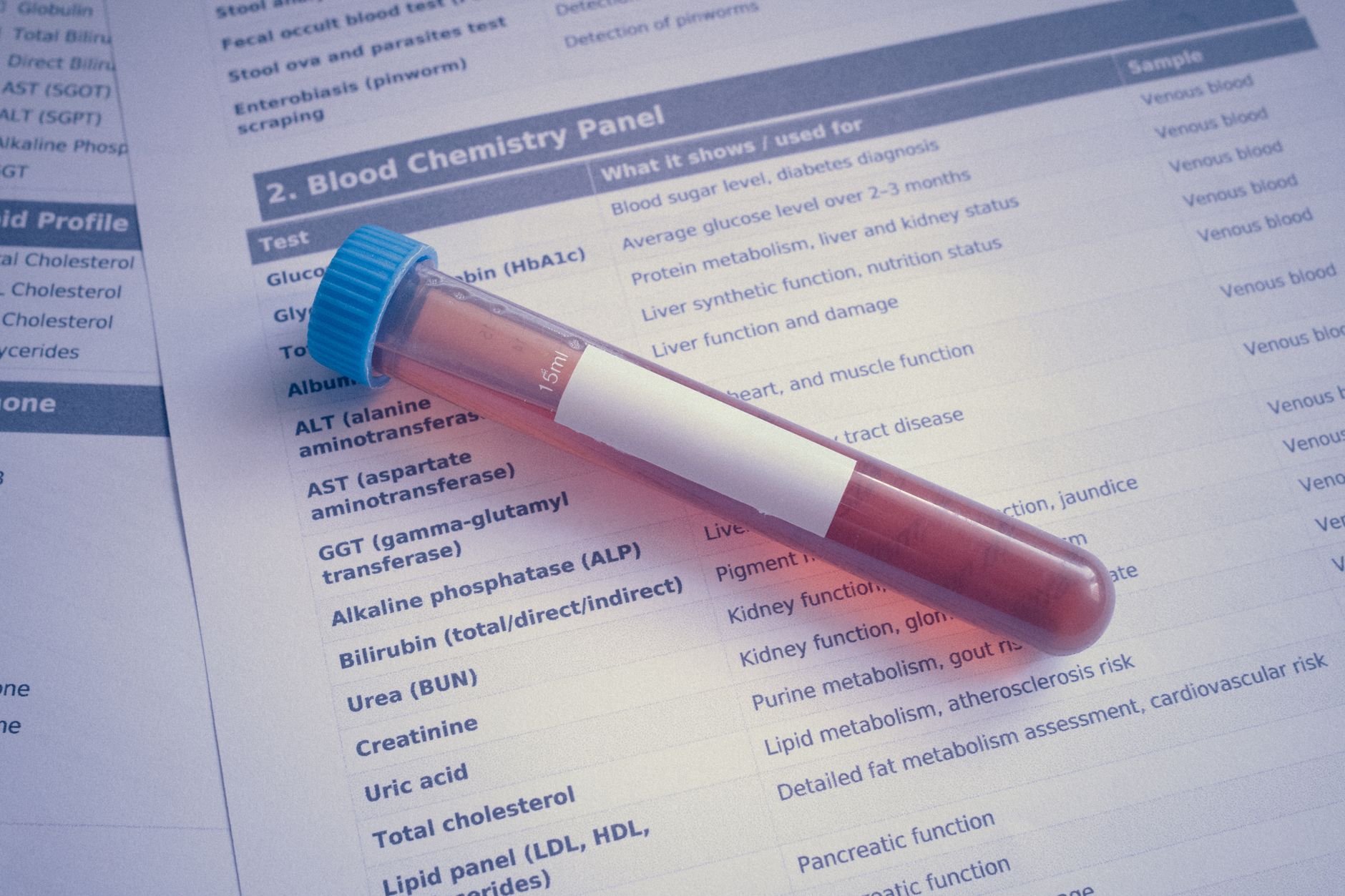
Most people with early NAFLD have no symptoms. Screening through your polyclinic under Screen for Life — the Ministry of Health's (MOH) subsidised chronic disease screening programme — covers fasting glucose and lipids, and it can serve as the entry point for requesting a liver enzyme panel from your clinician.
The standard liver panel includes alanine aminotransferase (ALT), aspartate aminotransferase (AST), and gamma-glutamyl transferase (GGT). These are indirect markers of liver stress, not direct fat quantification. An abdominal ultrasound provides a direct visual estimate of liver fat and is available at polyclinics on referral, typically priced at $80–150 SGD (2026) before CHAS (Community Health Assist Scheme) subsidy.
For any biomarker, the gap between the standard clinical reference range and the longevity-optimised range is where risk lives — values can sit within “normal” by conventional standards while liver fat is already accumulating. The Mayo Clinic's clinical overview of NAFLD confirms that a significant proportion of patients with early hepatic steatosis present with liver enzyme readings that fall within conventional normal limits.
| Biomarker | Standard Clinical Range | Longevity-Optimised Range | The Gap |
|---|---|---|---|
| ALT (U/L) | <45 (men), <34 (women) | <25 (men), <19 (women) | 20 U/L of undetected hepatic stress in men |
| AST (U/L) | <40 | <22 | 18 U/L within which early NAFLD is invisible |
| GGT (U/L) | <61 (men), <36 (women) | <25 (men), <20 (women) | 36 U/L of margin where chronic fructose load registers |
| Triglycerides (mmol/L) | <1.7 | <1.0 | 0.7 mmol/L of ongoing hepatic lipogenesis activity |
| Fasting insulin (mIU/L) | 2–25 | <8 | 17 mIU/L range concealing hepatic insulin resistance |
Fasting insulin is not included in standard Singapore polyclinic panels but can be requested as an add-on test; typical pricing is $30–50 SGD (2026). Consult your clinician on requesting it and interpreting the result alongside your full metabolic panel.
Where Fructose Hides: Dietary Sources to Monitor
Free fructose in the diet comes from three main categories. In Singapore, the quantities accumulate faster than most people estimate:
- Sugar-sweetened beverages (SSBs) — bubble tea, soft drinks, packaged fruit juices, teh tarik from the mamak, and energy drinks. A standard bubble tea (500 ml, full sugar) contains 40–60 g of sugar, roughly half of which is fructose.
- High-fructose corn syrup (HFCS) and sucrose in processed foods — sauces, marinades, bread, biscuits, cereals, and flavoured yoghurts. Sucrose is 50% fructose by molecular weight; HFCS is 42–55% fructose.
- Concentrated sweeteners — honey (approximately 40% fructose), agave syrup (70–90% fructose), and dried fruits, where fructose is concentrated relative to volume and fibre content.
Whole fruit is not the concern here. The fibre, water, and slower gastric emptying of whole fruit substantially reduce the hepatic fructose load. A medium apple (approximately 19 g sugar) arrives in the liver very differently from 250 ml of apple juice containing the same sugar content with the fibre removed.
READ ALSO: Sugar-Sweetened Beverages and Metabolic Risk: What the Evidence Tells Singapore Consumers
Five Evidence-Based Strategies for Metabolic Reversal
These five strategies are listed in order of evidence strength and practical impact. They are not additive prescriptions to implement simultaneously — start with Strategy 1 and layer the others progressively.
- Eliminate sugar-sweetened beverages entirely.The research confirms that removing SSBs is the single highest-yield intervention for reducing hepatic fat. The Stanhope et al. Journal of Clinical Investigation 2009 RCT showed that 10 weeks of fructose-sweetened beverage consumption increased visceral fat, DNL, and LDL-particle concentration — changes not observed in the glucose-sweetened comparator group at identical caloric intake. In Singapore, where SSBs are available at every hawker centre and convenience store, removing them eliminates the largest discrete source of hepatic fructose load in most adults' diets. Replacements: plain water, unsweetened teas, plain kopi-O kosong.
- Audit processed food labels for added sugar position.The research suggests that total dietary added sugar — not beverages alone — correlates with hepatic fat accumulation in a dose-dependent pattern. The WHO's 2015 guideline on free sugars recommends limiting free sugar to below 10% of total energy, with a conditional recommendation for below 5% for additional metabolic benefit. On a 2,000 kcal/day diet, 5% is 25 g — approximately one tablespoon of honey or half a standard soft drink. On Singapore food labels, sucrose, glucose-fructose syrup, HFCS, and fruit juice concentrate are all added-sugar forms. If any of these appear among the first three ingredients, the product warrants reconsideration.
- Increase dietary fibre, specifically soluble fibre.The research suggests that dietary fibre reduces hepatic fat through multiple mechanisms: slowing carbohydrate absorption and thereby reducing peak fructose delivery to the liver, feeding butyrate-producing gut bacteria that dampen hepatic inflammation, and improving insulin sensitivity over time. Harvard T.H. Chan School of Public Health's Nutrition Source details the mechanistic and clinical evidence for soluble fibre on metabolic outcomes. In the Singapore context, practical sources include oats, chickpeas, lentils, kai lan, long beans, and broccoli — the last three are available alongside any protein dish at a hawker stall without additional preparation.
- Introduce structured aerobic exercise.The research confirms that aerobic exercise reduces liver fat independently of body weight loss. A systematic review published in the Cochrane Database of Systematic Reviews examining exercise interventions for adults with NAFLD found that both moderate-intensity continuous exercise and high-intensity interval training reduced liver fat biomarkers. The mechanism combines increased hepatic fat oxidation with improved peripheral insulin sensitivity that reduces the substrate load arriving at the liver for conversion to fat. In Singapore's climate — 30°C and above 80% humidity year-round — the practical approach is scheduling outdoor aerobic activity before 08:00 or after 19:00, or using air-conditioned facilities, to reach the 150 minutes per week of moderate-intensity exercise supported by the evidence. The HPB's National Physical Activity Guidelines align with this target.
- Shift the overall dietary pattern toward lower glycaemic load.The research suggests that replacing refined carbohydrates — white rice, white bread, noodles from refined flour — with lower glycaemic equivalents reduces hepatic lipogenesis by moderating post-meal insulin spikes, which signal the liver to increase fat synthesis. This does not require eliminating all carbohydrates. A 2013 randomised controlled trial by Ryan MC et al., published in the Journal of Hepatology, found that a Mediterranean dietary pattern reduced hepatic steatosis and improved insulin sensitivity in adults with NAFLD over six weeks. In practice: reduce the starch portion of hawker meals, increase the vegetable and protein components per meal, and consider brown rice where available. This is a Tier 2 recommendation — consistent RCT evidence supports the direction, but individual metabolic responses vary and your lipid and glucose markers should guide calibration.
Tracking Your Progress: Biomarkers of Improvement
Liver fat responds to dietary change within weeks, not months. The research suggests that as little as eight weeks of sustained fructose reduction combined with structured exercise produces measurable changes in ALT, fasting triglycerides, and liver fat on ultrasound. Use the following sequence:
- Baseline panel (Week 0): ALT, AST, GGT, fasting triglycerides, fasting glucose, and fasting insulin if accessible. Request an abdominal ultrasound referral if your ALT is above 25 U/L or your fasting triglycerides are above 1.0 mmol/L.
- Four-week interim check: fasting triglycerides alone. This responds fastest to reduced fructose intake and provides early signal before a full panel recheck is warranted.
- Twelve-week full recheck: repeat the baseline panel. ALT and GGT declining toward longevity-optimised thresholds, alongside triglycerides below 1.0 mmol/L, confirms that hepatic lipogenesis is reducing.
The Cleveland Clinic's clinical resource on NAFLD confirms that liver fat is among the more responsive metabolic parameters to lifestyle intervention. If ALT remains above 30 U/L at the 12-week recheck despite adherence to Strategies 1 through 4, raise this with your polyclinic clinician and request a hepatology referral. Testing costs at a polyclinic are typically $15–30 SGD (2026) per liver enzyme panel before CHAS subsidy.
READ ALSO: Insulin Resistance: The Biomarkers That Show It Years Before a Diagnosis
Your Fructose-Reduction Action Plan: From Understanding to Protocol

The mechanism is clear, the markers are named, and the five strategies are ordered by impact. The practical sequence:
- This week: remove SSBs completely. Replace with water, plain teas, or kopi-O kosong.
- This week: arrange a baseline blood panel at your polyclinic — ALT, AST, GGT, and fasting lipids.
- Week 2: audit your three highest-volume processed food sources for added sugar position on the label.
- Week 2: add 30 minutes of brisk walking four days per week, scheduled for the early morning or evening in Singapore's heat.
- Week 4: check fasting triglycerides. Use the result to calibrate how aggressively to continue with Strategies 3 and 5.
- Week 12: full panel recheck. Compare against your baseline using the longevity-optimised targets in the table above.
For clinical background on NAFLD mechanisms and staging, the NIH's National Institute of Diabetes and Digestive and Kidney Diseases provides a well-sourced overview aligned with current research.
This list comes from Week 2 of the guide. Download the full 30-day plan to see how it all fits together: wholeliving.com/longevity-guide
READ ALSO: Metabolic Syndrome in Singapore: The Five Criteria and What Each One Means
Frequently Asked Questions

- Is fructose from whole fruit harmful to the liver?
- The research suggests it is not a meaningful concern for most people. Whole fruit delivers fructose alongside fibre, water, and a cellular matrix that slows gastric emptying and reduces the rate of hepatic delivery. The total fructose load from two to three servings of whole fruit daily is substantially lower than what a single sugar-sweetened beverage generates from equivalent sugar content. Fruit juice — where the fibre is removed — does not carry this protection and should be treated as an SSB for the purposes of this protocol.
- How quickly does liver fat respond to dietary change?
- The research confirms that hepatic fat is metabolically dynamic. Controlled studies have demonstrated measurable reductions in liver fat within eight weeks of reduced sugar intake combined with structured aerobic exercise. Fasting triglycerides, which reflect ongoing hepatic lipogenesis, typically respond within two to four weeks — which is why they are included as a four-week interim marker in the tracking protocol above.
- Can I get an abdominal ultrasound for liver fat at a Singapore polyclinic?
- Yes, on referral from your polyclinic clinician. You do not need to present with symptoms — an ALT above the longevity-optimised threshold, or elevated fasting triglycerides, are sufficient clinical grounds to raise with your clinician and request a referral. If you are on CHAS (the Community Health Assist Scheme), imaging costs may be partially subsidised. Screen for Life is the entry point if you do not currently have a metabolic diagnosis on record at your polyclinic.
- Does fasting insulin need to be measured?
- It is not included in standard Singapore polyclinic panels but is a useful adjunct if ALT and triglycerides are elevated simultaneously. Fasting insulin above 8 mIU/L in the context of elevated liver enzymes strongly suggests hepatic insulin resistance — both a driver and a consequence of NAFLD. It can be requested as an add-on test at your polyclinic or at a private laboratory; typical cost is $30–50 SGD (2026). Consult your clinician on how to interpret the result in the context of your full metabolic panel before adjusting any dietary or medication protocol.
UP NEXT: Liver Function Tests Explained: ALT, AST, GGT, and What to Request at Your Next Blood Draw
This article is for educational purposes only and does not constitute medical advice, diagnosis, or treatment. The content is intended to support informed conversations with your clinician, not to replace clinical assessment. If you have or suspect a medical condition, consult a qualified healthcare professional. WholeLiving is not a clinical service.