Garbanzo bean nutrition offers more than numbers on a label. It gives you a simple, steady way to strengthen your diet with whole food choices. When you understand this kind of food, you begin to see how small meals shape long term health.
Garbanzo beans are humble legumes with powerful nutrients that support lasting wellness. Their balanced protein and fiber make garbanzo bean nutrition ideal for everyday meals. You do not need complicated rules to benefit from this simple approach to nutrition.
In this guide, you will learn how garbanzo bean nutrition supports weight management, digestive health, and heart health. You will also discover easy ways to cook, store, and enjoy chickpeas daily. Let this be your calm, practical roadmap toward better health.
What Makes Garbanzo Bean Nutrition So Powerful
Garbanzo bean nutrition stands out because of its strong protein content and dietary fiber. A half cup serving provides an excellent source of plant protein and fiber. This balance makes garbanzo bean nutrition practical and sustainable.
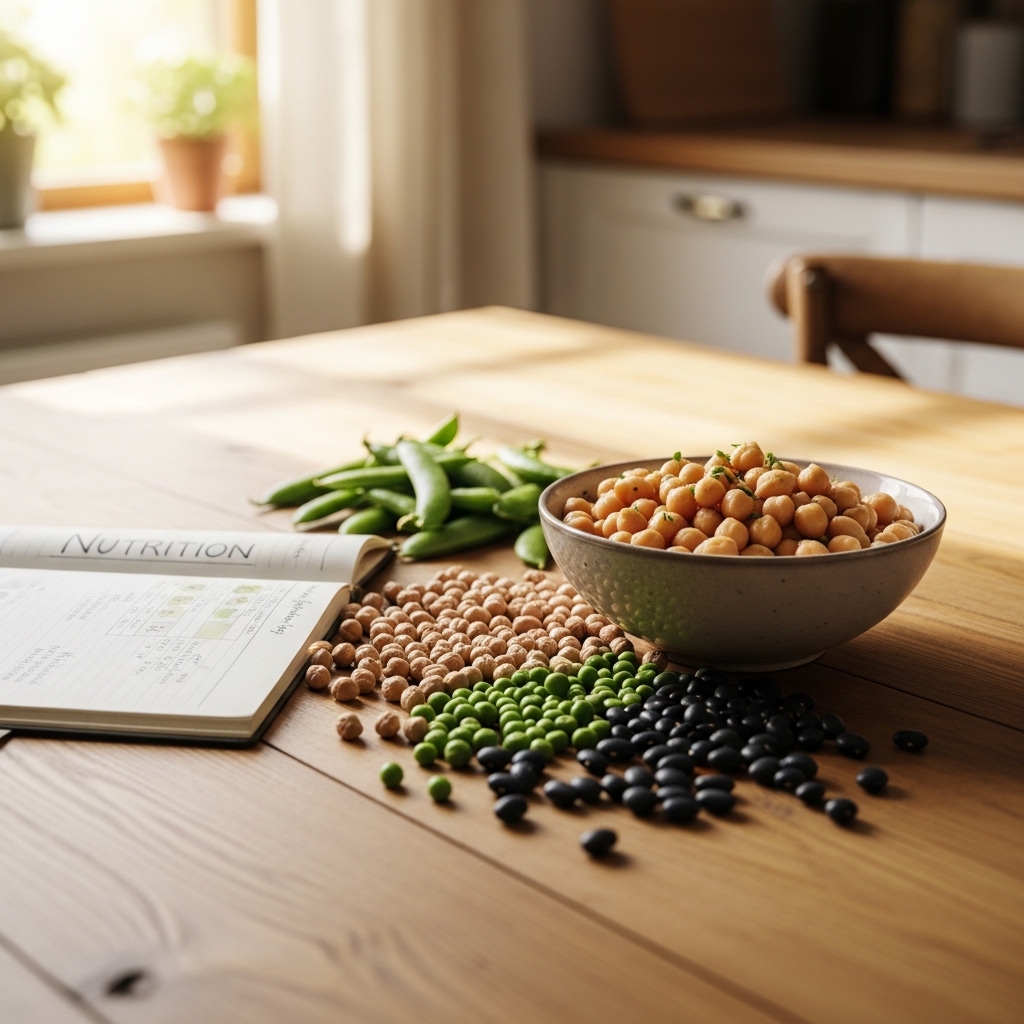
These mature seeds, also called chickpeas or bengal gram, belong to the legume family. They grow alongside other legumes like black beans and green peas. Compared to many beans, they offer a pleasant nutty flavor and naturally creamy texture when cooked.
Research shows that diets rich in legumes support heart health over time. It fits easily into this research based pattern. When you include this food regularly, you build nutrition into your everyday routine without stress.
Protein, Fiber, and Blood Sugar Balance
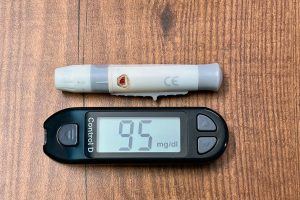
Garbanzo bean nutrition is especially helpful for blood sugar control. Garbanzo beans are rich in protein and soluble fiber. This pairing slows digestion and supports steady blood sugar after meals.
Stable blood sugar helps regulate insulin levels throughout the day. Dietary fiber also improves digestive health in gentle ways. When you focus on garbanzo bean nutrition, you support both metabolism and gut balance.
Because they fill you well, they support weight management naturally. You feel satisfied without relying on excess fat or added sodium. This works quietly in the background of your health.
READ MORE: Steamed Green Beans with Lemon | Whole Living
Vitamins and Minerals Your Body Needs
Garbanzo bean nutrition includes important b vitamins and iron. These nutrients support energy production and oxygen flow in your body. Iron is especially helpful if you often feel tired.
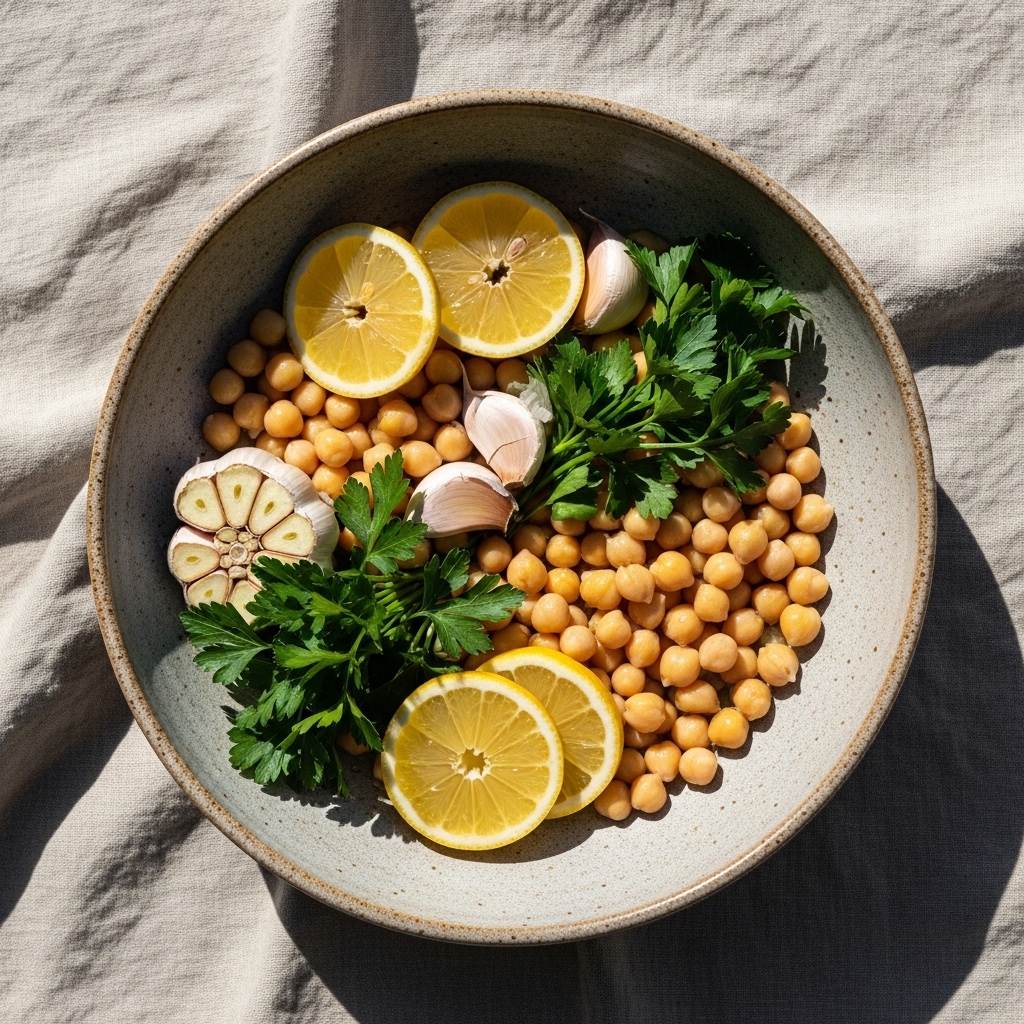
They also provide valuable minerals that strengthen bones and muscles. When paired with lemon juice, vitamin C enhances iron absorption. This simple pairing increases the effectiveness of garbanzo bean nutrition.
Each serving contributes meaningfully to your daily value of fiber and protein. Over time, these nutrients help protect long term health. You nourish your body steadily through garbanzo bean nutrition rather than dramatic changes.
Dried Chickpeas Versus Canned Chickpeas

Garbanzo bean nutrition remains strong whether you choose dried chickpeas or canned chickpeas. Dried chickpeas require soaking in a large bowl before cooking. You rinse them well, then boil until tender.
Canned chickpeas offer convenience for busy days. Simply drain and rinse to reduce sodium content. Check the sodium listed on canned beans to protect heart health.
Unopened canned beans can last up to one year in your pantry. Cooked chickpeas should be stored in the refrigerator and used within several days. Both options preserve garbanzo bean nutrition when handled carefully.
Cooking Methods That Preserve Nutrition
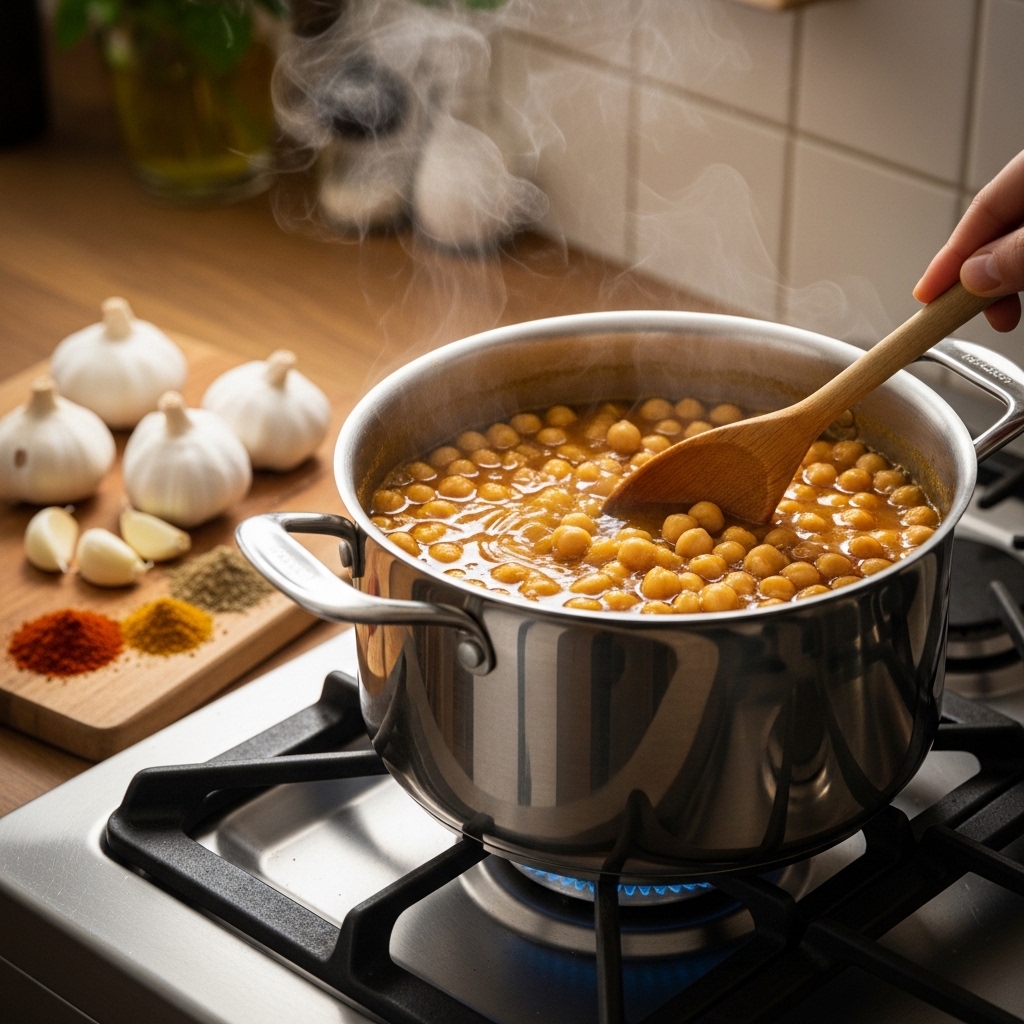
Cooking methods influence garbanzo bean nutrition more than you may realize. Soak dried chickpeas overnight, then boil in fresh water. Avoid adding salt too early in the process.
You can simmer them in broth with garlic, olive oil, and spices. Gentle cooking protects valuable nutrients and natural fiber. This approach keeps its nutrition intact.
After cooking, store chickpeas in an airtight container in the refrigerator. Proper storage preserves texture and nutrition. Thoughtful preparation protects their long term health benefits.
READ MORE: Roasted Winter Vegetables with Cannellini Beans – Whole Living Eat Well
Homemade Hummus and Middle East Traditions
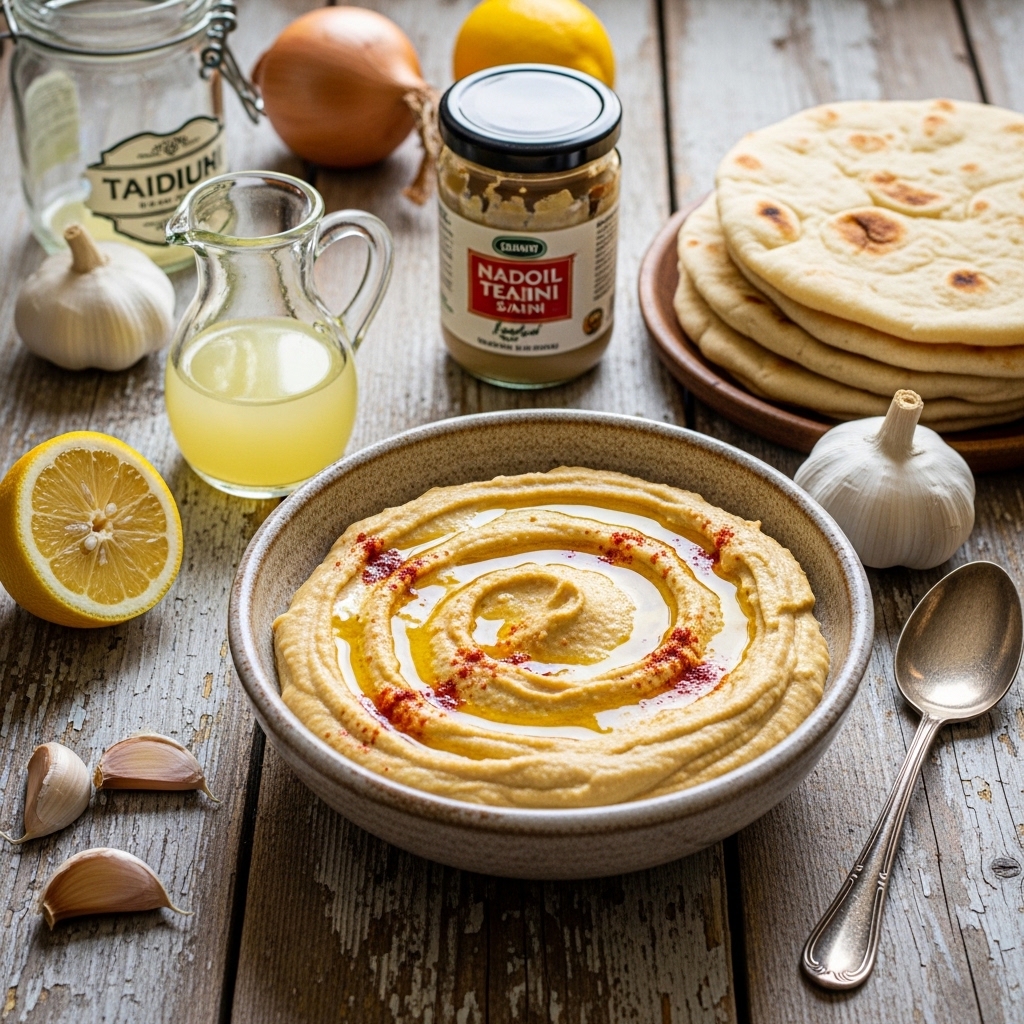
Garbanzo bean nutrition shines in traditional dishes from the Middle East. Chickpeas are the main ingredient in hummus. Homemade hummus blends cooked chickpeas, tahini, garlic, olive oil, and lemon juice.
A food processor creates a smooth creamy texture. Add chickpea liquid slowly to adjust consistency. This method preserves both flavor and garbanzo bean nutrition.
Hummus pairs well with salads, roasted vegetables, and warm bread. It adds protein without heavy fat. This tradition reflects centuries of balanced nutrition wisdom.
Chickpea Flour and Smart Baking Swaps
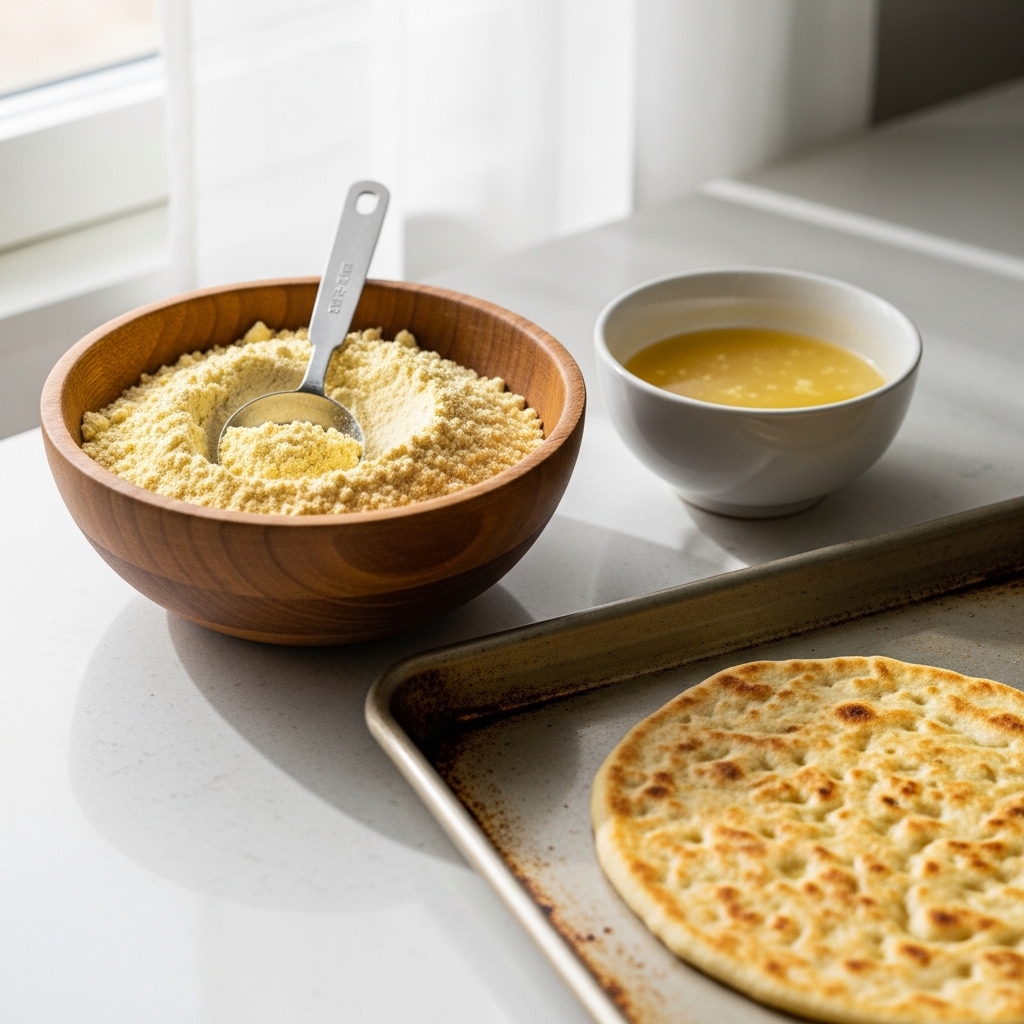
Garbanzo bean nutrition extends beyond whole chickpeas. Chickpea flour allows you to enjoy legumes in baking and cooking. It works well in flatbreads and savory dishes.
You can use chickpea liquid as an egg replacement in certain recipes. This supports plant based nutrition while maintaining protein content. It remains central even in baked food.
When you use chickpea flour regularly, you rely less on refined ingredients. Your meals remain simple and nutrient rich. This shift strengthens your overall diet.
READ MORE: Stewed Collard Greens and White Beans | Whole Living
Roasted Snacks, Soups, and Stews
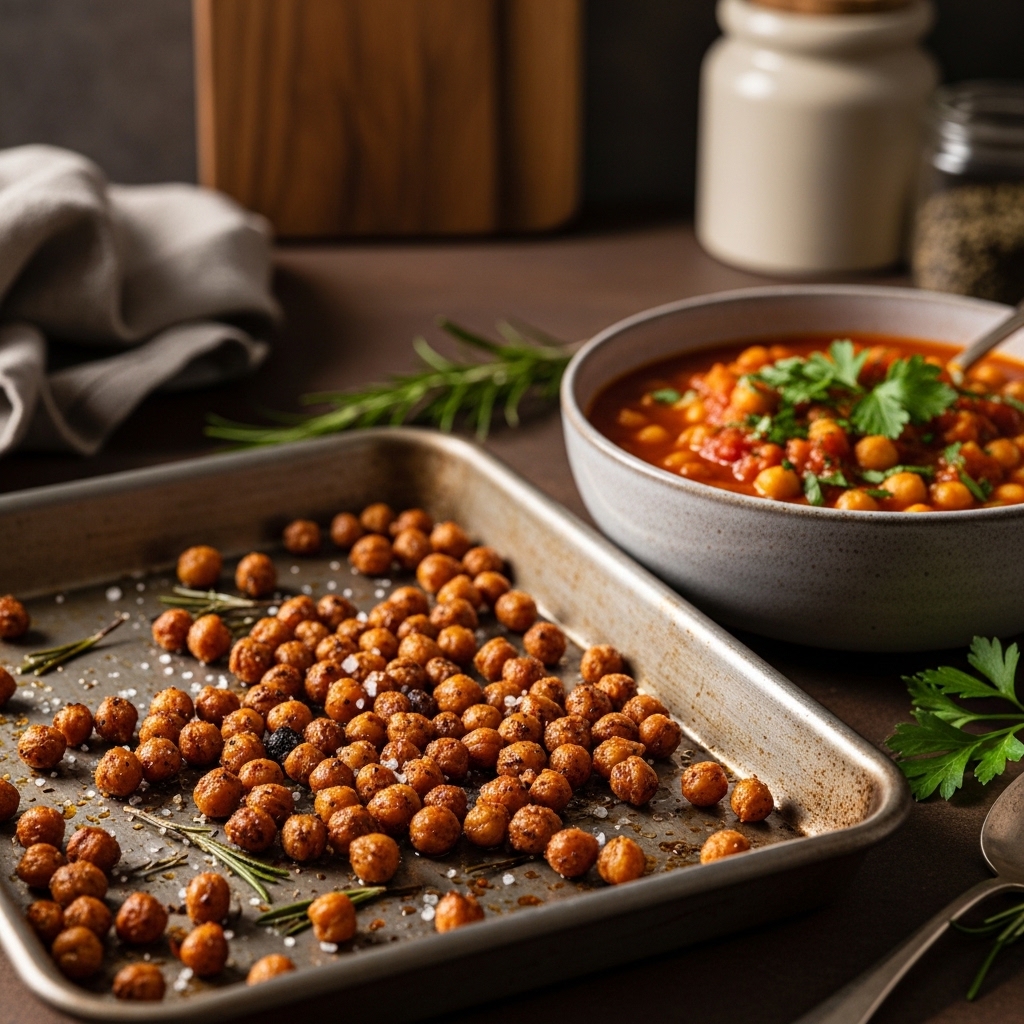
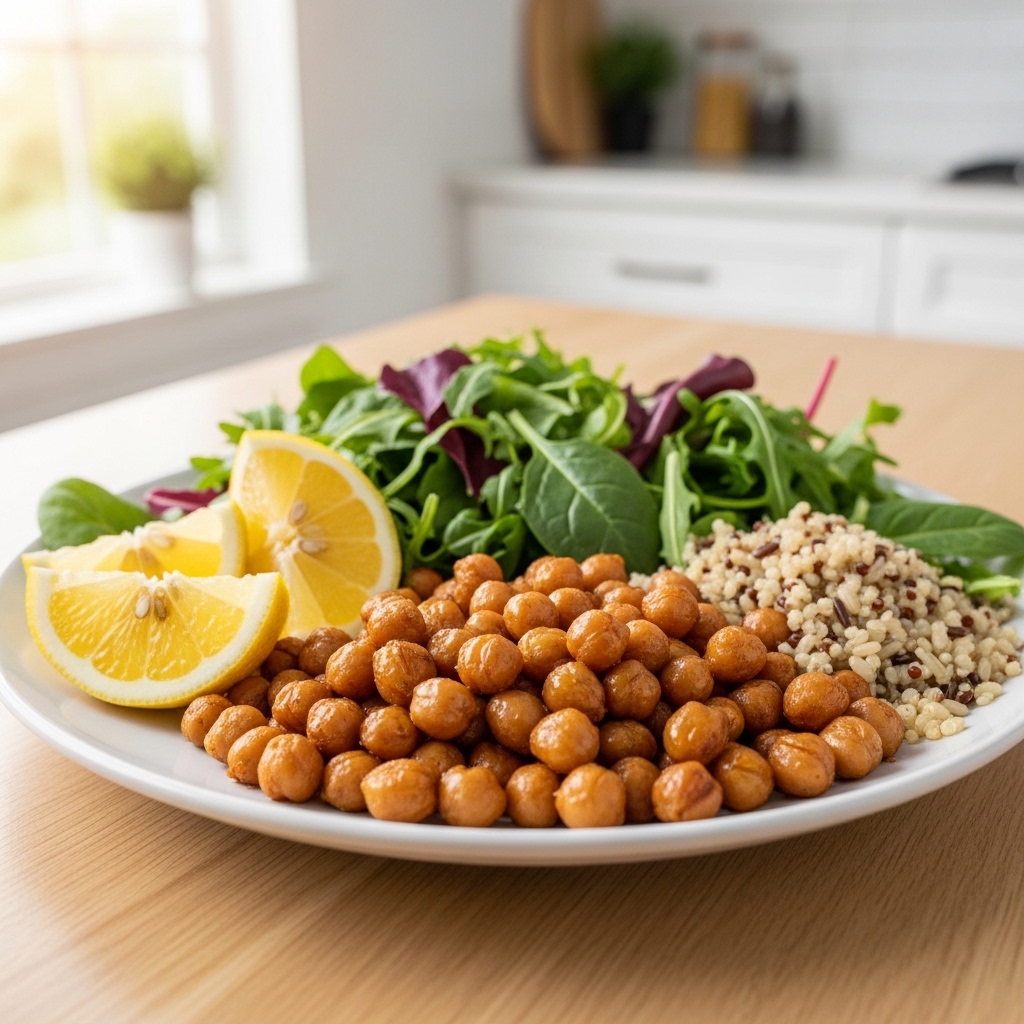
Garbanzo bean nutrition adapts easily to everyday meals. Roasted chickpeas make a satisfying snack rich in protein and fiber. Toss cooked chickpeas with olive oil, salt, and spices in a pan.
They also enhance soups and stews with added texture and nutrients. Add them to tomato broth or Italian dishes for depth. Their nutty flavor complements garlic and herbs.
These simple preparations taste great and support balanced nutrition. You transform basic beans into nourishing food. Every bowl reinforces the value of garbanzo bean nutrition.
Weight Management and Lasting Fullness
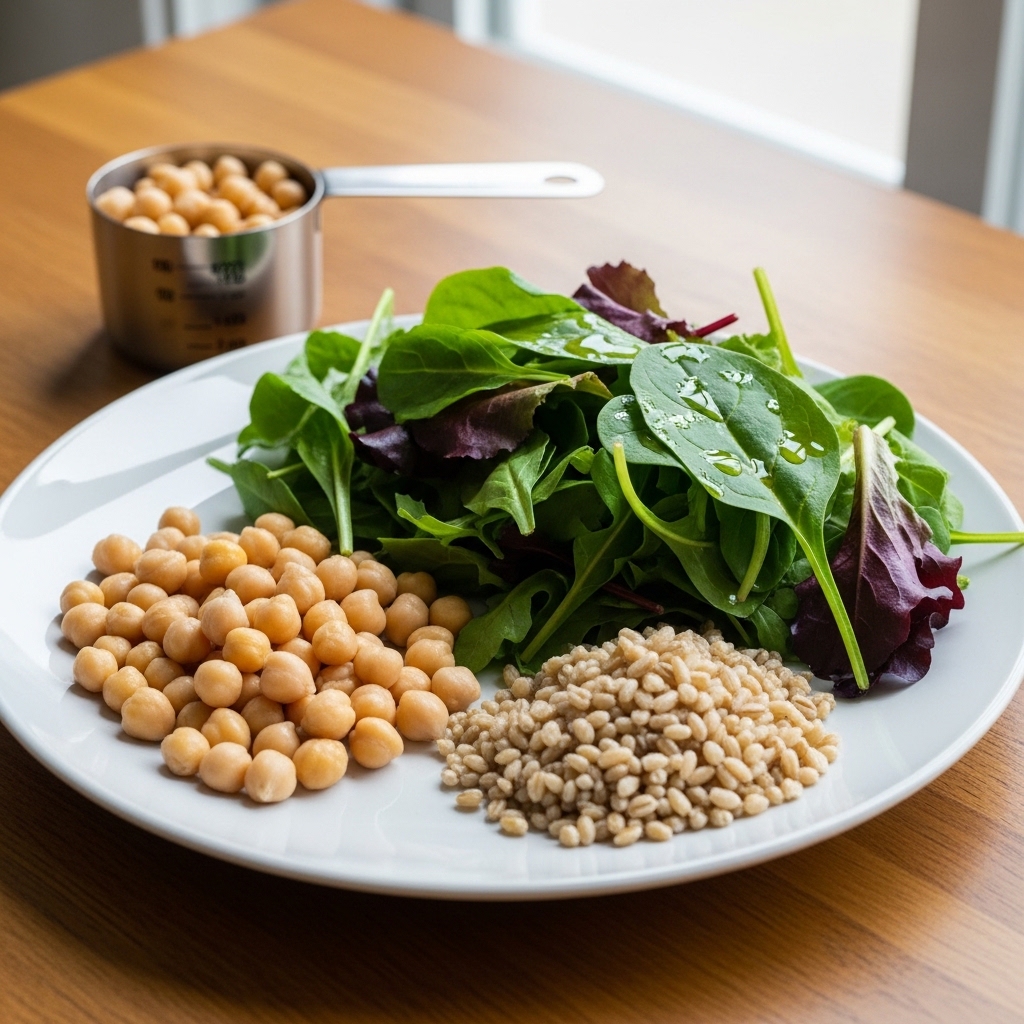
Garbanzo bean nutrition supports weight management naturally. The fiber and protein help fill you quickly. A half cup serving can anchor a balanced meal.
Because garbanzo beans digest gradually, they reduce sudden hunger spikes. Stable blood sugar helps prevent energy crashes later in the day. This steady pattern supports mindful eating.
This encourages balance rather than restriction. You learn to trust whole food portions. Satisfaction replaces overeating.
Long Term Health Benefits Backed by Research
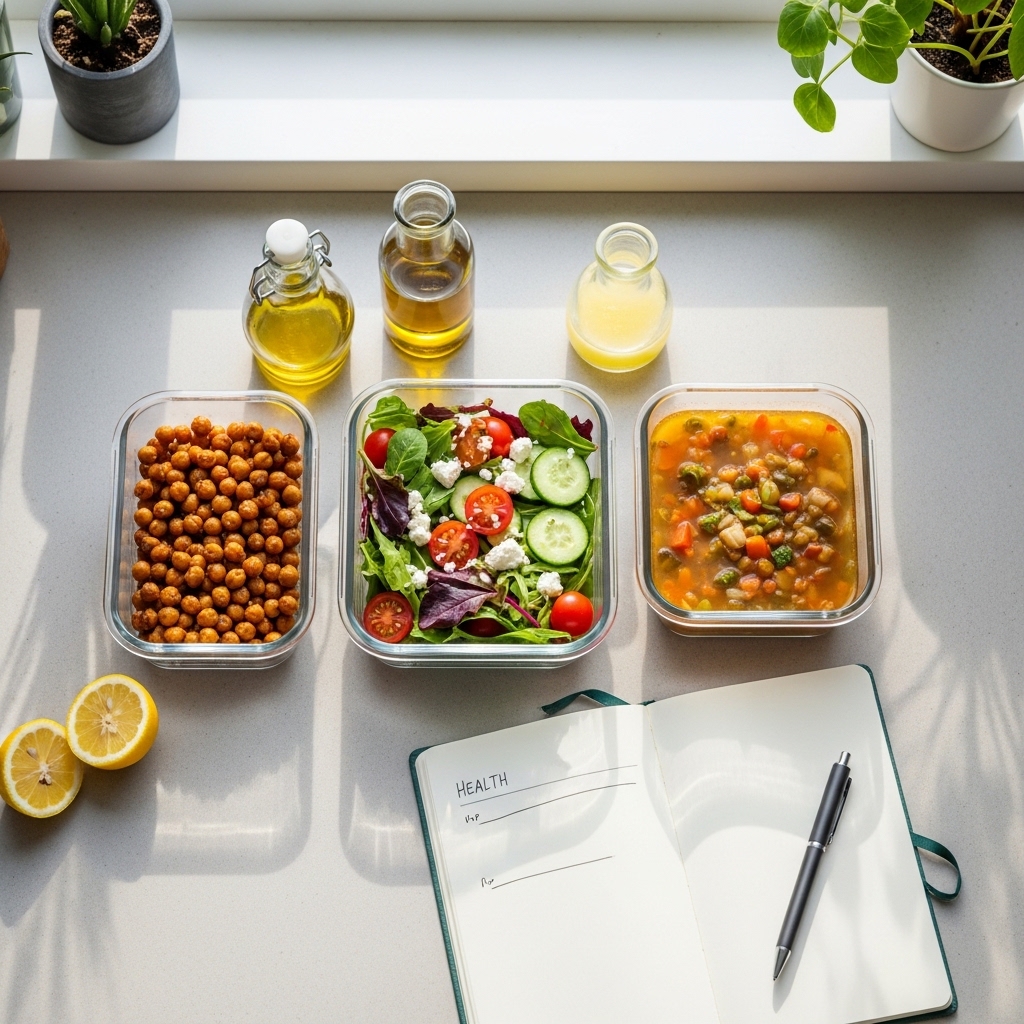
Research shows that legumes contribute to heart health over time. It fits well within heart protective dietary patterns. Diets rich in fiber and plant protein reduce heart disease risk factors.
Their moderate fat profile and manageable sodium levels support cardiovascular health. They may also lower risks linked to certain cancers. Garbanzo bean nutrition becomes preventative when practiced consistently.
When you include chickpeas regularly, you strengthen your nutrition foundation. Prevention becomes part of your daily diet. Small habits lead to meaningful health outcomes.