


Health information professionals play a vital role in today’s healthcare sector. They manage medical records, protect patient data, and help healthcare providers make informed decisions about patient care. As the healthcare industry continues to evolve, health information management has become increasingly crucial. These professionals shape the future of wellness by ensuring health information systems are optimized for better patient outcomes.
The Essential Role of Health Information Professionals

Health information professionals, including health information managers, organize and safeguard vital patient information. They also support the quality, security, and accessibility of data within healthcare organizations. These professionals ensure that electronic health records (EHR) are accurate, up-to-date, and accessible for healthcare providers. The integrity of medical data can be the difference between life and death. These professionals manage medical terminology and patient records to meet both ethical and legal standards. Their work impacts patient outcomes and the overall healthcare delivery process.
Many health information managers work in healthcare facilities like hospitals, clinics, and home health agencies. They ensure that health data is secure, accurate, and accessible across different healthcare settings. Their responsibilities also include ensuring compliance with government regulations. Health information professionals connect clinical data with those who need it, playing a key role in improving patient care.
Health Information Management: A Growing Field
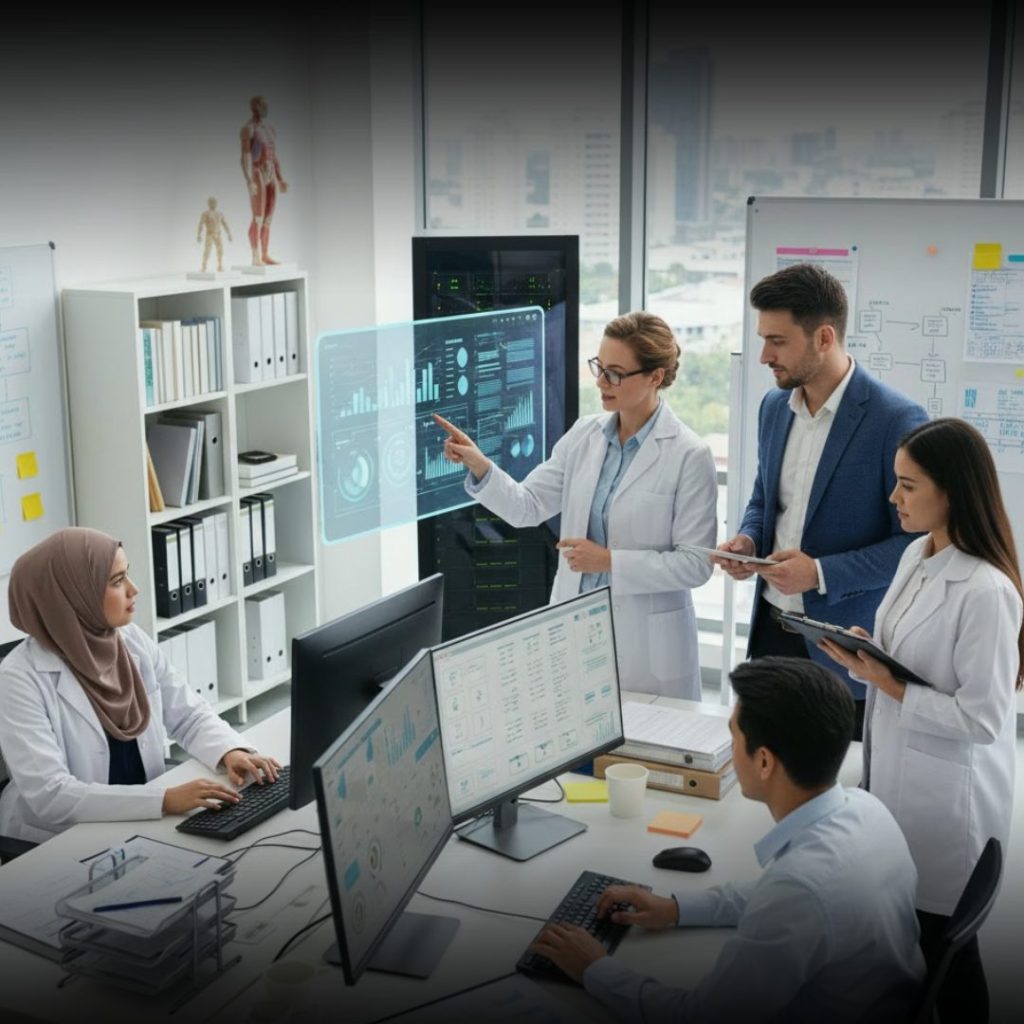
The field of health information management (HIM) offers dynamic career opportunities. The US Bureau of Labor Statistics (BLS) reports that demand for health information management professionals will continue to rise as healthcare facilities adopt electronic medical records. The job outlook for HIM professionals is strong, with projected industry growth. There is a high demand for professionals skilled in health informatics, clinical documentation, and electronic health records management. As technology advances, healthcare providers rely more on HIM professionals to enhance patient care. This field offers various career paths, from roles in medical billing to positions in healthcare IT consulting firms. Many health information professionals earn a bachelor’s degree in health information management. Some pursue additional education to become registered health information administrators (RHIAs), a requirement for advanced roles.
READ ALSO: Health Scientists Help Make Wellness Work Smarter
The Intersection of Technology and Electronic Health Records
Technology plays a critical role in managing medical data. Health information professionals lead this transformation, ensuring that electronic health records (EHR) and electronic medical records (EMR) systems function properly. These systems revolutionize how healthcare facilities store and access patient data. Health information professionals protect patient information and ensure compliance with privacy regulations.
Data analytics is becoming an increasingly valuable tool in healthcare. Health information professionals use it to track patient outcomes, improve care quality, and reduce costs. By harnessing technology, they help healthcare providers deliver more efficient and effective care. This shift also increases job opportunities, especially in consulting agencies and IT companies specializing in health information systems.
READ ALSO: Total Nutrition Technology for Slower Living
Health Information Technologists: Bridging Data and Care

Health information technologists are essential in today’s healthcare system. They serve as the link between patient data and quality care delivery. These professionals collect, analyze, and safeguard electronic health records, ensuring that all patient data is accurate and secure. As healthcare providers rely more on digital systems, the demand for health information technologists continues to rise.
Labor statistics show that the employment opportunities for health information technologists will grow faster than average, reflecting the digital transformation in healthcare. To succeed in this role, health information technologists need strong analytical and critical thinking skills, a solid understanding of medical terminology, and a deep knowledge of healthcare concepts. Their expertise helps healthcare providers make informed decisions, improving patient outcomes.
A More Connected Healthcare System
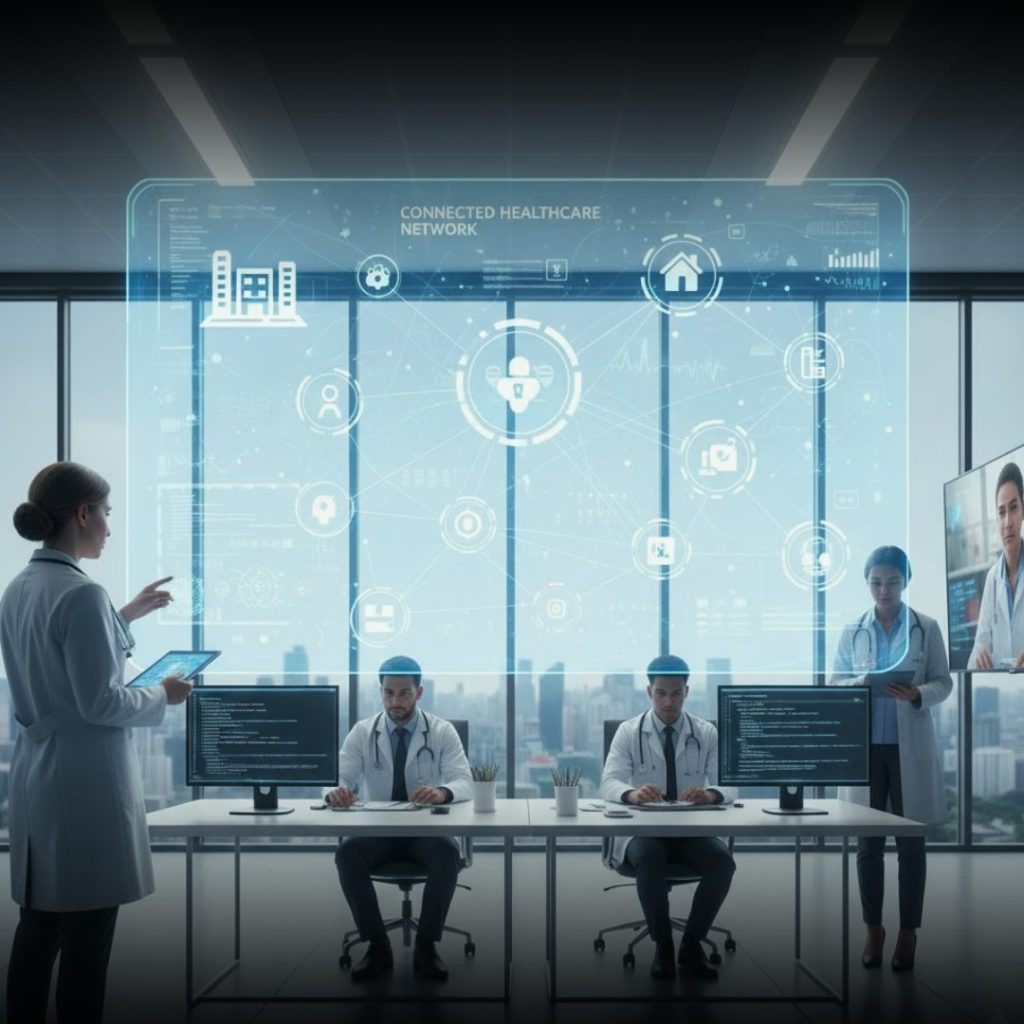
Health information professionals connect clinical data with patient care. As healthcare providers move towards integrated systems, seamless data sharing becomes essential. Health information professionals ensure that patient records are easily accessible across healthcare facilities, including physician offices and surgery centers. This improves patient safety and care coordination.
Patient data is often stored in different systems across a healthcare organization. Health information managers ensure that this data is harmonized and accessible, giving a comprehensive view of a patient’s medical history. This interconnectedness enhances overall care quality and helps healthcare providers make better decisions.
Benefits of Health Information Management
Health information management (HIM) provides significant benefits across the healthcare industry. By ensuring proper management of patient data, HIM professionals help healthcare organizations deliver quality care and achieve better outcomes. Accurate, secure patient records reduce medical errors, streamline care coordination, and support evidence-based decision-making.
Effective HIM also helps healthcare providers comply with regulations and maintain patient trust. With strong health information management systems, healthcare organizations minimize data breaches and foster a culture of continuous improvement. Registered health information administrators (RHIAs) and registered health information technicians (RHITs) bring specialized skills to managing patient data, making these benefits possible.
READ ALSO: Professional Health Products That Do More With Less
Critical Skills for Health Information Managers
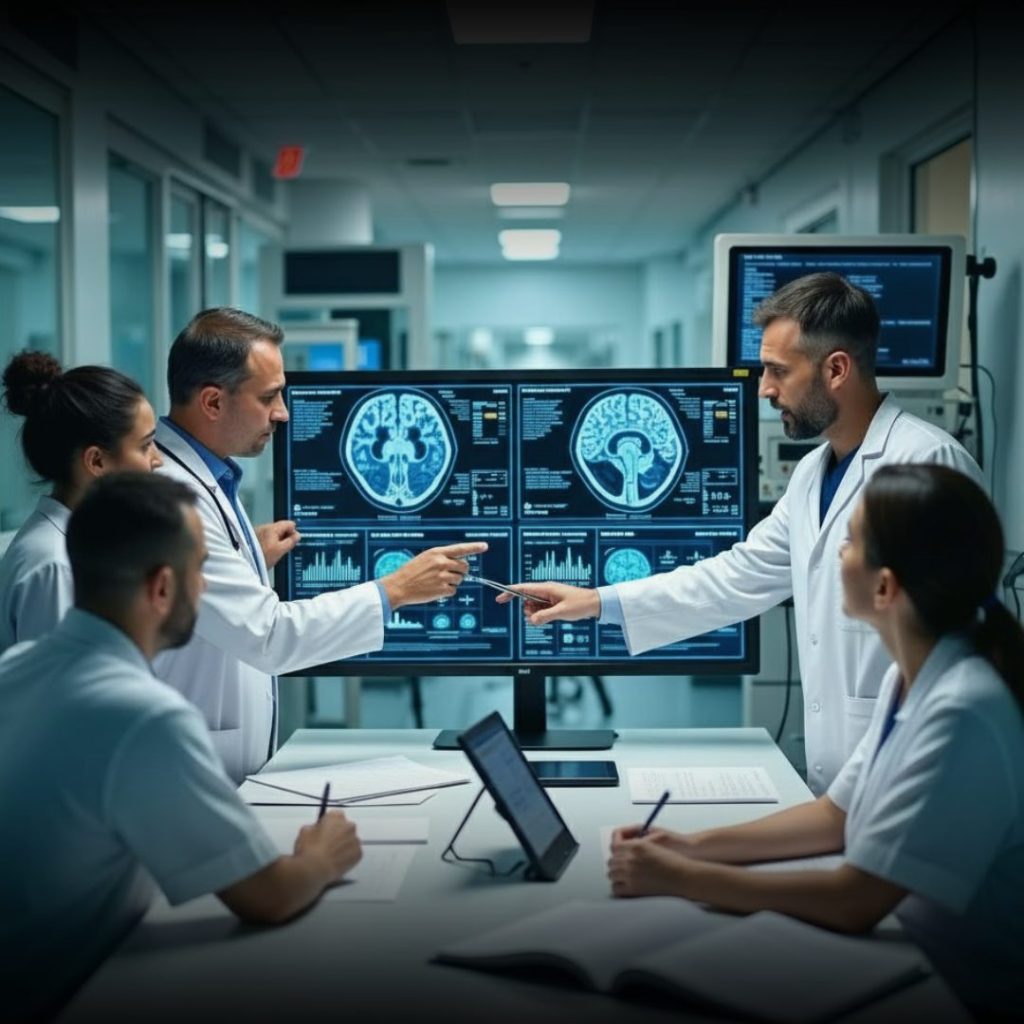
Health information professionals must possess a mix of technical, soft, and transferable skills. They need a solid understanding of healthcare data systems, medical records management, medical coding, and clinical documentation. Analytical skills are essential, as they must interpret and use data to improve patient outcomes.
Health information managers, in particular, need strong leadership skills. These professionals often oversee teams and manage complex health information systems. They must communicate effectively with healthcare providers and navigate regulations. Attention to detail is crucial, as mistakes in patient data can affect patient care and safety.
Challenges Facing Health Information Management
Health information management faces several challenges, particularly regarding data security. With increasing cyber threats, HIM professionals must implement safeguards to protect sensitive patient data while ensuring timely access for authorized personnel.
Another challenge is keeping up with evolving regulations, like HIPAA and ICD-10. The rapid adoption of digital technologies has also created complexities in integrating different systems. Health information managers address these issues by developing strategies and processes that maintain data security, privacy, and regulatory compliance.
The Career Outlook for Health Information Professionals
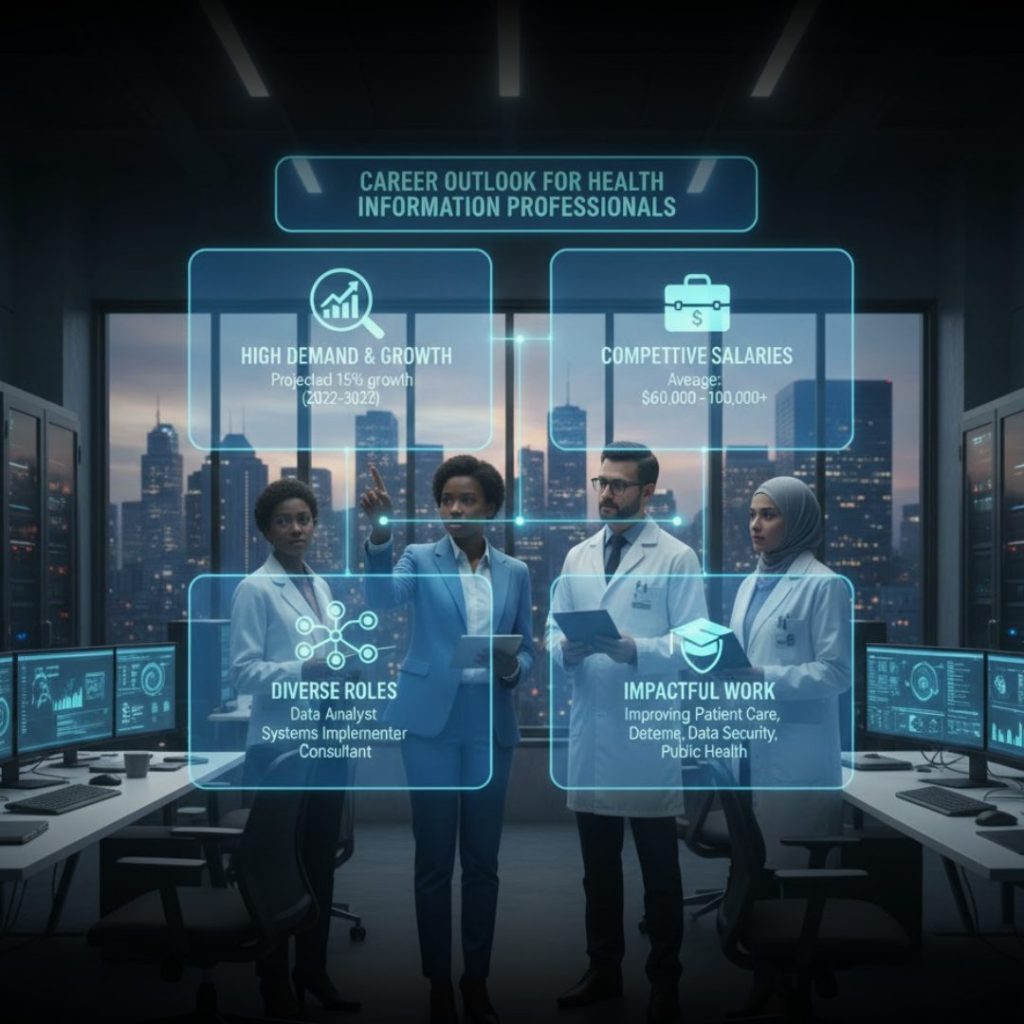
The career outlook for health information professionals remains strong. As healthcare facilities continue adopting technology and electronic health records, the demand for skilled professionals will increase. The BLS reports growing demand for registered health information technicians, medical coders, and health information managers. Many healthcare organizations actively seek professionals with expertise in health informatics and data analysis. This expanding field offers various roles, competitive salaries, and opportunities for advancement.
Certification: Advancing Your Professional Journey

Certification is key for health information professionals looking to advance their careers. Certifications such as the Registered Health Information Administrator (RHIA) and Registered Health Information Technician (RHIT) validate a professional’s expertise in areas like health information management and medical coding.
Certification enhances credibility, opens up new job opportunities, and increases earning potential. It also prepares professionals for leadership roles within healthcare organizations, consulting firms, and government agencies. By obtaining certification, health information professionals secure long-term success in their careers.
How to Become a Health Information Professional

To become a health information professional, you need a combination of formal education and hands-on experience. Most start by earning a bachelor’s degree in health information management or a related field. Some then pursue certifications, such as RHIA or the Certified Health Data Analyst (CHDA) designation.
While formal education is essential, staying up-to-date with healthcare technology is equally important. As the sector continues to evolve, new technologies like electronic medical records and data analytics transform how patient care is delivered. By staying informed, health information professionals ensure they remain competitive in this ever-changing field.
Shaping the Future of Wellness

Health information professionals are integral to the healthcare system. They manage patient data securely and efficiently, contributing to better patient care and safety. As technology continues to advance, their role in shaping wellness will become even more important.
By embracing new technologies, strengthening leadership and analytical skills, and staying informed about trends, health information professionals can drive positive change. Whether you’re just starting in health information management or are an experienced professional, the future of wellness is in your hands, and your work can significantly impact patient care.