
Hemorrhage Brain Symptoms: How to Spot the Warning Signs
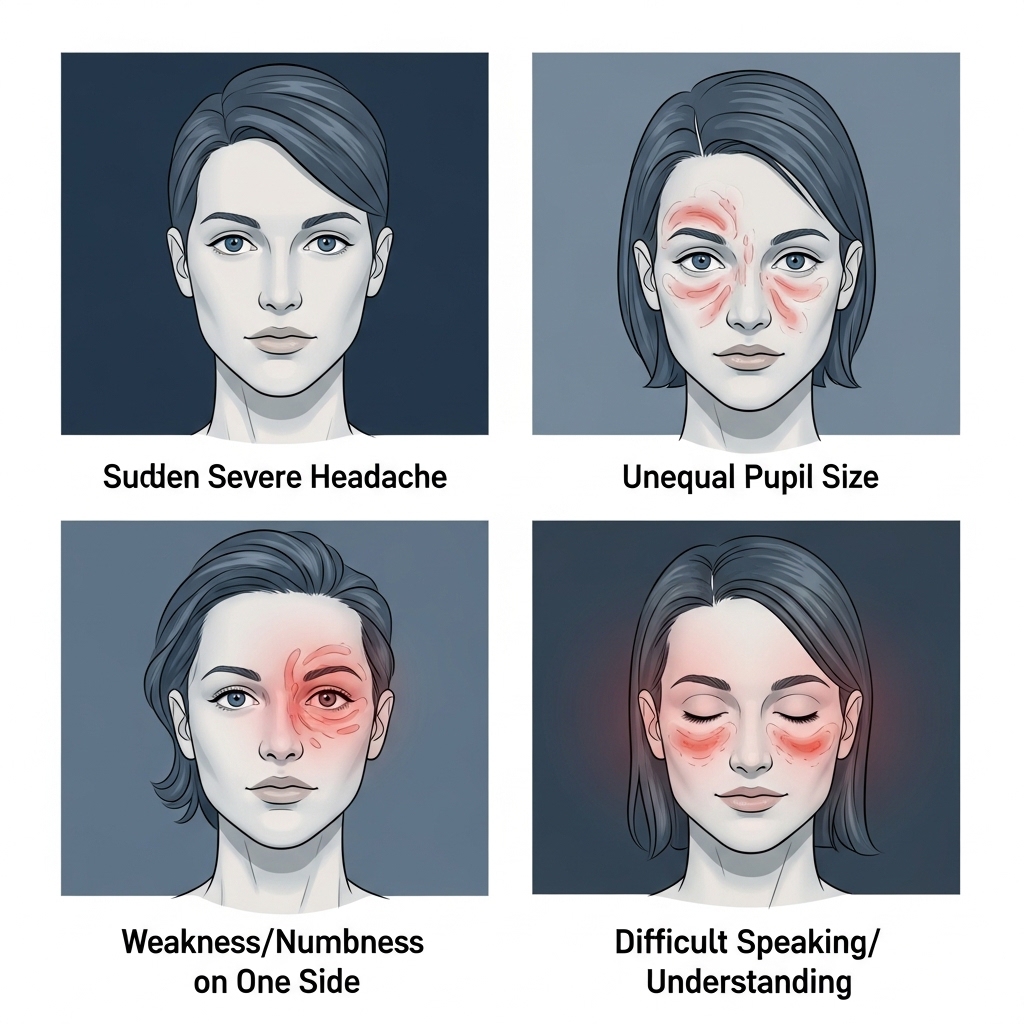
You may hear doctors talk about hemorrhage brain symptoms, and the phrase can feel confusing at first. In simple words, it refers to warning signs when bleeding begins inside the brain. When a brain hemorrhage happens, a burst blood vessel allows blood to leak into delicate brain tissue. This leaking causes pressure to build in a space that has no room to expand.
This bleeding inside the skull can press on brain cells and disturb normal brain functions. The pressure builds because the skull has very little room for swelling or extra fluid. That is why a brain bleed is considered a medical emergency and requires immediate medical attention. Every minute counts when bleeding is occurring inside the skull.
The good news is that awareness gives you power. When you recognize brain bleed symptoms early, doctors can act quickly to relieve pressure and protect the brain. Learning these warning signs does not require a medical background, only attention and calm observation. Think of this guide as a quiet companion helping you understand what your body may be trying to tell you.
Understanding What a Brain Hemorrhage Really Is
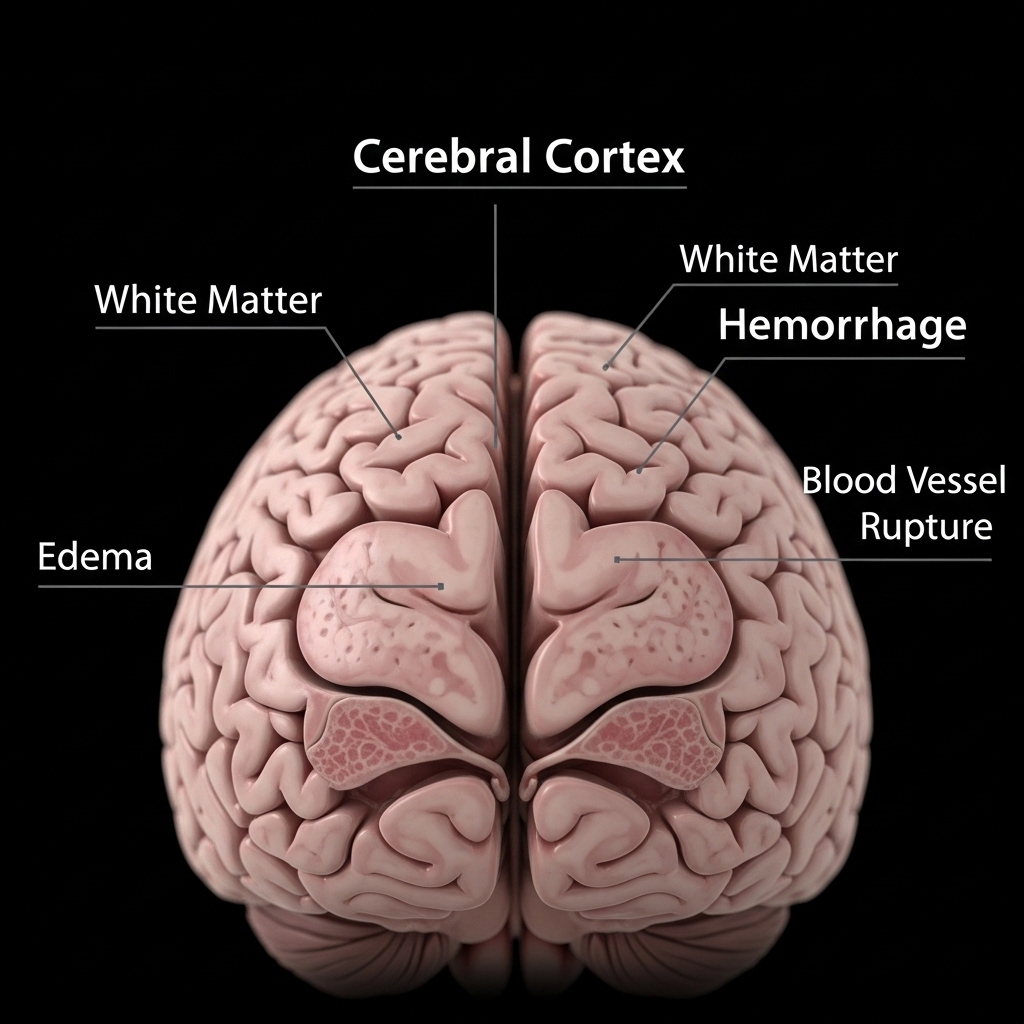
A brain hemorrhage happens when there is bleeding inside the skull. In medical terms, hemorrhage is bleeding that occurs when a blood vessel ruptures or tears. The leaking blood begins to spread into spaces where it should not exist. This unwanted blood can press against delicate brain tissue and cause serious harm within minutes.
When this occurs, blood fills the surrounding brain areas and can disrupt delicate structures. In many cases, the bleeding happens directly inside the brain tissue, which doctors call intracerebral hemorrhage. This type of bleeding begins damaging brain cells very quickly if pressure continues to rise. The faster the bleeding is stopped, the better the chances of protecting healthy brain tissue.
Sometimes the blood does not enter the brain itself but collects between protective layers. The brain sits under a strong membrane called the dura mater, which lies just beneath the skull bone. When blood collects in these spaces, pressure builds and pushes against the brain. This situation is known as intracranial hemorrhage, a serious condition that can interfere with breathing, movement, and memory.
Understanding the symptoms of a brain hemorrhage helps you respond calmly and quickly when needed. Every brain bleed occurs differently, and the speed of bleeding often affects how symptoms progress. Some bleeds develop slowly over hours while others cause sudden and dramatic changes. Knowing both patterns helps you stay alert to the full range of warning signs.
READ ALSO: Parietal Brain: How It Shapes Focus and Awareness
Why Brain Bleeds Are a Medical Emergency
A brain bleed must always be treated as a medical emergency. The brain controls everything your body does, from movement to breathing to memory. When bleeding begins, the limited space inside the skull quickly becomes crowded with blood. This crowding creates dangerous pressure that can shut down vital brain centers in a very short time.
The leaking blood places pressure on nearby brain cells and vital brain centers. Even a small amount of bleeding can disturb speech, coordination, and awareness. As pressure grows, the bleeding may affect areas that control breathing or the spinal cord. Without quick action, the damage can spread far beyond the original site of bleeding.
Doctors respond quickly because delays can lead to permanent brain damage. When you arrive at the emergency room, medical teams begin urgent evaluations right away. They often perform imaging tests such as a CT scan to locate the bleeding and assess the severity. These early steps are critical for guiding the treatment plan that follows.
Quick diagnosis improves outcomes, and many individuals regain brain functions when treatment begins early. Specialists, including neurological surgeons, then determine the safest treatment approach based on the scan results. The combination of fast response and expert care gives the brain its best chance of recovery. Never wait to see if symptoms improve on their own when a brain bleed is suspected.
READ ALSO: Left Brain vs Right Brain: How Both Sides Work Together
Early Hemorrhage Brain Symptoms You Should Notice
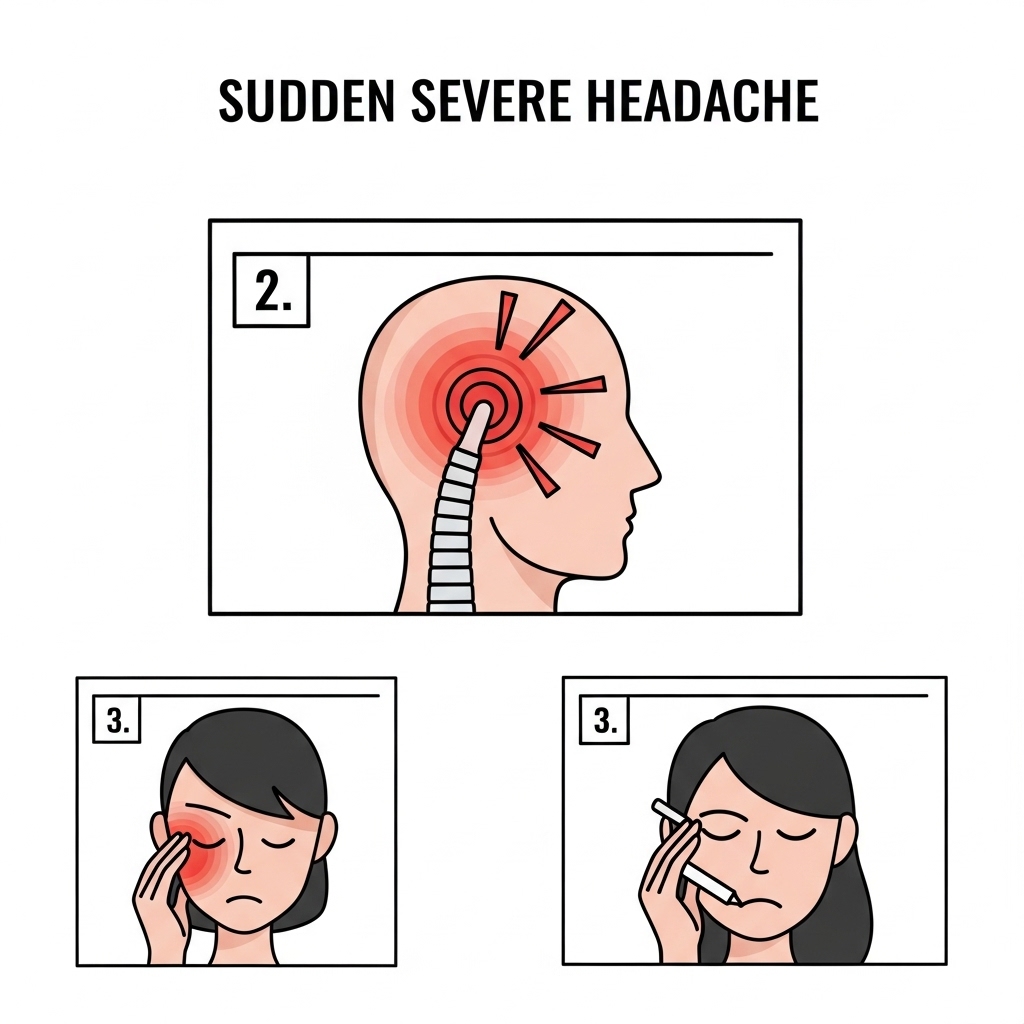
Your body often sends signals when something is wrong inside the brain. Paying attention to hemorrhage brain symptoms can help you respond before the condition worsens. Many people first notice a powerful sudden headache that feels very different from any headache they have experienced before. This pain arrives without warning and can reach its peak intensity within seconds.
This pain may become an intense severe headache that refuses to ease with rest or common pain relievers. Some people describe it as the worst headache of their life, a phrase doctors take very seriously. The headache may appear alongside weakness affecting one side of the body. When both symptoms occur together, the risk of a serious brain event is significantly higher.
Vision changes can also appear early when a brain bleed is developing. Blurred vision, double vision, or trouble focusing may occur when bleeding irritates nearby brain tissue. These changes can affect one eye or both and may come and go at first. Any sudden change in vision should always prompt immediate concern and fast action.
Confusion, balance problems, and difficulty speaking are also warning signs that should never be ignored. A person may struggle to walk straight or find the right words during a simple conversation. When you notice these brain hemorrhage symptoms, seeking immediate medical attention becomes the safest and most important choice. Acting within minutes can make a life-changing difference in recovery.
READ ALSO: Brain Stem Health for Everyday Vitality
The Different Types of Brain Bleeds
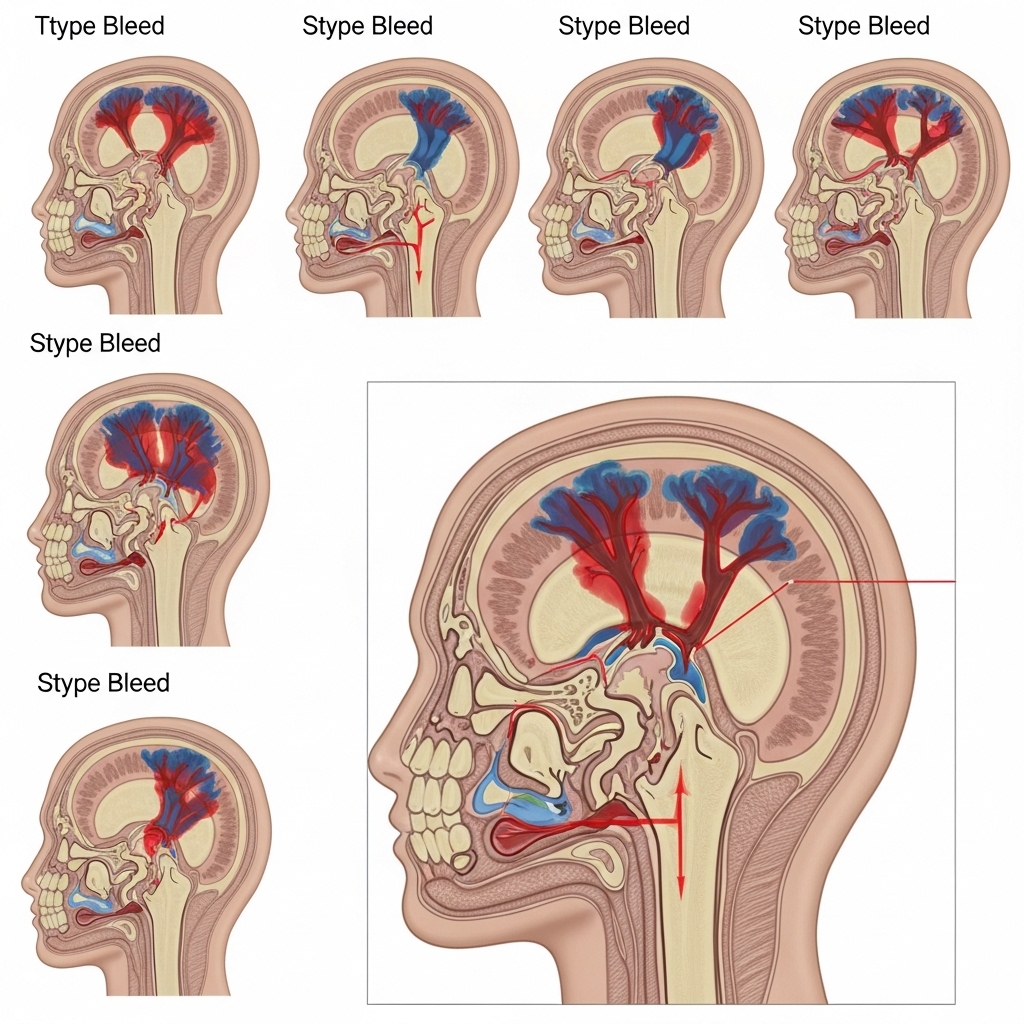
Doctors classify several types of brain bleeds depending on where the bleeding occurs inside the skull. Each type affects the brain differently and requires careful evaluation before treatment begins. Understanding these categories helps explain why symptoms may vary greatly from one person to another. The location of bleeding often determines how quickly symptoms appear and how severe they become.
One common type is intracerebral hemorrhage, where bleeding occurs directly within the brain tissue. This form often results from weakened blood vessels or sudden spikes in blood pressure. It can quickly begin damaging brain cells in the immediate area of the bleed. When left untreated, this damage can spread and permanently affect large regions of the brain.
Another important type is subarachnoid hemorrhage, where bleeding spreads into the space that holds cerebrospinal fluid around the brain. A subarachnoid bleed is often linked to ruptured cerebral aneurysms or other blood vessel abnormalities. This type is known for causing that sudden, thunderclap headache that patients describe as unlike anything they have felt before. It is one of the most dangerous forms of brain bleed and demands urgent care.
Doctors may also diagnose an epidural bleed, a subdural bleed, or intraventricular hemorrhage depending on where blood collects. Each of these involves different layers of tissue around or within the brain. Regardless of the type, each requires fast brain hemorrhage treatment to protect vital brain structures. Early identification of the bleed type helps doctors choose the fastest and most effective response.
READ ALSO: Emotional Brain Training Practices to Lift Your Mood Daily
Common Risk Factors That Raise the Danger
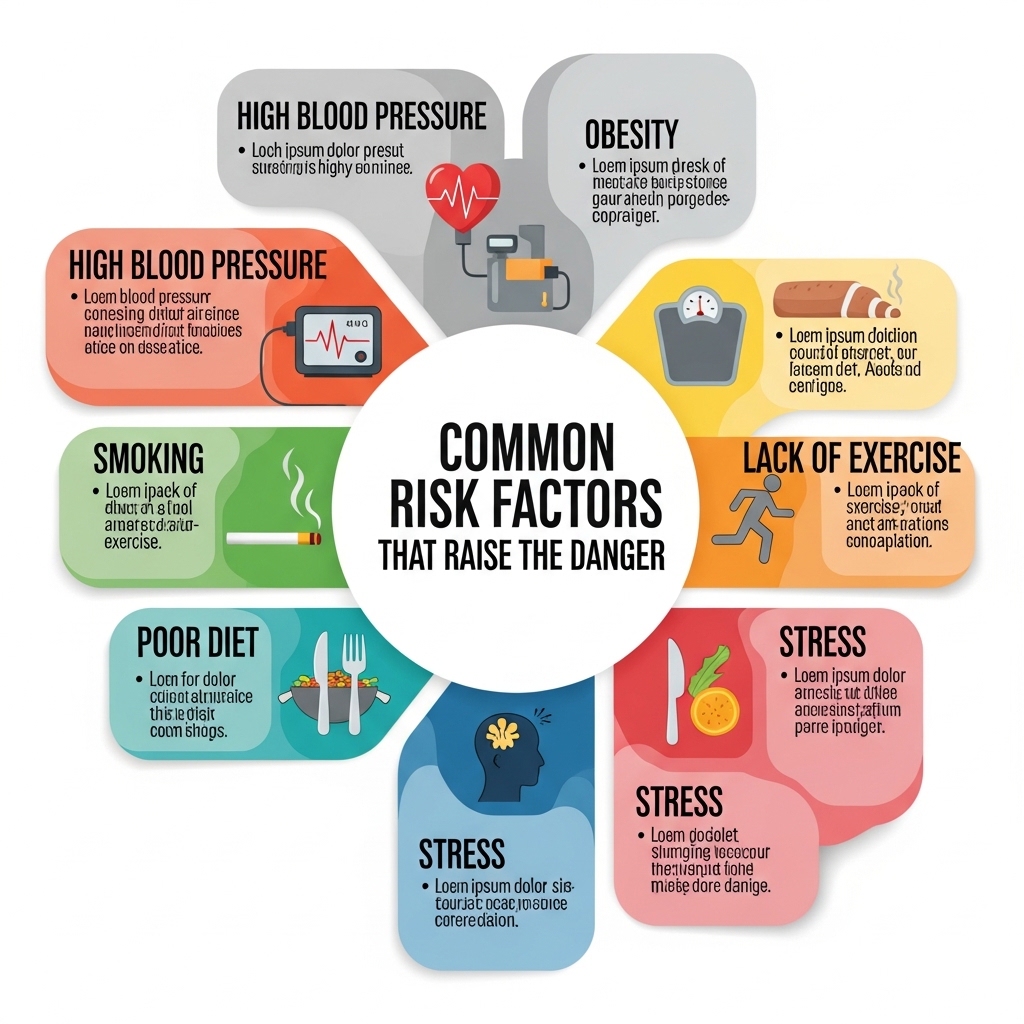
Certain risk factors increase the likelihood of a brain hemorrhage occurring. Learning about them allows you to take gentle but powerful preventive steps in your daily life. Awareness creates an opportunity to protect your brain health before a crisis ever develops. Some risk factors can be managed with lifestyle changes while others require medical supervision.
The most common factor is high blood pressure, which places constant strain on blood vessel walls throughout the body. Long periods of unmanaged high blood pressure gradually weaken those walls over time. Eventually a burst blood vessel may develop, leading to sudden and dangerous bleeding inside the skull. Keeping blood pressure within a healthy range is one of the most powerful things you can do for your brain.
Some medications can also increase risk, particularly those that affect how blood clots. People who take blood thinners to prevent clots may face higher chances of serious bleeding if an injury occurs. Doctors carefully monitor these medicines and adjust doses to balance protection and safety. Always inform your doctor about all medications you take, including over-the-counter supplements.
Other contributing factors include head trauma, bleeding disorders, and conditions like arteriovenous malformation. Accidents, falls, and sports injuries can damage delicate blood vessels inside the skull even when no external wound is visible. In rare cases, conditions like brain tumors may also lead to bleeding in surrounding tissue. Managing these risk factors with the help of your doctor helps reduce the chances of a future brain emergency.
READ ALSO: Temporal Brain and the Energy Cost of Overthinking
When Symptoms Become Severe

Sometimes the warning signs intensify quickly after a brain bleed begins. These severe symptoms indicate rapidly rising pressure inside the skull that is affecting broader areas of the brain. At this stage, immediate care becomes essential and there is no time to wait or observe. Calling emergency services right away is the only appropriate response when these signs appear.
A person may suddenly lose consciousness or become so confused that they cannot recognize familiar faces or surroundings. Vomiting, dizziness, or seizures can also occur as bleeding expands and pressure increases. These changes often signal that the bleed is growing and affecting regions beyond its original location. Each new symptom that appears reflects additional brain tissue being placed under harmful pressure.
Speech may become slurred, garbled, or completely impossible as the bleed affects language centers. Some individuals develop sudden trouble breathing when the most critical brain areas become involved. Vision loss or complete numbness may appear on one side of the body, reflecting how pressure disrupts nerve pathways. These combinations of symptoms paint a clear picture of a serious and advancing brain event.
Without treatment, rising pressure inside the skull may lead to irreversible brain damage or life-threatening complications. If these signs appear, going to the emergency room immediately is not optional, it is essential. Rapid treatment can stop the bleeding, reduce pressure, and prevent further harm to surrounding brain tissue. Every moment of delay during this stage increases the risk of permanent damage.
READ ALSO: Occipital Brain & Overthinking: Reset Your Visual Space
How Doctors Diagnose a Brain Bleed

Doctors rely on several tools to confirm a brain hemorrhage diagnosis as quickly as possible. Their first goal is to find the exact location and size of the bleeding inside the skull. This information guides every treatment decision that follows and helps specialists respond with precision. A fast and accurate diagnosis is just as important as the treatment itself.
A CT scan is often the first imaging test performed when a brain bleed is suspected. It quickly shows areas where blood collects within the skull and helps doctors identify the type of hemorrhage present. This scan can be completed in minutes and provides clear visual evidence of bleeding. In most emergency cases, it is the single most valuable tool available to the medical team.
Another test called computed tomography angiography highlights the blood vessels in greater detail. It allows doctors to detect damaged vessels, blockages, or a possible brain aneurysm that may have caused the bleed. Sometimes doctors also perform a cerebrospinal fluid exam to confirm a subarachnoid hemorrhage when CT results are unclear. This test checks whether blood cells appear in the fluid that surrounds the brain and spinal cord.
In certain situations, doctors perform a lumbar puncture to collect fluid from the lower spine for closer laboratory examination. This procedure is particularly useful when imaging alone cannot confirm the diagnosis. Together, these tests provide a complete picture of what is happening inside the skull. Once the bleeding source is known, doctors can immediately begin the most effective brain hemorrhage treatment.
READ ALSO: 7 Simple Ways to Clear Brain Fog Instantly and Boost Your Focus
Treatment Options Doctors May Use

The best brain hemorrhage treatment depends on the type, location, and size of the bleed inside the skull. Doctors first focus on stabilizing breathing, heart rate, and blood pressure to prevent the situation from worsening. Every treatment decision is made quickly because the brain has very little tolerance for ongoing pressure and reduced blood flow. A coordinated team of specialists works together to give the patient the best possible chance.
Medication is often the first tool used to control blood pressure and slow further bleeding. This step protects fragile blood vessel walls from additional rupture and prevents the bleed from expanding. Doctors may also administer medicines that reverse the effects of blood thinners if a patient was taking them before the bleed. These early medication decisions can significantly reduce the severity of damage to surrounding brain tissue.
When pressure rises dangerously inside the skull, doctors may act quickly to relieve pressure through a drainage procedure. Surgeons insert a thin tube into the affected area to remove trapped blood and reduce dangerous swelling. This procedure improves blood flow to healthy brain regions that may be at risk of secondary damage. In many cases, this step alone can stabilize the patient and prevent further neurological decline.
More serious cases may require open surgery to repair damaged blood vessels and remove large blood clots. Experienced neurological surgeons guide each decision with careful attention to the specific location of the bleed. The exact surgical plan varies because no two brain hemorrhages are identical in their size or placement. Advances in neurosurgery have improved outcomes significantly, giving many patients a meaningful path toward recovery.
READ ALSO: Are You Doing Enough to Keep Your Brain Healthy?
Recovery and Healing After a Brain Bleed

Recovery after a cerebral hemorrhage often requires patience, consistency, and a strong support system around the patient. The brain needs significant time to recover from the pressure, swelling, and cell damage caused by the bleed. Progress may feel slow at first, but small improvements each day are meaningful signs that healing is occurring. Each person moves through recovery at their own pace, and that pace deserves respect.
Some people regain their abilities relatively quickly, especially when the bleed was small and treatment began early. Others need many months of rehabilitation to restore daily brain functions such as speech, memory, and physical coordination. Both paths are entirely normal, and neither should be measured against the experience of someone else. The brain's ability to heal and adapt is remarkable, and recovery stories often surprise even the most experienced medical teams.
Doctors frequently recommend physical therapy to help patients rebuild their strength, balance, and movement after a brain bleed. These structured exercises help the body reconnect with the brain through repeated, guided practice. Occupational therapy is another vital component, teaching patients how to manage practical daily tasks such as dressing, cooking, and personal care. Together, these therapies address both the physical and functional challenges that recovery often brings.
Rehabilitation encourages the brain to adapt and reorganize its pathways over time in a process called neuroplasticity. Healthy areas of the brain can gradually learn to take over tasks that were previously handled by injured regions. Family support, emotional care, and a positive environment all play important roles in this healing process. With time, dedication, and the right professional guidance, many individuals regain meaningful brain functions and return to fulfilling daily lives.
READ ALSO: Mindset Control to Embrace the Power of Positive Aging
Protecting Your Brain Through Prevention
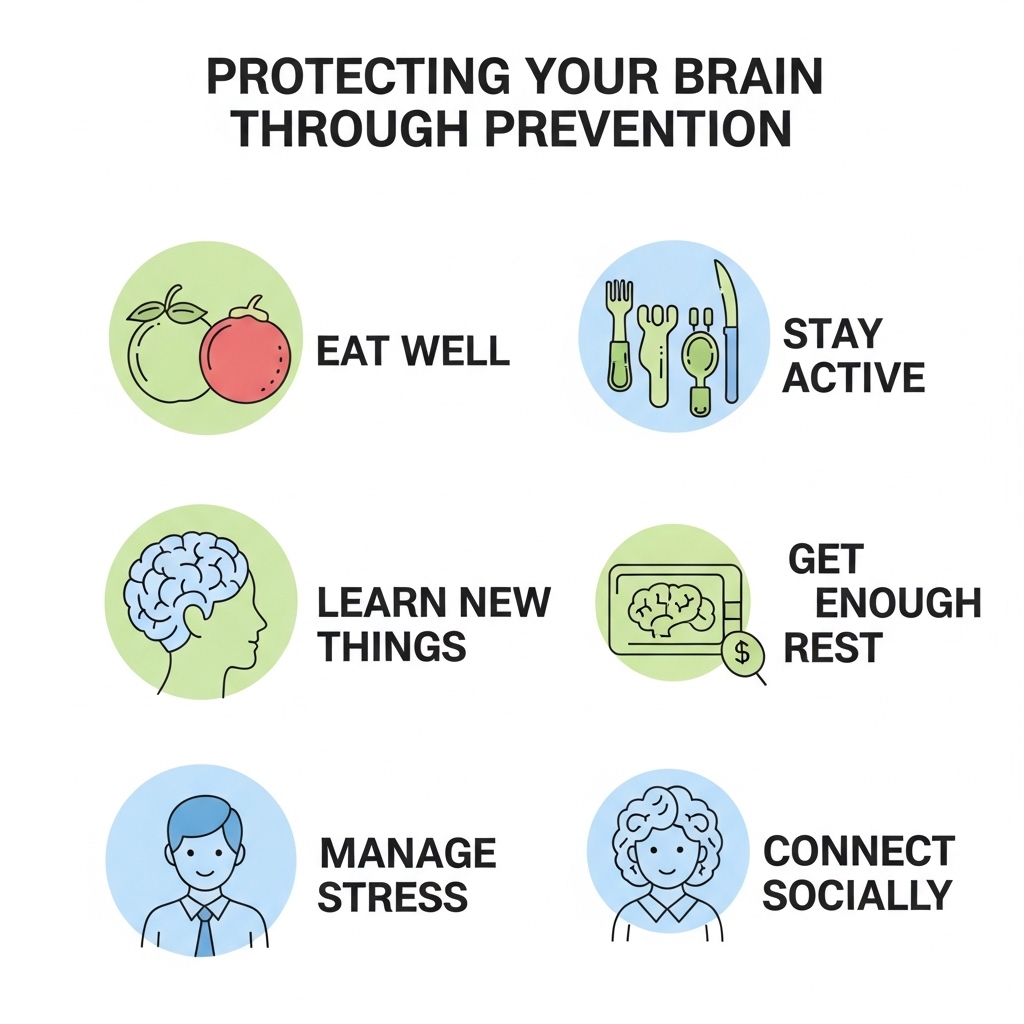
While not every brain hemorrhage can be prevented, a large number of risks can be meaningfully reduced through consistent daily habits. Small changes in how you live and care for your body often create powerful long-term protection for the brain. Taking a proactive approach to brain health is one of the most valuable gifts you can give yourself and your family. Prevention is always more powerful than treatment when it comes to conditions involving the brain.
One of the most important steps is managing blood pressure through diet, exercise, and prescribed medication when necessary. When you keep blood pressure under control, you reduce the constant strain on blood vessel walls throughout your entire body. Regular monitoring at home or during medical visits helps you catch dangerous rises before they cause lasting damage. Your doctor can work with you to create a realistic plan that fits your daily routine and health needs.
Regular medical visits also help monitor conditions like bleeding disorders, blood vessel abnormalities, and other hidden risks. Early care keeps these concerns under control before they develop into serious emergencies. If your family has a history of cerebral aneurysms, doctors may recommend screening for a brain aneurysm even before symptoms appear. Early detection through imaging can prevent sudden and life-threatening bleeding before it ever begins.
Protecting your head during physical activity also matters more than many people realize. Wearing helmets during sports, cycling, or any activity involving fall risk helps prevent the kind of head trauma that can damage blood vessels inside the skull. Some clinics also offer a simple stroke risk quiz to help identify personal risk factors that you may not be aware of. These steps together gently but powerfully support long-term brain health and reduce the chances of a future emergency.
READ ALSO: How to Clear Mind When You Can’t Slow Down
A Gentle Reminder to Listen to Your Body

Your body often sends quiet but important signals before a serious problem fully develops. When you recognize hemorrhage brain symptoms, you give yourself and those around you a genuine chance to respond wisely. These signals are not meant to cause fear but to guide you toward fast and informed action. Learning to listen to your body is one of the most empowering habits you can build.
A sudden headache, confusion, weakness, or vision changes may signal the early symptoms of a brain hemorrhage that require immediate evaluation. These warnings should never be dismissed as stress, fatigue, or something that will simply pass on its own. The earlier these signs are recognized and acted upon, the greater the opportunity for doctors to prevent serious damage. Trust your instincts when something feels genuinely different or alarming.
Remember that a brain bleed is a medical emergency that requires immediate medical attention without hesitation or delay. Fast care can prevent permanent brain damage, protect vital functions, and preserve quality of life in ways that delayed care simply cannot. Emergency teams are trained specifically to respond to these situations with speed and expertise. You do not need to be certain of the diagnosis before calling for help, you only need to notice that something is wrong.
Hold this knowledge calmly, not fearfully, as a tool that serves you and the people you care about. Awareness allows you to protect yourself and offer meaningful support to others in a moment of crisis. Sharing what you have learned with family and friends multiplies the protective power of this knowledge. Sometimes the simple act of noticing symptoms early becomes the quiet step that saves a life.