


You might be curious about kosher diet foods, and what they can bring to your daily life. You do not need perfection today. You only need a steady, kind intention.
When you choose kosher options, you practice attention. You notice labels, sources, and preparation. That focus can support healthier foods, and calmer decisions. It can also reduce mindless snacking.
You are also touching jewish dietary laws and long held dietary laws with respect. You do not have to rush the learning. You can let kosher living grow at a calm pace. This pace is part of the wisdom.
What kosher means for your everyday foods
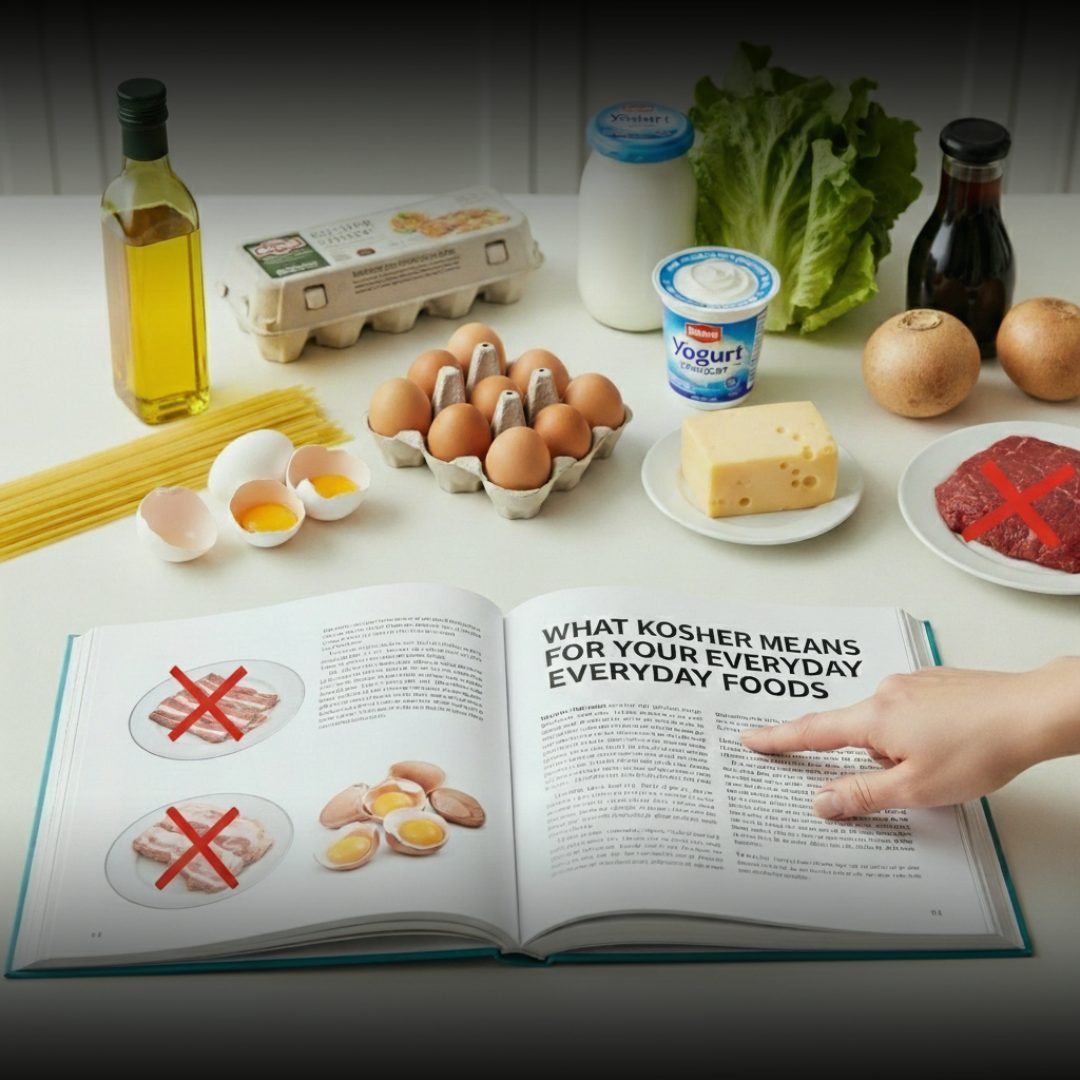
The word kosher points to what is considered kosher under jewish law. It describes a food standard, not a wellness trend. It shapes how you choose, cook, and serve daily foods. It also shapes how you shop.
Think of kosher laws as a daily compass. They help you notice patterns in ingredients and routines. They help you spot what is clearly non kosher before it reaches your table. They also help you plan meals in advance. Planning lowers stress.
You can approach kosher as a calm practice, not a strict performance. You learn one rule, then you add the next. Over time, kosher food choices can feel steady, simple, and supportive. You will start trusting your own routine.
READ ALSO: Weight Loss Nutrition Diet That Respects Your Rhythm
Jewish dietary laws, explained without overwhelm
Jewish dietary laws sit inside a wider jewish dietary tradition. The goal is simple, you eat what is permitted, and you prepare it correctly. This is why kosher covers ingredients and also handling. It also covers timing.
Many people focus only on lists of animals and foods. Yet dietary laws also cover mixing, tools, and processes. A product can start considered kosher, then become rendered non kosher through contact. This is why kitchens matter.
You do not need to memorize every detail at once. Start with rules that affect daily meals. Then use kosher certification to guide you through modern labels and factories. In time, the rules feel familiar.
READ ALSO: Nutrition Solutions to Heal Your Relationship with Food
Kosher animals and land animals, the foundation of choice
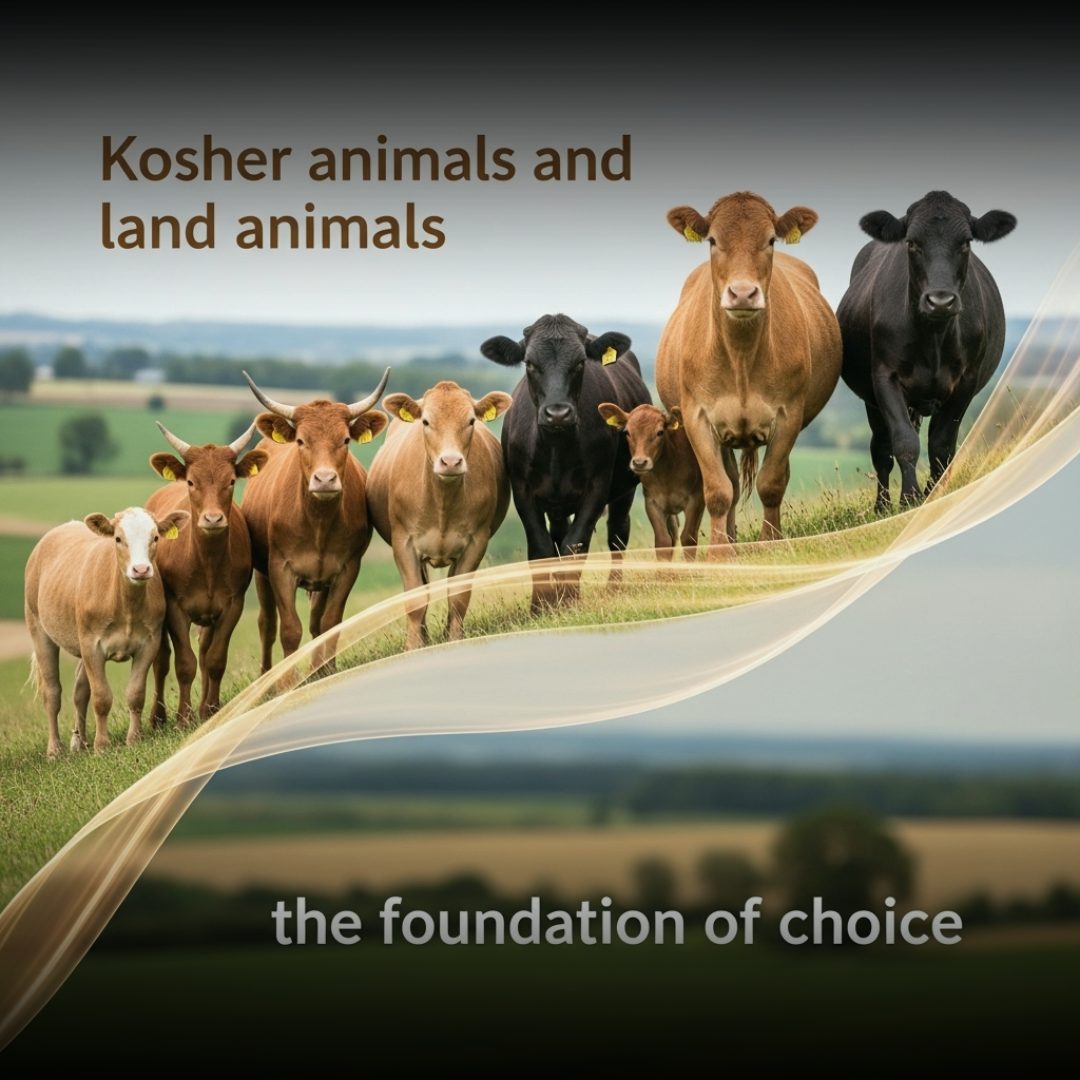
Kosher animals follow patterns that keep choices consistent. These patterns come from jewish dietary laws and living tradition. When you learn them, shopping for foods feels calmer. You stop relying on guesses.
For many land animals, the pattern includes chewing cud and cloven hooves. People often say split hooves to describe the same sign. Still, it is only certain animals that meet every rule. That detail protects you.
This matters because some animals look close, yet remain non kosher. Handling and inspection can also affect kosher status later. You protect yourself by choosing clearly certified kosher sources. You also keep receipts and labels.
Cloven hooves, split hooves, and certain animals you see often

When you hear cloven hooves, think of a practical checklist for foods. Many common meats come from kosher animals that meet this sign. Yet the sign alone does not decide everything. It is one piece.
Some animals show cloven hooves, but do not chew cud, so they are non kosher. Some people confuse these details when they shop quickly. Your calm attention helps you avoid that trap. You keep the rule simple.
You can also remember that certain animals appear in additives and supplements. Gelatin can come from a non kosher source. When you see uncertainty, choose a kosher food label, or choose simpler whole foods. This habit saves time.
Kosher mammals and animal products in modern foods
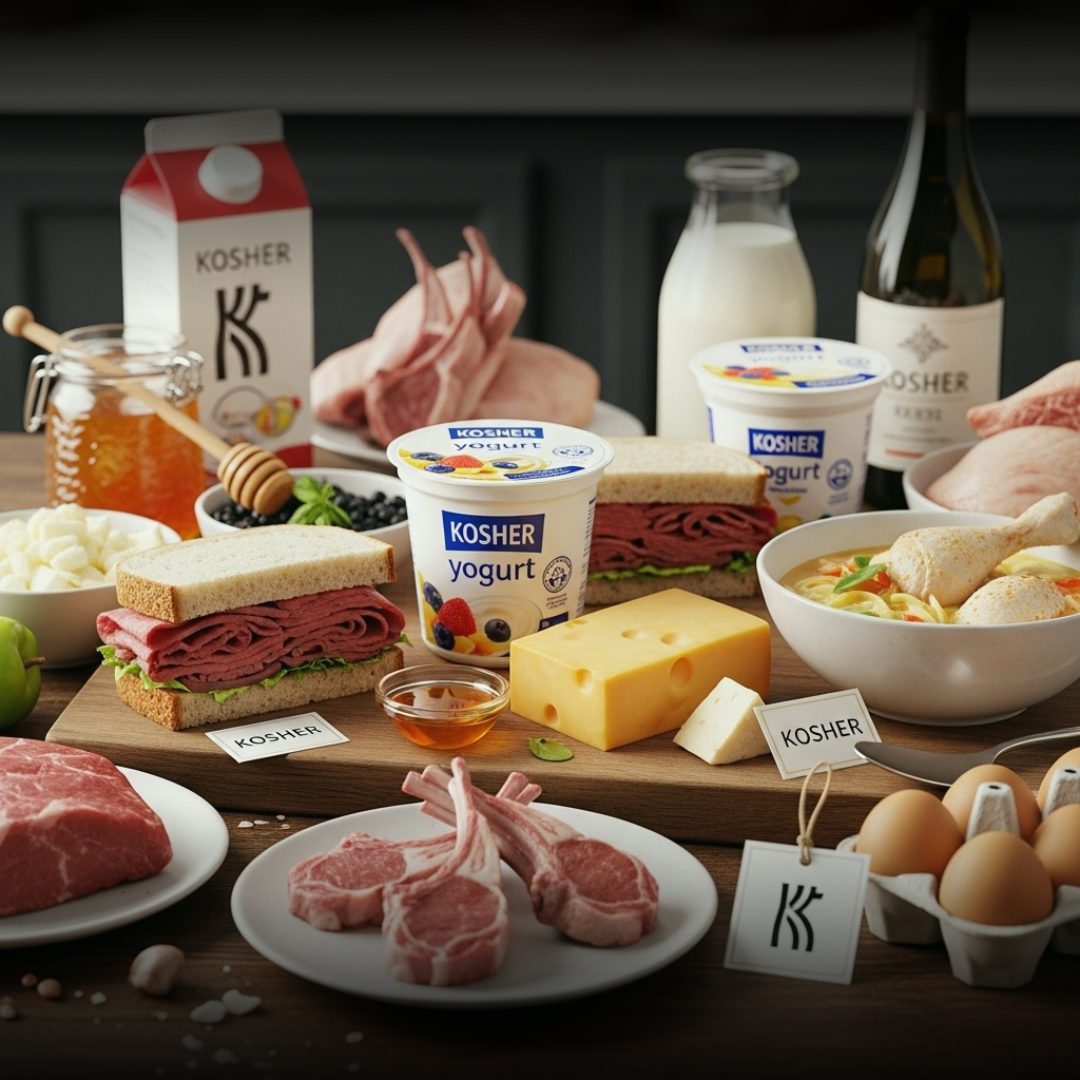
You may see the phrase kosher mammals in beginner guides. It points back to permitted kosher animals among land animals. The same signs apply, and they keep your choices consistent. You do not need to overthink it.
Modern packaging adds another layer. Some animal products hide inside flavorings, capsules, and broths. Some animal products hide inside flavorings, capsules, and broths. These can turn otherwise fine foods into non kosher items. This is common in candies.
You can respond with calm structure. Choose whole foods that are easier to verify. For packaged items, look for kosher certification and avoid guessing. This is where kosher food labels protect you.
Kosher birds, scavenger birds, and forbidden species
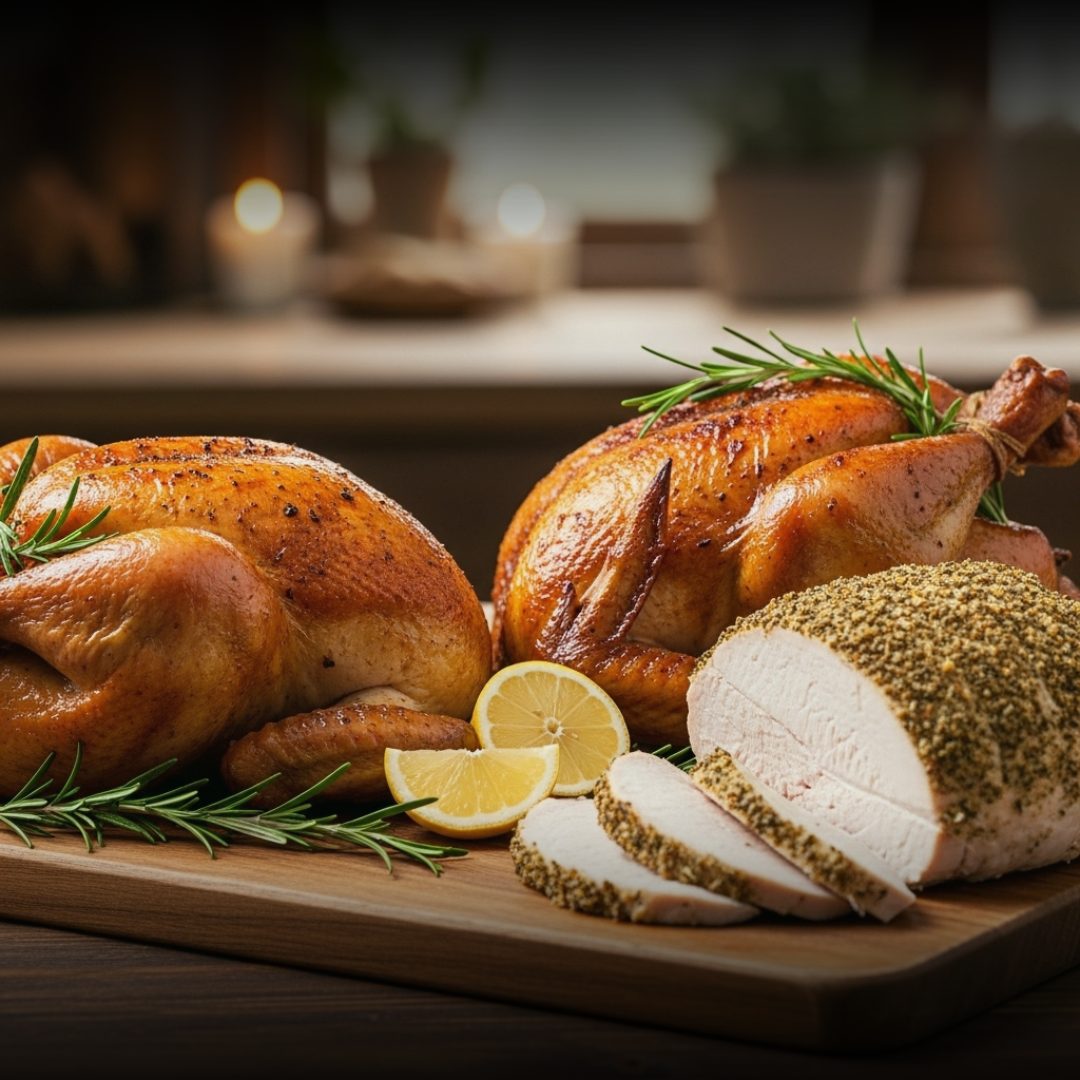
Bird rules can feel less direct, because they rely on tradition and lists. Many predatory birds are treated as forbidden species. You will often hear caution about scavenger birds, because many are non kosher. This keeps the boundary clear.
In practice, you do not need to identify every bird. You choose poultry that is clearly certified kosher. This protects your routine and keeps your meals consistent. It also avoids processing surprises.
You may only see the phrase kosher birds in a guide or label note. It reminds you that birds have their own standards. That reminder helps you avoid surprise meats that are non kosher. It also supports confident shopping.
Kosher fish, seafood, and certain species to avoid
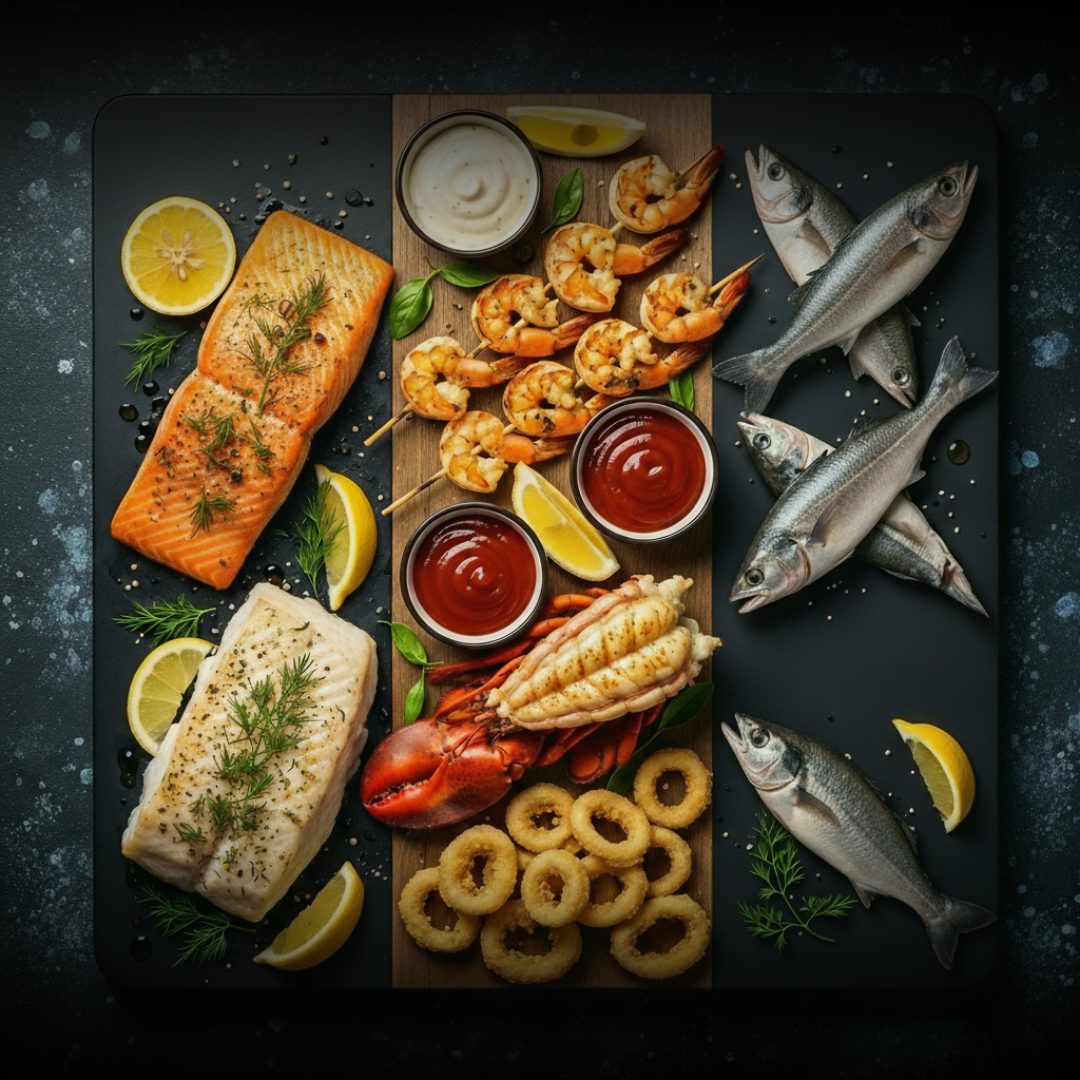
Sea rules are easier to apply in daily foods. Kosher fish usually means fins and scales. This helps you avoid shellfish and other items that are commonly non kosher. It also makes menus easier.
Still, a fillet can hide the signs. That is why you check packaging and sourcing. A product that is certified kosher is easier to trust, especially when it is processed. This is useful for frozen items.
You may also hear notes about certain species being excluded. That phrase keeps you cautious, not fearful. When in doubt, choose simple fish with clear labeling. Your goal is steady kosher habits.
Meat and dairy, why meat and milk stay separate
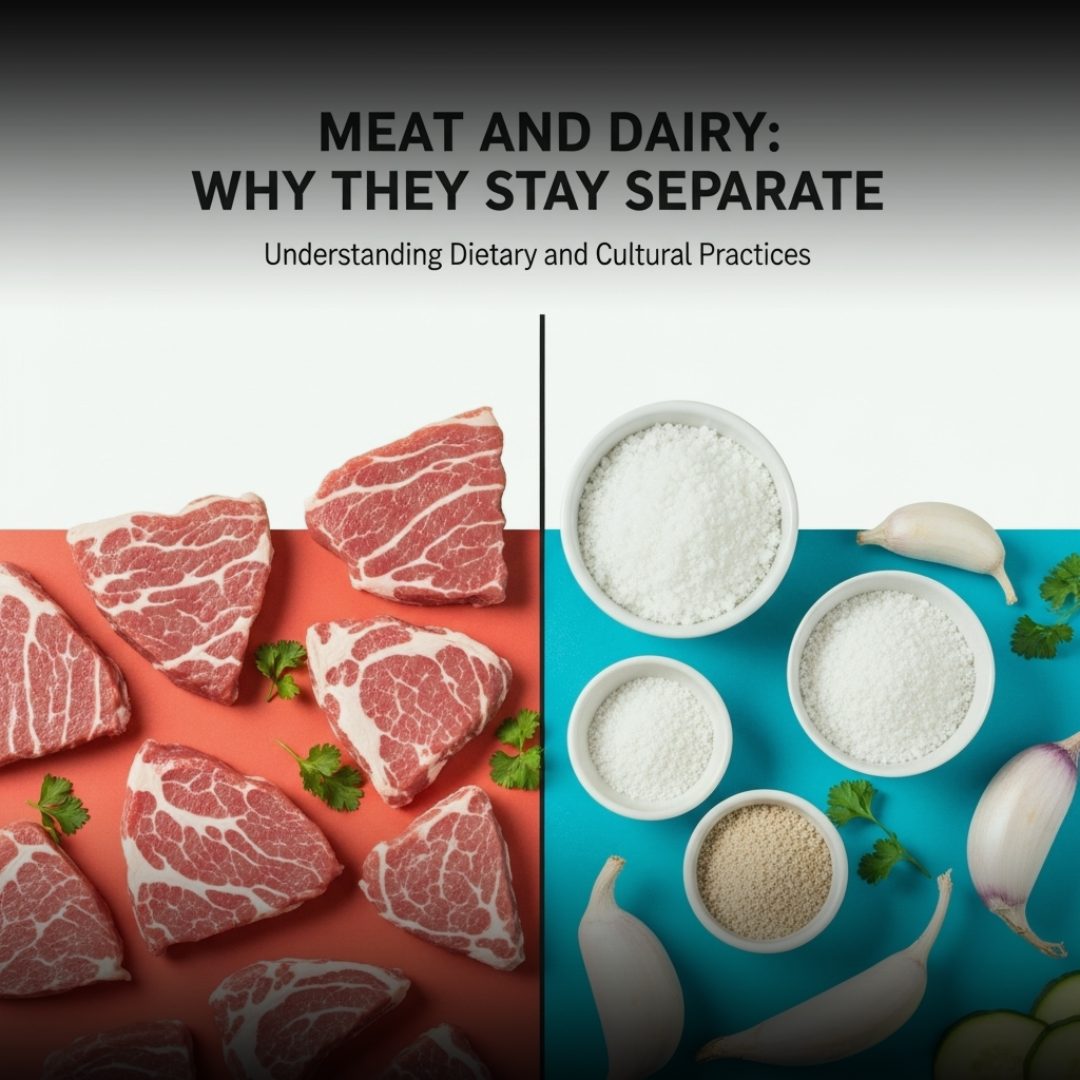
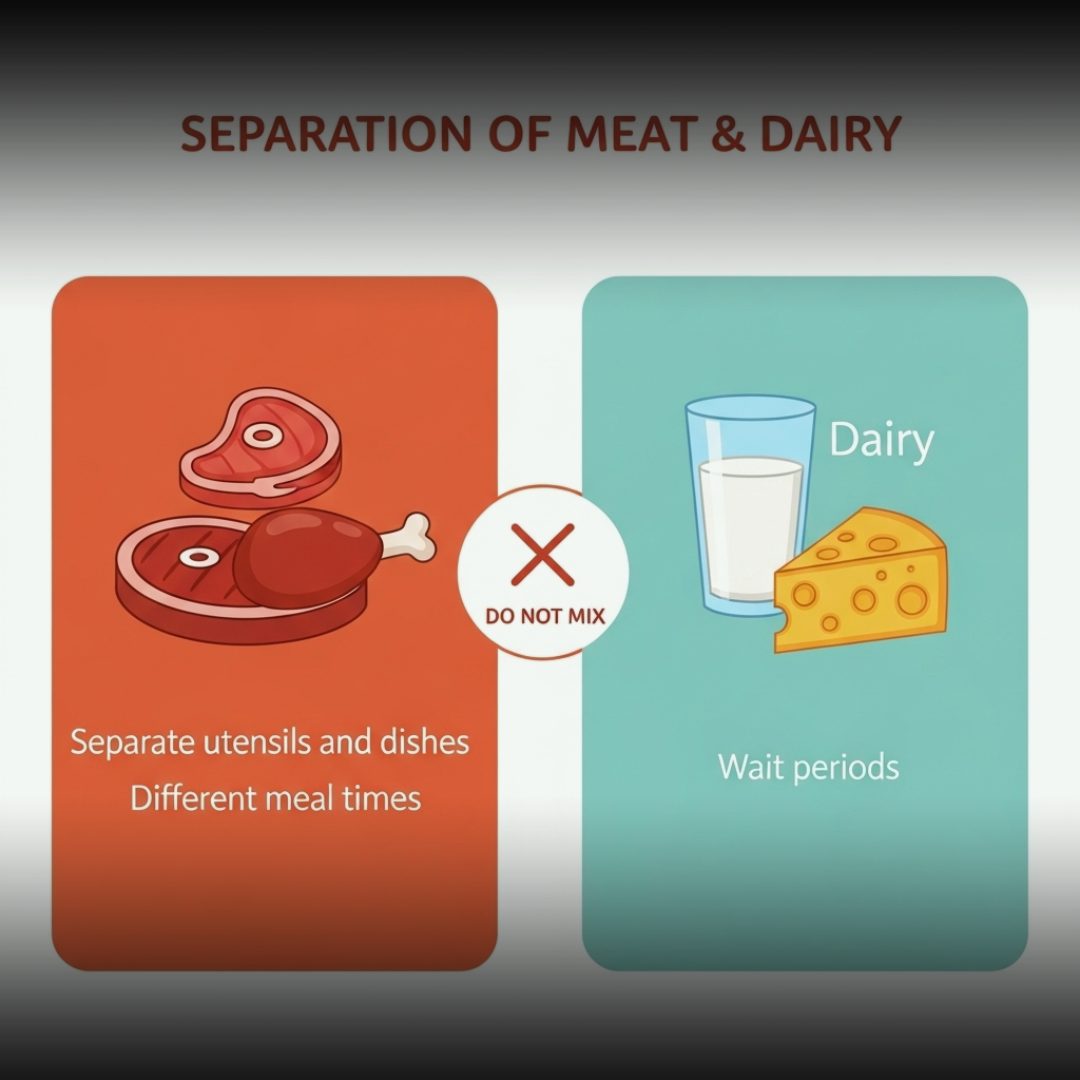
A central rule in kosher laws is separating meat and dairy. This includes avoiding meat and milk in one dish. It also shapes how you cook, store, and serve many foods. Structure makes life easier.
You avoid mixing meat and dairy products in recipes. Many people also avoid having them in the same meal. This boundary reduces confusion, and it supports steady habits. It also reduces accidental label mistakes.
You may hear the teaching linked to mother's milk in traditional language. The deeper message is boundaries and respect. It helps you treat meals as mindful moments, not rushed fuel. It also makes you pause before mixing.
Kosher meat, ritual slaughter, and the value of human life
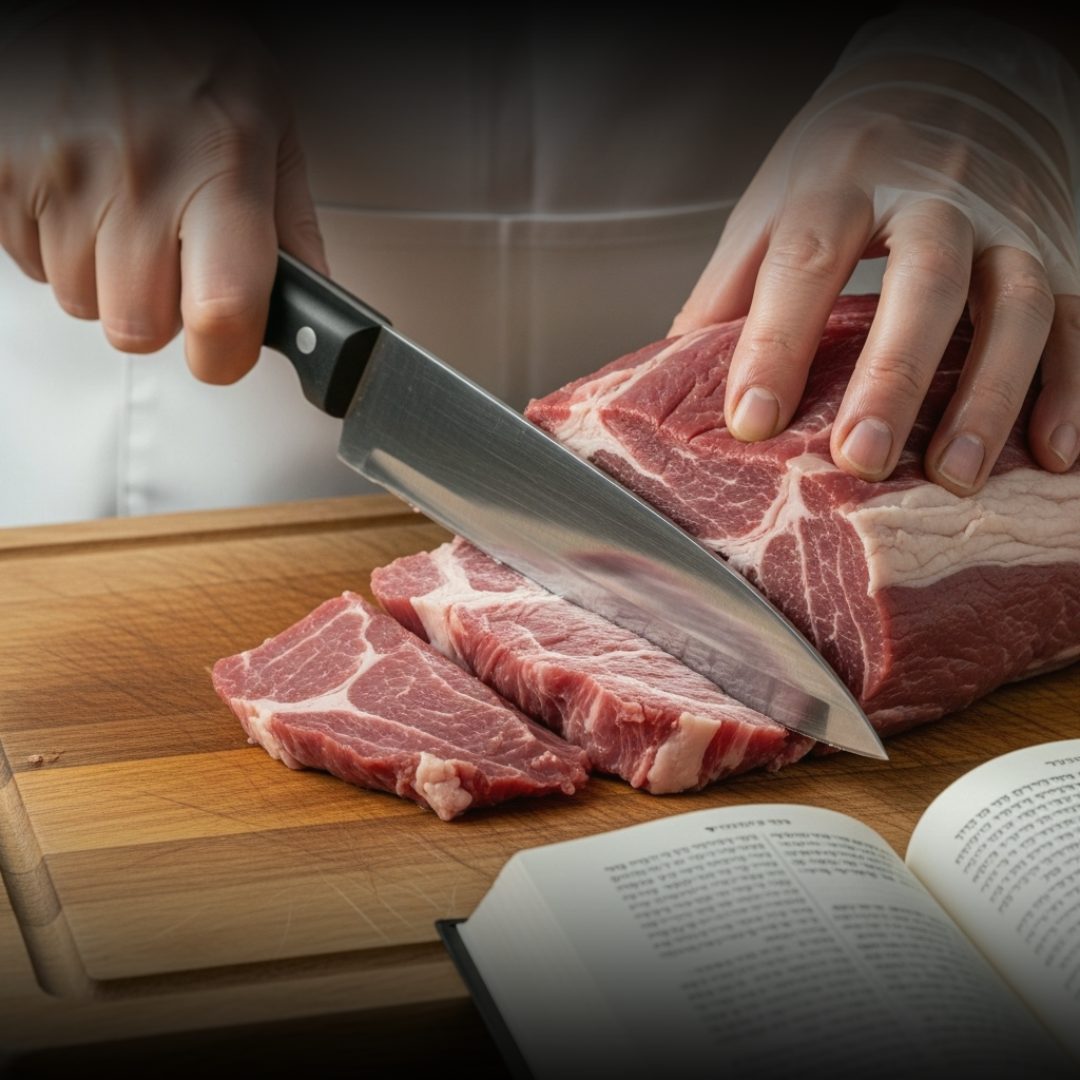
When you choose kosher meat, you also choose a careful specific process. That process is tied to ritual slaughter and inspection. The purpose is respect for human life and animal life. It is a value system.
This is where kosher slaughtering matters. The rules include a clean cut, plus checks for health. Attention to internal organs can affect the final kosher status. This is part of safety too.
A key standard is avoiding consuming blood. That is why meat is salted and properly drained in many traditions. This also removes blood from blood vessels, and supports cleanliness. It helps you handle meat with care.
Eating meat, meat derivatives, and blood spots in daily practice
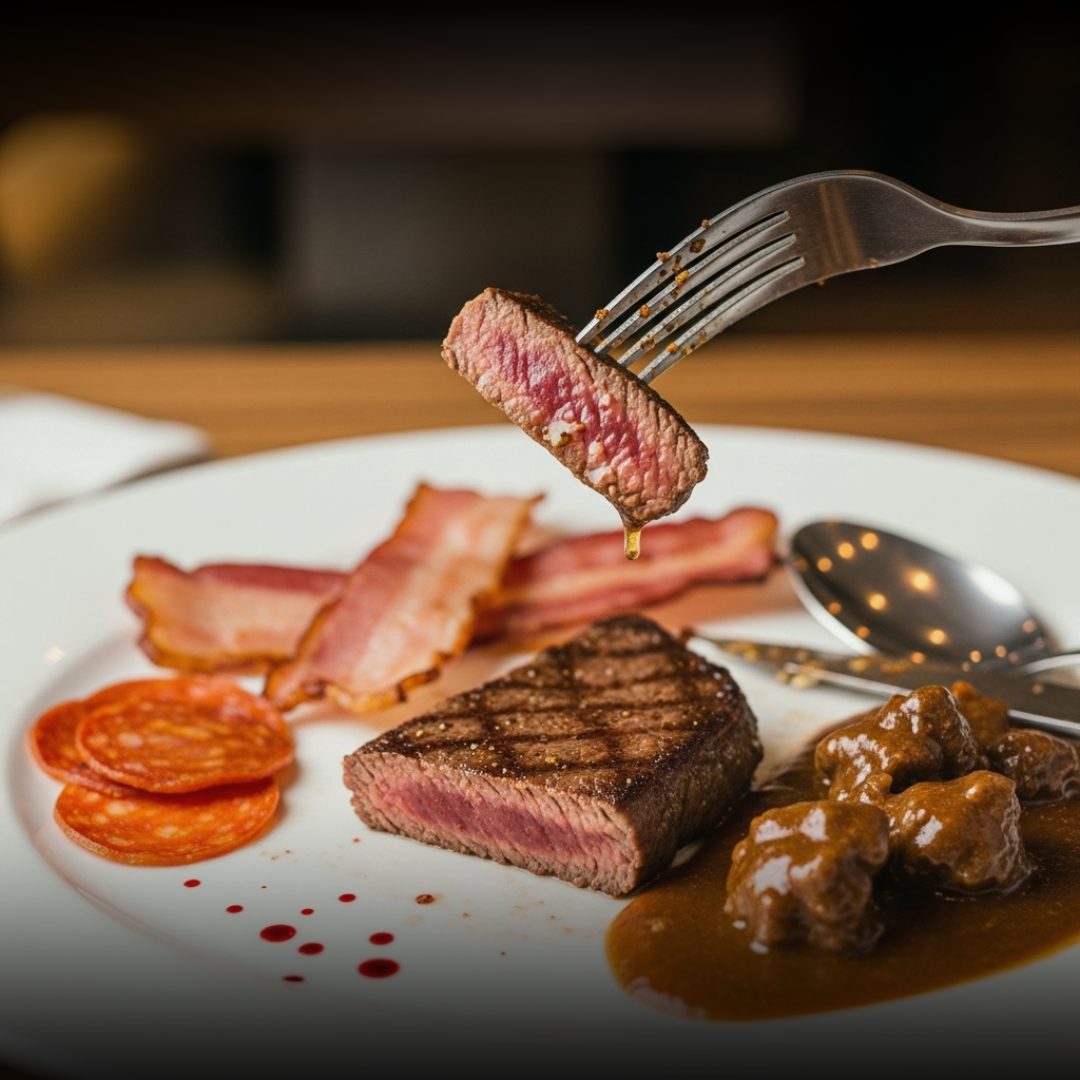
If you are eating meat while staying kosher, you look beyond the main cut. You ask about broths, marinades, and shared grills. These details can turn a meal non kosher fast. They also affect taste.
Hidden meat derivatives show up in many packaged food products. Some meat products like deli slices need careful labels. Flavorings, gelatin, and soups can come from non kosher animals. This is why you prefer snacks and sauces that are clearly certified kosher. It reduces second guessing.
Some practices also include checking eggs for blood spots. You do it quickly and gently, without panic. It is another way dietary laws teach awareness around everyday foods. It keeps your routine honest.
Kosher dairy, dairy products, and animal rennet
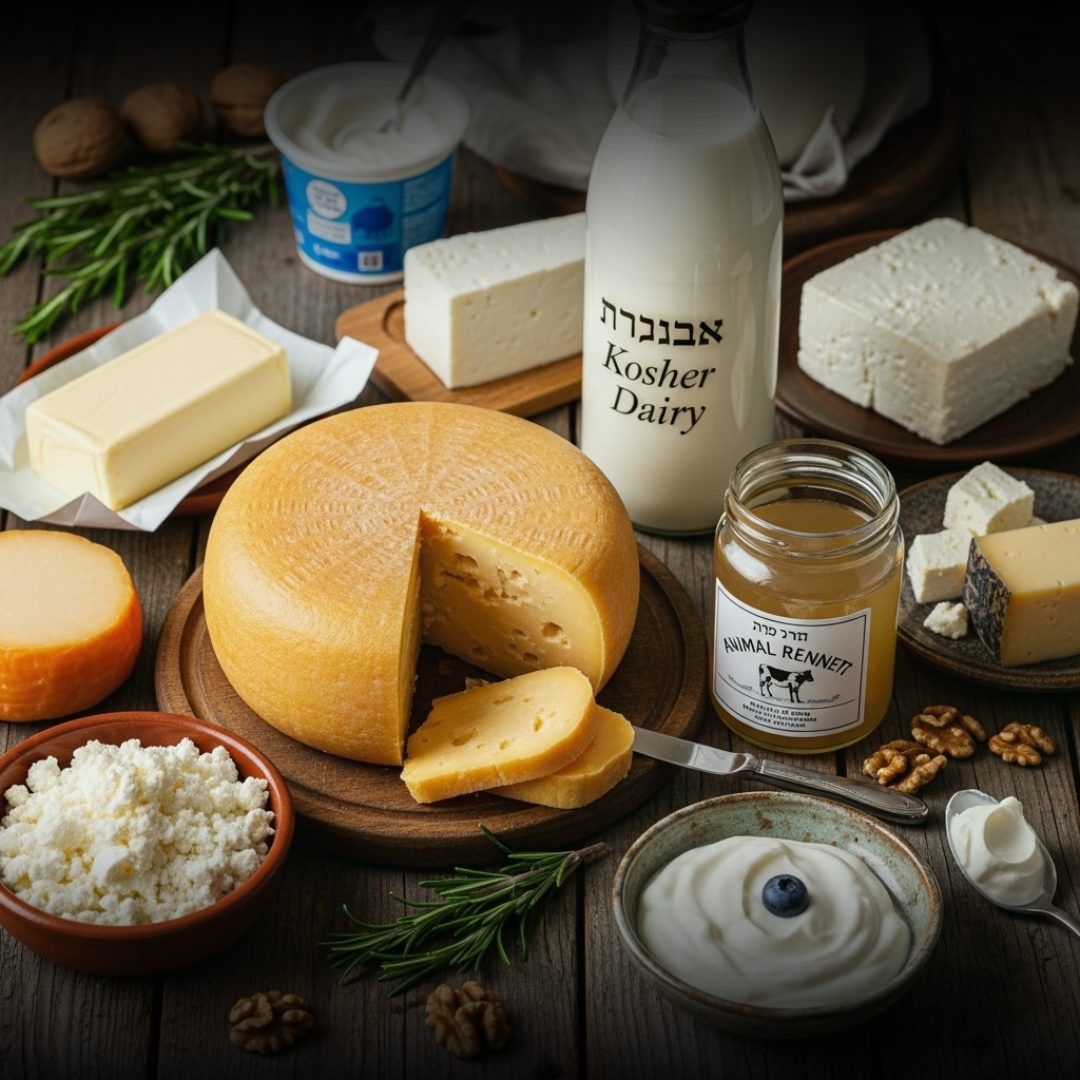
Kosher dairy is not only about milk. It is also about enzymes, cultures, and processing aids. Many dairy products are simple, yet some include hidden animal inputs. Some milk products like flavored yogurt include extra additives. Cheese is the big example.
A classic example is animal rennet used in certain cheeses. If it comes from a non kosher animal, the cheese can be non kosher too. This is why kosher certification matters for cheese and yogurts. It also guides you with butter blends.
You also watch for products that blend flavors. Some snacks include dairy and meat notes together. That creates a meat and dairy conflict you can avoid with better labels. It also protects your kosher food rhythm.
Check out this Healthier Comforts Lactose Free Milk Protein Concentrate Powder here.
Processed foods, kosher ingredients, and only kosher ingredients
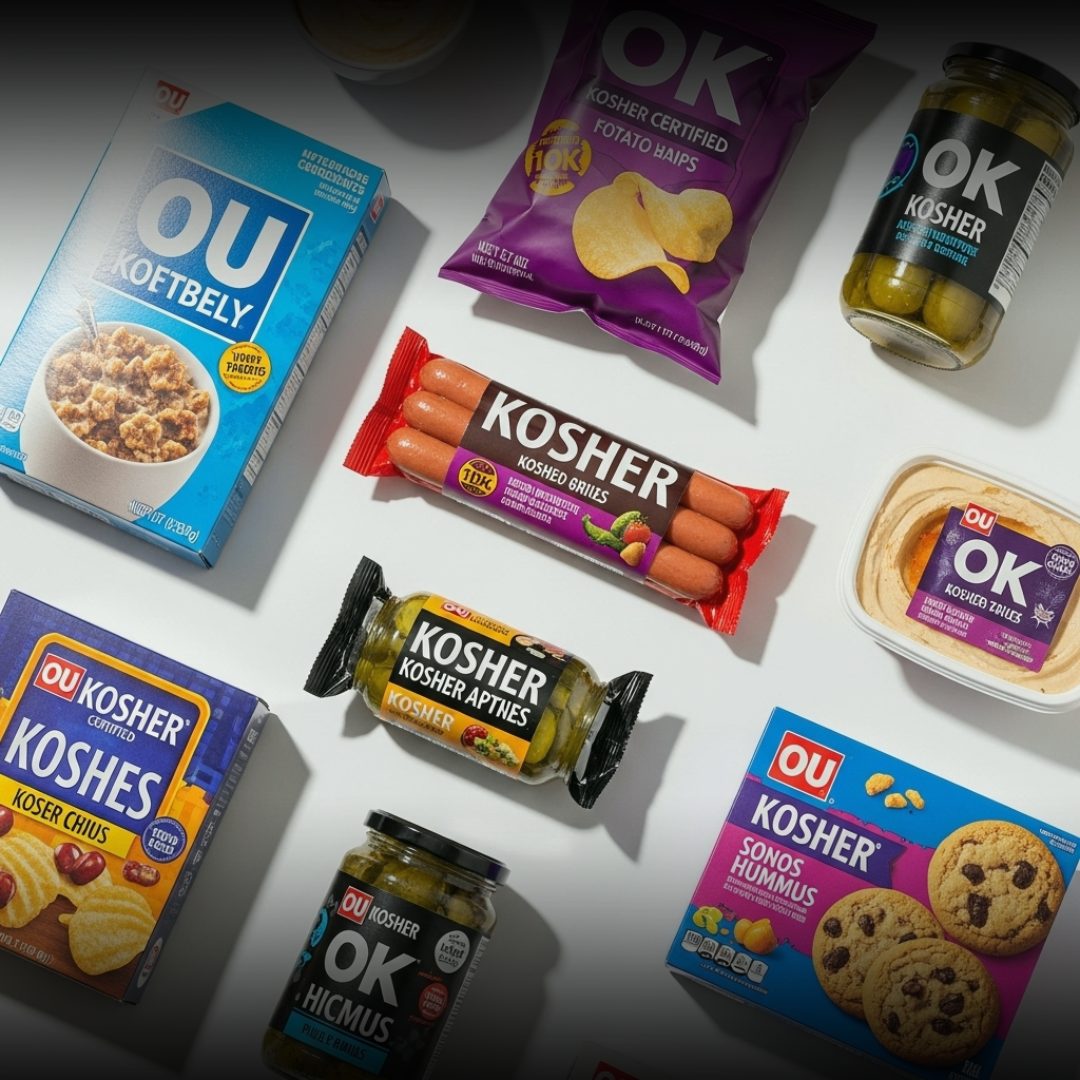
Modern processed foods often include long ingredient lists. Stabilizers, enzymes, and flavorings can come from plant or animal sources. Without a seal, you may not know what is considered kosher. This is where labels matter.
This is where kosher ingredients become your anchor. Choose items that are certified kosher when lists are complex. When you want the simplest option, look for products that emphasize only kosher ingredients. This reduces hidden risks.
Produce matters too, even when it is fresh. Some items may carry non kosher insects if not washed well. You wash calmly, and you keep your routine gentle. This keeps your foods clean and simple.
Kosher certification, certified kosher labels, and the Orthodox Union
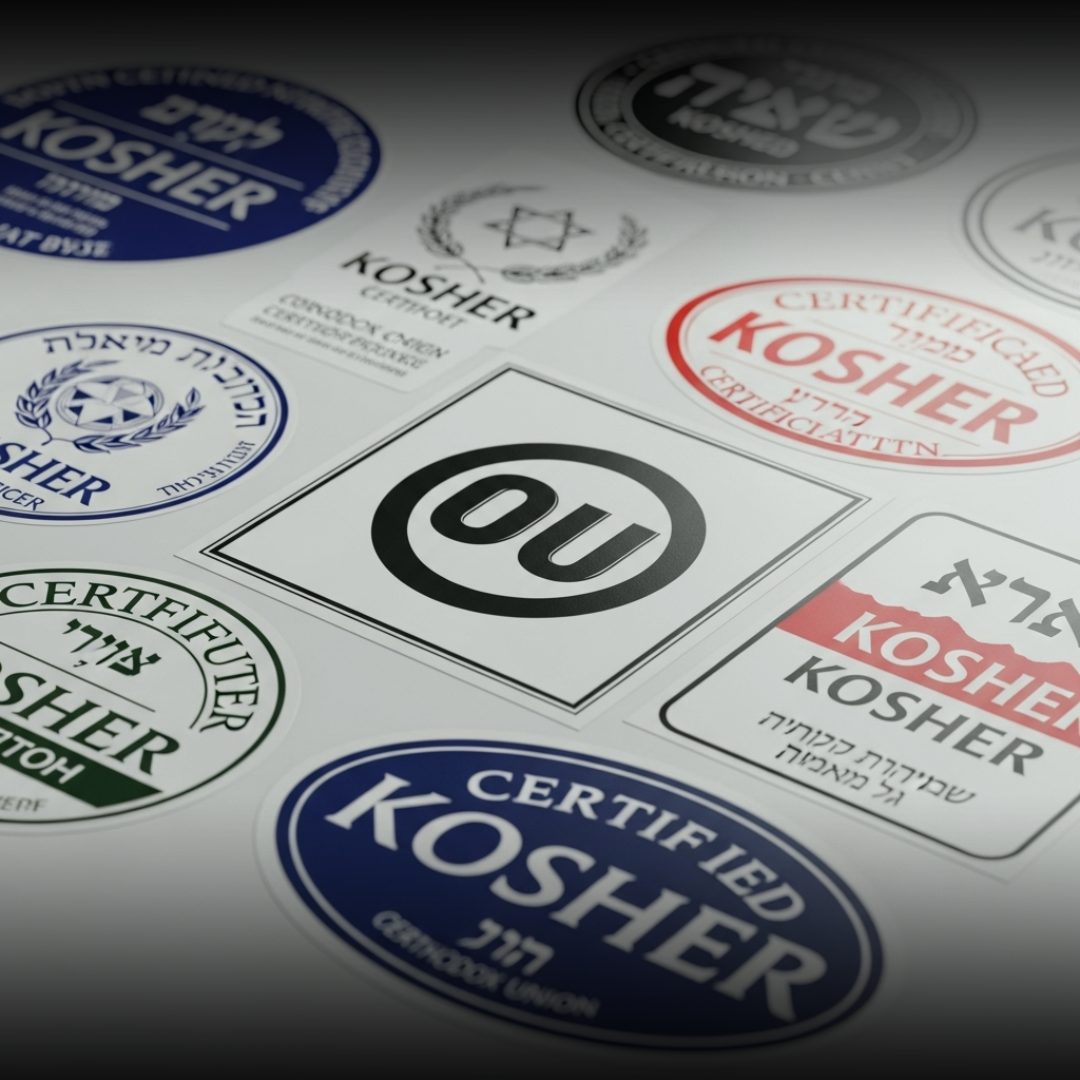
Modern shopping gets easier when you recognize kosher certification symbols. These marks show that items meet kosher requirements for ingredients and production. They also reduce surprises from changing suppliers. This is helpful in big supermarkets.
Many seals are widely recognized across stores and countries. One common example is the orthodox union symbol on packaged foods. This is especially helpful for processed foods and snacks. It supports consistent choices.
A seal does not promise perfect nutrition. It promises standards. When you choose certified kosher options, you make consistent kosher food choices with less stress. It also protects your pantry from accidental non kosher items.
Non kosher equipment, separate utensils, and your kosher kitchen
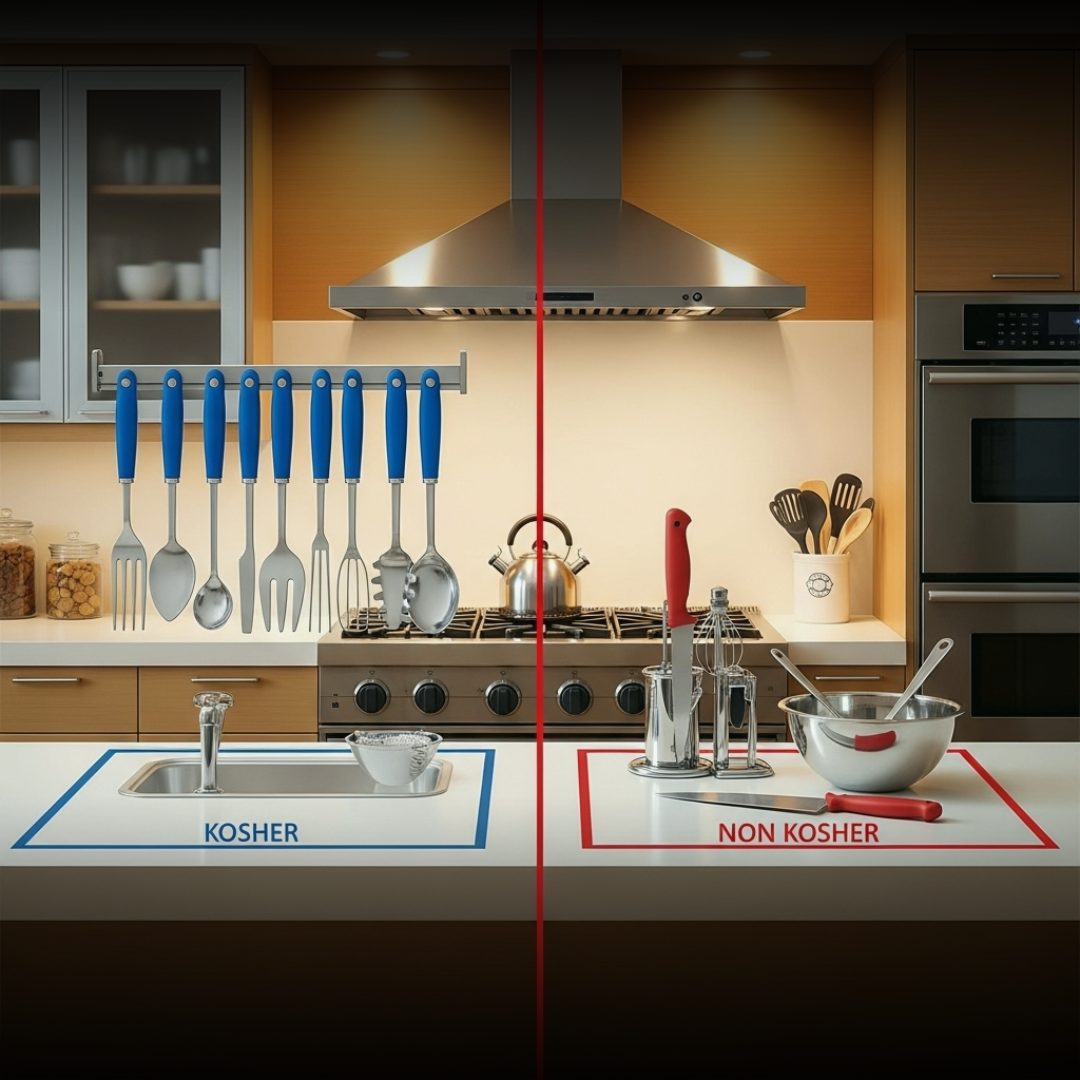
A kosher kitchen supports your day, because it reduces mistakes. The main goal is preventing mixing between meat and dairy. You can do this with zones, labels, and calm habits. You do not need fancy tools.
You may keep different boards, knives, and pans. Many homes use separate utensils for meat and dairy. You also store foods in clear places to reduce mistakes. A simple label can save you.
Be mindful of shared ovens and sinks. A dish cooked on non kosher equipment can become questionable. In stricter settings, contact can leave a dish rendered non kosher. You can avoid this with a small reset routine.
Check this out The Kosher Cook Dairy Blue Kitchen Utensil Set here.
Cross contamination, cooking utensils, and what is considered non kosher

Kitchen risks often come from small moments. A spoon can touch a meat pot, then stir a dairy sauce. That kind of cross contamination can make your routine feel confusing. It can also affect kosher status in strict homes.
You prevent this with simple systems. Keep one labeled set for meat, and one labeled set for dairy. Use separate towels, and reset the counter before switching tasks. Keep your cooking utensils in clear places.
If a mistake happens, you do not need shame. You learn what was affected, and you adjust. In strict practice, some items are considered non kosher until cleaned or replaced. Even then, you can return to calm.
Wine, grape juice, jewish cuisine, and jewish culture at the table
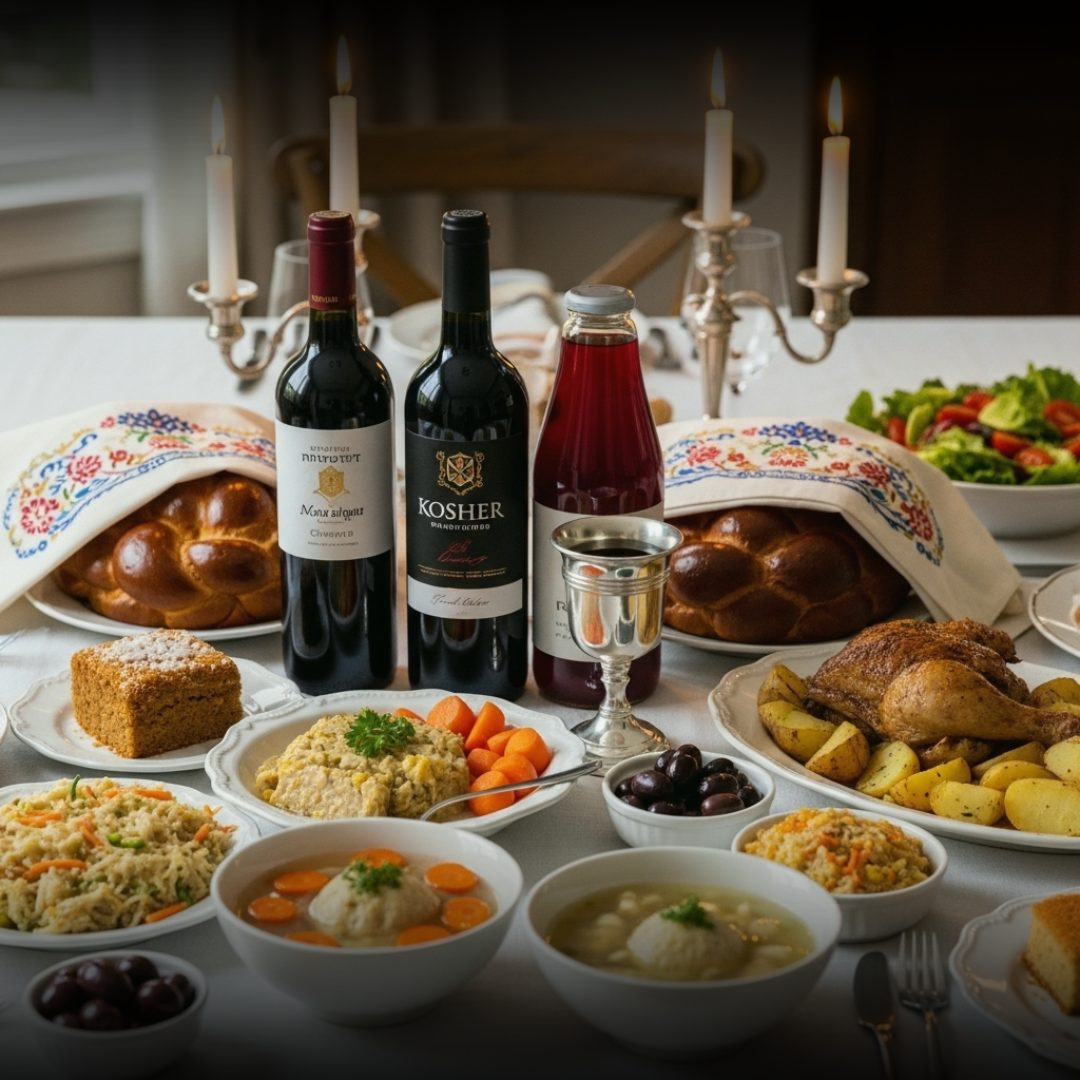
Wine has special rules in jewish dietary practice. The rules often focus on handling and wine production. This is why you may see warnings about non kosher wines. It is about process, not grapes.
If you want an easy option, choose grape juice that is certified kosher. Many labels make this clear. It supports gatherings and makes planning simpler. It also keeps your drinks consistent.
You can also explore jewish cuisine with calm curiosity. Many traditional foods are naturally kosher in structure. This connection to jewish culture can deepen gratitude at meals. It reminds you to eat with care.
Check out this De La Rosa Red Wine Vinegar Organic here.
Eating out with non jews, non kosher risks, and smart choices

Eating out can be challenging, because many kitchens mix everything. You may face shared fryers, shared grills, and hidden dairy in sauces. These can make a meal non kosher quickly. They can also mix meat and dairy by accident.
Many staff are non jews, so you keep questions simple and kind. Ask about broths, cheese toppings, and cooking oils. Ask if they can use clean pans instead of shared surfaces. Ask about shared non kosher equipment too.
When you cannot confirm details, choose low risk foods. Choose fruit, vegetables, or plain fish, then add packaged snacks with seals. This protects you from meals that become non kosher by accident. It also keeps your day steady.
Kosher meals for health, balance, and gratitude

You can build kosher meals that support health without pressure. Choose vegetables, legumes, whole grains, and clean protein. These foods support energy, digestion, and stable mood. You will feel the difference over time.
Plan days with a simple rhythm that feels doable. Choose dairy breakfast, then keep lunch pareve, meaning neither meat nor dairy. Later, choose a meat dinner, then wait before dairy. This protects the meat and milk boundary.
This structure helps you avoid mixing meat and dairy products. It also helps you plan snacks, drinks, and celebrations. Over time, kosher food becomes a steady way to care for yourself. It can even support better sleep.
READ ALSO: Consolidated Health Plan: Gentle Guidance for Smart Choices
A gentle takeaway for keeping kosher in real life
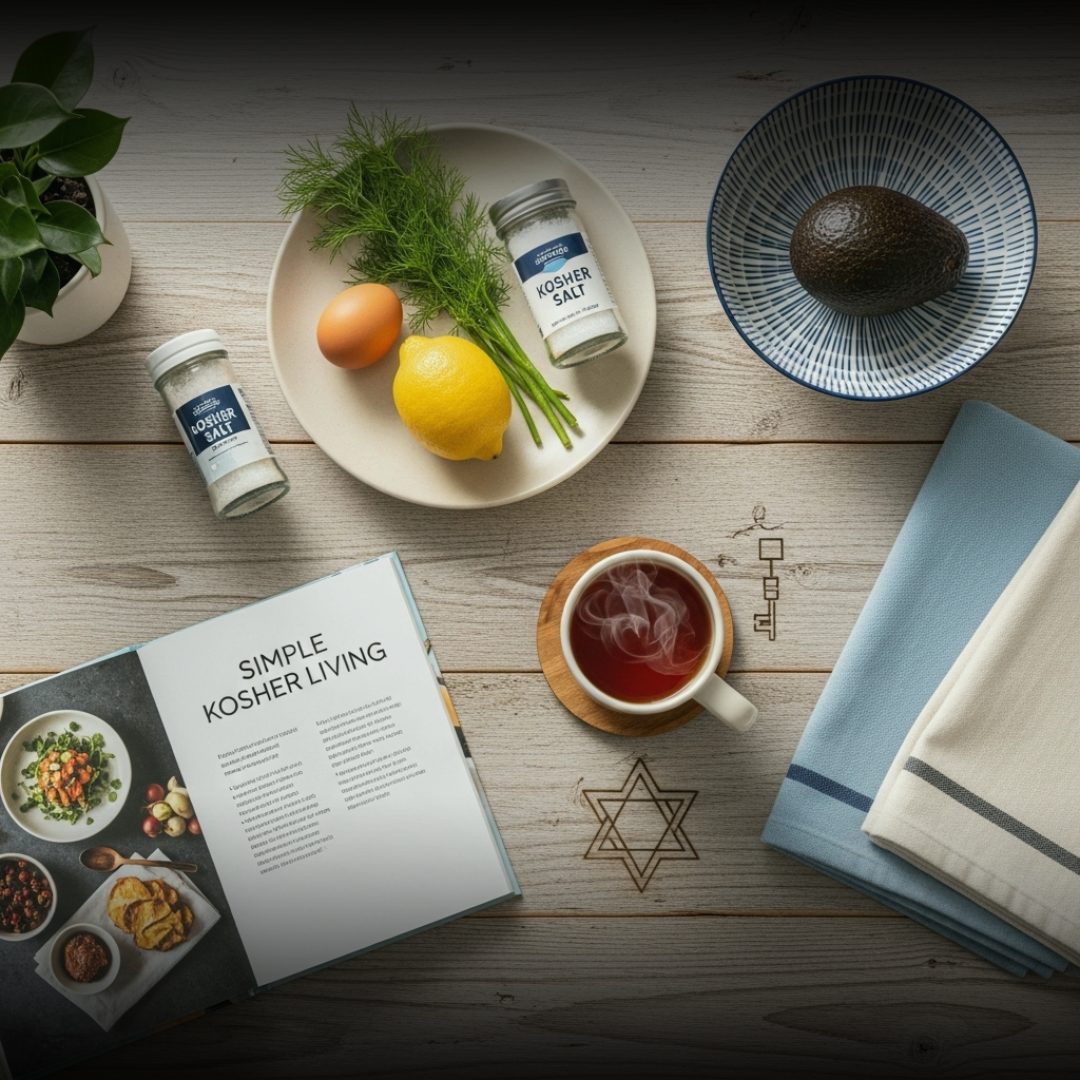
Keeping kosher is a practice you grow into, not a test you pass. You can begin with labels, then learn kitchen habits. Each step helps you choose foods with more awareness. You can keep the learning light. Remember the heart of the tradition. Kosher supports respect for life and community. It connects jewish people across many places, and it guides observant jews through shared standards. Your respect matters, even as a learner.
Let your approach stay kind and realistic. Choose kosher food you enjoy, and keep routines simple. Keep certain foods as your safe defaults, and let learning build over time. Many foods can fit your life when you plan gently. Your table can feel termed kosher, meaning steady, clear, and grateful. You can carry that calm into the rest of your day.
UP NEXT: Halal Diet Food: What You Need to Know for a Healthier Life