


You may feel your mind speeding up when your occipital brain becomes overloaded. This happens because the occipital lobe guides how you see the world and how your thoughts form around the things you notice. When your brain receives more visual input than it can process, your mind begins to race. This experience can feel sudden, yet it is simply your system trying to keep up with what is in front of you.
You may notice that a crowded or noisy visual space makes your thoughts feel heavier. The visual cortex works hard to process every detail you take in, and this effort can make your mind feel tense. When too many colors, shapes, or movements enter your view, your inner world can feel cluttered as well. Your mind is not failing you. It is responding to a world that sometimes moves faster than you feel ready for.
When this happens, it is important to remember that you can restore clarity. You can reset your visual space with simple, gentle steps that support calm. Clearing your environment, slowing your gaze, or pausing for a moment can help your brain breathe again. These small choices help your thoughts slow down and return to balance.
Understanding the Occipital Lobe and Your Visual Calm

The occipital lobe sits at the back of your head and is the smallest lobe in the brain. Even though this lobe is the smallest, it has a powerful influence on your sense of clarity. The occipital lobe located near the occipital bone helps you process visual information, shapes, colors, and movement. Your day is guided by visual stimuli that enter through the primary visual cortex.
Two occipital lobes work together in the human brain to help you understand everything you see. These lobes are located within the two cerebral hemispheres, which are key divisions of the brain. These lobes are part of the four lobes that make up the cerebral cortex. The folding of the cerebral cortex increases its surface area, allowing for a greater number of cortical neurons and supporting more complex visual processing. This outermost layer holds key brain regions that help you sense, think, and move. Each part of the brain has a meaningful purpose, and the occipital lobe is primarily responsible for visual processing.
When you are overwhelmed, the visual cortex can become overactive. The optic nerve may send in more information than your mind feels ready to handle. This can make your thoughts feel tense. Visual illusions may appear when your system becomes tired. When this happens, slow down. You deserve ease and steadiness.
How Your Brain Works With Visual Information
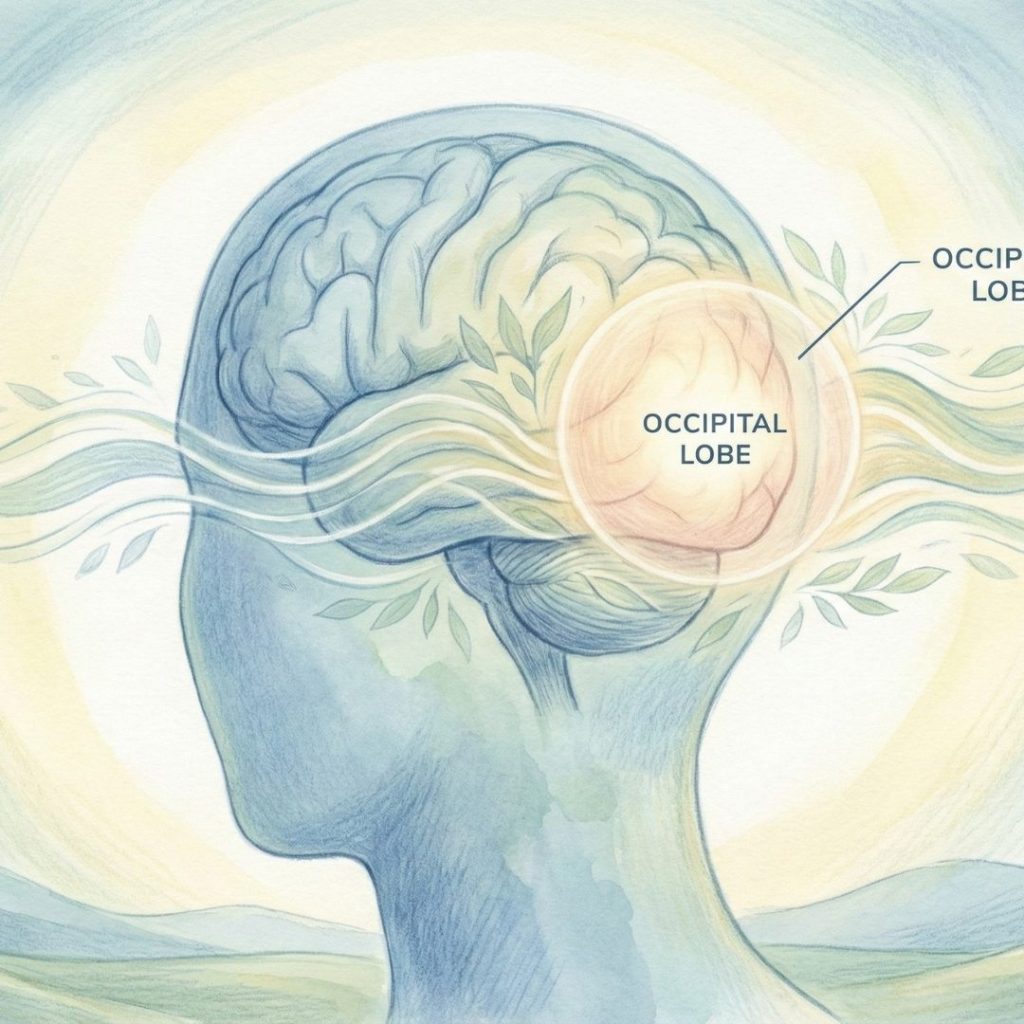
Your brain works through stable circuits designed to help you understand your environment. These circuits support you as you process sensory information. The primary visual cortex contains the primary pathways that begin decoding basic images. The secondary visual cortex and secondary areas help you understand more complex details.
Deep inside the posterior occipital lobe lies the calcarine sulcus. This structure divides the regions that respond to your visual field. As the dorsal stream and ventral stream begin to work, your brain starts to sort what you see. The occipital lobe plays a crucial role in depth perception, helping you interpret spatial relationships, distance, and depth within the visual field. The dorsal visual stream helps you develop spatial awareness, supports visuospatial processing, and spatial reasoning. The ventral stream supports object recognition. These dynamic pathways allow you to understand the visual world. The concept of the dorsal visual stream revisited highlights ongoing research into the integration and stability of the dorsal and ventral visual pathways in the extrastriate cortex.
When too much information enters at once, your brain can feel tense. The occipital lobe can cause mental overload when the world becomes visually noisy. Overthinking often grows louder when your visual field feels cluttered.
Why Overthinking Begins in the Visual Cortex

Your mind responds to every detail you see, and this is simply how the brain works. When too much sensory information enters your awareness, the occipital lobe begins sending signals to the frontal lobe. This part of the brain helps you plan, think, and make decisions. When it receives too much visual input at once, it may try to work faster than you feel ready for.
As this happens, the parietal lobe and temporal lobe also activate. These important lobes of the brain help you understand meaning, context, and emotional tone behind every image. They interpret the deeper structures of your environment and shape how you respond to the world. When these regions become busy all at once, your thoughts may begin to scatter or speed up.
This experience can feel overwhelming, yet it is a natural response to a visually intense world. You are not doing anything wrong. Your mind is simply trying to keep up with the pace around you. When you recognize that your system is overloaded, you can begin to bring balance back with small, supportive steps.
The Role of Two Hemispheres in Visual Calm
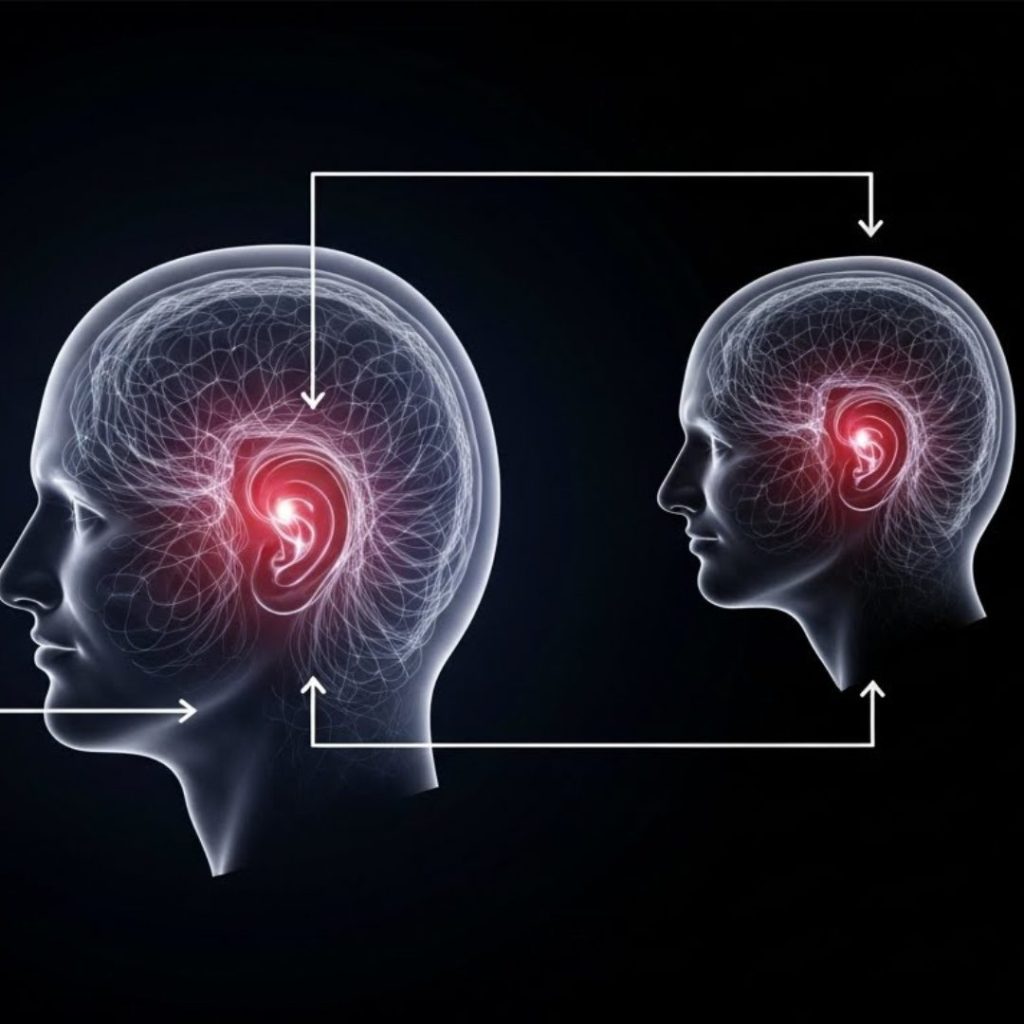
The entire brain is divided into two hemispheres that work together to support your sense of balance and clarity. These hemispheres communicate through deeper structures that transmit electrical signals across the central nervous system. This communication helps your mind stay organized, steady, and aware. When both sides work in harmony, your thoughts feel grounded and clear.
Visual information travels through several pathways before it reaches both hemispheres. The ventral stream, dorsal stream, and optic tracts help carry this information across the brain. These pathways guide how you perceive shapes, depth, and movement. When one side receives more stimulation than the other, your mind may feel pulled in different directions. This imbalance can make your thoughts feel scattered or tense, leading to moments of overthinking.
This response is not a sign of weakness. It is simply your brain doing its best to manage a heavy load. When the visual world becomes too loud, the hemispheres work harder to find balance. You can support them by slowing your environment and softening your gaze. These small shifts help reduce internal pressure.
Occipital Lobe Injuries and Their Effects

If you experience an occipital lobe injury or traumatic brain injury, a person's vision might be altered in various ways. Visual hallucinations, cortical blindness, or vision loss may appear when this lobe is affected. Occipital lobe seizures and specific neurological findings may also develop. These moments can feel confusing and overwhelming.
When the occipital lobe becomes strained, your visual memory may feel disrupted. A person’s vision can shift in surprising ways. Some individuals see individual trees but cannot perceive the entire scene. Riddoch syndrome and Anton syndrome may appear after major trauma. Damage to the occipital lobe can also affect other regions involved in visual processing, leading to specific visual deficits. These conditions deserve immediate medical care and support.
Even without physical injury, stress can place pressure on your visual space and make your mind feel tense. Your system may become overloaded by too much sensory input, especially during busy or demanding moments. You can care for yourself by slowing your environment, resting your eyes, and allowing your mind to settle. These small acts of gentleness help your visual system recover and bring your inner world back into balance.
Healing in this area takes patience, but you are capable of finding your way back to clarity. With the right support, both medically and emotionally, your visual system can regain strength. You deserve steady care as you move through this process.
Where the Occipital Lobe Fits in the Whole Brain
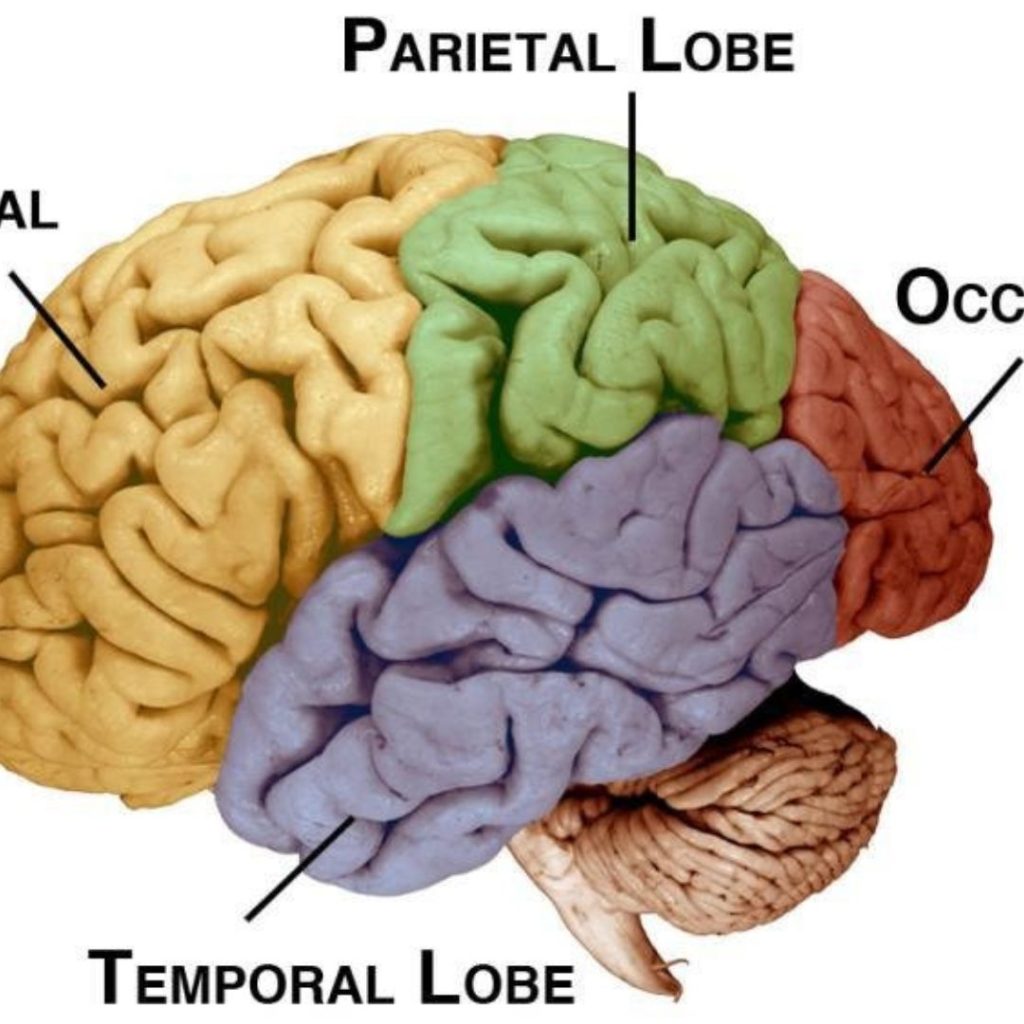
Your brain contains four lobes, each with a unique purpose. Every lobe is part of the brain responsible for a key function. The frontal lobe helps with planning. The parietal lobe supports spatial awareness. The temporal lobe guides memory and sound. The occipital lobe shapes how you see the world.
When your visual cortex becomes tired, other senses may feel sharper. The brain regions within the cerebral cortex try to support you. The lingual gyrus and occipital gyri help you process fine visual details. Secondary visual processing areas join in to bring clarity.
When too much information enters at once, your thoughts may grow loud. You can reset this system with patience.
READ ALSO: Think Positive Be Positive: The Mood Shift You Need
Blood Supply and Function of the Occipital Lobe

The occipital lobe, though the smallest lobe of the brain, is primarily responsible for the remarkable process of turning light into sight. This region relies on a steady blood supply from the posterior cerebral artery, which branches into smaller vessels like the calcarine artery and the parieto-occipital artery. The calcarine artery is especially vital, as it nourishes the primary visual cortex—your brain’s first stop for decoding visual information. Nestled within the calcarine sulcus, the primary visual cortex receives signals from your eyes and begins the essential work of interpreting the visual field.
When the blood supply to the occipital lobe is disrupted, the effects can be profound. Visual field defects, blind spots, or even complete vision loss may occur, reminding us how crucial healthy circulation is for clear perception. The occipital lobe’s connections extend beyond its own boundaries, linking with other brain regions to create a seamless visual experience. The ventral stream, running from the occipital lobe to the temporal lobe, helps you recognize faces and objects, while the dorsal stream, connecting to the parietal lobe, supports your spatial awareness and ability to detect motion.
Within the occipital lobe, specialized areas work together to process every detail you see. The primary visual cortex handles the initial reception of visual stimuli, while secondary visual areas—like V2 and V3—interpret more complex patterns and shapes. These regions also play a role in visual memory, helping you recall and recognize what you’ve seen before. The occipital lobe’s collaboration with the frontal lobe allows you to focus your attention and make decisions based on what you perceive.
A healthy occipital lobe, supported by a robust blood supply, is essential for clear vision and a calm mind. By understanding how this part of the brain works, you can appreciate the delicate balance that allows you to see the world—and find clarity within it.
Resetting Your Visual Field to Calm Your Mind

When your visual field feels too full, your mind may begin to race. This happens because your occipital lobe works hard to organize every detail in front of you. When the world looks cluttered, your thoughts can feel cluttered too. Resetting your visual space gives your brain a chance to settle. Step into a clean room, reduce visual noise, or choose one calm focal point. Soft colors and clear surroundings help your visual system relax.
You can also support your central nervous system by slowing your breathing. As your breath steadies, your visual cortex responds with more ease. The occipital lobe softens when your environment becomes simple again. With fewer visual demands, your thoughts begin to slow down and your inner world becomes lighter. Stillness invites your brain to rest.
Let the quiet guide you. It will show you how to reconnect with calm and feel grounded again.
READ ALSO: How to Clear Mind When You Can’t Slow Down
Supporting Your Occipital Lobe Through Daily Habits

Choose habits that protect your visual world. Lower your screen brightness. Add soft lighting to your environment. Look at nature-inspired shapes. These gentle steps give your brain the break it deserves.
Spending time outdoors is one of the most powerful ways to help your occipital lobe rest. Trees, sky, and water naturally calm the frontal lobe, parietal lobe, and temporal lobe. These three regions play major roles in processing information and guiding your mental flow.
Gentle daily habits create a foundation for a calmer mind. Taking small pauses throughout your day, stepping into natural light, or gazing at open spaces can reset your visual system. When your visual world feels open and steady, your entire brain begins to relax. These simple practices help you feel more grounded and create space for clarity to return.
What Happens When Your Visual System Feels Overwhelmed
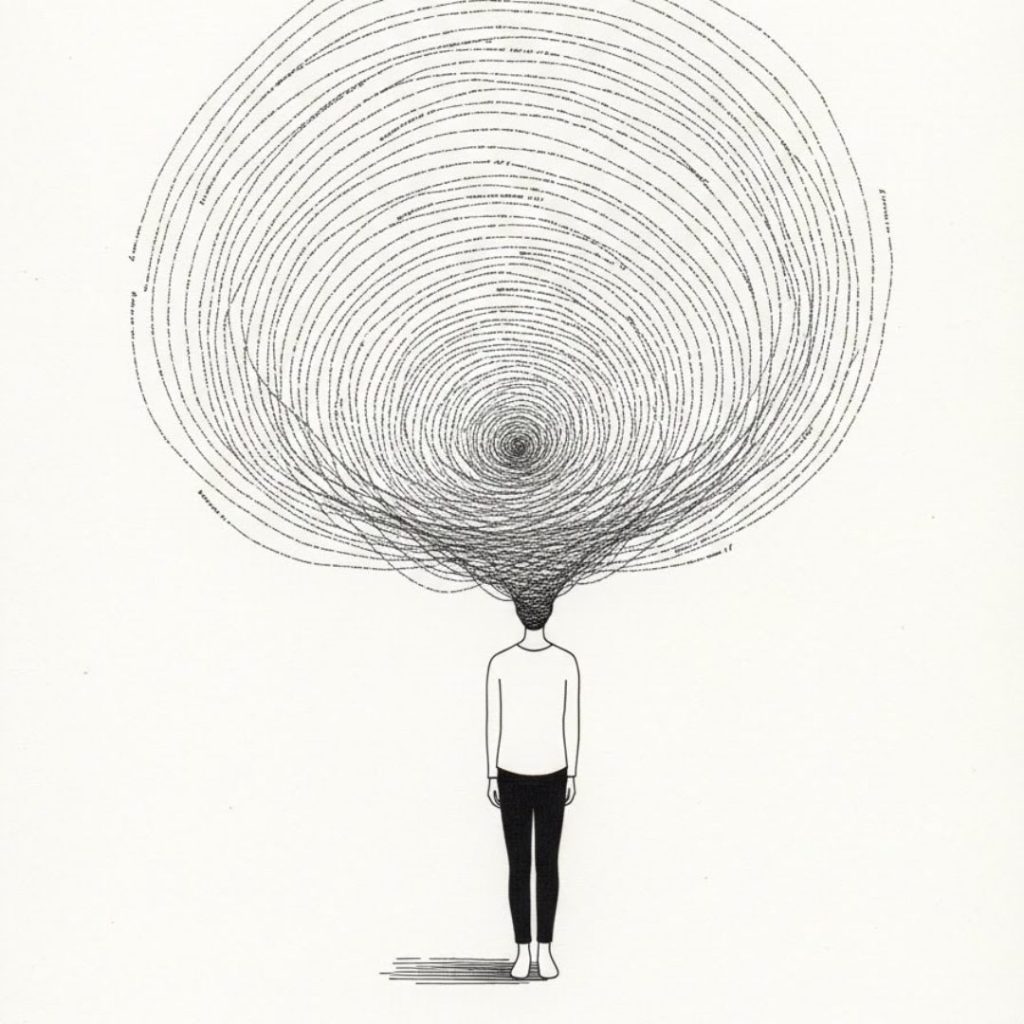
Overthinking often begins when your brain receives too much visual information. The occipital lobe can cause stress when clutter enters your view. When your optic nerve sends too many details, your thoughts may react with tension.
When your visual system becomes overwhelmed, your thoughts may race or feel scattered. The brain begins to move quickly as it attempts to sort shapes, colors, and movement all at the same time. This can leave you feeling unsettled or mentally drained.
You deserve a peaceful system that supports clarity and calm. With each quiet adjustment you make, your visual world becomes a place that nurtures your mind rather than overwhelms it.
How Your Brain and Body Reconnect Through Vision

Your brain and body work together as a team. When you calm your visual space, your deeper structures respond with ease. The parietal and temporal lobes relax. The frontal lobe slows down. The occipital lobe softens.
As your visual system relaxes, your entire brain becomes more steady. Stable circuits begin to rest, and the pressure from constant sensory demands fades. Processing sensory information becomes smoother and less overwhelming. Your central nervous system responds with greater balance, helping your body release tension it no longer needs to carry. Even small shifts in your visual environment can bring a sense of relief throughout your entire system.
Each gentle adjustment you make guides your mind back toward peace. You teach your brain that it is safe to slow down and rest. With each calm moment, you build a clearer connection between your body and your thoughts. This awareness helps you feel grounded, steady, and supported from within. You are learning how to care for yourself in a way that honors your mind and your nervous system.