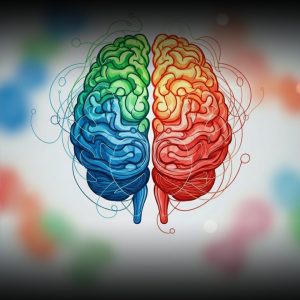


You begin this journey by noticing your breath and attention. The parietal brain quietly supports how you stay present, aware, and grounded. It works behind the scenes, helping you connect sensation, movement, and meaning.
You often feel focused without knowing why. That calm focus comes from how the parietal lobe integrates daily experiences. It allows you to sense space, touch, and direction with ease. This gentle guide walks with you through understanding awareness. You will explore how balance, attention, and perception shape your everyday life. You are never rushed here.
Understanding the Parietal Lobe and Its Place in the Brain
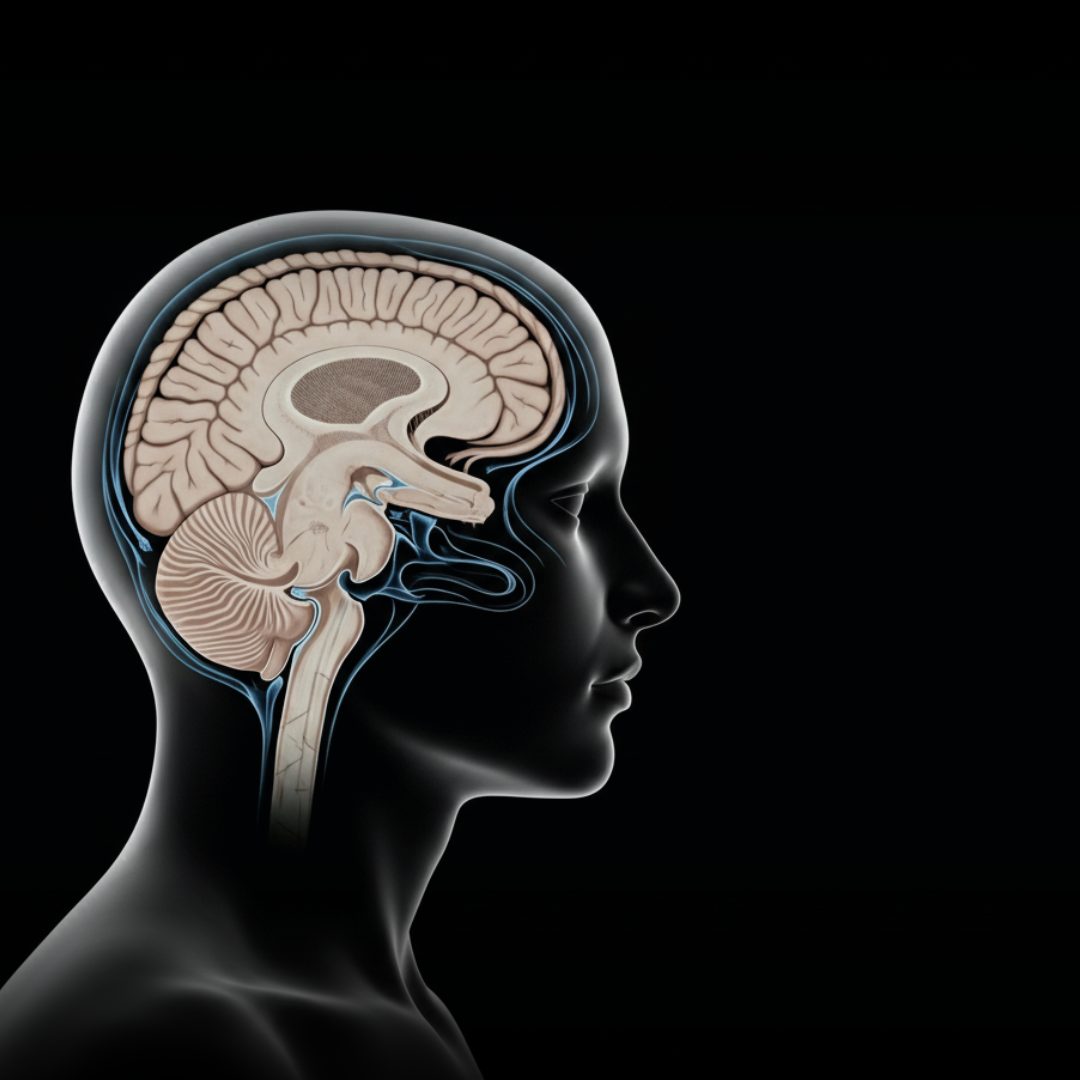
You can imagine the parietal lobe as a steady observer. The parietal lobe, located near the top and back of the head, supports awareness. It sits within the brain's cerebral cortex, the outermost layer of the human brain. This region works closely with other brain regions. The frontal lobe guides planning, while the occipital lobe handles visual information. Together, they support smooth daily experiences.
The parietal lobe plays a quiet role in balance and focus. It connects sensory information with intention. You rely on it when reaching, walking, or reading calmly. You can also picture the four lobes working like one calm team. The parietal lobe, located above the lateral sulcus, also called the sylvian fissure, stays connected. Each cerebral hemisphere supports the other with steady coordination.
READ ALSO: Occipital Brain & Overthinking: Reset Your Visual Space
How the Parietal Lobe Processes Sensory Information
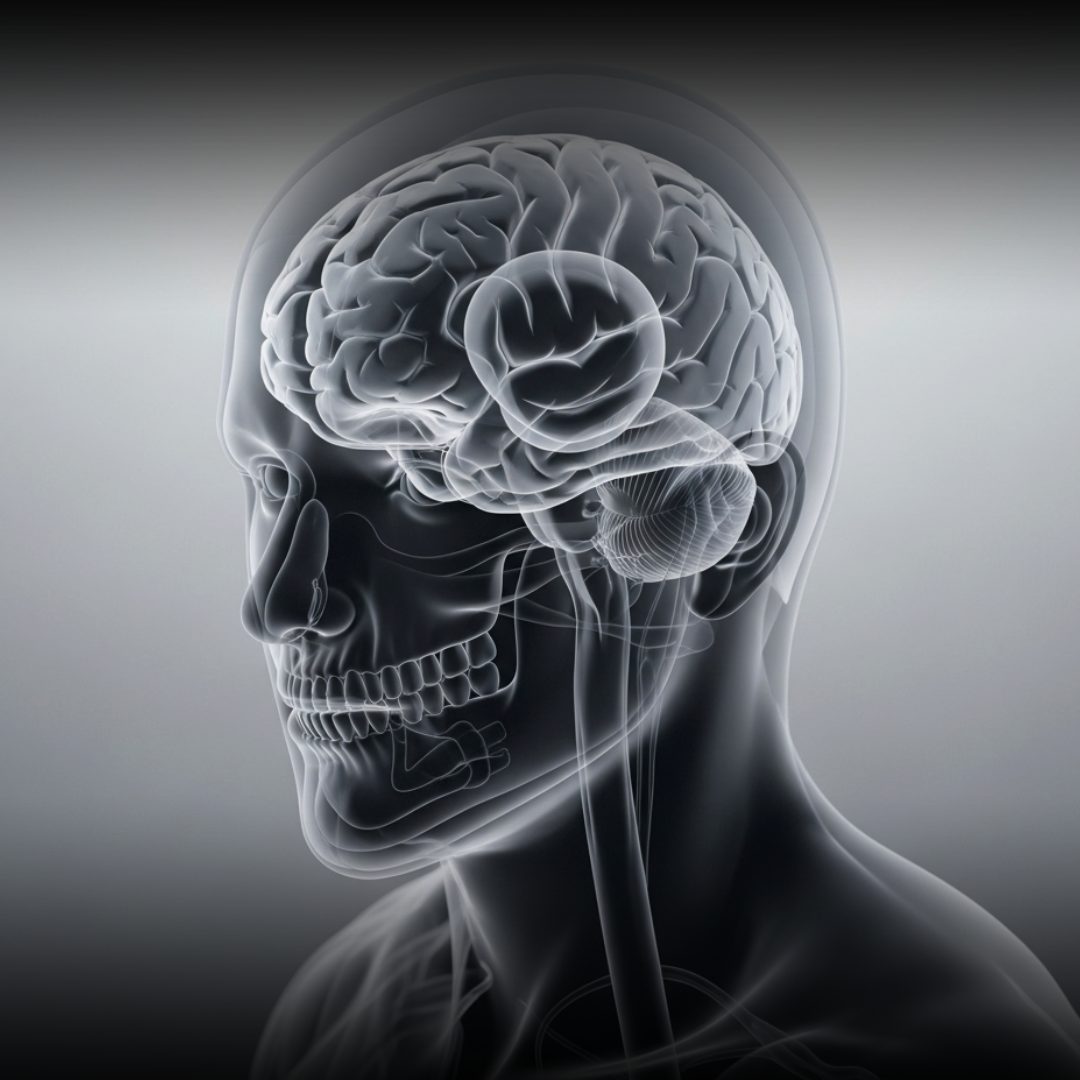
You receive constant sensory input from the external environment. The parietal cortex helps process sensory information gently and accurately. Touch, pressure, and temperature flow through this system. The primary somatosensory cortex rests along the postcentral gyrus. It maps body parts with care and precision. Each sensation helps you stay grounded in the present moment.
Integrating sensory information allows awareness to feel effortless. The parietal lobe plays a crucial role in organizing these signals. You sense the world without overwhelm. You build calm focus when you name sensations with simple words. This supports a deeper understanding of what your body needs. It also reminds you that your brain's cerebral cortex can learn gentleness.
Spatial Awareness and Orientation in Daily Life

You move through space with quiet confidence. Spatial awareness depends on healthy parietal activity. It helps you judge distances and spatial relationships. The posterior parietal cortex supports spatial orientation and eye movements.
You track objects smoothly and adjust your body naturally. Balance feels intuitive. Spatial relations guide how you interact with others. You know where you stand, sit, or reach. This awareness keeps daily actions calm and intentional.
The Role of the Parietal Cortex in Focus and Attention
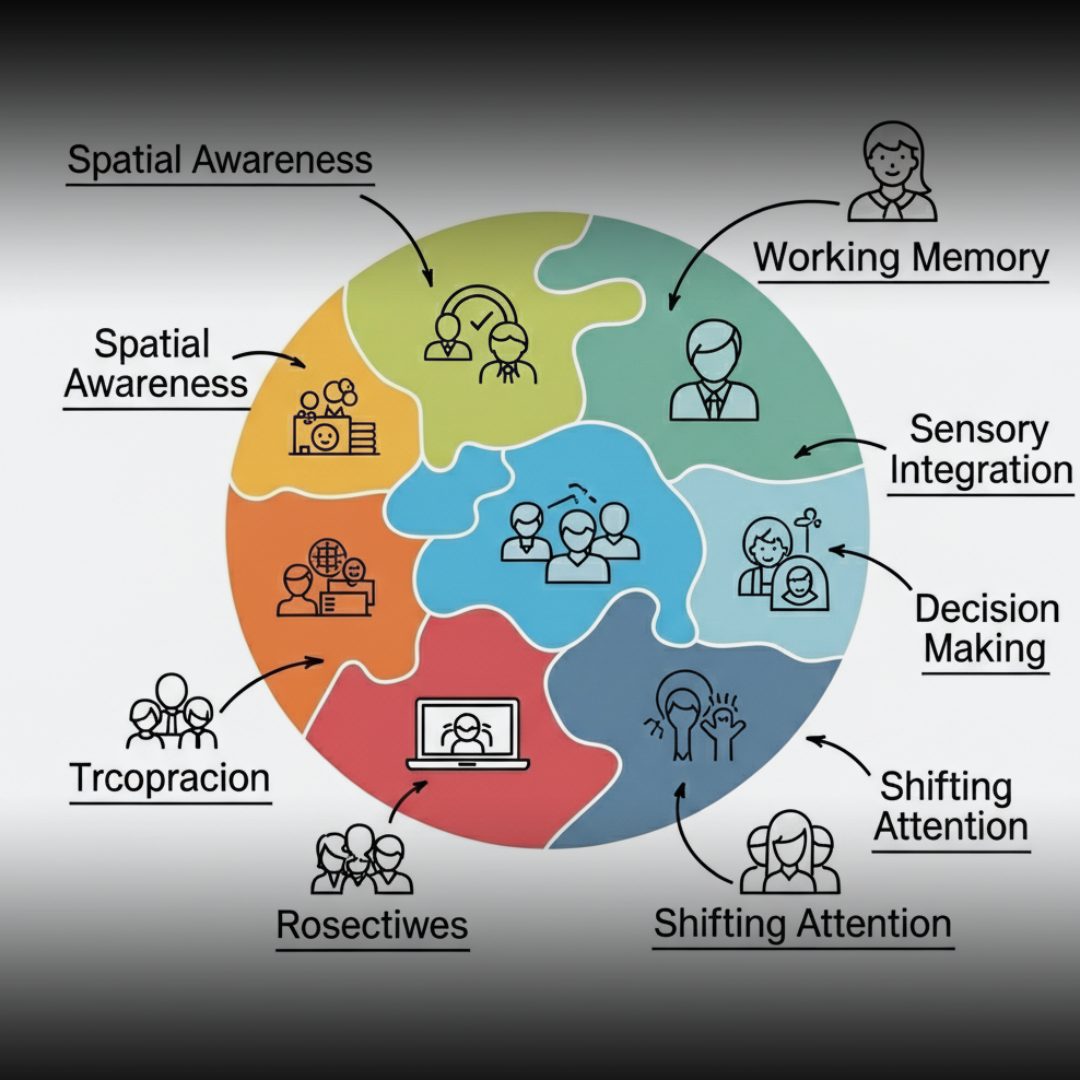
You notice when focus deepens naturally. The parietal cortex supports attention without strain. It helps filter sensory information gently. Parietal activity increases during mindful awareness. You feel present, not distracted. This balance supports emotional calm.
You can practice soft attention with one small task. Notice how parietal activity rises when you stay curious. Your parietal cortex helps you return to the present. A deeper understanding of focus begins here. The parietal lobe plays a stabilizing role. It anchors awareness in the moment.
Connection Between the Parietal and Frontal Lobes
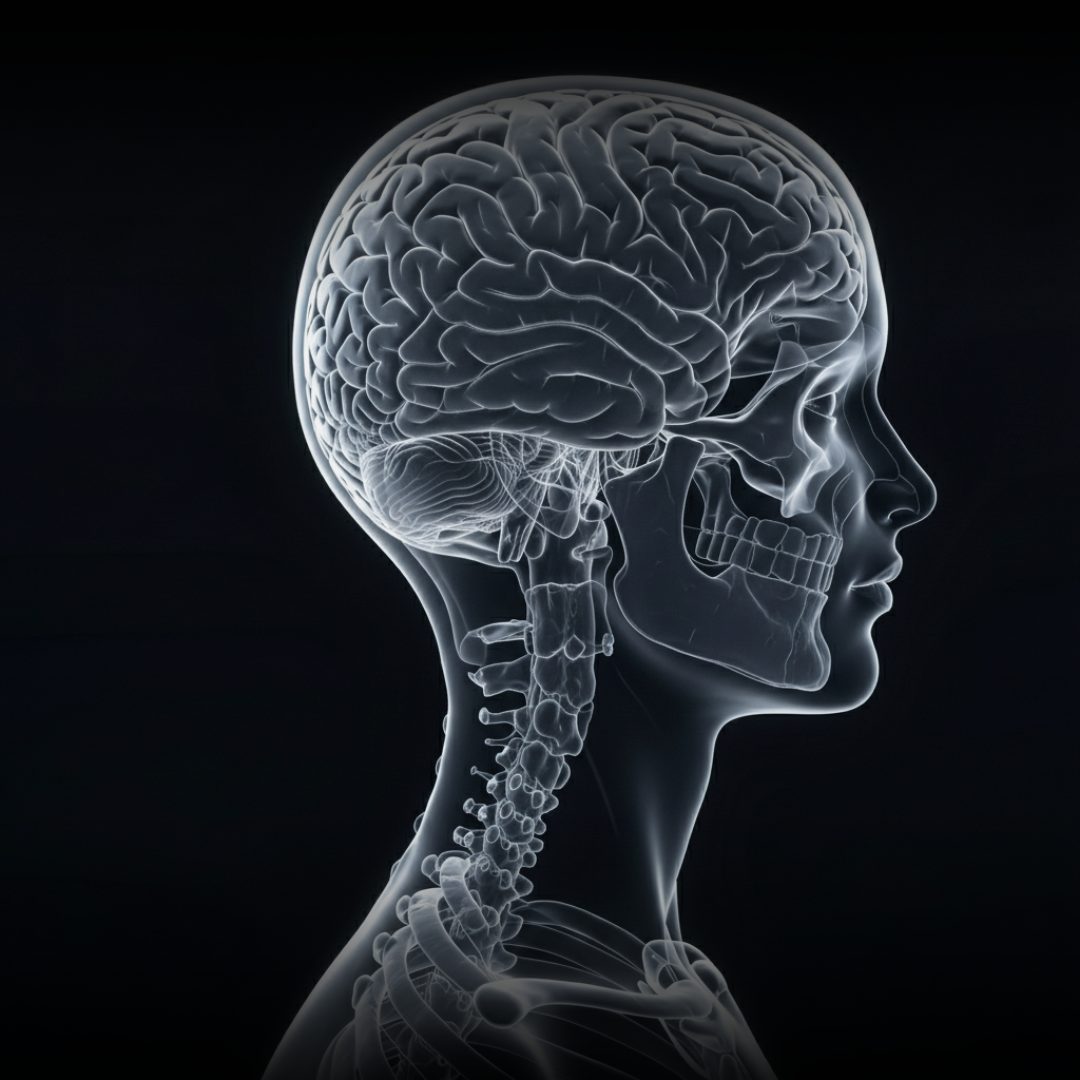
You plan actions with clarity. The frontal lobe sends motor signals forward. The parietal cortex refines them using sensory feedback. The central sulcus separates these regions clearly. Yet they communicate constantly. Movement becomes smooth and intentional.
Complex movements rely on this partnership. You act with precision and confidence. Your entire brain works in harmony. Your motor functions improve when sensation and planning match. The central sulcus helps separate movement and touch roles clearly. Yet the frontal lobe and parietal cortex keep sharing feedback.
Visual Processing and the Parietal Region
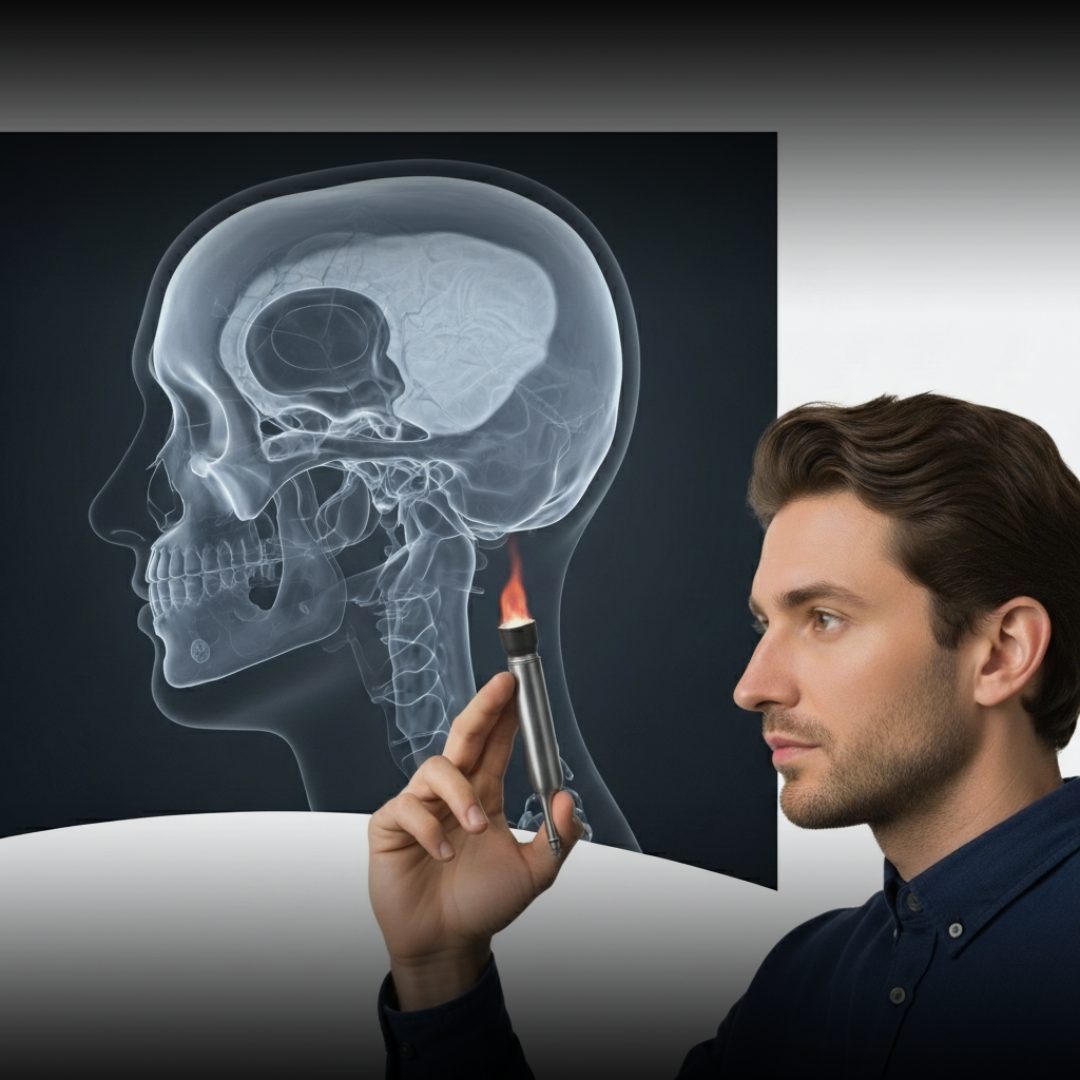
You see more than images. Visual information travels from the primary visual cortex to the parietal lobe. This pathway supports spatial locations. The dorsal stream guides where objects are. The ventral stream supports what objects are. Both streams rely on parietal coordination.
The occipital lobe and parietal cortex work together gently. Visual field awareness feels natural. You stay oriented without effort. You also notice where things are, not only what they are. The dorsal stream supports spatial locations and guidance for action. The ventral stream supports recognition across your visual field.
Auditory and Multisensory Integration

You hear sounds and locate them easily. The primary auditory cortex sends signals forward. The parietal lobe integrates these cues. This process supports spatial orientation. Sounds feel anchored in space. Awareness becomes fuller and richer.
Integrating sensory information strengthens presence. You respond calmly to noise and movement. Focus remains steady. The temporal lobe adds meaning to sound and memory. Your brain blends hearing with touch and sight in one moment. This is part of integrating sensory information across daily life.
READ ALSO: Temporal Brain and the Energy Cost of Overthinking
Language, Symbols, and Meaning

You read and write with ease. The inferior parietal lobule supports written language and comprehension. Meaning flows smoothly. The angular gyrus plays a supportive role. It links symbols with understanding. Communication feels natural.
The left inferior parietal cortex contributes to language clarity. You express ideas with confidence. Thought becomes organized. You may feel this most during reading and naming ideas. The inferior parietal lobule supports symbols, while the angular gyrus supports linking them. This helps written language feel smoother and less tiring.
Hemispheres and Balance in Awareness
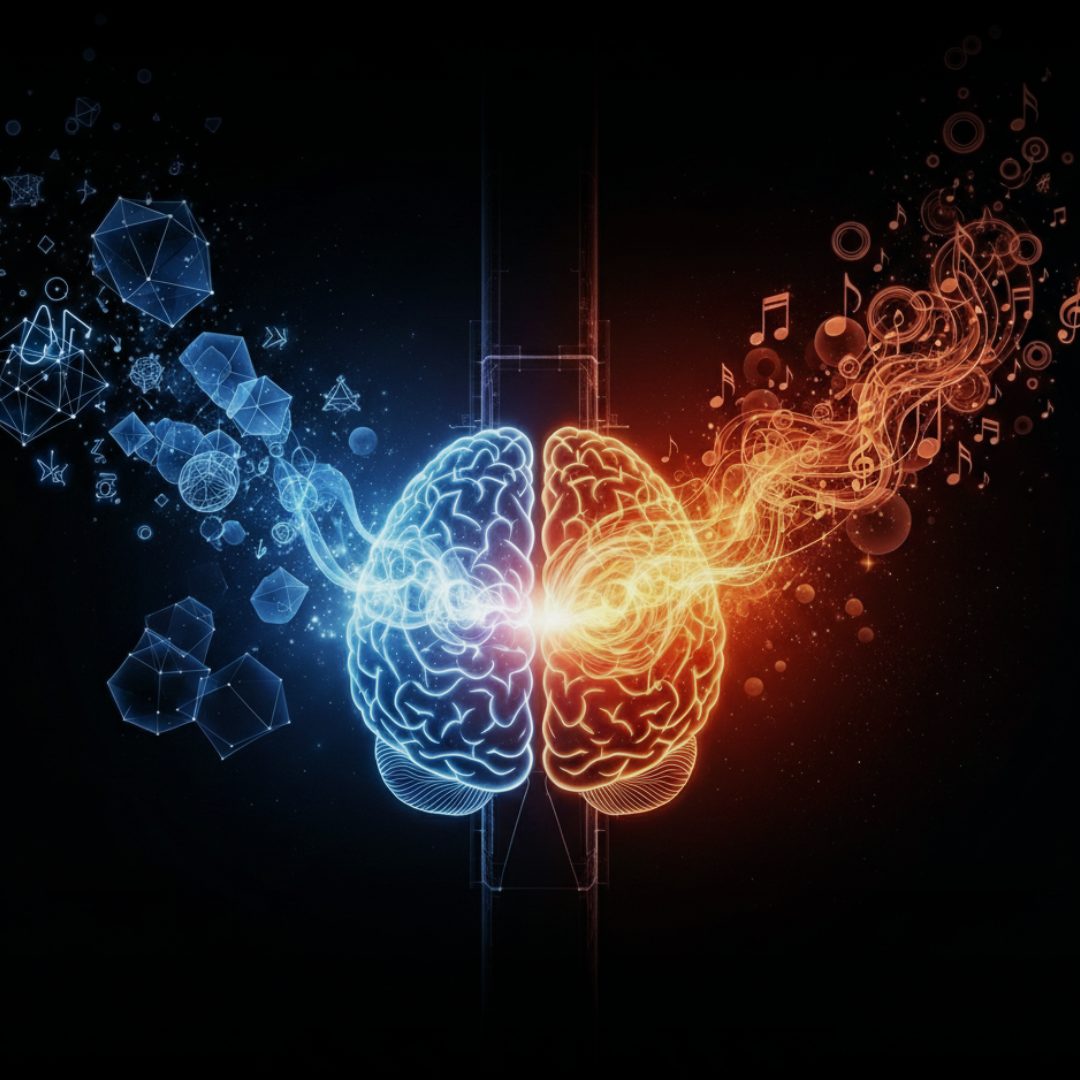
You carry a balance between both sides. The left hemisphere supports detail and structure. The right parietal lobe supports spatial awareness. The dominant hemisphere shapes preference. Yet both hemispheres collaborate constantly. Awareness stays whole.
The left cerebral hemisphere supports language. The right side supports spatial relations. Balance brings calm focus. You can notice subtle preferences between your left side and right side. The left parietal lobe often supports detail and orderly steps. The right parietal lobe often supports spatial awareness and wide attention.
Clinical Insights and Parietal Lobe Damage
You may hear about parietal lobe damage in health discussions. Such changes affect spatial orientation and sensory input. Awareness may feel disrupted. Parietal lobe lesions can impact body awareness. Conditions like optic ataxia may appear. Movement may feel uncertain.
Understanding brain damage fosters compassion. The entire brain adapts with care. Healing begins with awareness. Some symptoms relate to specific cortical areas. Finger agnosia can affect the naming of fingers and body parts. Optic ataxia can affect reaching for a seen target.
The Parietal Lobe in Learning and Memory
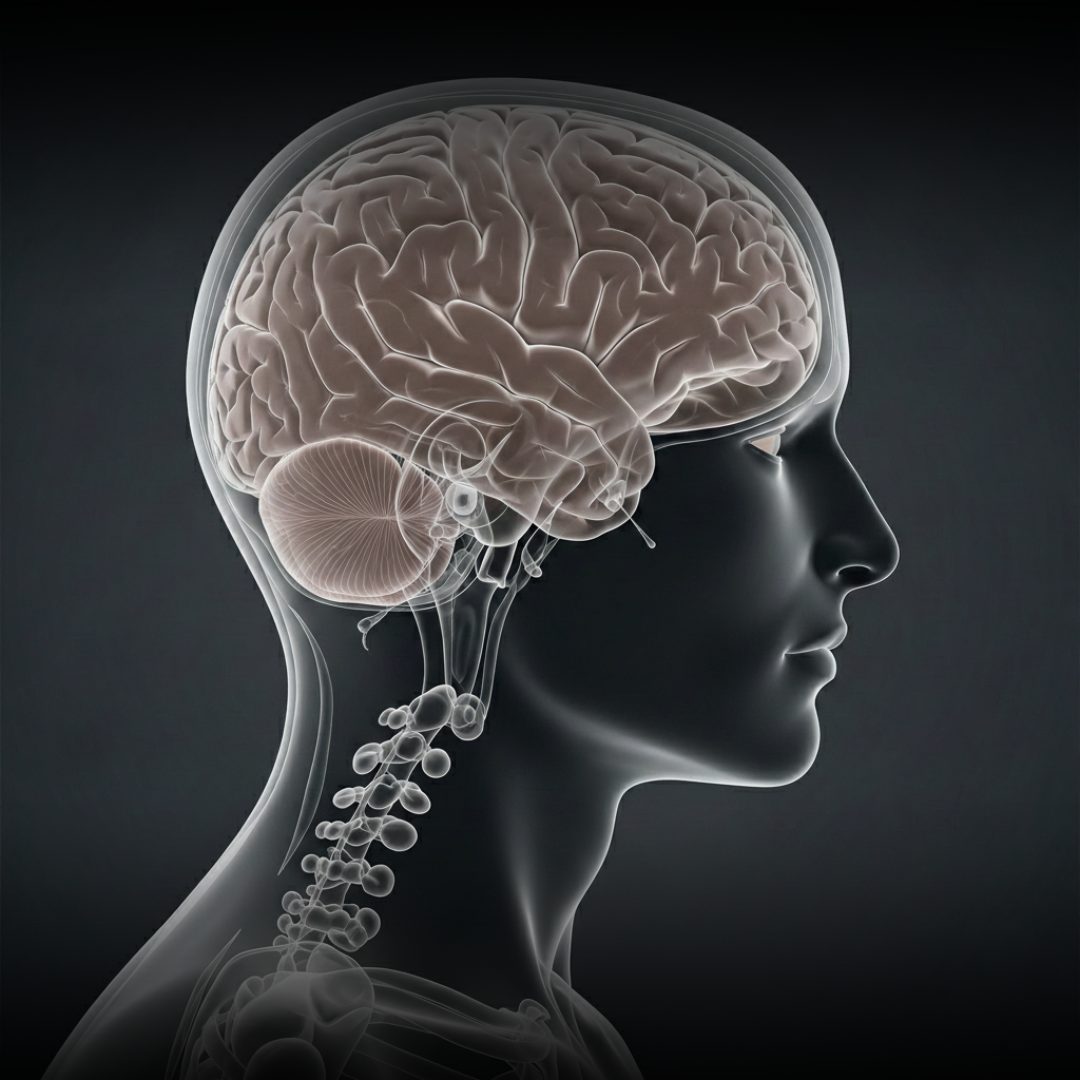
You learn through experience. Memory processes rely on integrating sensory information. The parietal cortex supports procedural memory gently. This region connects experience with meaning. Learning feels embodied. Knowledge settles deeply.
A deeper understanding of learning emerges. Awareness supports growth. Curiosity stays alive. Learning improves when your senses feel safe and steady. Your brain can process sensory information without rushing. This supports calm memory processes and stronger procedural memory.
Technology and Modern Brain Research

You may hear about functional magnetic resonance imaging. This tool reveals parietal activity patterns. Scientists observe focus and awareness. The human parietal cortex shows adaptive strength. Brain regions shift with practice. Mindfulness shapes structure.
Research highlights a crucial role for awareness. Balance strengthens attention. Growth remains possible. Researchers often study the posterior region of attention networks. They track changes in cortical areas and networks over time. This supports a deeper understanding of how the brain adapts.
READ ALSO: Health Information Professionals and the Future of Wellness
Living With Awareness and Balance

You carry awareness into daily life. The parietal lobe plays a supportive role quietly. Focus feels gentle, not forced. You move, sense, and reflect with ease. The brain responsible for integration works constantly. Calm awareness becomes your guide.
You end this journey with gratitude. Your entire brain supports presence. Balance becomes a way of living. You can honor the functions of the parietal with small daily pauses. Feel your sensory input, then choose one gentle next step. Your entire brain supports this steady, grounded awareness.
UP NEXT: Magical Mindset to Transform Your Daily Self-Care Routine