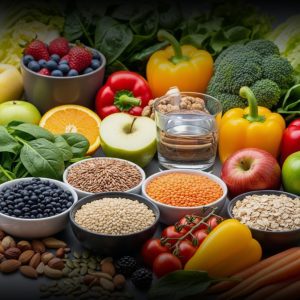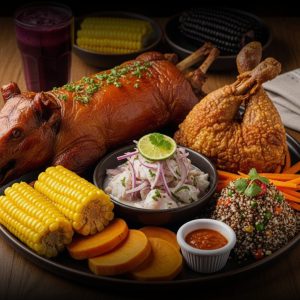


The Peruvian diet offers a treasure trove of nourishing foods, each with its unique charm and benefits. Rooted in South America, this vibrant cuisine blends influences from the Andean Highlands to the Pacific Ocean. It’s a diet rich in history, from native Peruvian foods passed down through generations to modern Peruvian food that you can savor today. Let’s embark on this flavorful journey that will uplift your taste buds and balance your energy.
Peruvian Diet: A Fusion of Flavors and Cultures
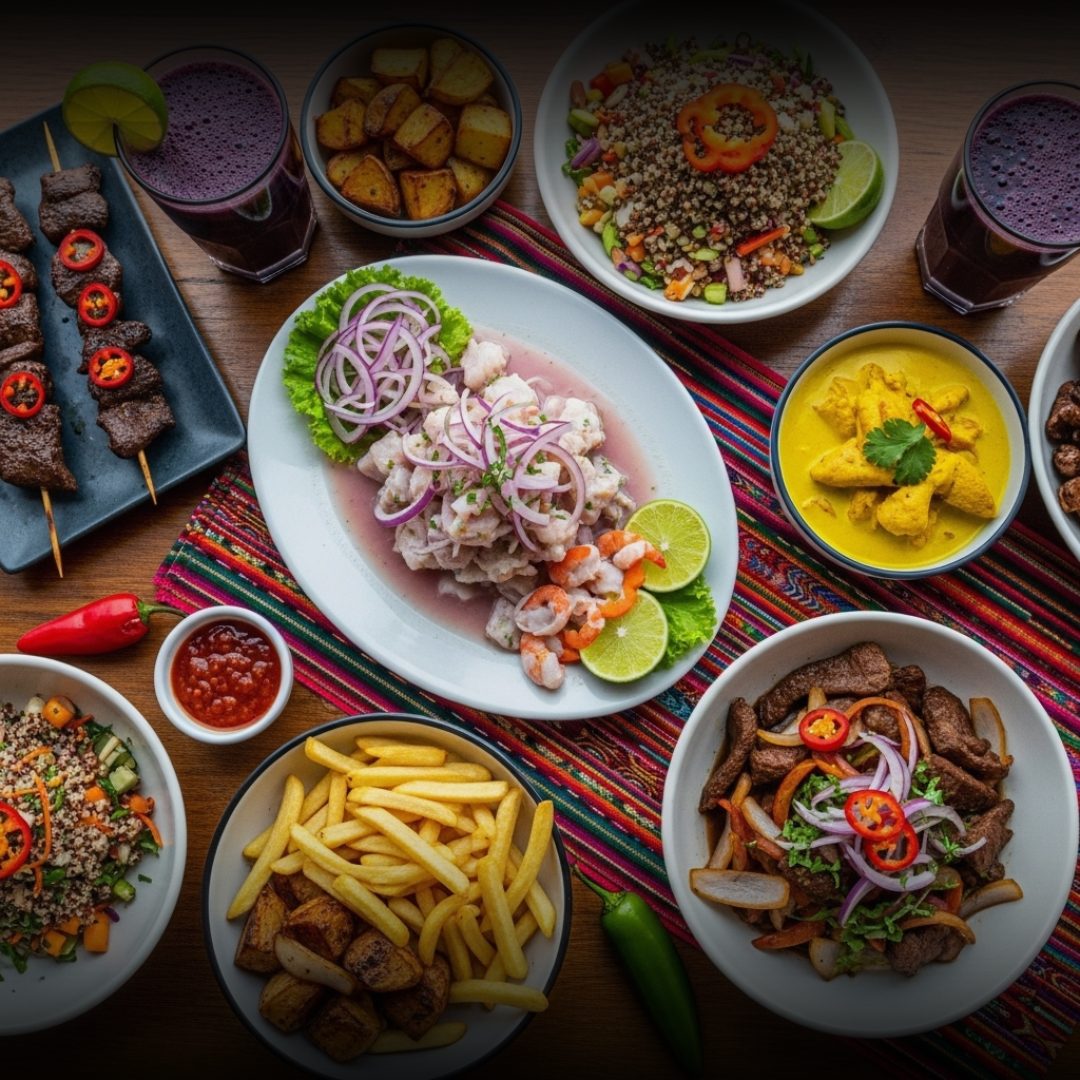
Peruvian cuisine fuses ancient traditions with modern influences. From indigenous Andean foods to the Chinese influence in dishes like arroz chaufa, Peruvian food mirrors the diversity of its people. Over the centuries, African slaves, Spanish colonists, and immigrants shaped this cultural melting pot. Peruvian cuisine blends local practices and ingredients, enriched by flavors from Europe, Asia, the Middle East, and Africa.
The Peruvian diet revolves around four staples: corn, potatoes, quinoa, and beans. These favorites provide essential nutrients and form the backbone of many beloved dishes. Chili peppers, especially ají amarillo, are key ingredients that add bold spice and flavor to every meal. When the Spanish arrived in the 16th century, they introduced new ingredients and meats, further enriching Peruvian cuisine.
The Role of Vegetables in the Peruvian Diet
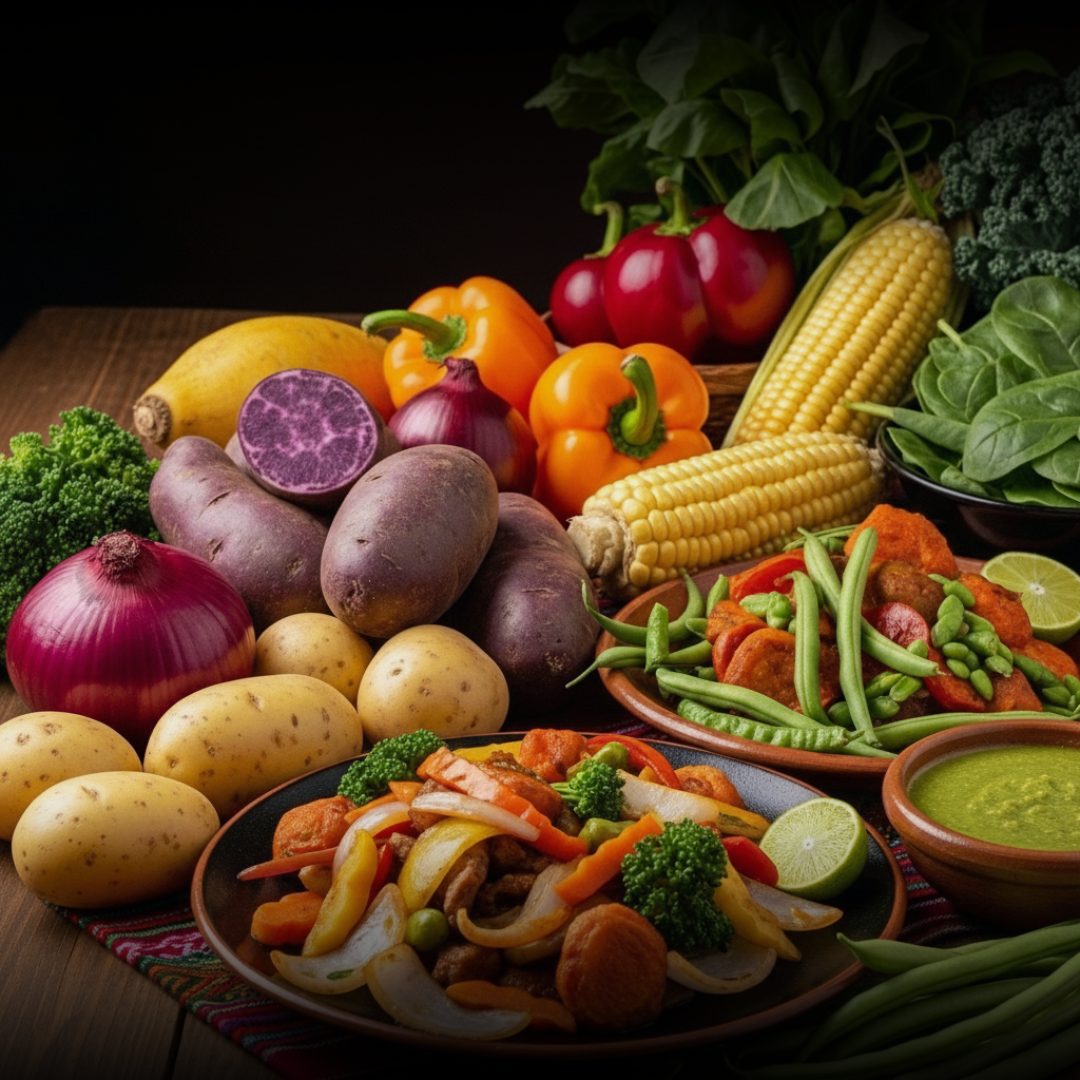
Vegetables play a vital role in the Peruvian diet, offering both flavor and nutrition. Peru’s diverse climates allow a wide variety of vegetables to thrive year-round. Potatoes are the most versatile—boiled, fried, or mashed, they appear in nearly every meal. Sweet potatoes, another beloved vegetable, often accompany traditional dishes like papa a la huancaina, a creamy dish made with Huancayo-style potatoes and spicy cheese sauce.
Corn stands out in Peruvian cuisine. It comes in various forms, like choclo (large kernels) and canchita (toasted corn). Peruvian food often pairs corn with olives, garlic, and onions, as in the classic ceviche. These ingredients work together to create hearty, flavorful dishes that provide a satisfying energy boost.
READ ALSO: Sweet Potato Nutrition: A Cozy Wellness Staple
Celebrating Protein: Guinea Pig, Chicken, and Fish
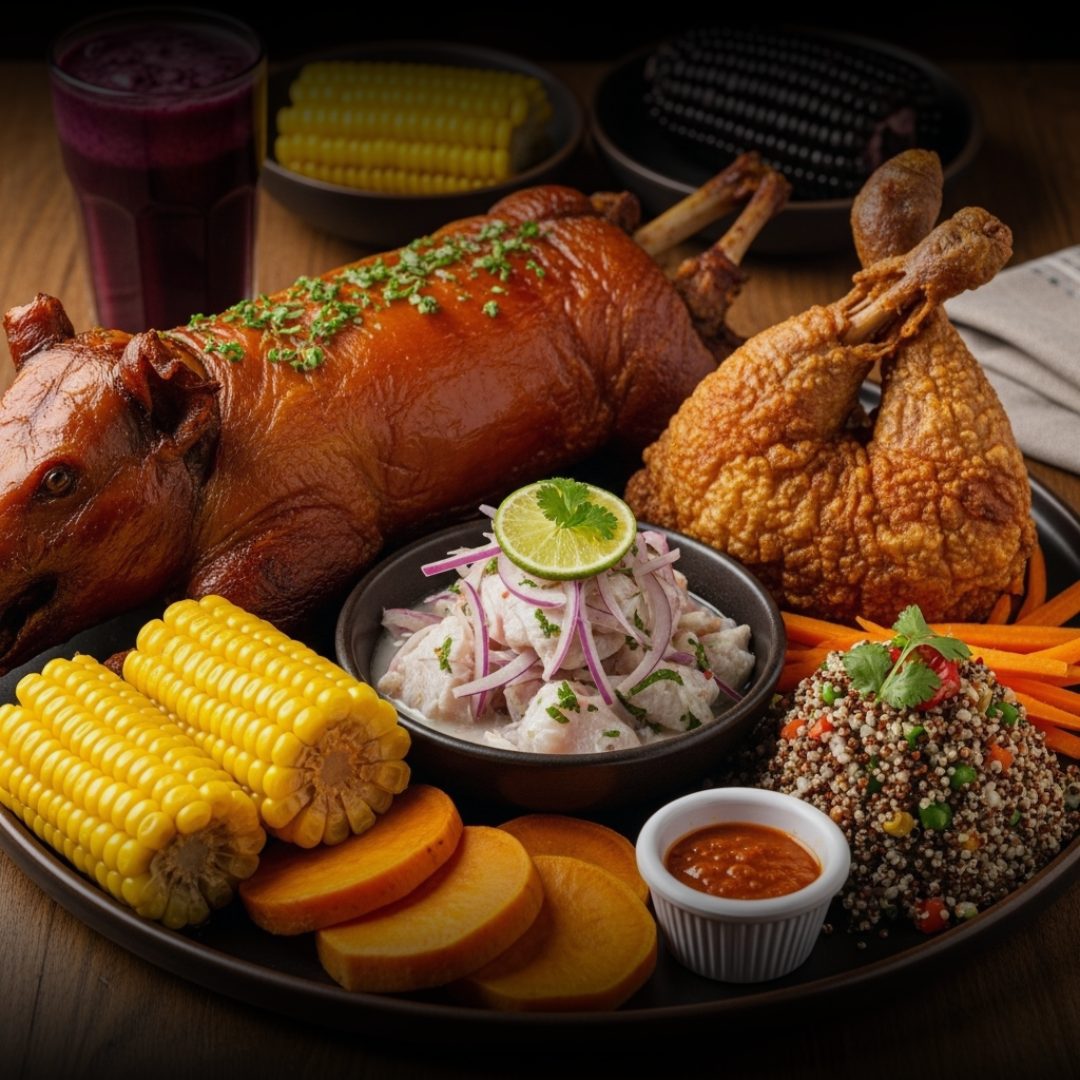
In Peruvian cuisine, protein comes in many forms. The guinea pig (or cuy) is a traditional delicacy, especially in southern Peru. While it’s virtually unknown in many countries, guinea pig is a staple in many Peruvian homes, often roasted and served with potatoes or rice. For more familiar protein sources, chicken and fish are common choices.
Chicken often appears in arroz con pollo (rice with chicken) or lomo saltado. Lomo saltado is a stir-fried beef dish made with onions, tomatoes, and served with rice and fries. Peruvian cuisine also includes fried egg, commonly served with many dishes, such as tacu-tacu, a mix of rice and beans introduced by African slaves. Fish, especially ceviche, is another protein-rich dish, made with fresh, raw fish, lime juice, and garlic.
The Power of Sauces in Peruvian Cuisine
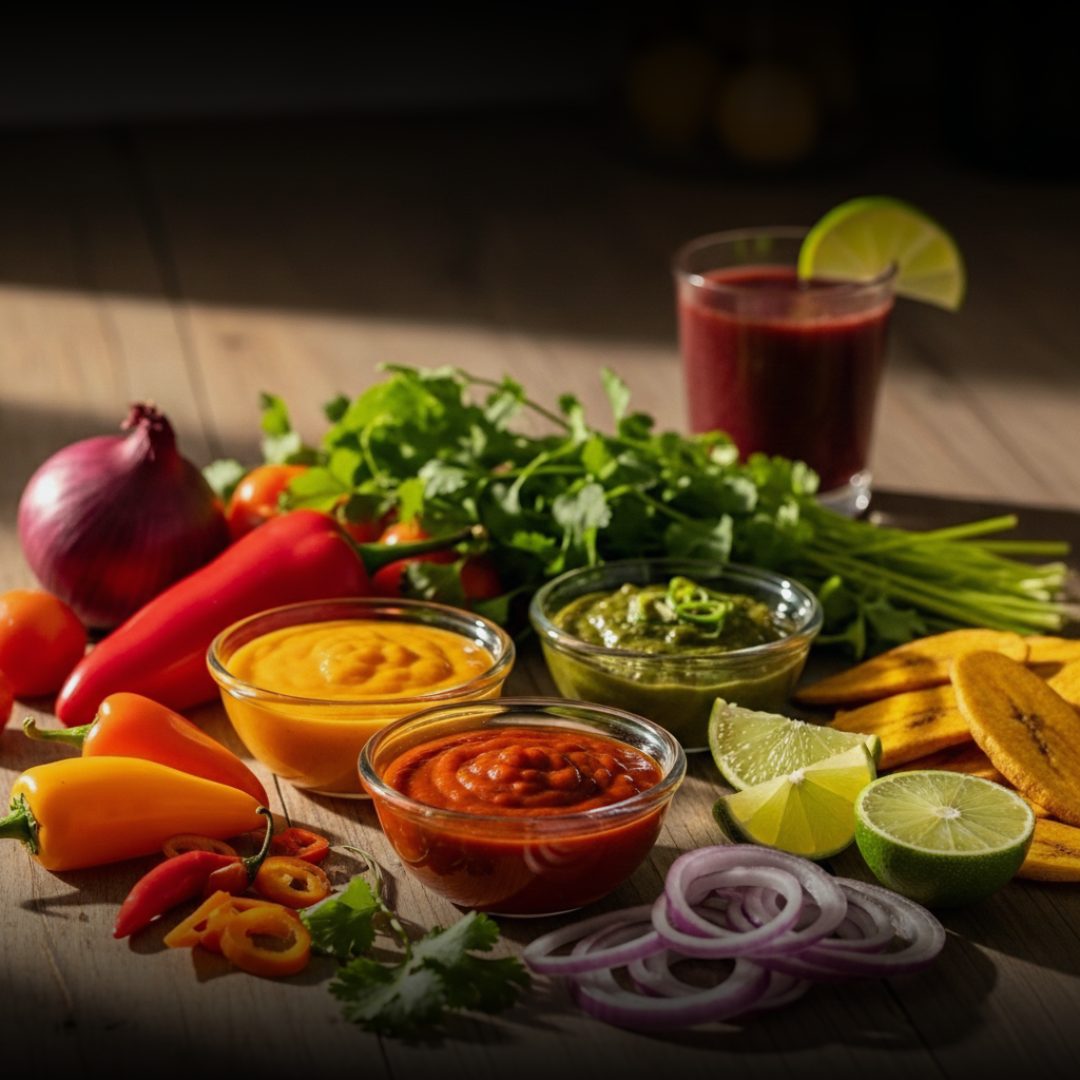
Sauces in Peruvian cuisine add depth and flavor to every dish. Olive sauce is a popular choice, often used in dishes like ají de gallina and la huancaina. Ají de gallina is a creamy chicken stew made with ají amarillo (yellow chili) and served with boiled eggs and rice. Papa a la huancaina is a simple yet satisfying dish, made with boiled potatoes topped with a spicy cheese sauce. These sauces balance the spiciness and tanginess found in many Peruvian dishes, creating a harmonious flavor profile.
Ají amarillo (yellow chili pepper sauce) is another key ingredient in Peruvian sauces. This sauce adds a mild heat and vibrant color to Peruvian food, whether used in meats, rice dishes, or fish. Chili peppers are essential in marinades, spicy sauces, and street food. Their heat brings complexity and authenticity to Peruvian food, especially in dishes like pollo a la brasa, a rotisserie chicken served with fries and salad.
How the Peruvian Diet Supports Balanced Energy
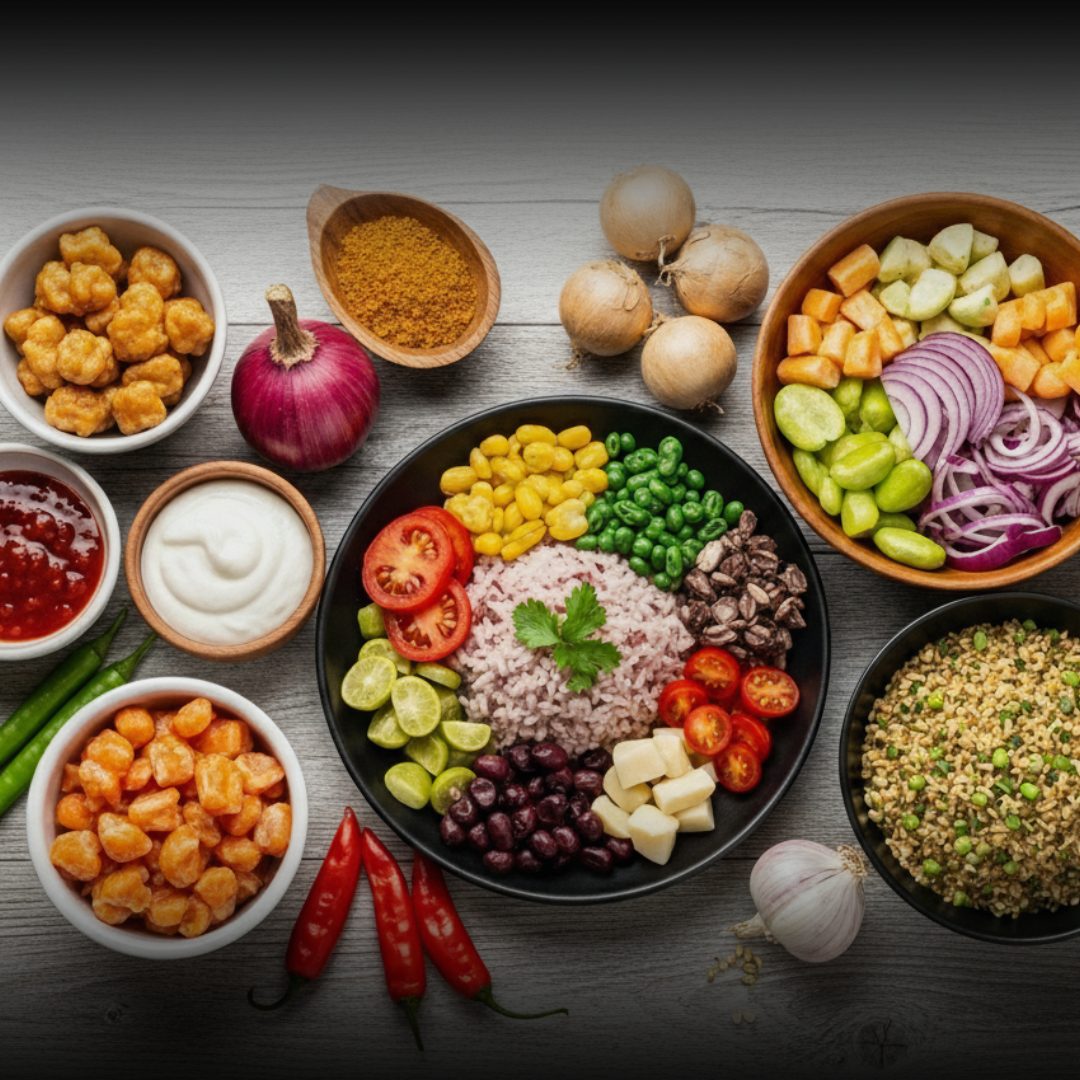
A balanced diet is key to maintaining energy, and the Peruvian diet provides just that. It includes complex carbohydrates from potatoes, quinoa, and corn, offering a steady energy supply throughout the day. Quinoa is a rich source of amino acids, making it a powerful addition to your meals. These foods are high in fiber, helping regulate digestion and preventing energy crashes.
Peruvian food also incorporates healthy fats, especially in dishes like cuy, often cooked in olive oil. These fats provide long-lasting energy and help you feel full. Fresh herbs, like cilantro and garlic, add extra nutritional value, boosting immunity and reducing inflammation. The harmony of these ingredients fuels the body and nourishes the soul, supporting your overall well-being.
READ ALSO: Weight Loss Nutrition Diet That Respects Your Rhythm
A Sweet Ending: Peruvian Desserts
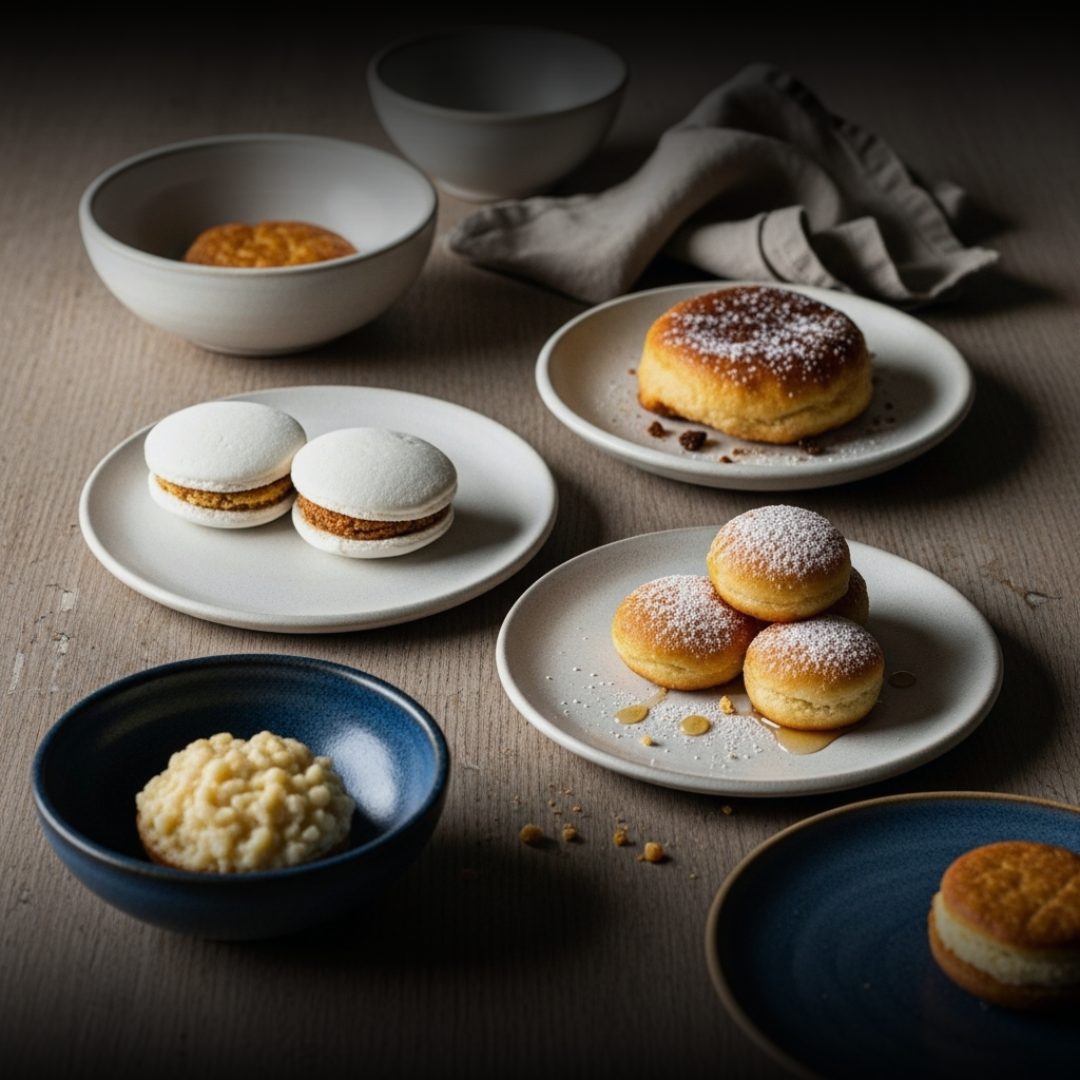
Every Peruvian meal deserves a sweet ending. Dulce de leche, a rich caramel sauce, often appears in alfajores (cookies filled with dulce de leche) or rice pudding. Picarones, warm squash donuts fried and served with sweet syrup, are another Peruvian treat. Tamales—boiled corn with meat or cheese wrapped in banana leaves—are a common breakfast dish in Peru.
Peruvian cuisine also includes pisco sours, a sweet and tangy cocktail made with pisco, lime juice, egg whites, and simple syrup. The egg white adds a frothy texture to the drink, enhancing its smooth and refreshing taste. It’s a true Peruvian tradition.
READ ALSO: Healthy Sweet Snacks To Indulge Without Any Guilt
Food Culture and Social Bonding in Peru
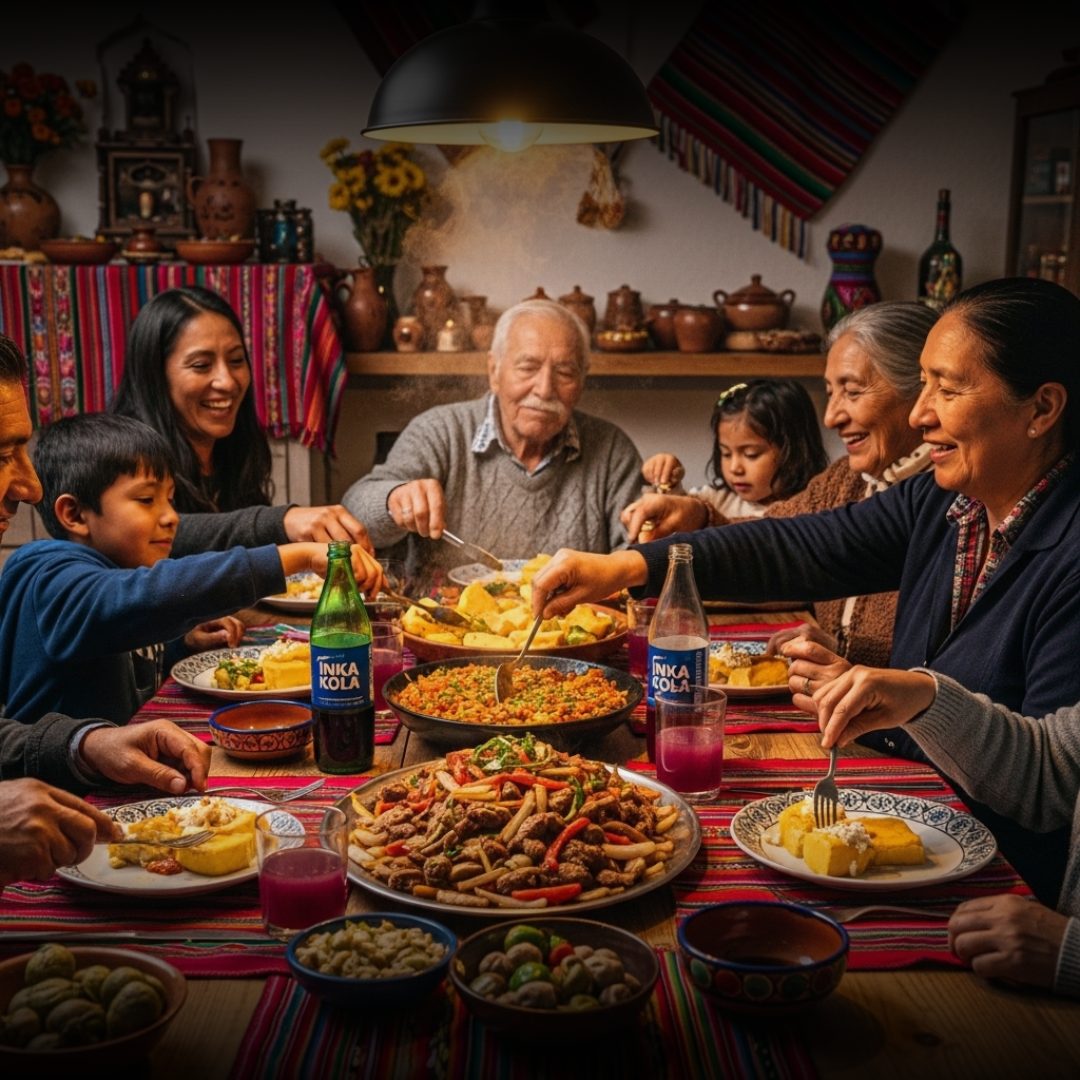
In Peru, food is not just nourishment—it’s a way of bringing people together. Sharing meals is a cherished tradition, whether with family, friends, or neighbors. Peruvian society views food as an expression of love. The saying “comida como amor” (food as love) perfectly captures how meals nourish relationships.
Gatherings often feature beloved Peruvian dishes, like papa a la huancaina. This dish brings people together, with boiled potatoes bathed in a spicy, creamy sauce made from ají amarillo, and served with white rice. These meals are served with warmth and generosity, encouraging everyone to share in the experience.
The Influence of Peruvian Cuisine Beyond Peru
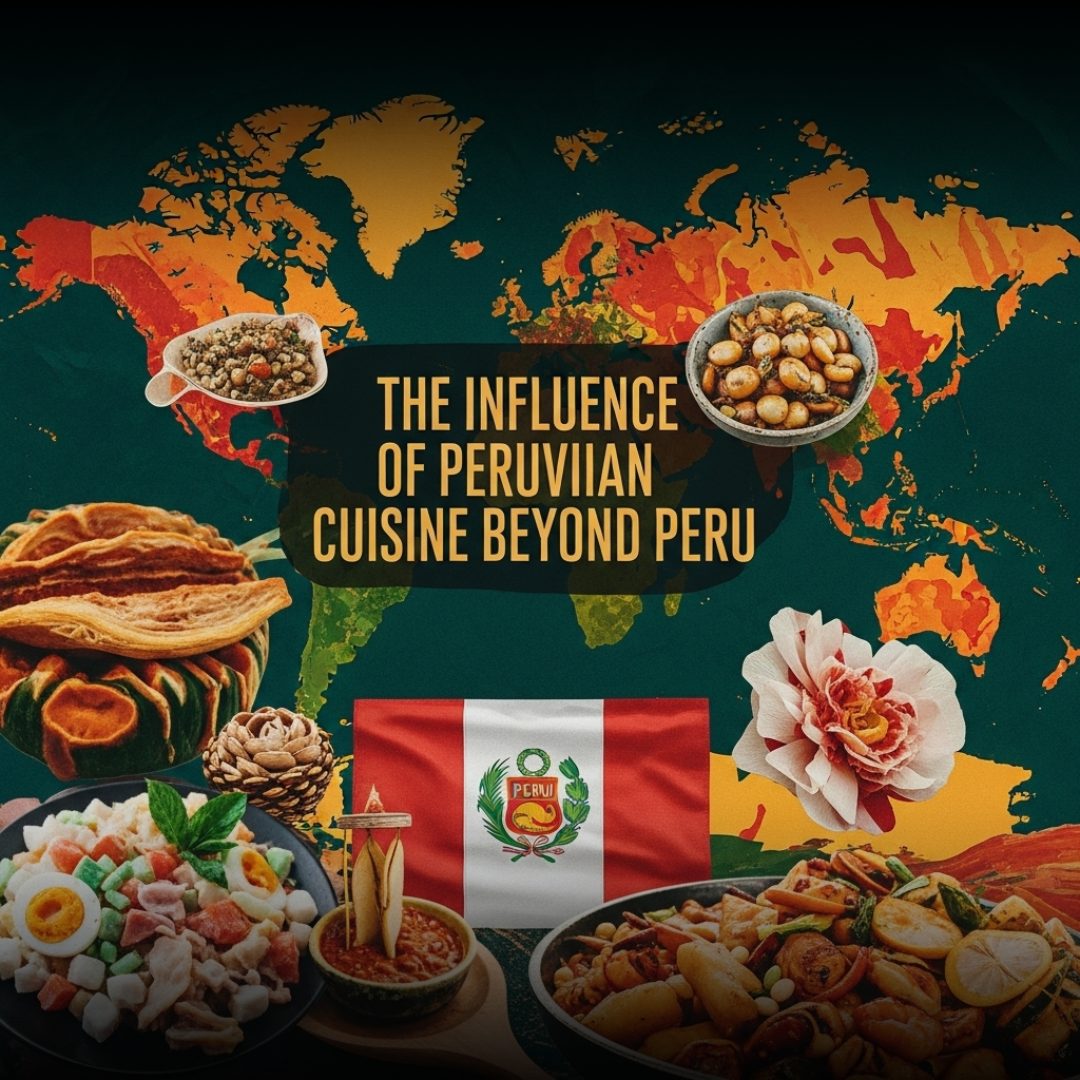
Peruvian food gains global recognition, with Peruvian restaurants opening in cities like New York, London, and Santiago. Lima, the capital of Peru, boasts some of the best restaurants in South America. The Chinese influence in Peruvian food, seen in dishes like arroz chaufa (fried rice), contributes to its worldwide popularity.
In South America, Peruvian cuisine stands out as one of the most diverse and flavorful. It’s known for fresh ingredients, rich flavors, and hearty, nourishing meals. Peruvian cuisine continues to grow in popularity, with increasing interest in native Peruvian foods like quinoa and ají amarillo. Peru’s culinary traditions are being celebrated worldwide, and more people discover the joys of Peruvian food.
Why You Should Embrace the Peruvian Diet
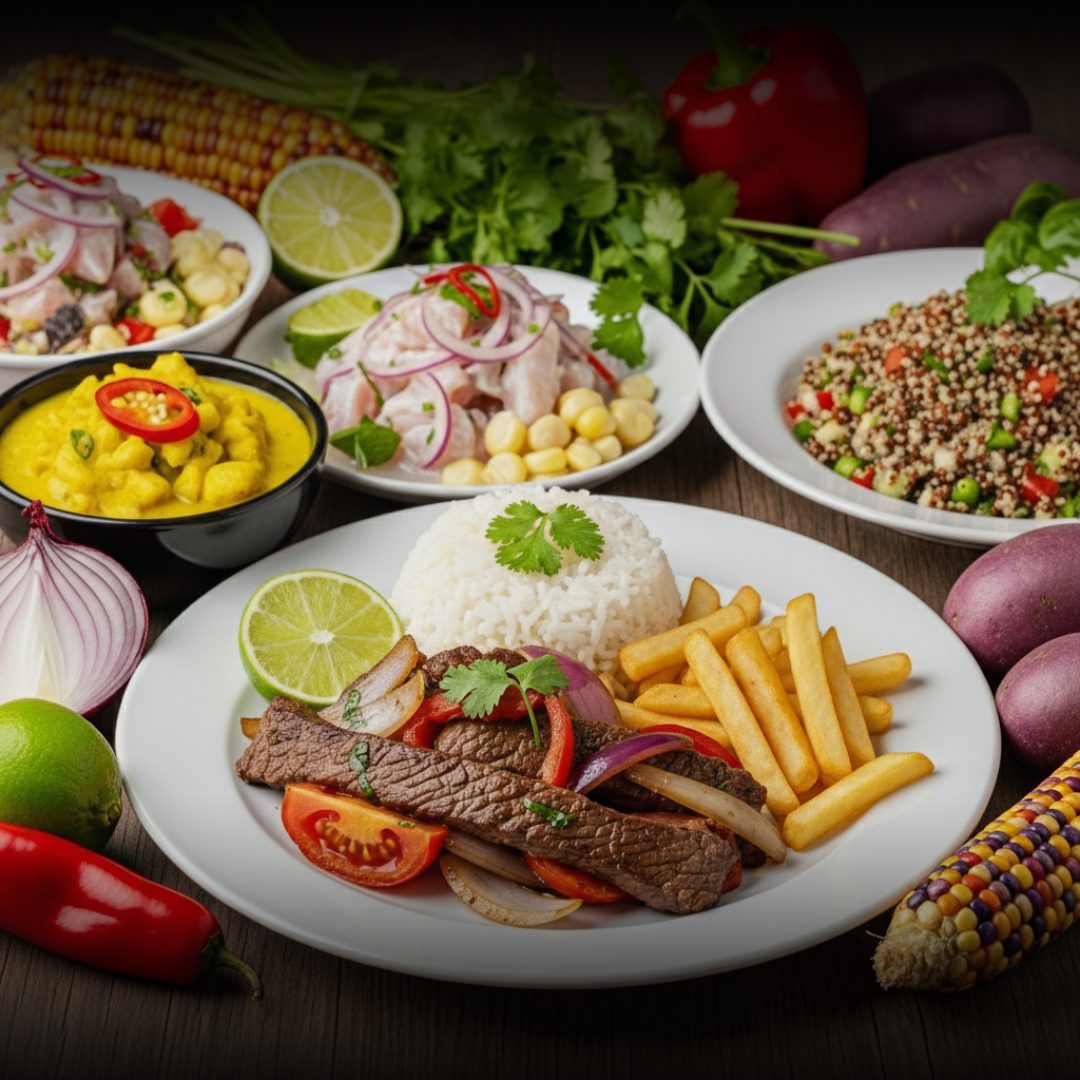
The Peruvian diet isn’t just about food—it’s a way of life. It embraces balance, nourishment, and intentionality. The fusion of ingredients, textures, and flavors found in Peruvian food offers a unique and enriching experience for your body and mind. Whether you’re enjoying ceviche on the coast of Peru or savoring lomo saltado at home, the Peruvian diet provides a way to nourish yourself from the inside out.
By embracing the Peruvian diet, you can discover new ways to support your energy levels, nourish your body, and celebrate balance in your life. Don’t hesitate to explore the delicious and vibrant world of Peruvian cuisine. Let your taste buds experience the richness of Peruvian culture and feel the nourishment that comes from its traditional foods. Enjoy the journey!
UP NEXT: Consolidated Health Plan: Gentle Guidance for Smart Choices