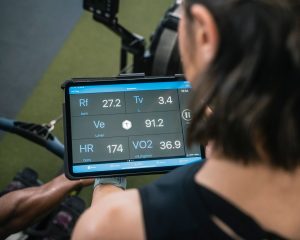
A Strong Beginning For Your Muscle Journey
You have likely heard about protein supplements muscle gain and wondered if they truly matter. I want you to see protein supplements key to effective muscle growth as a steady tool, not a magic fix. When you understand how they support muscle growth, you feel calm and confident. You stop chasing trends and start building with purpose.
Muscle growth begins with small daily choices. Each workout, each meal, and each hour of rest shapes your progress. Protein supplements can support effective muscle growth when your routine is already grounded. They work best beside whole foods, smart training, and patience.
You do not need extremes to build muscle mass. You need rhythm, consistency, and enough high quality protein. When your protein intake matches your physical activity, your body responds with strength. Eating enough calories as part of a balanced diet is also crucial for providing the energy needed for muscle building and recovery. This is where protein supplements key to effective muscle growth become practical.
Think of supplements as helpers, not heroes. They fill gaps when life feels busy. They support muscle recovery after long training sessions. When used wisely, they help you increase muscle mass with balance and clarity. Remember, eating a balanced diet with adequate calories and protein is essential for muscle recovery and growth.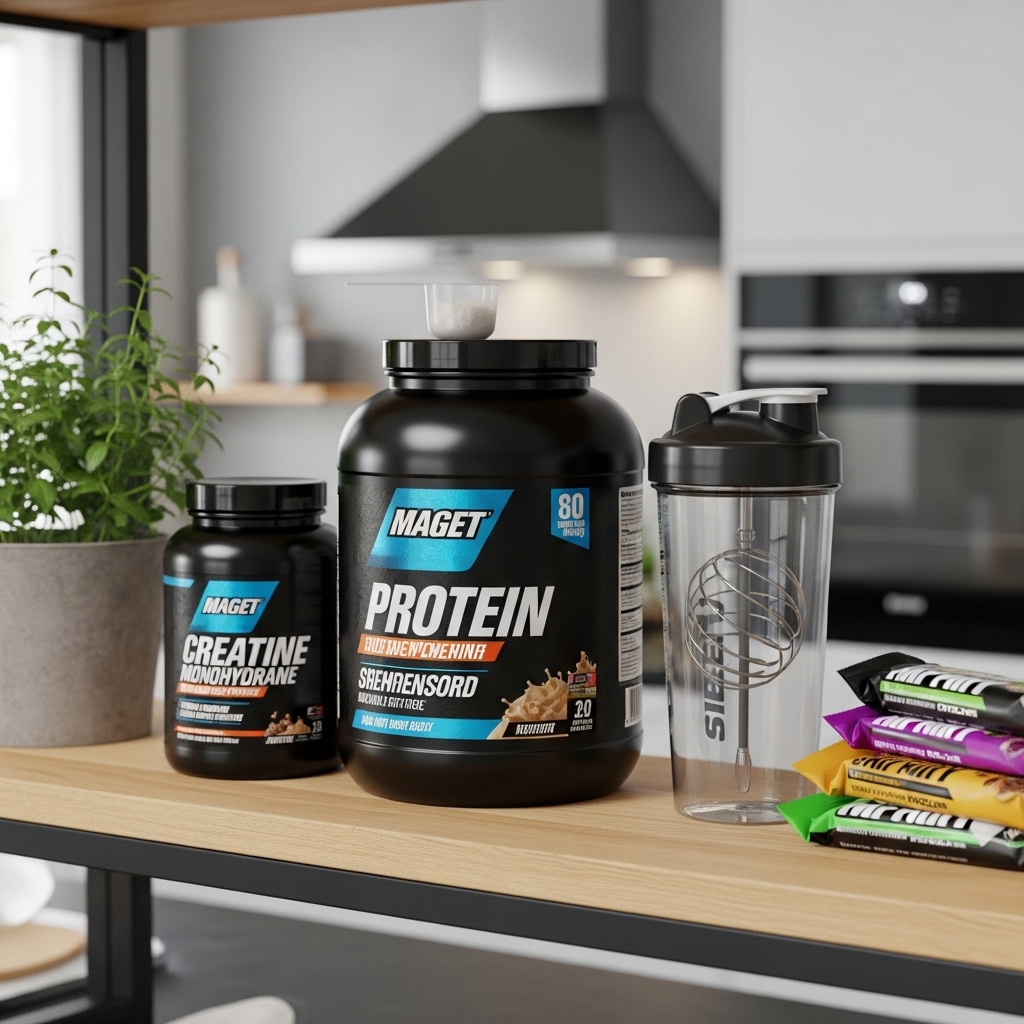
Understanding Muscle Growth In Simple Terms
Muscle growth happens when your body repairs tiny tears from training. This process needs energy, rest, and essential amino acids. Amino acids are the building blocks your muscles use to rebuild stronger fibers. Without enough protein intake, this repair slows down.
When you build muscle, you are guiding your body through stress and recovery. Protein and exercise work together in this cycle. After strength training, your body looks for protein for muscle repair. If you provide it, muscle mass grows steadily.
You may wonder how much protein you truly need. The answer depends on your size and goals. Many active people aim for enough grams of protein daily to support recovery. This steady intake supports effective muscle growth over time.
Protein supplements key to effective muscle growth because they offer quick access to complete protein. They deliver essential amino acids without heavy meals. This makes them useful after workouts or during busy days. You stay consistent, which matters most.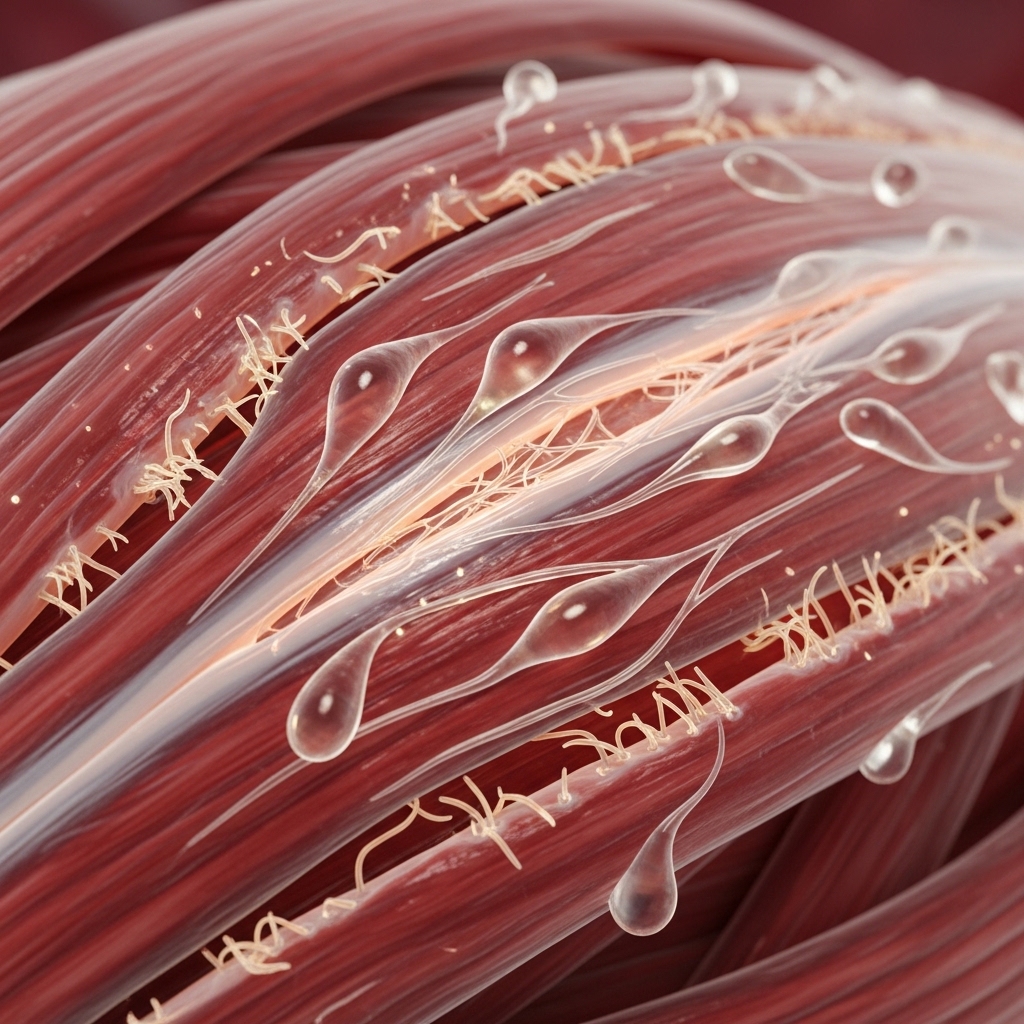
The Role Of Protein Supplements In Sports Nutrition
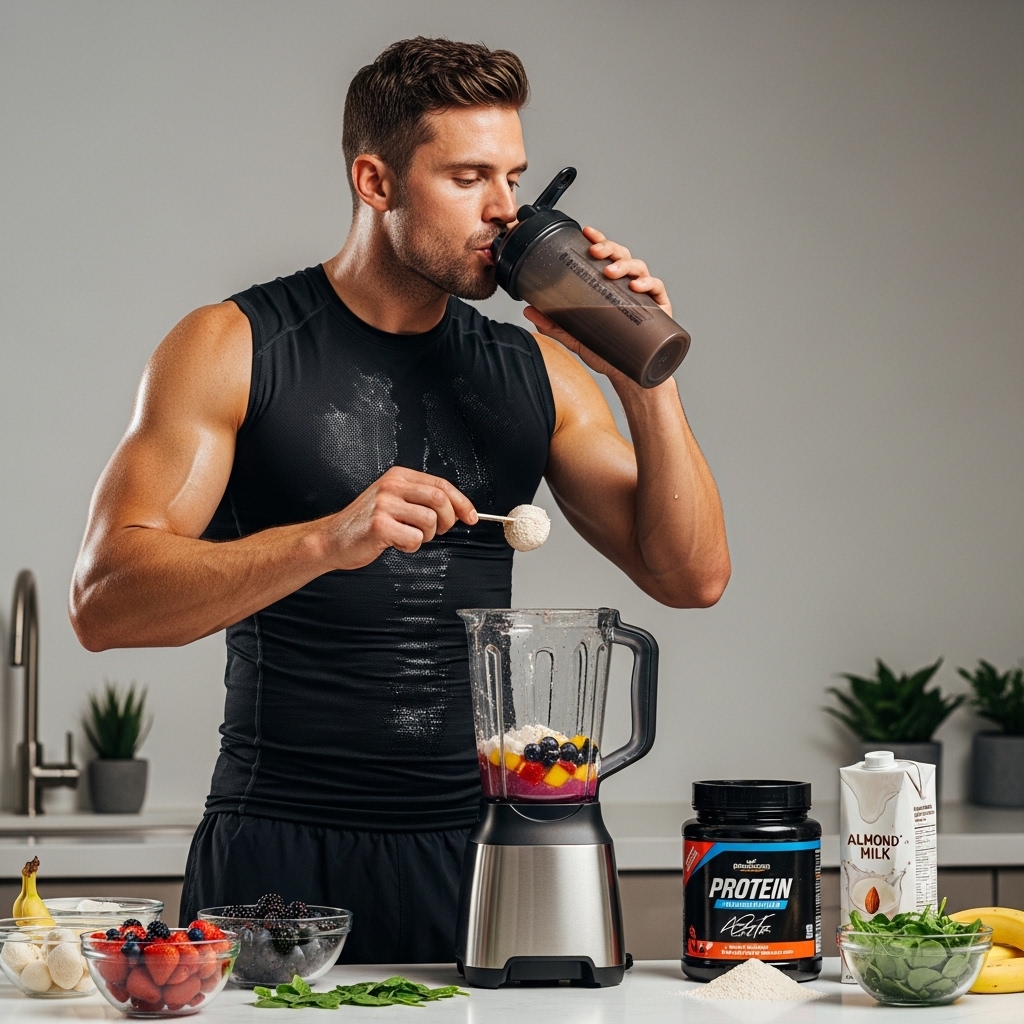
In sports nutrition, timing and quality both matter. Protein supplements offer a simple way to meet daily protein intake. When your schedule feels tight, a protein powder shake saves time. These powders are typically mixed with liquid, such as water or milk, for easy consumption after workouts. You still nourish your body with high quality protein.
Whey protein is one popular choice. It contains complete protein and absorbs quickly. This makes it helpful for muscle recovery after intense physical activity. Your muscles receive amino acids when they need them most.
There are many protein sources, including plant blends. The key is choosing protein supplements that fit your digestion and values. When you feel good after using them, you stay consistent. Consistency supports effective muscle growth.
Remember, protein supplement benefits appear when paired with training. They cannot replace effort in the gym. They support protein metabolism and recovery behind the scenes. Protein supplements key to effective muscle growth when they serve your bigger plan.
It's important to choose protein supplements that have been tested by third-party agencies to avoid contamination with harmful substances. Some protein supplements may contain heavy metals, such as lead, which can pose health risks.
READ ALSO: Peruvian Diet and Nourishing Foods for Balanced Energy
How Much Protein Do You Really Need
You might ask how much protein is enough. For many active adults, a steady daily range supports muscle growth. This often means spreading grams of protein across meals. Your body uses it better when intake is balanced.
Too much protein does not speed results. Your body can only use so much at once. Consuming more protein than needed does not necessarily lead to more muscle growth, and intake beyond 40 grams per meal typically offers diminishing returns. Excess may simply be stored or removed. Balance protects both your health and progress.
Protein timing also plays a gentle role. A serving of protein powder after training can help muscle recovery. Adding protein for muscle repair within a few hours supports rebuilding. Small habits add up over weeks. Athletes and active individuals may benefit from more protein, but intake should be balanced and spread throughout the day.
When you view protein supplements key to effective muscle growth, you stop guessing. You begin tracking your protein intake with awareness. You combine whole food protein sources with smart supplements. This thoughtful mix helps you maintain muscles and grow steadily.

Choosing High Quality Protein Sources
Not all protein supplements are equal. You deserve high quality protein that supports your body. Look for clear labels and simple ingredients. This helps you trust what you consume.
High-quality protein sources include beans, seeds, soy, rice, chicken breast, poultry, fish, salmon, milk, and Greek yogurt. These foods provide essential nutrients and help meet daily protein requirements for muscle growth. Whey protein is a complete protein that contains all the amino acids necessary for muscle growth. Salmon is considered a top-tier protein for building muscle due to its high-quality protein and essential nutrients. Plant-based blends can also offer complete protein when combined well. Both options can support muscle growth and recovery. The best choice is one you digest comfortably.
Different types of protein supplements, such as whey concentrate and isolate, are produced through various processing methods that affect their composition and digestibility. Protein supplements key to effective muscle growth when quality comes first. Cheap products may lack needed amino acids. Investing in better protein sources supports steady muscle mass gains. You protect your health while you build strength.
Protein Timing And Muscle Recovery
After physical activity, your muscles are ready to rebuild. This is when protein for muscle repair becomes valuable. A shake or meal with protein powder can be practical. It delivers amino acids quickly. Whey protein powder is a fast-absorbing protein recommended after exercise for optimal muscle recovery. In contrast, casein protein is most beneficial when taken before bed to prevent muscle breakdown during sleep. A combination of whey and casein protein, often found in protein blends, may be superior for overall muscle growth due to their synergistic effects.
Protein timing does not need to feel stressful. Aim to include protein within a few hours after training. This supports muscle recovery and effective muscle growth. Calm consistency beats perfect timing.
When you align protein and exercise, results feel smoother. Protein supplements key to effective muscle growth because they simplify this window. You remove guesswork and support protein metabolism gently. Over time, you increase muscle mass with less confusion.
READ ALSO: Sweet Potato Nutrition: A Cozy Wellness Staple
Building Muscle Mass With A Balanced Diet
Supplements cannot replace a balanced diet. Whole foods provide fiber, vitamins, and minerals. Many high-quality protein sources are found naturally in foods, such as lean meats, dairy, legumes, and nuts. These nutrients support protein metabolism and overall health. Your body thrives on variety.
Include lean meats, dairy, legumes, and nuts as protein sources. The body does not store protein for future use like it does carbohydrates or fat, so it is important to consume protein regularly throughout the day. Spread your grams of protein across meals. Dividing protein intake evenly throughout the day helps the body best build and maintain muscles. This steady pattern helps maintain muscles and energy. It also reduces the risk of too much protein at once.
Protein supplements key to effective muscle growth when they complement real food. They fill gaps, not replace meals. You create a foundation with whole foods first. Then supplements enhance your muscle growth journey.
Protein For Athletes And Active Lifestyles
If you train often, your needs may be higher. Athletes require a healthy dose of protein to recover and build muscle, with recommendations of 1-1.6 grams per kilogram of body weight per day for endurance athletes and 1.6-2 grams per kilogram for strength athletes. Protein for athletes supports muscle recovery after intense sessions. Your body repairs faster when protein intake is steady. This allows you to train again with strength.
Sports nutrition focuses on fueling performance. Active individuals should aim for a total daily protein intake of 1.2 to 2.2 grams per kilogram of body weight to ensure optimal recovery and muscle growth. Protein supplements offer convenience during travel or long days. A quick protein powder shake keeps you on track. You protect your muscle mass even when life feels busy.
Protein supplements key to effective muscle growth for active people who plan ahead. They reduce missed opportunities for nourishment. With proper protein timing, you support effective muscle growth consistently. This builds confidence in your routine.
Avoiding Common Mistakes With Protein Supplements
Many people believe more is always better. Too much protein will not double muscle growth. Your body values balance and smart planning. Overuse may strain digestion or budget. Additionally, protein powders can cause digestive issues such as diarrhea or constipation in some individuals.
Another mistake is ignoring total protein intake. Supplements should fit within your daily grams of protein. Track how much protein you consume from all protein sources. Excessive protein intake may lead to weight gain as the body stores excess calories as fat. This keeps your plan clear and focused.
Protein supplement safety also matters. Choose trusted brands and follow serving guidelines. Protein supplements key to effective muscle growth only when used responsibly. You care for your body while pursuing strength. Individuals with kidney problems should consult a dietitian before increasing protein intake due to the added strain on the kidneys.
Understanding The Role Of Amino Acids In Muscle Growth
Amino acids are the foundation of muscle growth and development. When you consume protein—whether from a protein supplement, whey protein, or whole foods—your body breaks it down into amino acids. These building blocks are then used to repair and build new muscle tissue after exercise. Among the 20 amino acids, nine are considered essential amino acids, meaning your body cannot produce them on its own. You must get these through your diet or supplements.
Leucine, one of the essential amino acids, plays a crucial role in triggering muscle protein synthesis. This is why high quality protein sources like whey protein and egg protein are so valued in sports nutrition—they provide all nine essential amino acids in the right balance. For athletes and anyone looking to increase muscle mass, ensuring enough protein and a complete amino acid profile is key.
The International Society of Sports Nutrition recommends that athletes aim for 1.6 to 2.2 grams of protein per kilogram of body weight each day to support muscle growth and recovery. This level of protein intake helps provide the essential amino acids your muscles need after every workout. If you’re unsure about your specific needs, a registered dietitian nutritionist can help you determine the right balance for your body, goals, and activity level. Choosing a protein supplement that lists all essential amino acids on the label ensures you’re supporting your muscle development with every shake or meal.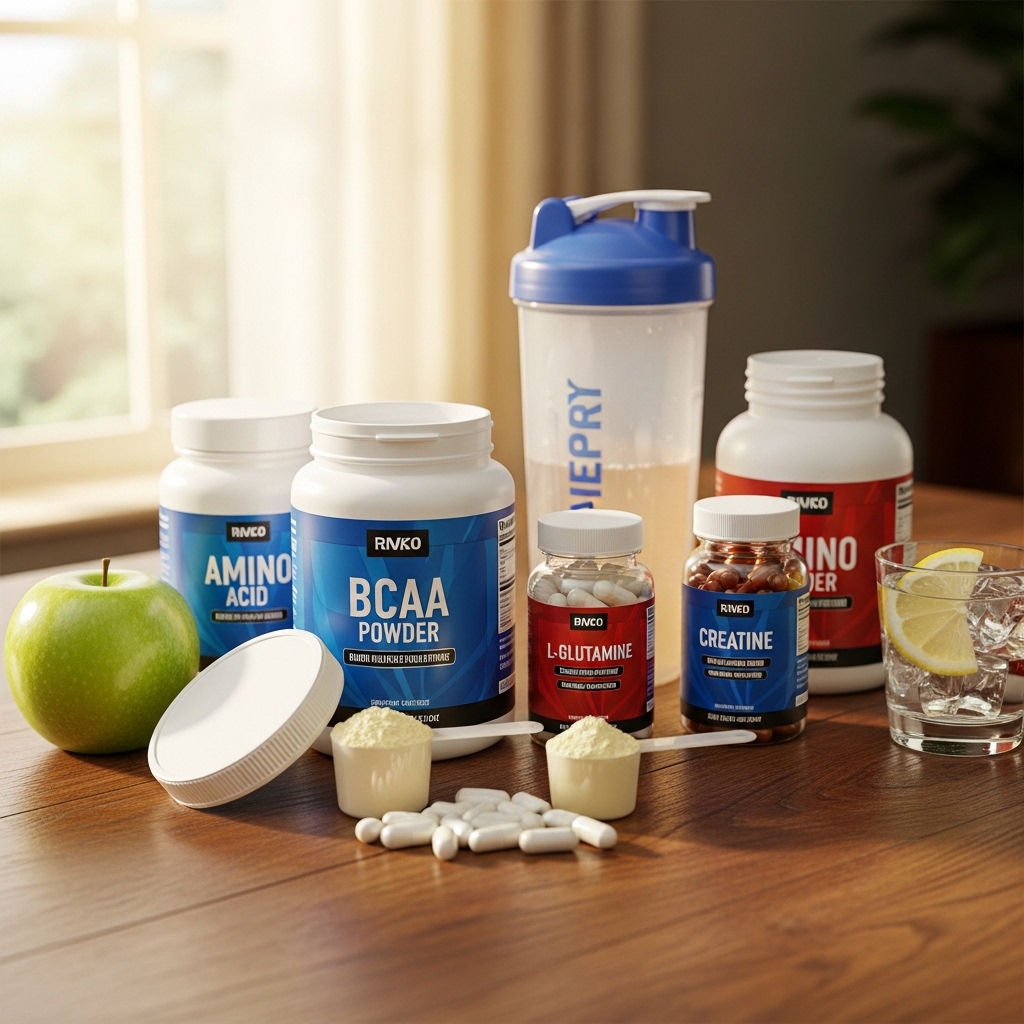
READ ALSO: Mochi Healthy Treat With Surprising Nutrients
Recognizing The Risks Of Too Much Protein
While protein is a major player in building muscle, more is not always better. Consuming too much protein can put unnecessary strain on your kidneys, especially if you have any underlying kidney concerns. Your body can only use a certain amount of protein at a time; excess protein is either stored as fat or eliminated, which can lead to dehydration as your body works harder to process it.
A diet overloaded with protein—especially from high-fat sources like beef or full-fat dairy products—can also increase your intake of saturated fat and cholesterol. This may impact your heart health and overall well-being. Focusing only on protein can crowd out other essential nutrients, such as carbohydrates and healthy fats, which are vital for energy, recovery, and balanced nutrition.
To support muscle growth and overall health, aim for a balanced diet that includes a variety of nutrients. Most active adults benefit from 0.8 to 1.2 grams of protein per kilogram of body weight daily, adjusting higher if you’re training intensely. Remember to include whole grains, fruits, and vegetables alongside your protein sources. If you’re considering increasing your protein intake or adding supplements, consult a registered dietitian or healthcare professional. They can help you find the right balance for your body, ensuring you get the benefits of protein without the risks of too much.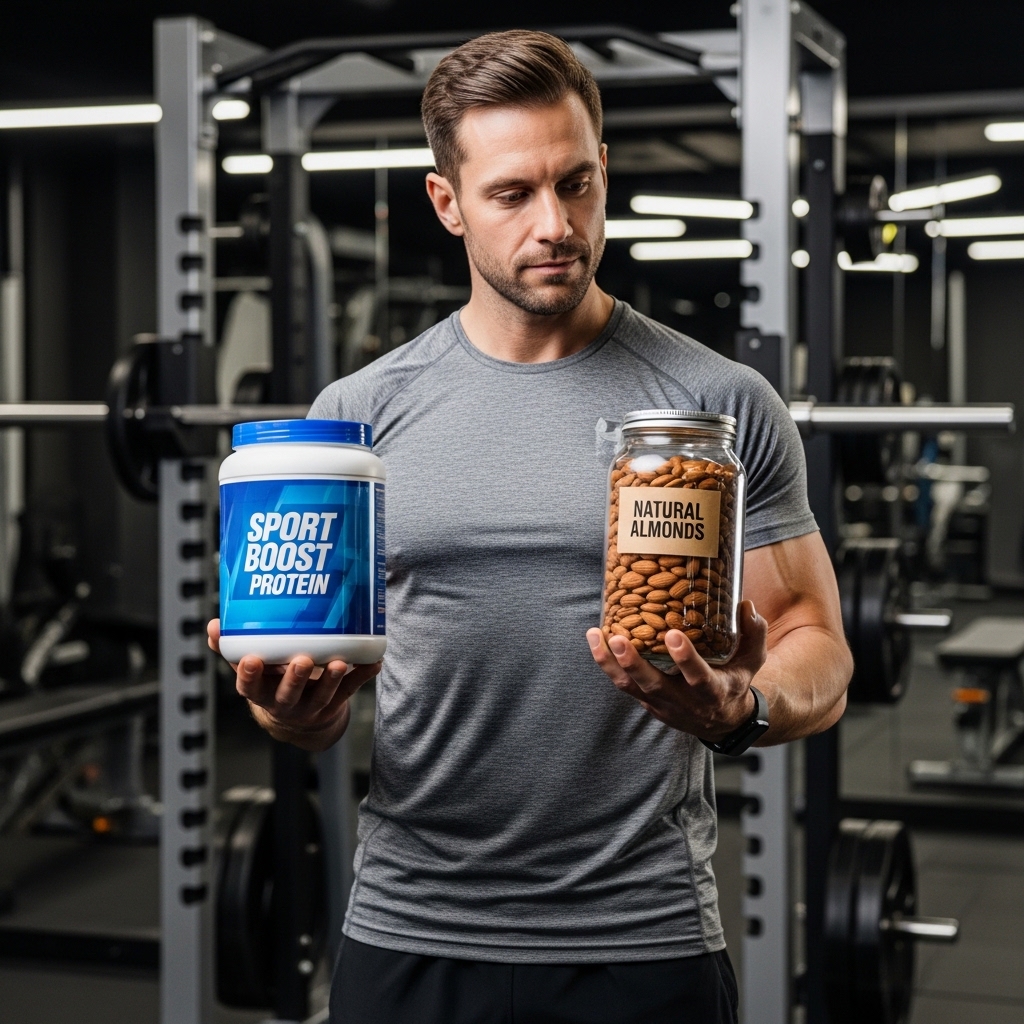
Supporting Long Term Muscle Growth
Real muscle growth takes time. You build muscle through repeated effort and recovery. Protein and exercise must stay aligned over months. Quick fixes rarely last.
Effective muscle growth depends on routine. Keep your protein intake steady even on rest days. This helps maintain muscles and supports protein metabolism. Consuming protein every 3-4 hours can optimize muscle protein synthesis. Regular protein intake plays a major role in maintaining a positive nitrogen balance and preventing muscle breakdown for energy. Consistency creates visible change.
When you trust protein supplements key to effective muscle growth, you think long term. You see them as part of your lifestyle. Each shake or meal becomes a vote for your goals. Over time, you increase muscle mass with quiet confidence.
Listening To Your Body And Adjusting
Your body gives feedback every day. Notice your energy, digestion, and muscle recovery. These signs help you adjust protein intake wisely. You are not locked into one plan forever.
If you feel heavy or uncomfortable, review how much protein you consume. You may not need extra protein powder daily. Adjust based on training intensity and physical activity. This keeps your approach personal and balanced.
Protein supplements key to effective muscle growth when they match your needs. They should support, not overwhelm you. With mindful use, they enhance muscle mass and recovery. You remain in control of your journey.
Your Empowered Path To Stronger Muscles
You now see that protein supplements key to effective muscle growth are tools of support. They work best beside a balanced diet and steady training. They provide essential amino acids for muscle recovery and repair. Used wisely, they help build muscle with clarity.
Keep your focus on daily habits. Meet your grams of protein through whole foods and smart supplements. Align protein timing with your workouts. Protect your health with attention to protein supplement safety.
As you continue, remember that strength grows from patience. You nourish your body with high quality protein and care. Step by step, you increase muscle mass and confidence. I walk beside you as you choose balance and lasting muscle growth.