


Chronic relational stress is a documented accelerant of biological aging — elevating cortisol, suppressing HRV, and driving systemic inflammation in patterns that mirror those seen in high-allostatic-load individuals. For executives and founders operating under sustained performance pressure, an unstable intimate partnership is not a personal inconvenience. Instead, it is a physiological liability. Research consistently links relational conflict to disrupted sleep architecture, impaired prefrontal cortex function, and elevated cardiovascular risk. These outcomes directly erode the cognitive clarity and executive capacity high performers depend on. Couples therapy, when approached proactively, is not crisis intervention. Therapy for relationship problems can be a precision tool for protecting the relational infrastructure that underpins long-term performance and healthspan.
Here's the revised body copy, addressing all three issues — shorter sentences, simpler words, and active voice throughout:
What the Research Actually Shows About Relational Stress
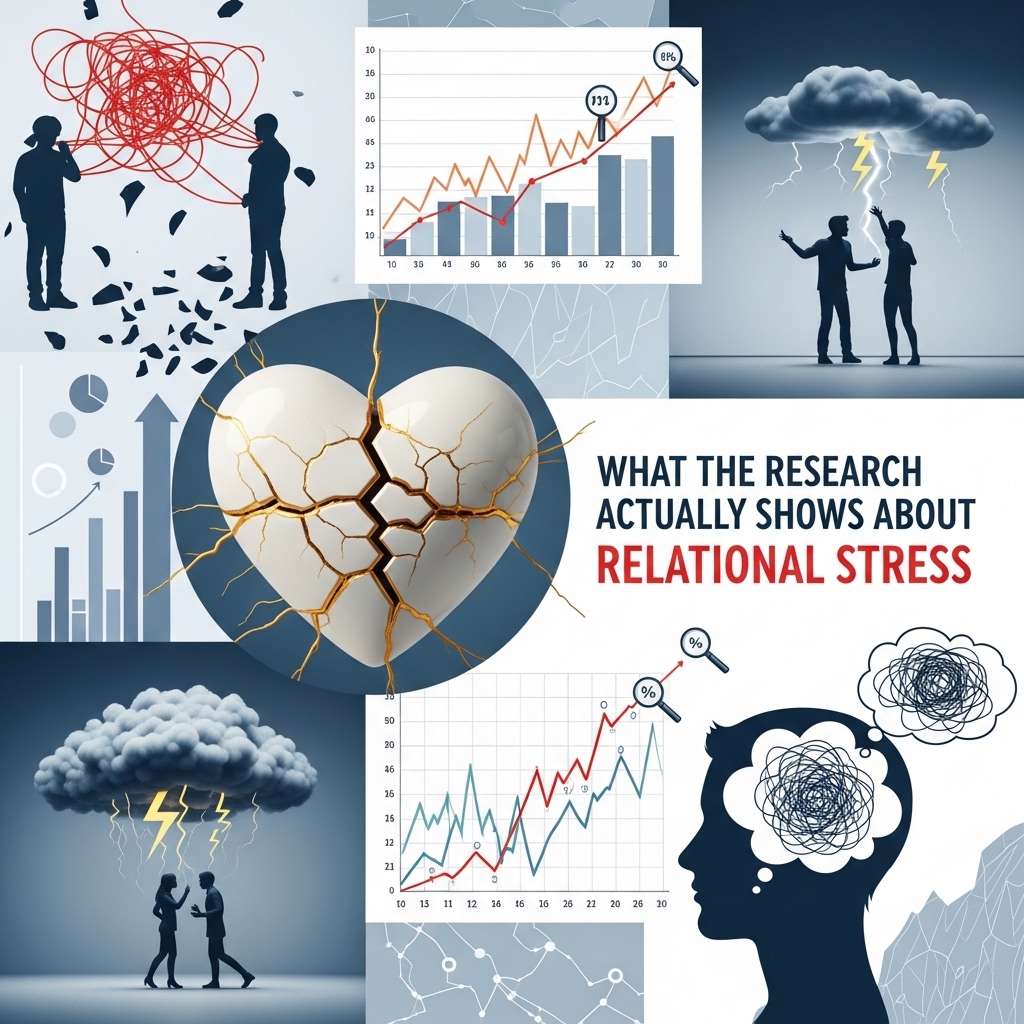
The Harvard Study of Adult Development tracked people for over 80 years. It found that close relationship quality was among the strongest signs of late-life health and mental function. In fact, it outperformed cholesterol levels and income as a predictor. Warm bonds were linked to slower mental decline and lower rates of chronic disease. Conflict-heavy or distant partnerships, by contrast, predicted steeper physical and mental decline over time.
At the biological level, relationship stress activates the body's stress system in a lasting, low-grade way. This differs from short-term stress. A high-stakes board meeting resolves — cortisol spikes, then drops back. Chronic conflict, however, does not resolve in the same way. As a result, it creates a broken cortisol pattern that builds over time. This pattern weakens immune function, disrupts sleep, and speeds up cellular aging through telomere damage.
READ ALSO: Therapy for Relationship Problems Isn’t Just for “Broken” Couples
Cortisol, HRV, and the Body's Stress Signature
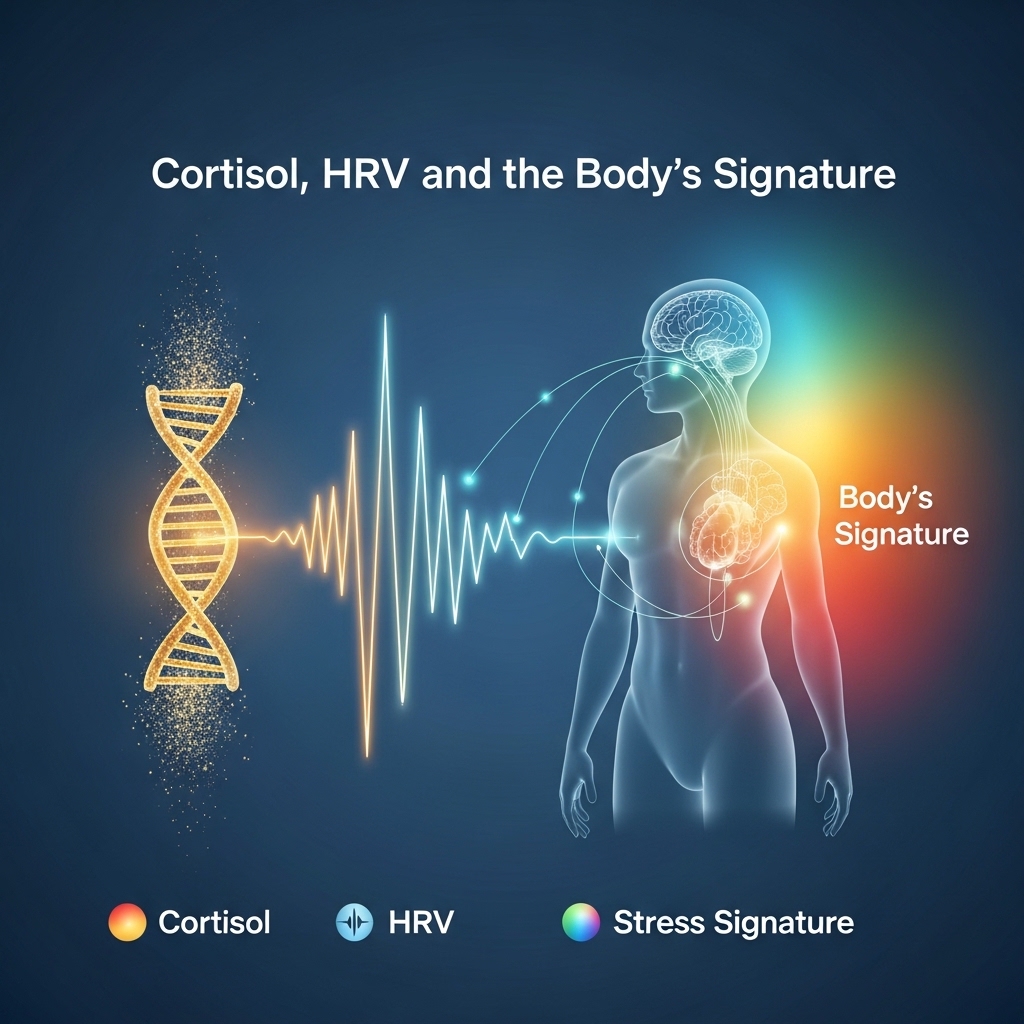
Heart rate variability (HRV) is one of the most sensitive markers of nervous system regulation. It also offers a clear window into how the body handles stress. Research consistently shows that people in high-conflict partnerships have lower resting HRV than those in stable relationships. Notably, this holds even after accounting for exercise, sleep, and baseline health.
Low HRV is not just a data point. In fact, it predicts heart risk, poor emotional control, reduced mental flexibility, and slow recovery from stress. For an executive whose performance depends on fast, clear decisions, a low baseline is a direct liability. Fortunately, relationship work that reduces conflict and improves emotional support also improves these markers. In the end, the partnership itself can function as a recovery environment — or as a chronic stressor — depending on its quality.
READ ALSO: Therapy for Toxic Relationship to Restore Your Well-being
Sleep and the Bedroom Environment

Relationship conflict is one of the most reliably proven sleep disruptors in otherwise healthy adults. It works through several pathways. First, it raises cortisol before bed. Second, it heightens nervous system activity. Third, it triggers repetitive worried thinking that delays sleep and breaks up deep sleep and REM cycles.
Sleep is the body's primary recovery window for mental processing and physical repair. As a result, even mild, ongoing sleep disruption impairs clear thinking, reduces working memory, and raises inflammation. It also produces clear declines in next-day decision quality. The relationship environment and sleep are therefore not separate concerns. A partnership in active distress functions as a sleep disruptor — with knock-on effects on every area that depends on mental restoration.
READ ALSO: Therapist for Relationship Anxiety: Gentle Guidance for Growth
Inflammation, Immune Function, and Biological Age
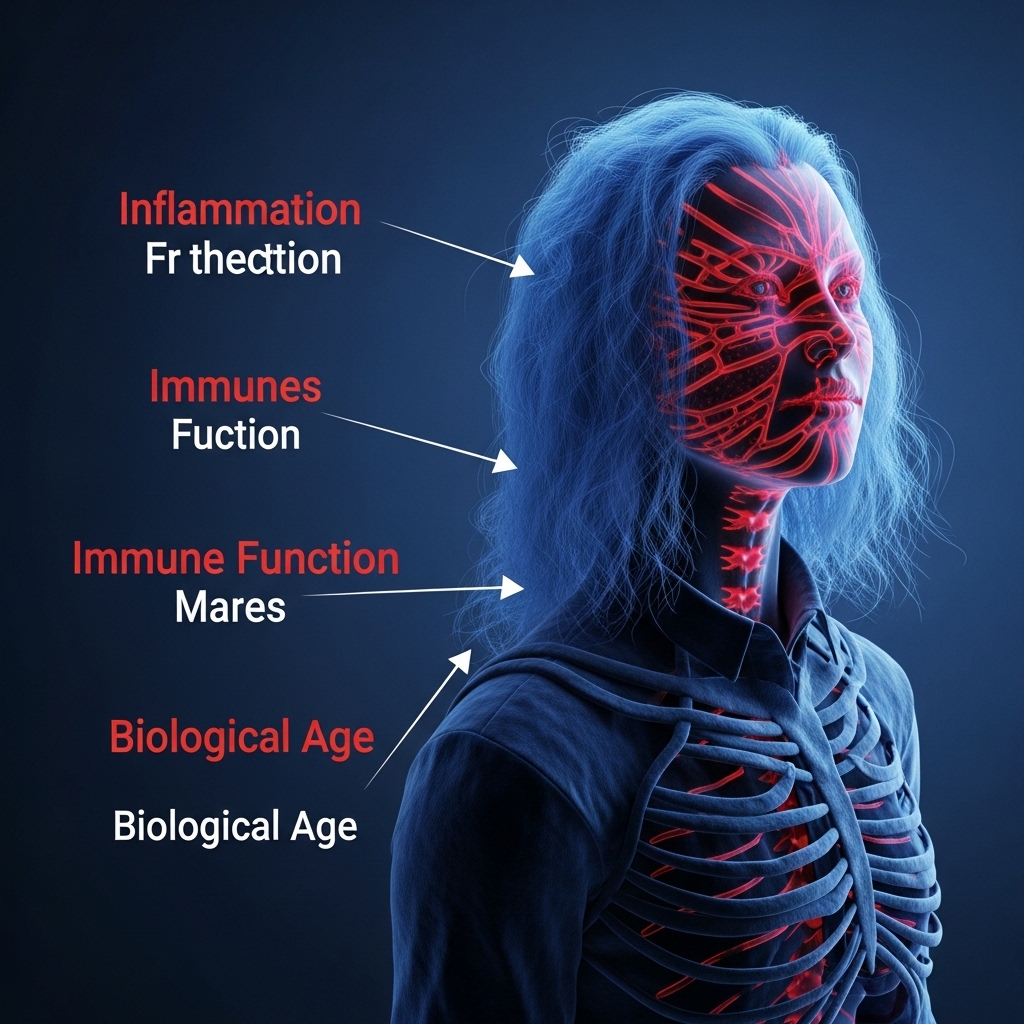
Chronic conflict raises key inflammation markers, including IL-6, TNF-α, and CRP. The National Institutes of Health has published widely on the link between social stress and inflammation. Furthermore, research shows that lasting conflict disrupts immune function in clear, measurable ways.
Chronic inflammation is also one of the main drivers of biological age acceleration — the gap between your calendar age and the age your cells reflect. For longevity-focused professionals who track biological age through methylation panels or inflammation testing, the relationship factor meaningfully shapes their results. So, structured couples therapy reduces relationship stress and produces clear effects on inflammation, though the degree varies by person and treatment length.
READ ALSO: Therapist Relationship: Building Trust That Works
The Neuroscience of Relational Security
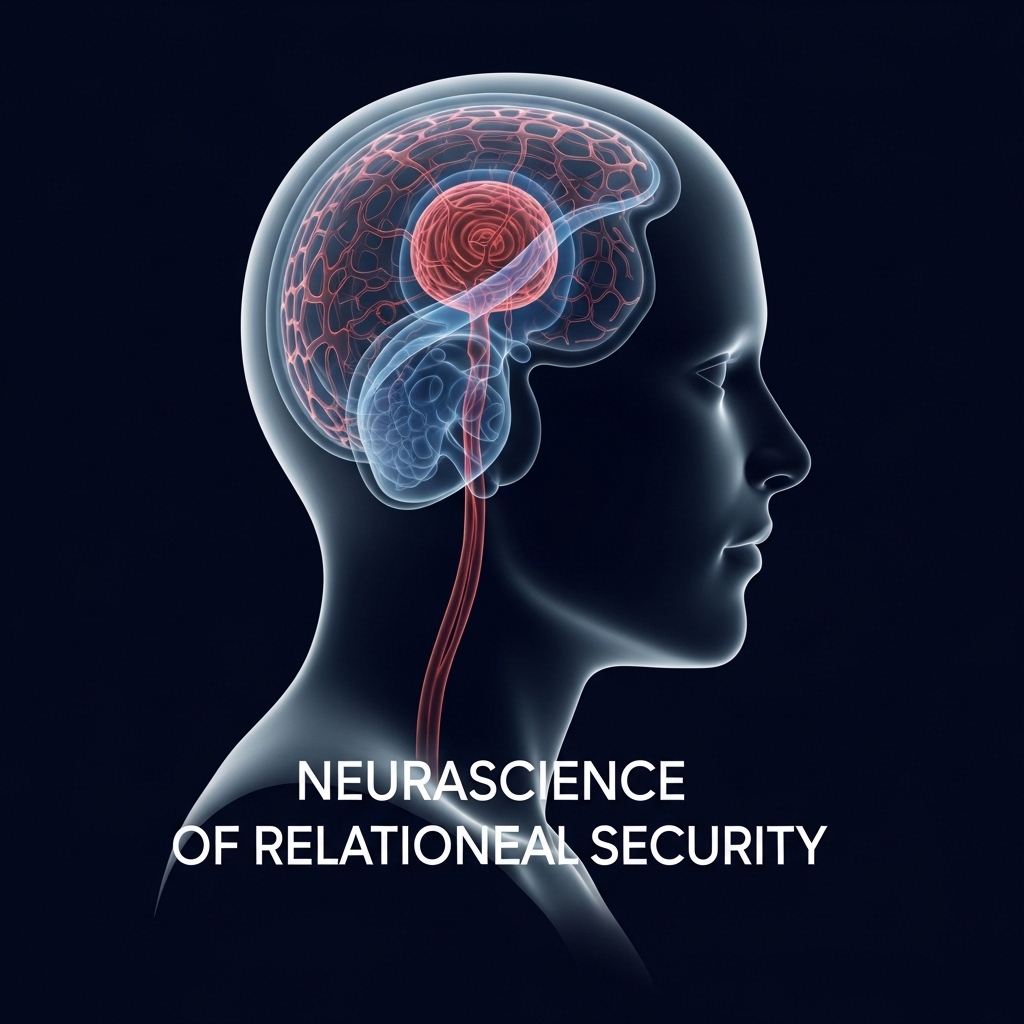
Psychiatrist John Bowlby first developed attachment theory. Since then, decades of brain imaging and child development research have confirmed it. Essentially, it describes how early relationship experiences shape adult nervous system regulation. People who feel secure in their primary relationship show more flexible stress responses, faster cortisol recovery, and greater emotional control under pressure.
Importantly, adult attachment patterns are not fixed. Emotionally Focused Therapy (EFT), developed by Dr. Sue Johnson and tested in controlled trials, reliably moves adult partnerships toward secure attachment. This is not merely symbolic. Rather, a secure relationship produces proven brain changes — including reduced reactivity in the amygdala and improved regulation in the prefrontal cortex. As a result, a relationship rebuilt through evidence-based therapy becomes a calming resource rather than a source of ongoing strain.
READ ALSO: Relationship Coaches: Finding Support Without Pressure
Proactive Versus Reactive Engagement With Therapy
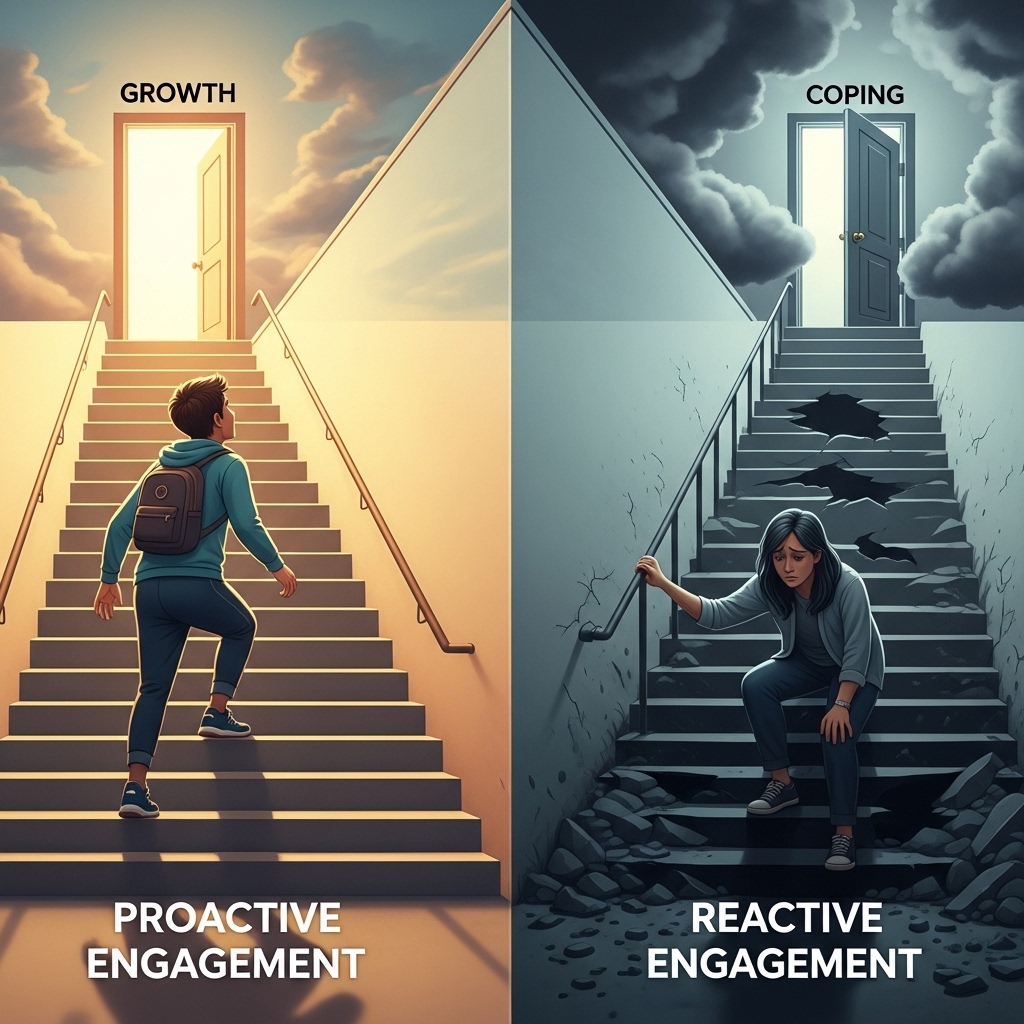
The cultural view of couples therapy as crisis care is both common and unhelpful. By the time most couples seek therapy, relationship distress has typically been present for years — often more than six, according toDr. John Gottman's research. His work produced some of the most accurate models of relationship breakdown available.
So, therapy started during acute crisis works against a longer arc of built-up dysfunction. Early engagement— using couples therapy as a maintenance tool rather than a rescue — aligns with how high performers approach other health systems. The same logic that drives quarterly health marker testing applies here. In other words, early action before visible decline yields better outcomes than late-stage repair.
READ ALSO: Physically Intimate Practices for a Stronger Connection
Communication Patterns as Physical Events

Certain communication patterns produce measurable physical responses with direct health effects. Dr. Gottman's research identified four specific patterns — contempt, stonewalling, defensiveness, and criticism — that reliably predict relationship breakdown. Moreover, these patterns produce acute cortisol spikes and nervous system activity in both partners during and after conflict.
Stonewalling — withdrawing emotionally during conflict — is particularly damaging. It raises heart rate, suppresses HRV, and triggers a flooded state that shuts down clear thinking. These are not metaphors for emotional difficulty. Instead, they are physical events that build over time. They add to the stress burden that marks people under long-term pressure. So, therapy that changes these patterns reduces how often and how strongly the partnership triggers physical stress responses.
READ ALSO: Proportional Relationship and the Power of Mutual Effort
Resilience as a Relational Construct

High-achieving professionals most often discuss resilience in personal terms — stress tolerance, mental flexibility, emotional control, recovery capacity. The relationship research, however, complicates this in useful ways. Studies consistently show that close bonds strongly shape personal resilience. Resilience, in other words, is partly a shared resource.
Dyadic coping — the stress-management strategies that partners use together — predicts both personal and relationship wellbeing under lasting pressure. For example, couples with effective dyadic coping show reduced cortisol reactivity to shared stressors and faster physical recovery after conflict. They also show greater mental flexibility afterward. Therefore, therapy that builds these shared coping skillsbuilds a shared resilience system — one that operates at a biological level, not just a behavioral one.
READ ALSO: Quality Time That Builds Connection and Capacity
Cognitive Performance and the Cost of Relational Distraction
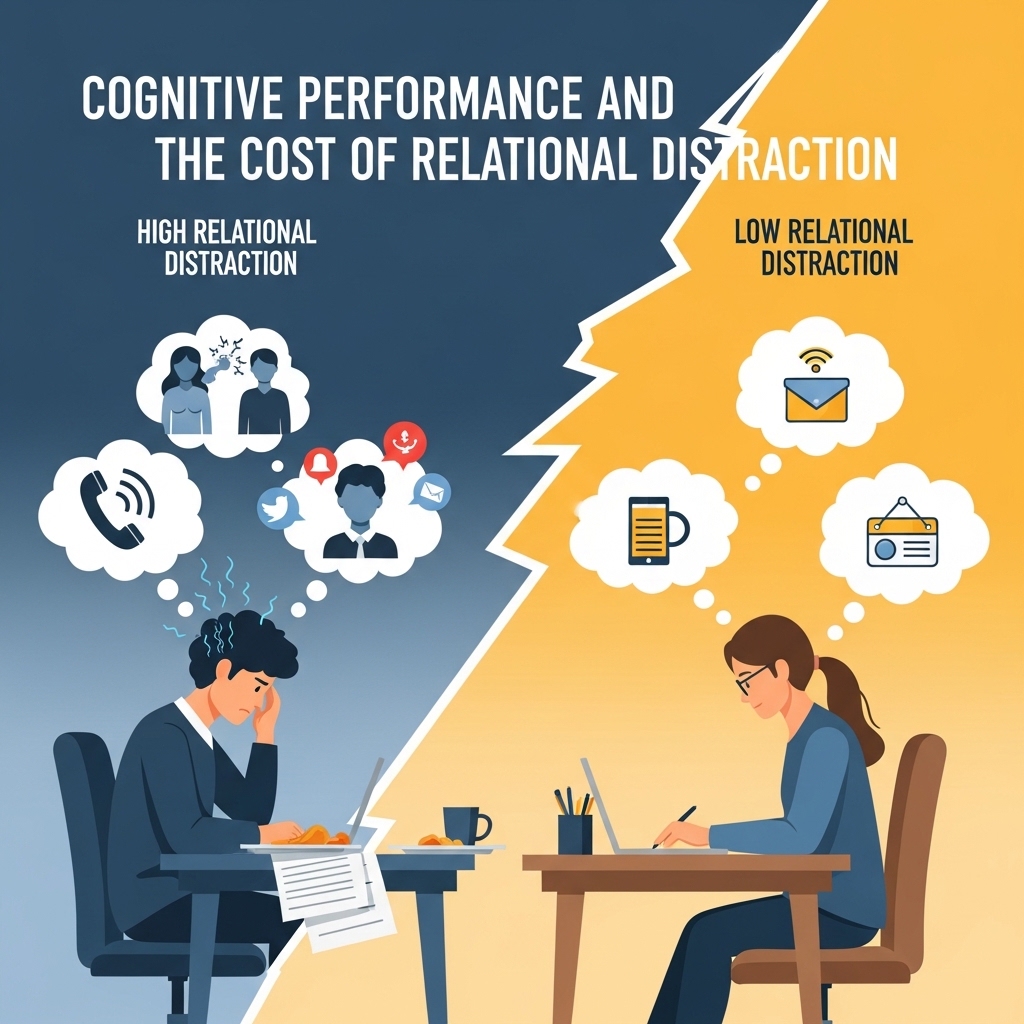
Unresolved relationship tension functions as a persistent mental load. Unwanted rumination — the involuntary return of unresolved relationship concerns during unrelated tasks — uses up working memory. As a result, it impairs attention, task-switching, and clear thinking. For professionals whose edge depends on mental output, this is a real performance cost.
Research in cognitive psychology shows that unresolved conflict creates a mental pattern similar to the Zeigarnik effect — the well-documented tendency for unfinished tasks to occupy more mental bandwidth than finished ones. Similarly, relationship tension that goes unresolved keeps draining resources that would otherwise go toward high-stakes work. In contrast, structured therapy that moves toward resolution frees up mental capacity in ways that show up in professional performance.
READ ALSO: Tips for Relationship Harmony That Begin With You
Longevity and the Case for Relational Investment
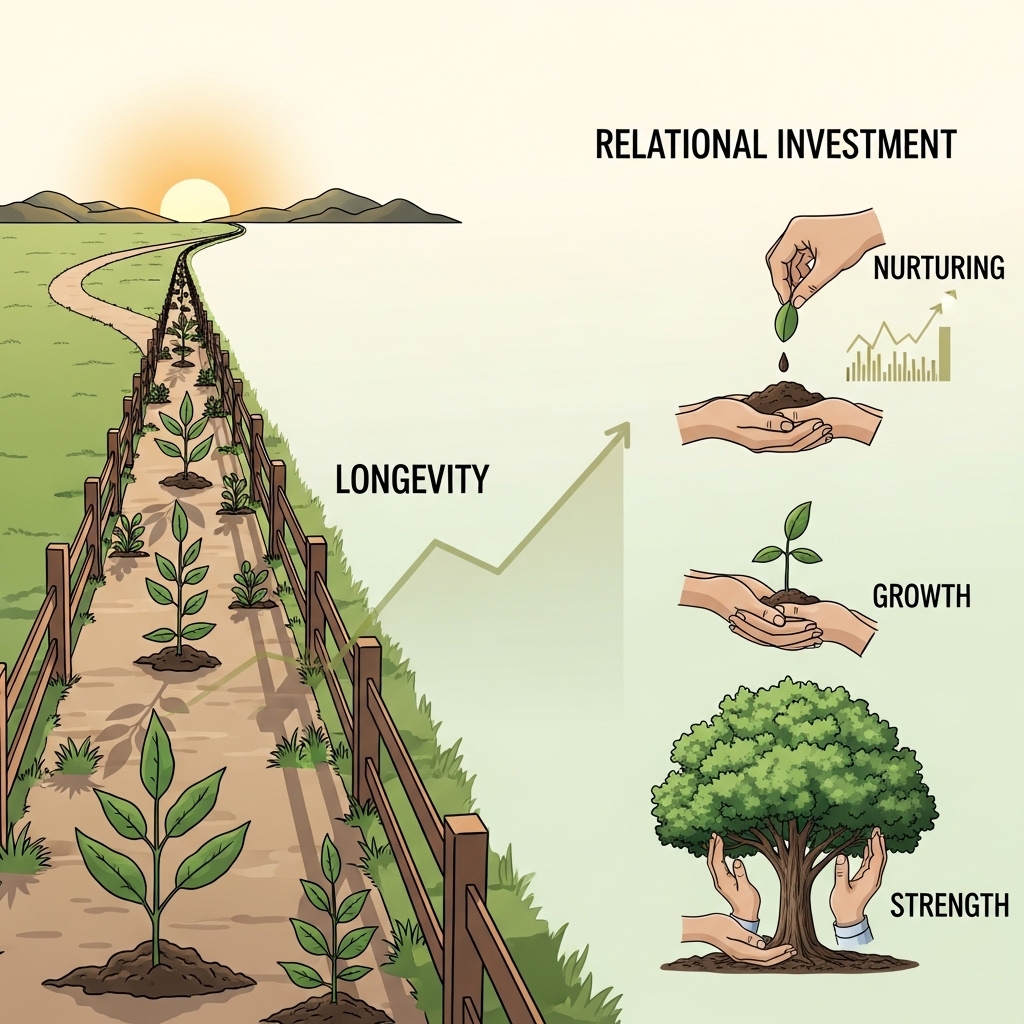
The Framingham Heart Study identified social connection and close relationship quality as separate protective factors against heart disease and early death. Importantly, these effects held after researchers controlled for blood pressure, cholesterol, BMI, and smoking. As a result, relationship conflict and isolation qualify, by the evidence, as heart health risk factors.
For executives and founders who apply careful analysis to health, the evidence base for investing in relationship healthis strong and growing. Furthermore, the return is not merely personal satisfaction — it shows up in health markers, mental performance metrics, and longevity variables that serious health tracking monitors.
READ ALSO: Emotional Intimacy Feels Better When You’re Grounded
Evidence-Based Options for Getting Started
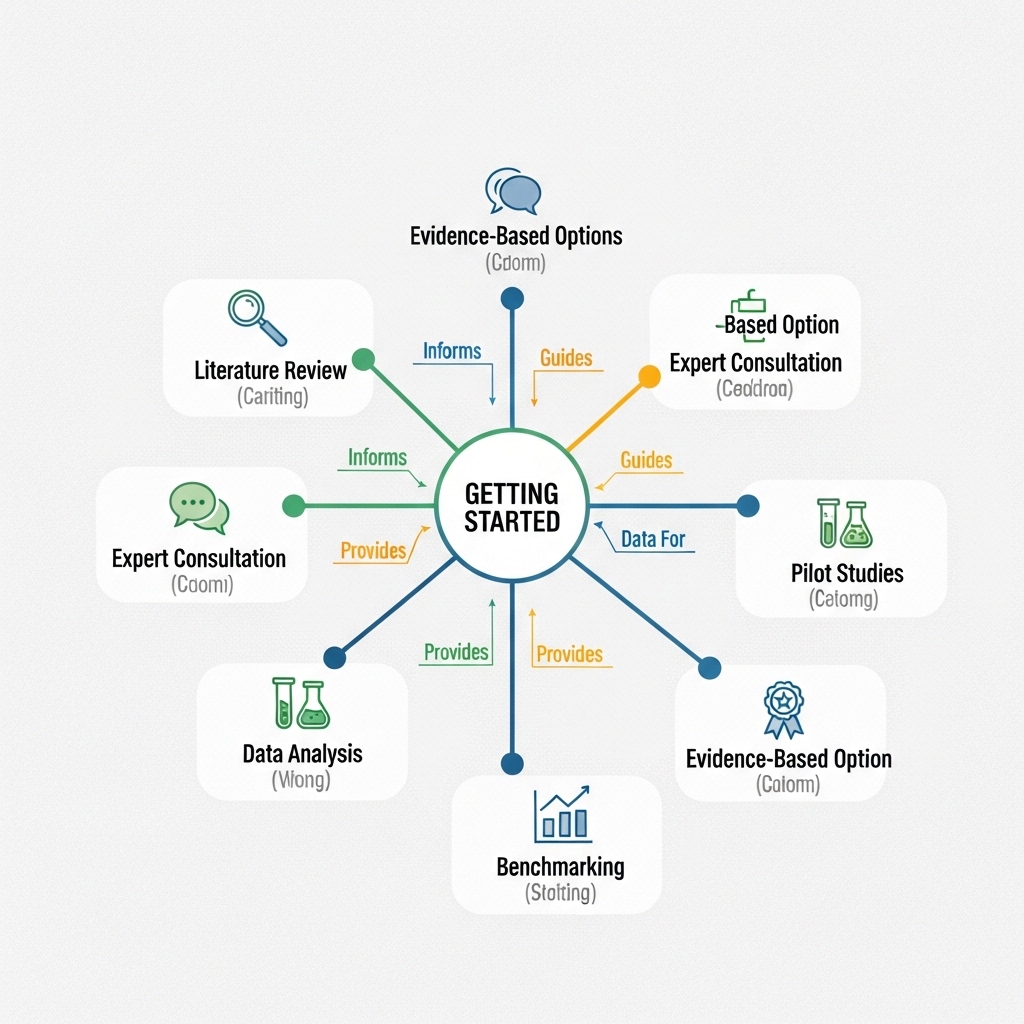
Professionals who find this evidence relevant have several well-supported options. First, seeking a licensed couples therapist trained in a proven approach — Emotionally Focused Therapy and the Gottman Method both carry strong research support — is the most direct path. Additionally, early rather than reactive engagement yields better outcomes. For couples where one or both partners already see an individual therapist, exploring a couples approach is a logical next step. Finally, HRV monitoring, inflammation panel testing, andsleep quality metrics can provide hard data against which relationship progress can be tracked over time. The relationship system, like any other biological system, responds to structured, evidence-informed action — and the knock-on effects extend well beyond the partnership itself.
Chronic relational conflict is one of the most overlooked drivers of accelerated biological aging, with sustained interpersonal stress shown to elevate inflammation markers, suppress HRV, and shorten telomere length in patterns that can add several years to an individual's biological age relative to their calendar age. WholeLiving's Biological Age Estimation Model incorporates this factor directly — your assessment takes under five minutes.
Ready to understand how these factors are influencing your biological age right now? [Take the Biological Age Assessment →]