
For high-performing professionals, the ability to pause and think before speaking is not merely a behavioral choice—it is a critical factor in sustaining cognitive performance and emotional regulation. Impulsive speech can trigger spikes in cortisol, undermining decision-making efficiency and increasing the risk of burnout. Studies show that high levels of unchecked stress hormones correlate with faster cognitive decline and impaired memory retention, both of which are key to maintaining optimal performance. In high-stakes environments, where precision and clarity are paramount, fostering this pause can improve interpersonal relationships, reduce the incidence of errors, and ultimately safeguard long-term cognitive health and executive function.
The Cognitive Impact of Impulsive Speech

Impulsive speech can disrupt cognitive performance, especially in high-pressure settings. When professionals speak without pausing, they can't fully process their thoughts. This leads to errors in judgment and poor communication. Cognitive skills like attention, memory, and decision-making are particularly affected. In environments where precision is key, impulsive speech can become a liability, impairing the ability to think clearly under stress.
Studies show that impulsive behavior drains cognitive resources, leading to burnout and diminished decision-making ability. Research from the Harvard T.H. Chan School of Public Health found that individuals with higher impulsivity experience faster cognitive decline. This decline affects memory and decision-making skills. Professionals facing complex tasks rely on sharp cognitive abilities. When these decline, the capacity to perform effectively also diminishes.
For professionals, preserving cognitive function is vital. Impulsive speech harms decision-making and problem-solving, which are essential for success. The ability to pause before speaking helps maintain mental clarity and performance. This simple practice boosts cognitive function, ensuring sharper, more accurate decision-making.
Cortisol Elevation and Stress Response
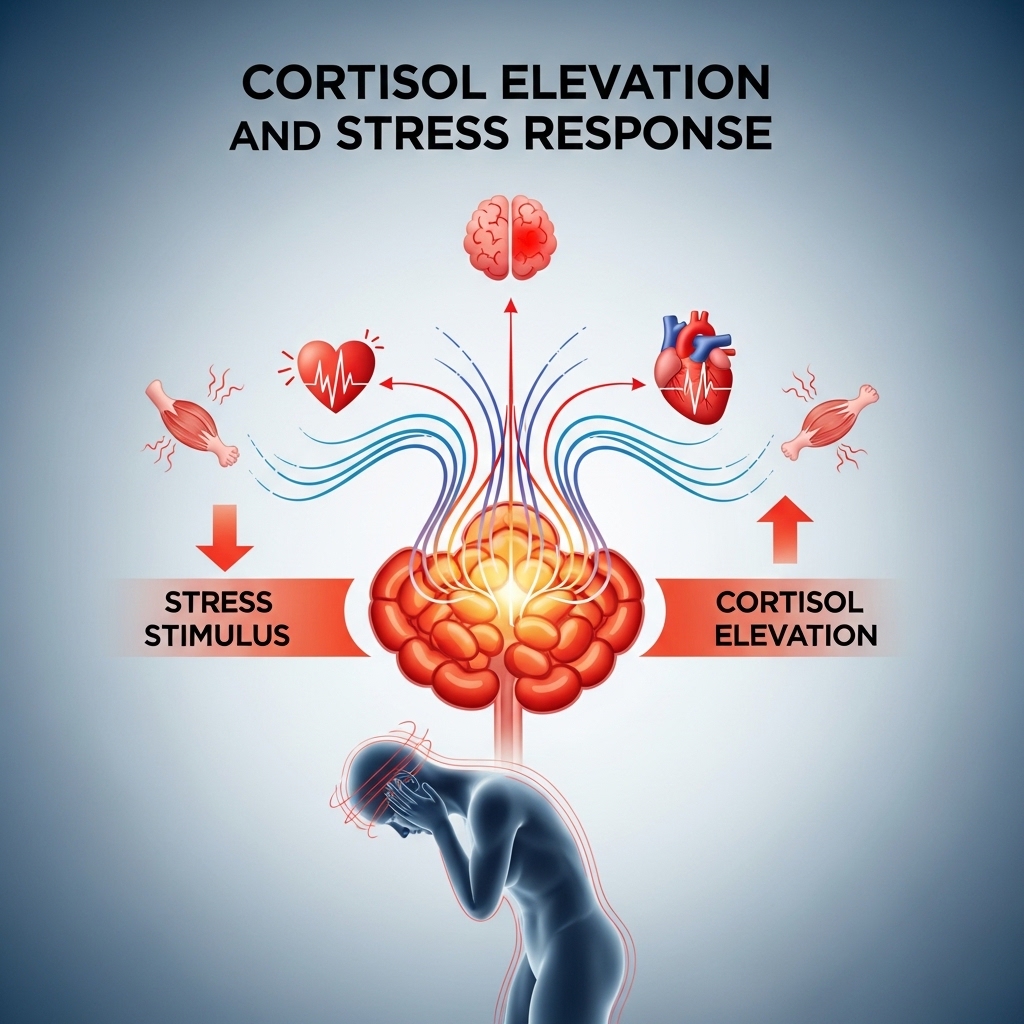
Impulsive speech triggers the body's stress response, releasing cortisol—the hormone responsible for managing stress. Cortisol is vital in short-term stress reactions but can be harmful when levels stay high. Speaking impulsively under stress can cause a spike in cortisol. Over time, this continuous release of cortisol contributes to health issues like metabolic dysfunction, inflammation, and cognitive decline.
Research from Psychoneuroendocrinology shows that people who act impulsively have higher cortisol responses to stress. Chronic cortisol elevation leads to conditions such as insulin resistance and abdominal fat accumulation. These conditions increase the risk of heart disease and cognitive decline. Professionals who manage stress effectively reduce their cortisol levels and protect long-term health.
Professionals can lower cortisol levels by learning to pause before speaking. Mindfulness practices, deep breathing, and reframing stressful situations help manage stress and reduce impulsivity. This not only improves emotional regulation but also protects cardiovascular and metabolic health over time.
READ ALSO: Fuzzy Cognitive Map: Boost Your Mind as You Age
Cognitive Decline and Impulse Control

Impulse control is crucial for maintaining cognitive health. Professionals who struggle with impulsivity are at higher risk of cognitive decline, especially in decision-making and memory. Poor impulse control leads to rash decisions, which disrupt cognitive functions. Research from The Lancet shows that those who exhibit high impulsivity experience faster cognitive decline, particularly in memory and attention.
In the Framingham Heart Study, participants with higher impulsivity showed a greater risk of cognitive impairment. This impairment is gradual but noticeable. As cognitive function decreases, decision-making becomes slower and less accurate. Professionals depend on sharp cognitive abilities to navigate complex, high-stakes situations. As these abilities erode, professional success becomes harder to sustain.
Improving impulse control can protect cognitive function. Research suggests that mindful decision-making enhances brain health by promoting cognitive resilience. Taking a moment to pause before responding helps maintain cognitive clarity, reducing the risk of decline. Professionals who strengthen their impulse control also enhance their ability to handle stress and complexity in their roles.
READ ALSO: Conversation with a Friend: How Small Talks Can Refill Your Energy
Emotional Regulation and Decision-Making

Emotional regulation is a vital skill for professionals. Impulsive speech often results from poor emotional regulation, leading to poor decision-making. When professionals react impulsively, they allow emotions like frustration or stress to guide their responses. This behavior can impair judgment and harm relationships in the workplace.
A study in Frontiers in Psychology found that individuals with better impulse control exhibit stronger emotional regulation. These individuals can think more clearly in stressful situations. They are less likely to make irrational decisions or react impulsively. In a professional setting, where clear thinking is essential, emotional regulation is key to high-level performance.
By pausing before responding, professionals can control their emotions and make better decisions. This improves both decision-making and interpersonal relationships. Thoughtful responses foster better communication and collaboration, which are essential for career success. Mindful speech leads to stronger leadership and better outcomes in the workplace.
Cardiovascular Health and Stress

Chronic stress, triggered by impulsive behavior, has a direct impact on cardiovascular health. Elevated cortisol increases heart rate and blood pressure, which can lead to long-term cardiovascular issues. The Framingham Heart Study showed that individuals with higher stress levels are more likely to develop heart disease.
Increased cortisol also contributes to endothelial dysfunction, which is the first step toward atherosclerosis. This condition leads to restricted blood flow and higher risks of heart attacks and strokes. Stress-driven impulsivity, if left unchecked, can result in serious cardiovascular consequences. Professionals must manage their stress to maintain heart health and overall longevity.
By reducing impulsivity and stress, professionals can lower their risk of cardiovascular disease. Pausing before speaking and practicing stress-reduction techniques helps manage blood pressure and heart rate. Regular physical activity and mindfulness can also protect the cardiovascular system. These steps not only reduce stress but also promote long-term heart health and well-being.
READ ALSO: Boost Your Well-being: How to Improve Cardiovascular Health
The Link Between Cortisol and Biological Age

Cortisol has a direct effect on biological aging, making stress management essential for longevity. Biological age, measured by biomarkers like telomere length, reflects a person’s overall health. Prolonged stress leads to high cortisol levels, which shorten telomeres. Shortened telomeres are associated with faster aging and higher risk of age-related diseases.
The Journal of Clinical Endocrinology & Metabolism found that chronic stress leads to shorter telomeres. This accelerates biological aging, making individuals more vulnerable to conditions like Alzheimer’s, cardiovascular disease, and diabetes. For professionals aiming to maintain their health and productivity, managing stress is critical for slowing biological age.
To slow biological aging, professionals can focus on reducing cortisol through mindful speech and stress-management techniques. By taking time to pause before reacting, professionals can lower cortisol and protect their telomeres. This promotes better health and longevity, ensuring they remain capable and resilient throughout their careers.
Practical Steps for Professionals

Professionals can take several steps to reduce the impact of impulsive speech and its negative effects. The first step is to pause before speaking, allowing time to reflect and respond thoughtfully. Cognitive reframing, where stressful situations are reinterpreted before reacting, can further reduce impulsivity. Practicing mindfulness techniques, such as meditation or deep breathing, helps lower baseline cortisol levels.
Exercise is another effective strategy for reducing stress and improving impulse control. Physical activity lowers cortisol levels and supports cardiovascular health. Maintaining a balanced lifestyle with healthy eating and sufficient sleep also plays a role in managing stress. Professionals can enhance their decision-making and overall well-being by adopting these evidence-based practices. These strategies support both short-term performance and long-term health.
UP NEXT: Mindfulness Practices for Mental Well-Being You Need
Impulsive speech and chronic stress can elevate cortisol levels, contributing to faster biological aging by shortening telomeres and increasing inflammation. WholeLiving's Biological Age Estimation Model incorporates this factor directly — your assessment takes under five minutes.
Ready to understand how these factors are influencing your biological age right now? [Take the Biological Age Assessment →]